User-generated content (UGC) has rapidly evolved from a niche marketing tactic into an indispensable component of contemporary brand strategy, fundamentally altering how businesses build trust and engage with their audiences. This guide explores the strategic imperative of UGC, dissects its various forms, outlines a robust implementation framework, and addresses crucial legal and ethical considerations, all while examining its profound impact on consumer behavior and brand loyalty.

The Ascendance of Authenticity: What is User-Generated Content?
At its core, user-generated content is any original, brand-specific material created by real customers, fans, or even employees, rather than being produced in-house by the brand itself. This organic or commissioned material manifests in diverse forms, including videos, images, product reviews, testimonials, social media posts, and blog mentions. Unlike traditional advertising, which often faces skepticism, UGC derives its power from its inherent authenticity and perceived impartiality. It can reside across a multitude of platforms: a brand’s own social channels, independent review platforms like Google or G2, community forums, blogs, or directly on individual customer profiles.

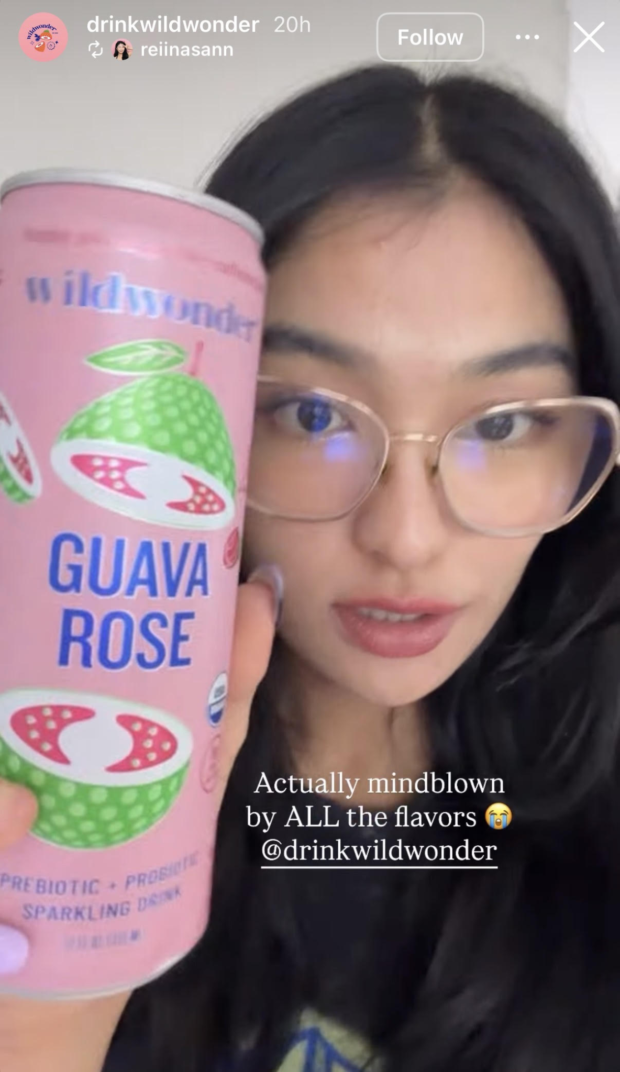
A quintessential example of UGC in action is a happy customer sharing an image or video of a product they genuinely enjoy, which the brand subsequently reshapes. This act transforms a personal endorsement into a powerful marketing asset. The defining characteristic remains consistent: if a real person created it, it mentions or features the brand, and the brand did not directly produce it, it qualifies as UGC.
A Brief History of Digital Endorsements: The Evolution of UGC
While the concept of "word-of-mouth" marketing is as old as commerce itself, user-generated content in its digital form has evolved significantly with the advent of the internet and social media. Early iterations included online forums and rudimentary review sections on e-commerce sites in the late 1990s and early 2000s. The rise of Web 2.0 and platforms like Flickr, YouTube, and early blogging sites in the mid-2000s democratized content creation, allowing individuals to easily share their experiences.
The explosive growth of social media platforms such as Facebook, Twitter (now X), Instagram, and TikTok from the late 2000s onward marked a pivotal shift. These platforms provided accessible tools for photo and video sharing, fostering communities where users actively discussed and showcased products and services. Brands quickly recognized the untapped potential of these organic endorsements, leading to the development of structured UGC campaigns. More recently, the emergence of dedicated UGC creator marketplaces and sophisticated management tools signals the maturation of this marketing discipline, emphasizing strategy, rights management, and performance measurement.
Two Core Flavors: Organic vs. Paid User-Generated Content
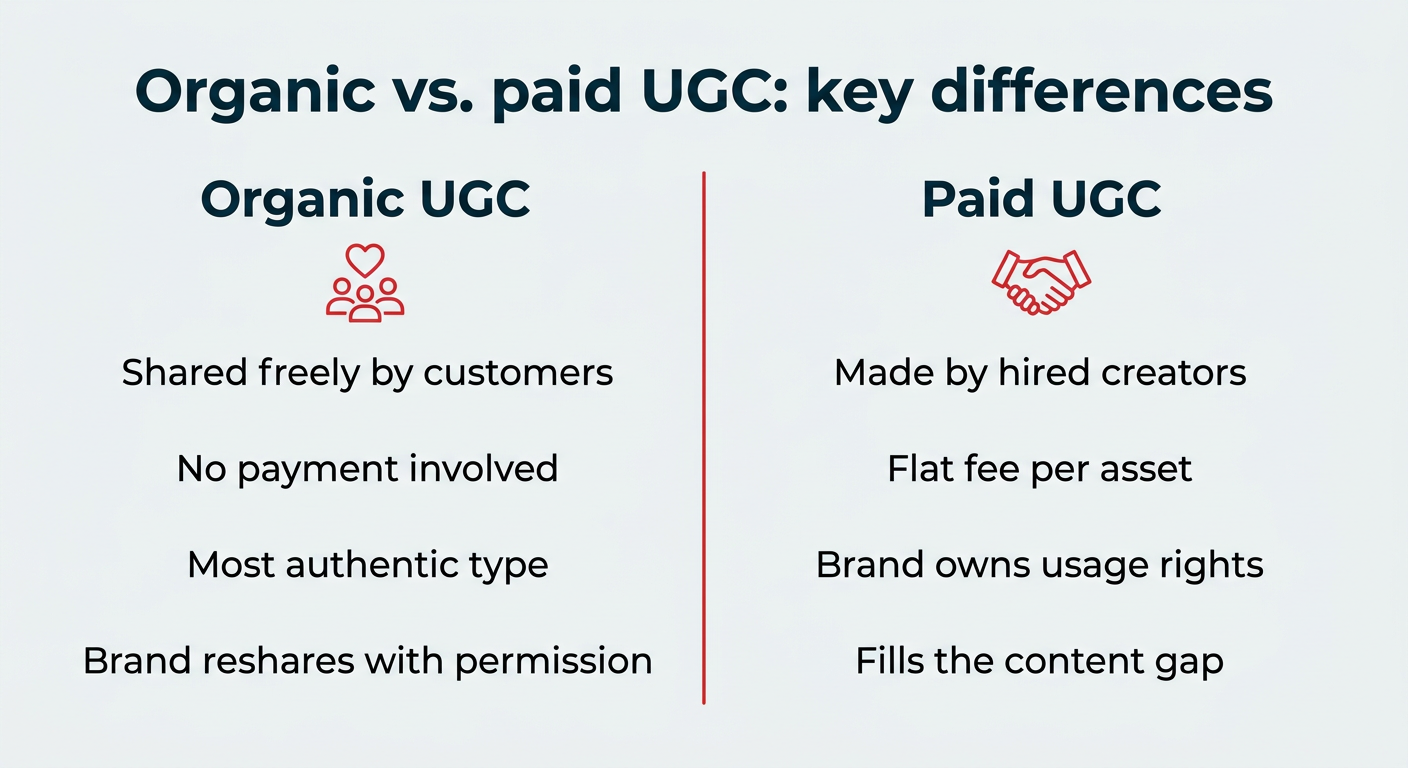
UGC primarily bifurcates into two categories: organic and paid. While both aim to leverage authentic customer voices, their origins and the nature of the brand’s involvement differ significantly.

Organic UGC: This is the most coveted form, arising spontaneously from genuine customer satisfaction. It’s content that real customers freely share, unprompted and unpaid by the brand. Its authenticity is its greatest asset, often perceived as the purest form of social proof.
- Reviews and Testimonials: A cornerstone of organic UGC, online reviews on product pages, Google, or Yelp serve as direct social proof. Savvy brands often convert glowing testimonials into branded graphics for broader social distribution, maximizing their impact. Studies consistently show that products with even a few positive reviews are significantly more likely to be purchased.
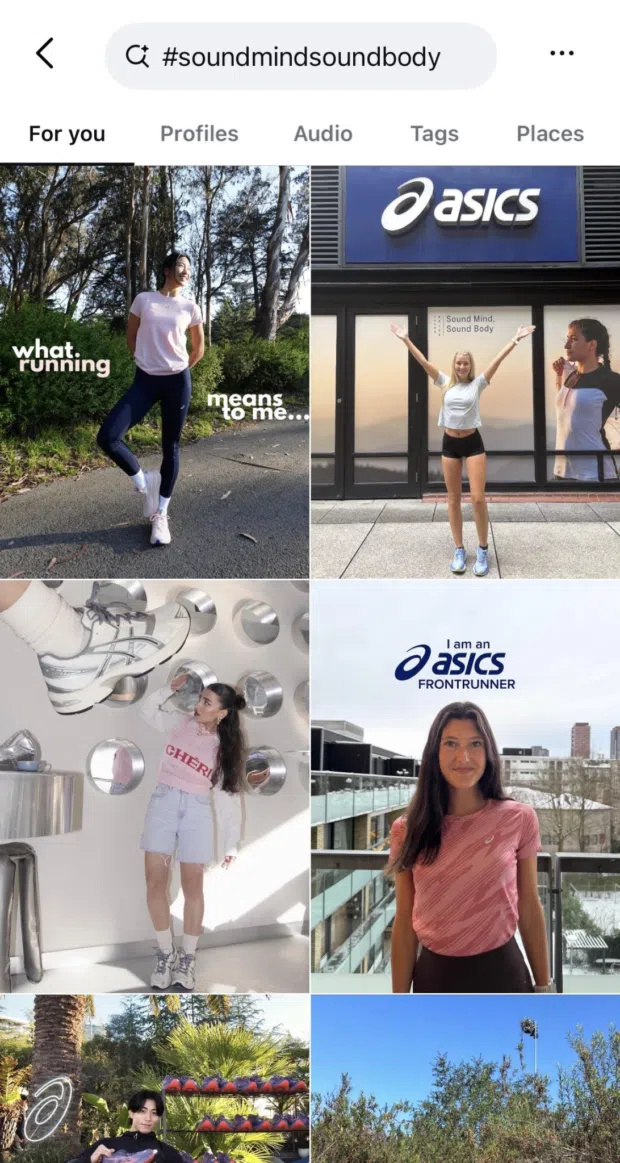
- Photos: From customers showcasing a new outfit to sharing results from a skincare product, photos are ubiquitous. Brands often encourage this through niche or branded hashtags, making content discoverable and fostering a sense of community. Footwear brand Asics, for instance, uses #soundmindsoundbody to aggregate thousands of fan photos, enriching its content library and community engagement.
- Videos: Social videos and YouTube content are immensely valuable. "Product hauls," unboxing videos, and "day in the life" content featuring brands provide dynamic, relatable endorsements. Brands can seek permission to repurpose these clips across their own channels.
- Social Media Posts: Even a brief, positive mention on X or a tagged Instagram Story can be repurposed. Brands can repost directly or screenshot and convert these into engaging graphics for platforms like LinkedIn, leveraging tools that monitor mentions in real-time.
- Blog Posts: Independent bloggers often organically recommend products or services in reviews or roundup posts. Extracting a relevant quote or screenshot from such an endorsement can extend its reach across brand-owned digital properties.
Paid UGC: This category involves content created by individuals specifically hired by a brand to produce material about their product. It serves as a strategic solution for brands, particularly newer ones, that may not yet have a substantial organic customer base generating content. Paid UGC creators are compensated, typically with a flat fee per asset, and the brand usually obtains usage rights for the content.
Common deliverables include short vertical videos (e.g., unboxing, before-and-after demos, "get ready with me" style), lifestyle photography for product pages, or voiceover testimonials. It’s crucial to differentiate paid UGC creators from influencers: creators produce content for the brand to post on its own channels, whereas influencers leverage their own audience for promotion. Paid UGC helps bridge content gaps and ensures a consistent flow of authentic-looking material, but proper disclosure (as mandated by regulatory bodies like the FTC) is paramount.
UGC vs. Influencer Marketing: A Critical Distinction

While both UGC and influencer marketing leverage external creators, their fundamental mechanics and objectives diverge. The key difference lies in where the content is primarily distributed and what the brand is essentially acquiring.
| Dimension | User-Generated Content | Influencer Marketing |
|---|---|---|
| Who creates it | Customers, fans, employees, or hired UGC creators | Creators with an established, dedicated following |
| Where it’s posted | Your brand’s owned channels, website, and ads | The influencer’s own channels |
| Compensation model | Free (organic) or a flat fee per asset (paid) | Flat fee, affiliate commission, or gifted product |
| Content ownership | Brand typically licenses or owns usage rights | Creator usually retains ownership |
| Audience reach | Primarily your existing audience (when repurposed) | The influencer’s audience (for exposure) |
| Why it works | Feels like an authentic, unbiased customer experience | Borrows the trust and authority the creator has built |
Many brands strategically integrate both. UGC provides an evergreen source of authentic content for owned channels, enhancing credibility and conversion rates. Influencer partnerships, conversely, excel at rapidly expanding brand reach and introducing products to new, engaged audiences through a trusted voice.

The Indisputable Value: Why User-Generated Content is Imperative
User-generated content is lauded as one of the most potent marketing instruments available today. Its capacity to build trust rapidly and cost-effectively, often outperforming traditional advertising, stems from its direct reflection of genuine customer experience.
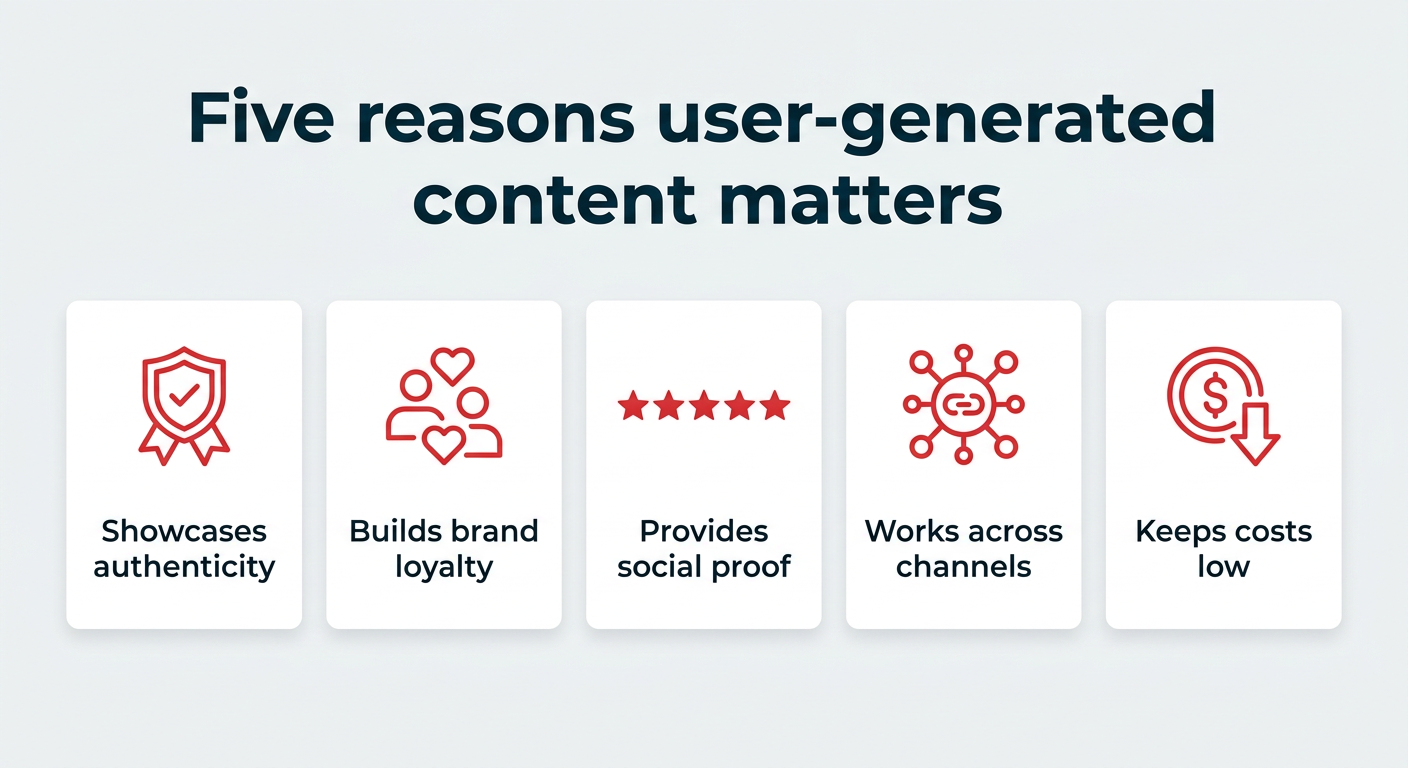
- Showcases Authenticity: In an era of heightened consumer skepticism, UGC cuts through the noise. Modern shoppers are discerning; they can readily identify polished, in-house advertising. Research by Bazaarvoice indicates that nearly half of all shoppers consider user reviews on retailer websites the most influential content when making online purchasing decisions. This underscores the power of real, unvarnished experiences over curated campaigns. Faking UGC, however, is a dangerous shortcut that can irrevocably damage brand credibility.
- Builds Brand Loyalty: UGC fosters a deeper connection by making customers feel integral to the brand’s narrative. When individuals create content about a brand, they are not just consumers; they become community members and co-creators. This two-way dialogue strengthens relationships and encourages repeat business. Lego’s "Lego Ideas" platform, where fans submit and vote on future product designs, epitomizes this, providing invaluable product research while cultivating profound loyalty.
- Provides Social Proof: In a crowded digital marketplace, consumer trust is a scarce commodity. Social proof, validated by peers, is often the deciding factor for new customers. Data from Northwestern University’s Spiegel Research Center found that products with as few as five reviews are 270% more likely to be purchased than those with none. This peer validation is critical for converting hesitant prospects.
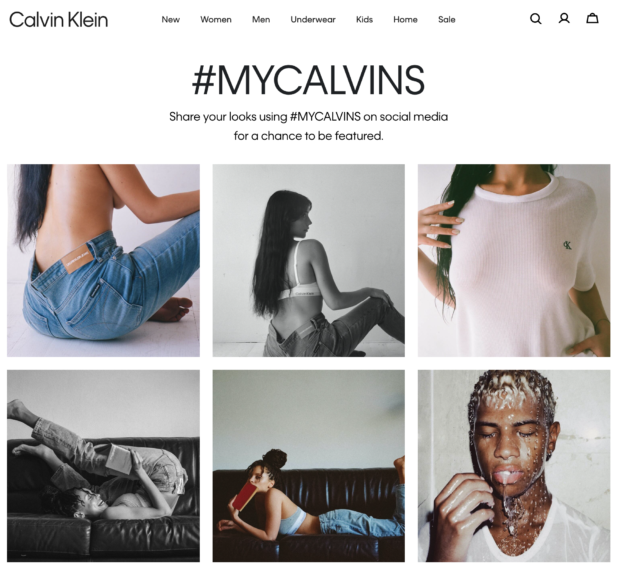
- Works Across Every Marketing Channel: UGC is remarkably versatile, extending beyond social media feeds to virtually every marketing touchpoint. It can populate product pages on e-commerce sites, enhance email campaigns, serve as dynamic ad creative, or even adorn in-store displays. Calvin Klein’s #MyCalvins campaign, for example, successfully integrated customer photos into its website, offering a more relatable and diverse portrayal of its apparel than traditional editorial shots alone.
- Keeps Costs Low: Compared to the substantial investment required for professional studio shoots or large-scale influencer campaigns, sourcing UGC is exceptionally cost-effective. Encouraging customers to share their experiences yields authentic content, expands reach, and deepens audience connection, all with minimal financial outlay. This makes UGC particularly invaluable for smaller brands or teams operating with constrained marketing budgets.
Collectively, these benefits explain why UGC frequently outperforms branded content in terms of both consumer trust and cost-efficiency per asset.
Crafting a Robust UGC Strategy: A Seven-Step Framework

A successful UGC program requires more than merely hoping customers will post. It necessitates a structured strategy encompassing content objectives, collection methods, approval workflows, and performance measurement.
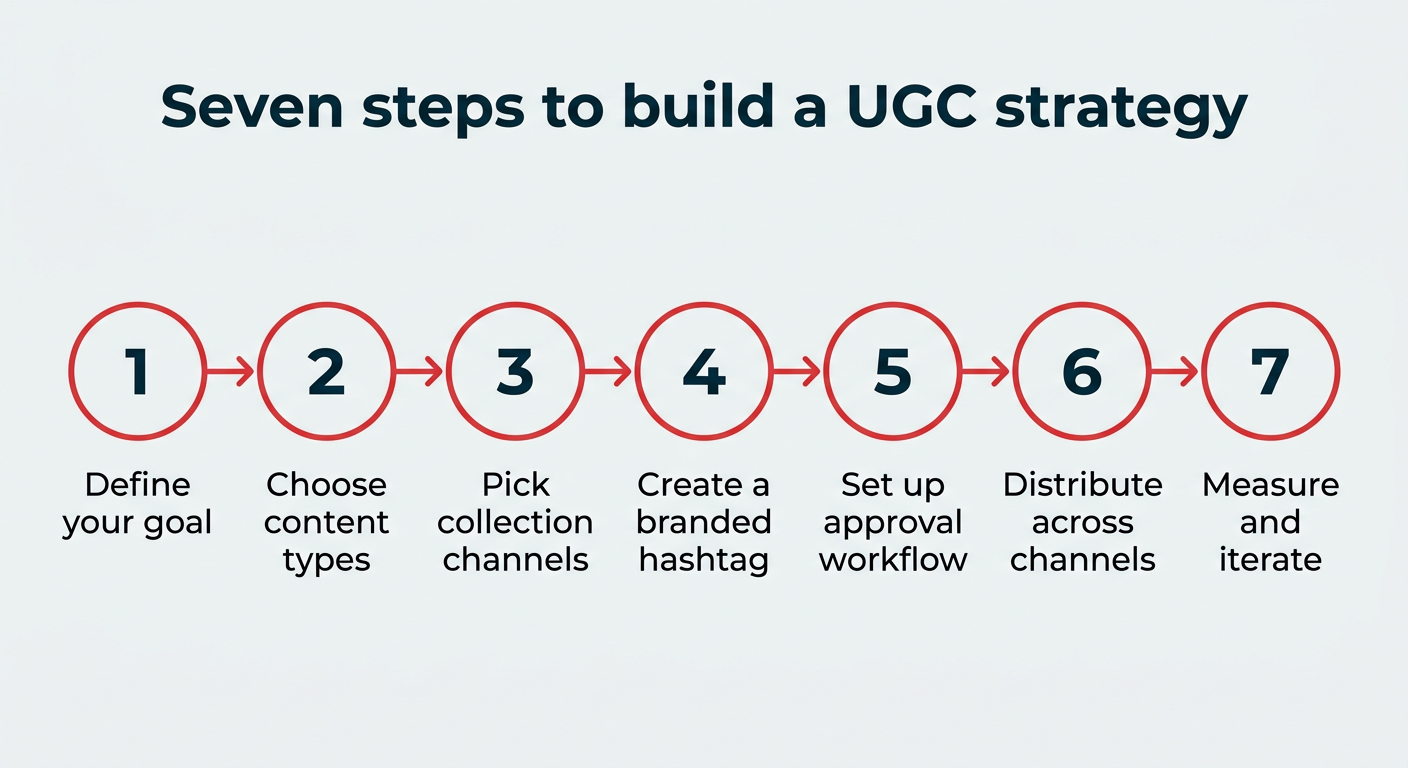
- Define Your Goal: Begin by clearly articulating what you aim to achieve. Is it increased brand awareness, enhanced engagement, higher conversion rates on product pages, or improved customer retention? Align your UGC efforts with specific, measurable goals from your broader social media strategy.
- Choose Desired Content Types: Different objectives demand different content formats. Conversion-focused campaigns benefit from high-quality product-in-use photos and concise demo videos. Awareness campaigns thrive on shareable, personality-driven video content. Specify the formats, orientations, and technical requirements before soliciting submissions.
- Select Collection Channels: Determine the primary avenues for collecting UGC. Options include monitoring tagged social posts, promoting a branded hashtag, sending post-purchase review requests, integrating a submission form on your website, running contests, or engaging paid creators. Most brands find success by focusing on two or three key sources.
- Create a Branded Hashtag or Campaign Hook: Provide a memorable, easy-to-use identifier for users to submit content. The hashtag should be concise, distinct, and consistently promoted across all brand touchpoints: social media bios, product packaging, email communications, and physical signage.
- Establish a Curation and Approval Workflow: This is a critical yet often overlooked step. A repeatable approval process is essential, defining who reviews submissions, who obtains usage permissions, where approved assets are stored, and who provides final sign-off, especially for sensitive content. Tools like Hootsuite’s Perch facilitate content tagging, multi-step approvals, and integrated legal/brand review.
- Distribute UGC Across Channels: Maximize the value of each approved asset by planning its multi-channel deployment. A single customer video could be used in organic social posts, paid ad campaigns, product detail pages, and email newsletters. Crucially, ensure that your usage rights agreement covers all intended placements.
- Measure and Iterate: Track the performance of UGC posts distinctly from branded content. Monitor key metrics such as engagement rates, click-through rates, and conversion lifts. Utilize analytics tools (e.g., Hootsuite’s Lumen for hashtag volume and sentiment) to identify top-performing content types and sources, allowing for continuous optimization of your strategy.
Documenting these seven steps transforms a reactive UGC effort into a sustainable, repeatable system.
Illustrative Success: Notable UGC Campaign Examples
Real-world examples powerfully demonstrate the efficacy of a well-executed UGC strategy:
- GoPro: The action camera giant has built its YouTube presence largely on UGC. Its most popular videos, garnering hundreds of millions of views, were all filmed by customers. GoPro has institutionalized this by running annual awards programs and daily photo challenges, creating an always-on submission pipeline.
- Lululemon: The athleisure brand fostered community and expanded reach with its #thesweatlife hashtag. Followers and brand ambassadors shared photos of themselves in Lululemon gear, generating a wealth of content that organically amplified brand awareness.
- LaCroix: The sparkling water brand adopts a refreshingly democratic approach, regularly reposting content from everyday creators regardless of their follower count. This strategy cultivates relatability, showing real people genuinely enjoying the product.
- Well Traveled: This community-driven travel brand leverages member-generated content to showcase its platform and exclusive perks. Laura DeGomez, Director of Partnerships & Brand Marketing, highlights that "No one tells our story better than our members," underscoring the authenticity and trust built by showcasing genuine travel experiences.
- Edloe Finch: The boutique furniture brand strategically integrates UGC by enabling customers to submit photos directly on its website. These customer photos are displayed alongside professional shots on product pages, providing invaluable social proof that helps alleviate buyer apprehension for online furniture purchases.
Ethical and Legal Imperatives: Best Practices and Compliance
While UGC offers immense benefits, its deployment is governed by crucial ethical guidelines and legal requirements, primarily centered on permission, attribution, and disclosure.

- Always Request Permission: This is non-negotiable. Explicit consent is the bedrock of responsible UGC. Even if a user tags your brand or uses your branded hashtag, you must obtain permission before republishing their content. Reposting without consent can erode goodwill and lead to legal challenges related to copyright infringement and rights of publicity. A clear, documented request for permission demonstrates respect for the creator and safeguards your brand.
- Credit the Original Creator: Proper attribution is vital. Always tag the original creator directly in your post and specify if you’re using their visuals, words, or both. This acknowledges their work, encourages future contributions, and reinforces the authenticity of the content to your audience. Ensure you confirm preferred attribution methods across different platforms.
- Specify Desired UGC: Clarity from the brand encourages relevant submissions. Clearly communicate the type of content you seek, including themes, formats, and any specific calls to action. Dove’s "Project #ShowUs" campaign, which sought images of women "as they are, not as others believe they should be," successfully guided creators toward content that aligned with the brand’s broader values, even without explicitly featuring products.
- Align UGC with Marketing Goals: Ensure all UGC efforts directly support overarching marketing objectives. Before soliciting content, identify how it will contribute to specific KPIs. A clear "UGC ask" tied to a defined goal will result in more impactful content and measurable results.
Legal Considerations: Navigating Copyright and FTC Guidelines
The primary legal consideration for UGC is copyright ownership: the creator, not the brand, owns the copyright to their original content. Merely tagging a brand or using a hashtag does not transfer these rights. Reposting without explicit, documented permission can lead to serious legal repercussions.

Key checkpoints for a robust rights management process include:
- Explicit Consent: Always obtain written permission. This could be a direct message exchange, an email, or a formal legal release.
- Scope of Use: Clearly define how the content will be used (e.g., social media, website, paid ads, print), where (specific platforms, regions), and for how long.
- Compensation: If applicable, clearly state any compensation or consideration for usage rights.
- Right of Publicity: If the content features identifiable individuals, ensure you have their consent to use their likeness for commercial purposes, especially in paid campaigns.
- FTC Disclosure Requirements: For any paid UGC, or if there’s a material connection between the creator and the brand (e.g., free products, affiliate links), the relationship must be "clear and conspicuous" to the audience. This means explicit disclosures like #ad, #sponsored, or #paidad.
The safest approach is to integrate a single, documented permission step into your workflow that captures consent, scope, and duration for every asset before it goes live. For high-stakes campaigns, always consult with your legal team.

Emerging Trends: The Future of User-Generated Content in 2026
The UGC landscape is dynamic, with several trends poised to reshape how brands leverage customer content:

- AI-Assisted Curation and Personalization: Artificial intelligence will play an increasingly vital role in discovering, curating, and even personalizing UGC. AI algorithms can identify high-performing content, analyze sentiment, and suggest optimal placement for individual users, enhancing relevance and impact.
- Shoppable UGC: The integration of e-commerce directly into UGC will become more seamless. Users will be able to click directly from a piece of UGC (e.g., an Instagram Reel, a product review photo) to purchase the featured item, shortening the path to conversion.
- Short-Form Video by Default: The dominance of platforms like TikTok and Instagram Reels means short-form video will be the default format for much organic and paid UGC, demanding concise, engaging, and mobile-first content strategies.
- UGC as Primary Paid Ad Creative: Brands will increasingly rely on UGC as the primary creative for paid advertising campaigns. Its authentic nature often leads to higher click-through rates and lower customer acquisition costs compared to highly polished, in-house ads.
- Communities as UGC Engines: Brand-owned online communities, like Lego Ideas, will become more sophisticated and central to sourcing UGC. These platforms foster deep engagement and provide a continuous stream of high-quality, relevant content directly from the most loyal customers.
These trends collectively point towards UGC transitioning from a supplementary social tactic to a core input for performance marketing, deeply integrated into the entire customer journey.
Tools for Scalable UGC Management

Managing UGC effectively at scale requires specialized tools that streamline discovery, curation, approval, engagement, and measurement. Relying solely on manual spreadsheets and screenshots quickly becomes untenable as content volume grows.
Hootsuite Social OS offers a comprehensive suite of capabilities:

- Discovery (Lumen): Tools like Lumen help brands monitor branded hashtags, mentions, and keywords across social platforms, enabling efficient discovery of relevant UGC.
- Curation and Approval (Perch): Platforms like Perch provide centralized dashboards for organizing, tagging, and managing UGC submissions. They facilitate multi-step approval workflows, ensuring legal and brand compliance before content goes live.
- Engagement (Nest): Integrated engagement tools allow brands to respond to creators, request permissions, and foster community interactions directly from a single interface.
- Measurement (Wisdom): Analytics features within these platforms enable brands to track the performance of UGC campaigns, monitoring metrics like engagement rate, reach, sentiment, and conversion lift, providing actionable insights for optimization.
By leveraging such integrated systems, brands can transform the often-chaotic process of UGC collection into a streamlined, strategic operation.
Conclusion: The Enduring Power of the Customer Voice

User-generated content stands as a testament to the enduring power of the customer voice in an increasingly digital world. It offers an unparalleled pathway to building authentic trust, fostering deep brand loyalty, and providing credible social proof that directly influences purchasing decisions. By embracing a strategic, ethical, and technologically informed approach to UGC, brands can unlock significant marketing efficiencies, forge stronger connections with their audience, and ultimately, drive sustainable growth in the competitive landscape of modern commerce.