The landscape of digital advertising has reached a critical juncture where the efficiency of post-click experiences dictates the survival of modern e-commerce and software-as-a-service (SaaS) enterprises. Every interaction with a paid advertisement represents a direct financial expenditure, yet the ultimate utility of that investment is decided not by the creative quality of the ad itself, but by the destination to which the user is directed. Current industry data suggests that a significant portion of marketing budgets is lost in the "conversion gap"—the disconnect between a highly targeted advertisement and a generic, distraction-heavy product page. To address this, sophisticated marketing teams are increasingly pivoting toward dedicated product landing pages, a strategic move designed to align user intent with a singular, frictionless conversion path.
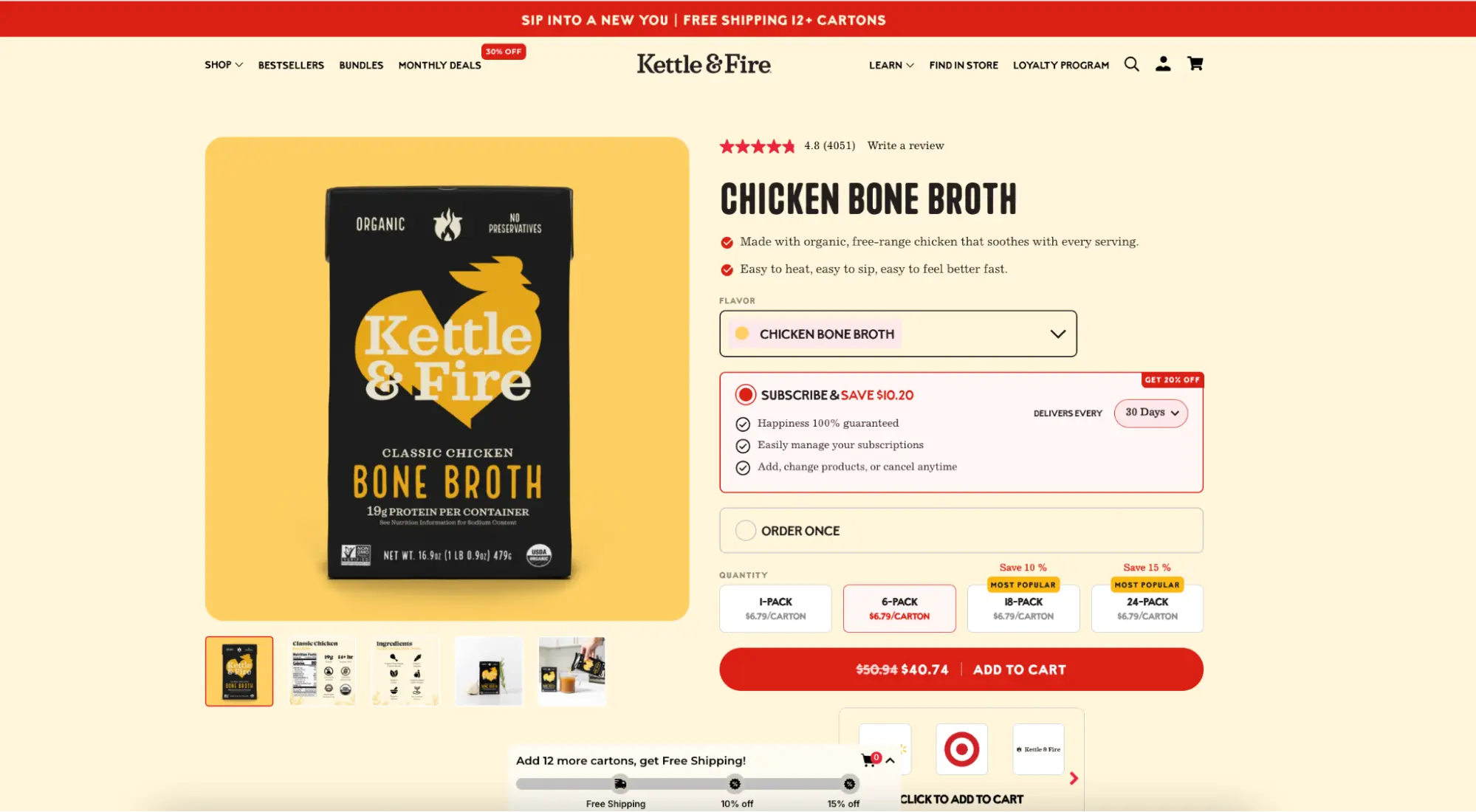
The Architectural Distinction: Product Pages vs. Product Landing Pages
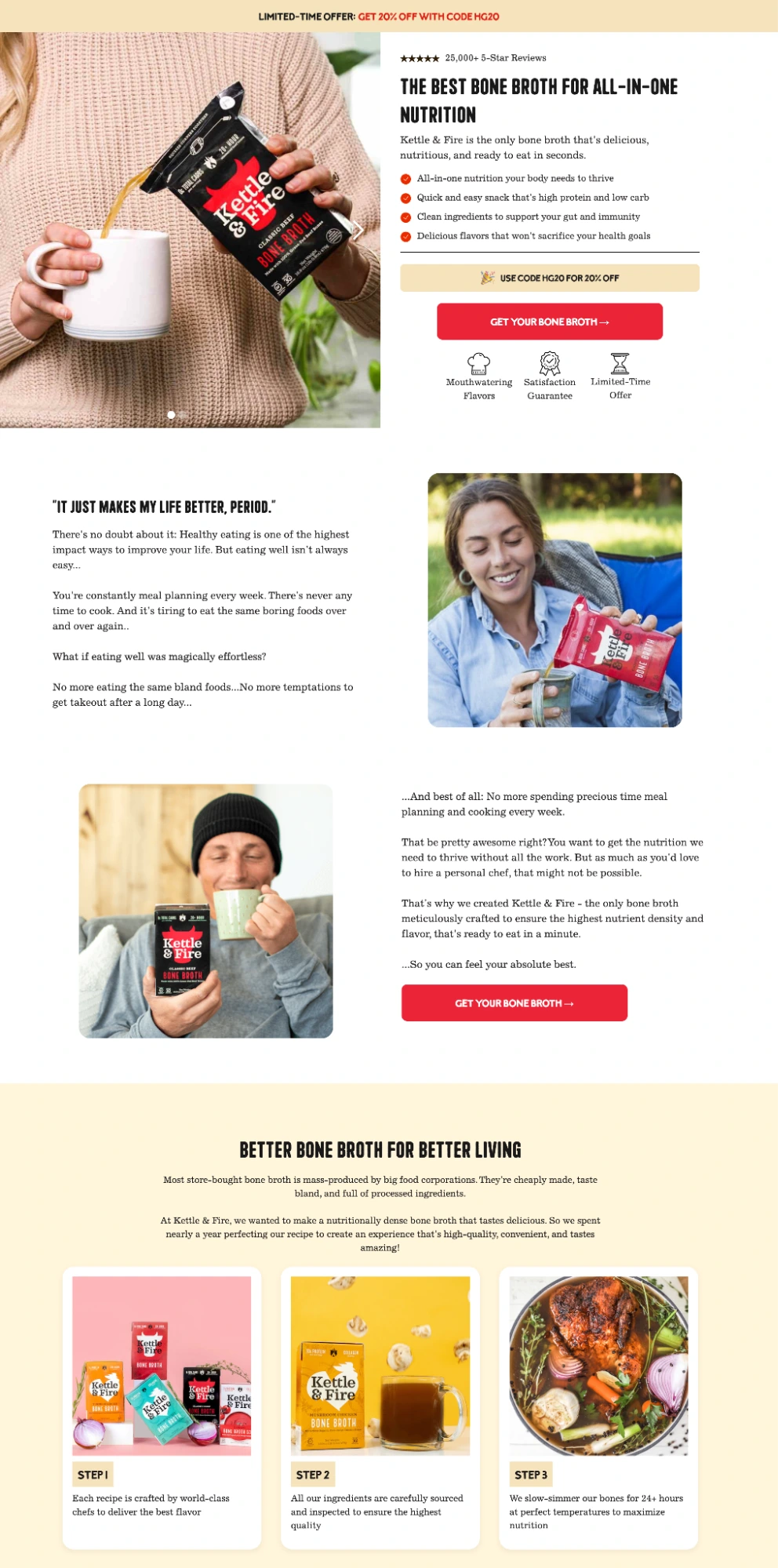
In the traditional digital architecture, a standard product detail page (PDP) serves as a multi-functional node within a website’s ecosystem. It is designed for discovery, browsing, and brand education. However, when applied to paid traffic campaigns, the inherent flexibility of a PDP becomes a liability. Market analysis of brands such as Kettle & Fire, a prominent bone broth manufacturer, reveals a stark contrast in performance between these two page types.
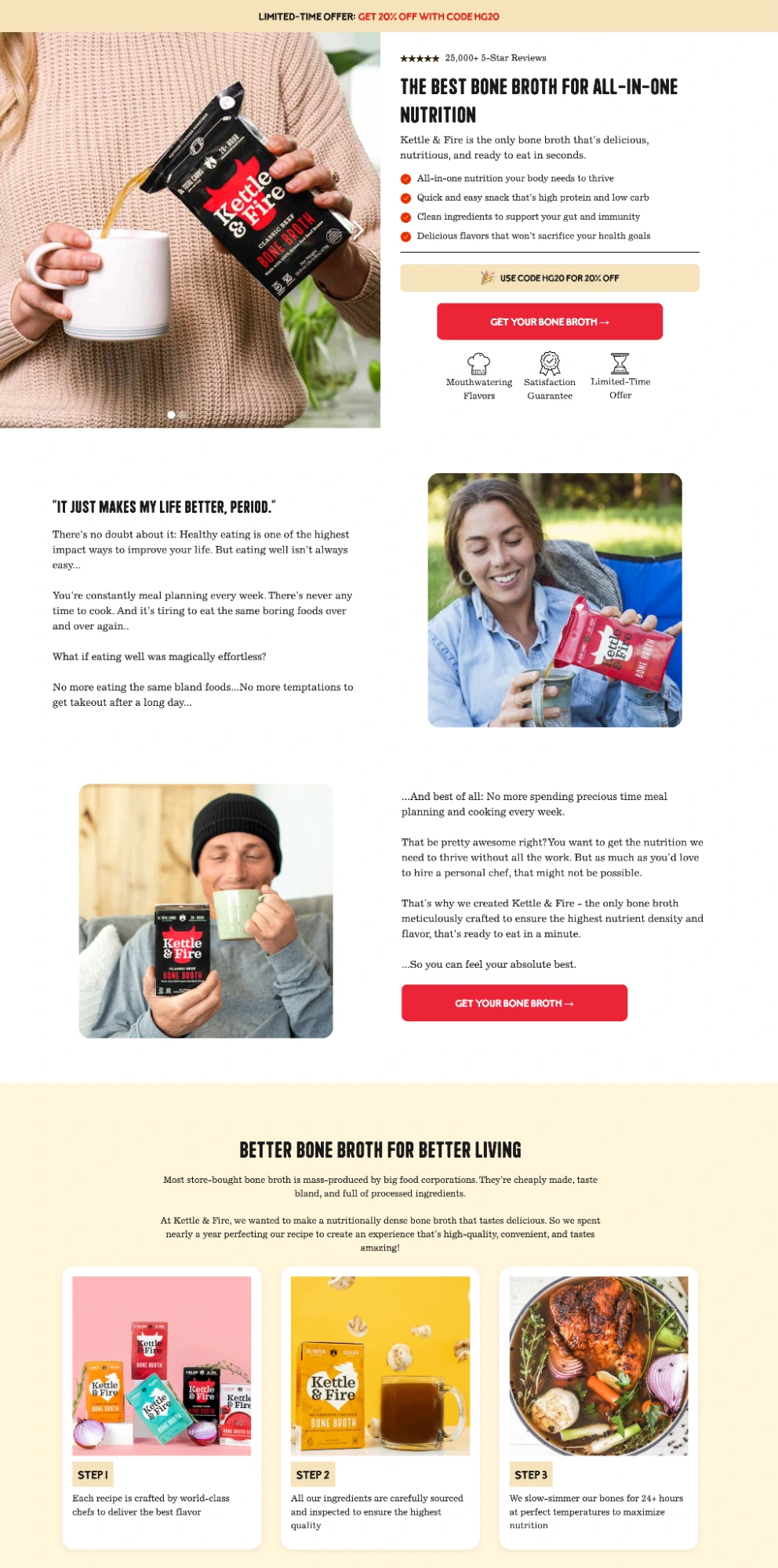
A standard product page typically features comprehensive site navigation, links to related product categories, social media footers, and various "cross-sell" modules. While these elements are beneficial for organic visitors who are in the exploration phase, they provide dozens of "exit points" for paid traffic. In contrast, a product landing page is a standalone entity, often hosted on a subdomain, stripped of all navigation and external links. Its defining characteristic is a 1:1 conversion ratio: one page, one specific offer, and one call to action (CTA). This specialized architecture ensures that the only way for a visitor to leave the page is to either complete the transaction or close the browser tab, thereby maximizing the return on ad spend (ROAS).

The Chronology of Landing Page Optimization
The shift toward specialized product landing pages is the result of a two-decade evolution in digital consumer behavior and advertising technology.

- The Early 2000s (The Homepage Era): In the infancy of search engine marketing, brands primarily directed paid traffic to their homepages. This resulted in extremely high bounce rates as users struggled to find the specific products mentioned in advertisements.
- The 2010s (The Rise of the PDP): As e-commerce platforms like Shopify and Magento matured, marketers began directing traffic to specific product detail pages. While an improvement, these pages were still cluttered with site-wide navigation and distractions.
- 2018–2022 (The Optimization Revolution): The emergence of "Core Web Vitals" as a Google ranking factor and the skyrocketing cost per click (CPC) across Meta and Google Ads forced a focus on conversion rate optimization (CRO).
- 2023–Present (The AI and No-Code Era): The current era is defined by the democratization of page building. Tools like Instapage have removed "developer dependencies," allowing marketing teams to deploy, test, and personalize landing pages at scale using artificial intelligence and drag-and-drop interfaces.
Supporting Data and Conversion Mechanics
The efficacy of product landing pages is supported by extensive psychological and technical research. According to the Nielsen Norman Group, content located "above the fold"—the area visible without scrolling—receives the vast majority of user attention. Consequently, high-converting pages are engineered to deliver a complete value proposition and a CTA within this immediate view.
Technical performance also plays a non-negotiable role. Data from Google indicates that for every second of delay in mobile page load times, conversion rates can drop by up to 20%. This has elevated "page speed" from a technical metric to a primary marketing KPI. Furthermore, the Baymard Institute’s research into checkout friction highlights that 18% of users abandon purchases due to overly complex form requirements. Dedicated landing pages mitigate this by asking for the absolute minimum information required to facilitate a conversion.
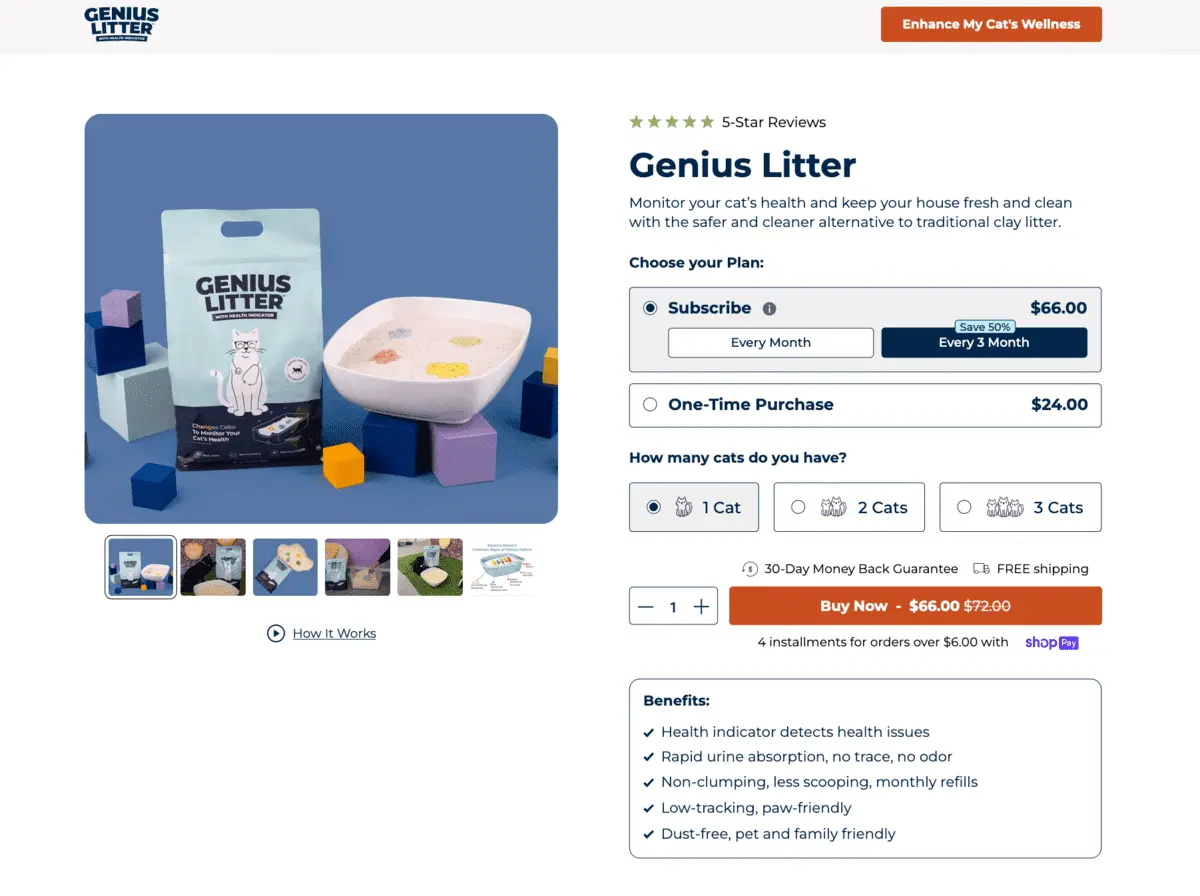
Another critical factor is "Message Match." This refers to the continuity between the language used in an advertisement and the headline of the landing page. A high degree of message match not only improves user trust but also positively influences the "Quality Score" in ad platforms, which can lead to lower CPCs and better ad placement.
Categorical Analysis of Successful Implementations
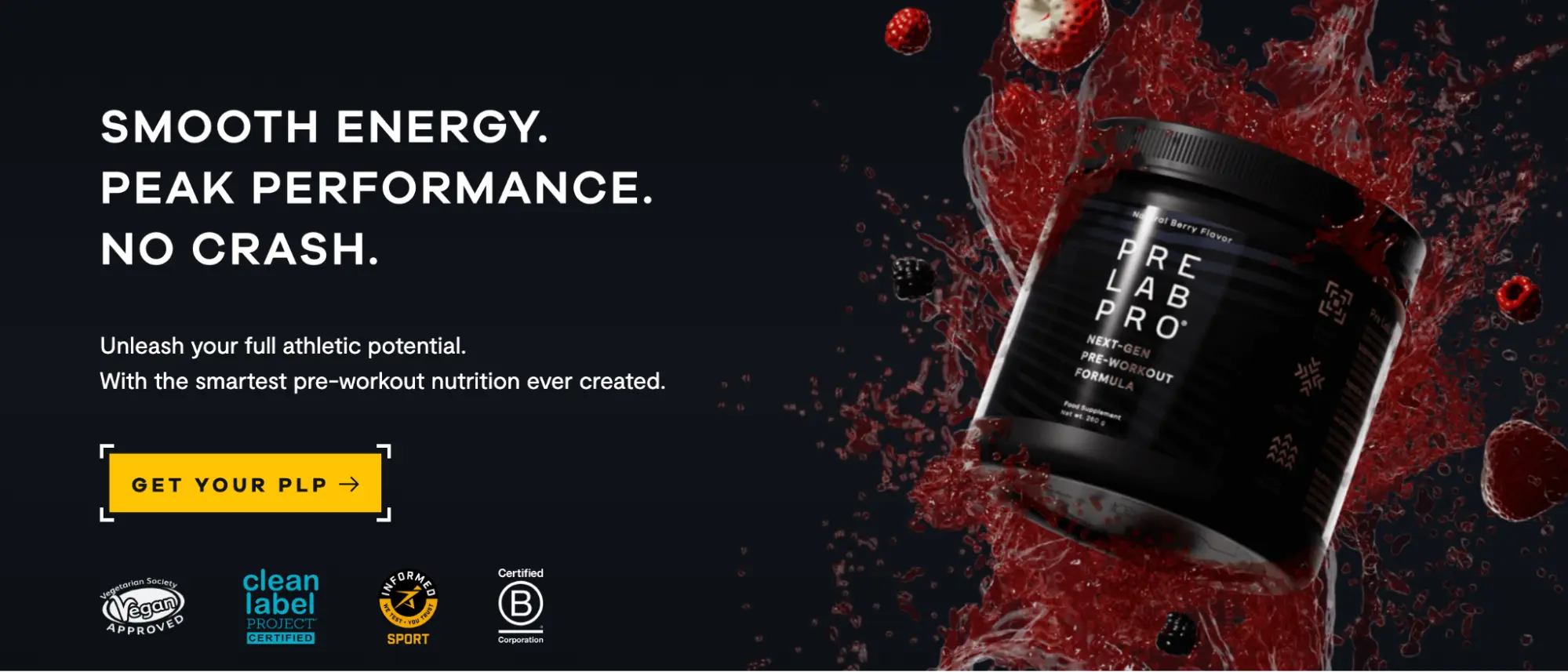
To understand the practical application of these principles, one must look at the diverse strategies employed across different product sectors.
Single-Product Focus: Oura and Dior
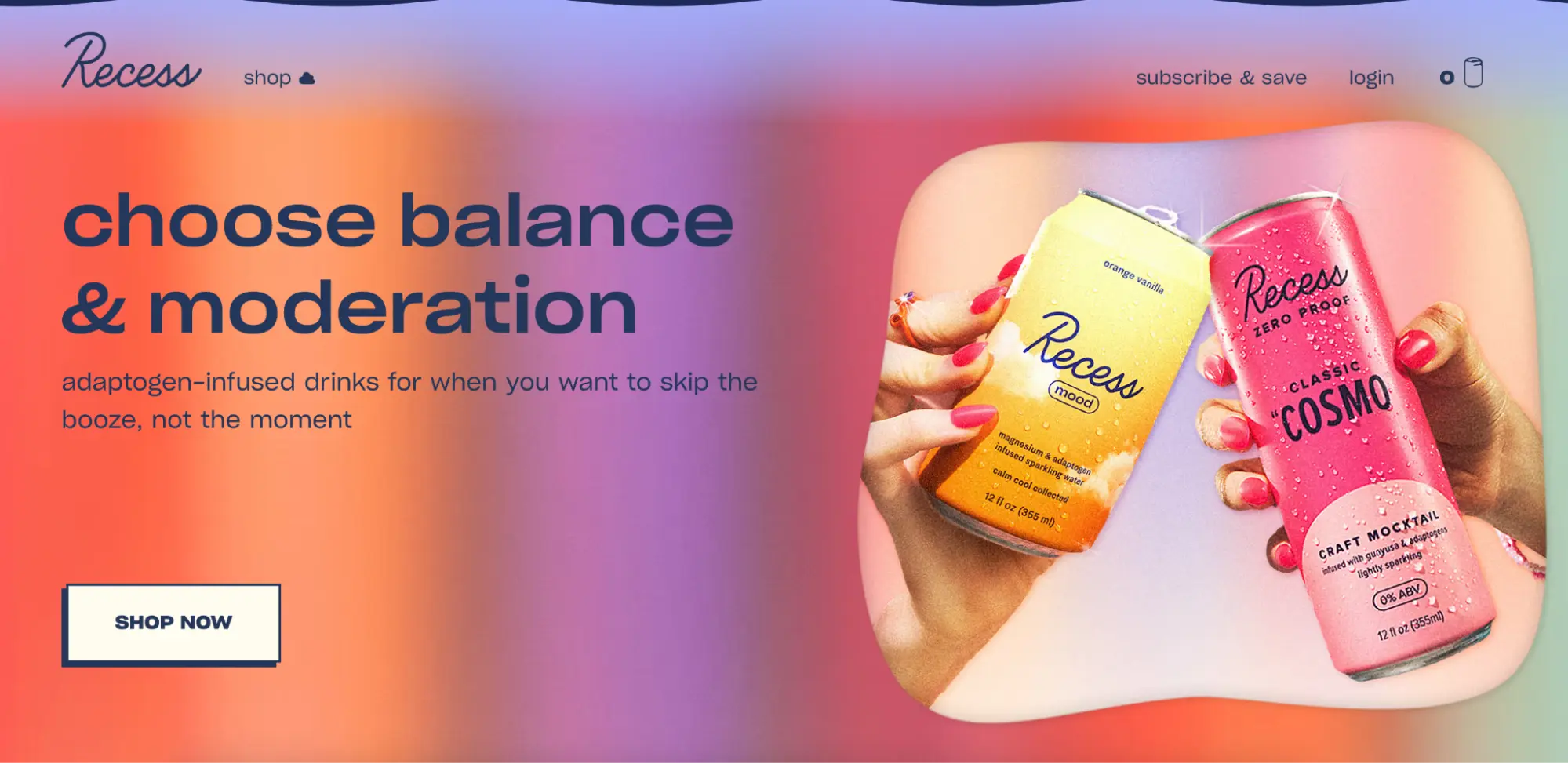
In the premium health-tech and luxury sectors, brands like Oura and Dior utilize minimalist designs to signal brand authority. The Oura Ring landing page, for instance, focuses on the product as a singular hero image, using brief, scannable benefit lists to communicate complex biometric tracking capabilities. In the luxury fragrance market, J’adore by Dior prioritizes emotional resonance through cinematic imagery and storytelling, justifying a high price point through visual prestige rather than technical specifications.

Multi-Product Discovery: Hims and Ridge
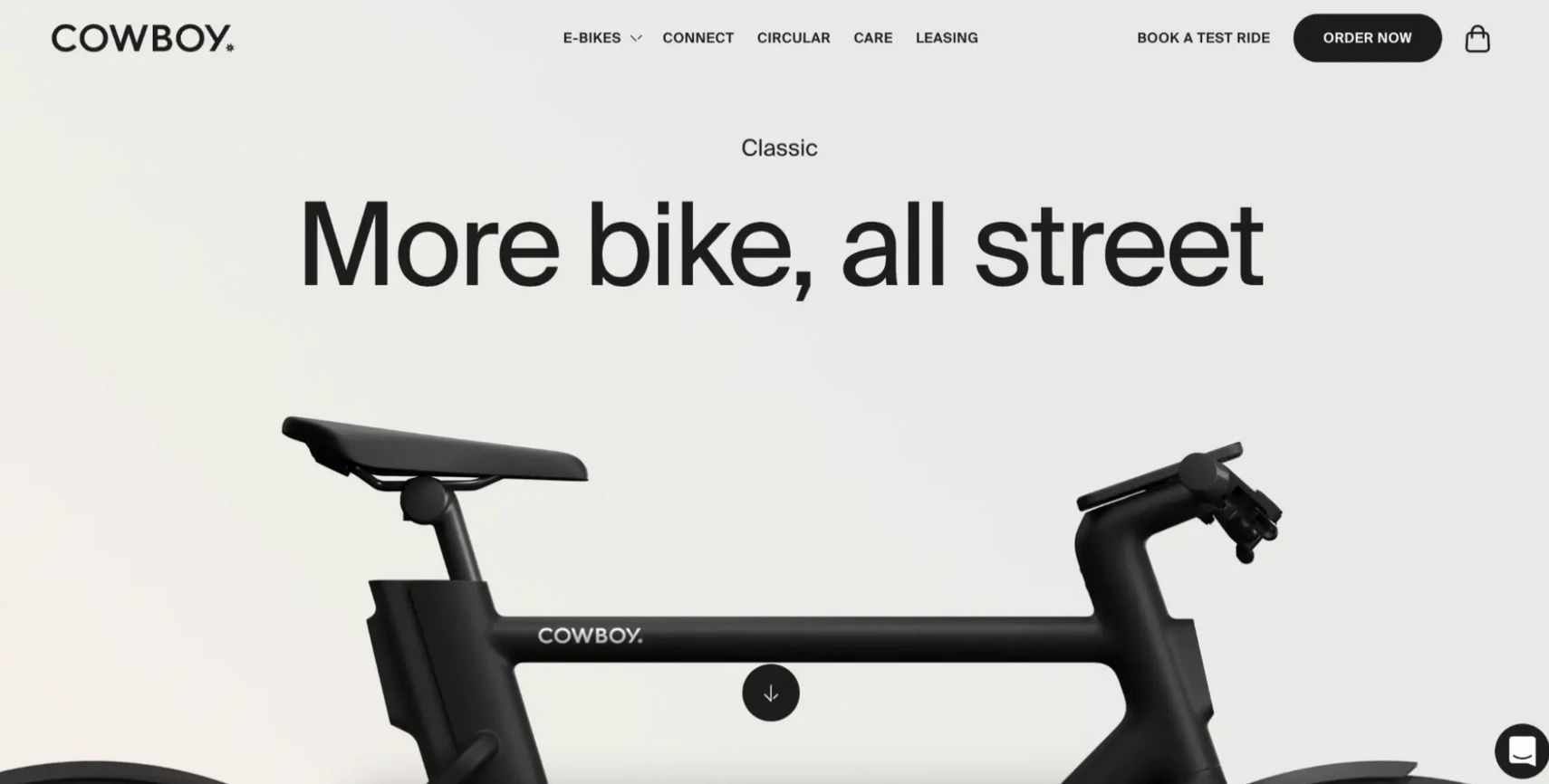
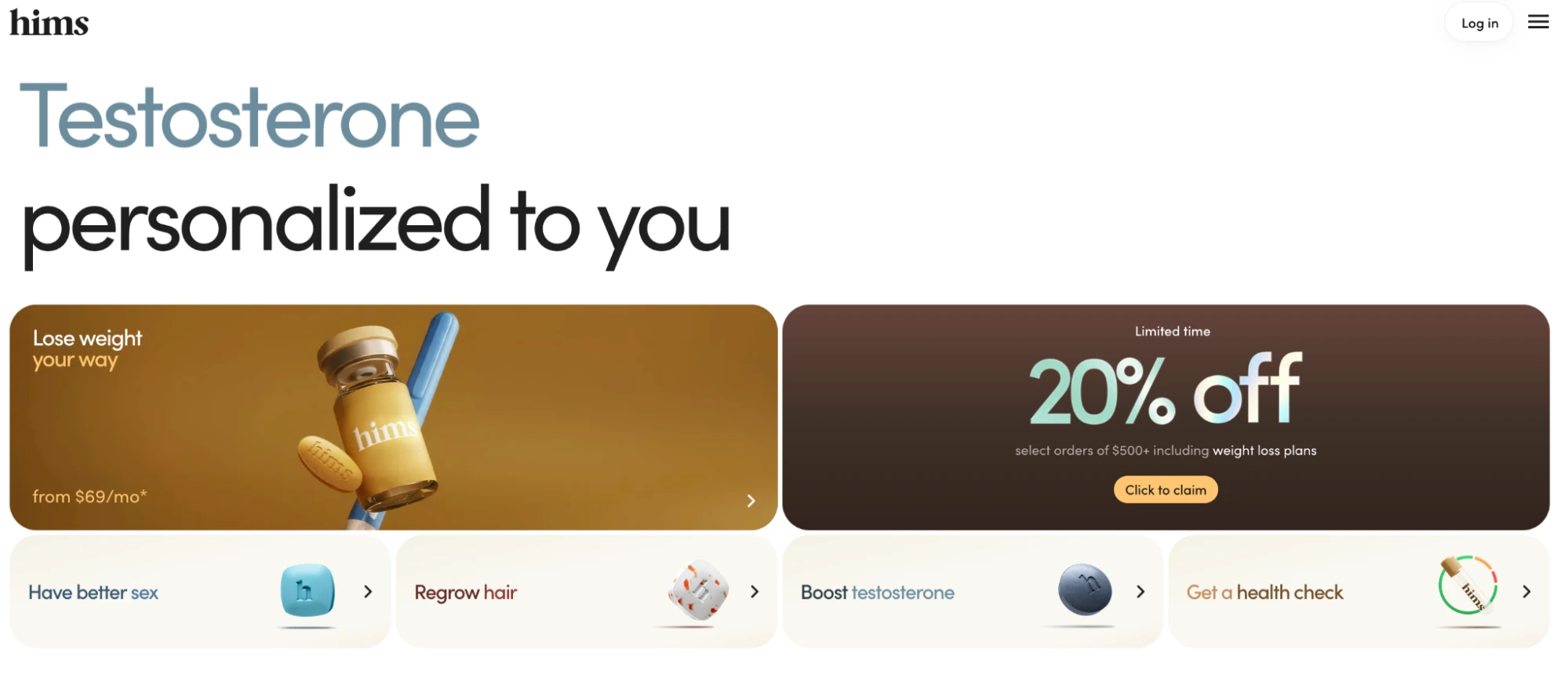
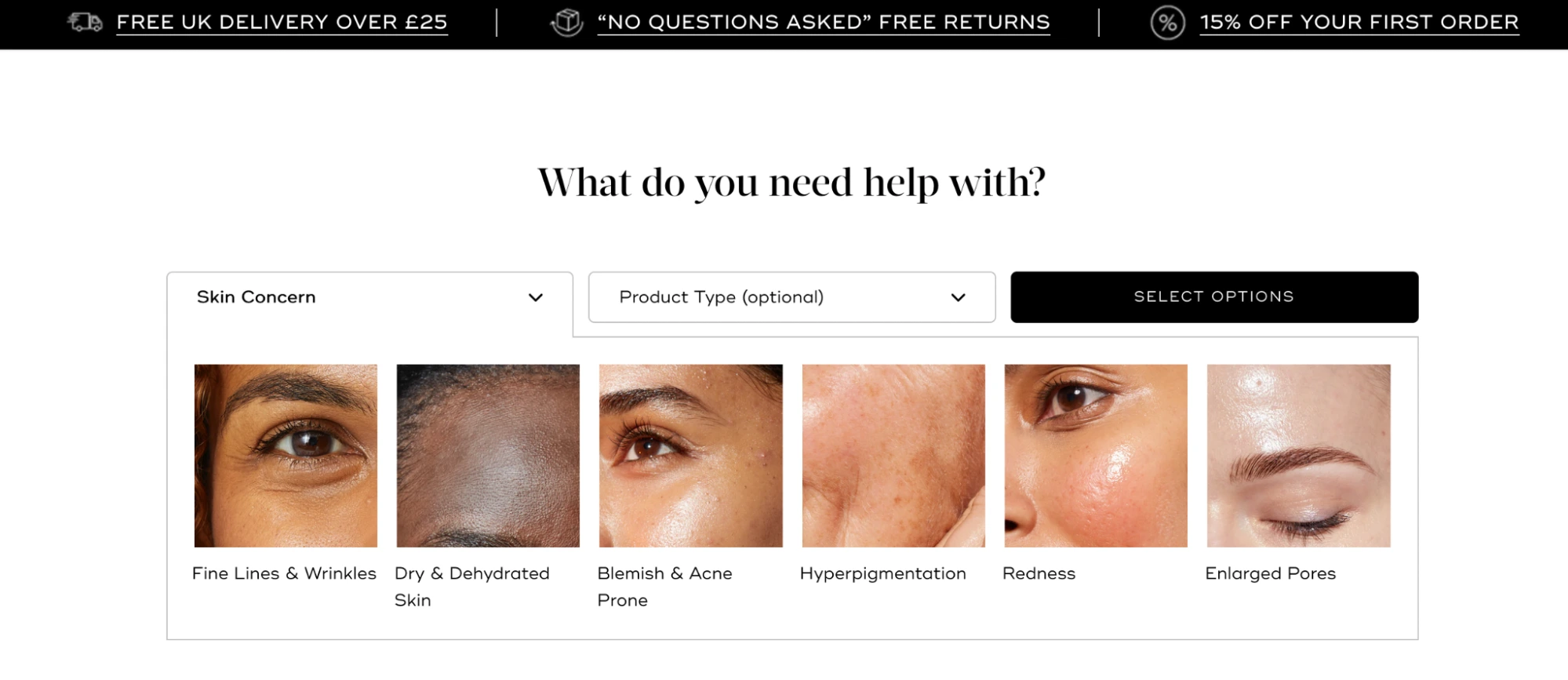
For brands with a broader range of solutions, multi-product landing pages serve as "guided discovery" hubs. Hims uses condition-targeted headlines, such as "Testosterone personalized to you," while providing a structured path for users to self-select into categories like hair loss or sexual health. Similarly, The Ridge, a minimalist wallet brand, utilizes brand-level landing pages to guide visitors who search for generic brand terms toward the specific product variant that fits their needs.

High-Stakes Launches: Airbnb and Tierra
Product launch pages are characterized by an emphasis on urgency and risk reversal. Airbnb’s host acquisition pages are a benchmark in this category, utilizing diverse social proof and benefit-focused copy to address the specific anxieties of potential new hosts. In the sustainable goods sector, Tierra uses waitlist incentives and founder narratives to build a qualified customer list before a product even ships, effectively turning curiosity into a measurable lead.
The Role of Technology in Scaling Optimization
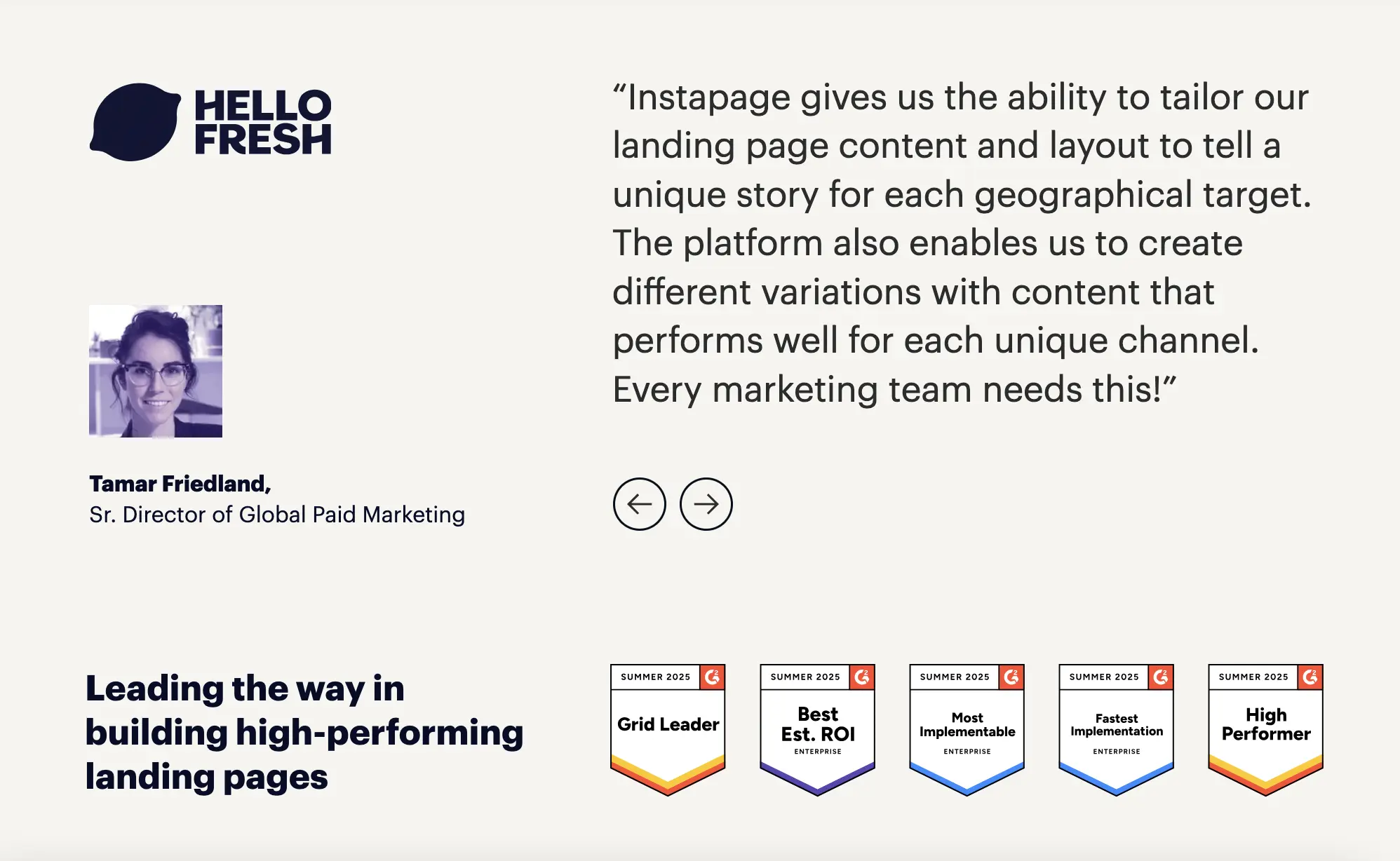
The traditional bottleneck for landing page deployment has historically been the requirement for specialized web development and design resources. However, the industry has shifted toward "No-Code" solutions that empower marketers to act independently. Platforms like Instapage offer over 200 conversion-tested templates and integrated AI content generators, allowing for the rapid production of headlines and copy variations.

Modern platforms also incorporate "Server-Side A/B Testing," which allows marketers to test different page versions without the performance lag associated with traditional client-side testing scripts. This technical evolution ensures that optimization does not come at the cost of page speed, maintaining compliance with Core Web Vitals while gathering essential behavioral data through heatmaps and engagement tracking.
Expert Analysis: The Economic Impact of Conversion Efficiency
Marketing analysts suggest that as the digital advertising market becomes more saturated, the "arbitrage" opportunity in media buying is disappearing. In this environment, the only sustainable competitive advantage is a superior conversion rate. If two competitors pay the same $2.00 for a click, the competitor with a 5% conversion rate will have a significantly lower Customer Acquisition Cost (CAC) than the competitor with a 2% conversion rate.

"The product landing page is no longer an optional luxury for high-budget campaigns; it is a foundational requirement for any business using paid media," states a report on digital infrastructure. "By eliminating the ‘leaks’ in the conversion funnel, companies can effectively lower their blended CPA (Cost Per Acquisition) and increase their overall ROAS without increasing their total ad spend."

Future Implications for the Digital Economy
Looking forward, the integration of personalization and AI is expected to further refine the landing page experience. Future iterations of product landing pages will likely use dynamic content to adjust imagery and copy in real-time based on the user’s past behavior, geographic location, and even the specific weather conditions at the time of the click.

Furthermore, as privacy regulations like GDPR and CCPA limit the effectiveness of third-party tracking, the "first-party data" captured on dedicated landing pages becomes increasingly valuable. These pages serve as the primary touchpoint for building direct relationships with consumers, allowing brands to own the data and the customer journey from the first click to the final conversion.
In conclusion, the strategic deployment of product landing pages represents a shift from "broadcasting" to "precision conversion." By adhering to the principles of 1:1 conversion ratios, message matching, and technical optimization, modern enterprises can ensure that their marketing budgets are not merely evaporating, but are being systematically converted into sustainable revenue.