The Michaels Companies, a titan in the arts and crafts retail sector, has unveiled a significant expansion of its omnichannel capabilities with the introduction of a groundbreaking custom framing experience. This digitally-forward initiative, designed for customers across the United States and Canada, integrates advanced 3D and augmented reality (AR) visualization tools, allowing patrons to design, preview, and purchase custom frames online before their creations are finalized in physical stores. This strategic move marks a pivotal moment for Michaels, as it seeks to bridge the gap between its robust e-commerce platform and its extensive brick-and-mortar presence, particularly within a product category traditionally reliant on in-person interaction.
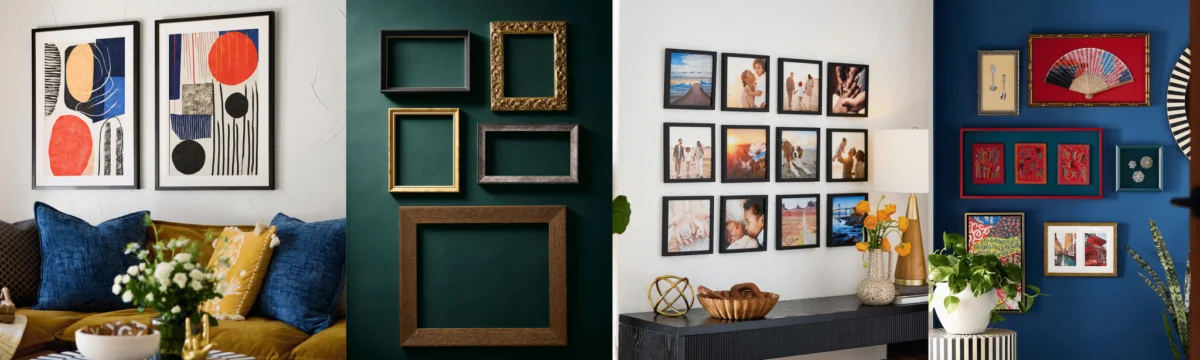
The company’s commitment to enhancing the customer journey is underscored by the simultaneous launch of over 200 new ready-made frame styles. Complementing this, Michaels has also introduced a curated moulding collection, a testament to its collaboration with Condé Nast’s prestigious Architectural Digest brand. This partnership signals Michaels’ intent to elevate the aesthetic appeal and aspirational quality of its framing offerings, aligning with high-end design trends and catering to a discerning clientele.
Michaels currently holds a significant position in the retail landscape, ranking No. 93 in Digital Commerce 360’s Top 1000 Database, which meticulously chronicles North America’s largest online retailers. Furthermore, the company has demonstrated its embrace of emerging technologies by securing the No. 575 spot in Digital Commerce 360’s inaugural AI Rankings, showcasing its forward-thinking approach to leveraging artificial intelligence within its operations.
A Seamless Journey from Digital Concept to Physical Reality
Nicholas Bertram, President and Chief Operating Officer at Michaels, articulated the vision behind these enhancements, emphasizing a seamless and intuitive customer experience. "Framing is an art form that transforms memories and artwork into home décor, and we are making it easier and more inspiring than ever for our customers to bring their visions to life," Bertram stated. "Whether shoppers are looking for a quick, trend-forward, ready-made frame or a bespoke custom piece visualized right in their living room, we are elevating every touchpoint of the framing journey."
The core of this new experience lies in an advanced online frame builder. This sophisticated tool empowers customers to upload their personal photographs or select from an extensive digital gallery of artwork. Users can then meticulously customize every aspect of their frame, from precise dimensions and material choices to the selection of matting and glazing options. The integration of immersive 3D and AR capabilities is a standout feature. Through these technologies, the platform allows shoppers to visualize their custom-framed pieces in real time, projecting them directly onto their walls by simply scanning a QR code with their mobile devices. This innovative approach demystifies the custom framing process, enabling customers to make confident decisions by seeing exactly how their chosen frame will look in their own living spaces.
Moreover, the seamless omnichannel integration ensures that customers are not confined to a single channel for their framing projects. They can initiate their design process online, exploring various options and visualizing possibilities, and then seamlessly transition to a physical store to finalize their order or receive expert advice. This flexibility caters to diverse customer preferences and shopping habits, ensuring that the journey from inspiration to a finished product is as convenient and engaging as possible.
The Strategic Imperative of Omnichannel Framing
The strategic importance of robust omnichannel offerings for a retailer like Michaels cannot be overstated, especially for a category as tactile and personalized as custom framing. Kriszta Grenyo, Chief Operating Officer at Suff Digital, a marketing agency specializing in web design, development, and growth marketing, highlighted the transformative potential of Michaels’ new frame builder. "Tools like Michaels’ frame builder are allowing its website to handle pre-sales before customers walk into physical stores, opening up new opportunities to drive sales," Grenyo explained. "The store experience can effectively begin online and do the majority of the decision-making before having to ever enter the store. By the time the customer arrives at the physical location, they have already narrowed down their choices by exploring their product visually in their home."
Grenyo further characterized Michaels’ website as a potent "lead magnet," simultaneously serving to qualify customer interest and needs. "For businesses that sell highly customizable products, they are able to use the website and store work as one conversion funnel rather than competing channels," she added, underscoring the synergistic relationship between online and offline touchpoints. This integrated approach ensures that marketing efforts are not fragmented but rather contribute to a unified customer journey, maximizing conversion rates and customer satisfaction.
Augmented Reality: Bridging the Confidence Gap in Customization
The integration of AR technology plays a crucial role in addressing a common hurdle in the realm of made-to-order products: the customer’s confidence in the final outcome. Eric Turney, owner and Sales and Marketing Director at The Monterey Company, a specialist in e-commerce and marketing, emphasized this point. "That is the hard part with made-to-order products," Turney observed. "A customer may like the idea of a custom frame, patch, hat, medal or other personalized item, but they hesitate because they cannot fully picture the finished product."
Turney’s perspective suggests that by providing customers with a clear and tangible visualization of the finished product before an order is placed, retailers can significantly reduce buyer hesitation and facilitate a smoother purchasing process. Michaels’ investment in AR directly tackles this challenge, enabling customers to virtually "try on" frames for their artwork or photos within their own environments, thereby building confidence and commitment.
"For Michaels, the smart move is not just the 3D or AR frame builder," Turney elaborated. "It is the online-to-store blend." This highlights that the true innovation lies not solely in the individual technologies but in their cohesive integration to create a unified and compelling customer experience. The ability to seamlessly transition from digital exploration to physical completion is what transforms a novel feature into a strategic advantage.
A History of Digital Innovation at Michaels
This AR-infused framing refresh is the latest in a series of strategic digital initiatives undertaken by Michaels. The company has consistently demonstrated a commitment to leveraging technology to enhance customer engagement and operational efficiency. Earlier in the year, Michaels introduced "Ask Mike," an artificial intelligence assistant developed in collaboration with Google. This AI-powered tool aims to provide customers with instant support, product recommendations, and creative inspiration, further streamlining the customer journey.
Prior to that, in 2025, Michaels launched Michaels Digital Downloads, a subscription-based platform designed to cater to the growing needs of creators. This service provides subscribers with access to an extensive library of hundreds of thousands of digital assets, offering a valuable resource for artists, crafters, and designers seeking high-quality materials for their projects. These ongoing investments in digital transformation underscore Michaels’ dedication to staying at the forefront of retail innovation and meeting the evolving demands of its customer base in an increasingly digital world.
The company’s proactive approach to digital integration is particularly noteworthy in the context of its market position. As a prominent player in the Top 1000, Michaels understands the critical importance of a robust online presence that complements, rather than competes with, its physical stores. The custom framing initiative exemplifies this understanding, transforming a traditionally in-store service into a digitally-enabled experience that enhances convenience, personalization, and customer confidence.
Implications for the Retail Landscape
The implications of Michaels’ omnichannel framing strategy extend beyond its own operations, offering a blueprint for other retailers, particularly those in sectors dealing with customizable or experiential products. By investing in immersive visualization technologies and seamlessly integrating online and offline channels, Michaels is setting a new standard for customer engagement. This approach not only drives sales by reducing friction and uncertainty but also fosters deeper customer loyalty by providing a superior and more personalized shopping experience.
The success of this initiative will likely encourage further adoption of similar technologies across the retail industry. As consumers become increasingly accustomed to the convenience and interactivity of digital tools, retailers that fail to adapt risk falling behind. Michaels’ strategic investment in AR and 3D visualization, coupled with its focus on omnichannel integration, positions it as a leader in the evolving retail landscape, poised to capture market share and drive sustained growth through customer-centric innovation. The company’s ability to blend cutting-edge technology with the tangible, creative spirit of its brand is a powerful testament to its forward-thinking vision.