Siti Muinah
Lead generation remains the lifeblood of modern commerce, serving as the foundational engine that converts anonymous interest into tangible revenue opportunities. As the digital landscape undergoes rapid transformation—driven by shifts in consumer privacy, the rise of artificial intelligence, and the saturation of traditional advertising channels—businesses are forced to refine their methodologies for attracting and retaining potential customers. Josh Gallant, founder of Backstage SEO and a prominent voice in organic growth, emphasizes that while there are infinite ways to generate leads, the complexity of the process often leads to strategic paralysis. To combat this, industry experts suggest a multifaceted approach that balances immediate "quick wins" with long-term brand equity.
The Evolution of Lead Acquisition: Inbound vs. Outbound
The contemporary marketing ecosystem is divided into two primary methodologies: inbound and outbound lead generation. Historically, outbound marketing—which includes cold calling, direct mail, and unsolicited emails—was the dominant force. However, the rise of the "prosumer" has shifted the power dynamic toward inbound strategies.
Inbound marketing focuses on magnetism. By creating valuable content, optimizing for search engines, and engaging on social media, brands draw prospects toward them. The advantages are clear: higher trust, lower long-term costs, and better lead quality. Conversely, the disadvantage is the "lag time" required to see results. Outbound marketing, while often perceived as more intrusive, offers the advantage of speed and direct control over targeting. For most high-growth companies, the optimal strategy is a hybrid model that utilizes the immediacy of outbound tactics to fuel the engine while inbound systems build sustainable momentum.

The Critical Pre-requisite: Defining the Target Buyer
Before a single dollar is spent on lead generation tactics, businesses must execute a rigorous definition of their target market. According to Gallant, the "we target everyone" approach is a frequent precursor to failure. A successful strategy requires a two-step segmentation process.
First, the Market Analysis must define the industry, company size, geographic location, and technological stack of the ideal client. Second, the Buyer Analysis must drill down into the specific individual within that organization. This includes identifying their job title, their primary pain points, their decision-making power, and even the social platforms they frequent for professional advice. Without this clarity, lead generation efforts often result in "vanity metrics"—high traffic with zero conversion to revenue.
1. Conversion-Optimized Landing Pages
The landing page is the central hub of any digital lead generation ecosystem. Unlike a general website homepage, which offers multiple paths, a conversion-optimized landing page is designed with a singular focus: the Call to Action (CTA).
Supporting data from marketing benchmarks indicates that companies with 10 to 15 landing pages see a 55% increase in leads compared to those with fewer than 10. For those with over 40 landing pages, the increase jumps to over 500%. The mechanics of a high-performing page include a clear headline, a strong "hero" image, social proof (such as testimonials), and a streamlined lead generation form. By removing navigation bars and other distractions, businesses can funnel visitor attention directly toward the conversion event.

2. Inbound Content Marketing Systems
Content marketing involves the creation of assets—blogs, videos, and whitepapers—that educate or entertain. The strategic value lies in its ability to build authority. When a brand solves a prospect’s problem through a free article, it establishes a "debt of gratitude" and professional trust.
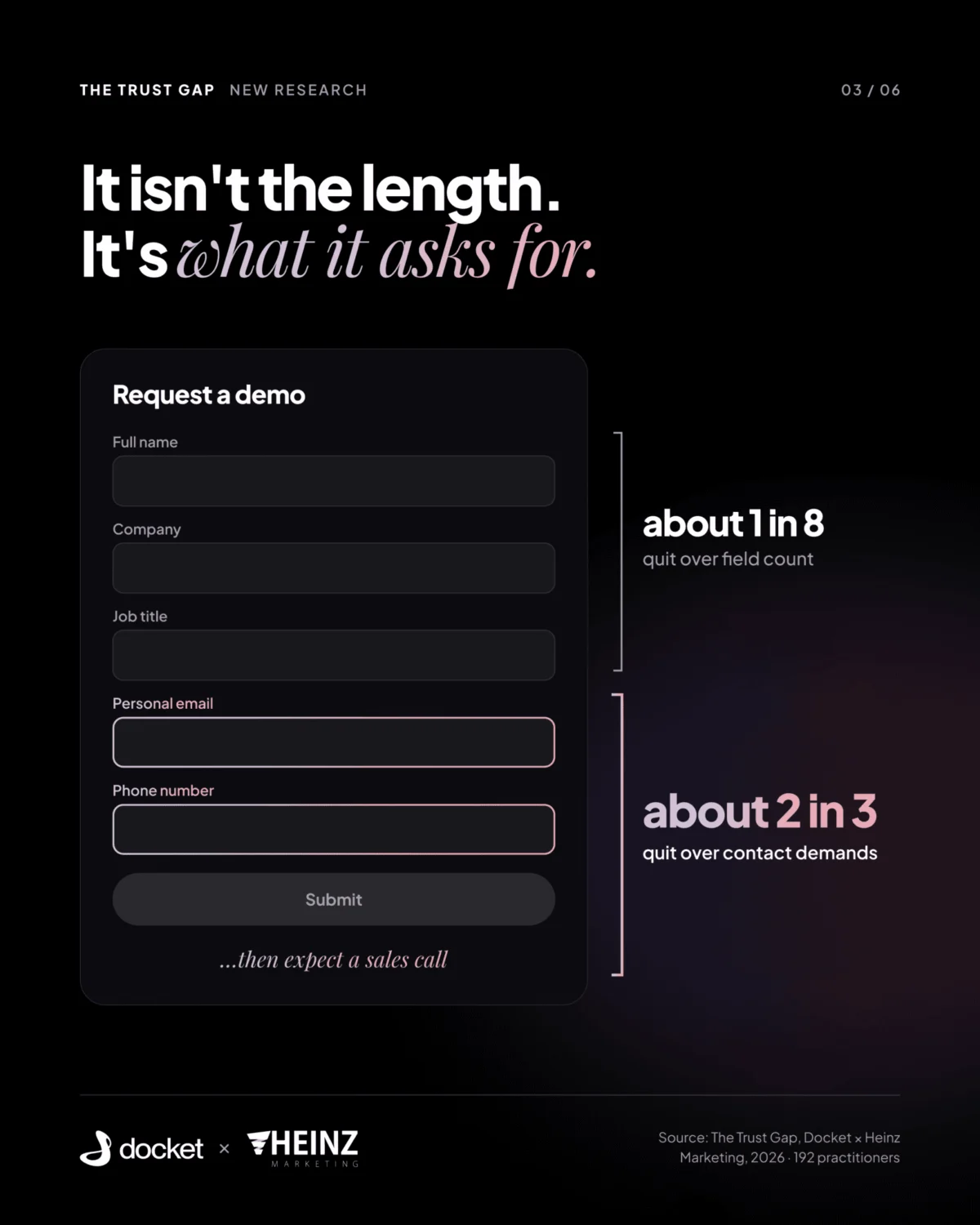
To turn content into a lead generation engine, it must be integrated with conversion mechanisms. This includes "gated content," where users provide an email address in exchange for a high-value PDF, or "content upgrades" that offer deeper insights into a specific topic discussed in a blog post.
3. Search Engine Optimization (SEO)
SEO is the practice of aligning digital content with the intent of search engine users. This strategy is uniquely powerful because it captures prospects at the exact moment they are seeking a solution. Data suggests that organic search is the primary driver of web traffic across most industries, often outperforming social media by more than 300%.
Effective SEO requires a dual focus on "transactional" keywords (e.g., "best CRM software") and "informational" keywords (e.g., "how to improve sales efficiency"). By ranking for both, a brand can capture leads at various stages of the buyer’s journey, from initial research to final purchase intent.

4. Targeted Cold Email Outreach
Despite the rise of social media, email remains the most direct way to reach a decision-maker. However, the modern version of cold email has evolved far beyond the "spray and pray" tactics of the past. Success in 2024 requires hyper-personalization and intent-based signals.
For example, a marketing agency might reach out to a company only after noticing they have posted a job listing for a "Marketing Manager." This signal indicates a recognized need within the organization, making the agency’s outreach timely and relevant. When executed with precision and compliance with regulations like CAN-SPAM and GDPR, cold email remains one of the highest ROI outbound tactics available.
5. Strategic Use of Popups and Sticky Bars
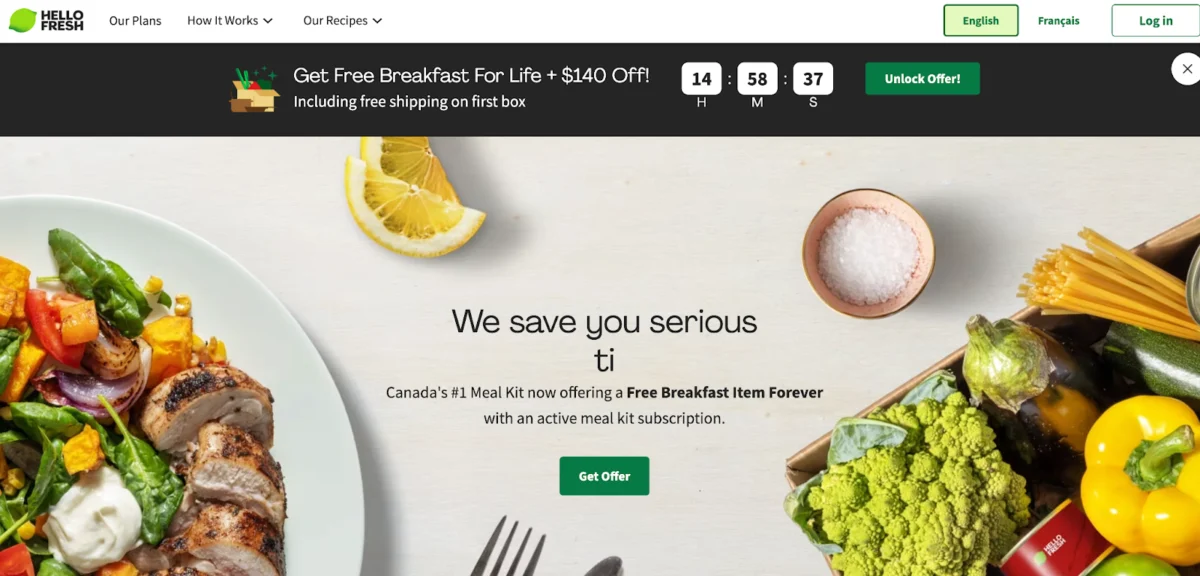
While often maligned, popups and sticky bars remain highly effective when used with discretion. The key is timing and relevance. An "exit-intent" popup, which appears only when a user is about to leave the site, can recover up to 10-15% of lost visitors.
Sticky bars, which remain at the top or bottom of a screen, provide a non-intrusive way to keep an offer—such as a discount code or a free template—in front of the user as they browse. The psychological "nudge" provided by these tools serves to increase the overall conversion rate of a website without requiring additional traffic.

6. Social Media as a Discovery Engine
The paradigm of social media has shifted from "social networking" to "content discovery." Platforms like LinkedIn, TikTok, and X (formerly Twitter) now prioritize content based on user interest rather than just follower counts.
For B2B companies, LinkedIn has become an essential lead generation tool, with studies showing it is 277% more effective at generating leads than Facebook or Twitter. By sharing expert insights and engaging in industry conversations, brands can attract a steady stream of prospects who view the company as a thought leader rather than just a vendor.
7. Pay-Per-Click (PPC) Advertising
PPC advertising, particularly through Google Ads and Meta, allows businesses to "buy" their way to the top of the search results or into the feeds of their ideal customers. The primary advantage of PPC is speed; a campaign launched in the morning can generate leads by the afternoon.
However, PPC is also a high-stakes environment. Without a well-optimized landing page, businesses risk spending thousands of dollars on clicks that do not convert. The most successful PPC strategies utilize "negative keywords" to filter out irrelevant traffic and employ A/B testing to constantly refine ad copy and imagery.

8. Webinars and Live Digital Events
Webinars represent a high-intent lead generation strategy. While a blog post might require three minutes of attention, a webinar requires 30 to 60 minutes. This "time-on-brand" is invaluable for building deep trust.
Webinars allow for real-time interaction, enabling brands to answer prospect questions and overcome objections on the spot. Furthermore, the registration process provides a wealth of data about the lead, including their specific interests and the size of their organization, which can be used for more effective sales follow-ups.
9. Referral Programs and the Trust Economy
Word-of-mouth remains the most powerful form of marketing. Research by Nielsen indicates that 92% of consumers trust recommendations from friends and family above all other forms of advertising.
A structured referral program incentivizes current customers to become advocates. By offering rewards—such as service credits, cash bonuses, or exclusive access—businesses can lower their Customer Acquisition Cost (CAC) while acquiring leads that typically have a higher lifetime value and a lower churn rate.

10. Influencer Partnerships
Influencer marketing has expanded beyond consumer goods into the B2B and professional services sectors. "Micro-influencers"—individuals with smaller but highly engaged and niche audiences—often provide better ROI than major celebrities.
By partnering with a trusted voice in a specific industry, a brand can "borrow" that individual’s credibility. This is particularly effective for new product launches or entering new markets where the brand has not yet established its own reputation.
11. Retargeting and Re-engagement
The "Rule of Seven" in marketing suggests that a prospect needs to see a brand’s message at least seven times before they take action. Retargeting campaigns use browser cookies or email lists to show ads to people who have already visited a website but did not convert.
This strategy is highly cost-effective because it focuses on a "warm" audience. Retargeting ads can be customized based on the user’s behavior; for instance, someone who abandoned a shopping cart might be shown a free shipping offer, while someone who read three blog posts might be invited to a webinar.

12. Free Trials and Product-Led Growth (PLG)
The "Costco strategy" of handing out free samples is highly effective in the software and service industries. By offering a free trial or a product demo, businesses remove the primary barrier to entry: risk.
Product-led growth (PLG) relies on the product itself to do the selling. When a prospect experiences the value of a tool first-hand, the transition to a paid customer becomes a natural progression rather than a forced sales pitch. This approach is particularly effective in the SaaS (Software as a Service) industry.
13. Interactive Tools and Quizzes
Interactive content, such as calculators, quizzes, and assessments, generates significantly higher engagement than static content. A quiz like "What is your marketing personality?" or a calculator like "How much can you save on taxes?" provides immediate, personalized value to the user.
In exchange for this value, users are often willing to provide their contact information and answer several qualifying questions. This provides the sales team with a "pre-qualified" lead who has already demonstrated a specific need or interest.

Broader Impact and Future Implications
The landscape of lead generation is moving toward a future defined by "quality over quantity." As privacy regulations like the end of third-party cookies in Chrome take effect, first-party data—information collected directly from the customer—will become the most valuable asset a company owns.
Furthermore, the integration of Artificial Intelligence is allowing for unprecedented levels of personalization at scale. AI can now predict which leads are most likely to convert, automate personalized email sequences, and even engage in real-time chat with website visitors. However, as technology becomes more prevalent, the human element—authenticity, trust, and genuine problem-solving—will remain the ultimate differentiator. Companies that successfully combine these 13 strategic pillars with a deep understanding of their human audience will be the ones that thrive in the increasingly competitive global marketplace.

 Nana