A significant shift is underway in the landscape of email marketing, compelling brands to fundamentally reconsider their approach to subscriber engagement and data collection. A 2026 prediction by Validity underscored this emerging necessity, foreseeing a pronounced increase in brands utilizing dedicated email campaigns to promote their preference centers. This proactive stance is a direct response to a burgeoning demand from subscribers for greater autonomy over the frequency and content of communications they receive. When email messages resonate with individual interests and needs, open rates and engagement metrics invariably climb. However, a failure to address this demand is contributing to an escalating problem: a surge in unsubscribe rates that threatens the efficacy and ROI of email marketing programs globally.
Recent research conducted by Mailerlite paints a stark picture, revealing that year-on-year unsubscribe rates more than doubled between 2024 and 2025. This alarming trend is largely attributed to strategic changes implemented by major mailbox providers (MBPs) like Gmail, which have made the process of opting out significantly easier and more accessible for users. The primary culprits driving these opt-outs and subsequent spam complaints are consistently cited as "too many emails" and "messages not relevant." Paradoxically, a substantial segment of these departing subscribers would prefer to simply adjust their email frequency or content preferences rather than severing ties with a brand entirely – if only they were presented with a clear and convenient mechanism to do so.
The Hidden Problem: Buried Preference Centers
A critical impediment to subscriber control and, consequently, brand retention, is the prevalent practice of obscuring preference center links. Many brands continue to relegate these vital links to the often-overlooked, tiny text within email footers, severely limiting their organic discovery. Discussions with industry practitioners consistently reveal that low utilization of preference centers is not indicative of a lack of subscriber interest, but rather a profound deficit in awareness regarding their existence and functionality. This disconnect between subscriber intent and brand execution represents a significant vulnerability that modern email marketing strategies can no longer afford to ignore. The status quo, quite simply, must change.
The Evolving Digital Mailbox: A Catalyst for Change
The urgency for brands to prioritize preference centers is not merely a reactive measure to rising unsubscribes; it is deeply intertwined with broader technological and regulatory shifts. Apple’s introduction of Mail Privacy Protection (MPP) earlier pushed email marketers to re-evaluate traditional engagement metrics and underscored the critical importance of sourcing zero-party data – information willingly and proactively shared by customers. This shift has only intensified with the advent of AI-fueled developments across major MBPs. These sophisticated algorithms are increasingly influencing inbox delivery, filtering, and content prioritization, making genuine, opted-in engagement and positive sender reputation more paramount than ever. Brands that fail to adapt risk being relegated to spam folders or ignored entirely by intelligent inbox systems designed to surface only the most relevant content.
Proven Payoffs: The ROI of Subscriber Control
The strategic investment in promoting and optimizing preference centers is not without significant, measurable returns. Single Grain, for instance, published compelling research detailing an e-commerce client’s experience with a tiered preference center. This implementation resulted in a remarkable 189% increase in email engagement and a substantial 76% decrease in unsubscribes. Furthermore, a study by Oracle highlighted the effectiveness of offering a ‘snooze’ option within email preference centers, observing an average 82% reduction in unsubscribes for senders who adopted this feature. These figures unequivocally demonstrate that empowering subscribers leads directly to enhanced engagement, improved retention, and ultimately, a healthier, more profitable email program.
Email senders must therefore adopt a far more intentional and proactive approach to promoting their preference centers and actively encouraging subscribers to utilize them. This strategic pivot is no longer an optional best practice but a fundamental requirement for sustained success in a dynamic digital environment.
Raising Awareness for Preference Centers: A Multi-Pronged Strategy
Effective promotion of preference centers requires a comprehensive, multi-channel approach, integrating awareness into various stages of the subscriber journey.
1. General Promotional Campaigns:
The journey to greater preference center utilization can begin modestly. Even a simple, dedicated email message that raises awareness of the preference center’s existence and clearly indicates where to find it surpasses inaction. Brands like Chanel have exemplified this by keeping their messaging straightforward, explaining how subscribers can leverage the tool to customize their marketing communications to align with their specific interests. This direct approach demystifies the process and highlights the intrinsic value to the recipient.
2. Integration into Welcome Email and Onboarding Series:
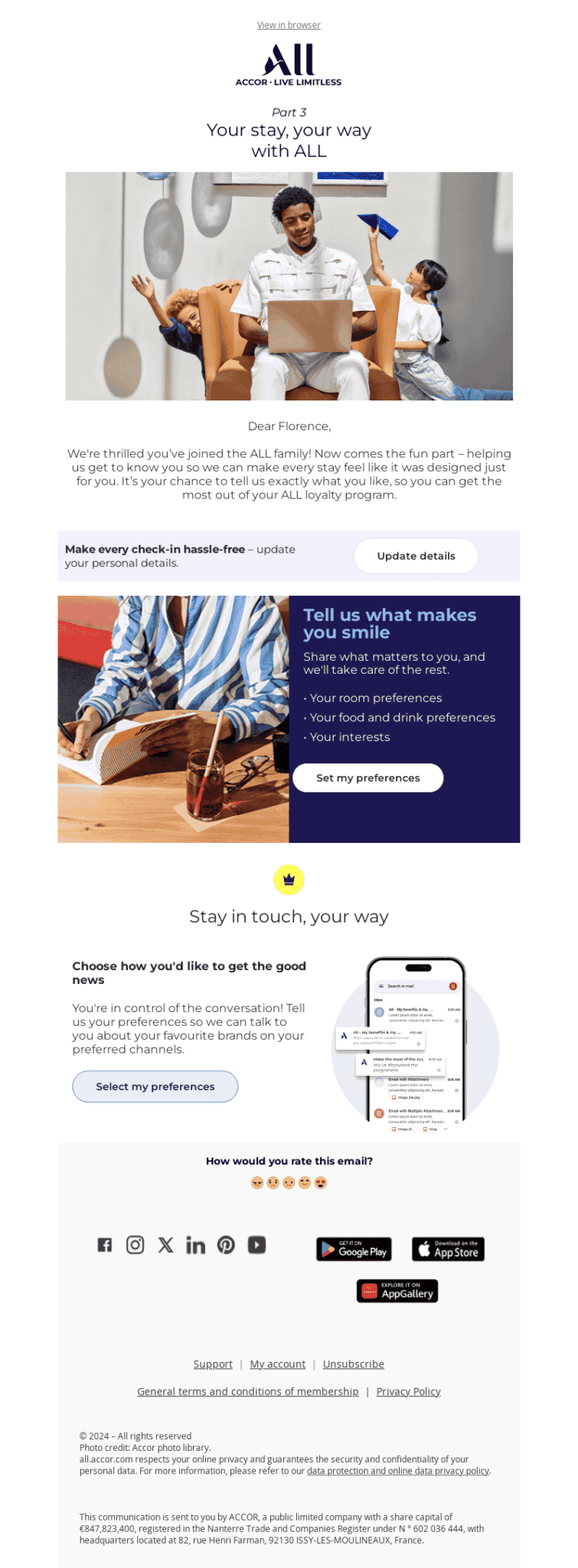
The welcome email represents prime real estate for introducing and promoting preference centers. New subscribers are typically at their peak engagement levels and most amenable to shaping the nature of their relationship with a brand. Mizuno masterfully integrates this by using a clever subject line that plays on sporting themes, encouraging new sign-ups to "be part of the first team, not the reserves," thereby subtly prompting them to define their preferences early on. For brands with more elaborate onboarding sequences, such as Accor Hotels, there is ample opportunity to dedicate specific messages to preference management. Accor effectively communicates the benefits to new loyalty members, framing it around better check-ins, personalized room experiences, and preferred communication channels, reinforcing the value proposition of setting preferences.
3. Progressive Profiling for Gradual Data Enrichment:
The concept of progressive profiling is a sophisticated yet user-friendly approach to data collection. Instead of overwhelming new subscribers with a lengthy form, brands can gradually build richer customer profiles over time. This reduces friction by initially asking for only essential information, then periodically prompting subscribers for additional data points through targeted check-ins. The key is to prioritize data that offers the most immediate relevance. For instance, Skyscanner astutely focuses on capturing a customer’s preferred airport, recognizing this as a crucial data point for delivering highly relevant travel deals. Another excellent target for progressive profiling is a subscriber’s date of birth. Beyond the opportunity for a personalized birthday surprise, this data provides valuable insights into age, life stage, and potential buying power, strengthening the customer relationship.
4. Making Preference Capture Interactive:
Gamification can significantly boost engagement in preference capture. By transforming the data collection process into an interactive experience, brands can gather valuable insights while entertaining subscribers. Oceania Cruises, for example, engages its audience by asking them to "Choose which destination interests you most," complete with a running counter displaying real-time results. This not only encourages participation but also progressively builds a rich database of customer travel preferences from every poll response, offering dynamic insights into collective and individual interests.
5. Clearly Explaining the Benefits:
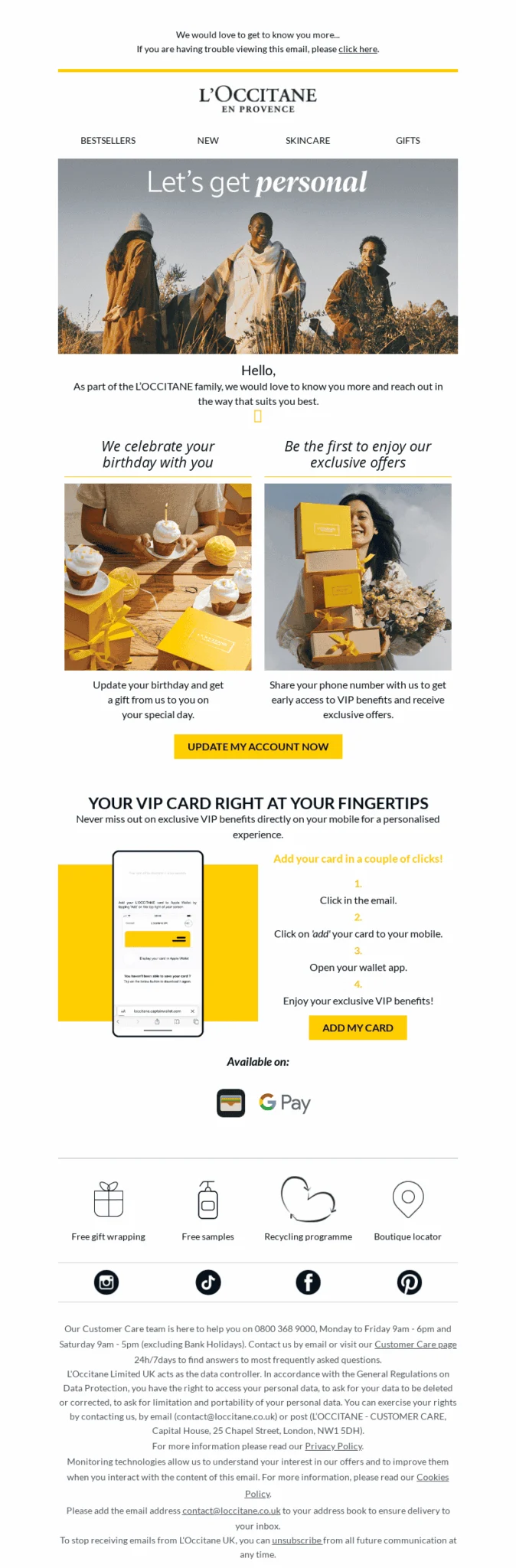
Subscribers are more likely to engage with preference centers when they understand the tangible benefits. Brands must clearly articulate "what’s in it for them." L’Occitane excels at this, explicitly spelling out advantages such as early access to exclusive offers and a special birthday gift for those who update their preferences. Their messaging covers new product alerts, personalized offers, and invitations to special events, while also providing options to switch communication channels to text, postal mail, or WhatsApp, thereby catering to diverse preferences and enhancing overall customer experience.
6. Providing Strategic Incentives:
While intrinsic benefits like relevance are powerful, some subscribers require a more direct incentive to share their data. They understand the value of their personal information and often expect something in return. A well-placed discount or exclusive offer can serve as an effective extrinsic motivator. This strategy is mutually beneficial: subscribers gain immediate value, and the brand often secures a purchase, effectively converting the cost of the incentive into revenue. The strategic deployment of incentives transforms data collection into a value exchange, strengthening customer loyalty.
7. Offering Opt-Outs for Emotionally Sensitive Events:
In recent years, there has been a noticeable increase in brands offering specific opt-out options for emotionally sensitive dates such as Valentine’s Day, Mother’s Day, and Father’s Day. While well-intentioned, the proliferation of these standalone emails risks inadvertently amplifying the very sensitivities they aim to mitigate. A more refined and less intrusive approach involves integrating these as one-time, permanent options within the preference center. This empowers subscribers to proactively manage their exposure to potentially distressing content without being reminded repeatedly. Some brands are already adopting more granular options: Interflora offers an anniversary opt-out, Bloom & Wild allows muting Grandparent’s Day, and Hotel Chocolat enables customers to suppress alcohol-related promotions, demonstrating a deeper understanding of diverse customer needs.
8. Strategic Management During the Holiday Season:
High-stakes periods like Black Friday and Cyber Monday are crucial for many email programs. However, the sheer volume of promotional emails can overwhelm subscribers, leading to permanent unsubscribes. As Oracle’s research on snooze options suggests, a temporary ‘snooze’ from holiday promotions is invariably preferable to a complete opt-out. Brands like Bvlgari effectively implement this, offering subscribers the ability to temporarily reduce holiday communications. Alternatively, the run-up to sales events can be leveraged as a relevance check. Spoonflower, for example, embraces this with a clever call-to-action: "Curate My Content," playing on the insight that "no one likes a cluttered inbox," encouraging subscribers to refine their preferences before the onslaught of holiday deals.
9. Increased Visibility Through Pre-headers and Content Blocks:
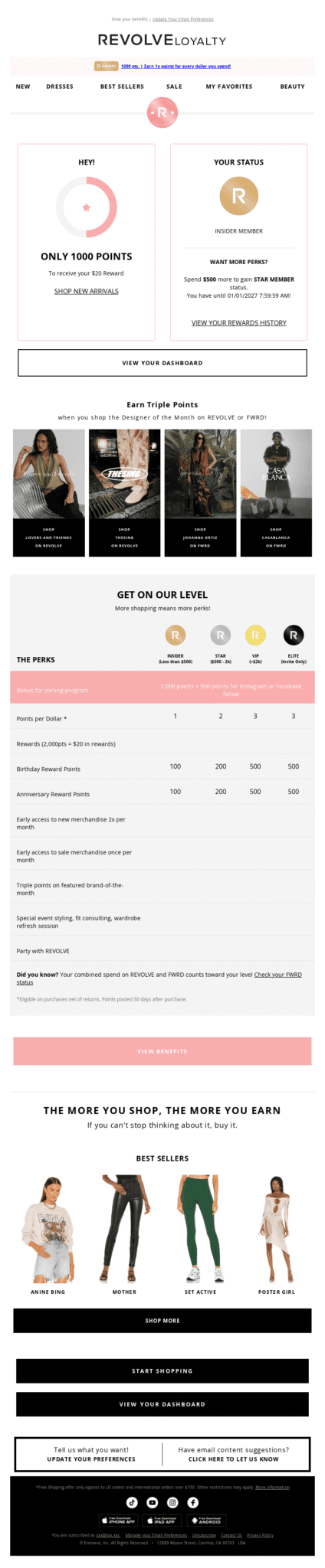
Beyond dedicated campaigns, every email sent should contribute to promoting the preference center. Two key tactics enhance visibility significantly. Firstly, integrating the preference center link into the pre-header text. This mirrors the best practice for unsubscribe links, where transparency builds trust and reduces spam complaints. Applying the same logic here promotes subscriber control and reinforces the brand’s commitment to relevance. REVOLVE’s approach to integrating preference center updates within loyalty status emails, often leveraging the pre-header, serves as an excellent example. Secondly, incorporating a dedicated content block within regular email sends ensures the preference center message is consistently reinforced, rather than solely relying on standalone emails. Bloom & Wild again demonstrates leadership here, allowing subscribers to manage multiple event-related preferences directly from such a block.
10. Preference Centers in Re-engagement Campaigns:
For subscribers showing signs of disengagement, preference centers can be a crucial component of win-back campaigns. While often a last-ditch effort, offering a clear path to adjust preferences provides an alternative to a full unsubscribe. CVS Pharmacy exemplifies this effectively, restating the benefits of continued subscription, soliciting feedback, and concluding with a powerful, commitment-oriented call-to-action: "Yes, I still want emails." This approach provides an opportunity for subscribers to re-engage on their own terms, salvaging potentially lost relationships.
Getting Started with Preference Centers: A Strategic Roadmap
The most effective preference centers function as sophisticated personalization engines, serving as vital conversation starters for unlocking invaluable zero-party data. To truly harness their power, brands should integrate several key techniques into their email strategy:
- Audit Existing Infrastructure: Evaluate current preference center capabilities. Is it user-friendly? Does it offer sufficient granularity (e.g., frequency, content types, product categories, communication channels)?
- Map Data Points to Business Goals: Identify what zero-party data is most critical for delivering personalized experiences and achieving marketing objectives. Prioritize asking for this information.
- Design for User Experience (UX): Ensure the preference center is intuitive, mobile-responsive, and easy to navigate. A frustrating experience will deter usage.
- Segment and Personalize Promotion: Tailor messages promoting the preference center based on subscriber behavior and known preferences. For example, a subscriber who frequently opens product announcements but never event invitations might receive a prompt to refine their event preferences.
- A/B Test Messaging and Placement: Experiment with different subject lines, call-to-actions, and placement strategies to determine what resonates best with your audience.
- Educate Subscribers: Clearly explain the value proposition of using the preference center. Emphasize that it leads to a better, more relevant experience.
The ultimate measure of a preference center’s success lies in its ability to demonstrably link usage to stronger email marketing engagement. If the subscribers who actively utilize the preference center exhibit higher click-through rates, greater conversion rates, and increased lifetime value, then a compelling case is established for continued investment in and optimization of the entire email program. This data-driven validation transforms preference centers from mere compliance tools into powerful engines of customer loyalty and revenue growth.

In an era defined by heightened data privacy concerns, the ubiquitous rise of AI in inbox management, and an increasing consumer expectation for personalization, proactively promoting and refining email preference centers is no longer merely a "nice-to-have." It is a strategic imperative for brands seeking to maintain sender reputation, foster genuine subscriber relationships, and drive sustainable business growth. Brands that embrace this shift will not only reduce churn but also cultivate a more engaged, loyal, and valuable subscriber base, securing their position in the future of digital communication.