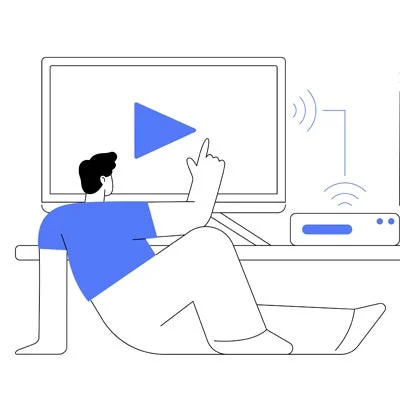
The advertising industry is at a pivotal moment regarding "pause ads," a novel format that appears when a viewer intentionally pauses their streaming content. While excitement and discussion surrounding these ads are palpable, the actual widespread adoption by advertisers remains a significant hurdle, primarily due to the lack of a standardized programmatic buying process. This nascent ad format, designed to capture viewer attention during moments of voluntary cessation, faces a complex landscape of technological standardization, publisher implementation, and nuanced user behavior that dictates its true potential.
The Standardization Imperative: Paving the Way for Programmatic Integration
A primary impediment to the broader adoption of pause ads is the absence of a unified methodology for purchasing them across diverse streaming platforms and ad sellers. Recognizing this critical gap, the Interactive Advertising Bureau (IAB) Tech Lab initiated a significant undertaking last year. This initiative aims to establish standardized programmatic signals for emerging streaming TV ad formats, including pause ads, as well as in-scene advertisements and placements on smart TV home screens.
The IAB Tech Lab engaged in a public comment period, gathering feedback on these proposed standards through early June. Currently, these submissions are under rigorous review by relevant working groups. Industry insiders anticipate that the updated standards will be rolled out later this month, a development eagerly awaited by many in the advertising ecosystem. The goal is to create a seamless and scalable pathway for advertisers to integrate pause ads into their programmatic media buys, mirroring the efficiency and reach they expect from traditional digital advertising channels.
Advertiser Eagerness Meets Programmatic Realities
Despite the current programmatic challenges, a substantial segment of brands expresses keen interest in incorporating pause ads into their advertising strategies. Fiskars, a globally recognized Finnish company renowned for its garden tools and lifestyle products, exemplifies this enthusiasm. Kevin Goy Ramos, Senior Manager of Media and Advanced Media Tech Solutions at Fiskars Group, highlighted the compelling opportunity pause ads present for brand awareness, particularly for new product launches. He cited Fiskars’ recent introduction of an electric-powered tool line as a prime example of a campaign that could benefit from the unique engagement potential of pause ads.
However, Ramos was candid in admitting that Fiskars has not yet executed any pause ad purchases. The company’s hesitation stems from a fundamental requirement: the need for programmatic buying to offer the flexibility, scale, and robust measurement capabilities that are now industry standard. Until these programmatic pipes are fully developed and accessible for pause ads, brands like Fiskars will likely remain in a holding pattern, meticulously evaluating the evolving landscape.
Navigating the Direct Deal Landscape
Currently, the predominant method for advertisers to acquire pause ad inventory is through direct deals negotiated with individual publishers. This approach, while effective for targeted campaigns, inherently limits scalability and efficiency, especially for brands accustomed to the automated and data-driven nature of programmatic advertising.
David Dworin, Chief Product Officer at FreeWheel, a prominent ad tech company, elaborated on this point. He stated that media buyers have "not really had the option to buy [pause ads] at scale any other way." This reliance on direct deals creates a bottleneck, preventing a significant portion of the programmatic-first advertising community from fully exploring the potential of pause ads.
The anticipated rollout of the IAB Tech Lab’s updated signals for programmatic pause ads is expected to fundamentally alter this dynamic. Once these standards are widely adopted and accessible, agencies will be empowered to execute pause ad campaigns across a multitude of streaming services and distributors with far greater ease. This increased accessibility is predicted to unlock demand from buyers who primarily operate within the programmatic ecosystem, signaling a substantial shift in the pause ad market.
Industry Initiatives to Bridge the Gap
Recognizing the immediate need for greater programmatic accessibility, various industry players are proactively developing their own solutions. Magnite, a leading sell-side platform, has already made pause ad inventory available for programmatic buying across select video distributors, including prominent names like Fubo, Dish, and DirecTV. This move is a crucial step in bringing pause ads into the programmatic fold, offering publishers and advertisers more integrated buying options.
In parallel, FreeWheel has forged strategic partnerships with several demand-side platforms (DSPs), notably The Trade Desk. These collaborations are focused on creating clearer distinctions within the bidstream, differentiating pause ad inventory from traditional in-stream commercial spots. Such distinctions are vital for DSPs to accurately identify, bid on, and manage pause ad campaigns effectively.
Persistent Friction Points in Publisher Implementation
Despite these encouraging industry efforts, several challenges persist in the widespread adoption of programmatic pause ads. Publishers themselves are at varying stages of development and integration with this new ad format. Some have opted to develop bespoke, native specifications for pause ads within their own platforms, while others favor the more universally recognized Video Ad Serving Template (VAST) standard. This divergence in implementation creates complexity for buyers seeking consistent inventory across different publishers.
From the perspective of publishers and distributors, a significant hurdle remains the absence of a unified mechanism to "integrate demand," as articulated by Jerrold Son, VP of Advertising Revenue Operations at Xumo, a free ad-supported streaming platform. This lack of cohesive demand integration means that the process of connecting ad buyers with available inventory is not yet streamlined.
Adding to the complexity, bids for pause ad inventory originating from different SSPs, such as FreeWheel and Magnite, are not readily translatable from one platform to another. Son described this as a "limiting factor," emphasizing the industry’s need for a more robust system to "mediate" demand. In essence, this means developing a method where competing bids can effectively vie for the same impression, ensuring fair market dynamics and optimal pricing.
A Glimmer of Optimism: Higher CPMs and Future Demand
Notwithstanding these ongoing challenges, there is a palpable sense of optimism surrounding the future of pause ads, particularly concerning their potential to achieve programmatic consistency and drive significant revenue. Son from Xumo reported that they are currently observing "higher CPMs on pause ads than we are on video ads," a promising indicator of advertiser value perception.
Publishers and platforms anticipate that the forthcoming standardization efforts will significantly broaden the appeal and accessibility of pause ads, thereby unlocking new avenues for demand. Rob Hazan, GM of Product Management at The Trade Desk, believes that once the IAB Tech Lab’s updated signaling standards are widely adopted, a more diverse range of marketers will enter the pause ad market. He noted that some marketers have been hesitant due to "workflow and coordination challenges," which the new standards are poised to address. For the interim, Hazan predicts that agencies will likely continue to experiment with pause ads on a smaller scale, delaying substantial budget allocations until broader programmatic integration is fully realized. Fiskars’ cautious approach underscores this sentiment, with the company prioritizing wholesale programmatic standardization before making significant investments in pause ads.
Beyond Standardization: The Crucial Role of Performance and User Experience
While standardization is a critical enabler, it is not the sole determinant of pause ads securing a permanent place in marketers’ media plans. The ultimate success of this format hinges on its demonstrable performance and its ability to deliver tangible results for advertisers.
Fiskars, for instance, anticipates that pause ads will effectively drive brand awareness and consideration, largely attributed to the format’s inherent respect for the user experience. Ramos posited that pause ads possess "better attention value" because they are initiated by the user. This voluntary engagement offers a refreshing contrast to the often intrusive nature of traditional ad breaks, providing a more positive and receptive environment for advertisers. This aligns with findings from FreeWheel’s Viewer Experience Lab, which has highlighted the potential benefits of innovative ad formats that offer a less interruptive experience.
However, the user experience associated with pause ads is not uniformly positive and can vary significantly. Not all users press pause with the intention of engaging with an advertisement. Many pause content to perform other actions, such as taking a break, attending to personal needs, or even closely examining the content itself – perhaps to decipher subtitles in a foreign language or capture a specific visual moment. Dworin from FreeWheel pointed out the difficulty in "intuiting why someone hit pause," suggesting that the context of the pause significantly influences the user’s receptiveness to an advertisement.
From an advertiser’s standpoint, guaranteeing consistent ad delivery and placement within specific programs remains a challenge. "You can’t guarantee that somebody is going to push pause" during their viewing session, Dworin explained. The prevalence of binge-watching, where viewers might consume content for extended periods without interruption, further complicates the predictable delivery of pause ads. The common "are you still watching?" interstitials seen on some streaming platforms serve as a testament to this viewing habit.
Furthermore, consumer viewing behaviors introduce another layer of complexity. While some brands might hope that pause ads will encourage viewers to scan QR codes for immediate engagement, the success of such calls to action in this context remains uncertain.
The Unanswered Questions: Performance Metrics and Future Outlook
Despite the inherent unpredictability in delivery, the hope is that pause ads will compensate through superior performance. The fundamental questions of what pause ad performance will ultimately look like and whether it will demonstrably differ from traditional in-stream ad supply remain largely unanswered. Hazan from The Trade Desk acknowledged that these are critical areas of inquiry that the industry is actively working to clarify.
As the IAB Tech Lab’s standardization efforts mature and industry players continue to innovate, the programmatic landscape for pause ads is expected to evolve rapidly. The coming months will be crucial in determining whether the enthusiasm for this novel ad format can translate into widespread adoption, delivering on its promise of enhanced viewer attention and meaningful returns for advertisers, while navigating the complexities of user behavior and technological integration. The industry is collectively holding its breath, waiting to see if pause ads will indeed become a sustainable and impactful component of the digital advertising mix.