Google Search experienced a widespread indexing and serving disruption on August 28th, affecting the timely appearance of new content from major news outlets and other websites for approximately 80 minutes. The incident, which began around 6:15 AM ET and was largely resolved by 7:35 AM ET, prevented recently published articles from prominent sources like The Wall Street Journal, The New York Times, and CNN from appearing in search results, raising concerns among webmasters, publishers, and SEO professionals about the reliability of real-time information dissemination.
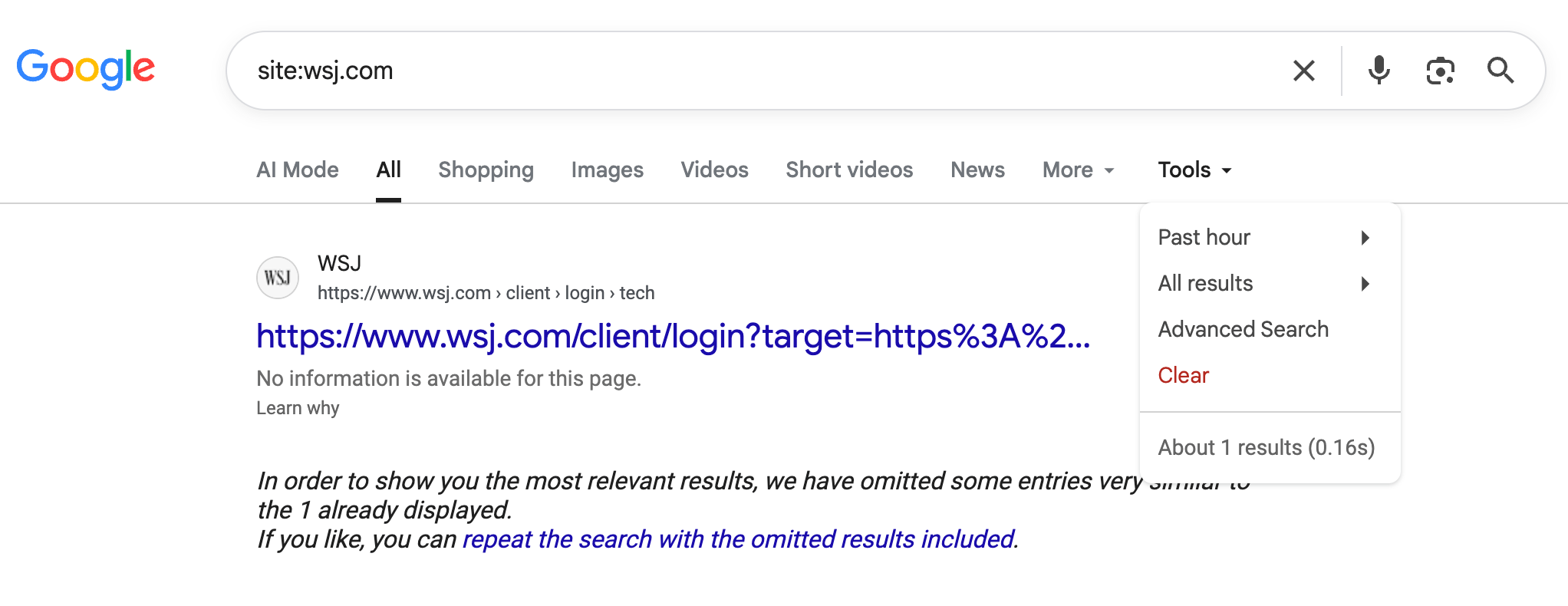
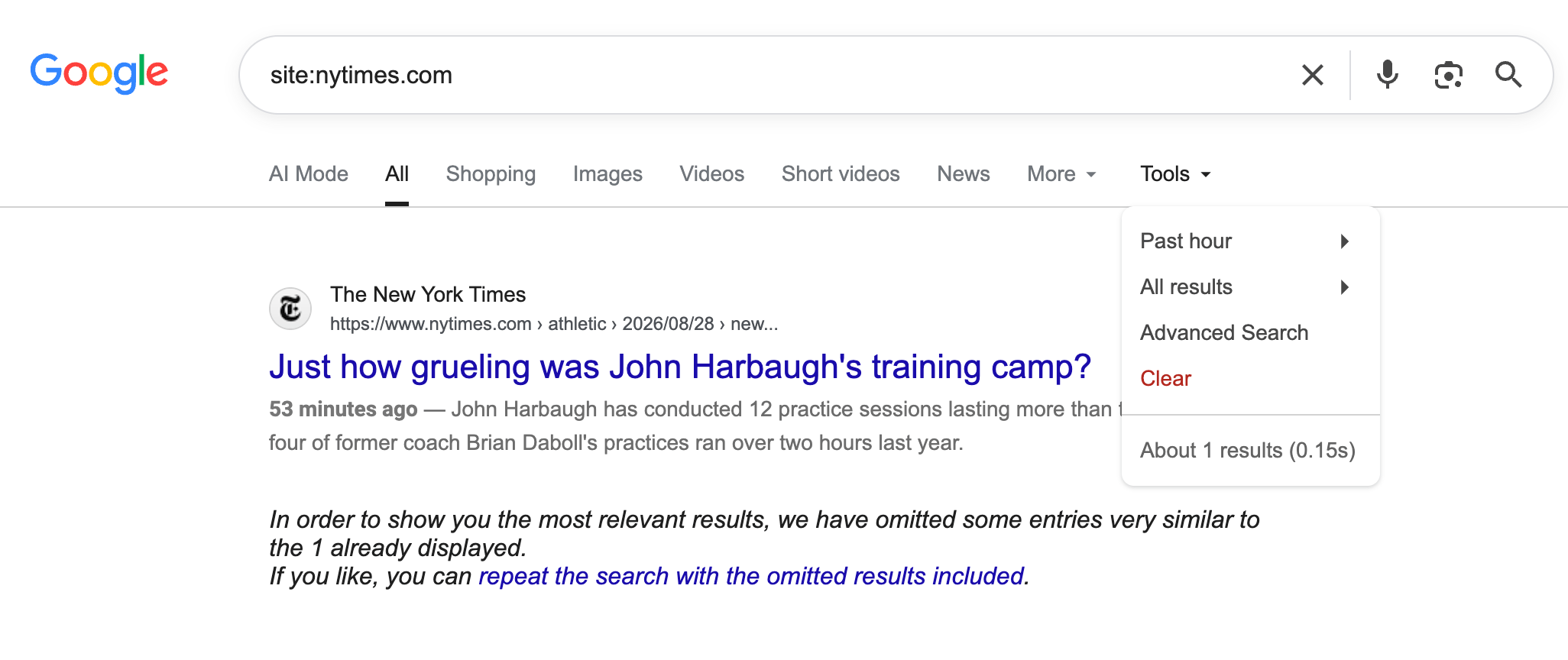
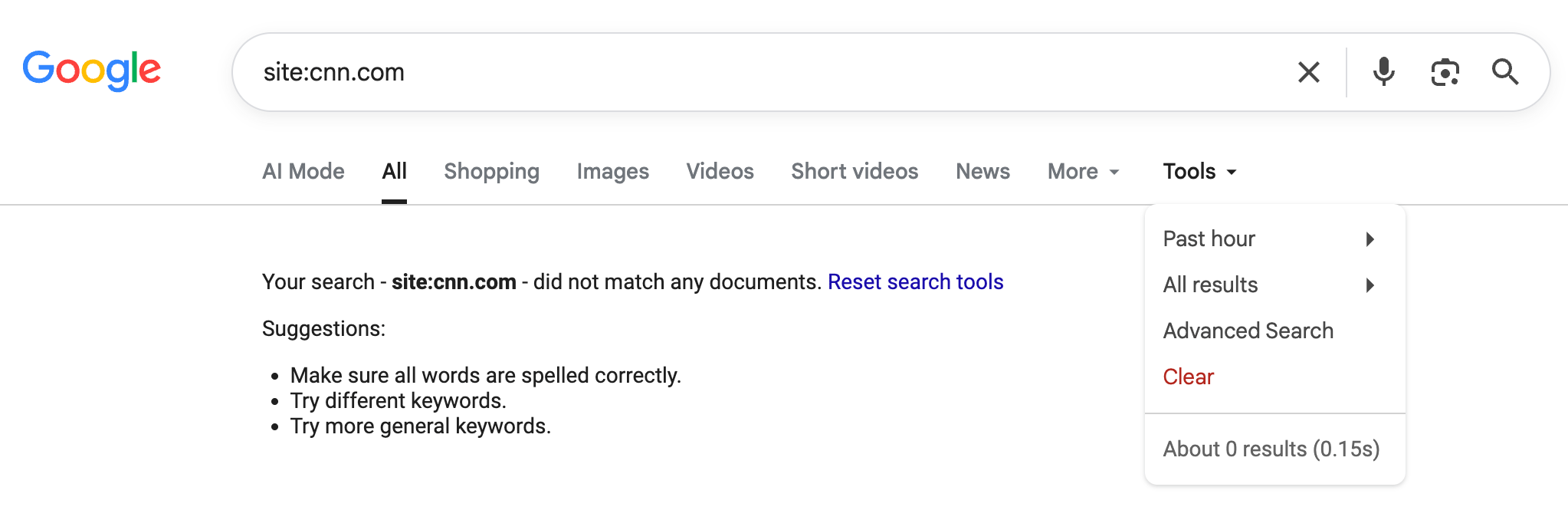
The disruption manifested as a failure for newly published content, particularly that posted within the preceding hour, to surface in Google Search results. Typically, major news organizations, which publish a continuous stream of articles, would see their latest updates indexed and served almost instantaneously. However, during the affected period, searches employing site-specific commands combined with time filters (e.g., site:wsj.com after:2026-08-28T06:15:00Z before:2026-08-28T07:15:00Z) yielded scant, if any, results, indicating a significant bottleneck in Google’s processing pipeline for fresh content.
Chronology of the Incident
The issue was first observed and reported by various webmasters and SEO experts shortly after 6:15 AM ET on August 28th. Initial reports highlighted an unusual absence of fresh content from high-volume publishers. The anomaly was quickly confirmed by independent tests conducted across multiple domains, including the reporting site, which noted its own recently published content was failing to appear in Google Search despite being live on its servers.
Evidence supporting the disruption included direct screenshots from Google Search results pages, demonstrating the lack of new articles from major news aggregators when filtered for content published within the last hour. These visual proofs, showcasing empty or near-empty result sets for queries that would ordinarily return dozens of articles, underscored the severity of the problem. The concern was compounded by observations that the issue was not isolated to a few specific sites but appeared to be a broader system-wide challenge affecting diverse content producers.
Community reports and discussions on platforms like X (formerly Twitter) quickly corroborated the problem. Users tagged Google Search official accounts and prominent SEO figures, seeking clarification and confirmation. Tweets from individuals like @VENKATR64182614 and @eransingh explicitly called attention to the "indexing issues," with one user noting it was the "Second time in Aug 2026 @Google has indexing issue," suggesting a pattern of similar, albeit perhaps less severe, incidents within the same month. These social media interactions provided real-time confirmation of the widespread nature of the problem, fostering a collective understanding of the ongoing technical glitch.
Despite the growing chorus of community complaints and empirical evidence, Google’s official Search Status Dashboard, a public-facing page designed to communicate service health, continued to report "all is good" during the initial phase of the disruption. This discrepancy between observed service performance and official status updates further fueled frustration among those reliant on Google’s search infrastructure, highlighting a potential delay in internal monitoring or public communication protocols.
By approximately 7:35 AM ET, signs of recovery began to emerge. Content that had been previously missing from search results started to appear, indicating that Google’s systems were gradually catching up and processing the backlog of fresh content. Barry Schwartz (@rustybrick), a well-known figure in the SEO community, confirmed the apparent resolution, tweeting, "Google Search indexing issue seems fixed now," providing a definitive signal that normal operations were resuming. The total duration of the significant impact was roughly 80 minutes, a relatively short period but one with potentially notable repercussions for real-time information flow.
Indexing vs. Serving: A Critical Distinction
The nature of the problem initially presented a nuanced challenge in diagnosis: was it an indexing issue, a serving issue, or both? Indexing refers to the process by which Google discovers, crawls, and adds web pages to its vast database, making them eligible to appear in search results. Serving, on the other hand, is the process of retrieving relevant results from this index and presenting them to users in response to their queries.
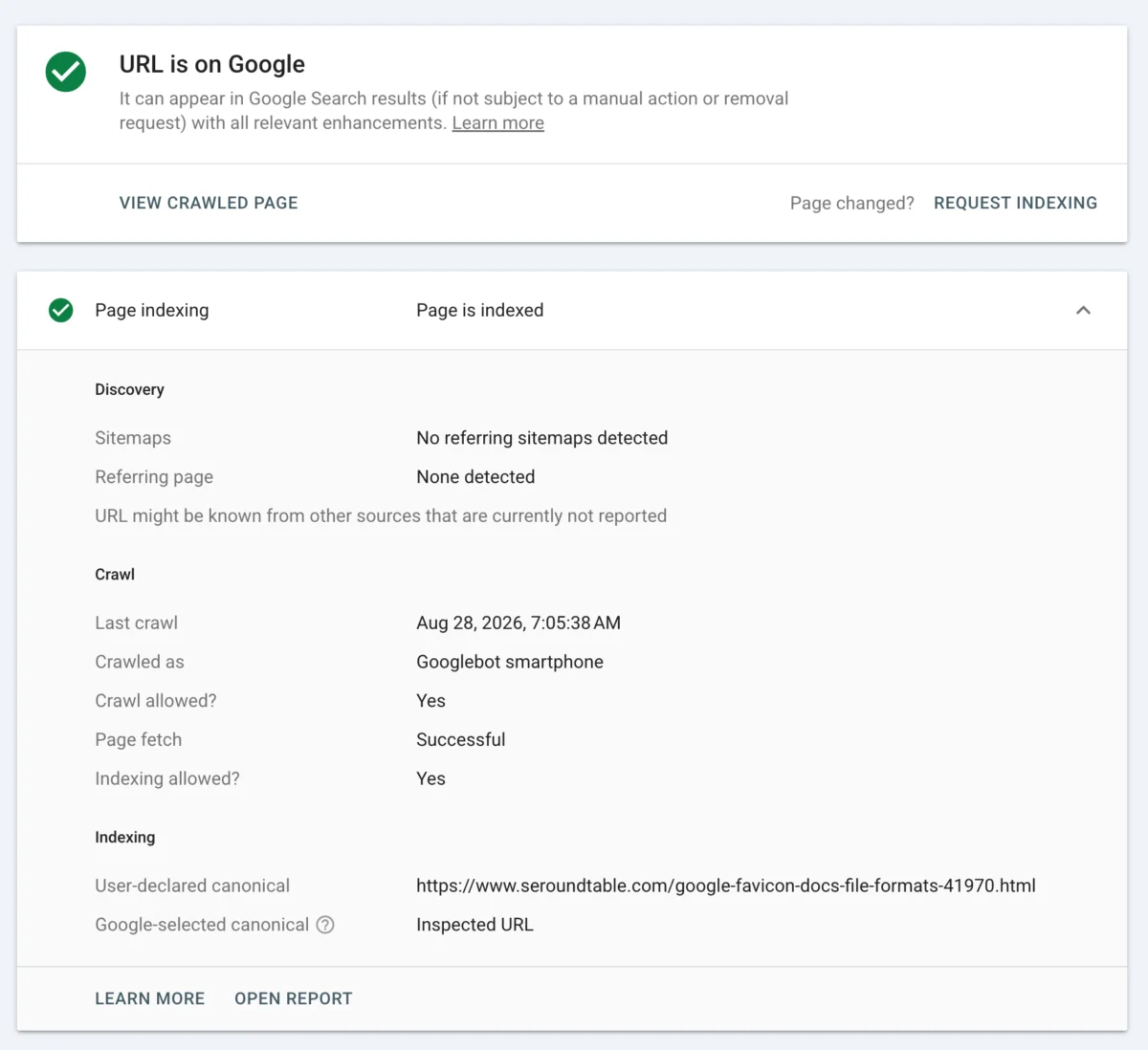
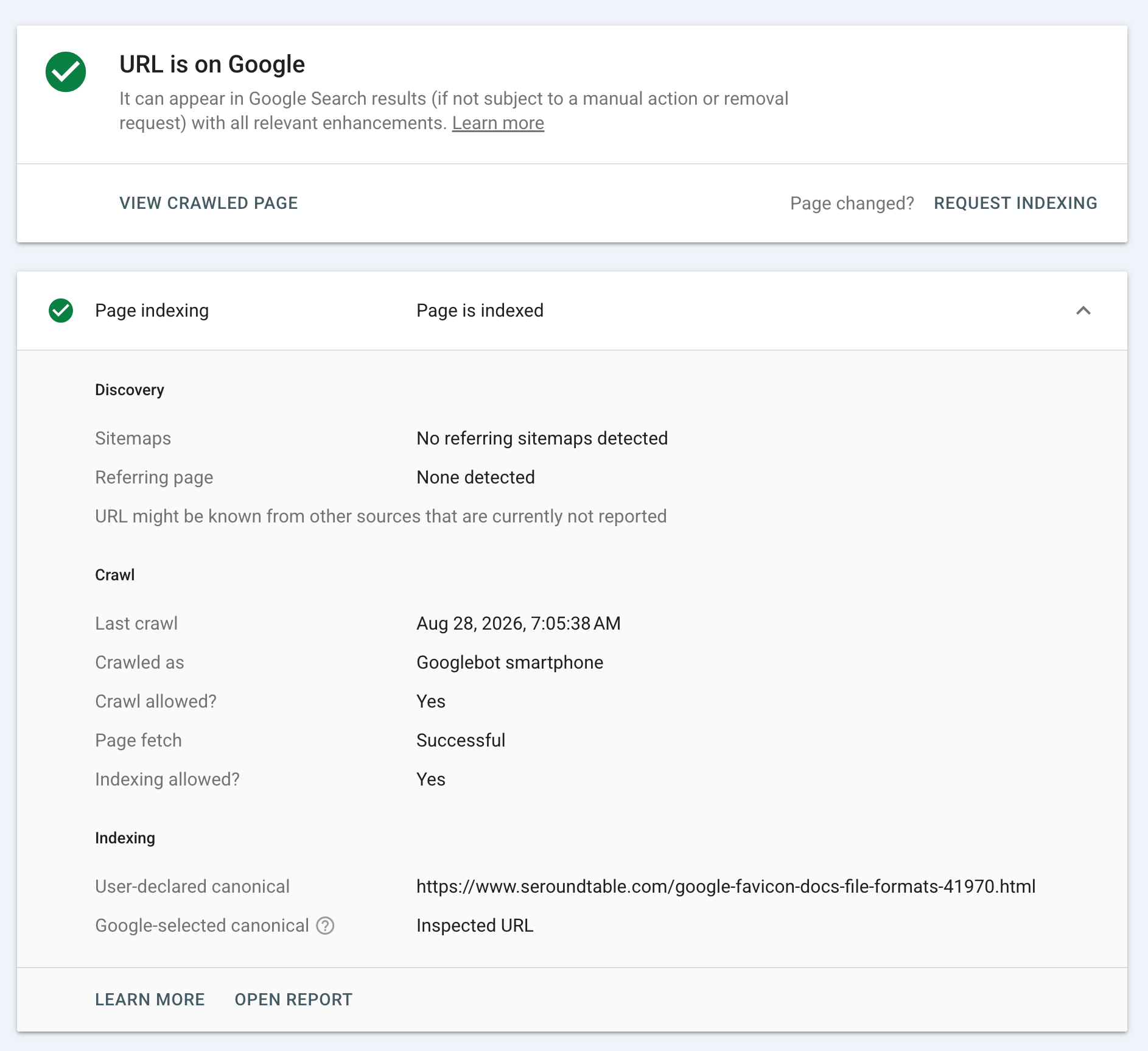
Crucially, observations during the incident pointed towards a serving problem rather than a complete failure in indexing. Evidence for this came from Google Search Console’s URL inspection tool. When a page that had been recently published and was not appearing in live search results was submitted to the URL inspection tool, it often reported that the page was indeed indexed. This indicated that Google’s crawlers had successfully discovered the content and added it to its internal index. However, despite being "indexed," these pages were not being "served" in response to relevant search queries, particularly when filtered for freshness. This distinction is vital, as it suggests a bottleneck or malfunction in the query processing and retrieval layers of Google’s search infrastructure rather than a fundamental breakdown in the initial content discovery and cataloging phase. A serving issue, even if temporary, can be just as impactful as an indexing issue for real-time content, as users cannot access information that is not presented to them.
Impact on News Publishers and Content Creators
For news publishers, even a brief disruption in Google Search’s indexing and serving capabilities can have significant consequences. Major news organizations rely heavily on Google Search for traffic, especially for breaking news stories where immediacy is paramount. A delay of 80 minutes in surfacing critical updates means a substantial loss of potential readership during a crucial window, impacting advertising revenue, subscription metrics, and overall brand visibility. In the fast-paced world of digital news, being absent from search results for over an hour can translate into millions of missed impressions and a significant drop in referral traffic.
Beyond the immediate financial and traffic implications, such incidents can erode trust in the digital ecosystem. Users expect Google to be the most reliable gateway to the latest information. When breaking news stories are not immediately discoverable, it can lead to frustration and a perception of delayed or incomplete information, potentially driving users to alternative news sources or direct navigation to publisher websites, bypassing search altogether. For smaller content creators and niche websites, the impact can be even more pronounced, as they often lack the brand recognition to draw direct traffic and are more dependent on organic search for discovery.
The incident also highlights the intricate relationship between Google and the vast network of content producers. Publishers invest heavily in optimizing their content for search engines, adhering to best practices to ensure rapid indexing and high visibility. When technical glitches occur on Google’s side, these efforts are temporarily undermined, creating a ripple effect across the entire digital content supply chain.
Broader Implications for the Digital Ecosystem
The August 28th serving disruption, while short-lived, underscores several broader implications for the digital ecosystem and the reliance on foundational services like Google Search:
- Real-Time Information Flow: In an era defined by instant information, any interruption to the flow of fresh content through the dominant search engine poses a challenge to informed public discourse. Whether it’s breaking political news, financial market updates, or critical weather alerts, the ability to quickly access the latest information is paramount.
- SEO and Digital Marketing Strategies: The incident serves as a stark reminder of the potential vulnerabilities inherent in relying heavily on a single platform for audience acquisition. While SEO remains critical, it also prompts discussions about diversifying traffic sources and building robust owned audiences that are less susceptible to external technical glitches.
- Economic Impact: For a brief period, the economic machinery of digital advertising and content monetization was disrupted for countless websites. Publishers, e-commerce sites, and service providers all depend on consistent search visibility to drive traffic that converts into revenue.
- Trust and Reliability: Google’s reputation is built on its unparalleled ability to organize the world’s information and make it universally accessible. Incidents like these, even when quickly resolved, can subtly chip away at that perception of unwavering reliability, prompting questions about the resilience and redundancy of its vast infrastructure.
- Complexity of Modern Systems: Google operates on an unimaginable scale, processing trillions of searches annually and indexing billions of web pages. Maintaining such a complex, distributed system without any hitches is an immense engineering challenge. Even minor software bugs, network latency, or hardware failures in one part of the system can have cascading effects. The fact that Google’s status page initially showed no issues also points to the internal complexities of detecting and diagnosing problems within such a massive infrastructure.
Google’s Response and System Resilience
In the immediate aftermath of the incident, Google’s official channels, beyond its Search Status Dashboard which initially showed "all is good," did not provide a detailed public explanation for the disruption. This lack of immediate communication is not uncommon for brief, quickly resolved technical issues, as engineering teams prioritize diagnosis and resolution over external messaging during a crisis. However, it often leaves the affected community seeking more transparency and understanding.
The recurrence of indexing or serving issues, as noted by community members ("Second time in Aug 2026"), suggests that Google’s systems, while generally robust, are not entirely immune to intermittent glitches. Such incidents highlight the continuous challenge of managing and updating a global search infrastructure that must operate 24/7 without fail. Google continually rolls out updates and changes to its algorithms and infrastructure, and sometimes these changes, or unforeseen interactions within the complex system, can lead to temporary disruptions.
Ultimately, the rapid resolution of the August 28th incident within 80 minutes demonstrates Google’s capacity for quick response and remediation. However, it also serves as a critical reminder to the entire digital ecosystem about the profound interdependence on core internet services and the imperative for vigilance, redundancy, and diversified strategies in content distribution and audience engagement. As the digital landscape continues to evolve, the expectation for seamless, uninterrupted access to information will only intensify, placing greater scrutiny on the reliability of the underlying infrastructure that powers it.