rifanmuazin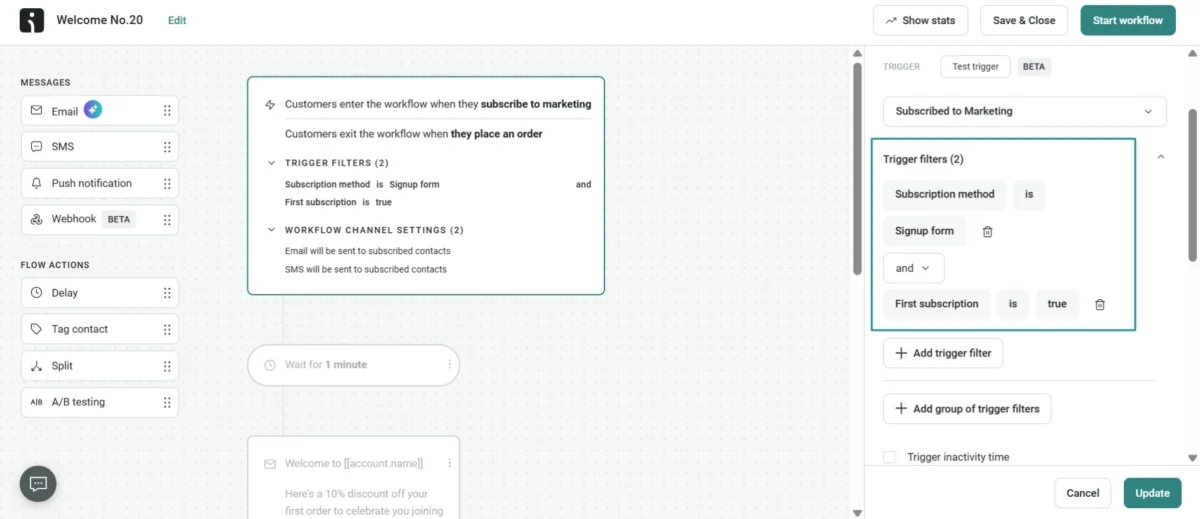
Email marketing stands as an indispensable, high-return channel for coaches navigating an increasingly competitive and profitable global industry. Providing a direct, owned line to potential and existing clients, it boasts an impressive return on investment (ROI) often exceeding $36 for every dollar spent, a figure that dwarfs most other digital marketing avenues. In an era where digital presence is paramount, a robust email strategy, encompassing organic list building, personalized communication, and sophisticated automation, is no longer optional but a foundational pillar for converting subscribers into loyal, paying clients.
The Resurgence and Growth of the Coaching Industry
The global coaching industry has witnessed remarkable expansion, transforming from a niche service into a multi-billion-dollar powerhouse. Valued at $4.56 billion in 2022, projections indicate a further surge to $5.34 billion by 2025. This exponential growth is driven by several converging factors: increased awareness of mental health and well-being, the demand for personalized professional development, the rise of the gig economy fostering entrepreneurship, and accelerated digital transformation. As individuals and organizations seek tailored guidance in complex environments, the demand for life, business, executive, and health coaches continues to escalate.
However, this profitability has also attracted a burgeoning number of practitioners, making differentiation and client acquisition more challenging than ever. In this crowded market, coaches require marketing channels that offer stability, control, and measurable results—qualities that email marketing uniquely provides.
Email: The Unrivaled Power of an Owned Channel
In contrast to the transient and algorithm-driven nature of social media platforms, email marketing offers coaches an "owned channel." While social media platforms excel at brand discovery and broad reach, they operate on borrowed ground. An arbitrary algorithm update or a platform’s policy change can drastically reduce a coach’s visibility and audience reach overnight, jeopardizing years of community building.
Your email list, however, is a direct asset. No third party dictates who sees your messages or when. You control the narrative, the frequency, and the audience, ensuring consistent communication and mitigating the risks associated with external platform dependencies. This autonomy is crucial for a coaching business that relies on a stable and predictable client pipeline.
Moreover, the sheer scale of email’s reach is unparalleled. According to a recent Statista report, the global number of email users is projected to reach 4.55 billion in 2025, climbing to an astonishing 4.97 billion by 2028. This vast digital landscape far surpasses the user base of any single social media network, positioning email as the most stable and extensive foundation for client acquisition and long-term engagement. This enduring ubiquity underscores why email marketing remains a cornerstone of digital strategy for savvy coaches.
Compelling Return on Investment: A Financial Imperative
Beyond its strategic control, email marketing presents an undeniable financial argument for coaches. Industry data, particularly from platforms like Omnisend, consistently highlights an exceptional ROI, often returning $36 or more for every dollar invested. This figure far outstrips the average returns observed across most other digital marketing channels, making it a highly efficient use of marketing resources.
For coaches, who frequently offer high-ticket services such as premium coaching packages, mastermind programs, or specialized courses, a single email leading to a booking can generate significant revenue—a $3,000 package, for instance, dramatically amplifies the perceived return from a minimal marketing spend. This direct correlation between email outreach and high-value conversions makes the channel particularly attractive.
Further strengthening the ROI case, a 2026 Litmus study indicates that sending at least one email per week yields the highest engagement across various audiences, suggesting that consistent, value-driven communication sustains interest. Omnisend’s internal data provides another critical insight: automated emails, despite comprising only 2% of total sends, are responsible for a remarkable 30% of all email-generated sales. This demonstrates the immense efficiency and revenue-generating potential of well-timed, automated sequences, allowing coaches to scale their impact without scaling their manual effort. In essence, while social media may build awareness, email marketing for coaches effectively converts that awareness into tangible, profitable client relationships.
Strategic List Building: The Foundation of Sustainable Growth
Building a high-quality, engaged email list is the bedrock of successful email marketing for coaches. The temptation to purchase lists of contacts, while seemingly a shortcut, is a perilous path. These individuals have not consented to receive your communications, leading to low engagement rates, high unsubscribe rates, and potentially severe damage to your sender reputation, not to mention legal implications under privacy regulations like GDPR or CAN-SPAM.
Instead, coaches must commit to organically growing a list of subscribers who genuinely desire to hear from them. A smaller list of 100 engaged individuals will invariably outperform a bloated list of 10,000 cold contacts in terms of conversions and long-term client relationships. Omnisend’s data further corroborates this, showing that one in two people who click automated welcome or cart recovery emails ultimately convert, underscoring the value of consent-based, interest-driven subscriptions.
Creating Irresistible Lead Magnets: The key to organic list growth lies in offering a compelling lead magnet—a valuable resource provided in exchange for an email address. This resource must solve a specific, tangible problem for your target audience, moving beyond generic advice to offer immediate, actionable value.
- Health Coaching: A seven-day meal planning template or a habit-tracking worksheet.
- Business Coaching: A revenue audit spreadsheet or a 90-day goal-setting framework.
- Life Coaching: A morning routine planner or a values-discovery workbook.
- Executive Coaching: A leadership self-assessment quiz or a team feedback template.
A highly specific and relevant lead magnet ensures that you attract qualified subscribers who are genuinely interested in your area of expertise, setting the stage for more effective future engagement.
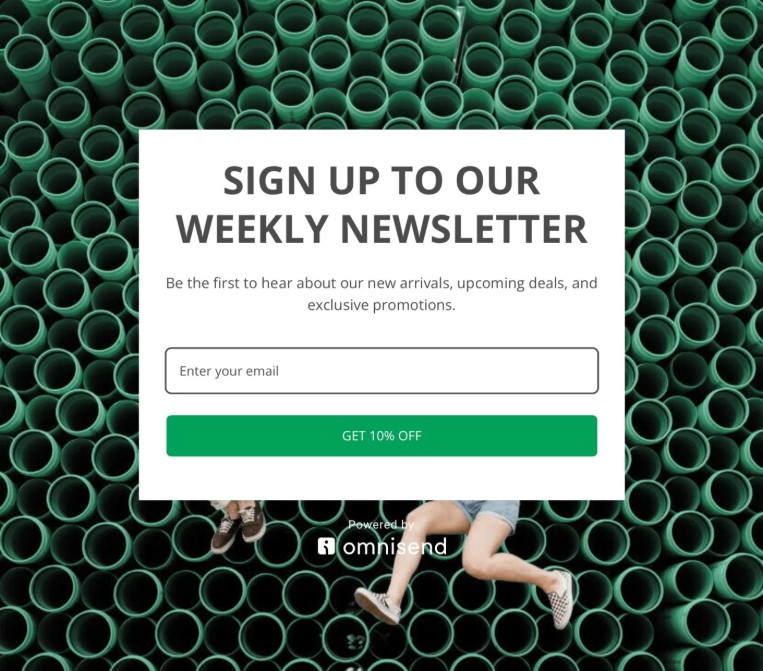
Optimizing Opt-in Forms: Once you have a compelling lead magnet, you need effective mechanisms to capture email addresses. Opt-in forms should be simple and frictionless, often requiring only an email address initially. Coaches can leverage various form types:
- Pop-up forms: Triggered by time, scroll depth, or exit intent.
- Embedded forms: Integrated seamlessly within blog posts or website pages.
- Landing pages: Dedicated pages focused solely on promoting the lead magnet.
- Gamified forms: Tools like Omnisend’s "Wheel of Fortune" allow visitors to spin for a discount or free resource, adding an element of fun and increasing conversion rates.
Platforms like Omnisend offer built-in, customizable signup forms and landing page templates, allowing coaches to deploy high-converting lead capture mechanisms without extensive technical expertise.
Driving Traffic from Social Media: Your social media following represents a valuable, yet unowned, audience. The strategic goal is to migrate these followers to your email list, thereby solidifying your direct relationship with them. Effective approaches include:
- Link in Bio: A consistently updated link in your social media profiles directing users to your lead magnet’s landing page.
- Dedicated Posts: Regular social media content promoting your lead magnet, explaining its benefits and providing a clear call to action to sign up.
- Interactive Stories: Utilizing Instagram Stories’ swipe-up feature (for eligible accounts) or direct links to lead magnet pages.
- Community Engagement: Sharing your lead magnet within relevant Facebook Groups or LinkedIn discussions, positioning it as a helpful resource rather than a blatant promotion.
Crafting Engaging Email Strategies for Client Conversion
Building a list is merely the first step; the true art lies in what you send and how you send it to transform subscribers into paying clients. Four key strategies are paramount for an email marketing approach that consistently converts.
1. Welcome Sequences that Build Trust Rapidly: The welcome email series is arguably the most critical sequence in a coach’s email strategy. Sent when a subscriber’s interest is at its peak, welcome messages boast the highest engagement rates. Omnisend’s 2026 e-commerce marketing report highlights that welcome and abandoned cart messages combined account for 76% of all automation-generated orders, underscoring their power.
A robust welcome sequence typically spans three to five emails over seven to ten days:
- Email 1 (Immediate): Delivers the promised lead magnet, expresses gratitude, and sets expectations for future communications.
- Email 2 (Day 2-3): Shares your personal story, elaborates on your coaching philosophy, and establishes your unique expertise and values.
- Email 3 (Day 4-5): Provides additional high-value content, perhaps a quick win or a relevant case study, demonstrating your capabilities.
- Email 4-5 (Day 7-10): Introduces a soft call to action, such as inviting subscribers to book a discovery call, explore a specific program, or engage with your content on another platform.
Coaches possess a distinct advantage here due to their personal brand. When emails come directly from their name, rather than a generic company, open rates can soar to 30-50%, as noted in a report by Luisa Zhou. Omnisend’s prebuilt automation workflows simplify the setup and customization of these critical welcome series, removing the need to build them from scratch.
2. Segmenting Your List for Personalized Messaging: The "one-size-fits-all" approach to email marketing is ineffective. Subscribers are at different stages of their journey with you—some are new, others are long-term followers, and their interests may vary. Basic email segmentation allows coaches to group subscribers by niche interest, engagement level, lead magnet downloaded, or buyer status.
Behavioral segmentation, which groups individuals based on their interactions (e.g., emails opened, links clicked, pages visited), enables even more precise targeting. Segmented campaigns consistently outperform generic broadcasts because the message is tailored to the recipient’s specific needs and interests, making it far more relevant and impactful. Omnisend’s dynamic segmentation capabilities automatically update subscriber groups as their behavior changes, ensuring your list remains accurate and your messages highly relevant without constant manual intervention. Proper segmentation is not merely a best practice; it is the difference between a thriving, engaged list and a disengaged one.
3. Storytelling and Value-Driven Content: Coaches are inherently natural storytellers, a significant advantage in email marketing. Sharing client transformation stories, personal lessons learned, and behind-the-scenes insights creates a compelling narrative that resonates deeply with subscribers. This approach fosters connection, builds empathy, and illustrates the tangible impact of your coaching.
A recommended content strategy follows the 80/20 rule: 80% of your emails should deliver genuine value, and 20% can be dedicated to promoting your services. Value-driven content can include actionable tips, insightful articles, reflective questions, or motivational anecdotes. According to ZeroBounce, a significant 43% of people unsubscribe from email lists primarily because the sender emails them too frequently or with irrelevant content. By prioritizing value, coaches can maintain a consistent sending frequency without overwhelming their audience, thus reducing churn and building lasting loyalty.
4. Promoting Services Without Feeling Salesy: For coaches, promoting services is an act of service, rooted in the belief that your work can genuinely transform lives. The key is to integrate promotions seamlessly and authentically. A simple structure often proves effective:
- Hook: Capture attention with a compelling problem or aspiration.
- Story: Share a relevant anecdote, client testimonial, or personal experience that illustrates the problem and solution.
- Call to Action (CTA): Clearly guide the reader to the next step, whether it’s booking a discovery call, purchasing a course, or registering for a webinar.
Strategically including client results and testimonials acts as powerful social proof, doing much of the heavy lifting in promotional emails. This organic integration moves email marketing from mere nurturing to effective closing, fostering trust while guiding prospects toward engaging with your paid offerings.
Email Automations: The Coach’s Scalable Growth Engine
In the demanding world of coaching, time is a precious commodity. Most coaches lack the bandwidth to manually send the right email to the right person at the precise moment. This is where email automation becomes an indispensable asset, transforming sporadic outreach into a consistent, highly efficient client acquisition and nurturing system.
As highlighted in Omnisend’s e-commerce marketing report, automated emails, despite making up only 2% of total sends, drove a remarkable 30% of all email-generated revenue. This translates to automated campaigns earning 16 times as much per send as scheduled campaigns. For coaches selling digital products like courses, templates, or memberships, the return from a small number of intelligently timed emails is profoundly significant.
1. Welcome and Nurture Series:
- Welcome Series: This initial sequence, spanning the first 7-10 days post-signup, delivers the lead magnet, introduces your brand story, establishes expertise, and guides new subscribers toward their first micro-action (e.g., engaging with your social media, reading a key blog post).
- Nurture Series: Picking up where the welcome series concludes, the nurture series is a longer sequence of ongoing, value-driven emails designed to keep prospects engaged over time. This continuous delivery of valuable content systematically builds trust, establishes authority, and warms up prospects, ultimately leading to sales.
Omnisend’s prebuilt automation workflows streamline the setup of both welcome and nurture series, enabling coaches to launch these critical sequences quickly and refine them based on audience response. This automation makes the investment in email marketing worthwhile from day one.
2. Abandoned Cart Recovery for Digital Products: For coaches who sell digital products through online stores, abandoned cart emails are one of the highest-return automations available. When a potential client browses a course page or adds a template to their cart but leaves without purchasing, an automated abandoned cart email serves as a gentle, timely reminder. These emails can re-engage interested prospects, address potential hesitations, and guide them back to complete their purchase. Omnisend’s native integrations with platforms like Shopify and WooCommerce ensure seamless connectivity between your storefront and email marketing, automating this crucial revenue recovery process.
3. Post-Purchase and Upsell Sequences: The client journey doesn’t end with a sale; it’s often just the beginning of a deeper relationship. A well-crafted post-purchase sequence enhances client satisfaction and opens doors for future sales:
- Onboarding: Provides instructions, resources, or next steps for accessing the purchased product or service.
- Value Reinforcement: Shares additional tips or content related to the purchase, helping clients maximize their results.
- Feedback Requests: Gathers testimonials or reviews, which can then be used as powerful social proof in future marketing.
- Upsells/Cross-sells: Introduces complementary products, advanced programs, or higher-tier coaching services relevant to their initial purchase.
These automated sequences significantly increase customer lifetime value, reduce refund requests by ensuring buyers feel supported, and deepen client loyalty. This demonstrates the long-term strategic value of email marketing for coaches, extending far beyond the initial transaction.
Choosing the Right Email Marketing Platform for Coaches
The selection of an email marketing platform is a pivotal decision that influences campaign efficiency, automation performance, and list growth. Opting for the right tool from the outset can prevent costly migrations and workflow disruptions down the line.
Essential Features for Coaches: Not all platforms are optimized for the unique needs of coaching businesses. Key features to prioritize include:
- Prebuilt Automation Workflows: To quickly set up welcome, nurture, and sales sequences without complex coding.
- Robust E-commerce Integration: Native connectivity with platforms like Shopify or WooCommerce for coaches selling digital products.
- Email and SMS Capabilities: The ability to manage multichannel campaigns from a single dashboard.
- Comprehensive Free Plan: Access to core features without an upfront investment.
- Advanced Segmentation: Dynamic tools to group subscribers based on behavior and interests.
- Abandoned Cart Recovery: Essential for digital product sales.
- 24/7 Customer Support: Reliable assistance for troubleshooting and optimization.
| Platform Comparison Overview: | Feature | Omnisend | Mailchimp | ActiveCampaign | Kit |
|---|---|---|---|---|---|
| Prebuilt Automation Workflows | ✔ | Paid plans only | ✔ | ✔ | |
| E-commerce Integration | ✔ Native | Via plugins | ✔ Native | Limited | |
| Email and SMS in one platform | ✔ | Add-on only | Add-on only | ✘ | |
| Free Plan with All Features | ✔ | Limited | ✘ | Limited | |
| Abandoned Cart Recovery | ✔ | Basic | ✔ | ✘ | |
| 24/7 Support on All Plans | ✔ | Paid plans only | Paid plans only | Limited |
Why E-commerce Focus Matters for Coaches: For coaches selling courses, templates, memberships, or other digital products, a basic newsletter tool is insufficient. An e-commerce-focused platform is crucial because it seamlessly connects your online store with your email marketing. This integration allows for:

- Purchase History Syncing: Tailoring follow-up emails based on past buys.
- Product Data Utilization: Personalizing recommendations and offers.
- Browsing Behavior Tracking: Triggering automations for specific product page views.
Omnisend, for example, is purpose-built for e-commerce, integrating with over 160 e-commerce and marketing tools. Its ready-to-launch automations for welcome flows, cart recovery, and post-purchase sequences mean coaches can start generating revenue immediately. With 24/7 customer support on every plan, coaches can rely on assistance whenever needed. Omnisend customers report an average ROI of $79 for every dollar spent, significantly surpassing the industry average. Furthermore, its robust free plan provides full access to core features, enabling coaches to begin their advanced email marketing journey without an initial financial commitment.
Email Marketing Best Practices for Sustained Success
Beyond initial setup, consistent adherence to best practices ensures long-term performance and high engagement for a coach’s email marketing efforts.
1. Sending Frequency and Timing:
- Frequency: Start with one email per week. This rhythm keeps your services top-of-mind without overwhelming subscribers. As your audience matures and your content production becomes more consistent, you can scale to two or three emails weekly. Consistency is paramount; a predictable schedule builds anticipation and trust.
- Timing: Optimal send times generally fall mid-morning (8 a.m. to 10 a.m.) and early evening (5 p.m. to 7 p.m.). These windows often catch subscribers before or after their workday, when they are more likely to check emails.
- Setting Expectations: A crucial, often overlooked practice is to inform new subscribers upfront about your sending frequency. This transparency reduces unsubscribes and cultivates trust from the outset. Managing expectations is one of the simplest yet most effective levers in email marketing for coaches.
2. Crafting Subject Lines that Demand Attention: Your subject line is the gatekeeper to your email’s content. The ZeroBounce report indicates that 43% of recipients decide to open an email based solely on its subject line. This makes it a high-leverage element in any campaign. Effective subject line strategies for coaches include:
- Personalization: Using the subscriber’s name or referring to their specific interests.
- Curiosity: Posing a question or hinting at a valuable insight without revealing everything.
- Urgency/Scarcity: For promotional emails, creating a sense of immediate opportunity.
- Numbers/Specific Benefits: Quantifying the value (e.g., "3 Steps to Boost Your Productivity").
- Emojis: Used judiciously to add visual appeal and convey tone.
Platforms like Omnisend offer built-in A/B testing tools, allowing coaches to test different subject lines on a small segment of their list before deploying the highest-performing version to the entire audience, ensuring optimal open rates.
3. Maintaining List Health and Email Deliverability: A large email list is meaningless if your messages consistently fail to reach the inbox. Poor email deliverability, often caused by lists laden with inactive or invalid addresses, can severely damage your sender reputation, leading to emails landing in spam folders or being blocked entirely.
- Regular List Cleaning: Every 90 days, coaches should review and remove subscribers who have not opened or clicked an email within a specified period (e.g., 6-12 months). This keeps your list lean, engaged, and improves deliverability.
- Monitoring Metrics: Regularly track key metrics such as bounce rates, spam complaints, and unsubscribe rates. Spikes in these metrics signal underlying issues that need immediate attention. High bounce rates often indicate invalid email addresses, while increased spam complaints can flag content or frequency issues.
Omnisend provides integrated email list cleaning tools and delivery monitoring directly within its dashboard, empowering coaches to proactively identify and rectify problems before they significantly impact email performance and sender reputation.
Beyond the Inbox: Multichannel Marketing for Enhanced Engagement
While email marketing is powerful, many coaches miss a significant opportunity by stopping there. Integrating email with other marketing channels creates a more comprehensive and impactful strategy, reaching clients and prospects where they are most active.
Email excels at nurturing relationships and delivering detailed content—perfect for storytelling, longer educational reads, and complex sequences. However, for messages requiring immediate attention, SMS marketing is invaluable. SMS messages boast incredibly high open rates and are typically read within minutes of receipt, making them ideal for time-sensitive communications.
For coaches, SMS is a practical fit for:
- Appointment Reminders: Reducing no-shows for coaching sessions.
- Flash Sale Alerts: Driving quick action for limited-time digital product offers.
- Quick Tips: Delivering bite-sized motivational messages or actionable advice.
- Webinar Reminders: Boosting attendance for live events.
The synergy between email and SMS is potent. Omnisend’s e-commerce marketing report indicates that SMS click rates more than doubled year-over-year in 2025. For coaches selling digital products, this added channel significantly expands reach and engagement.
The competitive advantage lies in managing both channels from a single platform. Omnisend combines email, SMS marketing, and even push notifications into one cohesive system, eliminating the need for coaches to juggle multiple subscriptions and dashboards. This integrated approach allows for seamless multichannel campaigns and simplifies list building, enabling coaches to collect SMS subscribers alongside email subscribers using a single signup form. By embracing a multichannel strategy, coaches can build a more resilient and responsive marketing ecosystem, ensuring their messages cut through the noise and resonate deeply with their audience.
FAQs
How often should coaches send marketing emails?
Start with one email per week to maintain presence without overwhelming subscribers. As your list grows and content rhythm improves, you can increase to two or three emails per week. Consistency is more important than volume, and always remember to set frequency expectations upfront with new subscribers.
What is the best email marketing platform for coaches who sell digital products?
Omnisend is highly recommended for coaches selling courses, templates, or memberships through an online store. It offers native integrations with platforms like Shopify and WooCommerce, includes prebuilt automation workflows, and provides 24/7 customer support on all plans. Its free plan grants access to core features from day one, making it a powerful and accessible choice.
How do I grow my coaching email list without a website?
You can effectively grow your email list without a dedicated website. Most email marketing platforms, including Omnisend, offer built-in landing pages and customizable signup forms that can be shared directly on social media or in online communities. A compelling lead magnet, such as a free checklist, template, or mini-guide, provides a strong incentive for people to sign up.
What emails should a coach send to new subscribers?
A welcome sequence of three to five emails is ideal. The first email delivers the lead magnet and sets expectations. Subsequent emails can share your story, establish your expertise, provide additional value, and gently guide subscribers toward their first engagement, such as booking a discovery call or exploring a key service.
What’s a good email open rate for coaches?
A healthy open rate for coaches typically ranges between 30% and 50%, particularly for automated flows like welcome emails. If your open rates consistently fall below 20%, it’s advisable to review your subject lines, sending frequency, and overall list quality to identify areas for improvement.
Is email marketing still effective in 2026?
Absolutely. Email marketing continues to be one of the highest-returning marketing channels, delivering an average of $36 or more for every dollar spent. Its ability to combine direct relationship-building with robust revenue generation remains unmatched by most other digital channels, making it a highly effective strategy for coaches in 2026 and beyond.