
 rifanmuazin
Every April 1st, marketers nationwide engage in a delicate dance between humor and strategy, leveraging the unique cultural phenomenon of April Fools’ Day to capture consumer attention. This annual tradition offers a distinct opportunity for brands to showcase personality and creativity, often resulting in highly engaging and memorable email campaigns. However, the line between an amusing prank and a brand-damaging misstep is exceptionally fine, necessitating careful consideration of content, context, and potential recipient reactions.
Tracing the Origins of April Fools’ Day
While the exact genesis of April Fools’ Day remains a subject of historical debate, its modern iteration is widely believed to have roots in 16th-century France. Before 1564, much of Europe, including France, celebrated the New Year around the spring equinox, often on April 1st. However, in that year, King Charles IX officially adopted the Gregorian calendar through the Edict of Roussillon, shifting the start of the New Year to January 1st. Despite this royal decree, news traveled slowly, and some individuals, particularly in rural areas, either remained unaware of the change or resisted it, continuing to celebrate the New Year on April 1st. These individuals were often subjected to playful mockery, dubbed "poisson d’avril" (April fish), a reference to a young, easily caught fish, symbolizing gullibility. Pranksters would sometimes stick paper fish on their backs, a tradition that persists in France today.
Other theories suggest more ancient origins. Some historians link April Fools’ Day to ancient Roman festivals like Hilaria, celebrated in late March by followers of Cybele, which involved dressing in disguises and mocking others. Similarly, some speculate a connection to the Hindu festival of Holi or the Persian festival of Sizdah Bedar, both involving playful mischief. Regardless of its precise historical lineage, the tradition of lighthearted deception and jesting on April 1st has evolved into a global cultural fixture, permeating various aspects of society, including contemporary marketing.
The Strategic Imperative of Humor in Email Marketing

In today’s saturated digital landscape, cutting through the noise is a paramount challenge for marketers. Humor, when wielded effectively, emerges as a potent psychological tool capable of forging deeper connections with consumers. A significant Oracle study highlighted this, revealing that an overwhelming 91% of consumers desire brands to be humorous, and 72% expressed a preference to purchase from a funny brand over a humorless competitor. This data underscores humor’s capacity to humanize a brand, making it feel more relatable, approachable, and memorable.
Psychologically, humor triggers the release of endorphins, creating positive emotional associations with the brand. It enhances message retention, as people are more likely to remember content that evoked a laugh or a smile. Moreover, humorous content is inherently more shareable, leveraging word-of-mouth and social media virality to extend a campaign’s reach far beyond its initial email list. Brands that successfully integrate humor into their communication strategy can differentiate themselves in competitive markets, foster a sense of community among their audience, and ultimately drive stronger engagement and loyalty. The transient nature of April Fools’ Day provides a low-stakes environment to experiment with this powerful tool, provided certain guidelines are meticulously followed.
Navigating Humor: Essential Ground Rules for Marketers
While the appeal of humor is undeniable, its application in marketing demands precision and prudence. A miscalculated joke can alienate audiences, damage brand reputation, or even incur legal penalties. To maximize the benefits and mitigate the risks, marketers should adhere to the following ground rules when integrating humor, especially for an event like April Fools’ Day:
- Know Your Audience Intimately: The efficacy of humor is highly subjective and culturally dependent. What one demographic finds hilarious, another might find offensive or simply unfunny. Marketers must possess a deep understanding of their target audience’s demographics, values, cultural sensitivities, and sense of humor. This insight ensures that the humor resonates positively and avoids unintended offense.
- Maintain Brand Consistency: Any humorous campaign, particularly an April Fools’ prank, must align seamlessly with the brand’s established voice, values, and overall identity. A luxury brand attempting a slapstick joke might appear incongruous, while a playful, youth-oriented brand could pull it off effortlessly. The humor should feel authentic to the brand, reinforcing its persona rather than creating dissonance.
- Prioritize Clarity and a Prompt Reveal: For April Fools’ pranks, it is crucial that the "joke" is evident and the "reveal" – that it is, in fact, a prank – is clearly communicated within the email. This reveal should not be buried deep within the content or rely on a customer clicking through multiple links. Ambiguity can lead to genuine confusion, frustration, or even alarm, turning a potential positive interaction into a negative one.
- Avoid Offensive or Sensitive Topics: This rule is non-negotiable. Humor should never target or mock individuals, groups, or sensitive subjects such as politics, religion, serious social issues, or personal characteristics. The goal is to entertain and engage, not to alienate or offend. Brands must err on the side of caution, recognizing that what seems innocuous to one person can be deeply hurtful to another.
- Steer Clear of Misleading Information that Causes Distress: While April Fools’ pranks involve a degree of deception, this deception must be harmless. Jokes that imply a customer’s order was placed incorrectly, a credit card was charged, or a personal data breach occurred are highly problematic. Such pranks can cause genuine anxiety and anger, violating trust and potentially leading to serious repercussions, as demonstrated by legal precedents regarding misleading communications.
- Focus on Lightheartedness and Exaggeration: The most successful April Fools’ campaigns often present absurd, exaggerated products or services that are clearly fantastical. This approach signals to the recipient that it’s a joke from the outset, allowing them to participate in the fun without feeling genuinely deceived or manipulated.
- Integrate a Gentle Call to Action (if appropriate): Even within a prank, there can be an opportunity for a subtle, brand-building call to action. This might involve directing users to a landing page explaining the joke, offering a real discount code as a "consolation," or encouraging social sharing of the prank. This keeps the engagement flowing even after the laugh.
This Year’s Exemplary April Fools’ Campaigns: A Study in Strategic Humor
The 2024 April Fools’ Day saw several brands deftly navigate these guidelines, crafting campaigns that were both amusing and strategically sound.

Charlotte Tilbury
The luxury beauty brand Charlotte Tilbury unveiled a new range of "talking lipsticks," playfully promising "The only lipstick that sweet talks with every swipe!" This campaign exemplified brand-aligned humor. The micro-animation showcasing speech bubbles emanating from the lipstick tube, uttering phrases like "Gorgeous, Darling!", perfectly echoed the brand’s glamorous, empowering, and slightly theatrical persona. The humor was gentle, visually engaging, and instantly recognizable as a playful fabrication. It reinforced the brand’s aspirational image while injecting a touch of lighthearted fun, enhancing brand affinity without risking confusion. The sophisticated execution through animation further elevated the experience, making it shareable and memorable.
Honest Burger
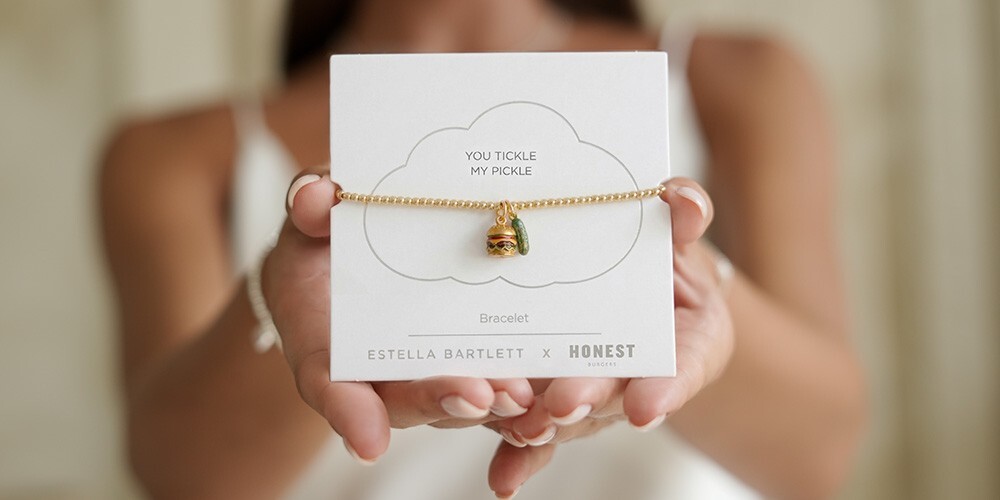
Honest Burger, known for its loyal customer base and distinctive brand voice, pushed the boundaries slightly further with its "Burger Necklace" in collaboration with Estella Bartlett. The slogan, "You tickle my pickle!", was a playful, slightly cheeky nod to their brand and product. This campaign succeeded because Honest Burger understood its audience—a community that appreciates the brand’s quirky personality and authenticity. The collaboration added an extra layer of perceived legitimacy to the "product," making the reveal more satisfying. It was an exaggeration of brand adoration, turning a beloved food item into a fashion statement, a concept absurd enough to be clearly a joke, yet charming enough to garner positive attention.
Virgin Voyages
Virgin Voyages ingeniously tapped into the concept of embodied cognition, leveraging sensory associations to create a humorous and highly evocative campaign for a "brand-new fragrance." This fictional scent was "inspired by the unforgettable (and occasionally questionable) memories made on our adults-only voyages," featuring top notes of sea salt spray and SPF, heart notes of champagne hangovers, and base notes of sunrise yoga and midnight gummy bears. The detailed, sensory description painted a vivid, humorous picture of the cruise experience, resonating with past passengers and intriguing potential new ones. The absurdity of bottling such specific, experiential scents made it unmistakably a prank, yet it cleverly reinforced the unique, adults-only, fun-loving identity of Virgin Voyages. It was a masterclass in using humor to highlight core brand attributes.
Philips
Philips, a brand typically associated with practical innovation, surprised audiences by launching "One Blade Wild," a new precision grooming tool specifically for pets. The campaign touted features like "Fur-Density Intelligence" and "Built-in Treat Dispensers," with fictional user reviews like, "My rabbit has never looked sharper!" This campaign worked because it presented a product that was just plausible enough to raise an eyebrow, before quickly descending into obvious parody. The juxtaposition of Philips’ reputation for serious grooming technology with the humorous application to pets created an instant comedic effect. It demonstrated the brand’s ability to be innovative while also having a sense of humor, broadening its appeal and showcasing its versatility in a fun, unexpected way.
The Perils of Pranks: A Cautionary Example from Quasi
While the aforementioned campaigns illustrate the successful deployment of humor, Quasi provided a stark reminder of the risks involved when boundaries are crossed. Their email campaign featured a subject line that read, "Your Quasi Order Is Confirmed." This subject line would have undoubtedly caused genuine alarm and anxiety for many recipients, triggering immediate concern about an unauthorized purchase. Only upon opening the email did subscribers discover the dismissive "APRIL FOOLS! Just kidding, babe, you need to place it first."
This approach fundamentally violated several critical rules of humorous marketing. Firstly, it caused genuine distress by simulating a serious financial transaction. This is not harmless fun; it evokes panic and frustration. Secondly, the tone of the reveal ("Just kidding, babe") was perceived by many as condescending and dismissive of the recipient’s initial alarm. Such a tactic erodes consumer trust, fostering resentment rather than goodwill.
Legal and Ethical Implications of Misleading Subject Lines
Beyond the immediate negative customer reaction, Quasi’s approach carries significant legal and ethical ramifications. Laws specifically prohibiting misleading subject lines are becoming increasingly prevalent and strictly enforced globally. In the United States, the CAN-SPAM Act explicitly forbids false or misleading information in email subject lines. Violations can lead to substantial fines, potentially reaching tens of thousands of dollars per individual email sent. Similarly, data protection regulations like GDPR in Europe emphasize transparency and ethical communication, making intentionally misleading subject lines a high-risk strategy.
The core principle behind these regulations is consumer protection. Misleading subject lines can be used for phishing, fraud, or simply to trick recipients into opening emails they otherwise wouldn’t. While Quasi’s intent was a prank, the mechanism employed mirrored tactics used by malicious actors. This makes it difficult for regulatory bodies to differentiate between a "joke" and a genuine attempt to deceive, placing the onus squarely on brands to ensure absolute clarity and honesty in their email communications, particularly in the subject line, which acts as a primary gatekeeper for user attention and trust.
Broader Lessons for the Modern Marketing Calendar
April Fools’ Day offers critical insights that extend far beyond a single day of pranks, influencing broader marketing strategies, especially in an era defined by artificial intelligence and evolving inbox algorithms.

The Age of AI Summarizers:
The rise of AI-powered email summarizers presents a new challenge for humor-laden content. These tools are designed to extract key information and present it concisely, often struggling with nuance, tone, and context. A joke, particularly one where the "reveal" is placed later in the email, might be misinterpreted by an AI. The summarizer could extract the fictional product announcement literally, completely missing the humorous intent or the April Fools’ disclaimer. This could lead to genuinely confused recipients or, worse, unintended negative publicity if the AI-generated summary appears in a public forum or news feed, devoid of context. Marketers must now consider how AI might interpret their messages, ensuring that critical contextual information, such as an April Fools’ disclaimer, is prominent and unambiguous. This might involve placing the reveal earlier, using specific keywords, or designing content that is less susceptible to literal interpretation by algorithms.
Relevance-Sorted Inboxes and Time Sensitivity:
Email providers like Google, Microsoft, and Apple increasingly employ sophisticated algorithms to sort inboxes, prioritizing emails deemed most "relevant" to the user. This has significant implications for time-sensitive campaigns. As observed with Valentine’s Day and Mother’s Day campaigns in the UK, emails intended for a specific date were sometimes "buried" beneath older messages deemed more relevant by Gmail’s algorithms. For an April Fools’ prank, timing is everything; the joke must be seen on April 1st to be effective. An email arriving on April 2nd, out of context, loses its humor and could even appear nonsensical.
To counter this, marketers are adapting by explicitly referencing the date or event in their subject lines and preview text (e.g., "April 1st Exclusive!" or "Don’t Miss Our April Fools’ Surprise!"). This helps algorithms recognize the immediate relevance of the email, increasing its chances of being delivered and displayed prominently on the intended day. This strategy is crucial for any event-driven marketing, ensuring messages resonate when they are most impactful.
Key Takeaways for Marketers
The annual spectacle of April Fools’ Day email campaigns provides valuable, enduring lessons for marketers navigating the complex digital landscape:
- Humor is a Powerful Engagement Tool: When executed with finesse, humor fosters positive brand associations, increases memorability, and drives organic sharing. It humanizes a brand and strengthens emotional connections with the audience.
- Audience Understanding is Paramount: The success of any humorous campaign hinges on a deep, empathetic understanding of the target audience’s sensitivities and preferences.
- Clarity and Prompt Disclosures are Non-Negotiable: Especially for April Fools’ pranks, the joke must be clearly identifiable as such, and any "reveal" or disclaimer must be prominent and unambiguous to prevent confusion or distress.
- Misleading Tactics Carry Significant Risks: Pranks that cause genuine alarm or misrepresent factual information can severely damage brand trust, lead to negative public relations, and incur substantial legal penalties under consumer protection laws.
- Adaptation to AI and Inbox Algorithms is Essential: Modern email marketing strategies must account for how AI summarizers interpret content and how relevance-sorted inboxes affect email deliverability and visibility, particularly for time-sensitive campaigns.
Looking for More Insights?

For those eager to delve deeper into the intricacies of email marketing strategies, including the fine art of humorous campaigns, the "Email After Hours" podcast offers expert discussions. The latest episode, featuring Danielle Gallant and insightful analysis, explores the spectrum of April Fools’ email tactics, dissecting what makes a campaign "Funny or Unsubscribed." This resource is available on major platforms including Apple Podcasts, Spotify, YouTube, and Sender Score, providing further valuable perspectives for marketers seeking to refine their approach.
Ultimately, April Fools’ Day serves as a microcosm for the broader challenges and opportunities in email marketing. It underscores the delicate balance between creativity and caution, innovation and ethics, and the perennial importance of understanding and respecting the audience to build lasting brand loyalty.









