The landscape of online retail is rapidly evolving, with a growing number of e-commerce merchants recognizing the strategic imperative of establishing independent digital storefronts beyond established marketplaces like Amazon. While Amazon undeniably commands a significant share of the global e-commerce market, the desire for greater brand control, customer data ownership, and reduced reliance on third-party platform policies is driving businesses to explore dedicated e-commerce solutions. Among the myriad of options available, WooCommerce and BigCommerce stand out as two of the most prominent and widely adopted platforms, each offering distinct architectures and feature sets tailored to different business needs. This article provides a comprehensive comparison of these two powerhouses, examining their core functionalities, pricing models, ease of use, scalability, ecosystem support, customer service, and security protocols to help merchants make informed decisions.
The Strategic Shift Towards Independent E-commerce
For years, many aspiring online businesses gravitated towards selling their products on existing platforms, primarily Amazon, due to its vast customer base and built-in infrastructure. However, the inherent limitations of such a model—including intense competition, commission fees, restricted branding, and limited access to valuable customer data—have prompted a significant reevaluation. Merchants are increasingly seeking to build their own digital homes, where they can cultivate unique brand experiences, directly engage with their audience, and retain full control over their operations and data. This shift underscores the critical importance of selecting the right e-commerce platform, one that aligns with a business’s current needs and future growth aspirations. WooCommerce and BigCommerce emerge as leading contenders in this competitive arena, each offering a compelling, albeit different, path to online success.
WooCommerce: The Open-Source Extension of WordPress
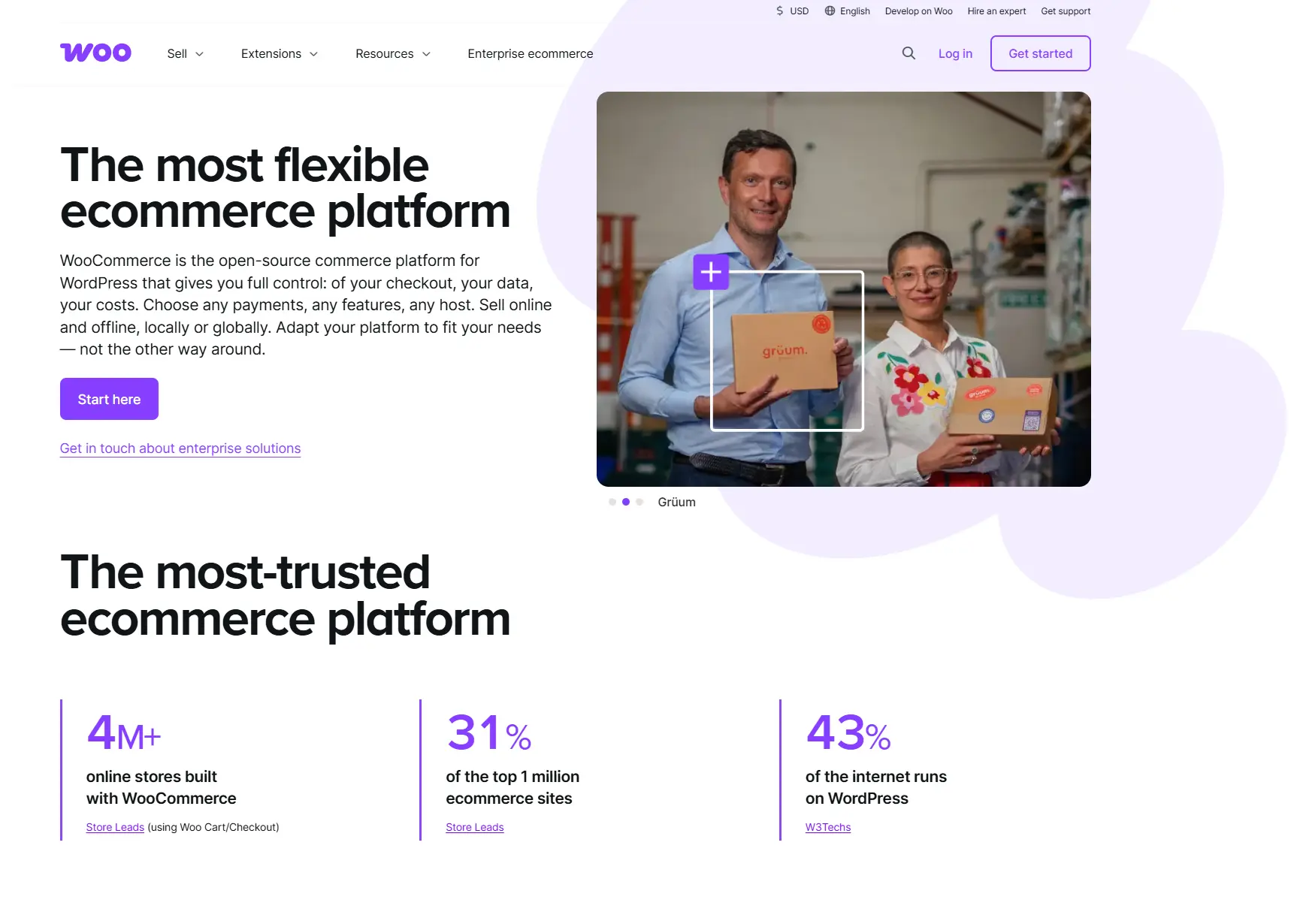
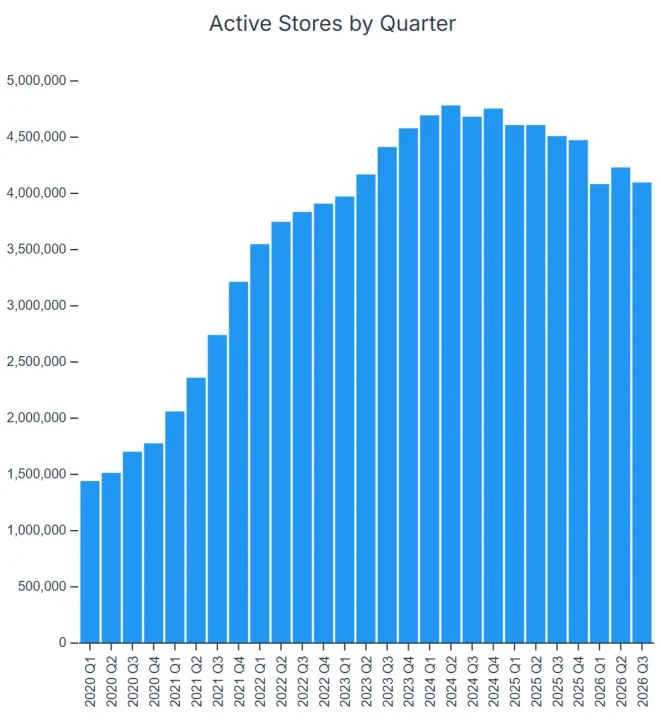
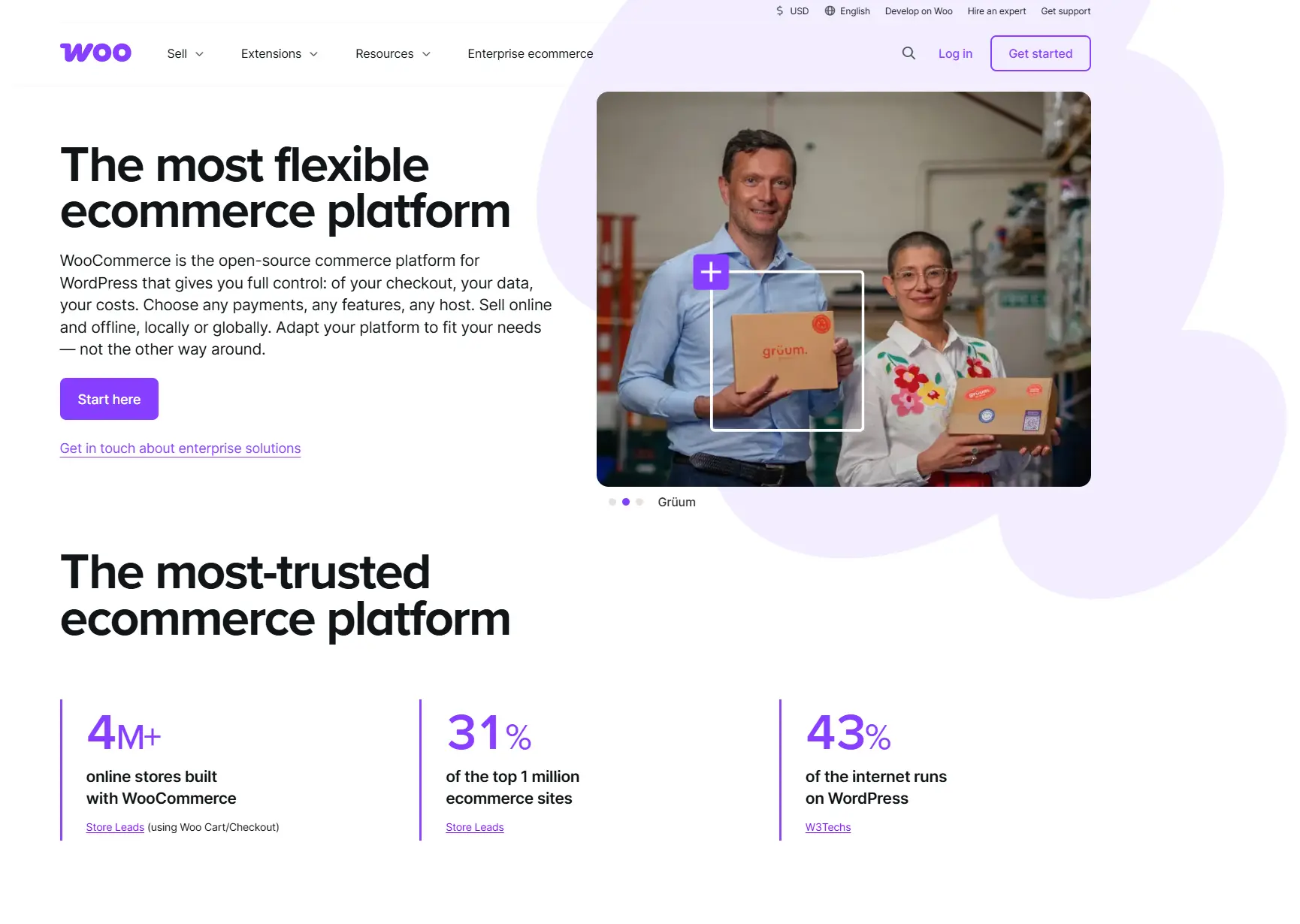
WooCommerce operates as a free, open-source plugin specifically designed to integrate e-commerce functionalities into a WordPress website. Given that WordPress powers approximately 43% of all websites on the internet, WooCommerce leverages an immense existing ecosystem, allowing millions of webmasters to transform their content-driven sites into fully functional online stores. Data from Store Leads, a prominent e-commerce tracking service, indicates that WooCommerce is the most widely used e-commerce platform by store count, with roughly 4.5 million live stores monitored in early 2026. This figure represents approximately a third of all e-commerce sites tracked by the service, highlighting its pervasive influence, particularly among small to medium-sized businesses and those already invested in the WordPress environment.
The appeal of WooCommerce lies primarily in its unparalleled flexibility and customization potential. As an open-source solution, it grants merchants complete control over every aspect of their online store, from design and functionality to hosting and data management. This level of autonomy is particularly attractive to businesses with specific technical requirements or a desire for highly bespoke solutions. However, this flexibility comes with a corresponding need for technical expertise or the resources to hire developers, as merchants are responsible for managing hosting, security, updates, and integrating various extensions to achieve desired functionalities.
BigCommerce: The All-Inclusive SaaS E-commerce Solution
In contrast to WooCommerce’s plugin model, BigCommerce is a standalone, fully hosted Software-as-a-Service (SaaS) platform. This means that BigCommerce provides a comprehensive, all-in-one solution that includes hosting, security, core e-commerce features, and customer support as part of its subscription plans. While significantly smaller in terms of raw store count—Store Leads reported approximately 37,000 live BigCommerce stores in 2026—the platform strategically targets mid-market and enterprise-level businesses. Its philosophy centers on providing robust, out-of-the-box features and a highly scalable infrastructure designed to support businesses through rapid growth without the burden of managing underlying technical complexities.
BigCommerce prides itself on offering a powerful suite of built-in tools, aiming to minimize the need for external integrations for essential operations. This approach simplifies initial setup and ongoing management, making it an attractive option for businesses that prioritize efficiency, reliability, and a predictable cost structure. Its fully managed environment means that merchants can focus on sales and marketing, leaving the technical upkeep, server management, and security to BigCommerce’s expert team.
Detailed Feature Comparison: A Head-to-Head Analysis
Understanding the core differences in architecture sets the stage for a granular comparison of features critical to e-commerce operations.
Built-in Marketing Capabilities:
BigCommerce offers a more comprehensive suite of integrated marketing tools compared to WooCommerce. Its platform natively includes features such as a robust blog, over 70 discount and promotion options, an abandoned cart saver (available in higher tiers), and newsletter signup forms. This allows merchants to implement various marketing strategies without immediately needing third-party applications. WooCommerce, conversely, relies almost entirely on the native WordPress blog for content marketing. For essential e-commerce marketing functions like email campaigns, abandoned cart recovery, or advanced discount engines, WooCommerce users must install and configure separate plugins or extensions. This distinction means that while a BigCommerce marketing strategy can leverage a foundation of built-in tools, a WooCommerce strategy necessitates a more modular approach, assembling functionalities from its extensive plugin ecosystem.
Core E-commerce Functionality:
BigCommerce generally provides most essential e-commerce features built directly into its platform. This includes comprehensive order management, inventory tracking, product catalog management with extensive variation options, and customer segmentation (on higher tiers). Its wide array of pre-integrated solutions and APIs allows for seamless connection with various business tools. WooCommerce, while capable of all these functions, requires the installation of specific extensions for robust order and inventory management beyond basic capabilities. The inherent modularity of WooCommerce means that merchants have the freedom to select extensions that precisely fit their needs, but this also implies additional costs and the responsibility of ensuring compatibility and ongoing maintenance.
Shipping and Logistics:
Shipping functionalities are a critical differentiator. BigCommerce offers robust built-in shipping capabilities, allowing merchants to easily configure shipping zones, rates, and rules. It provides integrated multi-carrier support, offering real-time quotes from major carriers like UPS, USPS, and FedEx on all plans. The platform facilitates label printing and streamlines fulfillment processes directly from the dashboard. WooCommerce, on the other hand, requires extensions for most shipping needs. While a free WooCommerce Shipping extension enables USPS and DHL label printing from the dashboard, more advanced functionalities, such as complex rate calculations, multi-carrier comparisons, or specific regional shipping options, necessitate integration with third-party shipping providers. This can lead to increased costs and management overhead for WooCommerce users, though it also offers greater flexibility in choosing specialized shipping partners.
Payment Gateways:
Both platforms support a broad spectrum of payment options, including major credit cards, PayPal, Stripe, and other popular digital wallets. However, BigCommerce boasts a more extensive global reach for payments, offering pre-integrations with solutions covering over 230 countries and supporting more than 140 currencies. This broad compatibility simplifies international sales. WooCommerce natively supports payments in approximately 30 countries and 135+ currencies. For merchants looking to expand into a wider international market, WooCommerce users would typically need to integrate additional payment gateway extensions, which could involve further setup and potential transaction fees.
Cost Structures and Financial Implications
The pricing models of WooCommerce and BigCommerce represent a fundamental divergence. At first glance, WooCommerce appears "free" as a WordPress plugin, while BigCommerce operates on a paid subscription model. However, a closer examination reveals a more nuanced financial picture.
WooCommerce Pricing:
The "free" label for WooCommerce is deceptive, as it only applies to the core plugin itself. To run a fully functional WooCommerce store, merchants must account for several mandatory and optional costs:
- Hosting: Essential for any website, hosting costs vary widely based on traffic and performance needs, ranging from a few dollars to hundreds per month for dedicated or managed WordPress hosting.
- Domain Name: An annual registration fee for the website address.
- SSL Certificate: While many hosts now offer free SSL, some may require separate purchase, crucial for security and trust.
- Premium Themes: While free themes exist, paid themes (often starting from $39) offer more professional designs, features, and dedicated support.
- Extensions and Plugins: The core of WooCommerce’s functionality often comes from extensions. These can be free, one-time purchases, or subscription-based, adding up significantly for advanced features like email marketing, SEO, advanced shipping, or accounting integrations.
- Developer Costs: For complex customizations, troubleshooting, or ongoing maintenance, hiring a WordPress/WooCommerce developer can incur substantial hourly or project-based fees.
- Maintenance: Merchants are responsible for keeping WordPress, WooCommerce, and all plugins updated, managing backups, and monitoring security.
This à la carte approach means total WooCommerce costs can be highly variable. A basic store might be cheaper than BigCommerce, but a highly customized, feature-rich, and professionally managed WooCommerce store could easily exceed BigCommerce’s subscription tiers.
BigCommerce Pricing:
BigCommerce offers tiered subscription plans (Core, Growth, Scale, Performance), with pricing updated periodically. As of June 2026, plans typically range from $39/month for the Core plan (billed monthly) to custom pricing for the Performance (Enterprise) tier (starting from $1,499/month). The key advantage of BigCommerce’s pricing is its all-inclusiveness. Each plan covers:
- Platform License: Access to the BigCommerce platform and its features.
- Hosting: Fully managed, high-performance hosting.
- SSL Certificate: Dedicated SSL included.
- Core Features: Most essential e-commerce features are built-in, reducing the need for numerous paid extensions.
- Customer Support: 24/7 support across all plans.
- Maintenance & Security: BigCommerce handles all platform updates, backups, and security protocols.
While BigCommerce’s upfront subscription cost may seem higher, the predictability of expenses and the comprehensive services included often present a more transparent financial model, particularly for businesses that prefer to avoid the complexities and potential hidden costs of self-managed solutions. The "tie" in pricing often stems from the fact that a basic, self-managed WooCommerce store might be cheaper, but a fully functional, well-supported, and scalable WooCommerce store often approaches or exceeds BigCommerce’s costs.
Ease of Use and Technical Barrier
The ease of setting up and managing an online store is a crucial factor for many merchants, particularly those without extensive technical backgrounds.

BigCommerce Ease of Use:
BigCommerce generally offers a smoother and more intuitive onboarding experience. As a fully hosted platform, users do not need to worry about setting up hosting, installing software, or managing servers. The platform guides users through the store creation process with setup wizards and offers a user-friendly drag-and-drop page builder for content creation, requiring no coding knowledge. Its "what-you-see-is-what-you-get" editor allows for easy customization of store appearance. The integrated nature of its features means less time spent searching for and configuring extensions.
WooCommerce Ease of Use:
WooCommerce, by virtue of being a WordPress plugin, introduces an initial layer of complexity. Users must first have a WordPress website established, which involves setting up hosting, domain, and potentially an SSL certificate. Only then can WooCommerce be installed and configured. While WooCommerce provides a helpful setup wizard, the modular nature of the platform means that users often need to navigate a vast ecosystem of plugins and themes to achieve their desired functionality and design. This "choose-your-own-adventure" approach, while offering ultimate flexibility, can present a steeper learning curve for non-technical users, who might find the process of selecting, installing, and managing various extensions daunting. Technical knowledge of WordPress, PHP, and CSS is often beneficial for advanced customization or troubleshooting.
Scalability for Future Growth
For any growing e-commerce business, the ability to scale operations smoothly without compromising performance or user experience is paramount.
BigCommerce Scalability:
BigCommerce is designed with scalability in mind. As a fully hosted SaaS platform, it handles all aspects of infrastructure management, including server resources, bandwidth, uptime, security updates, and data backups. Merchants can seamlessly upgrade their subscription plans as their business grows, gaining access to more advanced features, higher API limits, and greater support without needing to manage server upgrades or technical migrations. This managed environment ensures that the platform can effortlessly handle increased traffic, larger product catalogs, and higher transaction volumes, allowing businesses to focus on expansion rather than infrastructure.
WooCommerce Scalability:
Scaling a WooCommerce store is inherently more complex as it directly ties into scaling the underlying WordPress website. Merchants are responsible for managing all resources. As traffic and product volume increase, a WooCommerce store might require:
- Upgraded Hosting: Moving from shared hosting to a more robust VPS, dedicated server, or managed WordPress hosting solution.
- Performance Optimization: Implementing caching plugins, image optimization, and Content Delivery Networks (CDNs).
- Database Optimization: Regular maintenance of the WordPress database.
- Security Management: Ensuring all plugins and WordPress core are updated, and robust security measures are in place.
- Developer Involvement: Often, scaling WooCommerce effectively requires professional development expertise to optimize code, resolve conflicts, and ensure peak performance.
While WooCommerce can certainly scale to handle large businesses, it demands significant technical acumen or ongoing investment in specialized talent to manage the complexities of its underlying infrastructure and extensive plugin ecosystem.
Ecosystems: Apps, Integrations, and Themes
Both platforms offer vibrant ecosystems of apps, integrations, and themes to extend functionality and customize store aesthetics.
WooCommerce Ecosystem:
WooCommerce benefits from the colossal WordPress ecosystem. This translates into a vast library of plugins and extensions, numbering in the tens of thousands (if one includes general WordPress plugins applicable to e-commerce, in addition to WooCommerce-specific ones). This immense selection allows for highly specialized functionalities, from niche shipping methods to highly customized CRM integrations. However, the sheer volume also means varying quality, potential compatibility issues between plugins, and the need for diligent vetting. In terms of themes, WooCommerce offers an enormous array of options, both free and paid. Paid themes, like the popular Storefront themes, often start at a lower price point (e.g., $39) compared to BigCommerce, and many are grouped by niche, simplifying selection for specific industries. This gives WooCommerce a clear advantage in the sheer breadth and often lower cost of its customization options.
BigCommerce Ecosystem:
BigCommerce features a solid, curated app marketplace with a smaller but generally higher-quality catalog of integrations. These apps are typically well-vetted for compatibility and performance within the BigCommerce environment. While the selection is not as expansive as WooCommerce’s, it covers most common business needs, including accounting, marketing, shipping, and customer service. For themes, BigCommerce provides 10 free themes and a range of paid themes, typically costing between $150 and $399. These themes are designed to be highly customizable through an intuitive editing interface, allowing changes to fonts, colors, layouts, and icons without coding. The curated nature of BigCommerce’s ecosystem often results in greater stability and fewer compatibility issues, albeit with less sheer variety.
Customer Support and Security Protocols
The availability of reliable support and robust security measures are non-negotiable for online businesses.
BigCommerce Customer Support:
BigCommerce excels in providing comprehensive and consistent customer support. It offers 24/7 support via email, live chat, and US-based phone lines across all its plans. Higher-tier plans also benefit from priority support, express routing, and dedicated customer success managers. Additionally, BigCommerce maintains an extensive knowledge base, community forums, video tutorials, and technical documentation to assist merchants. This centralized, round-the-clock support model provides significant peace of mind for businesses.
WooCommerce Customer Support:
WooCommerce’s support model is more fragmented due to its open-source nature. Support for the core WooCommerce plugin is available through extensive documentation, guides, and a large community forum. However, for issues related to specific plugins or extensions, merchants must typically contact the individual developers of those add-ons. This can lead to a more distributed and sometimes slower support experience, as merchants might need to juggle multiple support channels for different components of their store. For critical issues or complex customizations, many WooCommerce store owners opt to engage professional WordPress/WooCommerce developers for dedicated support.
Security Protocols:
Both platforms are capable of being highly secure, but the responsibility for maintaining that security differs significantly.
BigCommerce Security: BigCommerce handles all security aspects on behalf of its merchants. The platform is ISO/IEC 27001:2013 and PCI DSS 3.2, Level 1 certified, indicating adherence to stringent international security standards for information management and payment processing. It employs multiple layers of security, including firewalls, file integrity scanners, intrusion detection systems, and offers a free, dedicated SSL certificate on all stores. Merchants benefit from automatic updates, proactive threat monitoring, and a team of security experts managing the platform’s infrastructure.
WooCommerce Security: While WooCommerce itself is secure, the ultimate responsibility for site security rests with the merchant. This involves:
- WordPress Core Updates: Ensuring WordPress and WooCommerce core are always updated to the latest versions to patch vulnerabilities.
- Plugin and Theme Updates: Regularly updating all installed plugins and themes, as outdated components are common entry points for attacks.
- Hosting Security: Choosing a reputable hosting provider with strong security measures.
- SSL Certificate: Implementing and maintaining an SSL certificate.
- Backup Strategy: Regularly performing and testing site backups to enable quick recovery in case of a breach.
- Vetting Extensions: Carefully selecting reputable and well-maintained plugins to avoid introducing security risks.
While WooCommerce can achieve robust security, it requires active management and technical vigilance from the store owner or their hired developers.
Strategic Considerations for Merchants
The choice between WooCommerce and BigCommerce ultimately hinges on a merchant’s specific operational context, technical capabilities, budget, and strategic priorities.

Choose WooCommerce if:
- You already have an established WordPress website and wish to integrate e-commerce functionality.
- You desire maximum control and flexibility over every component of your online store, including hosting, design, and functionality.
- You possess technical skills (or have access to developers) to manage hosting, updates, security, and complex customizations.
- Your business requires highly specific or niche integrations that are readily available within the vast WordPress/WooCommerce plugin ecosystem.
- You prioritize lower initial software costs and are comfortable managing potential variable expenses associated with hosting, premium extensions, and maintenance.
Choose BigCommerce if:
- You are starting an e-commerce business from scratch and prefer a comprehensive, all-in-one solution.
- You value predictability in monthly costs, with hosting, security, and core features included in a subscription.
- You prefer to minimize technical management, leaving infrastructure, updates, and security to the platform provider.
- Your business is rapidly growing or operates at a mid-market to enterprise level, requiring robust, scalable, and managed services.
- You prioritize dedicated, 24/7 customer support and a streamlined operational experience.
- You appreciate a curated app marketplace and a strong suite of built-in marketing and e-commerce features.
Conclusion
Both WooCommerce and BigCommerce are powerful, feature-rich e-commerce platforms that have proven their capability to support a wide range of online businesses. The ongoing debate between them underscores their respective strengths, but there is no universal "best" platform. Instead, the optimal choice is a strategic one, dictated by a merchant’s unique circumstances. WooCommerce offers unparalleled flexibility and cost control for those willing to manage its complexities, particularly appealing to existing WordPress users or businesses with strong technical resources. BigCommerce provides a robust, scalable, and user-friendly SaaS solution, ideal for those seeking an all-inclusive, managed platform with predictable costs and dedicated support. By carefully evaluating their specific needs against the detailed comparison of these two industry leaders, merchants can confidently select the platform that best empowers their journey in the dynamic world of e-commerce.