The landscape of digital advertising, while offering unparalleled precision in reaching global audiences, is also a minefield of potential pitfalls. The very power that allows marketers to target specific demographics with surgical accuracy, manage budgets across diverse platforms, and deploy intricate creative strategies from virtually any connected device, also magnifies the consequences of even minor oversights. A seemingly insignificant slip-up in campaign setup – a misplaced decimal in a bid, an incorrect budget cap, a broken link on a landing page, or an unoptimized creative variation – can rapidly escalate from a minor annoyance to a significant financial drain, costing tens of thousands of dollars in wasted ad spend and squandering valuable revenue opportunities. This delicate balance between operational efficiency and meticulous verification is at the heart of effective digital advertising campaign management, particularly for those operating under stringent budget constraints. The challenge lies in establishing a robust quality assurance (QA) framework that catches errors without becoming an administrative bottleneck, delaying critical campaign launches or timely creative updates.
In the dynamic realm of ad operations, campaign management, and account leadership, the most effective QA practices emerge from a confluence of experience and systematic methodology. A seasoned QA professional, deeply familiar with the nuances of the specific advertising platform and the client’s objectives, is best equipped to identify potential issues. This expertise is most impactful when guided by a comprehensive, pre-defined checklist. While these checklists are inherently customized to the unique demands of each campaign and client, they serve as a vital scaffolding to ensure no critical element is overlooked. The following outlines a foundational approach to building such a checklist, which can then be adapted and expanded upon.
Core Components of a Robust Digital Advertising QA Checklist
A well-structured QA process typically begins with verifying the fundamental campaign parameters. This includes:
- Budget and Bidding Strategy: Confirmation of daily, lifetime, and campaign-specific budget caps. Verification of bid levels, bid strategies (e.g., manual CPC, target CPA, maximize conversions), and any automated bidding rules that may be in place. This also extends to ensuring budget pacing is set appropriately to avoid over or under-spending prematurely.
- Targeting Parameters: Meticulous review of audience demographics, interests, behaviors, and custom audiences. Verification of geographic targeting, including exclusionary locations. Confirmation of device targeting, time-of-day scheduling, and any audience exclusions or inclusions.
- Ad Placements and Networks: Ensuring ads are set to appear on the intended platforms and networks, and that any undesirable placements are excluded. This is particularly crucial for display and video advertising where placement control can be complex.
- Ad Creative and Messaging: Verification of all ad copy, headlines, descriptions, and calls-to-action for accuracy, brand consistency, and adherence to platform policies. This includes checking for typos, grammatical errors, and ensuring all tracking parameters within the creative are correctly implemented.
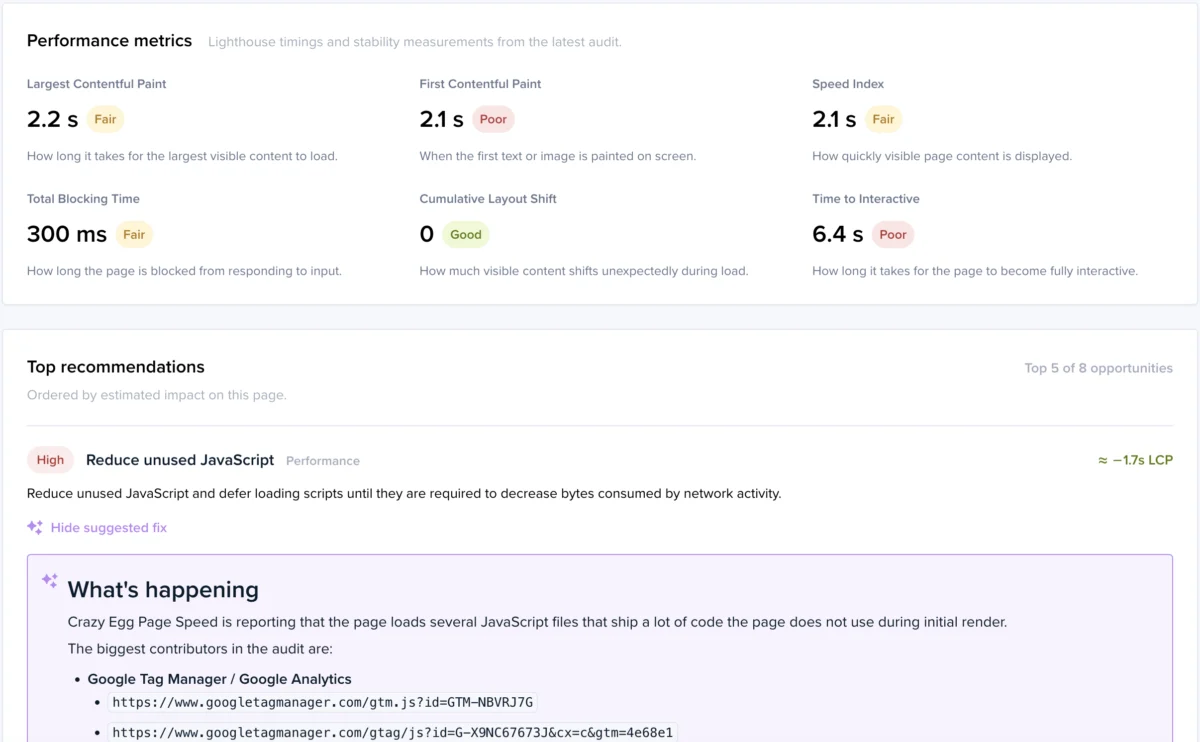
- Landing Page Experience: Crucially, confirming that all links within the ad creative correctly direct users to the designated landing pages. This involves testing the functionality of the landing page itself, ensuring it loads quickly, is mobile-responsive, and accurately reflects the ad’s promise.
The Strategic Advantages of a Structured QA Process
The implementation of a systematic QA process offers manifold benefits that extend beyond mere error detection. At its most fundamental level, the principle of "two sets of eyes" is invaluable. This collaborative approach not only significantly increases the likelihood of catching mistakes but also diffuses accountability, preventing the undue burden from resting solely on an individual’s shoulders. This shared responsibility fosters a culture of diligence and accuracy within the team.
Furthermore, leveraging task management tools can streamline this process considerably. Platforms like Asana or Trello allow for the creation of reusable QA templates, ensuring consistency across campaigns. These tools also facilitate the assignment of specific QA tasks to designated team members, providing clear ownership and tracking progress. For organizations seeking a more flexible and cost-effective solution, Google Sheets can serve as an excellent alternative, offering robust customization for checklist creation and collaborative review.
A critical, often overlooked, element of effective QA is the inclusion of a post-launch verification step. This involves a thorough review of key performance indicators (KPIs) the day after a campaign goes live. This could include examining initial clicks, impressions, conversions, and critically, Google Analytics sessions. This "day-after" checkpoint is designed to catch any discrepancies that may have slipped through pre-launch checks. Anecdotal evidence and industry reports highlight the necessity of this step. For instance, an ad that functions flawlessly in a preview environment might fail to direct users to the intended landing page once it’s live, leading to significant financial losses. A pre-launch QA might have deemed the ad functional, but the actual user experience revealed a critical flaw, resulting in thousands of dollars in wasted ad spend. These subsequent checks act as a vital safeguard, preventing such costly missteps before they cause substantial damage.
The Perils of Overly Burdensome QA Processes
While diligence is paramount, an overly elaborate QA process can become counterproductive, transforming a necessary safeguard into an operational impediment. The inclination to involve a "third set of eyes" might seem beneficial on the surface, aiming for an even higher degree of scrutiny. However, in practice, this often proves to be an inefficient use of resources and can introduce its own set of problems.
A third reviewer, typically less immersed in the day-to-day intricacies of a specific account or campaign than the primary individuals involved, may lack the nuanced understanding required for truly effective oversight. This can manifest in several ways: the third reviewer might inundate the primary reviewers with a barrage of questions, consuming valuable time and diverting focus from other critical tasks. Alternatively, feeling pressure to approve the campaign before a deadline and lacking a deep grasp of the project’s unique complexities, they may inadvertently rubber-stamp approvals, effectively negating the intended benefit of their involvement. In such scenarios, the potential for an unnoticed mistake remains largely unchanged, while the overall time invested in the QA process escalates significantly. This highlights the importance of finding an optimal balance, ensuring that the QA process is thorough without being excessively time-consuming or resource-intensive.
Continuous Improvement and Adaptability in QA
Mistakes, despite the most robust systems, are an inevitable part of any complex operational process. The crucial differentiator lies not in preventing all errors, but in how effectively an organization responds to them. When an error is identified, it should serve as a catalyst for improvement. This involves a critical review of the QA checklist and the process itself. Were there specific criteria that were not adequately addressed? Was there a blind spot in the existing verification steps?
By systematically expanding and refining the QA checklist in response to identified errors, teams can build a more resilient and intelligent system. This iterative approach not only fortifies the campaign setup process but also instills confidence throughout the team, assuring stakeholders that all settings are meticulously reviewed and that campaigns are operating as intended. This commitment to continuous improvement is essential in the ever-evolving digital advertising landscape.
Broader Implications for the Digital Advertising Ecosystem
The rigorous application of effective QA processes in digital advertising has far-reaching implications beyond individual campaign success. For advertising platforms themselves, a reduction in preventable errors contributes to a more stable and reliable ecosystem, fostering advertiser trust. For the industry as a whole, robust QA practices can lead to more efficient allocation of marketing budgets, translating into higher return on investment (ROI) for businesses and a more sustainable advertising market.
Furthermore, as advertising becomes increasingly automated and complex, the human element of QA, informed by experience and structured by checklists, remains indispensable. It bridges the gap between algorithmic capabilities and the nuanced realities of brand objectives, consumer behavior, and platform intricacies. Organizations that prioritize and continuously refine their QA processes are not merely preventing financial losses; they are building a foundation for sustained growth and competitive advantage in the digital sphere.
In conclusion, the power of digital advertising platforms is undeniable, but with that power comes the inherent responsibility of meticulous execution. A well-defined, experience-driven quality assurance process, balancing thoroughness with efficiency, is not merely a best practice; it is a fundamental necessity for navigating the complexities of the digital advertising landscape, safeguarding investments, and achieving campaign objectives. As the industry continues to evolve, the commitment to robust and adaptable QA will remain a key determinant of success.