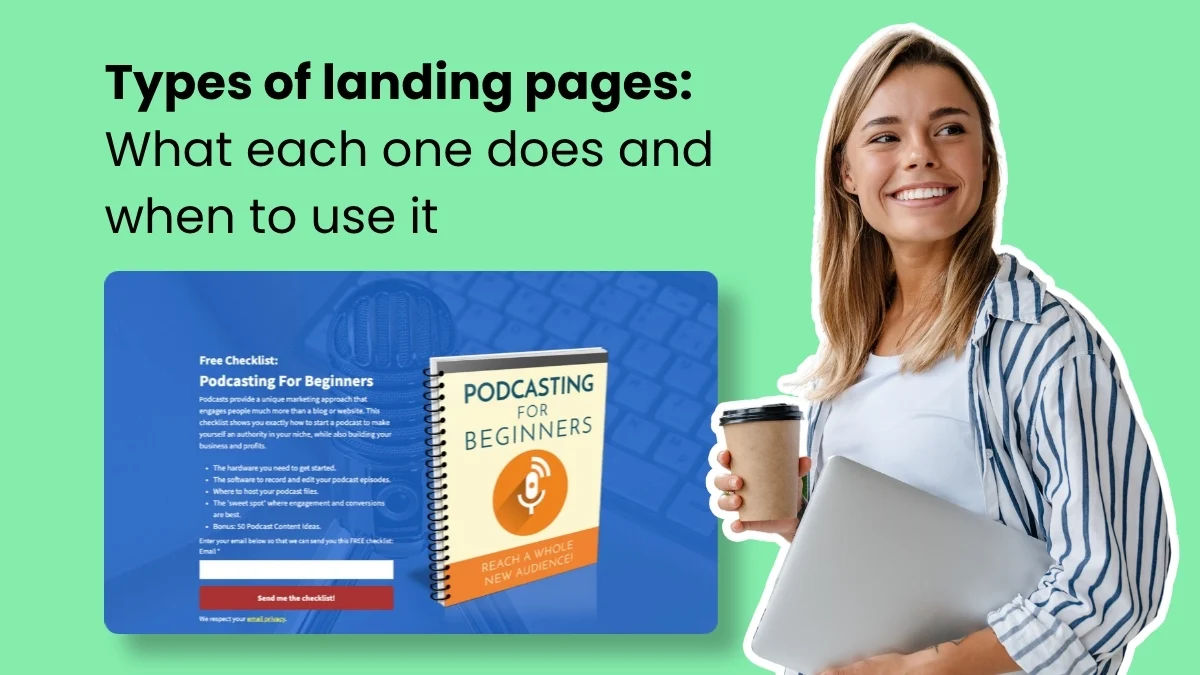
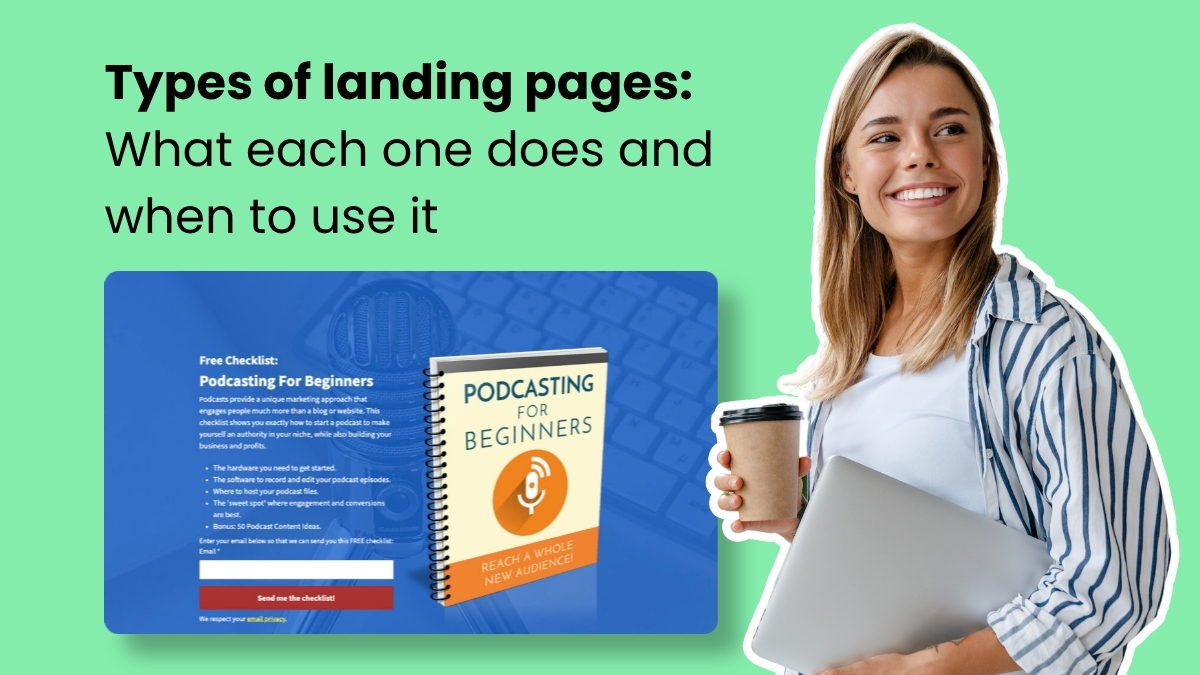
Landing pages serve as pivotal standalone web pages, meticulously crafted with a singular objective: to prompt visitors to undertake a specific action. Devoid of typical website navigation and extraneous distractions, their design prioritizes a focused call to action. The efficacy of a landing page hinges entirely on its alignment with this intended action, dictating its structure and content. For instance, a page designed to collect email addresses will differ significantly from one purposed for product sales, just as a webinar promotion requires distinct elements compared to a pre-launch announcement. Misidentifying the appropriate landing page type is a common pitfall leading to underperformance in digital marketing campaigns.
Research conducted by AWeber indicates that over 90% of small business owners who leverage landing pages consider them either important or very important to their overarching marketing strategy. This consensus underscores the undeniable value of landing pages; the contemporary challenge for businesses is not whether to employ them, but rather to discern which type is most suitable for a given objective and specific context. Understanding the various categories and their strategic applications is fundamental for optimizing conversion rates and achieving measurable marketing success.
The Foundational Principles of Conversion-Centric Design
At its core, a landing page embodies the principles of Conversion Rate Optimization (CRO). By eliminating navigational elements and external links, designers engineer an environment where visitors have only two primary options: convert or leave. This deliberate reduction of choice minimizes decision fatigue and directs the user’s attention squarely on the desired action. The effectiveness of this approach is amplified when the page’s content, visuals, and call to action (CTA) are in perfect harmony with the traffic source and the visitor’s intent. Industry benchmarks suggest that well-optimized landing pages can achieve conversion rates significantly higher than general website pages, often ranging from 5% to 15% or even higher for highly targeted campaigns, compared to the average website conversion rate which typically hovers around 2-3%.
Categorizing Landing Pages by Strategic Objective

Landing pages can be broadly categorized based on their primary marketing objectives. Each type is a specialized tool designed to excel in a particular function, from generating leads to driving sales or building community.
1. Webinar Registration Landing Pages
A webinar registration page is specifically designed to promote an upcoming online event and facilitate sign-ups. Key information conveyed includes the webinar’s subject matter, the presenter’s expertise, the date and time, and compelling reasons for attendance. Effective webinar pages prioritize the attendee’s prospective learning outcome or transformation rather than merely listing speaker credentials. Phrases such as "You’ll master X skill by the end of this session" resonate more powerfully than a simple biography. Presenter credentials, while valuable for credibility, are typically positioned after the primary value proposition has been established. This strategy ensures the page directly answers the visitor’s most pressing question: "What’s in it for me?"
- Why it Works: Attendees register for the anticipated benefits and knowledge gain. By leading with the outcome, the page directly addresses user motivation, leading to higher conversion rates.
- When to Use It: Essential for promoting live or pre-recorded webinars, acting as the dedicated portal for driving sign-ups from various traffic sources.
2. Ebook Download Landing Pages
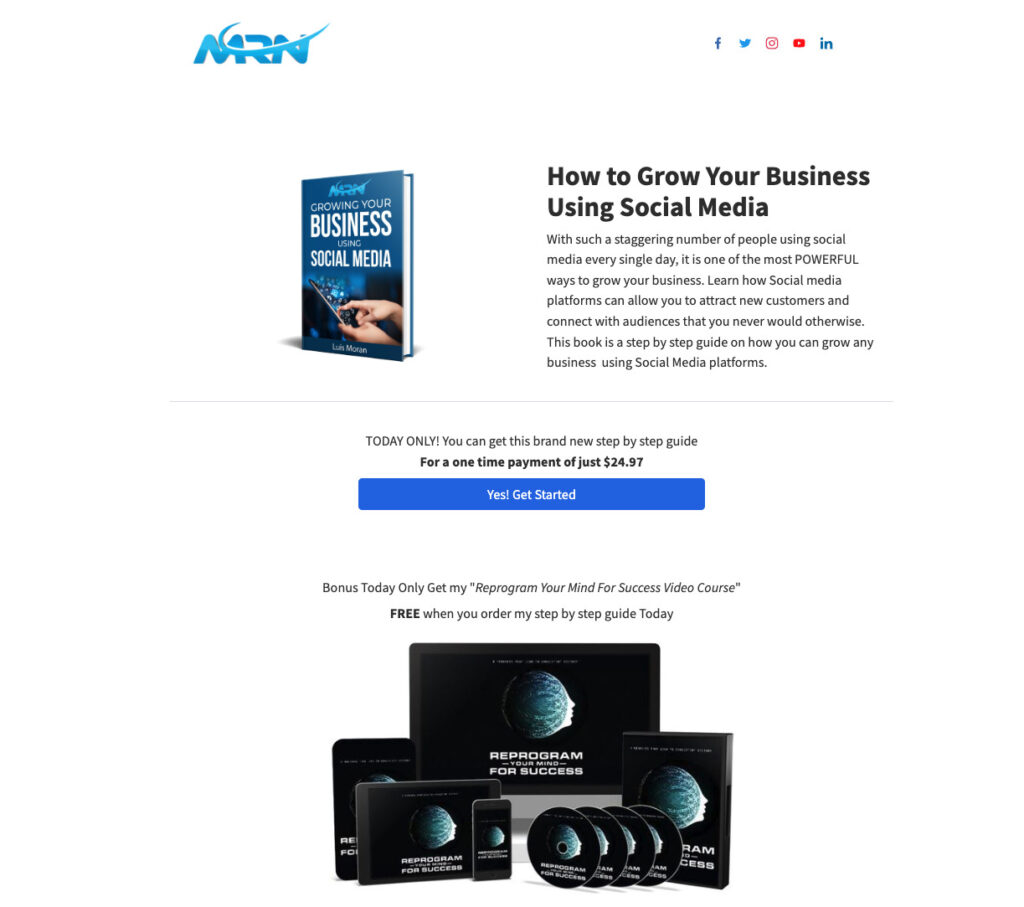
Ebook landing pages are dedicated assets for promoting and distributing electronic books. They serve as a centralized hub where potential readers can explore the ebook’s content, understand its benefits, and proceed with either purchasing or downloading it. This type of page is increasingly utilized by aspiring entrepreneurs and established businesses alike to monetize intellectual property or as a strategic lead generation tool. Many business owners leverage ebooks to bypass traditional publishing routes, directly connecting with their audience.
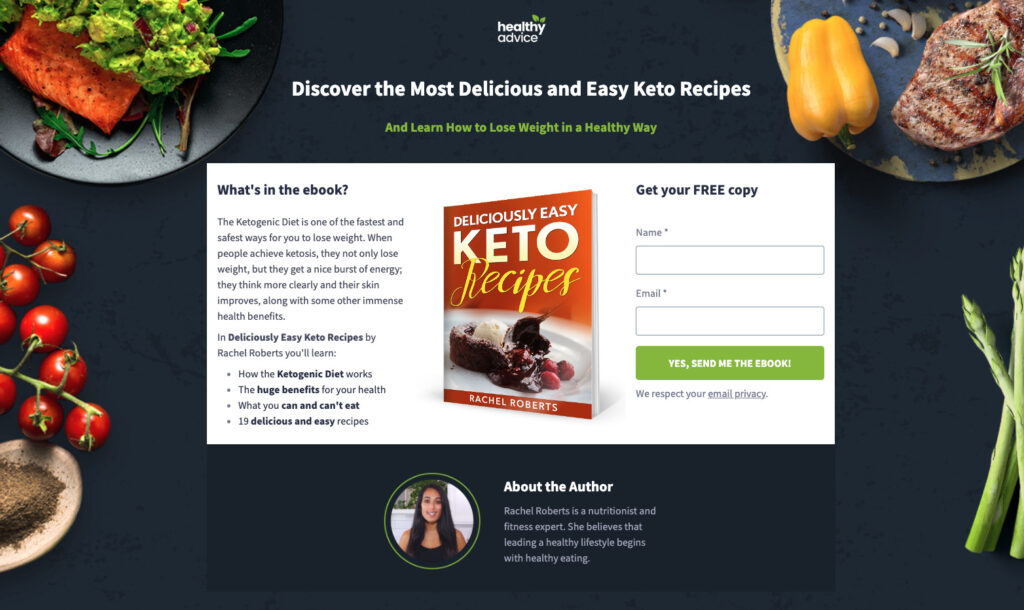
- Why it Works: Ebooks offer tangible value, often solving a specific problem or providing in-depth information. When offered as a lead magnet, they provide an attractive incentive for visitors to exchange their contact information, thereby growing an email list.
- When to Use It: Ideal for businesses selling digital information products or those aiming to build an email list by offering valuable content in exchange for subscriber data.
3. E-commerce Product Landing Pages
Distinct from a general product catalog, an e-commerce landing page is narrowly focused on a single product or a highly specific product category. Its design aims to convert traffic from a particular source, such as a paid advertisement, into direct sales. These pages typically feature high-quality product images, clear pricing, compelling calls to action (e.g., "Add to Cart"), social proof (reviews, testimonials), and concise answers to anticipated purchase questions.
- Why it Works: By presenting a singular product and offer, this page eliminates the decision paralysis often associated with broad product catalogs or homepages. This focused approach significantly boosts conversion rates for targeted campaigns.
- When to Use It: Indispensable when running paid advertising campaigns for specific products or when directing campaign-specific traffic to a page optimized for that campaign’s unique messaging.
4. Lead Magnet Landing Pages
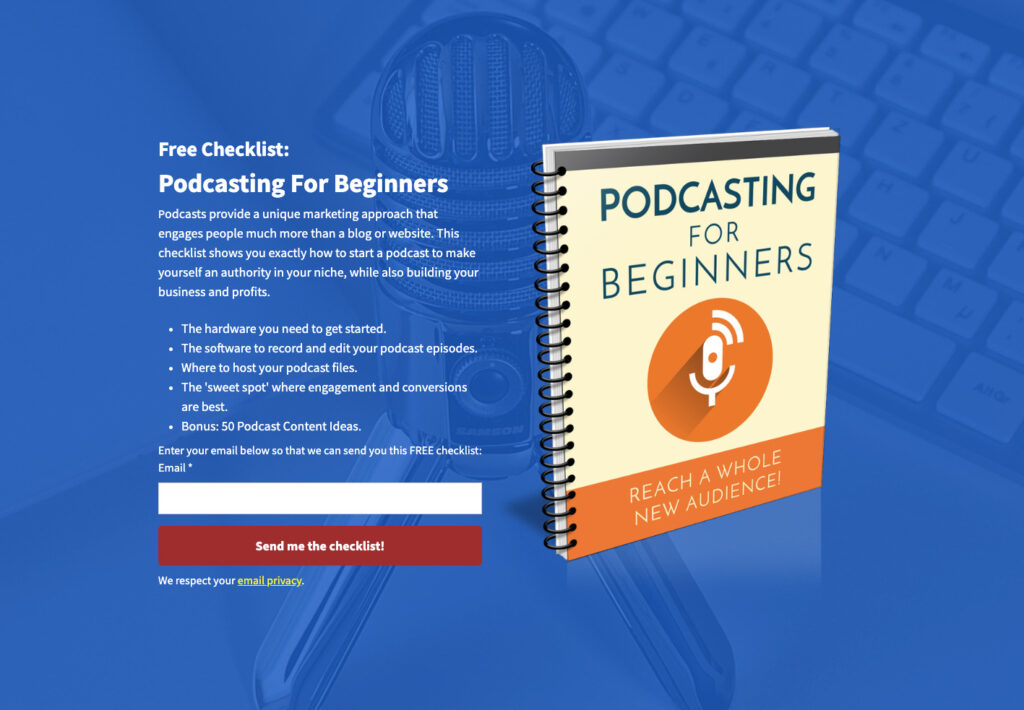
A lead magnet landing page offers a valuable resource—such as a template, checklist, free course, toolkit, or exclusive content—in exchange for a visitor’s email address. Unlike generic lead capture pages, the value of the resource itself is the primary draw. A successful lead magnet page emphasizes the immediate outcome or solution the visitor will gain from the resource, rather than focusing heavily on brand promotion.
- Why it Works: The inherent value of the lead magnet makes the exchange of an email address feel like a fair transaction, not an imposition. This mechanism efficiently builds a highly engaged email list of individuals already interested in the topic.
- When to Use It: Whenever a business has created a high-value resource that addresses a specific pain point or interest of its target audience, providing an effective method for rapid list growth.
5. Squeeze Pages
A squeeze page is a minimalist form of lead capture, stripped down to its bare essentials. Its sole purpose is to acquire an email address. Typically, it comprises a headline, one or two concise sentences, an email input field, and a submission button. It distinguishes itself from standard lead capture pages by its extreme brevity, asking for only an email address, thereby reducing friction and decision fatigue.
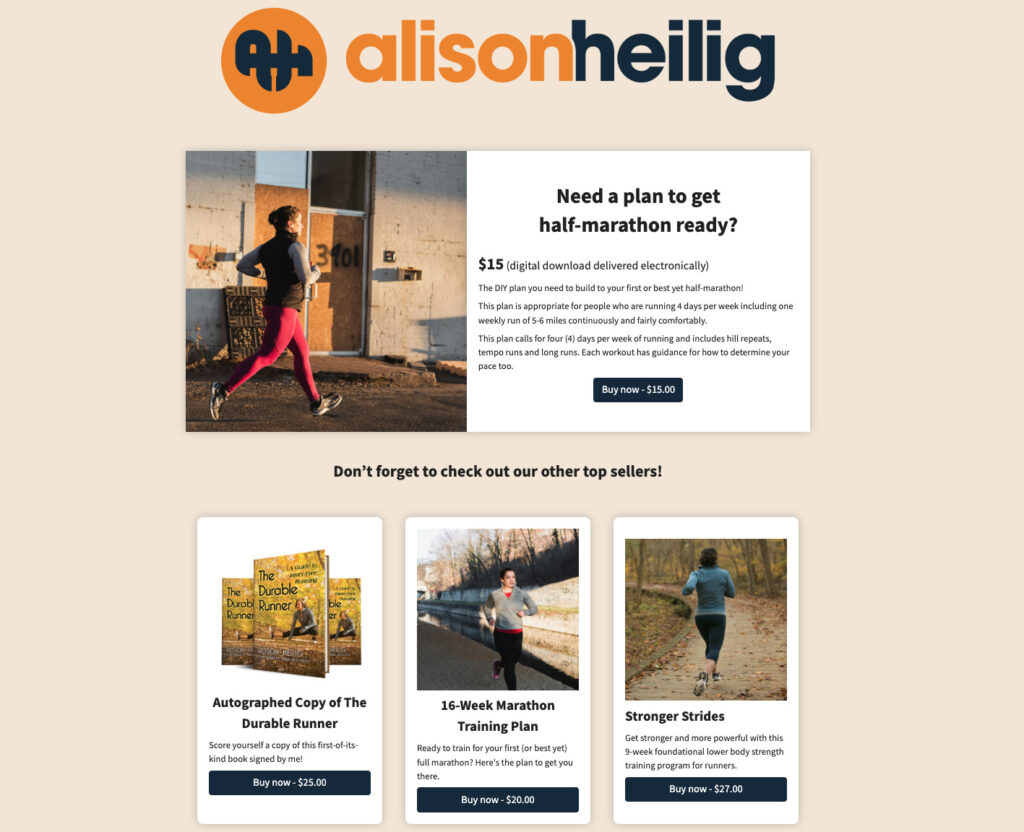
- Why it Works: The ultra-minimalist design removes almost all barriers to conversion, presenting a clear, singular action. This simplicity is particularly effective for paid traffic campaigns, where it helps maintain a low cost per lead.
- When to Use It: Best employed for paid advertising campaigns where minimizing cost per lead is crucial, or for capturing emails from a warm audience already familiar with the brand and requiring minimal persuasion.
6. Podcast Landing Pages
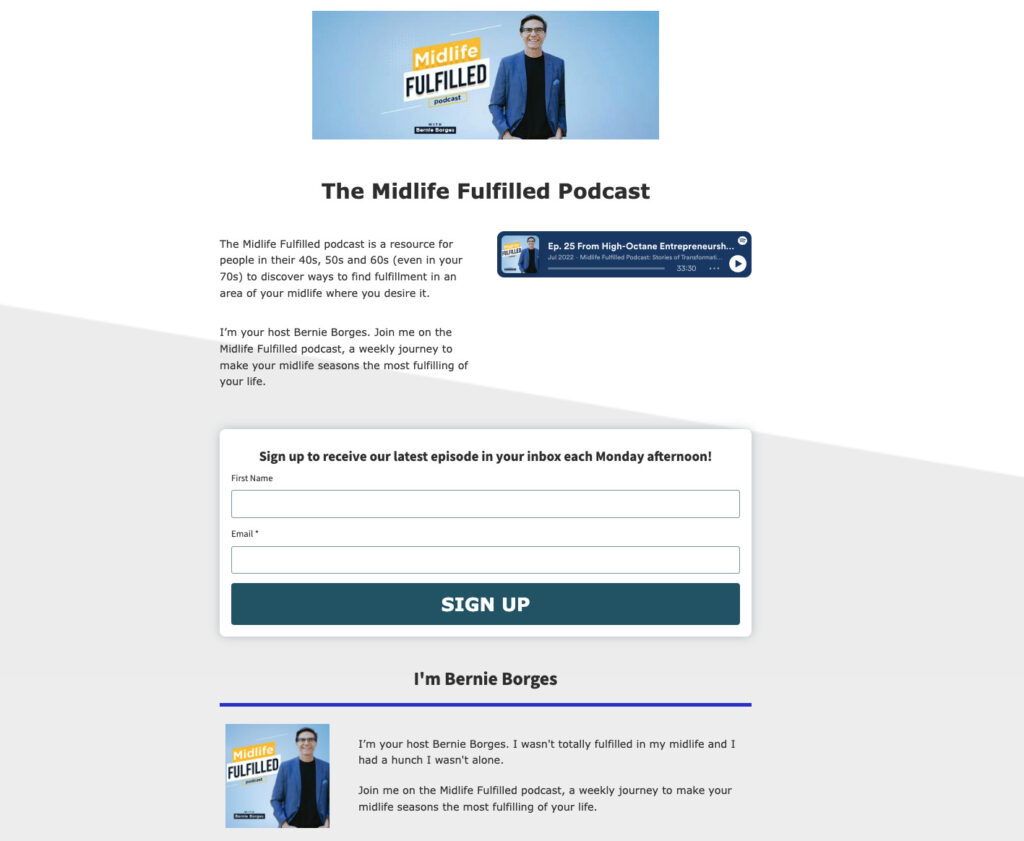
A podcast landing page is designed to promote a specific podcast show or episode and provides listeners with clear options to subscribe or join an email list for updates. This type of page addresses a critical challenge for podcasters: building a direct relationship with their audience, independent of streaming platforms. Since platforms like Spotify or Apple Podcasts control content distribution and listener access, an email list provides a direct, algorithm-proof communication channel.
- Why it Works: It converts platform-dependent listeners into owned subscribers, allowing podcasters to directly announce new episodes, share bonus content, promote merchandise, and engage their audience without algorithmic interference.
- When to Use It: Essential for podcasters seeking to cultivate a direct, loyal audience beyond the limitations of streaming platforms, ensuring long-term engagement and monetization opportunities.
7. PPC (Pay-Per-Click) Landing Pages
A PPC landing page is meticulously crafted for traffic originating from paid search advertisements. Its fundamental design principle is "message match"—ensuring the page’s content, headline, and offer precisely align with the keyword or ad copy that led the visitor to the page. Google’s Quality Score, which influences ad ranking and cost, heavily rewards this message alignment, often resulting in lower cost-per-click and improved ad positions.
- Why it Works: Paid traffic is a significant investment. A PPC landing page safeguards this investment by delivering exactly what the ad promised, validating the visitor’s click, and significantly increasing conversion rates. This relevance simultaneously boosts Quality Score, making campaigns more cost-effective.
- When to Use It: Mandatory for every paid search advertising campaign. Each ad group or distinct keyword theme should ideally have its own highly relevant landing page, rather than directing traffic to a generic homepage.
8. Thank You Pages
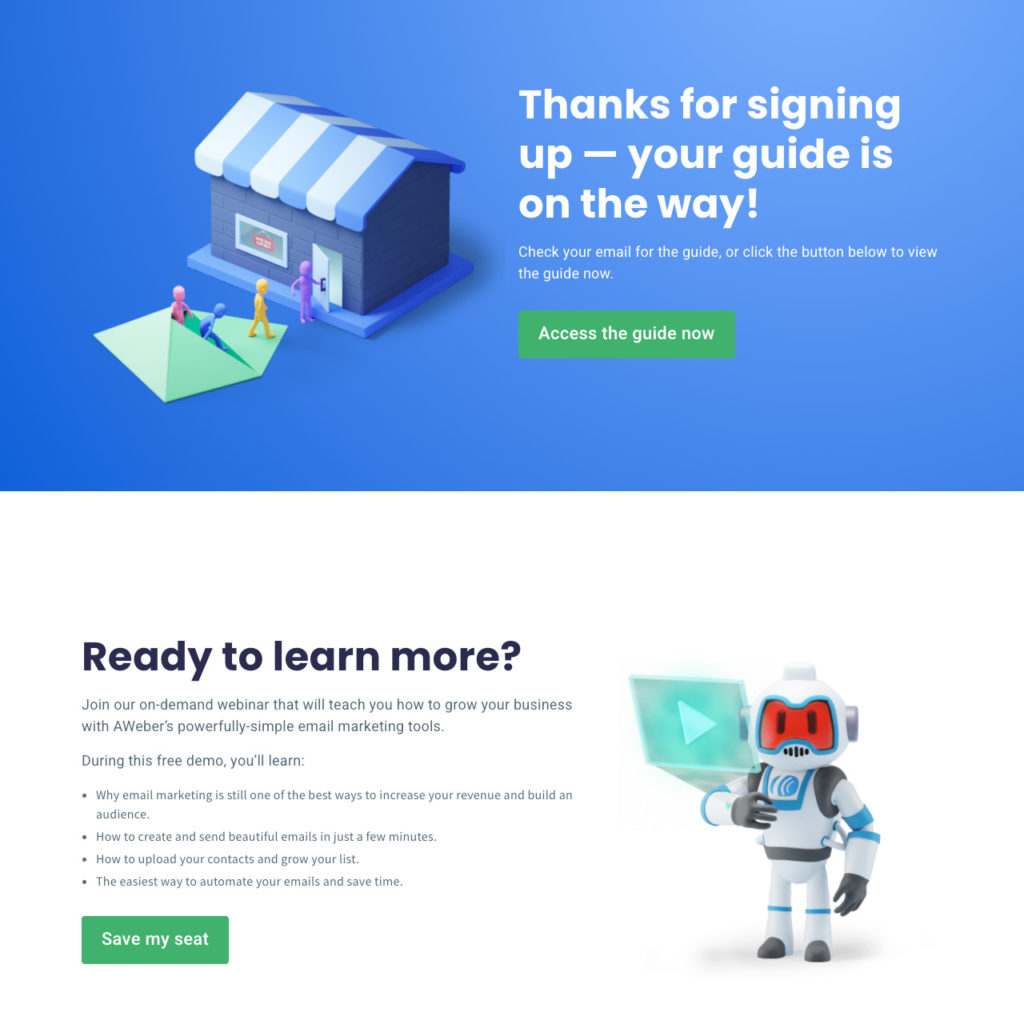
A thank you page appears immediately after a visitor completes a desired conversion—whether signing up, downloading content, or making a purchase. Its primary function is to confirm the action taken and provide clear next steps. However, many businesses underutilize these pages. A visitor who has just converted is at their peak engagement level, making it an opportune moment to offer a related resource, invite them to book a consultation, or suggest a subsequent action.
- Why it Works: This page capitalizes on the visitor’s heightened engagement. By offering a logical next step or an upsell, a well-designed thank you page can turn a single conversion into a second, nurturing the customer relationship and potentially increasing lifetime value.
- When to Use It: After every form submission, purchase, or sign-up. Every successful conversion should lead to a dedicated thank you page that reinforces the action and guides the user further.
9. Video Landing Pages
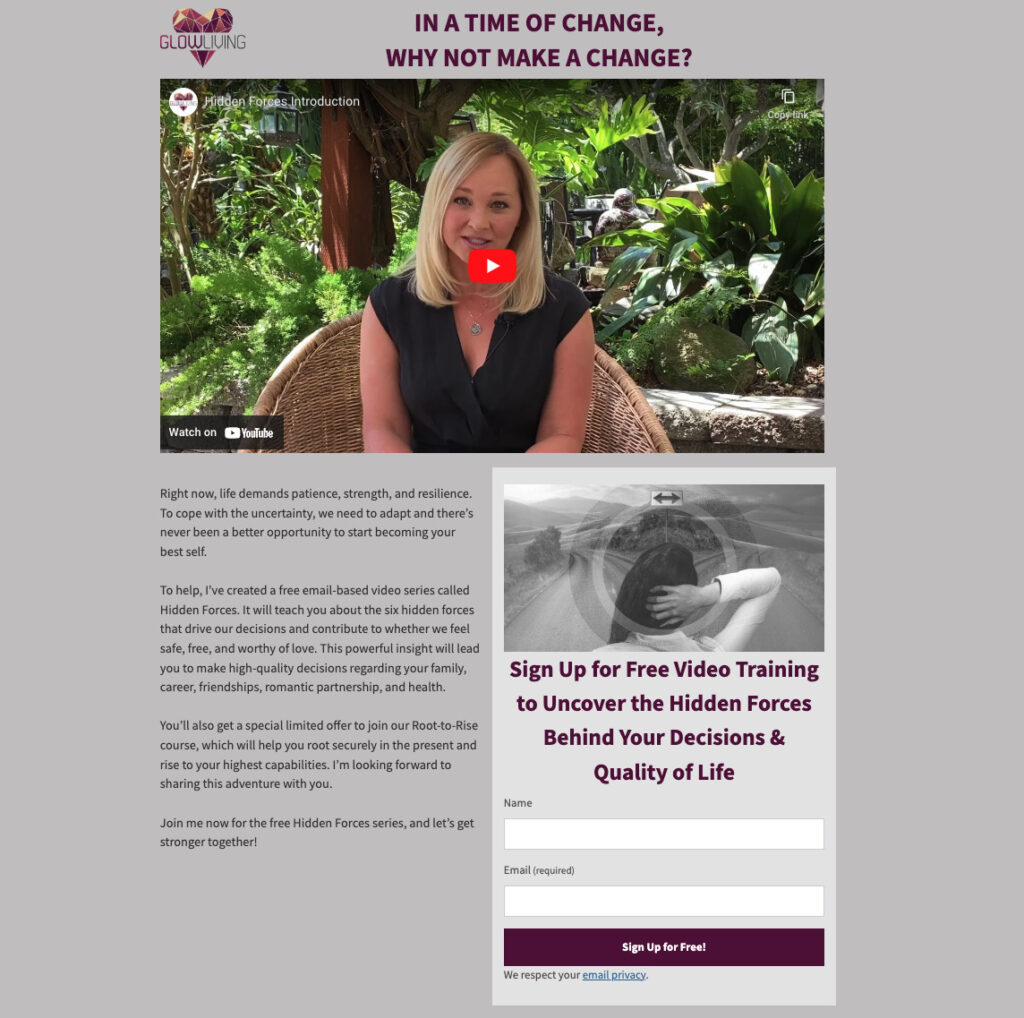
A video landing page employs video as the primary medium for conveying its core message. This video might be a product demonstration, a client testimonial reel, or a concise explainer. Textual content on the page supports the video but does not supplant its central role.
- Why it Works: Video excels at building trust and demonstrating complex offers in ways that text often cannot. It accelerates comprehension, especially for high-ticket items, intricate services, or offers that rely heavily on personal credibility. A two-minute video demonstration can provide a deeper understanding than several paragraphs of text. Studies indicate that incorporating video on landing pages can increase conversion rates by 80% or more.
- When to Use It: Ideal when an offer is highly visual, when the target audience prefers video content, or when the goal is to establish a strong personal connection before requesting a conversion.
10. Link-in-Bio Landing Pages
A link-in-bio page is a single, mobile-optimized page designed to house multiple links. Given that social media platforms typically restrict profiles to a single clickable link, this page serves as a crucial hub. It allows content creators and businesses to direct followers to their newsletter sign-up, latest products, recent content, booking page, and other important destinations from one centralized URL.
- Why it Works: It bypasses the limitation of a single social media link, providing followers with a comprehensive gateway to all key offerings. This maximizes the utility of social media profiles, turning casual engagement into actionable traffic.
- When to Use It: Essential for individuals and businesses actively engaged on platforms like Instagram, TikTok, or X (formerly Twitter) who need to funnel social traffic to multiple destinations efficiently.
11. Pre-Launch Landing Pages
A pre-launch landing page is deployed to generate interest and capture leads before a new product, service, or feature officially launches. Its primary functions are to collect email addresses from prospective customers interested in receiving launch notifications and to gauge market demand before significant resource commitment.
- Why it Works: This page serves a dual purpose: it builds an engaged audience for the launch day and provides crucial market validation for the product idea. A strong list of early opt-ins signals genuine interest, mitigating risk before full development.
- When to Use It: Before any significant product or service launch. It transforms early interest into a readily actionable list, enabling targeted marketing from day one.
12. Facebook Landing Pages
A Facebook landing page is specifically optimized for traffic originating from Facebook ads or a Facebook profile. Its main objective is to convert social media followers into email subscribers or direct buyers. This is particularly strategic because, similar to other social platforms, Facebook controls audience reach through its algorithms. Moving followers onto an owned email list establishes a direct communication channel, immune to platform changes.
- Why it Works: Facebook reach is essentially "rented." By converting followers into email subscribers, businesses gain an "owned" audience that can be directly engaged, regardless of algorithmic shifts or platform policies. This builds a durable audience asset from social media engagement.
- When to Use It: Crucial when running Facebook advertising campaigns or when the strategic goal is to convert a social media following into a controlled, directly addressable subscriber list.
13. Lead Capture Landing Pages
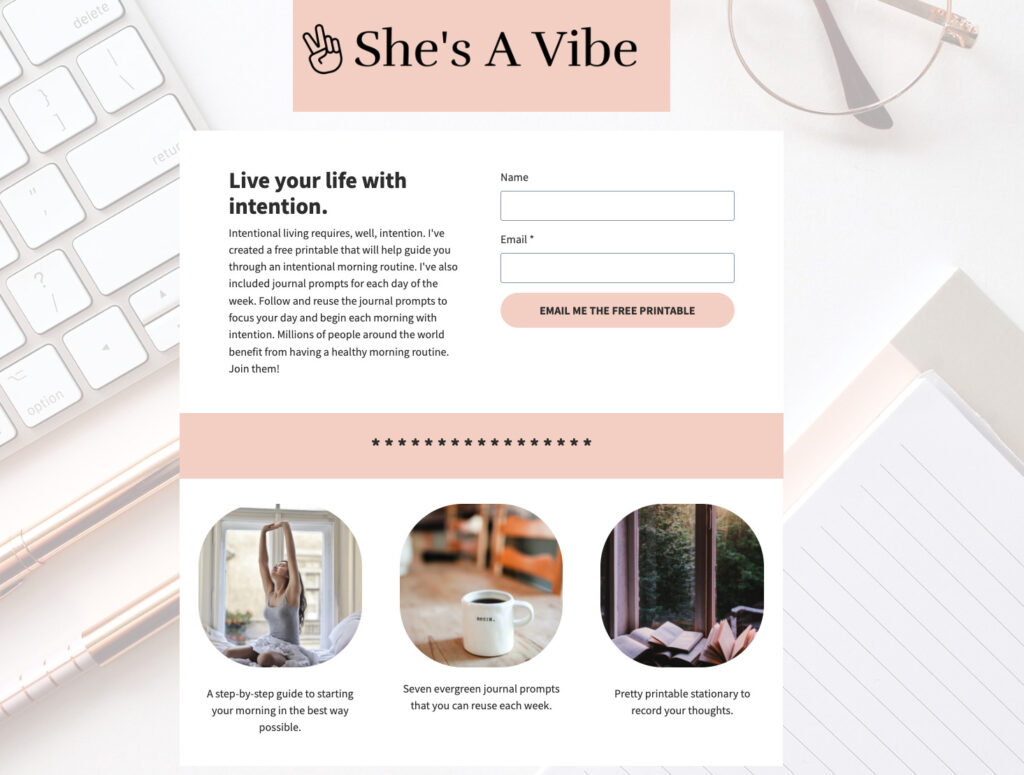
A general lead capture landing page collects contact information in exchange for a valuable incentive. This could range from a free guide, a checklist, a discount, or access to an exclusive webinar. The visitor receives the promised resource, and the business acquires their contact details, typically an email address and sometimes a name.
- Why it Works: This page facilitates a direct, low-friction exchange of value. Since it doesn’t immediately ask for a purchase, it lowers the barrier to entry for new prospects. Fewer form fields generally correlate with higher conversion rates, making name and email address a common starting point.
- When to Use It: When the primary marketing objective is to expand an email list. Lead capture pages are among the most reliable and fundamental tools for list building across small and large businesses.
14. Click-Through Landing Pages
A click-through landing page does not request any information or transactions upfront. Its sole purpose is to "warm up" the visitor and persuade them to click through to a subsequent purchase or sign-up page. It acts as an intermediary, providing sufficient information and building confidence before the ultimate conversion step. Common formats include free trial offers, detailed product walkthroughs, or feature comparison pages.
- Why it Works: Cold traffic rarely converts directly on a purchase page. A click-through page provides an essential intermediate step, allowing visitors to thoroughly understand an offer without immediate pressure to commit. By the time they reach the final conversion page, they are already pre-qualified and highly interested.
- When to Use It: When an offer requires significant explanation or trust-building before a visitor is ready to buy. It is particularly effective for improving conversion rates for cold paid traffic directed towards high-commitment offers.
Choosing the Right Landing Page Strategy
The selection of the appropriate landing page type is a direct derivative of the overarching marketing goal. Businesses aiming to acquire email subscribers should opt for lead capture, squeeze, or lead magnet pages. For warming up cold traffic prior to a sale, a click-through page is advisable. Direct sales of high-value items benefit from dedicated sales pages, while specific products are best served by e-commerce landing pages. Event promotions, such as webinars, necessitate webinar registration or pre-launch pages. Paid search campaigns demand highly specific PPC landing pages for optimal performance.
A fundamental principle for successful landing page deployment is singular focus. The most frequent cause of underperforming landing pages is attempting to achieve multiple objectives simultaneously. Each page should be built with one clear goal in mind.
The Future of Landing Page Creation: AI-Powered Solutions
The landscape of landing page creation is rapidly evolving with the advent of artificial intelligence. Platforms like AWeber’s AI Landing Page Builder represent a significant leap forward, drastically reducing the time from concept to live deployment. Instead of relying on template selection and manual customization, users can describe their desired page—including layout, copy, images, and sign-up forms—and the AI constructs the entire page. This innovation democratizes high-quality landing page design, making advanced marketing tools accessible to a broader range of businesses.
This AI-driven approach caters to every type of landing page discussed, from lead magnet pages for checklists to webinar registration pages and pre-launch pages. Users simply define their offer and goal, and the AI manages the intricate design and content generation. Furthermore, the capability to upload a screenshot of an existing page and have the AI recreate it with custom branding and copy streamlines the redesign process. AI can even perform image edits based on textual descriptions, eliminating the need for extensive stock photo searches or starting from scratch. This integration of AI promises unprecedented efficiency, personalization, and accessibility in digital marketing.
Frequently Asked Questions about Landing Page Types
What is the most common type of landing page?
Lead capture landing pages are the most prevalent type. They are designed to collect a visitor’s contact information, typically in exchange for a free resource or valuable offer. Their widespread use stems from the low barrier to entry for conversion, leading to generally higher conversion rates compared to direct sales pages, and their applicability across nearly all industries and business models.
What is the difference between a squeeze page and a lead capture page?
Both squeeze pages and lead capture pages aim to collect email addresses, but they differ significantly in their length and complexity. A standard lead capture page typically includes more detailed information, such as a compelling headline, a description of benefits, an image representing the offer, and a form with a few fields. A squeeze page, by contrast, is severely minimalistic, often consisting of just a headline, one or two lines of copy, an email field, and a button. This extreme brevity is often favored in paid traffic campaigns to minimize friction and keep the cost per lead as low as possible.
What types of landing pages work best for building an email list?
The three most effective types for email list building are squeeze pages, lead capture pages, and lead magnet pages. Squeeze pages are highly efficient for paid traffic due to their low commitment requirement. Lead capture pages are versatile and perform well across both paid and organic traffic sources. Lead magnet pages are particularly powerful when a business can offer a specific, high-value resource, such as an exclusive checklist, a comprehensive ebook, or a useful template, that directly addresses an audience need.