

Email remains an indispensable cornerstone of digital marketing, offering businesses a direct and owned channel to connect with their audience. Despite the proliferation of new communication tools, its efficacy in driving engagement, nurturing leads, and securing conversions continues to be unparalleled. As of May 6, 2026, industry data consistently reinforces this fact, with Mailjet’s comprehensive email engagement report highlighting that a significant 75.4% of consumers across the U.S., UK, France, Germany, and Spain prefer email for receiving promotional messages. Furthermore, 74% favor it for crucial transactional communications, such as order confirmations and password resets, over any other digital channel. This robust preference underscores email’s critical role, making the selection of an appropriate email marketing platform a strategic imperative for businesses of all sizes.
The Enduring Power of Email in Digital Strategy
Email marketing has evolved significantly from its early days of mass mailouts, transforming into a sophisticated ecosystem of personalized, automated, and data-driven communication. Its enduring appeal lies in its ability to offer a direct line to the customer, fostering relationships and driving measurable results that often surpass those of social media or paid advertising. Businesses retain ownership of their email lists, providing a level of control and independence unmatched by third-party platforms. This direct engagement translates into higher conversion rates and a superior return on investment (ROI), with many studies consistently placing email marketing as one of the most cost-effective digital strategies available. For any business aiming for sustainable growth, a robust email strategy is not merely an option but a necessity.

Navigating the Complex Landscape of Email Marketing Platforms
The market for email marketing platforms is vast and dynamic, presenting businesses with an array of choices that can quickly become overwhelming. From tools designed for nascent startups to those built for sprawling enterprise teams, and from automation-heavy systems to those prioritizing simplicity, each platform brings a unique set of features and philosophies. The challenge lies in cutting through the noise to identify a solution that aligns precisely with a business’s operational needs, budget constraints, and long-term growth aspirations. This guide aims to demystify this selection process, providing a clear framework and actionable insights based on extensive testing and industry analysis.
Defining Excellence: Core Criteria for Top-Tier Email Marketing Platforms
In evaluating the myriad of email marketing solutions, a set of fundamental criteria emerged as non-negotiable for effective, scalable, and user-friendly performance. These benchmarks were applied rigorously, ensuring that every recommended platform genuinely earns its spot through real-world utility and value, rather than promotional influence.
-
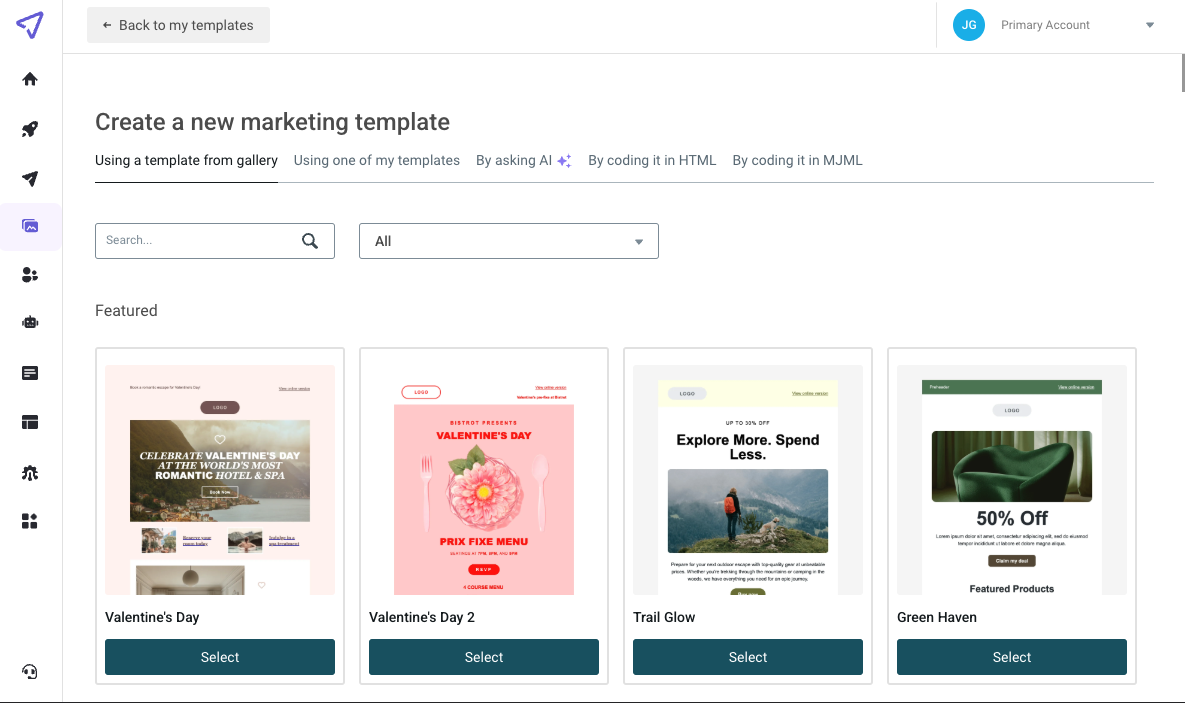
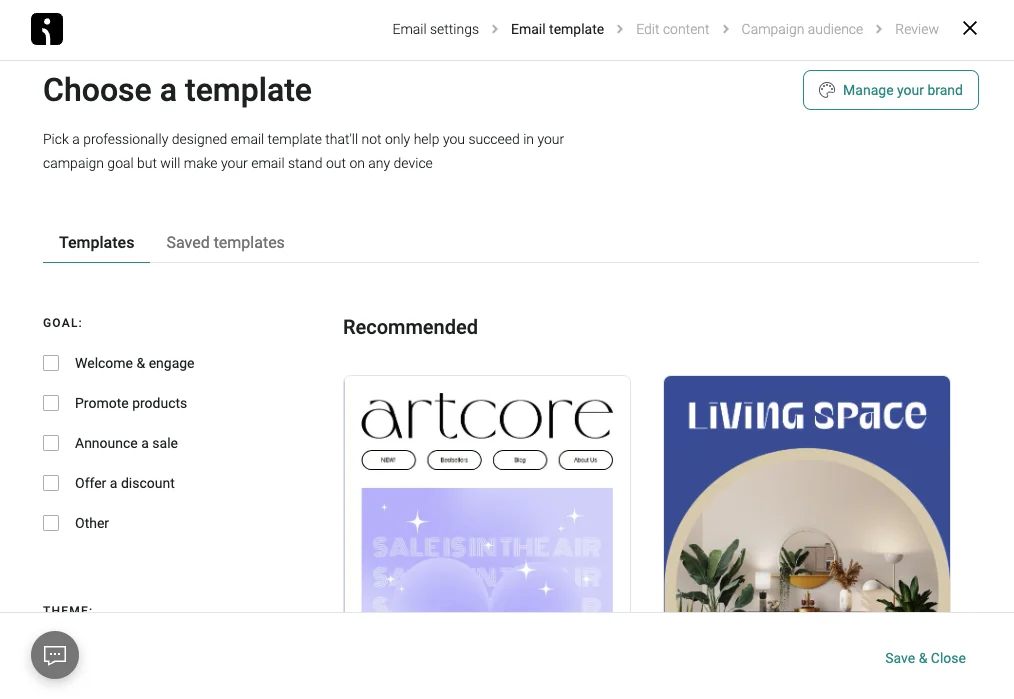
Intuitive User Experience (UX) and Ease of Use: A platform should not require extensive technical expertise or a steep learning curve. The best tools enable users to build lists, design campaigns, and set up automations effortlessly from a clean, logical dashboard. Features like drag-and-drop editors, customizable templates, and clear navigation are paramount for efficiency.
-
Robust Automation and Personalization Capabilities: Modern email marketing transcends simple broadcasts. Leading platforms offer sophisticated automation workflows, allowing businesses to trigger personalized messages based on user behavior, demographic data, or lifecycle stages. This includes welcome sequences, abandoned cart reminders, re-engagement campaigns, and dynamic content tailored to individual subscribers, all without requiring manual coding.
-
Seamless Integration Ecosystems: An email marketing platform rarely operates in isolation. It must integrate smoothly with other essential business tools, such as e-commerce platforms (Shopify, WooCommerce), Customer Relationship Management (CRM) systems (Salesforce, HubSpot), booking software, analytics suites (Google Analytics), and broader automation platforms like Zapier. A strong integration ecosystem ensures a cohesive workflow and a unified view of customer data.
-
Transparent and Scalable Pricing Models: Budget constraints are a reality for many businesses. Top platforms offer flexible pricing, including generous free tiers for beginners, affordable entry-level plans, or pay-as-you-go options that avoid expensive commitments or minimum volume requirements. Crucially, the pricing model should allow for seamless scaling as a business grows, without sudden, prohibitive cost jumps.

-
Reliability and Deliverability Excellence: The most beautifully crafted email is useless if it doesn’t reach the inbox. A platform’s reputation for high deliverability rates is critical. This involves maintaining strong relationships with internet service providers (ISPs), employing robust spam filtering avoidance techniques, and offering features like dedicated IP addresses for high-volume senders, ensuring messages consistently land where they belong.
Navigating Pricing Models: Understanding Costs and Value
For small businesses and growing marketing teams, understanding the nuances of pricing structures is as vital as evaluating features. While many platforms offer free plans, these often come with limitations on contact numbers, monthly sends, or advanced features, which can impede growth.
Common pricing structures include:
- Contact-Based Tiers: Pricing scales with the number of subscribers on your list. This can become expensive as your list grows, even if you don’t send many emails.
- Send-Based Tiers: Pricing is determined by the total number of emails sent per month, regardless of list size. This offers predictability if your sending volume is consistent.
- Feature-Gated Plans: Higher-tier plans unlock more advanced features like sophisticated automation, A/B testing, or dedicated support, often irrespective of contact or send volume.
- Hybrid Models: A combination of the above, balancing contact limits with feature access and send volume.
When assessing pricing, businesses must look beyond the initial monthly fee. Consider the total cost of ownership (TCO) over time, factoring in potential upgrades, add-ons, and the value of features that can directly impact revenue. A platform that offers an affordable entry point and a clear, scalable path forward is often the most prudent choice, preventing costly and disruptive migrations in the future.
Spotlight on Top Email Marketing Platforms: Tailored Solutions for Diverse Needs
The following platforms represent some of the leading solutions in the market, each excelling in specific areas and catering to distinct business requirements.
Mailjet: The Agile, Budget-Conscious Choice
Mailjet distinguishes itself by offering a robust suite of features at a highly competitive price point, particularly appealing to startups and budget-conscious teams. Its core strength lies in its unique send-based pricing model, which ensures predictable costs regardless of list growth. The platform provides a clean, intuitive interface for creating both marketing and transactional emails, alongside tools for forms and landing pages. This dual capability makes it a versatile option for businesses needing a unified solution for all email communication. While its reporting might be less granular than some enterprise-grade tools, its reliability and comprehensive core offerings for the price make it an excellent value proposition.
Mailchimp: The Entry Point for Aspiring Marketers
Often the first name new marketers encounter, Mailchimp has cultivated a reputation for being exceptionally beginner-friendly. Its drag-and-drop editor and extensive template library make launching a first campaign straightforward, supported by a generous free plan for up to 500 contacts. However, as marketing strategies mature and businesses seek more sophisticated automation, deep segmentation, or advanced e-commerce integrations, Mailchimp’s contact-based pricing can become restrictive, and its more powerful features might require significant investment, potentially outweighing its initial cost-effectiveness.
Kit (formerly ConvertKit): Empowering the Creator Economy
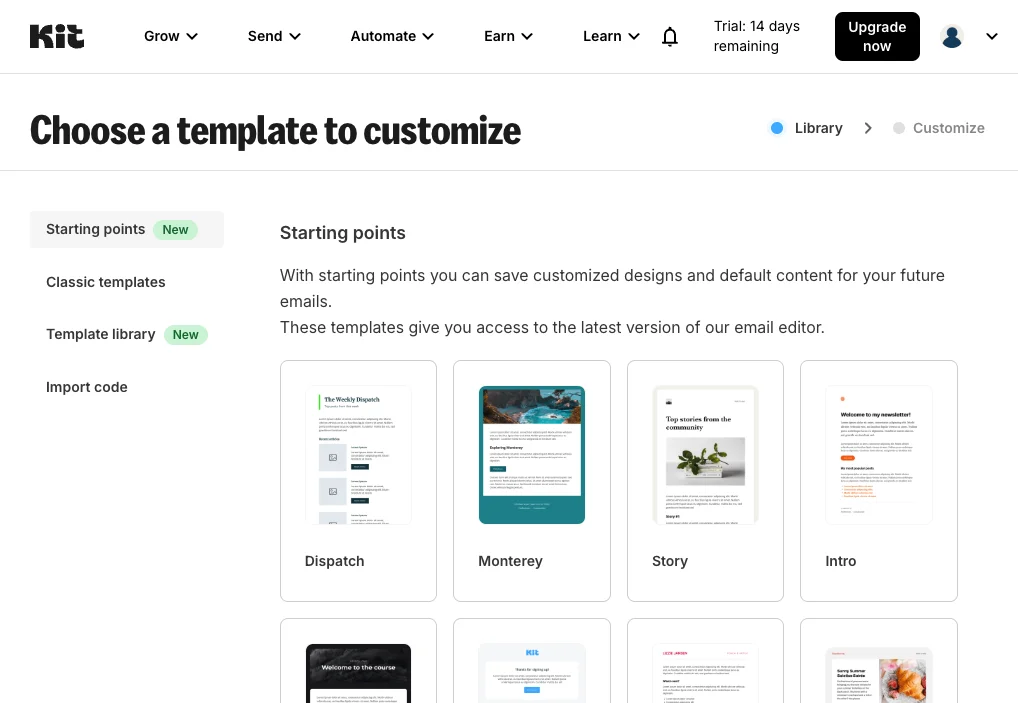
Tailored specifically for digital creators, bloggers, and solo entrepreneurs, Kit excels at audience growth and automated follow-ups. Its unique tagging system allows for highly granular segmentation, enabling creators to deliver hyper-relevant content and product offers. The platform’s free plan, supporting up to 10,000 subscribers, is a significant advantage for creators focused on list building. While it might lack the extensive visual template variety of some competitors, its emphasis on text-based emails and robust automation sequences for selling digital products makes it an ideal fit for this niche.
Constant Contact: Socially Integrated for Brand Engagement
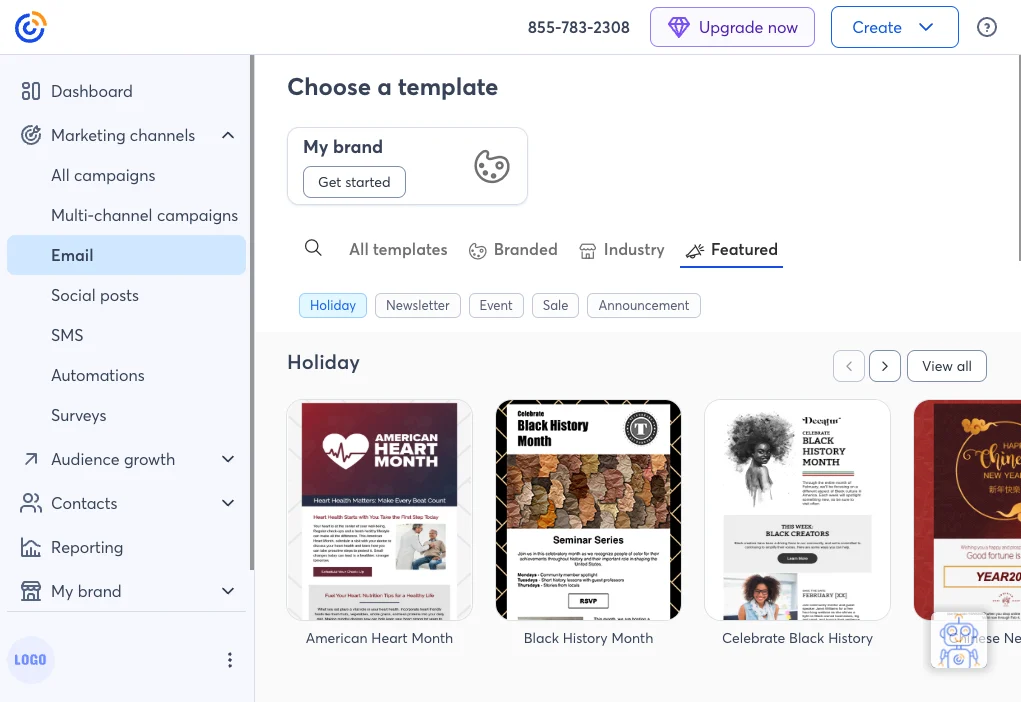
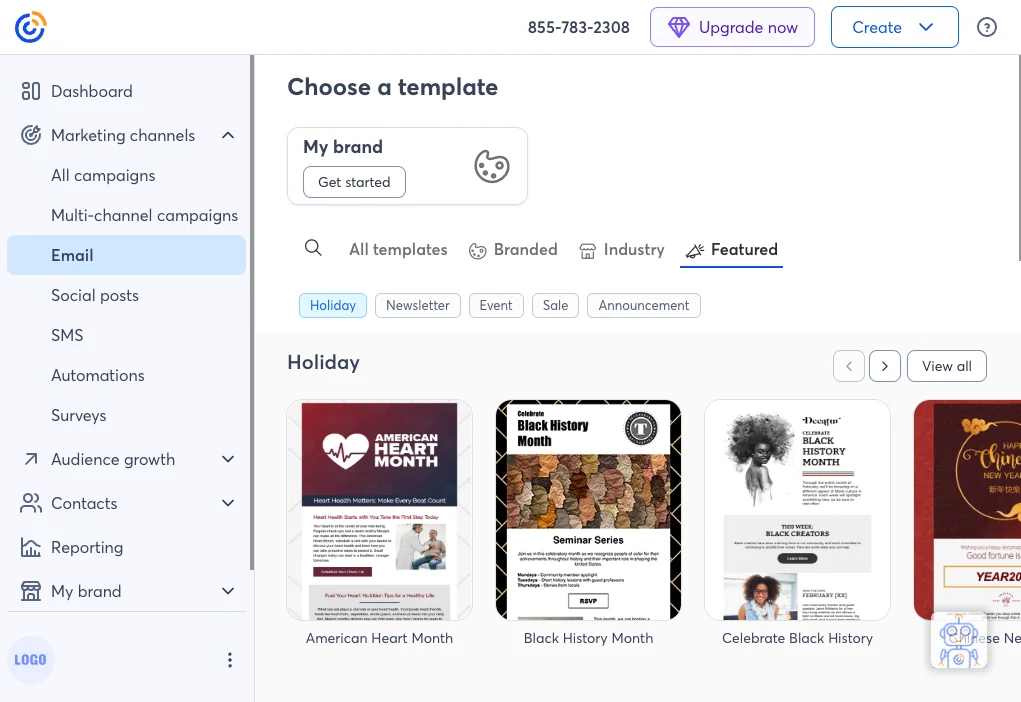
For brands that prioritize a cohesive online presence across email and social media, Constant Contact offers a compelling solution. Its user-friendly drag-and-drop editor simplifies email design, and its strong social media integration features allow for seamless cross-promotion and audience engagement. Constant Contact also shines in event marketing, making it suitable for businesses that frequently host workshops, webinars, or in-person events. While its advanced automation features might not rival dedicated CRM platforms, its reliable email delivery and robust social tools make it a solid choice for community-focused businesses.
AWeber: A Legacy of Reliability for Small Businesses
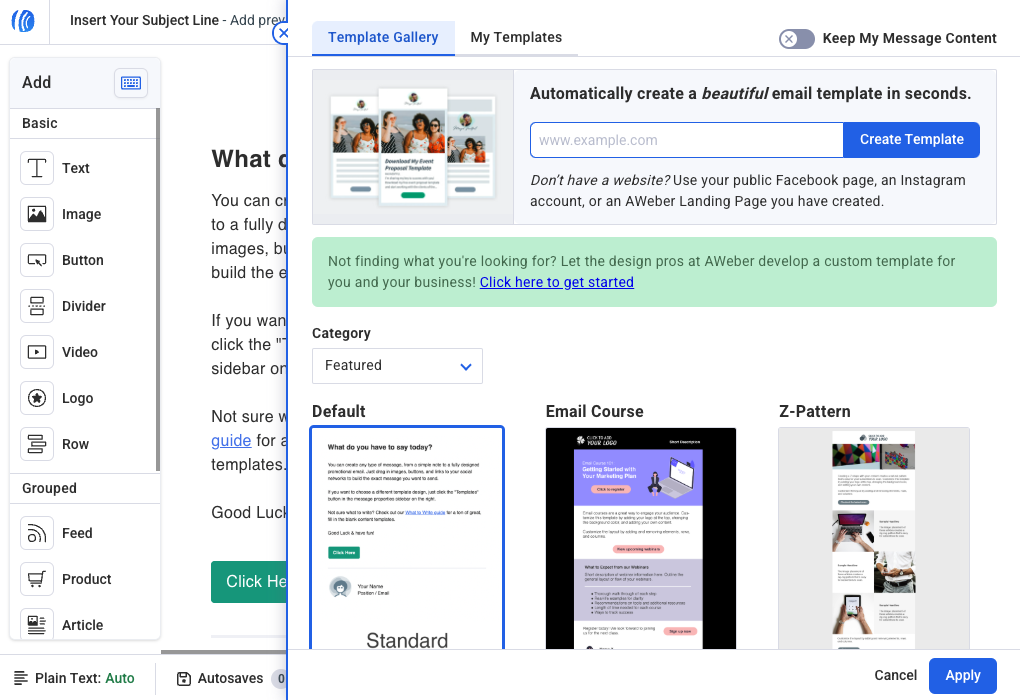
With over two decades in the industry, AWeber has built a reputation for long-standing reliability and straightforward functionality, particularly favored by solo entrepreneurs and small business owners. It provides a comprehensive set of foundational tools, including pre-built templates, robust automation, and integrations with platforms like Etsy and YouTube. AWeber’s strength lies in its dependable performance and strong customer support, offering peace of mind for businesses that prioritize stability over cutting-edge complexity. Its analytics and testing tools are solid, though perhaps not as visually sophisticated as newer entrants.
HubSpot: The All-in-One Growth Stack
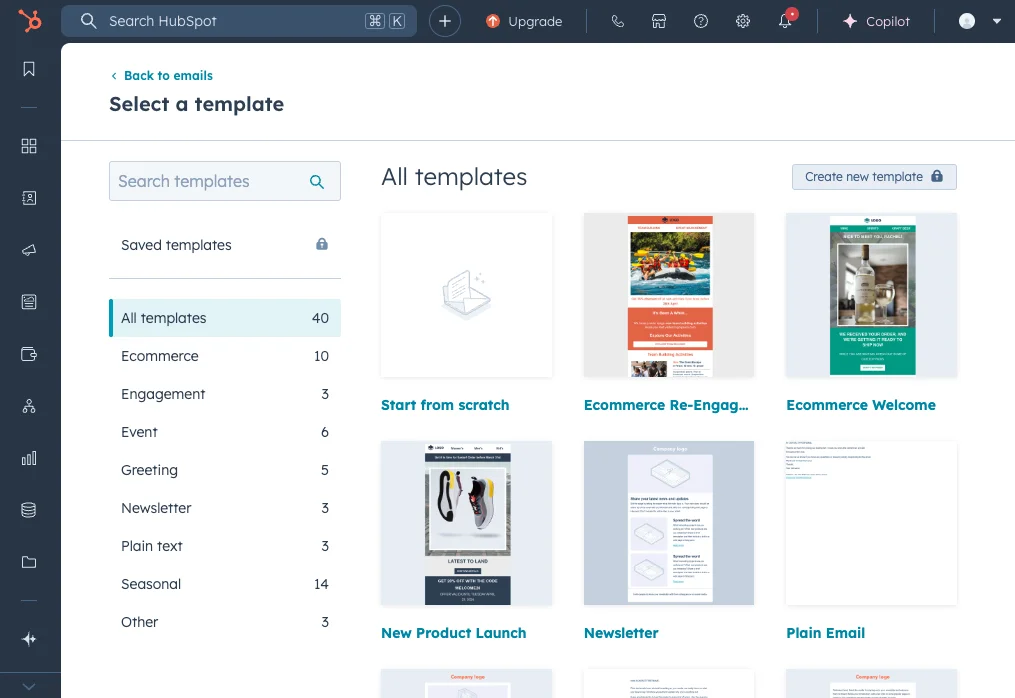
HubSpot transcends traditional email marketing, offering a full-fledged CRM and marketing suite. It’s designed for businesses seeking a unified platform to manage contacts, automate email flows, track performance, and integrate sales and service functions. The free tier is surprisingly generous, providing a taste of its extensive capabilities. However, unlocking HubSpot’s true power—its advanced automation, lead scoring, and comprehensive reporting—requires a significant financial investment in its higher-tier plans, making it more suitable for established businesses with integrated sales and marketing teams.
Omnisend: E-commerce Optimization at its Core
Purpose-built for e-commerce brands, Omnisend is an omnichannel marketing automation platform that goes beyond email to include SMS and push notifications, even on its free plan. It boasts deep integrations with major e-commerce platforms like Shopify and WooCommerce, offering specialized features such as abandoned cart recovery, product recommendation engines, and customer lifecycle automation tailored to online retail. While its email deliverability is solid, some users note that its template variety, while functional, might be less visually diverse compared to some general-purpose email builders.
Brevo (formerly Sendinblue): Multi-Channel Communication Simplified
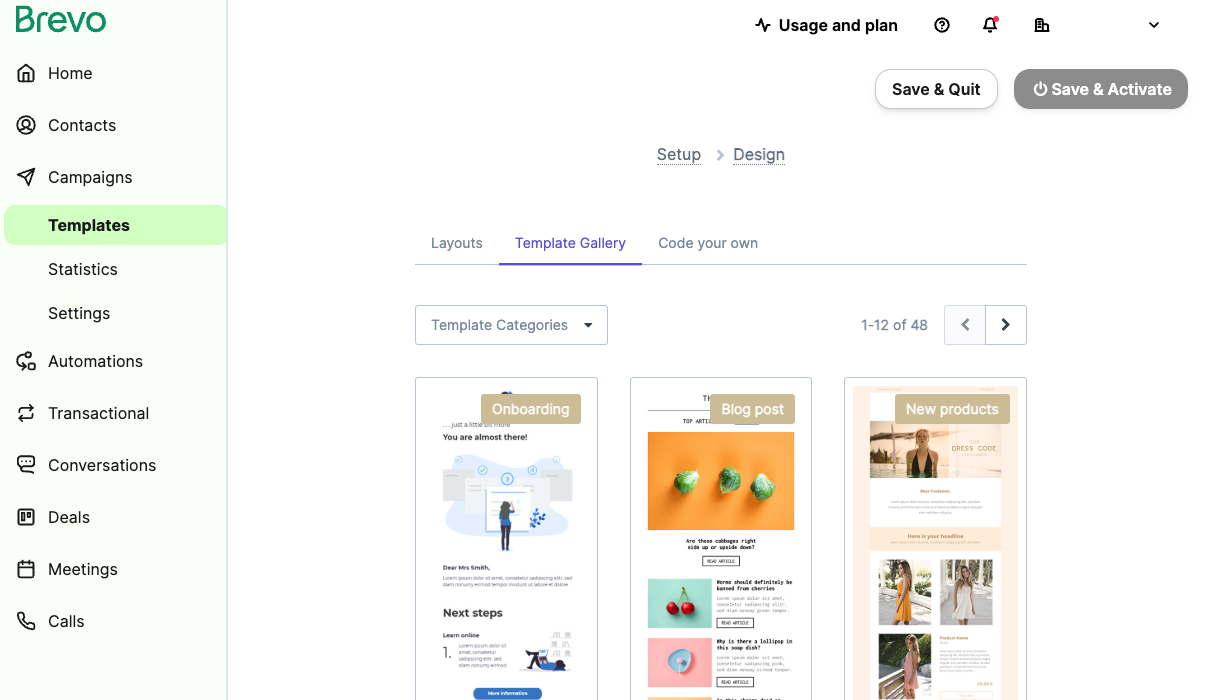
Brevo offers a comprehensive suite for businesses aiming to consolidate their communication channels. It seamlessly integrates email, SMS, and live chat into one user-friendly platform, making it ideal for companies seeking an all-in-one solution for customer engagement. Brevo’s strength lies in its transactional email capabilities and competitive pricing for volume sending. While its analytics for lower-tier plans might be less extensive, its focus on unified communication and ease of navigation provides significant value for businesses managing diverse customer touchpoints.
ActiveCampaign: The Automation Powerhouse
ActiveCampaign is a formidable tool for businesses that require advanced marketing automation and sophisticated CRM functionalities. It offers unparalleled control over the customer journey through highly detailed workflows, dynamic content, and intelligent segmentation capabilities. From lead scoring to sales automation, ActiveCampaign is built for teams that demand depth and precision in their marketing efforts. However, this power comes with a steeper learning curve and a higher price point, making it an investment best suited for businesses with dedicated marketing resources and complex, multi-stage customer engagement strategies.
Strategic Alignment: Matching Platforms to Business Use Cases
The optimal email marketing platform is not a universal choice but a strategic alignment with a business’s specific goals and operational context.
- Startups & Small Businesses: Prioritize platforms with intuitive dashboards, generous free or affordable entry-level plans, and robust customer support. Mailjet and Mailchimp often serve as excellent starting points due to their ease of use and cost-effectiveness.
- E-commerce & Online Retailers: Look for deep integrations with popular shopping carts, advanced features like abandoned cart sequences, product recommendations, and omnichannel capabilities (SMS, push notifications). Omnisend and Klaviyo (an alternative not covered here, but a strong player in this niche) are prime examples.
- Digital Creators & Influencers: Platforms that excel at list growth, audience segmentation based on interests, and sales funnels for digital products are key. Kit (ConvertKit) is purpose-built for this segment.
- Nonprofits & Community Organizations: Cost-effectiveness is paramount, often alongside features for donor segmentation, event promotion, and easy integration with fundraising platforms. Some platforms offer specific nonprofit discounts or robust free tiers.
- B2B Companies: Require strong CRM integration, lead scoring, account-based marketing tools, and sophisticated nurturing sequences. HubSpot and ActiveCampaign, with their comprehensive suites, are particularly well-suited for B2B complexities.
The Long-Term View: Scalability, Support, and Future-Proofing
Choosing an email marketing platform is a long-term strategic decision. Businesses must consider not only their immediate needs but also their anticipated growth. A platform that offers seamless scalability, allowing for increased contact lists, higher sending volumes, and more complex automations without disruptive migrations or prohibitive cost increases, is invaluable. Furthermore, the quality of customer support and access to educational resources can significantly impact a team’s ability to leverage the platform effectively.
In an increasingly regulated digital landscape, compliance with data privacy laws such as GDPR (General Data Protection Regulation) and CCPA (California Consumer Privacy Act) is also a critical consideration. Reputable email platforms offer built-in tools and features to help businesses maintain compliance, protecting both consumer data and the business’s legal standing. The platform’s commitment to evolving with new technologies, such as AI-driven personalization and advanced analytics, ensures that a business’s email strategy remains future-proof.
Making the Informed Decision: A Final Checklist for Businesses
Selecting the right email marketing platform is a pivotal decision that can significantly impact a business’s digital marketing success. By systematically evaluating options against a clear set of criteria, businesses can make an informed choice that supports their objectives.
Here’s a concise checklist to guide your decision:
- Core Features & Ease of Use: Is the interface intuitive? Does it offer essential tools like a drag-and-drop editor and template library?
- Automation & Personalization Depth: Can it handle complex customer journeys, segmentation, and dynamic content?
- Integration Ecosystem: Does it connect seamlessly with your existing CRM, e-commerce, and analytics tools?
- Pricing & Scalability: Is the pricing model transparent, affordable for your current needs, and capable of scaling with your growth?
- Deliverability & Reputation: Does the platform have a strong track record of ensuring emails reach the inbox?
- Customer Support & Resources: Is reliable support available, along with comprehensive guides and tutorials?
- Data Privacy & Compliance: Does it offer features to assist with GDPR, CCPA, and other regulatory requirements?
- Specific Use Case Alignment: Is the platform particularly strong for your industry (e.g., e-commerce, B2B, creator)?
The right email platform will serve as more than just a sending tool; it will be a strategic partner in building meaningful customer relationships, driving conversions, and fostering sustainable business growth. Taking the time to research, test, and align the choice with your unique business context will yield significant returns in the long run.








