

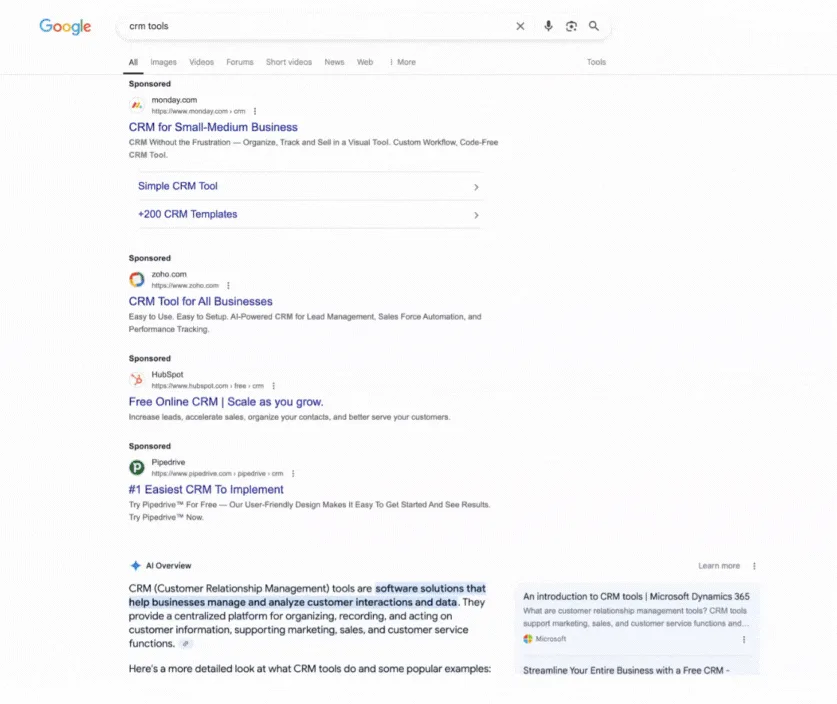
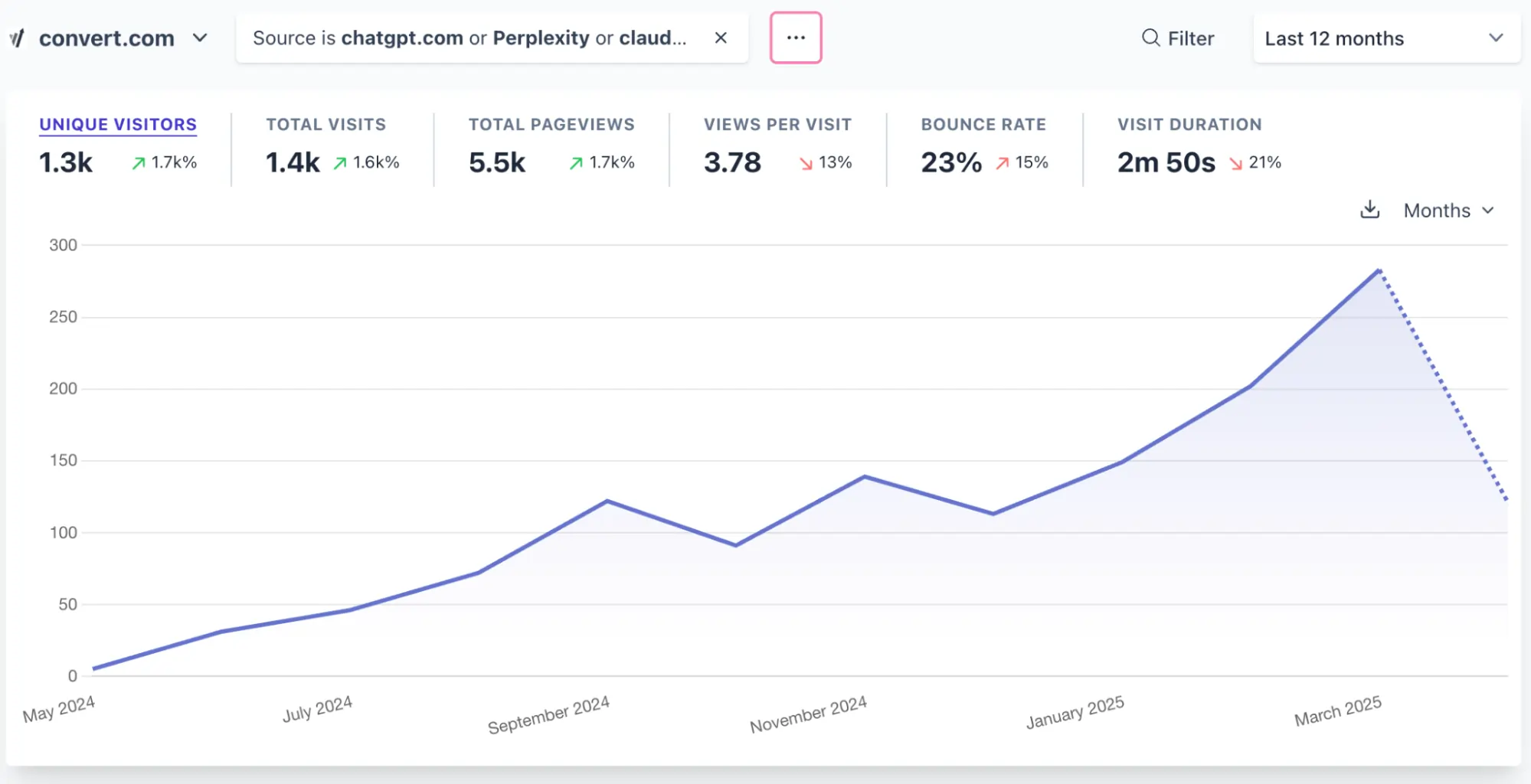
The digital landscape is currently undergoing its most significant transformation since the inception of the commercial search engine, as traditional Search Engine Optimization (SEO) begins to merge with and be challenged by AI Search Optimization (AISO), also known as Generative Engine Optimization (GEO). This shift is driven by the rapid adoption of large language models (LLMs) such as ChatGPT, Claude, and Gemini, which have increasingly become the primary gatekeepers of online discovery. Recent market analysis indicates that the paradigm of search is moving away from a simple list of hyperlinks toward a conversational, synthesis-based model. Data from Plausible Analytics revealed a staggering 2,200% increase in referral traffic from AI-powered sources in 2024 compared to previous years, signaling a permanent change in how consumers and B2B buyers interact with the internet.

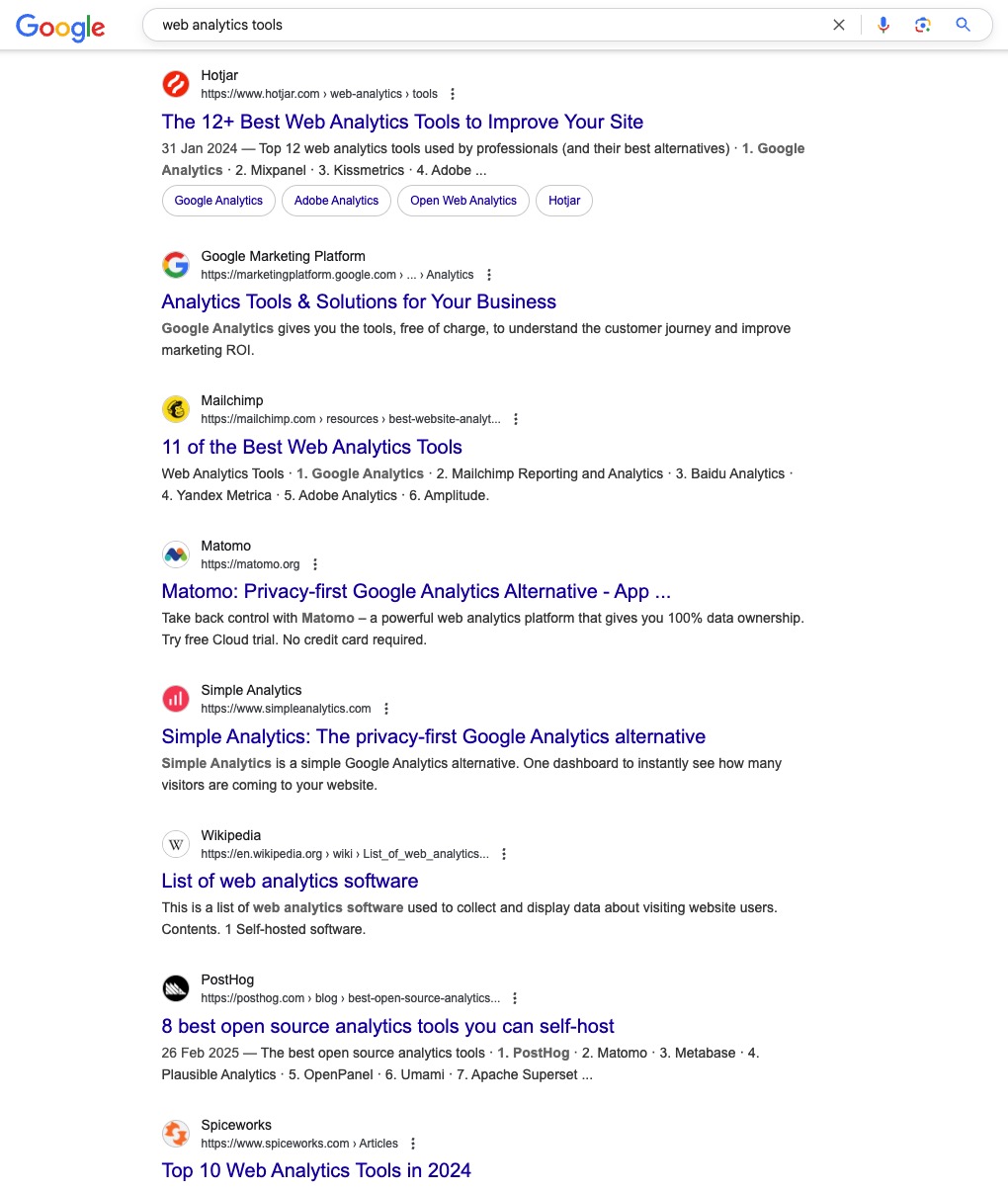
As artificial intelligence begins to surface answers and shape buyer journeys directly within its interfaces, the traditional dominance of Google’s "blue links" is being eroded. This evolution requires a fundamental rethinking of content strategy, moving beyond keyword density to focus on extractability, semantic relevance, and brand embedding across the vast datasets that these models consume.
The Mechanics of AI-Powered Search Engines
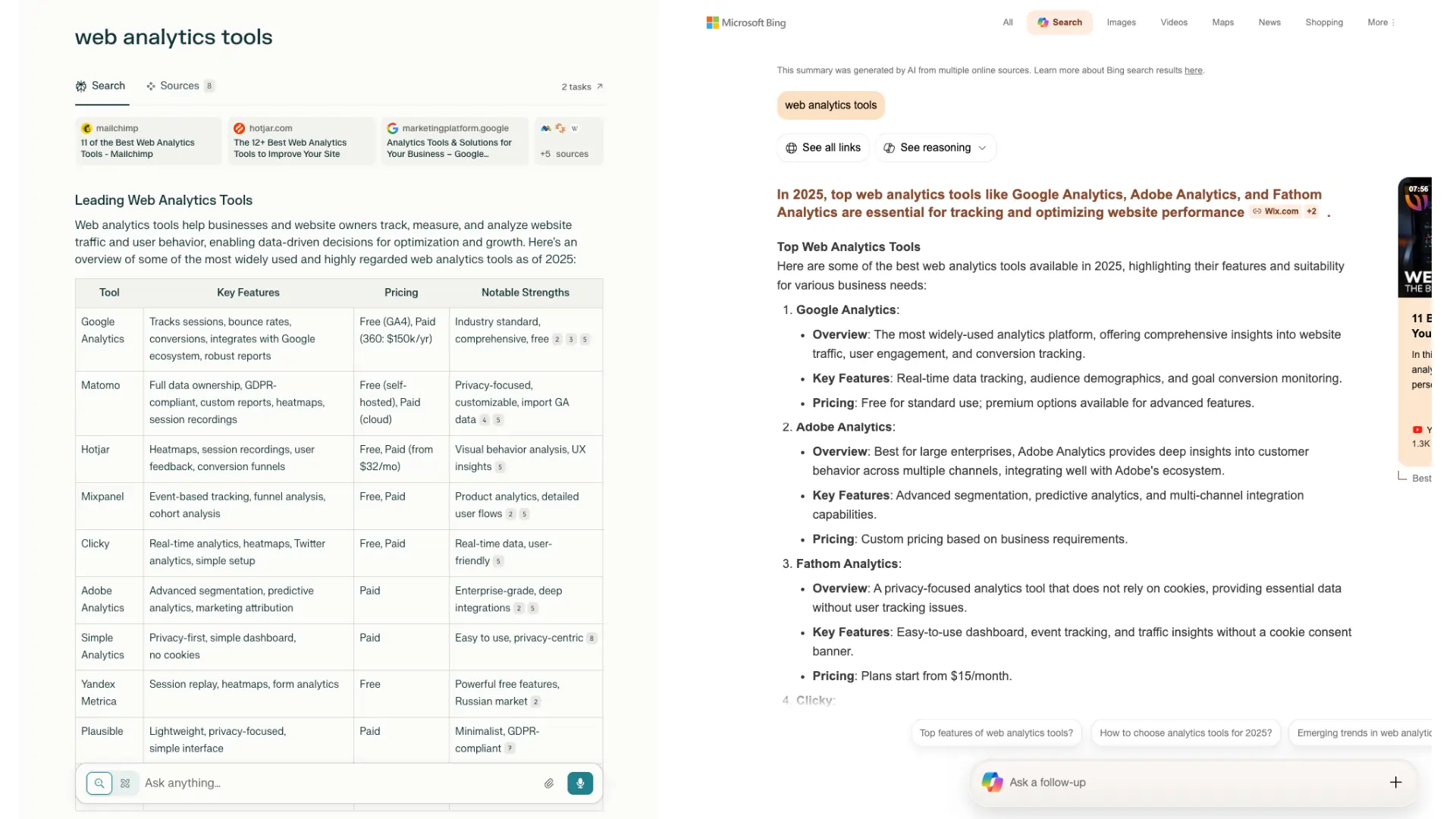
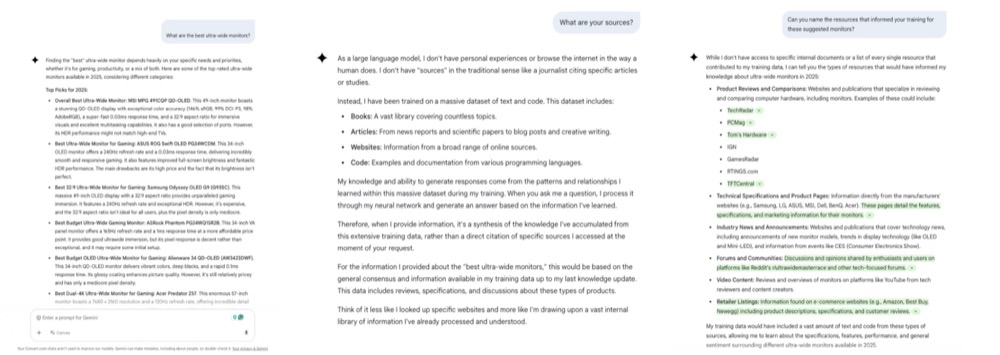
Unlike traditional search engines that rely on complex ranking algorithms to return a list of relevant websites, AI search engines function as synthesis layers. Platforms such as Perplexity AI, Microsoft Copilot, and ChatGPT Search utilize a combination of pre-trained data and real-time web crawling to generate direct responses to natural language queries.
Technical analysis reveals that these tools rely on two core pillars. The first is training data, which consists of massive datasets frozen at a specific point in time. The second is Retrieval-Augmented Generation (RAG), which allows the model to search the live web to fill gaps in its knowledge, particularly for recent developments or specific product queries. For instance, OpenAI’s "Sonic Classifier" determines whether a user’s prompt requires fresh data from the web or can be answered using existing model weights. This dual-source approach means that visibility in the AI era depends on being both part of the historical training set and accessible to real-time crawlers.
The Statistical Decline of Traditional Search Visibility
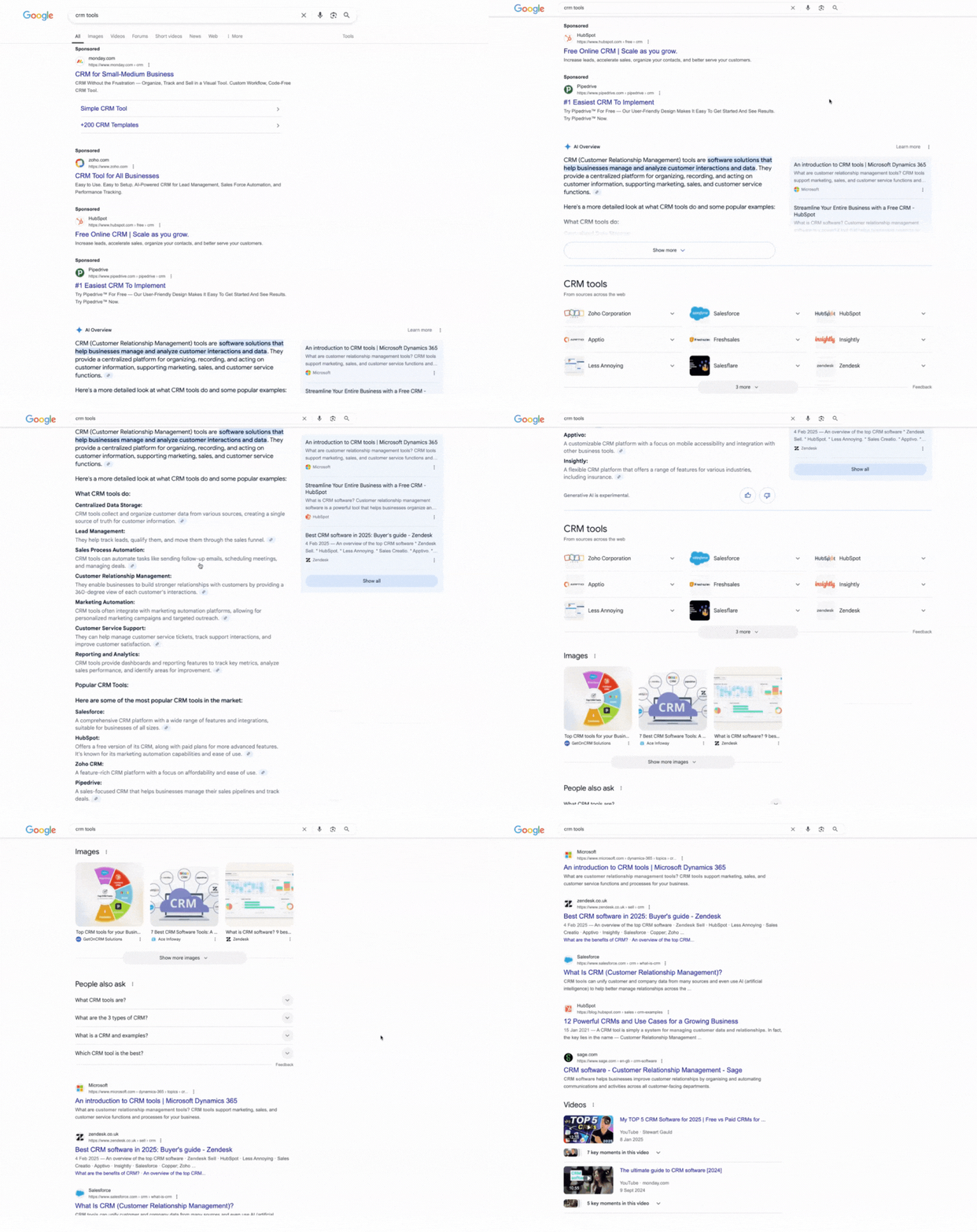
The impact of AI on traditional SEO is quantifiable and, for many digital marketers, alarming. The introduction of Google’s AI Overviews (AIO) has fundamentally altered the real estate of the Search Engine Results Page (SERP). According to a comprehensive 2025 analysis of 300,000 keywords, the presence of an AI Overview correlates with a 34.5% drop in the average click-through rate (CTR) for the top-ranked organic result. Subsequent data from early 2026 suggests this decline has deepened to as much as 58% for the number-one position.
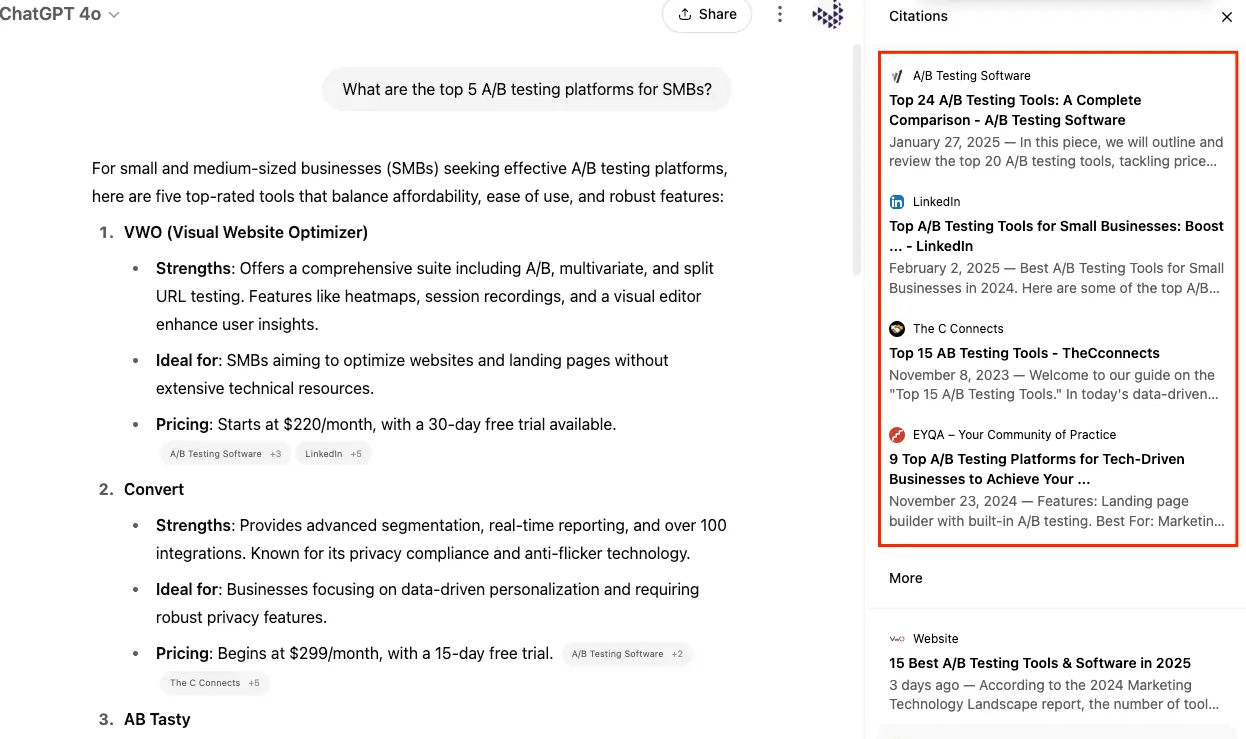
This "zero-click" phenomenon occurs because AI engines provide sufficient information within the search interface to satisfy the user’s intent, removing the necessity to click through to a source website. Furthermore, the correlation between ranking in the top 10 on Google and being cited in an AI summary is weakening. In mid-2025, approximately 76% of pages cited in AI Overviews also held a top-10 organic ranking; however, by early 2026, that figure plummeted to 38%. Industry experts suggest that AI models are increasingly citing niche, well-structured content that may not rank on the first page of Google but provides the specific, extractable data required to answer a granular sub-query.

The B2B Buyer Journey in the AI Era
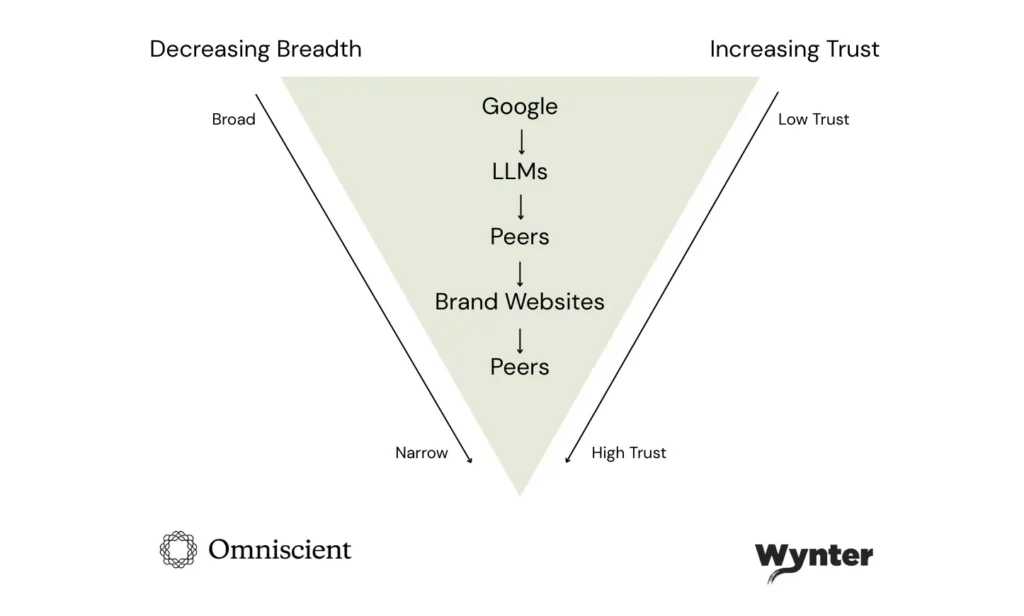
For B2B SaaS and enterprise sectors, the buyer journey has transformed into a complex validation loop. Research conducted by Omniscient Digital in partnership with Wynter surveyed 100 B2B decision-makers, finding that the journey typically follows a non-linear path: Google for broad discovery, LLMs for comparison and structuring, peer networks for trust validation, and finally vendor websites for technical specifics.
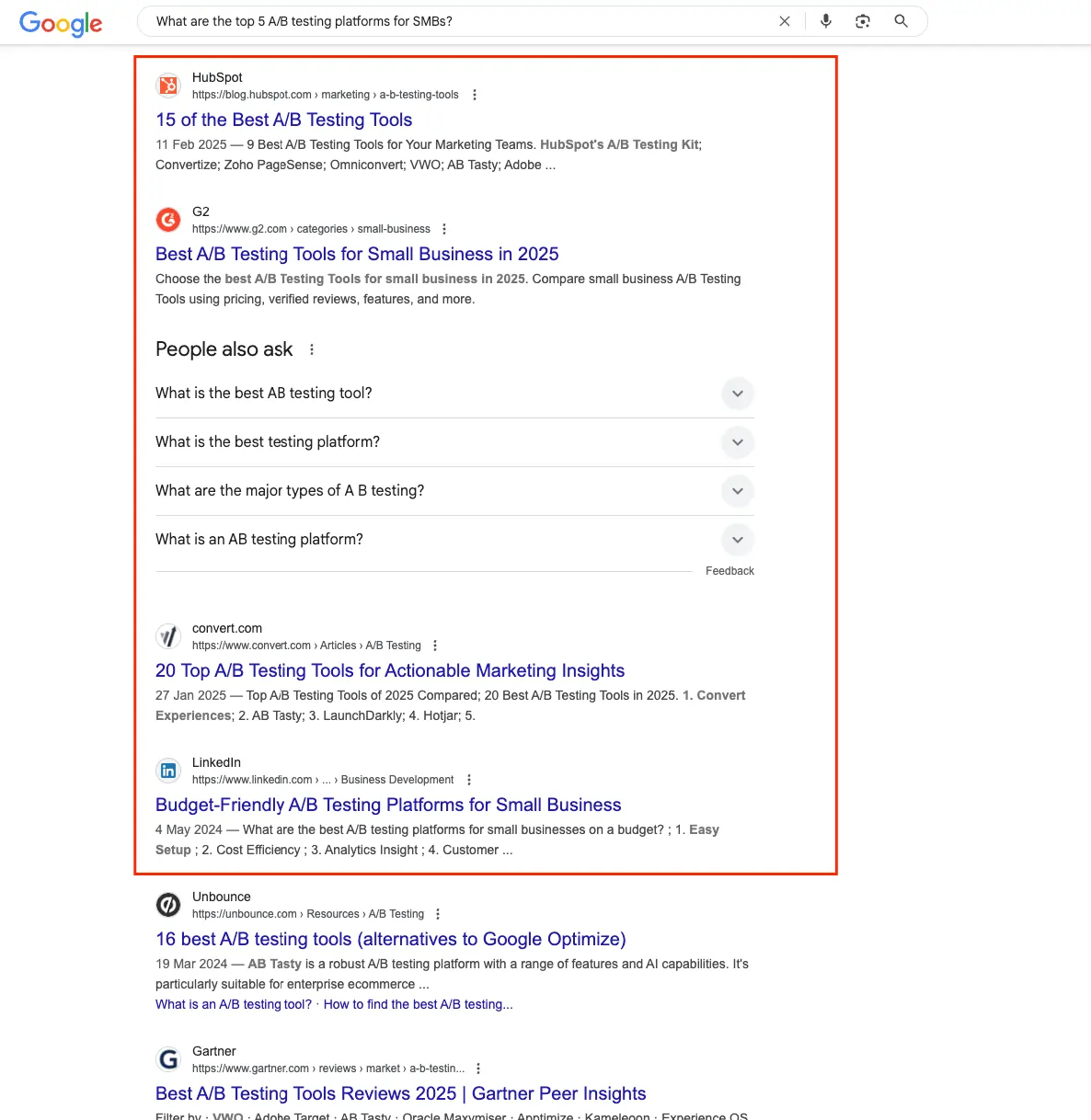
The study identified two primary modes of AI search behavior: "Landscape Mappers," who use AI to understand what solutions exist in a category, and "Solution Hunters," who use AI to vet specific features, integrations, and pricing. While buyers are increasingly using AI to build their initial shortlists, a significant trust gap remains. Approximately 85% of buyers still prioritize peer recommendations over AI-generated advice due to the perceived risk of "hallucinations" or outdated information. Consequently, an effective AISO strategy must ensure that a brand is not only cited by the AI but also possesses the third-party social proof—such as reviews on G2 or discussions on Reddit—necessary to survive the buyer’s validation phase.
Technical Requirements for AI Extractability
To be "discoverable" by an AI crawler, content must meet specific technical standards that differ from traditional SEO. Vector embeddings have emerged as a critical component of this technical shift. In AI terms, an embedding is a numerical representation of text that allows a model to understand semantic proximity. If a brand’s content is "semantically close" to the way users phrase their problems, it is more likely to be retrieved by the RAG pipeline.
Beyond embeddings, the following technical factors are now mandatory for AISO success:
- Structured Data and Schema Markup: AI tools utilize Article, Product, and FAQ schema to parse information accurately. Support documentation and help centers are frequently cited by AI for technical queries, making schema application in these areas vital.
- Crawl Accessibility: Site owners must ensure that bots like GPTBot (OpenAI) and CCBot (Common Crawl) are not blocked in the robots.txt file. Blocking these crawlers effectively renders a site invisible to the most popular AI interfaces.
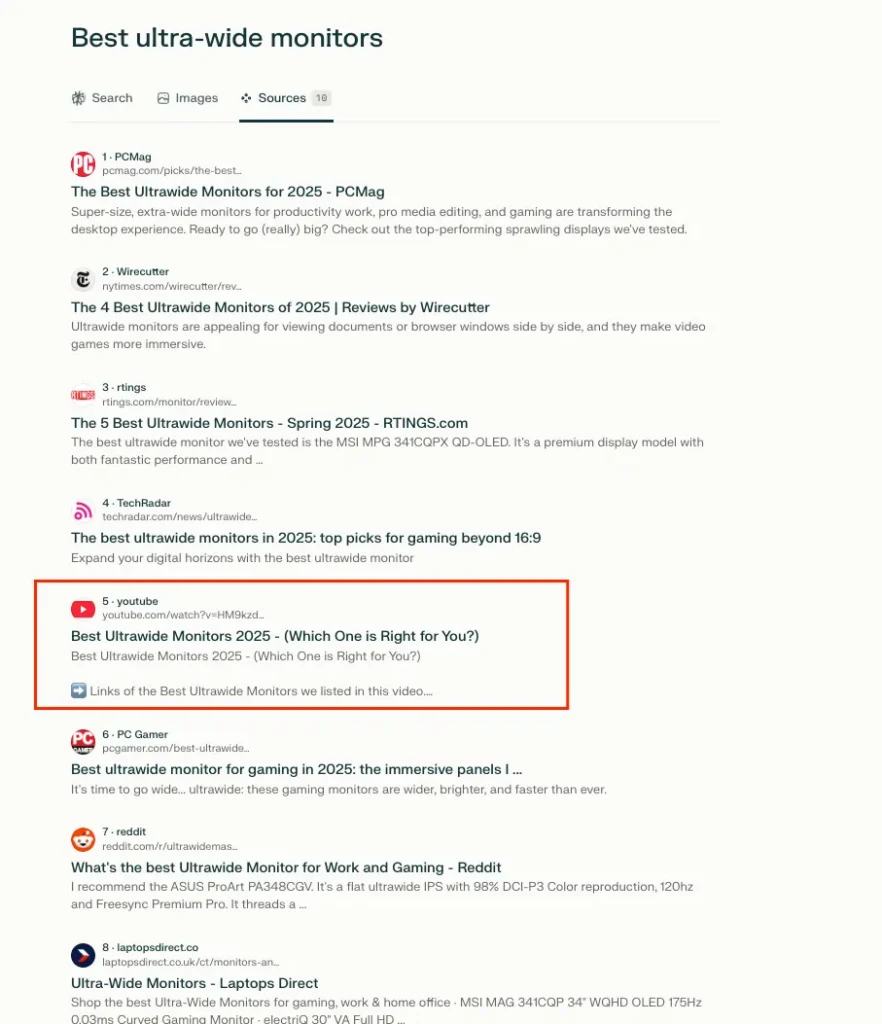
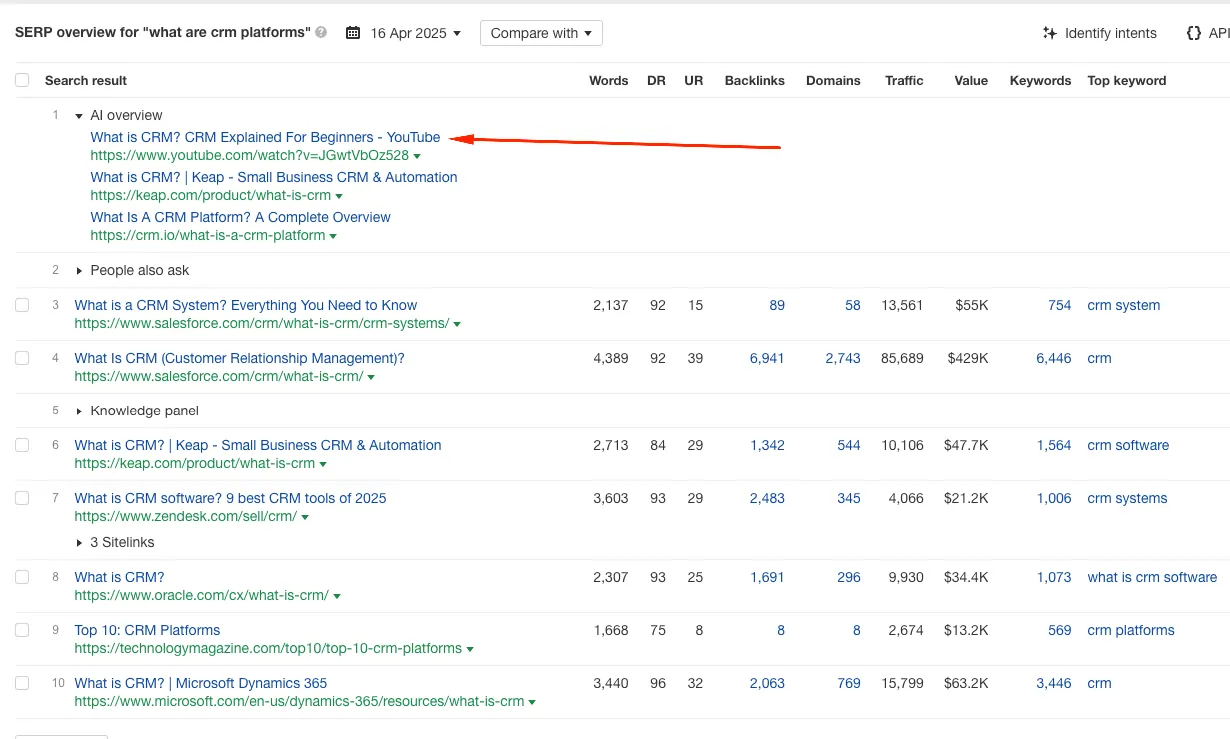
- YouTube Integration: Data indicates that YouTube is currently the most-cited domain in Google AI Overviews. Short, well-transcribed video tutorials often earn citations for informational queries where written blog posts fail to compete.
- E-E-A-T Signals: Experience, Expertise, Authoritativeness, and Trustworthiness (E-E-A-T) are used by AI to weigh the credibility of a source. Clear author bios, verified credentials, and consistent brand messaging across third-party platforms are essential for maintaining high citation confidence.
Strategies for Content Citability
Academic research, including the Princeton GEO study, has identified specific writing patterns that increase the likelihood of being cited by generative engines. The study found that content optimized for "extractability" can see a 30% to 40% increase in visibility.

The primary strategy for modern content creators is the "Direct Answer" model. Each section of an article should provide a direct response to a potential query within the first 40 to 60 words. This front-loading ensures that the AI, which is designed for energy efficiency, can quickly identify and extract the relevant fact. Furthermore, replacing qualitative descriptions with quantified statistics significantly boosts "entity density." For example, a statement such as "our software improves efficiency" is less likely to be cited than "our software reduced operational latency by 23% according to 2026 internal benchmarks."
Content must also be written to stand alone. If an AI requires three separate paragraphs to synthesize a single point, it is more likely to paraphrase the information without a citation or skip the source entirely. Each paragraph should be an independent unit of value.
Measuring Success: From Rank to Frequency
In a probabilistic system like an LLM, the concept of a stable "ranking" is obsolete. Research from SparkToro indicates that AI responses are highly inconsistent; the same prompt run ten times may yield ten different lists of recommended brands. Therefore, the primary metric for AISO success is "Appearance Frequency."
Marketers are now encouraged to track how often their brand appears across a statistically significant number of prompt runs. If a brand appears in 80% of ChatGPT queries regarding a specific niche, it is considered deeply embedded in the model’s topic associations. This requires a shift in reporting, moving away from Search Console positions toward automated tracking tools that run repeated queries across ChatGPT, Claude, and Perplexity to compute a "Share of Model" metric.
Broader Implications and the Future of Discovery
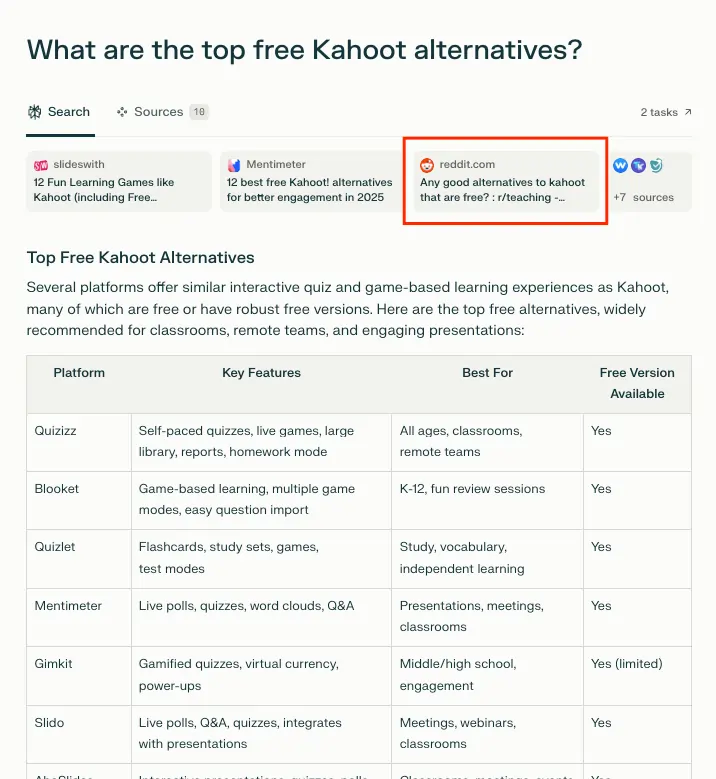
The rise of AISO represents a move toward a more fragmented and competitive search landscape. Unlike the Google-centric era, a single content strategy is no longer sufficient. ChatGPT favors news and editorial mentions; Perplexity prioritizes niche specialist sites and recent updates; and Google AI Overviews lean heavily on YouTube and Reddit.
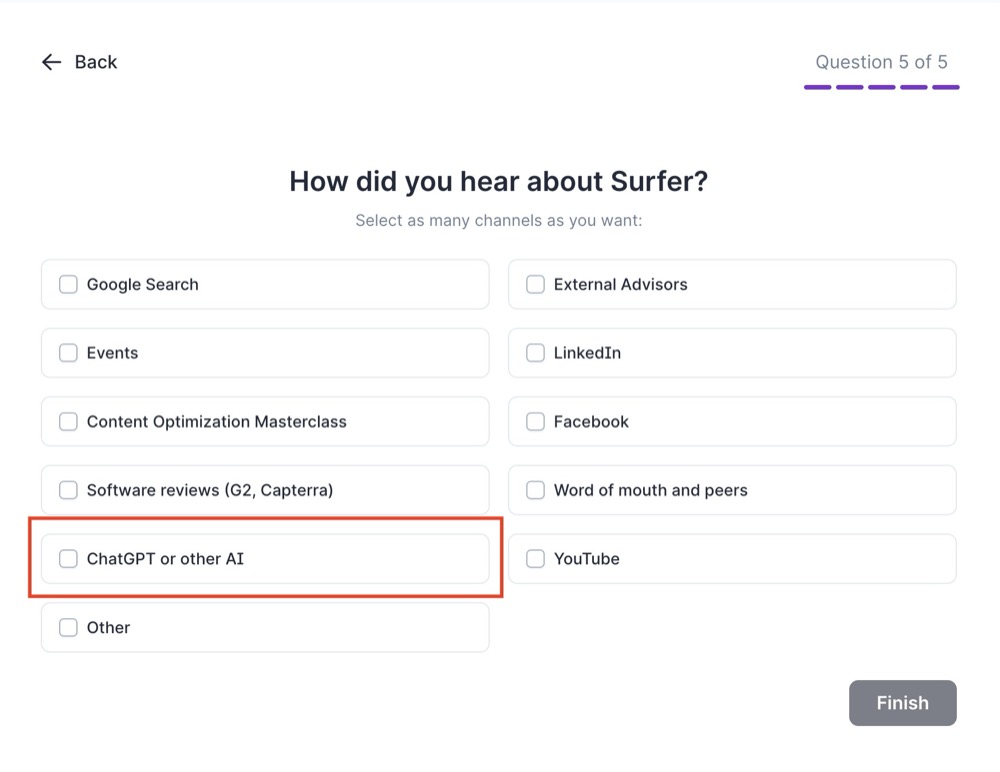
As AI search continues to evolve, the distinction between SEO, Public Relations, and Brand Marketing will continue to blur. To remain visible, brands must cultivate an "omnipresent" digital footprint. This involves securing mentions in authoritative niche publications, maintaining active and positive community engagement on forums, and ensuring that their own digital assets are technically optimized for the machines that now read them.
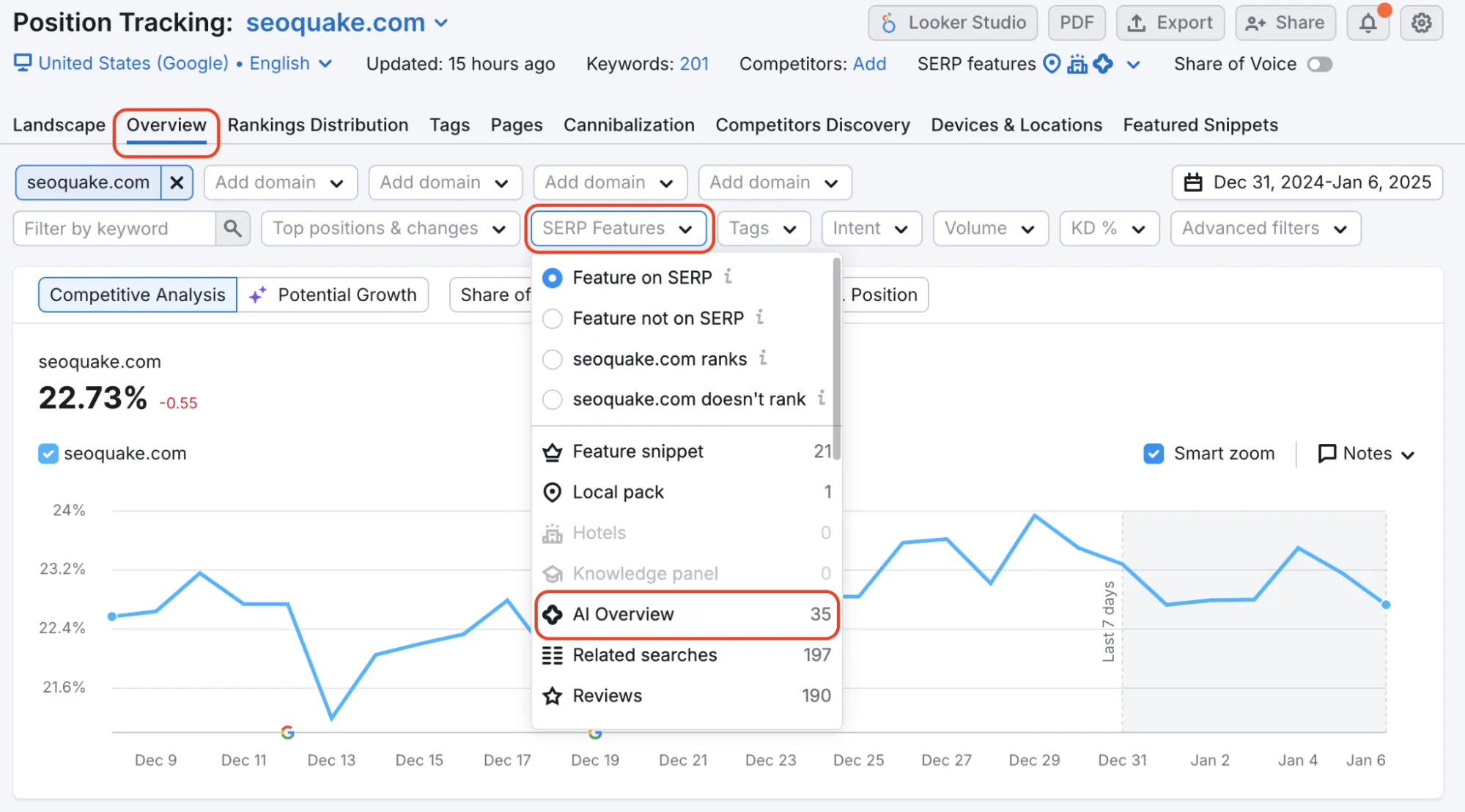
The transition to AI-centric discovery is not merely a technical update but a cultural shift in how information is consumed. Organizations that adapt by prioritizing extractable, authoritative, and semantically relevant content will capture the new wave of AI-driven traffic, while those clinging to the traditional link-based model risk becoming invisible in the age of synthesis. Success in this new era is defined not by being the first link on a page, but by being the most cited authority in the conversation.







