In the dynamic landscape of digital communication, where consumers are barraged by an unprecedented volume of information, the precise timing of email delivery has emerged as a critical determinant of marketing campaign success. For email marketers aiming to transcend the noise and capture audience attention, the perennial question – "What is the best time to send my newsletter?" – is more relevant than ever. The schedule chosen for email campaigns directly influences crucial metrics such as open rates and click-through rates (CTR), which are fundamental indicators of content resonance and campaign effectiveness. Navigating the myriad factors that influence these rates, from audience demographics to global time zones, is a complex but essential task for any astute marketer.
This analysis delves into key insights and actionable recommendations to optimize email marketing strategies, drawing upon extensive research and industry data. Understanding the nuances of when and how audiences engage with their inboxes is paramount to fostering meaningful connections and achieving desired campaign outcomes.
The Undeniable Impact of Email Send Times
The digital inbox is a fiercely competitive arena. An email’s position at the top of a recipient’s inbox significantly boosts its chances of being noticed and opened, underscoring the critical importance of strategic timing. While a common piece of advice suggests sending emails between 9 AM and 12 PM, this generalization often oversimplifies a multifaceted challenge. Modern email consumption habits are far more dynamic and require a nuanced approach.
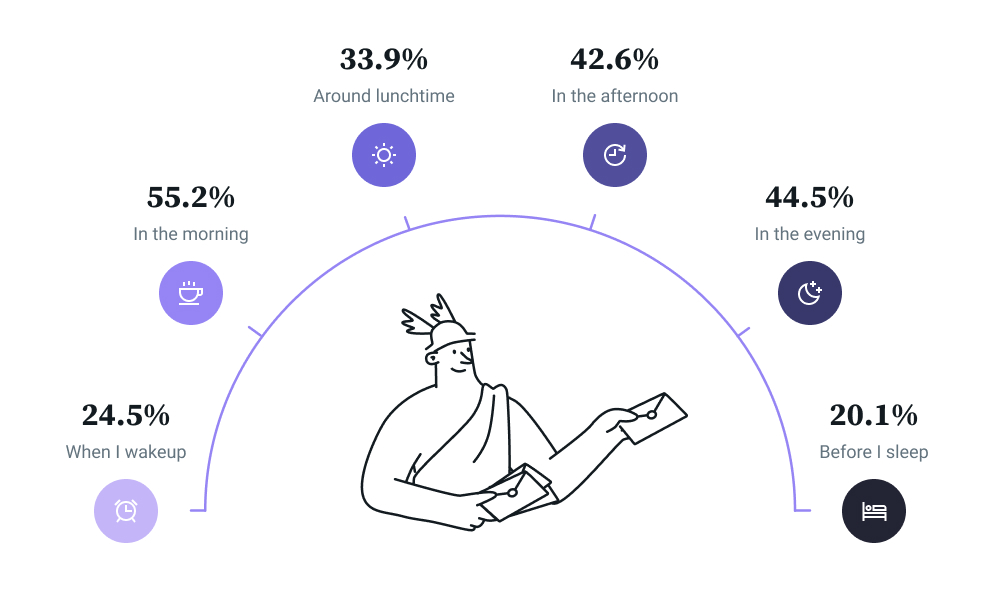
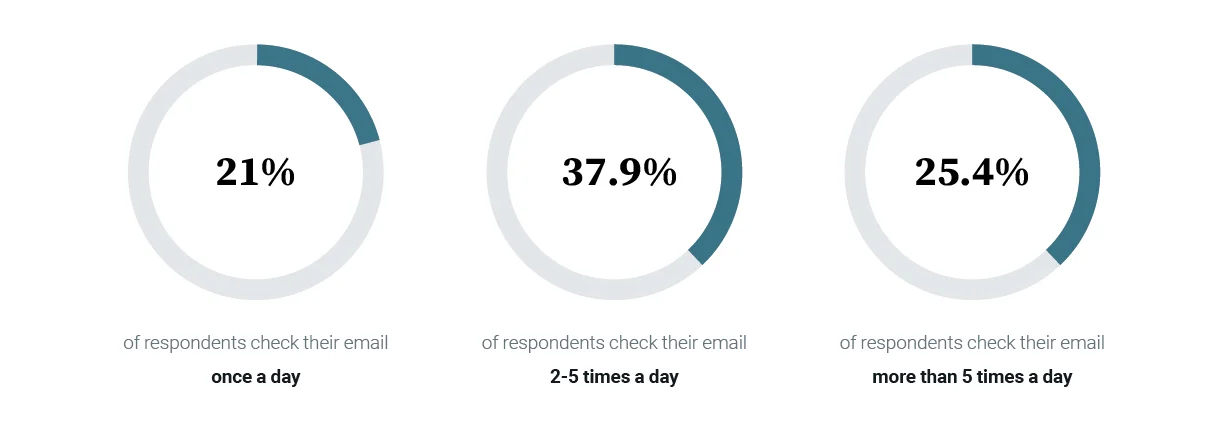
According to the comprehensive Email Engagement Report from Mailjet, a substantial 63.3% of users interact with their personal mailboxes at various points throughout the day. This data highlights that while people frequently check their emails, mere visibility does not equate to active engagement. The crucial distinction lies in a recipient’s capacity to act on an email’s content. An email opened during a hurried commute may receive a cursory glance, whereas the same email opened during a relaxed break could lead to a click-through or even a conversion. Therefore, aligning send times with periods of heightened recipient receptivity and availability for action is paramount for driving meaningful engagement.
Global Insights into Hourly Engagement
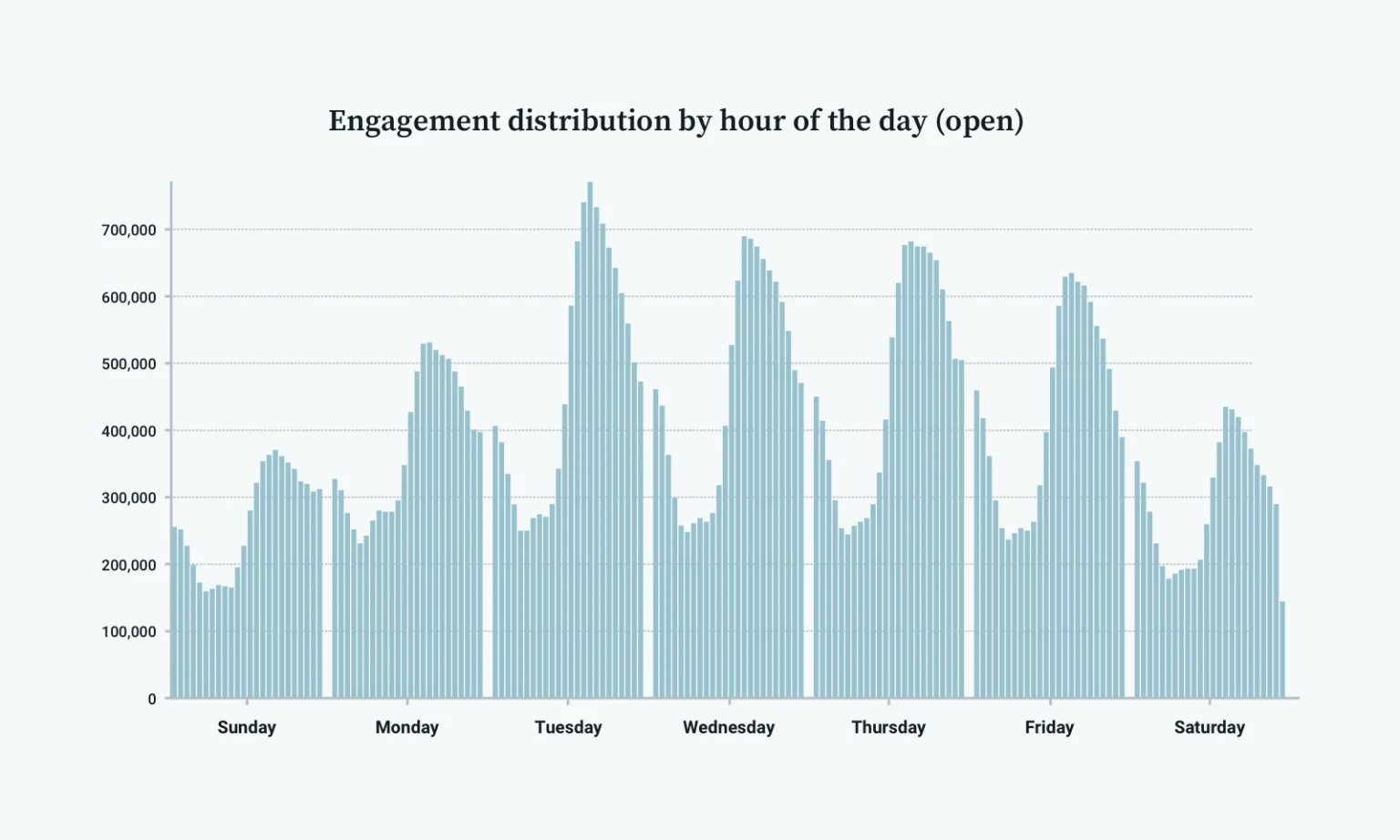
To move beyond anecdotal evidence, extensive research by Sinch Mailgun, leveraging billions of emails sent by its customers, provides a data-driven perspective on hourly engagement. The findings reveal a significant peak in email engagement, particularly in click-to-open ratios, around 15:00 UTC. This indicates that globally, a substantial portion of email opens and subsequent clicks occur during this specific hour.
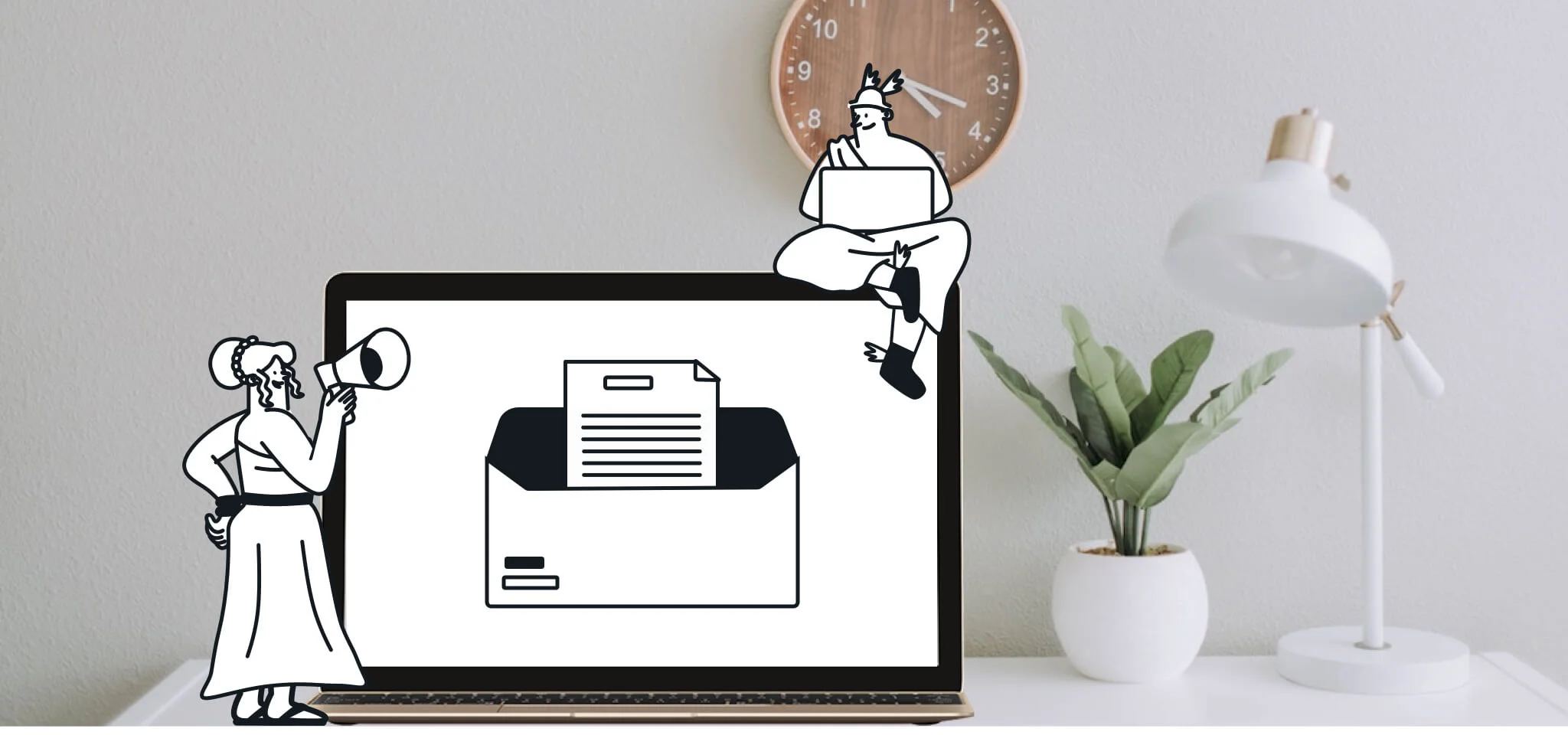
However, a direct application of 15:00 UTC without considering local time zones would be a critical oversight. Marketers must meticulously convert this universal time coordinated (UTC) benchmark to their target audience’s local time. For instance, during summer, 15:00 UTC translates to 11 AM for Eastern Standard Time (EST) in North America. This adjustment is vital for ensuring that emails land in inboxes during the optimal local window.
The hourly engagement data, visualized through comprehensive charts, consistently shows a build-up of activity in the late morning, peaking around midday, and gradually declining into the evening. This pattern suggests that recipients are most attentive and inclined to interact with marketing emails during typical work or active daytime hours, before the distractions of late afternoon tasks or evening leisure activities take precedence. The physiological and psychological rhythms of a typical day, often involving routine breaks and dedicated screen time, align with these observed engagement peaks. Mid-morning offers a window after initial work tasks are addressed but before the rush of the afternoon, while the post-lunch period can provide another opportunity for recipients to catch up on their digital communications.
Geographic and Cultural Nuances in Email Habits
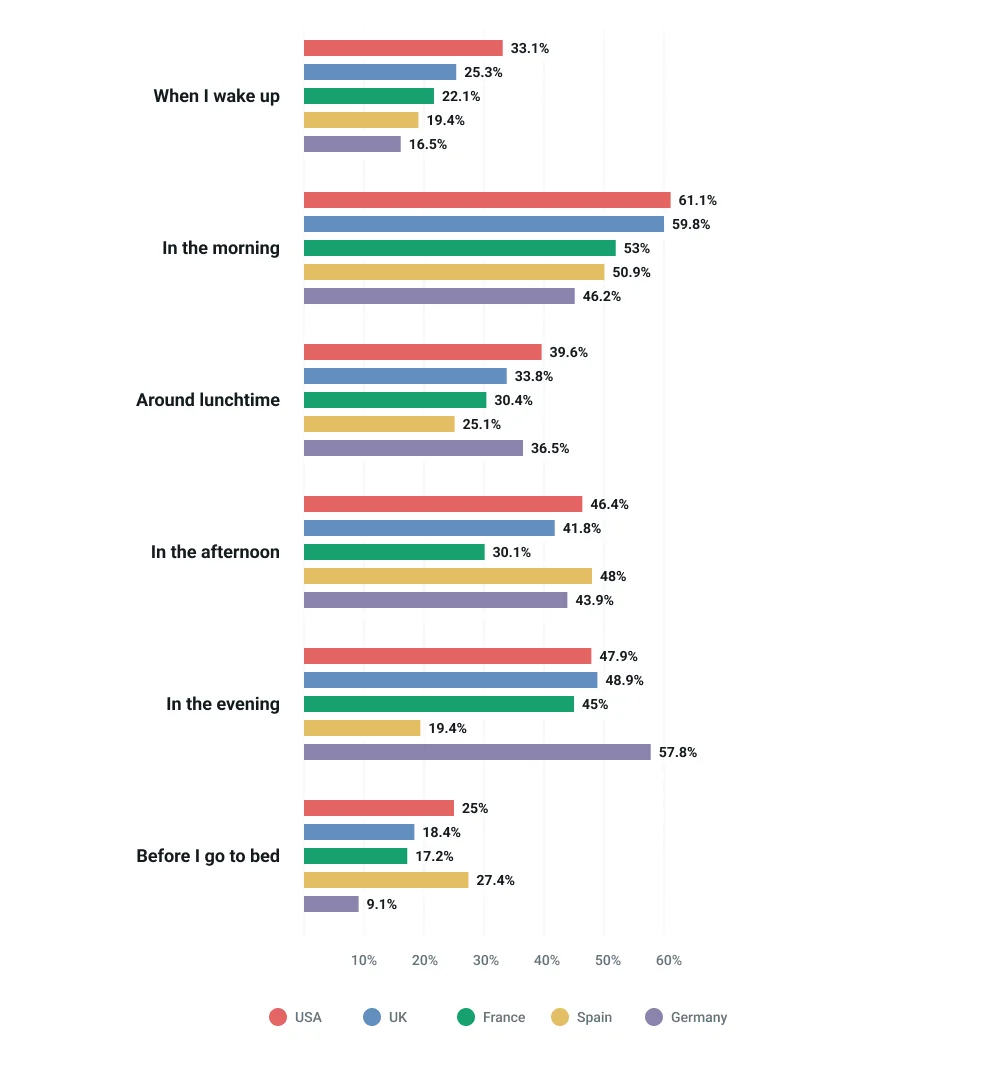
The global nature of email marketing necessitates a profound understanding of how different countries and cultures exhibit distinct email checking behaviors. The Email Engagement Report underscores fundamental differences that transcend a one-size-fits-all global timing strategy.
Consider the divergent habits observed between Germany and Spain. For German customers, early evening emerges as a prime window for engagement, with 57.8% opening emails at this time. In stark contrast, only 19.4% of Spanish recipients demonstrate similar behavior during the early evening. Conversely, a significant 27.4% of Spanish participants reported checking emails in the late evening, just before bed. This late-night engagement is considerably lower among Germans, with only 9.1% engaging during the same period.
These variations are not arbitrary; they reflect deeper cultural practices, daily routines, work-life balances, and even typical meal times. For example, countries with later dinner times might see later peaks in digital engagement. Similarly, cultures that prioritize disconnecting after work hours might show lower evening engagement for professional-related content but higher for leisure-oriented emails. The implications for international marketers are clear: blanket sending schedules across diverse geographic segments are highly inefficient. Instead, audience segmentation by geography and cultural habits is not merely a best practice but a strategic imperative. Tailoring send times to local customs ensures that messages arrive when recipients are most mentally available and culturally predisposed to engage with the content.
Deconstructing the Optimal Day of the Week
Beyond the hour, the day of the week plays an equally critical role in determining email campaign success. While general guidelines exist, the optimal day often hinges on the marketer’s specific context, particularly whether they operate in a Business-to-Business (B2B) or Business-to-Consumer (B2C) capacity, and the industry vertical they serve.
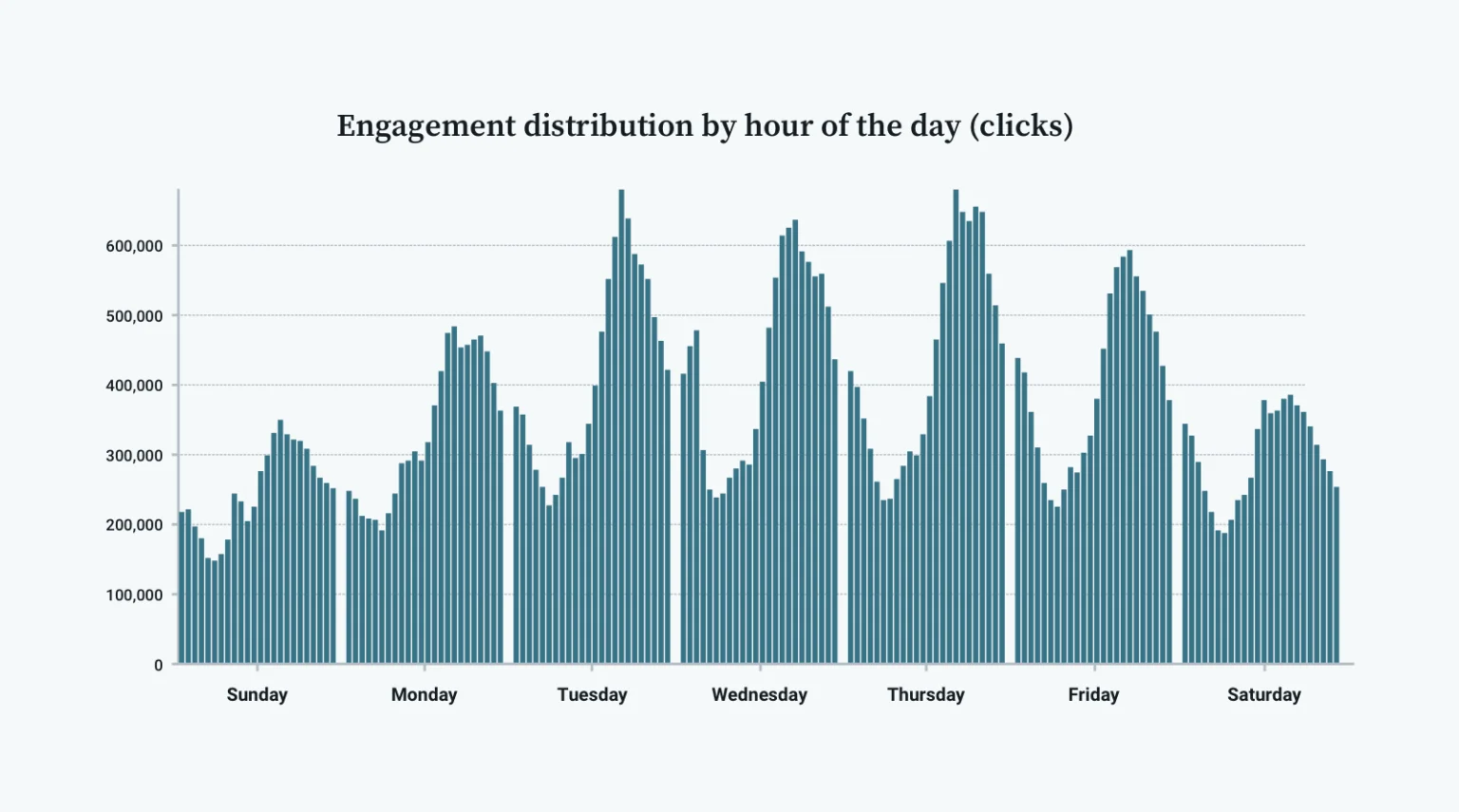
However, analysis from the Sinch Mailgun study reveals overarching trends regarding daily engagement:
The Best Day of the Week to Send Emails
Data consistently points to Tuesdays through Thursdays as the prime days for email engagement. This midweek window typically exhibits the highest open rates and campaign click rates. The rationale behind this trend is rooted in professional and personal routines. By Tuesday, individuals have generally settled into their work week, cleared Monday’s backlog, and are actively engaged but not yet overwhelmed by end-of-week pressures. This period often represents a sweet spot where recipients are both attentive and have the mental capacity to process new information or offers.
While Tuesdays and Thursdays show slightly higher individual engagement, Wednesday remains a strong contender. For marketers planning to send emails twice a week, a strategic combination of Tuesday and Thursday is often recommended. Sending on consecutive days, such as Tuesday and Wednesday or Wednesday and Thursday, risks overwhelming subscribers and potentially leading to decreased engagement or even unsubscribes due to perceived inbox clutter.
It is also worth noting that Fridays, while not leading in engagement, should not be entirely dismissed. As the week winds down, recipients might be more open to lighter, more leisure-oriented content. Furthermore, sending on a Friday could mean less competition in the inbox, potentially offering a unique opportunity to stand out if the content aligns with an end-of-week mindset.
The Worst Day of the Week to Send Emails
Research strongly indicates that Saturdays and Sundays are the least effective days for email engagement. Weekends are predominantly reserved for personal activities – socializing, family time, errands, and relaxation. Marketing emails are rarely a priority during these periods, leading to significantly lower open and click rates. The exception might be highly niche content directly related to weekend activities (e.g., event promotions, travel deals, hobby-related newsletters), but even then, careful testing is advised. As a general rule of thumb for most businesses, avoiding weekend sends is a wise strategy.
When comparing the traditionally less effective weekdays, Friday and Monday, research indicates a clear winner. Friday consistently outperforms Monday in both open and click-through rates. Mondays are often characterized by recipients sifting through weekend emails, prioritizing urgent tasks, and planning their week. This "catch-up" mentality makes them less receptive to new marketing messages. By Friday, while engagement might be slightly lower than midweek, recipients may be more relaxed and open to content that aligns with upcoming leisure or weekend planning, making it a more viable option than the often-turbulent start to the work week.
B2B vs. B2C: A Critical Segmentation
The distinction between B2B and B2C audiences is arguably one of the most critical factors influencing optimal email send times. Professionals interact with their business inboxes fundamentally differently than they do with personal ones. While some individuals meticulously check both throughout the day, others maintain strict boundaries, dedicating specific times for each. The Mailjet data showing that a large percentage of users check personal emails more than once a day further highlights this distinction, as business email checks might be more confined to working hours.
To pinpoint the most effective send times, marketers must ask themselves pertinent questions about their target audience:
- What is their typical workday schedule?
- Do they commute, and when?
- What type of content are they expecting (e.g., industry news, product promotions, transactional updates)?
- Are they likely to engage with work-related content during evenings or weekends?
- What devices do they primarily use to check emails (desktop during work, mobile during leisure)?
For B2B campaigns, the optimal window typically falls within standard business hours, generally mid-morning (e.g., 10 AM-12 PM) after the initial rush of urgent tasks, or mid-afternoon (e.g., 2 PM-4 PM) before the end-of-day wind-down. Content tends to be informative, problem-solving, or industry-specific, appealing to a professional mindset. Weekends and late evenings are generally ineffective for B2B as recipients are focused on personal time.
B2C campaigns, conversely, offer greater flexibility. Engagement can extend into evenings and potentially weekends, especially for content related to leisure, entertainment, personal finance, or weekend deals. Recipients in a B2C context are often in a more relaxed state, more open to promotional or lifestyle-oriented messages. However, even here, timing matters – an early morning email might catch a recipient during their commute, while a late evening email could be read during downtime before bed.
The psychological state of the recipient is key. B2B emails are consumed with a professional lens, seeking value that supports work objectives. B2C emails are often consumed with a personal lens, seeking entertainment, deals, or solutions for personal needs. Leveraging well-defined marketing personas becomes invaluable in understanding these divergent behaviors and crafting an email marketing strategy that aligns with the recipient’s context and mindset. The nuanced interplay of customer insights and rigorous testing is essential to establish benchmarks and discover the perfect moment for message delivery.
The Strategic Rationale: Why Timing Matters Beyond Metrics
The effort invested in crafting compelling email content—powerful copy, catchy subject lines, and clear calls-to-action (CTAs)—can be entirely undermined if the email fails to reach its audience at an opportune moment. The strategic importance of email sending time extends far beyond simply boosting open and click rates; it profoundly impacts overall campaign efficacy and brand perception.
Enhancing Visibility and Engagement
As previously established, the crowded nature of modern inboxes means that emails at the top are significantly more likely to be seen. Timely delivery ensures that an email has a higher chance of appearing prominently when a subscriber first checks their inbox, leading to higher open rates. Increased opens naturally pave the way for greater engagement with the content, resulting in more clicks on CTAs.
Improving Deliverability and Sender Reputation
Consistent engagement signals to Internet Service Providers (ISPs) that a sender’s emails are valued and relevant. When emails are opened and clicked regularly, it positively impacts the sender’s reputation, improving overall deliverability rates and reducing the likelihood of emails landing in spam folders. Conversely, sending emails at suboptimal times can lead to low engagement, which ISPs might interpret as a sign of irrelevant or unwanted content, potentially harming future deliverability.
Driving Conversions and ROI
Ultimately, email marketing aims to drive specific actions, whether it’s a purchase, a download, a registration, or a lead generation. A perfectly timed email can capitalize on a recipient’s immediate need or interest, leading to higher conversion rates. For instance, a flash sale announcement timed during a lunch break when recipients are browsing could yield significantly better results than one sent during peak work hours. This direct link to conversion makes optimal timing a critical factor in maximizing Return on Investment (ROI) for email campaigns.
Fostering Positive Brand Perception
Sending emails at relevant and considerate times demonstrates respect for the recipient’s schedule and preferences. This thoughtful approach contributes to a positive brand image, reinforcing professionalism and reliability. Conversely, consistently sending emails at inconvenient times can be perceived as intrusive or annoying, potentially eroding trust and leading to unsubscribes.
The profound truth encapsulated in the Email Engagement Report highlights this point perfectly: "86.4% of respondents say having time to read an email is an important factor in determining whether to open it." This statistic underscores that mere presence in the inbox is insufficient; the recipient must also possess the mental bandwidth and allocated time to engage. By understanding customer behavior, habits, and time zones, marketers can strategically deploy their campaigns to ensure their message is not only seen but also acted upon, when email subscribers are most ready to engage.
A Systematic Approach to Determining Optimal Send Times
Given the multifaceted nature of email engagement, there is no universal "best time." Instead, determining the optimal send time is an ongoing, data-driven process unique to each business, its customers, and its objectives. Factors such as age, habits, content type, and geographical location all significantly impact open and click rates.
Step 1: Leverage Existing Data and Analytics
The first and most accessible step is to delve into the treasure chest of time-related data already available within your Email Service Provider’s (ESP) statistics dashboard. This internal data offers invaluable insights into your specific audience’s behavior. Marketers should analyze past campaign performance, identifying the days and hours that have historically yielded the highest open rates, click-through rates, and ultimately, conversions. Many ESPs, like Mailjet, provide detailed hourly and daily breakdowns of engagement, allowing marketers to visualize exactly when their audience is most active. This empirical data from your own subscribers is often more valuable than generic industry benchmarks.
Step 2: Implement Granular Audience Segmentation
Beyond broad geographical segmentation, further refine your audience segments based on demographics, behavioral patterns, and purchasing history. For example, younger audiences might engage more with mobile-friendly emails in the evenings, while professionals might prefer desktop-oriented content during work hours. Customers who frequently purchase during sales events might respond better to promotional emails timed around those events. The more precisely segmented your audience, the more accurately you can tailor not just content, but also send times, to their specific preferences and habits.
Step 3: Embrace A/B Testing as a Core Strategy
A/B testing is the cornerstone of optimizing email send times. It involves sending variations of a campaign to different segments of your list to determine which performs best. For send time optimization, this could mean:
- Time-of-day testing: Send the same newsletter to half your list at 10 AM and the other half at 2 PM.
- Day-of-week testing: Over several weeks, send your weekly newsletter on different days (e.g., Week 1: Tuesday, Week 2: Wednesday, Week 3: Thursday).
- Segment-specific testing: Test different optimal times for different geographical or demographic segments within your list.
The key is to conduct these tests systematically, analyze the results meticulously, and iterate based on the findings. Treat it like a scientific experiment, forming a hypothesis, testing it, and drawing conclusions to inform future campaigns. Modern ESPs often provide robust A/B testing features, making this process streamlined and efficient.
Step 4: Prioritize Consistency with Strategic Flexibility
For regular communications like weekly newsletters or recurring promotional emails, consistency is paramount. Sending on the same day and at the same time each week builds anticipation and trust, allowing your audience to integrate your content into their routine. Subscribers come to expect your emails, making them more likely to open them when they arrive.
However, consistency should not equate to rigidity. During holidays, special events, or unforeseen circumstances, it is always preferable to adapt your sending schedule to ensure higher engagement, rather than rigidly adhering to a suboptimal time. For example, a holiday promotion might perform better in the late evening when people are relaxing, even if your usual optimal time is mid-morning. Strategic flexibility, guided by real-time data and an understanding of contextual factors, is crucial for maximizing reach and impact.
The Role of Advanced Email Marketing Platforms
Navigating the complexities of optimal email sending times is significantly streamlined with the aid of advanced email marketing services. Platforms like Mailjet offer a comprehensive suite of features designed to empower marketers in creating, delivering, and meticulously tracking their email campaigns.
With intuitive tools such as an easy-to-use Email Editor and a diverse library of responsive email templates, marketers can rapidly design engaging newsletters. Beyond content creation, these platforms provide critical functionalities that directly support send time optimization:
- Segmentation: Enables marketers to divide their audience into granular groups based on various criteria, allowing for highly targeted send times.
- A/B Testing: Facilitates systematic experimentation with different send times and days to identify peak performance windows for specific segments.
- Campaign Comparison: Offers tools to benchmark the performance of various campaigns against each other, providing insights into which timing strategies yield the best results.
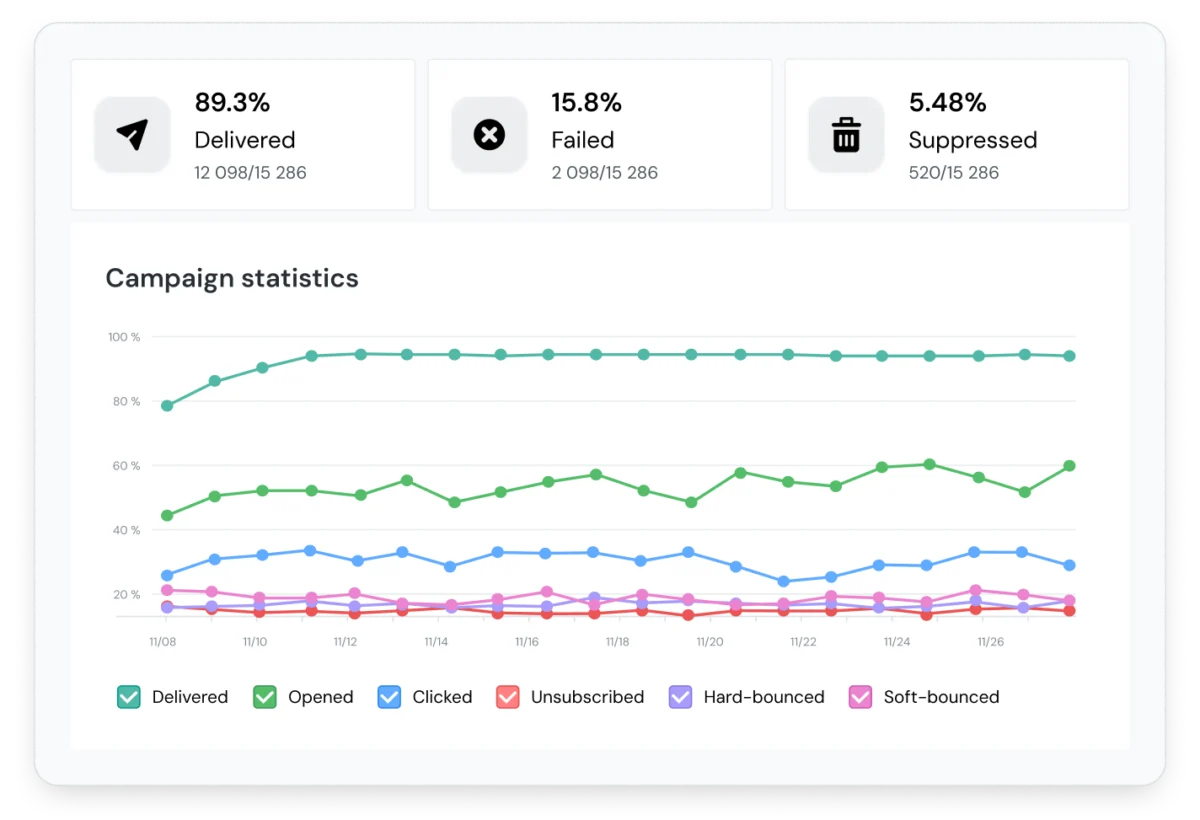
- Email Statistics and Tracking Tools: Provides detailed analytics on open rates, click-through rates, conversions, and other key metrics, offering the data necessary for continuous optimization.
These integrated features empower marketers to move beyond guesswork and implement a data-driven approach to their email marketing strategy. By leveraging these tools, businesses can gain profound insights into customer behavior, continually refine their sending schedules, and ultimately enhance the overall effectiveness and ROI of their digital marketing efforts. The future of email timing also points towards more sophisticated solutions, with artificial intelligence and machine learning increasingly being utilized to predict individual recipient preferences and dynamically optimize send times for each subscriber, ensuring unparalleled personalization and engagement.
Conclusion
In the nuanced world of email marketing, the quest for the "perfect" send time is less about finding a universal answer and more about discovering the optimal moment for your specific audience. There is no single, one-size-fits-all solution; instead, the ideal schedule is a dynamic interplay of your business model, the unique characteristics of your customers, the nature and volume of emails you send, and your overarching marketing objectives.
Effective email marketing in 2025 and beyond hinges on a continuous cycle of data analysis, strategic segmentation, rigorous A/B testing, and adaptive execution. By leveraging the analytical capabilities of modern email platforms, understanding global and cultural nuances, and respecting the distinct behavioral patterns of B2B versus B2C audiences, marketers can transform their email timing from a mere scheduling task into a powerful strategic advantage. Ultimately, aligning your email delivery with your subscribers’ most receptive moments is a cornerstone of building stronger customer relationships, driving higher engagement, and achieving measurable business success in the competitive digital landscape.


 Ammar Sabilarrohman
 Asro
Asro