AWeber, a long-standing provider of email marketing and automation solutions, has officially launched advanced AI image editing features, dramatically transforming how users can create and optimize visual content for their marketing campaigns. This significant enhancement, initially integrated into the AI Signup Form Builder as of June 30, 2026, promises to empower businesses and individual marketers with unparalleled flexibility and efficiency in image manipulation, moving beyond traditional constraints of photography and graphic design. The company has also announced plans to extend these capabilities to its AI Landing Page Builder and AI Email Builder in the near future, solidifying its commitment to an AI-driven marketing ecosystem.
The Dawn of Dynamic Visuals: A New Era for Marketing Creative
The core innovation lies in the ability to transform a single product shot or existing image into a myriad of visual iterations through simple text prompts. This means marketers can now adapt their visuals to suit any specific campaign, audience segment, or promotional moment without the need for costly reshoots, extensive graphic design work, or reliance on generic stock photography. The introduction of these tools marks a pivotal moment in democratizing sophisticated image editing, making it accessible to users regardless of their technical design proficiency.
Historically, the creation of compelling visual assets has been a bottleneck for many small and medium-sized businesses (SMBs), often requiring significant investment in professional photography, design software, and skilled personnel. AWeber’s new AI capabilities aim to dismantle these barriers, enabling users to generate high-quality, customized visuals with unprecedented speed and ease. This development aligns with a broader industry trend where artificial intelligence is increasingly being leveraged to streamline creative processes, enhance personalization, and improve the overall efficiency of digital marketing efforts.
Key Capabilities and Their Strategic Implications
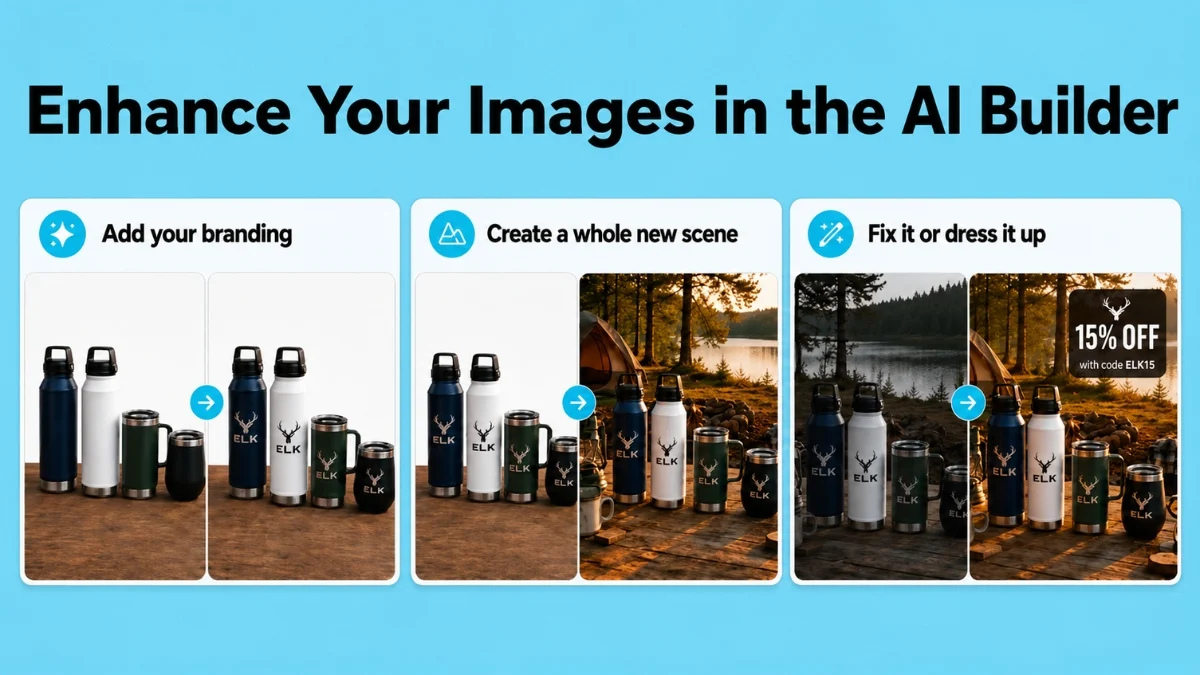
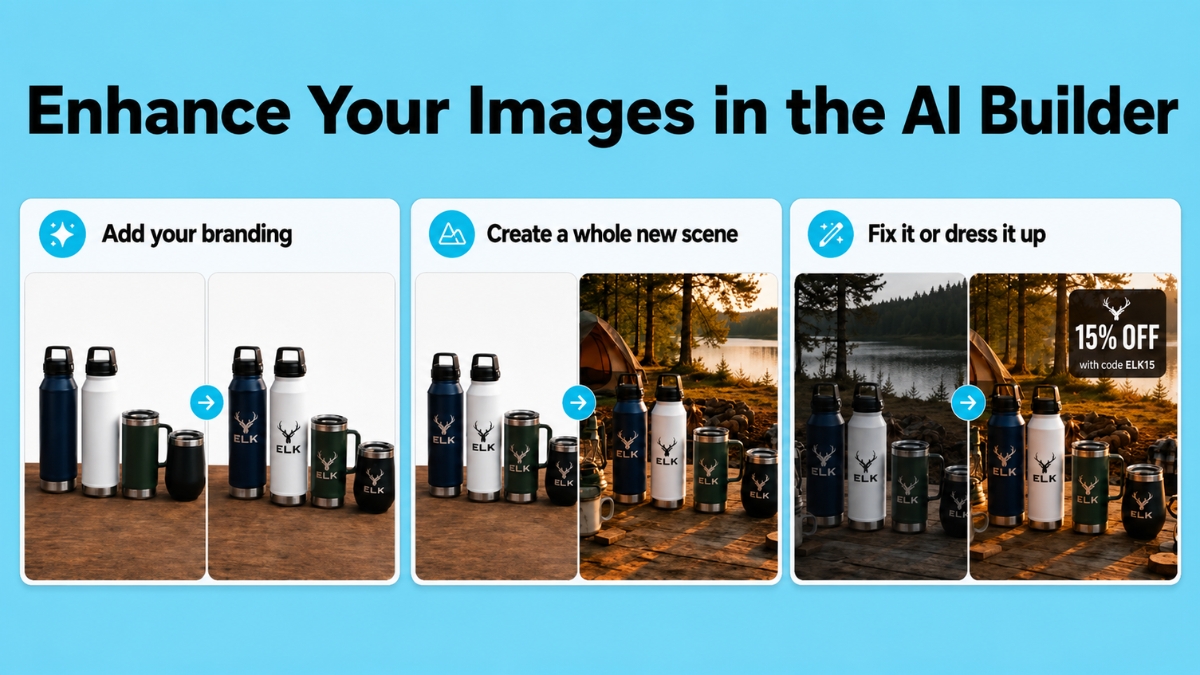
AWeber’s AI image editing suite offers several transformative features, each designed to address common pain points in marketing visual creation:
1. Seamless Branding Integration:
One of the most persistent challenges for marketers utilizing stock photos or basic product shots is the absence of integrated branding. With AWeber’s AI, users can now describe the desired placement and style of their logo or brand elements, and the AI will seamlessly incorporate them into the image. This eliminates the need for manual overlaying, ensuring brand consistency and professionalism across all visual assets. For businesses striving to build strong brand recognition, this feature is invaluable, allowing for instant customization of visuals to reflect their unique identity. This capability is particularly impactful for e-commerce ventures and service providers who frequently rely on visually rich content to convey their brand message and product value.
2. Dynamic Scene Generation and Contextualization:
The ability to place a product into any described scene, irrespective of its original photographic environment, represents a monumental leap forward. A plain studio shot of a product can now be instantly transformed into a lifestyle image depicting it in a relevant context—be it on a bustling kitchen counter, nestled in a serene campsite, or integrated into a modern desk setup. This feature allows marketers to tell a richer story around their products, showcasing their utility and aspirational value in diverse scenarios. Studies consistently show that contextualized product images significantly boost engagement and conversion rates compared to isolated product shots. By enabling marketers to rapidly generate scene-specific visuals, AWeber is empowering them to create more resonant and persuasive marketing collateral. This also opens avenues for A/B testing different lifestyle images to determine which resonates most effectively with target audiences.
3. Effortless Image Correction and Refinement:
Minor imperfections in photographs—such as suboptimal lighting, cluttered backgrounds, or awkward cropping—often necessitate expensive re-shoots or extensive post-production editing. AWeber’s AI addresses these issues directly. Users can simply describe the desired fix, and the AI will execute the changes, correcting lighting, decluttering backgrounds, or adjusting composition. This functionality saves considerable time and resources, ensuring that every visual asset deployed is of the highest quality without requiring specialized graphic design skills. The AI’s capacity to intelligently interpret and implement these fixes democratizes professional-grade photo editing, making it accessible to a broader user base.
4. Integrated, Stylized Text Overlays:
Adding promotional codes, calls-to-action, or headlines to images often results in static, unintegrated text that detracts from the visual appeal. AWeber’s AI allows for the generation of text overlays that are styled to match the aesthetic of the image itself, rather than merely being superimposed. This means the text becomes an organic part of the visual narrative, enhancing its impact and professional finish. Whether it’s a limited-time offer or a key message, the AI ensures that the text complements the image seamlessly, improving readability and overall design coherence. This feature is crucial for creating compelling banner ads, social media posts, and promotional graphics that capture attention and drive action.
A crucial aspect of this new functionality is its commitment to non-destructive editing. Each AI-generated edit is saved as a new file, while the original image remains untouched in the user’s library. This ensures that marketers can experiment freely with different directions and iterations without fear of losing their initial asset, fostering a culture of rapid prototyping and creative exploration.
The Mechanics: Prompt-Driven Creativity
The operational simplicity of AWeber’s AI image editing is a cornerstone of its appeal. The process involves two primary steps:
- Image Upload: Users begin by adding an existing image to the AI Signup Form Builder.
- Text Prompt: They then describe the desired change in natural language. The efficacy of the AI’s output is directly correlated with the specificity and clarity of the prompt. For instance, instead of a vague "make it better," a prompt like "Add a minimalist, silver logo ‘MyBrand’ to the top right corner" or "Place the coffee mug on a rustic wooden desk with a laptop and warm natural light" yields superior results. This emphasis on precise prompting guides users towards achieving their exact creative vision.
Beyond Editing: Generating from Scratch
Complementing its image editing capabilities, AWeber also offers a feature that allows users to bypass existing photos entirely and generate brand-new images from scratch. By simply describing the desired visual, the AI constructs an image based on the text prompt. This "Image Generate" function is invaluable for marketers who require unique visuals but lack original photography or wish to explore entirely new creative concepts without sourcing external images. This capacity further broadens the scope of visual content creation, offering an end-to-end solution from concept to execution within the AWeber platform.
AWeber’s Strategic Positioning in the AI-Driven Marketing Landscape
AWeber’s move to integrate advanced AI image editing is not an isolated development but rather a strategic response to the evolving demands of digital marketing and the broader technological shifts within the industry. Established in 1998, AWeber has a long history of serving small businesses and entrepreneurs, providing tools to simplify email marketing. Its pivot towards AI-powered solutions, including the earlier introduction of the AI Signup Form Builder and plans for AI-driven landing pages and emails, demonstrates a clear vision for remaining competitive and relevant in an increasingly AI-saturated market.
The global market for AI in marketing is projected to grow substantially, with reports indicating a compound annual growth rate exceeding 25% in the coming years. This growth is driven by the recognized benefits of AI in enhancing personalization, automating routine tasks, improving analytical insights, and—critically—streamlining content creation. Competitors like Mailchimp, Constant Contact, and HubSpot have also been incorporating AI into their platforms, focusing on areas like content generation, audience segmentation, and predictive analytics. AWeber’s focus on visual content creation with AI provides a distinct value proposition, addressing a crucial creative need for its user base.
Implications for Marketers and the Future of Creative Production
The rollout of AWeber’s AI image editing has profound implications for individual marketers and businesses alike:
- Democratization of Design: The most significant impact is the democratization of high-quality visual design. Marketers who previously lacked the budget for professional designers or the skills for complex software can now produce visually stunning content with minimal effort. This levels the playing field, allowing small businesses to compete more effectively with larger enterprises in terms of visual branding and campaign aesthetics.
- Accelerated Content Production: The ability to rapidly generate and modify images drastically reduces the time required for content creation. This agility allows marketers to respond quickly to market trends, launch timely promotions, and maintain a consistent flow of fresh, engaging content across various channels. The iterative nature of AI editing, where multiple versions can be generated and tested swiftly, fosters a more dynamic and responsive marketing strategy.
- Cost Efficiency: By minimizing the reliance on external photographers, graphic designers, and expensive design software licenses, businesses can realize significant cost savings. This efficiency directly impacts the marketing budget, allowing resources to be reallocated to other critical areas such as advertising spend or market research.
- Enhanced Personalization at Scale: AI-driven image editing facilitates the creation of highly specific and personalized visual content. Marketers can tailor images to different audience segments, geographic locations, or individual preferences, leading to more relevant and impactful campaigns. For example, a travel company could generate images of the same destination tailored to adventure seekers versus luxury travelers, all from a single base image.
- Focus on Strategy Over Execution: With the more laborious aspects of image creation handled by AI, marketers can dedicate more time and energy to strategic thinking, campaign planning, and audience analysis. This shift elevates the role of the marketer from a tactical implementer to a strategic visionary.
Expert and Company Perspectives
While AWeber has not yet released specific statements beyond the initial announcement, the implications are clear. A hypothetical statement from a senior AWeber executive might emphasize the company’s commitment to empowering its users. "At AWeber, our mission has always been to simplify marketing for entrepreneurs and small businesses," a fictional Dave Stys, AWeber’s Head of Product Innovation, might state. "The launch of our AI image editing capabilities is a testament to this enduring commitment. We understand the critical role visuals play in captivating audiences and driving conversions. By integrating cutting-edge AI directly into our platform, we are not just offering a tool; we are providing a creative partner that enables our users to produce professional-grade visuals with unprecedented ease and speed, ensuring their brand stands out in a crowded digital landscape."
Industry analysts are likely to view this as a strategic necessity. "The integration of advanced AI into marketing platforms like AWeber is no longer a luxury, but a fundamental requirement for staying competitive," remarked a hypothetical Dr. Eleanor Vance, a leading analyst in marketing technology. "Visual content drives engagement, and the ability to rapidly customize, enhance, and generate images through AI democratizes a capability once reserved for large agencies. This move by AWeber empowers small businesses with the creative agility they need to thrive in a visually-driven digital economy, reducing both time-to-market and production costs for high-quality content."
Looking Ahead: The Future Roadmap
The current availability of AI image editing within the AI Signup Form Builder is merely the first step. AWeber’s explicit roadmap includes extending these powerful features to the AI Landing Page Builder and AI Email Builder. This phased rollout indicates a strategic approach to integrating AI across its entire suite of marketing tools, creating a cohesive and intelligently augmented platform. When fully implemented, marketers will be able to leverage these AI capabilities seamlessly across their entire customer journey, from initial lead capture forms to compelling landing pages and personalized email campaigns.
The rapid advancements in generative AI and image processing suggest that future iterations could include even more sophisticated functionalities, such as automated visual content recommendations based on campaign performance, advanced object manipulation, or even video generation from static images. AWeber’s current offering positions it at the forefront of this evolution, promising a future where visual marketing is more accessible, dynamic, and effective than ever before.
In conclusion, AWeber’s introduction of AI image editing marks a significant milestone in the evolution of marketing technology. By transforming the arduous process of visual content creation into a simple, prompt-driven task, AWeber is empowering marketers of all skill levels to produce high-quality, branded, and contextualized visuals efficiently and cost-effectively. This development not only strengthens AWeber’s position in the competitive marketing automation landscape but also sets a new standard for creative agility and accessibility in the digital age.