

To achieve unparalleled success during Shopify Black Friday, merchants must look beyond mere discounts, embracing a comprehensive strategy that optimizes every facet of their online store, refreshes marketing tactics, and leverages intelligent automation for seamless customer engagement. This proactive approach is crucial for capturing a significant share of the immense demand concentrated over the Black Friday Cyber Monday (BFCM) weekend.
The E-commerce Phenomenon: A Brief History of BFCM’s Rise
Black Friday, traditionally the day after Thanksgiving in the United States, marked the informal start of the holiday shopping season. Its name is often attributed to retailers moving "into the black" (profitability) during this period. Over decades, it evolved from a single day of in-store doorbuster deals into a multi-day retail extravaganza, profoundly impacting consumer spending habits globally. The advent of the internet birthed Cyber Monday, specifically designed to encourage online shopping, and together, they formed the BFCM weekend, a critical revenue window for e-commerce businesses worldwide. This shift from physical queues to digital carts has intensified competition, making sophisticated online strategies indispensable.
Shopify’s Dominance in the BFCM Landscape
Shopify, a leading e-commerce platform, has become a pivotal player in facilitating this digital shopping surge. Its robust infrastructure empowers millions of independent businesses to compete with retail giants. The platform’s ecosystem provides the tools necessary for merchants to launch, manage, and scale their online stores effectively. The sheer volume of transactions processed through Shopify during BFCM underscores its significance.
- Record-Breaking Sales and Global Reach: In a testament to its growing influence, Shopify merchants collectively generated a staggering $14.6 billion in sales over the BFCM weekend, marking a substantial 27% increase from the previous year. This impressive figure reflects not only the expanding reach of e-commerce but also the growing entrepreneurial spirit facilitated by platforms like Shopify. With over 81 million customers actively browsing Shopify stores, the opportunity for merchants is immense, yet it is accompanied by fierce competition. This environment necessitates a meticulously planned Black Friday strategy to cut through the noise and convert browsing into buying. As Evaldas Mockus, VP of Growth at Omnisend, aptly comments, "Black Friday concentrates massive demand into one day. You’ll handle more orders, customer questions, and inventory decisions in 24 hours than in most weeks. Preparation determines whether you capture or lose those sales." This expert insight highlights the high stakes and the critical role of readiness.
Strategic Imperatives for Shopify Merchants: Beyond the Discount
While attractive discounts remain a cornerstone of Black Friday, sustained success hinges on a multi-faceted approach that engages customers at every touchpoint. For 2026, the focus must be on creating a seamless, personalized, and urgent shopping experience.
-
Building a Pre-Sale Momentum: List Growth and Teasers
The foundation of a successful BFCM campaign is a robust and engaged audience list. Weeks, if not months, before Black Friday commences, merchants should prioritize building their email and SMS subscriber lists. Strategies include employing dynamic sign-up forms, exit-intent pop-ups offering pre-sale insights or discounts, and interactive elements like spin-to-win wheels that provide a chance to win prizes or exclusive deals.
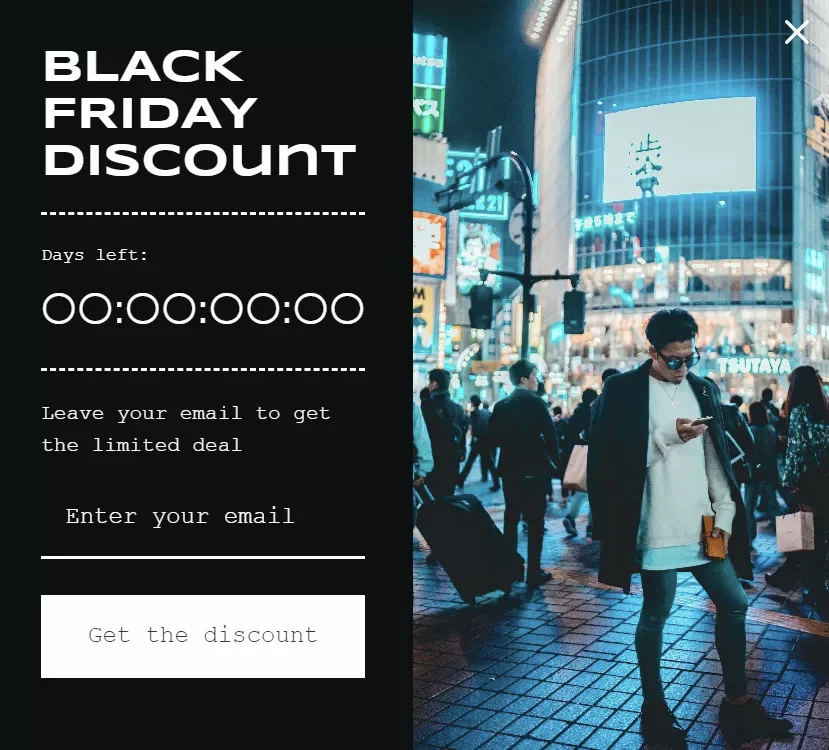
Early-access campaigns are particularly potent. Framing these as VIP treatments, rather than just another promotion, cultivates a sense of exclusivity and rewards loyalty. For instance, a pop-up offering a limited-time Black Friday discount in exchange for an email address effectively captures leads. A "warmed-up" list—subscribers who already recognize and trust your brand—consistently outperforms cold advertising, yielding higher conversion rates. October and early November are prime times for list building, utilizing lead magnets such as curated gift guides, sneak peeks of upcoming sales, or tiered discounts based on sign-up timing. Experimenting with various pop-up triggers and offers, such as size guides for product page leavers or percentage discounts for homepage visitors, can optimize list growth. Furthermore, leveraging pre-designed Black Friday templates simplifies the creation of visually appealing forms and emails, even for those without extensive design experience. This proactive list-building ensures that when Black Friday arrives, merchants control the timing, message, and audience, bypassing expensive ad space competition.Following list cultivation, teaser campaigns are vital for building anticipation. Starting two weeks out, merchants should strategically release pre-sale messages, sharing sneak peeks of featured products or hinting at discount levels without fully revealing them. Brands like Happi Choc effectively use a sneak peek approach, encouraging customers to "keep an eye out" for upcoming chocolate offers. For high-spending customers, a VIP teaser series offering exclusive shopping windows before public sales can significantly enhance their experience and loyalty. Integrating urgency elements, such as countdown timers in emails or explicit messages like "Early access ends in 12 hours," can create a powerful fear of missing out (FOMO). Merchants should also emphasize limited stock of popular products, ideally showing real-time inventory numbers to foster genuine scarcity. Segmenting the audience by past purchases or preferences—sending new arrival updates to fashion buyers and product specifications to tech enthusiasts—ensures that teaser content is highly relevant and engaging.
-
Automated Engagement: Capturing Every Opportunity
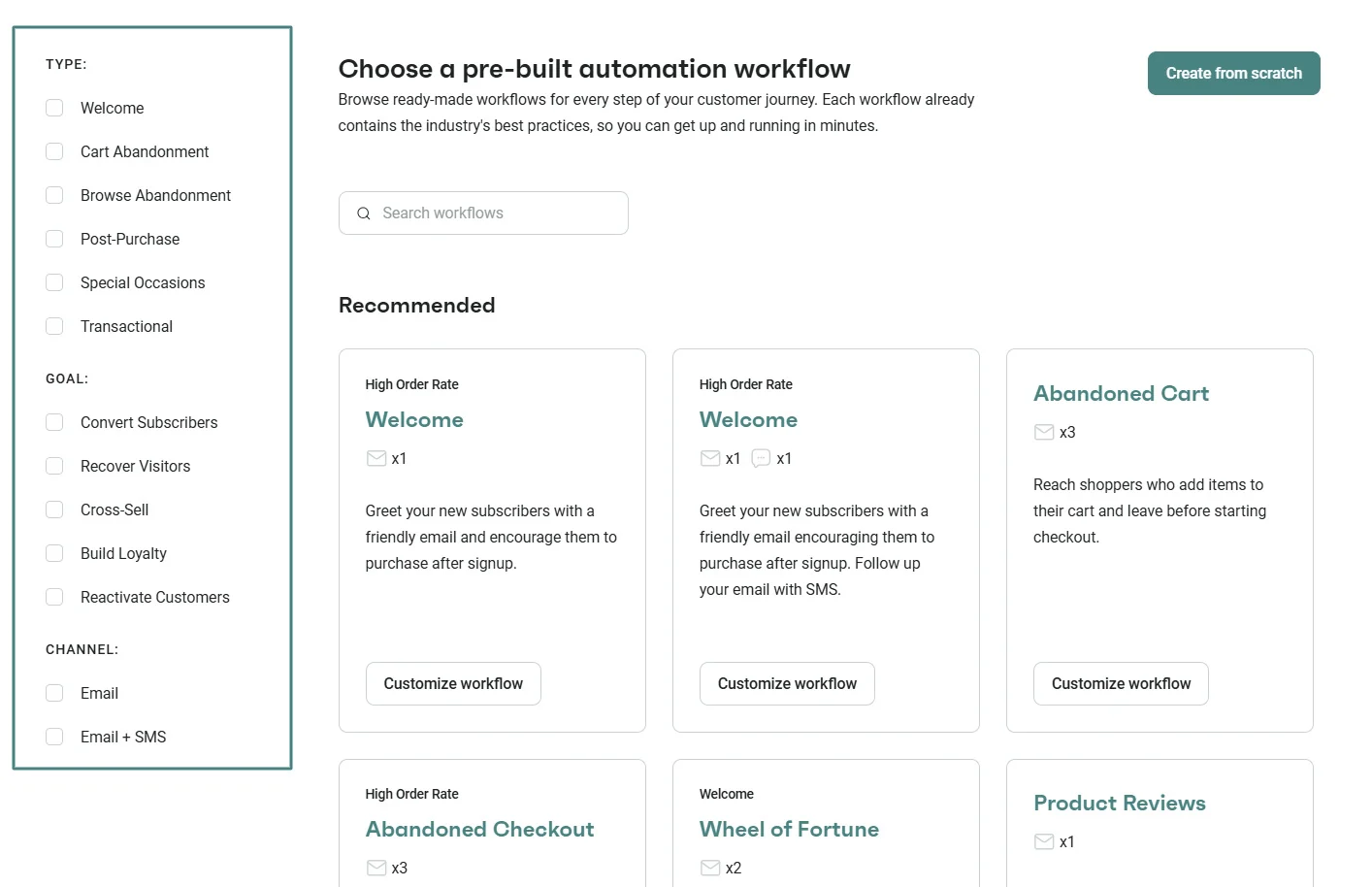
In the frenetic pace of BFCM, automation becomes an indispensable ally. Pre-configuring automated flows to recover lost sales is paramount. An effective abandoned cart sequence typically comprises a three-email series: a gentle reminder, an urgency message highlighting limited stock or time, and a final last-chance discount. Platforms like Omnisend offer pre-built automation workflows, allowing merchants to quickly implement these sequences tailored to specific customer journeys.
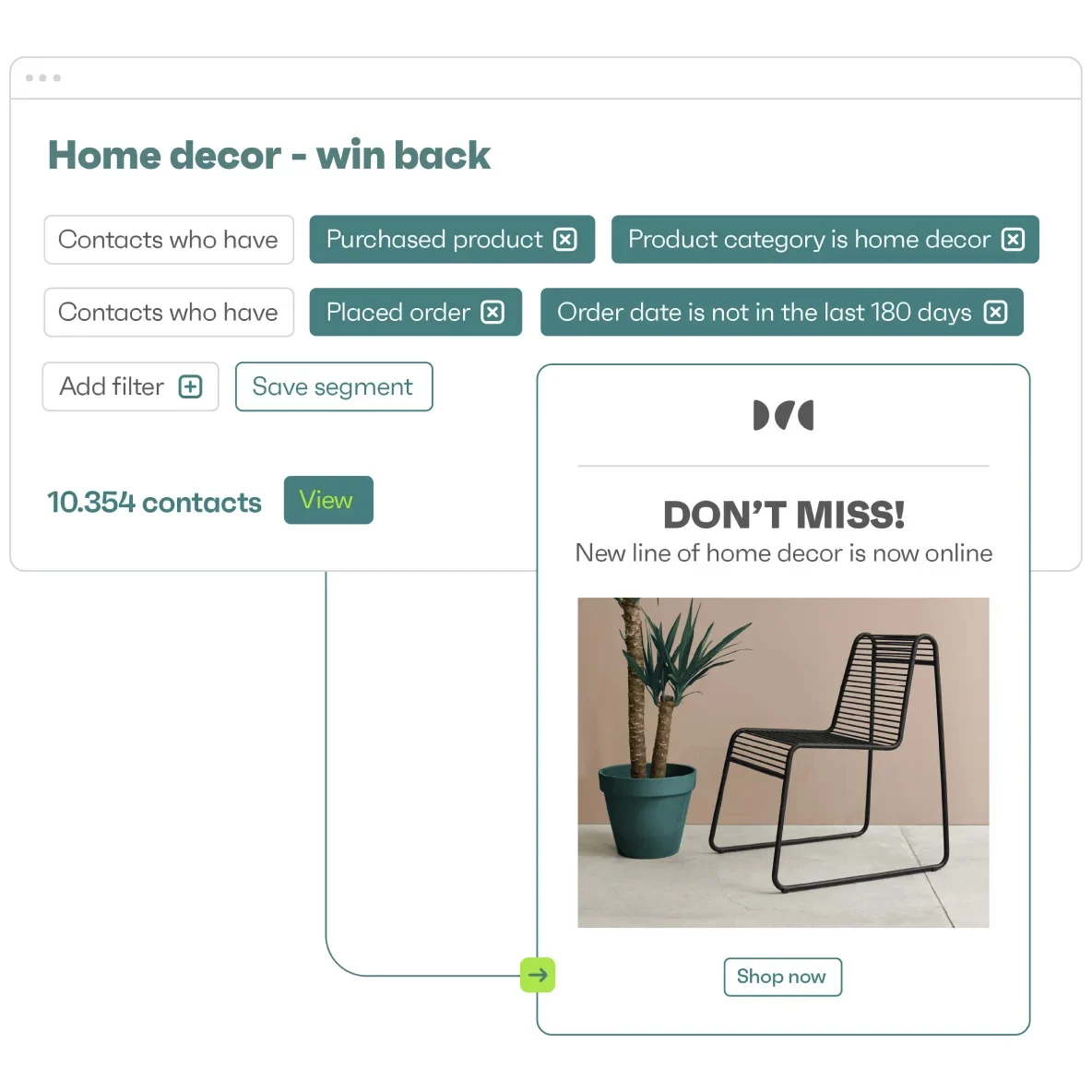
Browse abandonment flows, which remind shoppers about products they viewed but didn’t add to their cart, can feature product recommendations, social proof, or limited-stock messages. The timing of these recovery messages is crucial; cart reminders can be sent within an hour, while browse reminders might be more effective after a longer interval. Integrating SMS alongside email for urgent messages provides an immediate channel to reach customers who are still actively considering a purchase. Testing different approaches for each flow—e.g., product recommendations for browsers versus free shipping for cart abandoners—optimizes conversion rates. By setting up these automations early, merchants can ensure that potential sales are automatically recaptured, freeing up resources to focus on real-time Black Friday campaigns.Beyond recovery, segmenting and personalizing offers are critical for maximizing engagement and conversion. VIP customers, identified by their overall spending or purchase frequency, should receive the most attractive deals first. New subscribers can be welcomed with introductory offers, while returning customers are rewarded with loyalty incentives or exclusive early access. High-value segments might warrant premium treatment, such as one-on-one shopping appointments, exclusive product bundles, or expedited shipping at no additional cost. Utilizing data to segment customers by location also allows for tailored messaging regarding shipping deadlines and local preferences. Behavioral triggers enable mass personalization; big spenders can be shown luxury products, bargain hunters notified of deep discounts, and category enthusiasts offered special collections. Generic marketing blasts are inefficient during BFCM; leveraging customer data to craft messages based on purchase history, viewed products, or browsing behavior significantly boosts relevance and engagement.

A truly effective BFCM strategy integrates multiple marketing channels into a cohesive customer journey. Multichannel automations, combining email, text messages, and push notifications, ensure customers are reached at various opportune moments. For example, an email could tease early access to a sale, followed by an SMS with a time-sensitive Black Friday discount code, while a website announcement bar highlights shipping deadlines and exit pop-ups offer last-minute deals. Social media platforms, particularly Instagram Stories and live shopping events, provide unique opportunities for creating real-time urgency and excitement. The synergy between these channels—where email nurtures interest, SMS drives immediate action, and the website facilitates conversion—is paramount for encouraging purchases throughout the Black Friday period.
-
Optimizing the Digital Storefront: Speed, Simplicity, Trust
A high-converting Shopify store is the ultimate tool for transforming Black Friday traffic into sales. Before the rush, a thorough audit is essential. This includes personally testing the checkout process by placing an order to identify any friction points. Key improvements include ensuring fast page loading times, which is critical as even a one-second delay can significantly impact conversions. Mobile optimization is non-negotiable, given that a substantial portion of BFCM shopping occurs on smartphones. Product pages must be meticulously designed with high-quality images, detailed descriptions, customer reviews, and clear calls to action. Simplifying the checkout process, minimizing steps, and offering multiple payment options are vital. Trust badges, clear return policies, and easily accessible, responsive customer support build confidence and reduce abandonment rates. An optimized storefront ensures that once customers are engaged by marketing, their path to purchase is smooth and reassuring.
Leveraging Technology: Essential Shopify Apps for BFCM 2026
While Shopify provides a robust foundation, strategic app integration can significantly enhance marketing automation, improve conversion rates, and boost average order value (AOV). The selection of apps should be driven by specific goals, such as growing email lists, creating dedicated landing pages, streamlining checkout, or bundling products.
-
Omnisend: The Multichannel Marketing Powerhouse
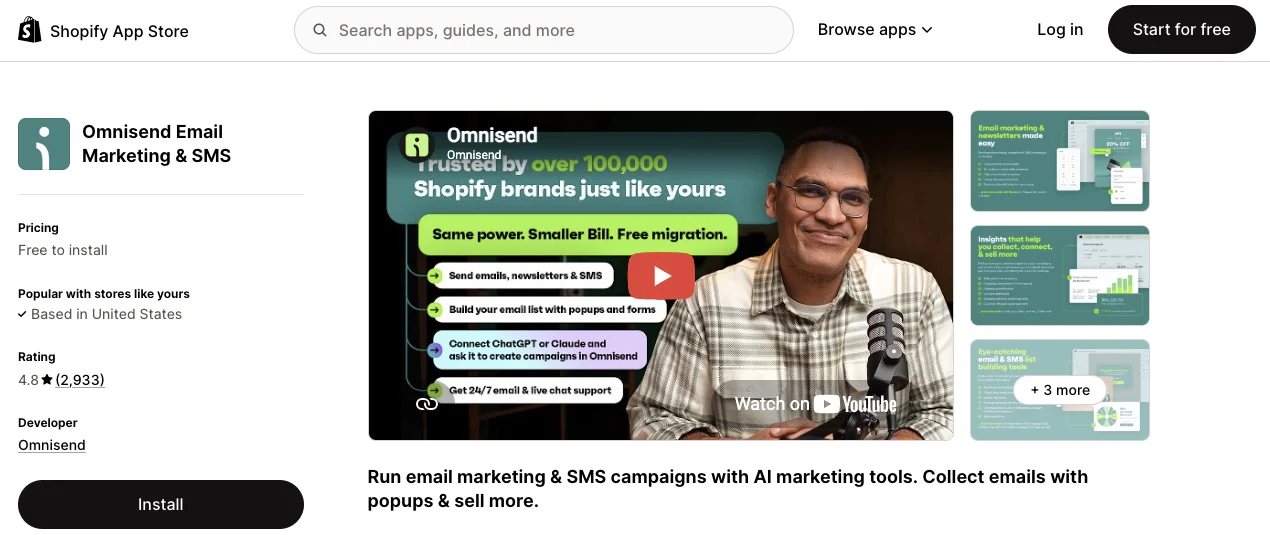
- Shopify rating: 4.8 (2,933 reviews)
- Best for: Growing e-commerce brands seeking integrated email and SMS marketing automation.
Omnisend seamlessly integrates email and SMS marketing into the entire customer journey, from initial sign-up to post-purchase engagement. It offers comprehensive automation capabilities alongside tools for building one-time and scheduled campaigns. - Why it’s crucial for Black Friday: Omnisend boasts an impressive average ROI of $79 for every $1 spent, making it one of the most effective marketing investments. Its direct integration with Shopify powers sophisticated product recommendations and serves as a robust replacement for Shopify’s basic transactional emails. Merchants can deploy targeted pop-ups for lead capture, segment customers based on behavior, launch multichannel campaigns, automate recovery messages, and monitor campaign performance in real-time. Key features include an intuitive drag-and-drop editor, a vast library of pre-built automation workflows, advanced segmentation, multi-channel campaign capabilities, customizable pop-ups and forms, and detailed reporting and analytics. Pricing tiers range from a Free plan to Standard ($16/month) and Pro ($59/month). A notable success story is Rachel Riley, who expanded Black Friday into a month-long campaign with Omnisend, achieving a 77% year-over-year BFCM revenue increase, with 46% of that revenue driven by automations, underscoring the power of strategic timing and multichannel marketing.
-
PageFly: Crafting High-Impact Landing Pages
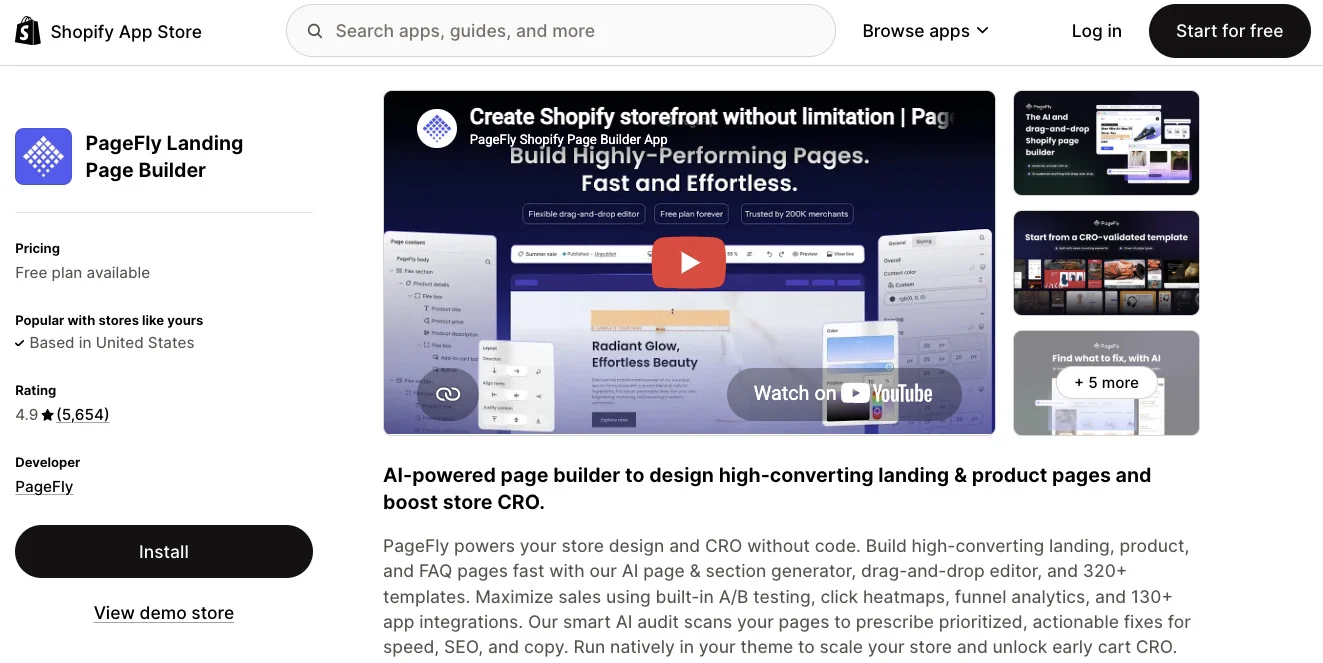
- Shopify rating: 4.9 (5,654 reviews)
- Best for: Merchants aiming to build high-converting landing pages without requiring coding expertise.
PageFly is a drag-and-drop page builder enabling the creation of custom landing pages, product pages, and blog layouts through a visual editor. - Why it’s crucial for Black Friday: A dedicated Black Friday landing page is essential. Generic product pages often fail to convey urgency or effectively spotlight limited offers. PageFly’s A/B testing capabilities allow merchants to identify which headlines and layouts most effectively convert visitors into buyers. Its features include a drag-and-drop editor, a library of customizable templates, mobile responsiveness, SEO optimization tools, integrated analytics, and compatibility with various third-party apps. Pricing includes a Free plan, with paid tiers starting at Silver ($24/month), Gold ($39/month), and Platinum ($99/month).
-
Vitals: Consolidating Essential Sales Tools
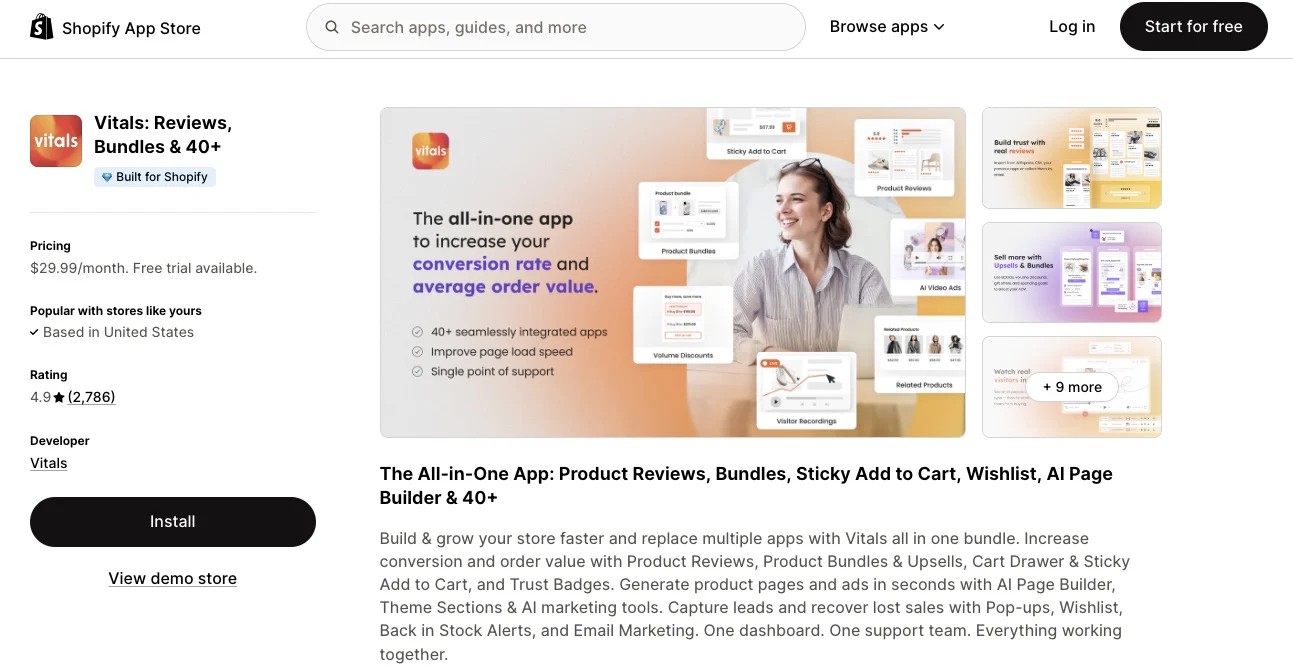
- Shopify rating: 4.9 (2,786 reviews)
- Best for: Shopify store owners looking to replace multiple plugins with a comprehensive, cost-effective toolkit.
Vitals consolidates over 40 marketing tools into a single app, encompassing everything from product reviews and bundles to pop-ups and AI-powered content generation. It streamlines operations by offering a unified dashboard. - Why it’s crucial for Black Friday: Managing numerous apps during BFCM can lead to conflicts and slowdowns. Vitals ensures essential tools—such as upsells, urgency badges, stock counters, and currency converters—work harmoniously, even during peak traffic. Its key features include automated product reviews, upsell and cross-sell functionalities, pop-ups for lead capture, urgency timers, currency conversion, AI-generated content, and social proof elements. Vitals offers a single pricing plan at $29.99 per month.
-
ReConvert: Maximizing Post-Purchase Value
- Shopify rating: 4.8 (2,773 reviews)
- Best for: Growing brands focused on increasing average order value through strategic post-purchase upsells.
ReConvert transforms the standard thank-you page into a powerful revenue generator, facilitating post-purchase upsells, cross-sells, and product recommendations. Order confirmations become new opportunities for additional sales. - Why it’s crucial for Black Friday: Shoppers who have just completed a purchase are highly engaged and have demonstrated trust in the store. ReConvert capitalizes on this momentum with one-click upsells that require no additional checkout steps, significantly increasing order values when buyers are most receptive. Features include a drag-and-drop thank-you page editor, personalized upsell and cross-sell offers, order tracking widgets, post-purchase surveys, and AI-driven product recommendations. Pricing starts at $7.99 per month for up to 40 orders, with charges increasing based on monthly order volume and upsell revenue.
-
Fast Bundle: Enhancing Average Order Value
- Shopify rating: 5.0 (2,981 reviews)
- Best for: Shopify businesses aiming to increase average order value through flexible bundling and discount strategies.
Fast Bundle allows merchants to create diverse bundle offers, including mix-and-match, buy X get Y, volume discounts, and custom bundle builders, tailored to product lines and margin requirements. - Why it’s crucial for Black Friday: Bundles add perceived value without solely relying on deep price cuts. Fast Bundle supports various offers, such as "buy three, save 20%" or "spend $100, get a gift," making sales periods more dynamic and appealing. Its features include multiple bundle types, extensive customization options, inventory synchronization, and performance analytics. Pricing includes a Free plan, with paid tiers at Basic ($19/month), Advanced ($49/month), and Pro ($99/month).
Navigating Pitfalls: Common Black Friday Mistakes to Avoid
Even with the best intentions, several common errors can undermine a Shopify store’s Black Friday performance. Avoiding these pitfalls is as crucial as implementing winning strategies.
- Insufficient Planning and Last-Minute Rush: Procrastination is the enemy of BFCM success. Waiting until the last minute to plan promotions, optimize the store, or set up automation flows invariably leads to rushed execution, missed opportunities, and technical glitches. A comprehensive plan, executed over several weeks, is essential.
- Overlooking Mobile Experience: With mobile shopping dominating e-commerce, a non-responsive or slow mobile site will deter a significant portion of potential customers. Ensuring flawless mobile functionality, from browsing to checkout, is critical.
- Neglecting Post-Purchase Engagement: The customer journey doesn’t end at checkout. Failing to implement post-purchase flows—such as thank-you emails, order tracking updates, requests for reviews, and loyalty program invitations—misses opportunities for repeat business and long-term customer relationships.
- The Peril of Excessive Discounting: While discounts are expected, over-discounting can devalue a brand, erode profit margins, and train customers to only purchase during sales, impacting full-price sales throughout the year. Strategic pricing and value-added offers are more sustainable.
- Inadequate Customer Support: The surge in orders inevitably brings a surge in customer inquiries. Without sufficient customer service staff or robust self-service options (like FAQs and chatbots), merchants risk frustrated customers, negative reviews, and abandoned purchases.
Expert Insights on Peak Season Preparation
The demands of Black Friday are unique, requiring a level of operational preparedness that often exceeds regular business cycles. As Evaldas Mockus emphasized, the concentration of demand within a short window means that effective preparation is the deciding factor between capturing and losing sales. This includes not just marketing strategy, but also inventory management, website stability, and customer support readiness. Merchants must simulate peak load conditions, stress-test their systems, and train their teams to handle the intensity of the BFCM weekend.
The Broader Implications: Sustaining Growth Beyond BFCM
While Black Friday is a critical revenue driver, its broader implications extend to long-term business health. The period offers a unique opportunity to acquire new customers, but the real challenge lies in converting these one-time buyers into loyal, repeat customers. This necessitates a focus on exceptional product quality, outstanding customer service, and ongoing engagement strategies that extend well beyond the BFCM sales period. Loyalty programs, personalized follow-ups, and exclusive content can foster brand affinity, transforming seasonal shoppers into year-round advocates. Furthermore, as e-commerce continues to evolve, incorporating AI-driven personalization, augmented reality (AR) shopping experiences, and sustainable practices will likely become increasingly important for future BFCM successes.
Conclusion: A Blueprint for BFCM Success in 2026 and Beyond
The Black Friday Cyber Monday weekend remains one of the most significant revenue-generating periods for Shopify merchants globally. However, merely offering discounts is no longer sufficient. True success hinges on implementing a sophisticated Shopify Black Friday strategy that encompasses meticulous store optimization, dynamic multi-channel marketing, and intelligent automation.
A fast-loading, mobile-optimized Shopify store is the bedrock of this strategy, ensuring a frictionless user experience. Leveraging the right apps, particularly those that automate marketing and enhance conversion rates, is paramount. Solutions like Omnisend are instrumental in orchestrating a cohesive marketing effort across email, SMS, and your storefront, ensuring consistent customer engagement. To maximize Shopify Black Friday sales, merchants must initiate planning early, thoroughly test their store’s performance before the traffic surge, and ensure a smooth customer journey from the initial pop-up interaction to checkout and the post-purchase thank-you page. Crucially, integrating robust post-purchase flows into the overall strategy is vital for fostering customer loyalty and driving repeat purchases, laying the groundwork for sustained growth beyond the immediate sales period.
Frequently Asked Questions (FAQ)
How do I set up a Black Friday sale on Shopify?
To set up a Black Friday sale on Shopify, navigate to the "Discounts" section in your Shopify admin panel. Select "Create discount," choose your preferred discount type (e.g., percentage, fixed amount, free shipping), define its value, specify the dates and any eligibility rules (like minimum purchase or specific products), and then save it. Ensure the discount is clearly advertised on your storefront and through your marketing channels.
Do I need special apps for Black Friday on Shopify?
While special apps are not strictly essential for running a Black Friday sale on Shopify, they are highly recommended for maximizing impact and efficiency. Apps like Omnisend consolidate crucial functions such as email campaigns, SMS marketing, push notifications, and pop-ups into a single platform, streamlining your efforts and enhancing your ability to engage customers effectively during peak periods. Other apps for landing page creation, checkout optimization, and product bundling can further boost conversions and average order value.
How much should I discount for Black Friday on Shopify?
The optimal discount percentage depends on your brand positioning and product margins. For premium products, a 15–20% discount can maintain brand value while still attracting customers. Most e-commerce stores find success with discounts in the 25–35% range. Going beyond 40% should be carefully considered, as it risks training customers to wait for significant sales and potentially devaluing your products, unless your strategy is specifically built around high-volume, lower-margin sales.
What’s the best way to promote Black Friday sales for my Shopify store?
The most effective promotion strategy combines multiple channels. Offer email subscribers early access to deals, leveraging their existing engagement. Reward VIP customers with exclusive offers to encourage larger purchases. Utilize SMS for urgent, time-sensitive updates, and engage visually on platforms like Instagram Stories to showcase products. Supplement these efforts with targeted Facebook and other social media ads to expand your reach to new audiences. A cohesive, multi-channel approach ensures maximum visibility and conversion.
Does Shopify do Black Friday sales?
Shopify as a platform does not operate a store-wide Black Friday sale on behalf of its merchants. Instead, Shopify provides its merchants with all the necessary tools and infrastructure to independently run their own Black Friday and Cyber Monday deals. Merchants are responsible for setting up their discounts, promotions, and marketing campaigns through Shopify’s admin interface, integrated apps, and various marketing tools, and then promoting these offers directly to their customer base.








