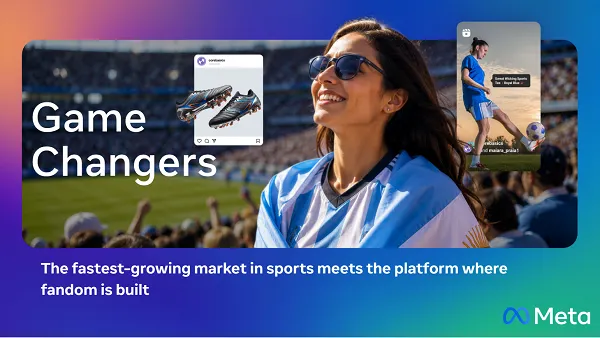
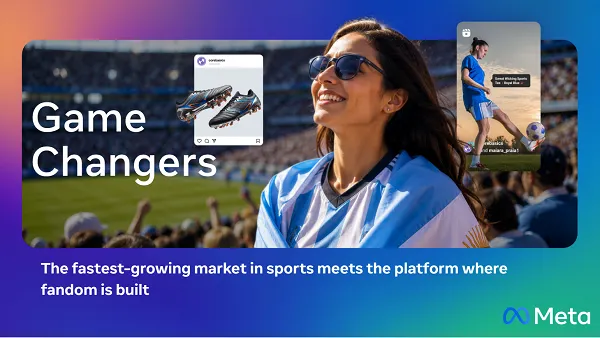
Meta’s latest comprehensive report, "Game Changers: Women’s Sports and the Power of Social-First Fans," underscores a transformative shift in the sports landscape, highlighting the burgeoning engagement with women’s sports content across its vast ecosystem of applications. This surge in popularity, detailed through compelling data and strategic insights, presents an unprecedented and lucrative frontier for brands seeking to connect with a dynamic, highly engaged, and commercially active audience. The report serves as a definitive call to action for marketers, signaling a pivotal moment where early investment can yield significant long-term returns in a rapidly expanding sector.
Meta’s Key Findings: A Deep Dive into Engagement
The core of Meta’s analysis revolves around the remarkable acceleration in the popularity of women’s sports. The company explicitly states that women’s sports represent a burgeoning $3 billion industry, demonstrating a growth rate that is an astounding 4.5 times faster than that of men’s sports. This expansion is not confined to a singular league, sport, or market; rather, it is a global phenomenon, gaining momentum simultaneously across diverse categories. A critical distinction identified by Meta is the unique engagement pattern of this audience: "social-first, always-on, and commercially active." Unlike traditional sports fans who might primarily engage on game day, fans of women’s sports actively follow individual athletes, demonstrating daily interaction and a deeper, more personal connection that transcends team loyalties.
Nicola Mendelsohn, Head of Meta’s Global Business Group, further substantiated this growth with a range of compelling data points in an accompanying video presentation. While specific figures were not enumerated in the initial brief, the implication is a wealth of proprietary data demonstrating increased viewership, content consumption, and interactive engagement across Facebook, Instagram, and other Meta properties. This includes metrics such as rising video views for highlights and athlete-generated content, increased shares and comments on posts related to women’s sports, and a growing number of dedicated fan groups and communities.
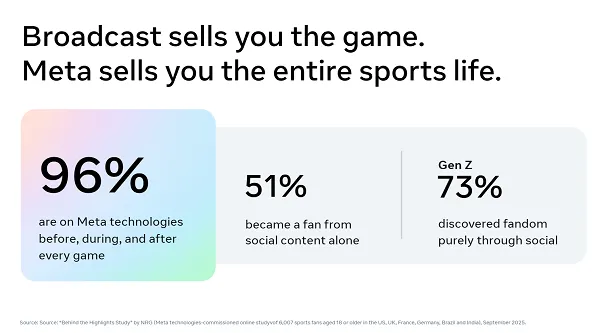
A significant finding is the prevalence of "social-first" sports fans, individuals who primarily consume and interact with sports content through social media platforms. Judy Toland, Vice President of Global Audience at Meta, revealed that a staggering 445 million sports fans engage with brands on Meta’s platforms every single month. This colossal figure underscores the immense reach and potential for targeted marketing campaigns within the Meta ecosystem, particularly as women’s sports continue to capture a larger share of this digital attention.
The Untapped Potential: Economic Growth and Brand Opportunities
The report emphasizes that the rapid growth of women’s sports is not merely a cultural phenomenon but a significant economic opportunity. Nicole von Kaenel, Meta’s Director of Global Partnerships, elaborated on the tangible brand opportunities arising from this heightened engagement. Her insights, delivered in a separate video, likely highlighted areas such as:
- Increased Brand Visibility: Partnering with athletes and leagues offers direct access to a highly passionate and loyal fanbase.
- Authentic Storytelling: Women athletes often have compelling personal narratives that resonate deeply with audiences, providing rich content for brand collaborations.
- Diverse Audience Reach: The fanbase for women’s sports is often more diverse, encompassing various demographics, which can help brands expand their market reach.
- First-Mover Advantage: As the industry matures, brands that invest early can establish themselves as pioneers and integral supporters of women’s sports.
Meta’s strategic advice to brands is clear: look to partner with women athletes and actively tap into this rising market. The company argues that while many traditional sports categories are saturated with long-standing brand associations and established hierarchies, women’s sports represent a rare and fertile ground where brand positioning is still being defined. This offers an unparalleled opportunity for new entrants or repositioning brands to become synonymous with the sport itself, shaping fan expectations and the very nature of partnerships as the category continues its ascent. Brands entering this space now are not just buying into an existing structure; they are actively contributing to its creation and defining its future.
Historical Context: The Rise of Women’s Sports
The current boom in women’s sports is the culmination of decades of advocacy, incremental progress, and recent accelerations in media coverage and public interest. Historically, women’s sports have faced significant challenges, including underfunding, limited media exposure, and societal biases that often relegated them to a secondary status compared to men’s sports. For many years, female athletes fought for basic resources, equal pay, and professional recognition.
Key milestones include the passage of Title IX in the United States in 1972, which mandated equal opportunities in education and sports, laying a foundational legal framework for increased participation. However, widespread professionalization and mainstream media acceptance took much longer. Leagues like the Women’s National Basketball Association (WNBA), founded in 1997, and the National Women’s Soccer League (NWSL), established in 2012, have steadily built fanbases despite initial struggles.
The last decade, particularly the last five years, has seen a dramatic shift. Major international tournaments like the FIFA Women’s World Cup have consistently broken viewership records. The 2019 Women’s World Cup, for instance, captivated over 1.12 billion viewers globally, and the 2023 edition further solidified this trend, drawing massive audiences despite unfavorable time zones for many Western markets. Similarly, the NCAA Women’s Basketball Tournament has seen unprecedented viewership spikes, with the 2023 and 2024 finals often outperforming their male counterparts in certain demographics. These events have not only showcased athletic excellence but also highlighted compelling narratives and charismatic personalities, drawing in new fans who appreciate the skill, passion, and competitive spirit.

Driving Factors: Why Now?
Several interconnected factors are fueling the accelerated growth of women’s sports, making Meta’s findings particularly timely and impactful:
- Increased Media Visibility and Investment: Major broadcasters and streaming services are dedicating more airtime and resources to women’s sports. This increased exposure allows more people to discover and follow leagues and athletes, moving beyond niche audiences to mainstream appeal. Platforms like ESPN, CBS Sports, and now various streaming services are actively promoting and broadcasting women’s games.
- Athlete Advocacy and Star Power: Modern women athletes are not just excelling on the field; they are powerful advocates for their sports, for social justice, and for broader gender equality. Figures like Megan Rapinoe, Serena Williams, Sue Bird, and Caitlin Clark have transcended their sports to become cultural icons, drawing massive followings who admire their talent, courage, and outspokenness. Fans increasingly connect with these athletes on a personal level, often through social media, driving engagement beyond game day.
- Authentic Storytelling: The narratives surrounding women’s sports are often deeply personal, inspiring, and accessible. Athletes frequently share their journeys, challenges, and triumphs, fostering a strong emotional connection with fans. This authentic storytelling thrives on social media, where athletes can directly engage with their audience without intermediaries.
- Social-First Consumption Habits: As highlighted by Meta, a significant portion of sports fans, particularly younger demographics, primarily consume content through social media. Short-form videos, highlights, behind-the-scenes glimpses, and direct interactions with athletes on platforms like Instagram Reels, TikTok, and Facebook Stories are critical entry points for new fans. This "always-on" engagement contrasts with traditional, linear TV consumption and is perfectly suited for Meta’s platforms.
- Cultural Shifts and Demand for Inclusivity: There is a growing societal demand for greater equality and representation across all sectors, including sports. Audiences are actively seeking out diverse content and celebrating female excellence. This cultural shift creates a receptive environment for the growth of women’s sports and an expectation for brands to support it.
Strategic Imperatives for Brands: Crafting Authentic Partnerships
Meta’s report provides actionable insights for brands looking to capitalize on this burgeoning market. The core recommendation revolves around authentic partnerships with women athletes and leagues. This goes beyond traditional sponsorship logos and requires a deeper, more integrated approach:
- Invest in Athlete Endorsements: Rather than merely sponsoring teams, brands should strategically partner with individual athletes whose values align with their own. These athletes are often influencers in their own right, with direct and engaged fanbases. Authentic collaborations can lead to highly effective marketing campaigns that resonate deeply.
- Develop Content that Resonates: Brands should move beyond traditional advertising and create content that tells compelling stories about athletes, celebrates their achievements, and showcases their personalities. This could include mini-documentaries, behind-the-scenes content, Q&A sessions, or challenges that feature athletes using or interacting with brand products.
- Engage the "Social-First" Audience: Given that many fans are social-first, brands must optimize their strategies for Meta’s platforms. This means leveraging Instagram Stories, Reels, Facebook Groups, and live video features to create interactive and immersive experiences. Contests, polls, and direct engagement with comments can build community and loyalty.
- Embrace Long-Term Commitments: The "Game Changers" report suggests that the women’s sports market is still in its formative stages. Brands that commit early and consistently will establish themselves as foundational partners, building deep associations with the sport and its fans as it continues to grow. This "first-mover" advantage can create brand equity that is difficult for later entrants to replicate.
- Champion Inclusivity and Empowerment: Brands that authentically support the values often associated with women’s sports – empowerment, resilience, and breaking barriers – will forge stronger connections with the audience. This can involve supporting initiatives for youth sports, promoting gender equity, or highlighting the broader impact of women athletes beyond their athletic achievements.
Meta’s Platform Strategy: Fostering Community and Commerce
For Meta, the surge in women’s sports engagement represents a significant strategic opportunity. By highlighting this trend, Meta is not only informing brands but also positioning its platforms as the ideal conduits for connecting with this audience. The company benefits from increased user engagement, longer time spent on apps, and greater advertising revenue as brands invest in these opportunities.
Meta’s strategy likely includes:
- Enhanced Content Discovery: Improving algorithms to surface relevant women’s sports content to interested users.
- Creator Tools and Monetization: Providing athletes and content creators with tools to produce engaging content and monetize their presence, further incentivizing the creation of women’s sports content.
- Brand Solutions: Developing specific advertising and partnership solutions tailored to brands looking to engage with women’s sports, including targeted ad placements and influencer marketing programs.
- Community Building: Supporting and fostering dedicated fan communities within Facebook Groups and other features, allowing fans to connect, discuss, and share their passion.
By actively promoting the value of women’s sports, Meta reinforces its role as a central hub for cultural conversations and commercial activity, ensuring it remains at the forefront of digital engagement in this rapidly evolving sector.
Broader Implications for the Sports and Media Landscape
The insights from Meta’s report carry profound implications for the entire sports and media ecosystem:
- Rebalancing of Investment: The data will likely compel traditional sports media outlets, investors, and advertisers to re-evaluate their allocation of resources, shifting more attention and funding towards women’s sports. This could lead to better broadcast deals, higher production values, and increased marketing budgets for leagues and teams.
- Professionalization of Women’s Sports: Increased financial investment and media attention will further accelerate the professionalization of women’s sports, leading to higher salaries for athletes, improved facilities, and better support staff. This, in turn, will attract more talent, raising the overall quality and competitiveness of the games.
- Evolution of Sports Content: The "social-first" nature of engagement highlights a broader trend in sports content consumption. Media companies will need to adapt their strategies, producing more short-form, mobile-friendly, and interactive content that caters to how modern fans, especially younger demographics, prefer to engage with sports.
- Impact on Gender Equity: The sustained growth and economic viability of women’s sports contribute significantly to broader conversations about gender equity. It challenges long-held stereotypes, provides powerful role models for future generations, and demonstrates the immense commercial and cultural value of female athletic achievement.
The Future Outlook: Sustaining Momentum
The momentum in women’s sports is undeniable, and Meta’s "Game Changers" report provides a robust framework for understanding and capitalizing on this trend. The category’s unique engagement model, characterized by deeply connected, "always-on" fans, offers a fertile ground for brands seeking authentic, impactful partnerships. As the industry continues to mature, those who embrace this opportunity early will not merely participate in its growth but will actively shape its future, becoming integral to the narratives and success stories that define women’s sports for decades to come. The message is clear: the time for women’s sports is now, and the digital platforms are where this revolution is being amplified.