The landscape of enterprise automation is undergoing a fundamental shift as organizations move away from isolated third-party tools toward centralized, self-hosted environments. At the center of this transformation is the integration of n8n, a powerful workflow automation platform, with the Model Context Protocol (MCP), an open-source standard that enables seamless communication between AI models and external data sources or tools. By establishing a custom MCP server within n8n, developers and marketing professionals can now empower Large Language Models (LLMs) to trigger complex, proprietary workflows directly from a chat interface, bypassing the limitations of "black-box" AI methods and avoiding vendor lock-in.

The Rise of Agentic Workflows and the Model Context Protocol
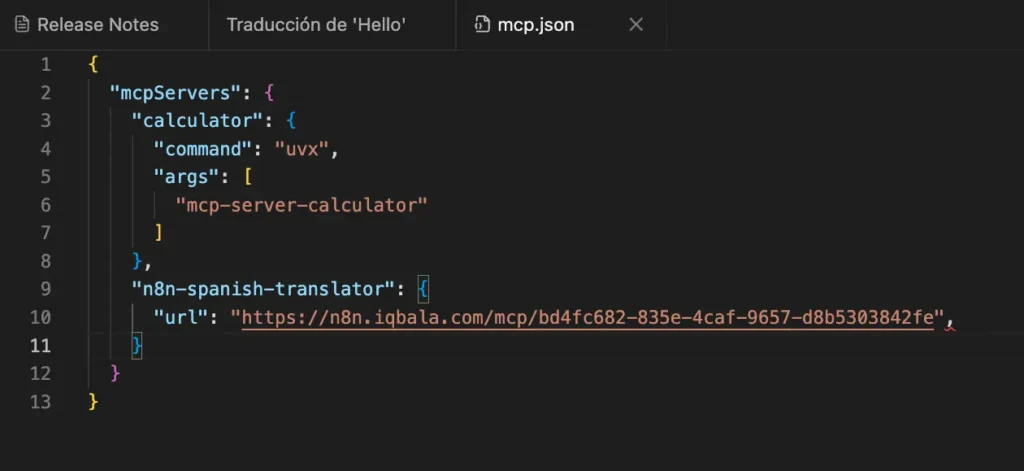
The Model Context Protocol was introduced by Anthropic in late 2024 as a way to standardize how AI assistants interact with various ecosystems. Before MCP, connecting an AI chat interface to a specific database or a custom local tool required bespoke integration code, which was often fragile and difficult to maintain. MCP provides a universal "translation layer," allowing any compliant AI client—such as Claude Desktop, LM Studio, or Claude Code—to discover and utilize tools provided by a server.
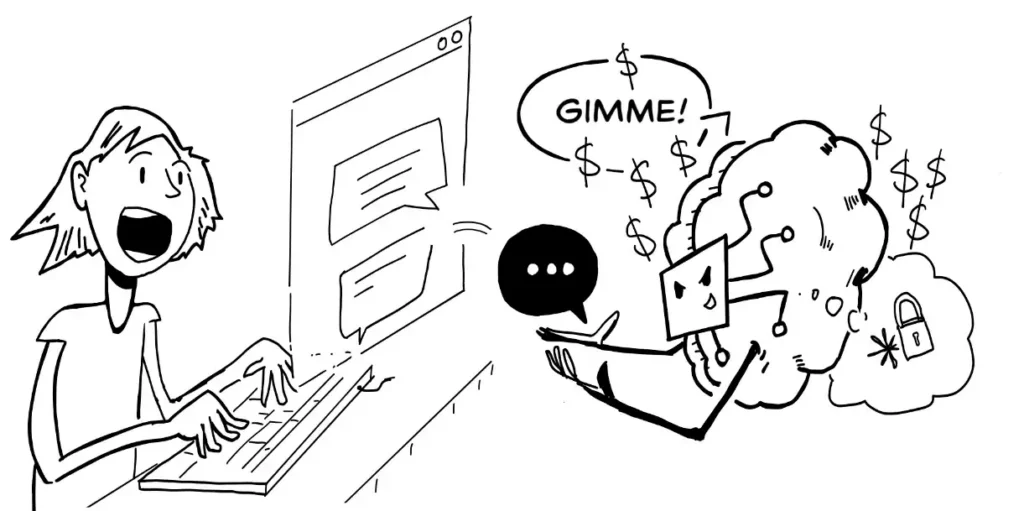
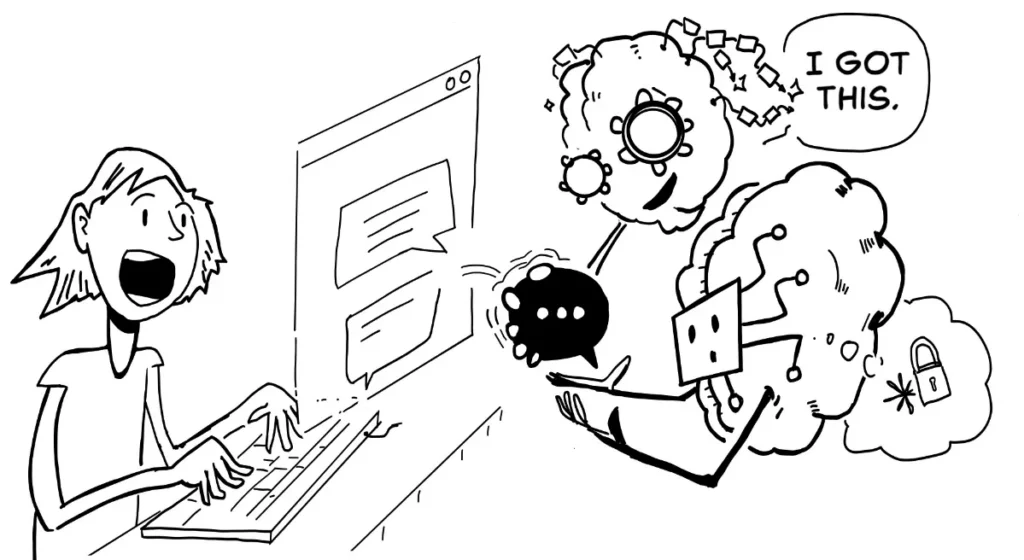
In the context of n8n, this protocol allows users to take workflows that were previously triggered by manual forms or webhooks and turn them into "skills" that an AI can use autonomously. For example, rather than a user manually inputting data into a research workflow, they can simply ask an AI agent to "verify the claims in this document," and the agent will call the relevant n8n workflow through the MCP server to execute the task. This transition to "agentic" workflows represents a significant leap in operational efficiency, as it leverages the reasoning capabilities of LLMs while maintaining the reliability of structured automation.
Chronology of Technical Implementation: Establishing the n8n MCP Server
The process of connecting an AI chat interface to n8n workflows via MCP follows a specific logical progression, beginning with the creation of the underlying logic and culminating in the configuration of the AI client.
Phase I: Developing the Core Workflow Logic
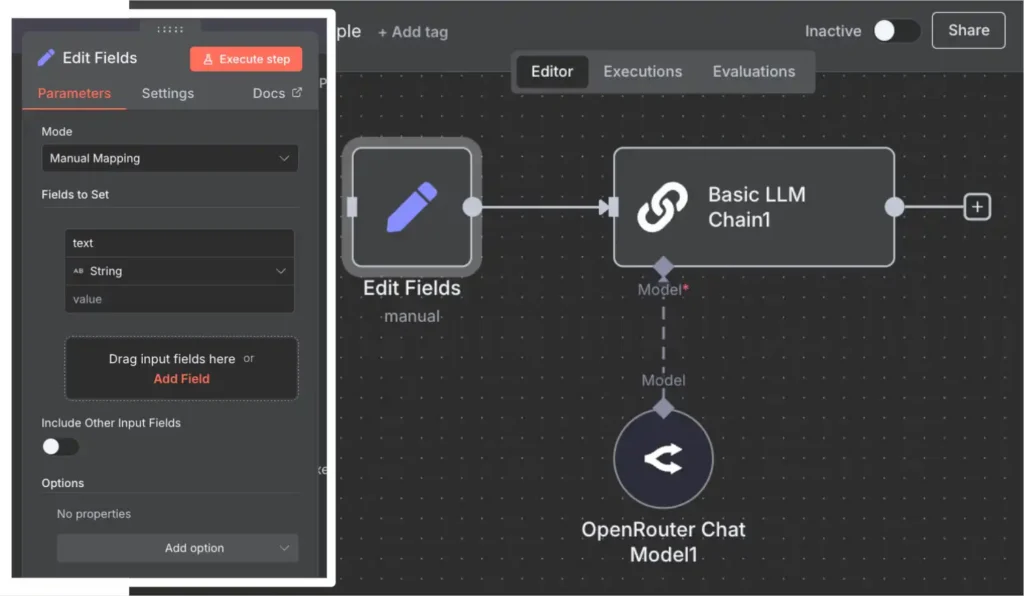
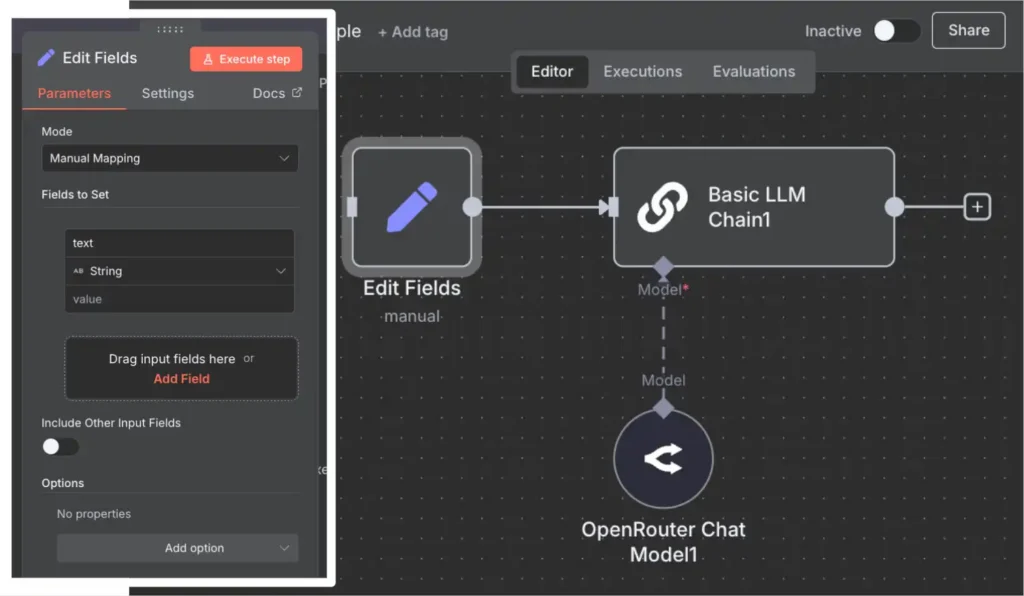
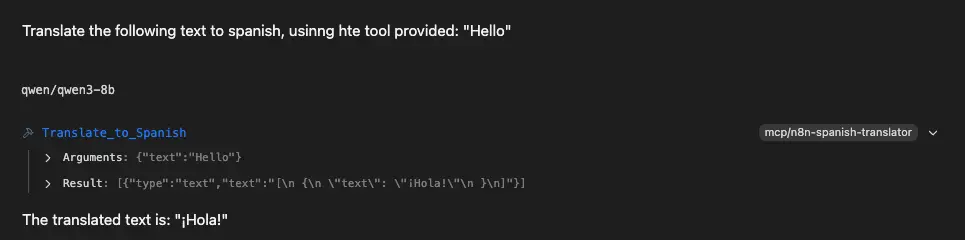
Before an MCP server can be deployed, the specific task must be encapsulated within an n8n workflow. A common entry-level use case involves a translation service. In this scenario, an "Edit Fieldset" node is configured with a "text" field, which is then passed to a "Basic LLM Chain." The chain utilizes a prompt to translate the input into a target language, such as Spanish. While simple, this workflow serves as the foundational "tool" that the MCP server will eventually expose to the AI.
Phase II: Integrating the Sub-workflow Trigger
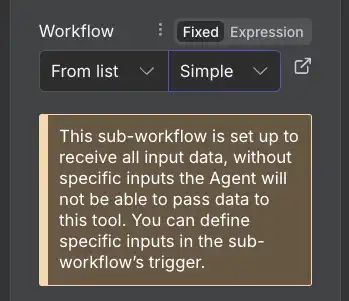
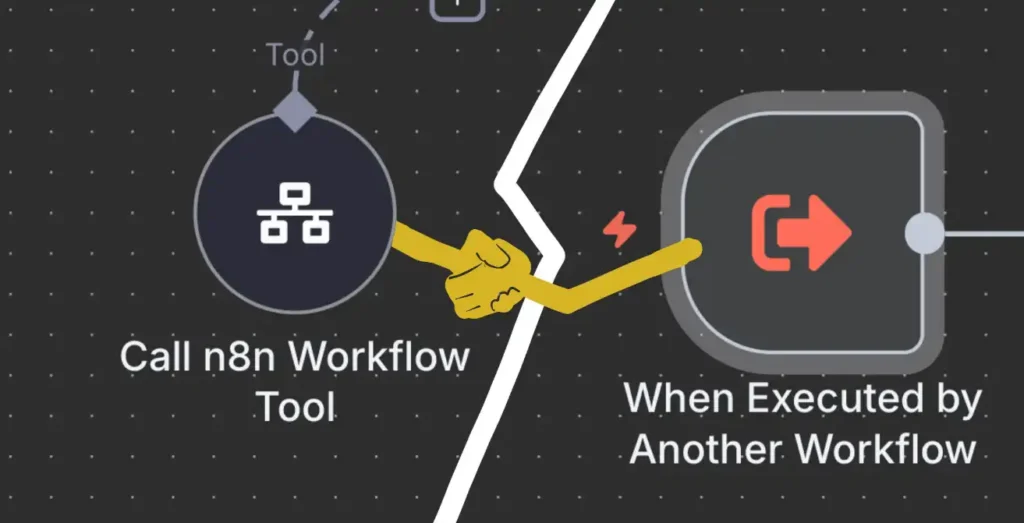
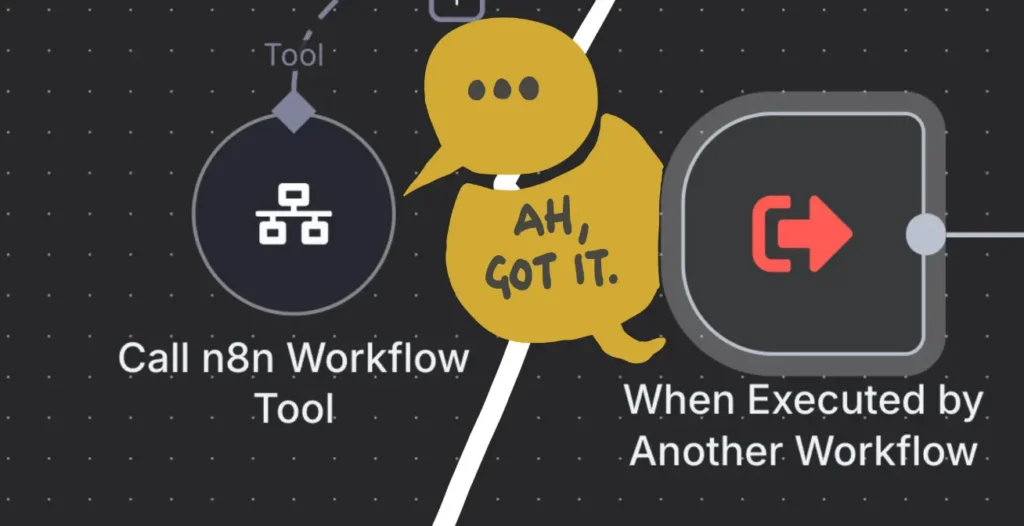
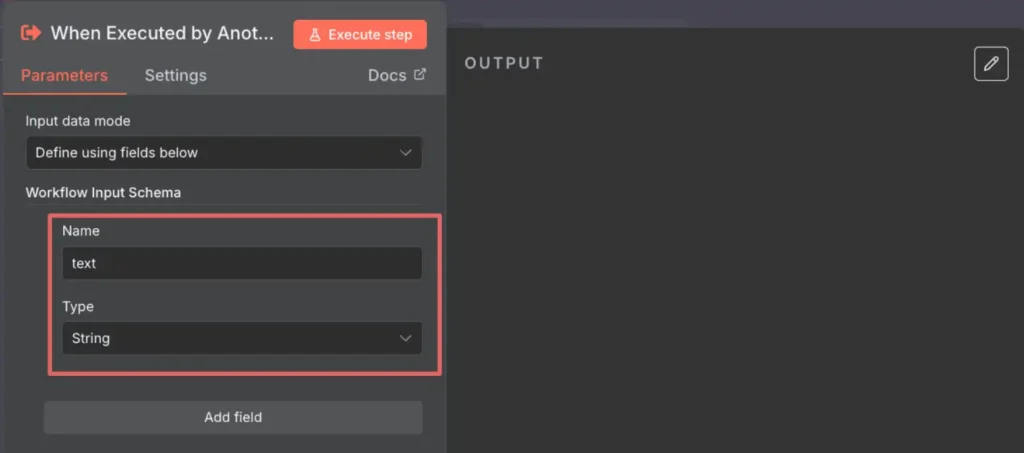
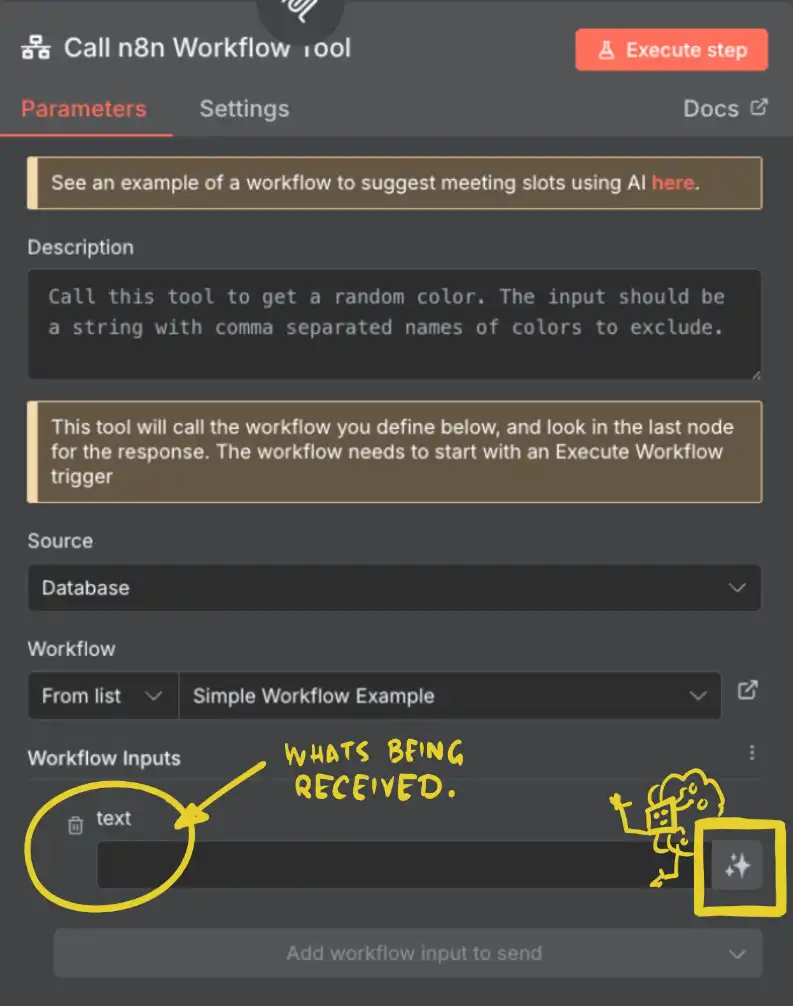
To allow the MCP server to communicate with the core workflow, a "When Executed by Another Workflow" trigger must be added. This node acts as a formal handshake mechanism. Technical experts emphasize that this node must be configured with specific parameters that match the expected input. For a translation tool, a parameter named "text" of the "String" type is required. This ensures that when the AI client calls the tool, the data is correctly mapped to the internal variables of the workflow.
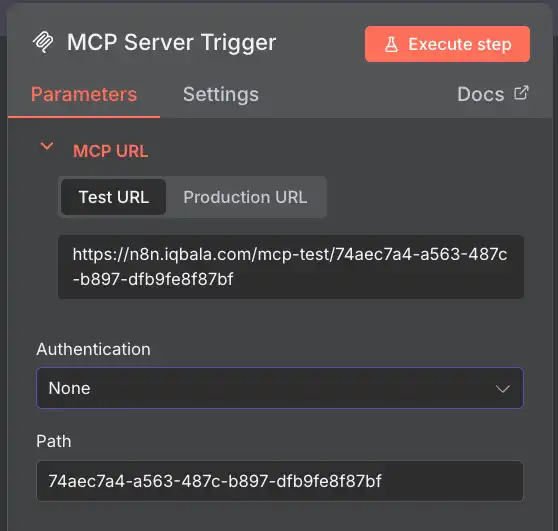
Phase III: Configuring the MCP Server Node
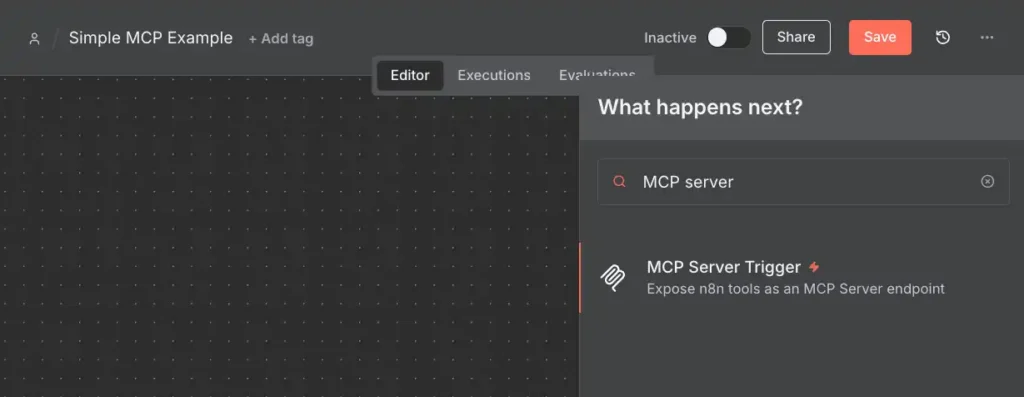
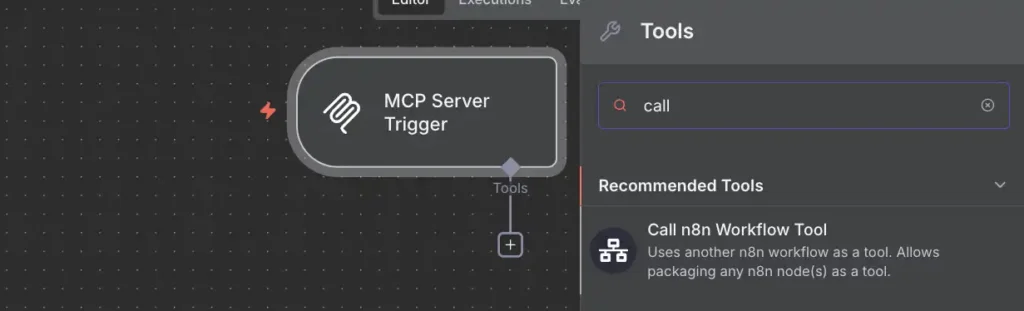
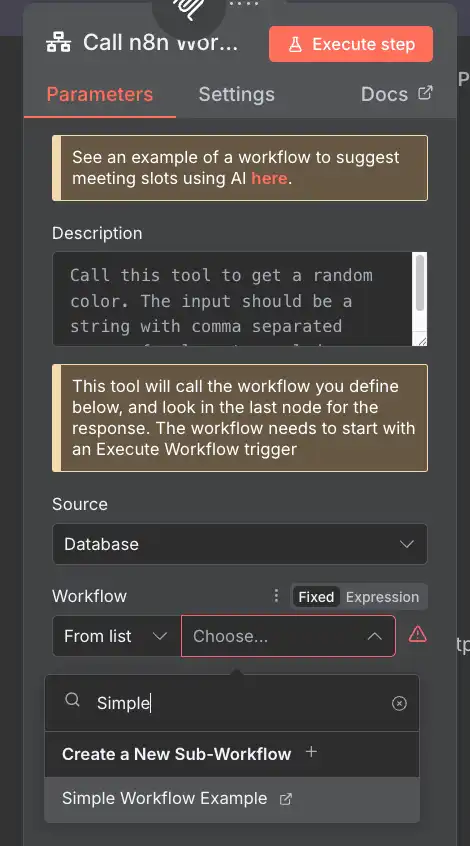
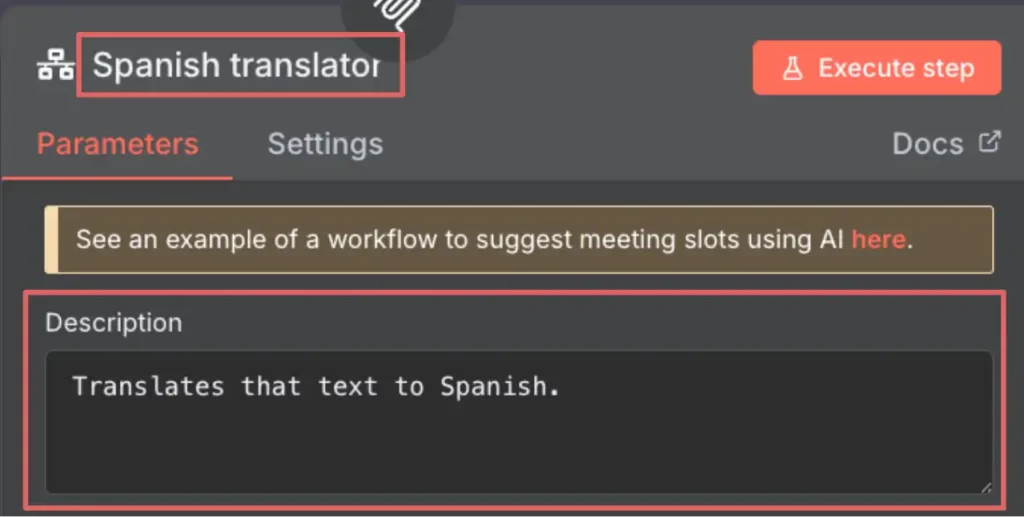
The central component of this architecture is the "MCP Server" trigger node within a separate n8n workflow. This node serves as the gateway for external clients. Upon activation, the node generates a unique URL—typically utilizing Server-Sent Events (SSE) for real-time communication. Within this node, users add "tools," which are essentially pointers to the sub-workflows created in Phase I. By selecting the "Call n8n Workflow Tool," the user links the server to the specific translation or research logic, providing a title and a description that helps the AI understand when and how to use the tool.
Security Infrastructure and Authentication Protocols
As organizations deploy these workflows into production environments, security becomes a paramount concern. Exposing an automation endpoint to the internet without protection poses significant risks to data integrity and system resources. The standard approach for securing n8n MCP servers involves the implementation of "Bearer Authentication."
By setting the authentication method to Bearer Auth within the MCP Server node, administrators can generate a secure token. This token must be included in the header of every request sent by the AI client. This ensures that only authorized LLM instances can trigger internal company workflows. Furthermore, developers often need to adjust the "timeout" settings in the client configuration. Because complex n8n workflows—such as those involving multi-step web scraping or heavy data processing—can take several minutes to complete, extending the default timeout (often to 600,000 milliseconds or more) is a critical step for ensuring reliability.
Supporting Data: The Impact of Workflow Centralization
The shift toward self-hosted MCP servers is supported by emerging data regarding AI adoption in the enterprise. According to recent industry surveys, 62% of IT decision-makers cite "data privacy and vendor lock-in" as their primary concerns when adopting generative AI. By using n8n as a centralized hub for MCP tools, companies retain 100% ownership of their automation logic.
Furthermore, the use of small, local LLMs via platforms like LM Studio is on the rise. Data suggests that for specific task-oriented automations—such as code generation or language translation—small models (7B to 14B parameters) can perform at 90% of the efficiency of "frontier" models like GPT-4, provided they have access to well-defined tools. This "tool-augmented" approach significantly reduces operational costs, as local models do not incur the per-token API fees associated with major cloud providers.

Broader Implications for Industry Verticals
The ability to "super-charge" AI chat interfaces with custom n8n workflows has profound implications across various sectors, particularly in software development and digital marketing.
Experimentation and Conversion Rate Optimization (CRO)
In the field of A/B testing, professionals are using n8n to build "self-healing" JavaScript workflows. When an AI agent is asked to create an experiment for a website, it can trigger an n8n workflow that fetches the live URL, analyzes the DOM structure, and generates error-free code. If the code fails, the workflow can iterate until it succeeds, eventually pushing the final script to a platform like Jira or a testing tool. This reduces the time-to-launch for experiments from days to minutes.
Content Verification and Research
Marketing teams are utilizing these integrations to automate fact-checking. By connecting a Claude Desktop client to an n8n research workflow, a writer can ask the AI to "verify the statistics in this article." The AI then uses the MCP server to trigger a workflow that searches academic databases, compares the data, and returns a verified report directly in the chat window.
Official Responses and Ecosystem Growth
The developer community has responded with high engagement to the release of MCP-compatible nodes in n8n. While n8n has not released an official global statement on the exact number of MCP deployments, the platform’s community forums have seen a 40% increase in "agentic AI" related queries since the protocol’s integration.
Industry analysts suggest that the standardization of MCP could lead to a "marketplace of skills," where developers share n8n workflow templates that can be instantly plugged into any AI assistant. This democratization of tool-use allows even non-technical staff to execute complex technical tasks simply by interacting with a chat interface that has been granted the "superpowers" of an automated backend.
Analysis of Future Projections
Looking ahead, the integration of MCP and n8n is expected to move toward "multi-agent orchestration." In this future state, a single user request might trigger multiple MCP servers across different departments. For instance, a request to "onboard a new client" could simultaneously trigger a legal workflow for contract generation, a finance workflow for invoice setup, and an IT workflow for account provisioning—all managed through a single AI interface.
The transition from "chatting with an AI" to "operating an organization through AI" is predicated on the reliability of the underlying workflows. As long as platforms like n8n continue to provide a robust, transparent, and secure environment for these automations, the Model Context Protocol will likely become the standard "nervous system" of the modern automated enterprise. The move away from vendor-locked, black-box solutions toward open, owned infrastructure is not merely a technical preference; it is a strategic imperative for businesses seeking to maintain agility in the age of artificial intelligence.