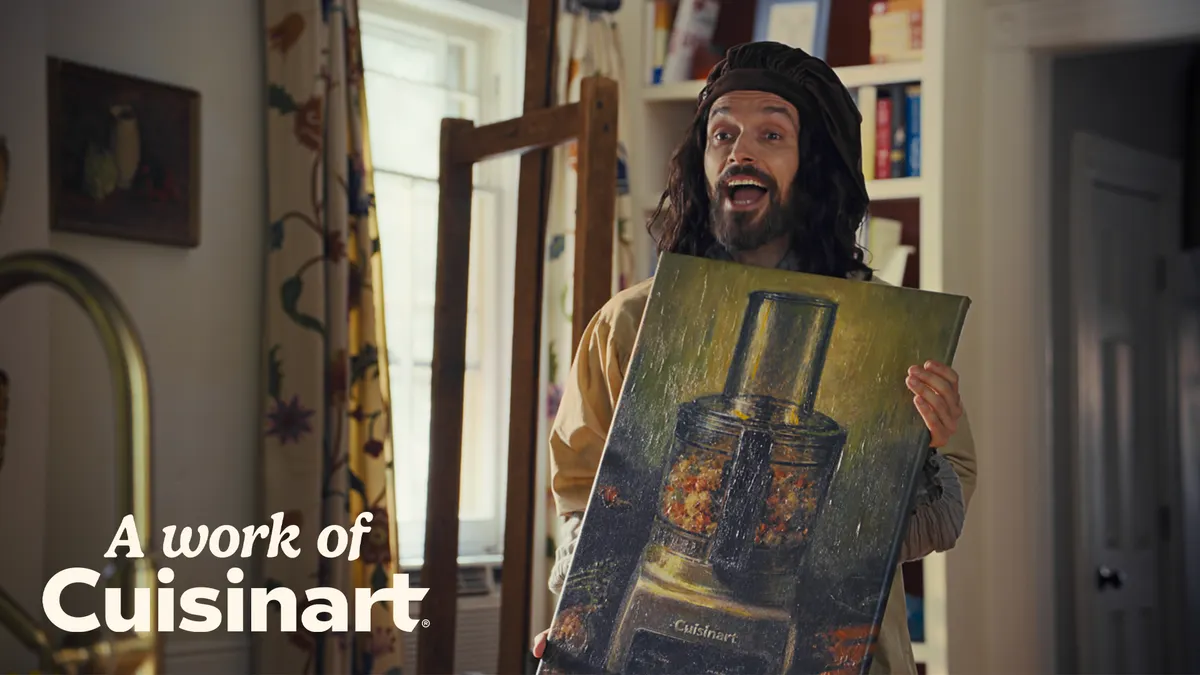
Cuisinart, a venerable name in kitchen appliance innovation, has embarked on a bold new marketing frontier, launching its first campaign specifically engineered for the dynamic world of short-form video platforms. The 14-part series, titled "A Work of Cuisinart: The Starving Artist," features an unlikely duo: a modern home cook and a perpetually penniless artist plucked directly from the opulent yet often austere Baroque period. This comedic collision of eras unfolds across TikTok, Instagram Reels, and YouTube Shorts, aiming to capture the attention of a digitally native audience that has increasingly gravitated towards bite-sized, entertaining content.
The initiative, published on August 13, 2026, represents a significant strategic pivot for the brand, moving beyond traditional product-centric messaging to embrace a more narrative-driven and entertainment-focused approach. This shift is a direct response to evolving consumer habits, particularly among younger demographics. Research from eMarketer, cited within the industry, indicates that a substantial 85% of Gen Z consumers engage with short-form video content weekly, underscoring its dominance in digital consumption. However, the inherent nature of algorithmically curated feeds presents a challenge for brands seeking to convey a cohesive brand story. Cuisinart’s "The Starving Artist" tackles this by adopting a deliberately non-linear narrative structure, a creative choice designed to thrive within the fast-paced scroll of social media.
A Creative Collision: Baroque Meets the Modern Kitchen
The core of the campaign lies in its anachronistic premise. The series introduces viewers to a contemporary home chef who finds her culinary endeavors constantly interrupted by the presence of a flamboyant, 17th-century artist. This artistic roommate, a caricature of the starving artist trope, is perpetually awestruck by the modern convenience and culinary prowess facilitated by Cuisinart appliances. The humor arises from the stark contrast between the artist’s dramatic pronouncements and his genuine bewilderment and delight at everyday kitchen technologies.
The visual execution of the series, as suggested by accompanying imagery, places the Baroque artist within a sleek, modern Cuisinart-equipped kitchen. This juxtaposition is intentional, highlighting the timeless appeal of culinary creation while simultaneously showcasing the brand’s contemporary relevance. The artist, presumably clad in period attire, holds up oil paintings that, in a meta twist, depict Cuisinart products, bridging the gap between his artistic world and the brand’s offerings.
This campaign builds upon Cuisinart’s established "A Work of Cuisinart" brand platform, but it marks a decisive departure from its previous iterations. While the existing platform may have leaned on static imagery and direct product showcases, "The Starving Artist" prioritizes pure entertainment. This aligns with a broader trend observed in the marketing landscape of 2026, where branded entertainment is increasingly re-emerging as a potent strategy for consumer engagement. The industry is witnessing a surge in brands investing in content that prioritizes viewer enjoyment, moving away from overt sales pitches towards more immersive and engaging experiences.
The Rise of Short-Form Branded Entertainment
The strategic decision to focus on short-form vertical video series reflects a keen understanding of how consumers now interact with digital content. The proliferation of platforms like TikTok, Instagram Reels, and YouTube Shorts has fundamentally altered content consumption patterns. Brands that fail to adapt risk becoming lost in the digital noise. The success of such platforms is rooted in their ability to deliver quick bursts of engaging content that can be easily digested and shared.
This trend extends beyond simple video advertisements. The marketing world is increasingly exploring formats akin to soap opera-inspired microdramas, designed to hook viewers with cliffhangers and ongoing narratives, even within a short viewing window. The goal is to create content that is not just seen, but actively anticipated and discussed by audiences. "A Work of Cuisinart: The Starving Artist" appears to be a prime example of this evolving branded entertainment strategy, aiming to build a narrative arc that unfolds incrementally across its 14 episodes, encouraging repeat viewing and platform loyalty.
Behind the Scenes: Creative Vision and Execution
The creative force behind "A Work of Cuisinart: The Starving Artist" is the agency Publicis Fallon, known for its innovative campaigns. The series was directed by Kelsey Taylor, whose work is recognized for its humorous and engaging storytelling. Complementing Taylor’s direction, Li’s food styling plays a crucial role in reinforcing Cuisinart’s reputation as a purveyor of culinary excellence. While the focus is on comedy, the visual appeal and presentation of food are meticulously crafted to underscore the brand’s core competency.

Six distinct Cuisinart products are integrated into the series, including a popular ice cream maker, a versatile skillet, and a highly sought-after air fryer. The placement of these items is designed to feel organic to the narrative, showcasing their functionality and benefits within the context of the comedic skits rather than through direct, intrusive product placement. This approach aims to foster a more natural brand association, where consumers perceive the products as integral to the enjoyable content they are consuming.
The campaign’s multi-platform strategy acknowledges the distinct user bases and content consumption behaviors on each platform. TikTok, with its trend-driven algorithm and emphasis on viral challenges and quick-hit humor, provides a fertile ground for the series’ comedic moments. Instagram Reels, often seen as a more visually curated space, allows for a polished presentation of the culinary aspects, while YouTube Shorts offers a broad reach and the potential for deeper dives into specific product demonstrations or behind-the-scenes content, if the brand chooses to expand beyond the core series.
Cuisinart’s Broader Video Marketing Evolution
The "Starving Artist" campaign is not an isolated initiative but rather part of a larger, ongoing evolution in Cuisinart’s video marketing strategy. The brand, owned by the privately-held Conair Corporation, has been actively exploring new avenues for video content creation and distribution. This includes a notable foray into artificial intelligence-driven advertising.
In a related development, Cuisinart recently experimented with Amazon’s Creative Agent AI tool. This collaboration resulted in an advertisement that demonstrated significant performance gains. According to reported metrics, the AI-generated ad achieved an 18% increase in detailed page views and a 14% reduction in cost per detail page view when compared to a video produced through traditional, brand-led methods. This suggests a growing willingness within the company to leverage cutting-edge technology to optimize marketing spend and enhance campaign effectiveness.
The AI video test was a collaborative effort with agency Global Overview. A key takeaway from this experiment was the accelerated timeline for production. The AI-generated video came to fruition in approximately four weeks, a stark contrast to the considerably longer lead times typically associated with traditional video shoots. However, it is crucial to note that human oversight remained an indispensable component of the process. The brand emphasized that human intervention was necessary to ensure that the creative output met Cuisinart’s established brand standards and aesthetic requirements, highlighting the ongoing synergy between AI capabilities and human creative direction.

Implications for the Future of Brand Storytelling
The "A Work of Cuisinart: The Starving Artist" campaign signals a significant shift in how established brands are approaching digital marketing, particularly in the short-form video space. The success of this strategy will likely be measured not only in direct sales but also in brand awareness, engagement metrics, and the cultivation of a more relatable and entertaining brand persona.
For Cuisinart, this move into narrative-driven, comedic short-form content is a strategic investment in building deeper connections with a younger, more discerning audience. By prioritizing entertainment and creative storytelling, the brand aims to cut through the clutter of digital advertising and embed itself in the cultural zeitgeist of short-form video. The juxtaposition of historical charm with modern convenience offers a unique comedic premise that has the potential to resonate widely, fostering organic sharing and discussion.
The integration of AI in their broader video marketing efforts further illustrates Cuisinart’s forward-thinking approach. This dual strategy of embracing creative storytelling on social platforms and leveraging technology for efficiency in other video endeavors positions the brand as an agile and adaptive player in the rapidly evolving marketing landscape. As brands continue to grapple with the challenge of capturing and retaining consumer attention in an increasingly saturated digital environment, Cuisinart’s latest campaign offers a compelling case study in the power of humor, anachronism, and platform-specific content tailored for the modern era. The long-term impact will be watched closely by competitors and marketers alike, as it could pave the way for further innovative approaches to branded content in the years to come.