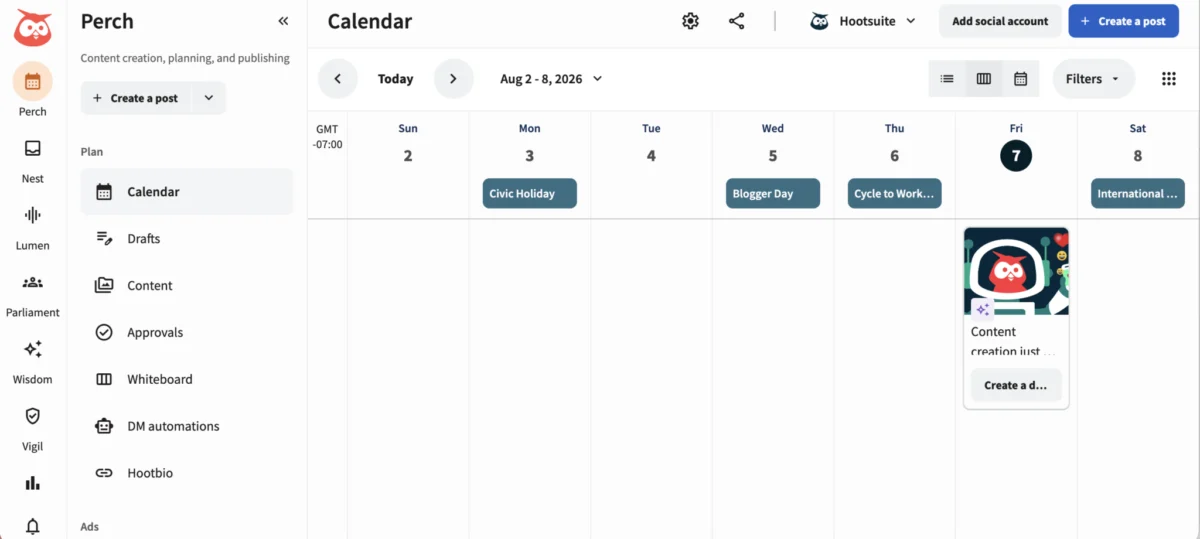
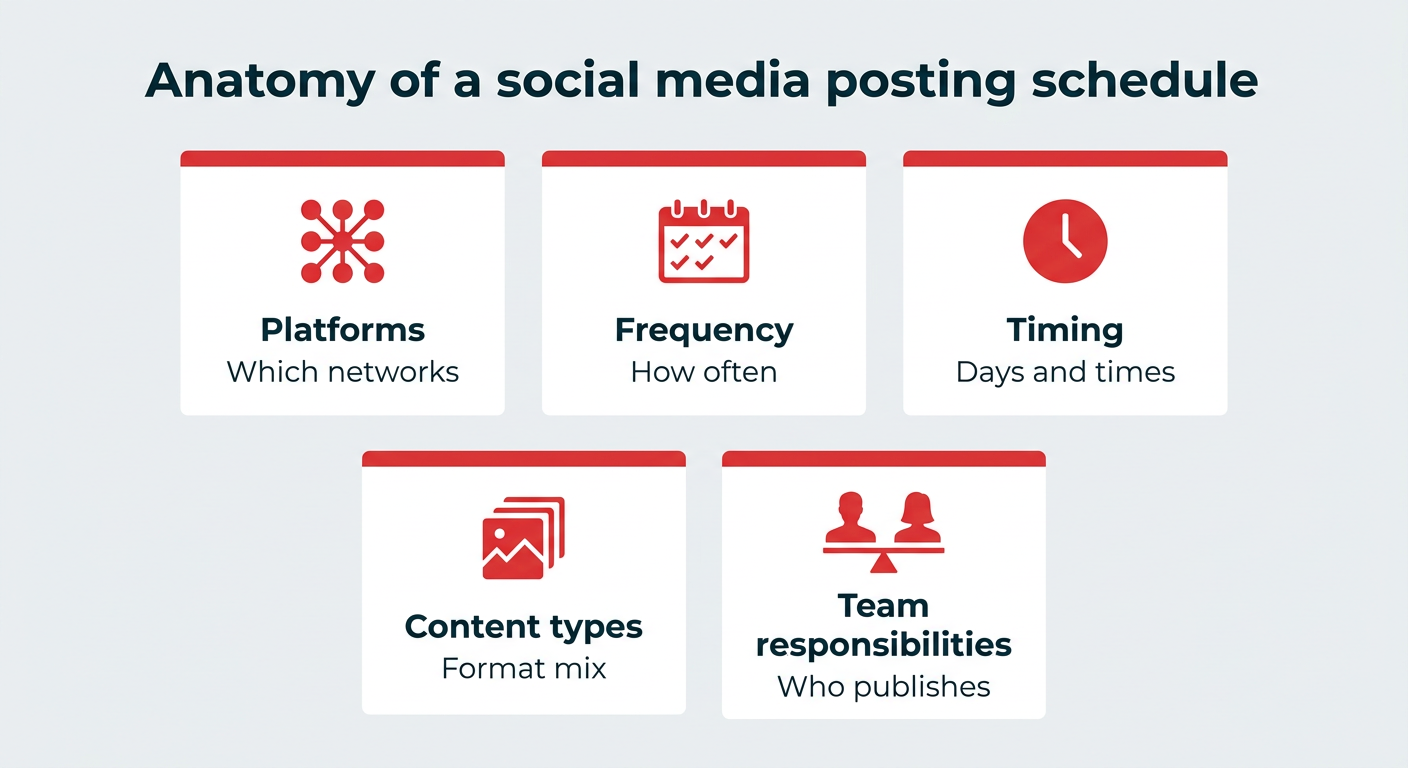
A meticulously planned social media posting schedule is no longer a mere convenience for modern businesses and content creators; it is the strategic backbone of any successful digital presence. Far more than a simple list of upcoming posts, this critical planning document meticulously defines what content will be published, its intended frequency, precise publication times, and the specific platforms it will target. Essentially, it serves as the dynamic timing layer that underpins an overarching social media strategy, dictating the rhythm and flow of a brand’s online narrative. While often confused with a broader content calendar—which encompasses the conceptualization of ideas, campaigns, and thematic pillars—the posting schedule focuses acutely on the tactical execution, ensuring that each carefully crafted piece of content reaches its intended audience at the most impactful moment. The symbiotic relationship between these two planning tools is vital: the content calendar provides the "what," and the posting schedule provides the "when" and "where," transforming creative ideas into actionable, high-impact deliveries.

The proliferation of social media platforms and the relentless competition for audience attention have elevated the posting schedule from a helpful organizational tool to an indispensable strategic asset. In an environment where algorithms constantly evolve and user behaviors shift, an ad-hoc approach to content dissemination is increasingly ineffective. Businesses, from burgeoning startups to established enterprises, recognize that consistent, timely, and platform-optimized content is paramount for building brand awareness, fostering community engagement, driving website traffic, and ultimately, converting followers into loyal customers. Without a structured schedule, even the most innovative content risks being lost in the digital deluge, failing to achieve its potential reach and impact.
The Strategic Imperative: Why a Posting Schedule is Indispensable

Implementing a robust social media posting schedule extends far beyond simple organizational neatness; it serves as a multifaceted shield, safeguarding valuable time, ensuring unwavering consistency, and ultimately amplifying measurable results. The benefits cascade across various operational and strategic domains within an organization.
Firstly, a defined schedule acts as a formidable time-saver. By pre-planning content and its distribution, marketing teams can significantly reduce the daily scramble for ideas and the last-minute rush to create posts. This proactive approach frees up valuable hours that can be redirected towards more creative endeavors, deeper audience research, or real-time engagement. This efficiency is particularly crucial for smaller teams or individual creators juggling multiple responsibilities, allowing them to focus on quality rather than constant reactive creation.
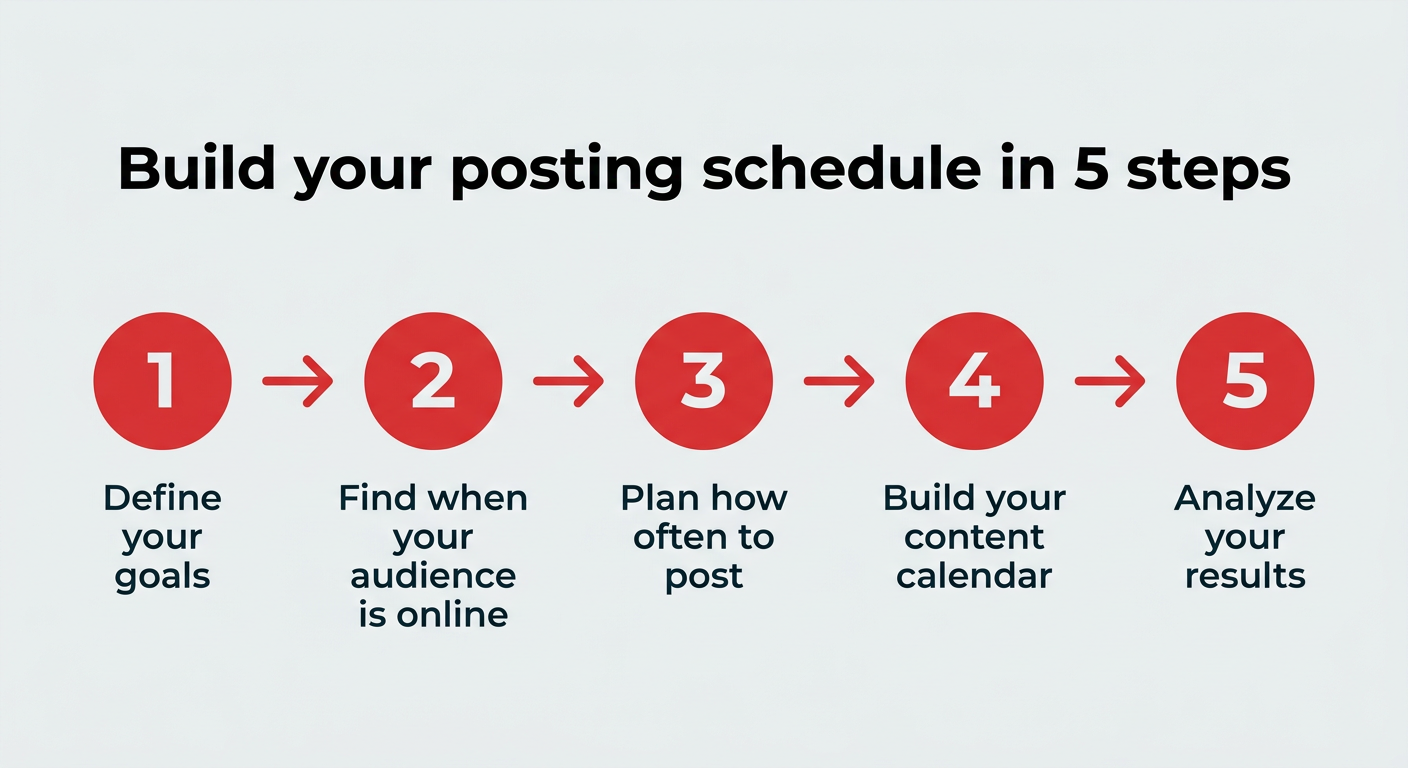
Secondly, consistency is the bedrock of brand building on social media. A predictable presence helps cultivate audience expectation and loyalty. When followers know they can expect regular, high-quality content from a brand, they are more likely to engage and return. Algorithms, too, often favor consistent publishers, rewarding them with increased visibility in user feeds. Data from numerous industry studies indicates that brands maintaining a regular posting cadence typically see higher engagement rates and accelerated follower growth compared to those with erratic publishing habits. This consistency also fosters stronger brand recall and improved conversion rates over time.
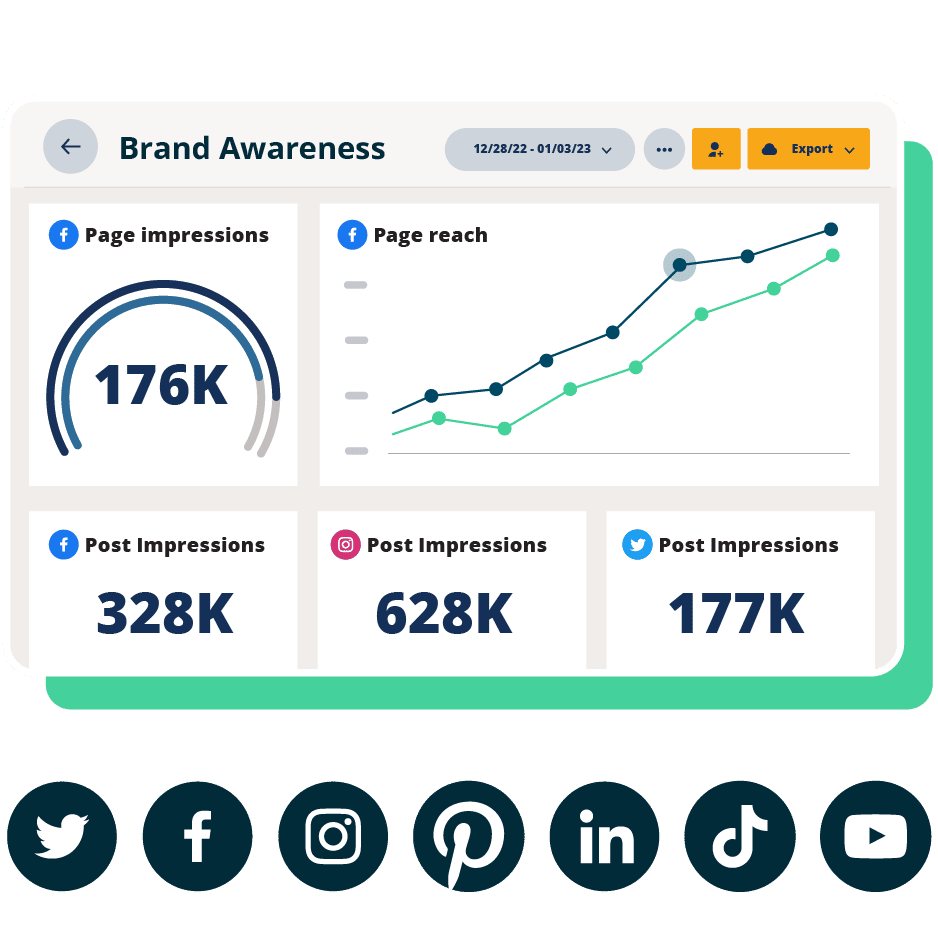
Thirdly, a strategic schedule is directly correlated with enhanced results. By aligning content delivery with peak audience activity times and optimizing for platform-specific nuances, brands can maximize the visibility and impact of each post. This data-driven approach moves beyond guesswork, ensuring that content is not just published, but published intelligently for maximum effect. The ability to track and analyze performance against a structured schedule provides invaluable insights into what resonates with the audience, allowing for continuous refinement and optimization for better ROI.

Moreover, a well-structured schedule plays a crucial role in preventing team burnout. The constant pressure to conceive, create, and publish engaging content can be mentally and creatively exhausting. By breaking down the workflow into manageable, scheduled tasks, teams can maintain a sustainable pace, fostering creativity rather than stifling it. This also facilitates better internal collaboration, as team members can clearly see their responsibilities and deadlines, ensuring a smoother and more predictable content pipeline.

Optimizing Reach: Platform-Specific Posting Frequencies and Content Mix

Determining the ideal posting frequency for social media is not a one-size-fits-all endeavor; it is a nuanced process unique to each brand, its target audience, industry, and available resources. However, expert research and extensive data analysis provide solid baselines from which to build and refine a tailored strategy. Hootsuite’s comprehensive research, for example, offers valuable minimum recommendations that serve as a pragmatic starting point. These are not rigid rules but rather informed hypotheses to be tested against individual performance metrics and audience engagement patterns.
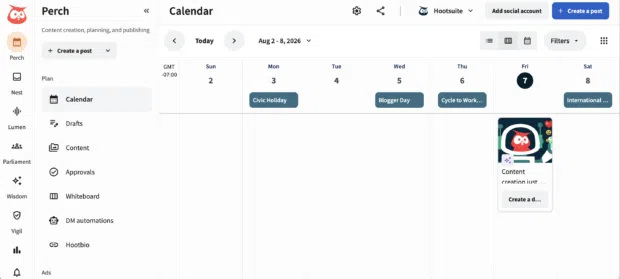
For Instagram, a visual-first platform, a recommended minimum of 3 to 5 posts per week is suggested, although many successful businesses aim for daily engagement to maintain strong visibility. The emphasis here is increasingly on dynamic video content, particularly Instagram Reels, which algorithms often prioritize for broader reach and discovery. Instagram Stories, with a recommendation of twice daily, are excellent for behind-the-scenes glimpses, interactive polls, Q&As, and fostering more intimate, transient engagement. The platform’s visual nature demands high-quality imagery and video, making strategic planning essential to maintain a cohesive and appealing aesthetic.
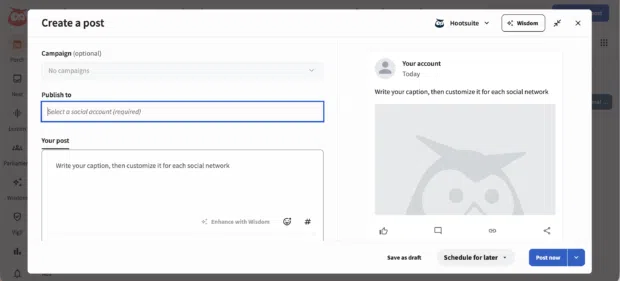
Facebook, still a dominant force in the social media landscape with approximately half of U.S. adults engaging daily (Pew Research Center, 2025), generally benefits from 1 to 2 posts per day. The guiding principle here is unequivocally quality over sheer volume. Facebook’s algorithm prioritizes meaningful interactions—likes, comments, shares—so posts that genuinely spark conversations and connections will consistently outperform those published merely for the sake of presence. Long-form text, curated articles, community-focused discussions, and event promotions often thrive on this platform.
X (formerly Twitter), known for its fast-paced, real-time, and conversational nature, tolerates a higher cadence, with 2 to 3 posts per day as a minimum, and many active businesses posting multiple times daily to stay relevant within rapidly evolving trends. The platform thrives on immediate updates, reactions to trending topics, and succinct, impactful messaging, where brevity is key to cutting through the constant stream of information.

For professional networking and thought leadership, LinkedIn performs optimally during weekdays, with a recommended 1 to 2 posts per day. Many businesses achieve substantial success with 3 to 5 posts per week, focusing on professional hours. Content that establishes thought leadership, shares industry insights, company news, career-related advice, and professional development resources resonates most effectively with its career-focused audience.

Newer, highly engaging platforms like Threads benefit from a frequency of 2 to 3 posts per day, with daily posting being a common practice among brands. Its conversational focus encourages engaging questions, quick textual updates, and direct community interaction, mirroring some aspects of its predecessor. TikTok, driven by short-form, highly creative video content, thrives on consistent presence, with 3 to 5 posts per week recommended, though daily posting often drives greater algorithmic discovery and engagement. Authenticity, participation in trending audio/challenges, and a knack for visual storytelling are paramount for success on this dynamic platform.
Pinterest, primarily a visual search engine and discovery platform for inspiration and ideas, benefits from at least 1 post per week, with many brands posting several times weekly to maintain visibility. Evergreen content—ideas, tutorials, DIY projects, product showcases, recipes—has a significantly longer shelf life here compared to other platforms, making it a valuable asset for long-term content strategy and referral traffic.
It is crucial to acknowledge that these are general baselines. A smaller team or an individual creator might find churning out five high-quality TikToks a week unsustainable. In such cases, prioritizing quality over an aggressive quantity is always the better strategy. Burnout is a significant risk in social media management, and a manageable, consistent schedule that realistically aligns with available resources will always yield superior long-term results compared to an overly ambitious, unsustainable one. The average user spends approximately 141 minutes per day on social media globally (Statista, 2023), underscoring the fierce competition for fleeting attention and the necessity of precise timing and high-value content.
Finding Your Ideal Posting Frequency: The Data-Driven Approach
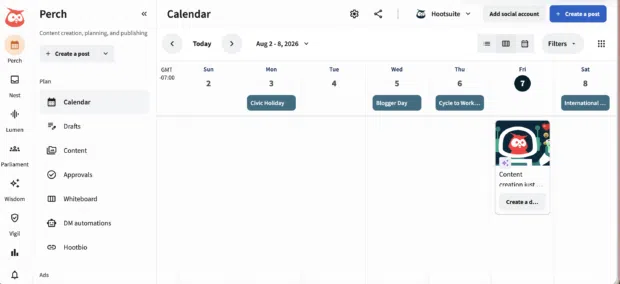
The true mastery of social media posting frequency lies in treating general recommendations as hypotheses to be rigorously tested against a brand’s unique audience data. This iterative, data-driven process involves closely tracking analytics and meticulously observing how the audience responds to adjustments in posting cadence. Does increasing posts to three times a week on X lead to a rise in reach and engagement, or does it result in content saturation and decreased individual post performance? What tangible impact does increasing Pinterest activity have on referral traffic or conversions? Experimentation, meticulous observation, and data-driven adjustments are the cornerstones of developing personalized best practices that achieve tangible results in the real world.
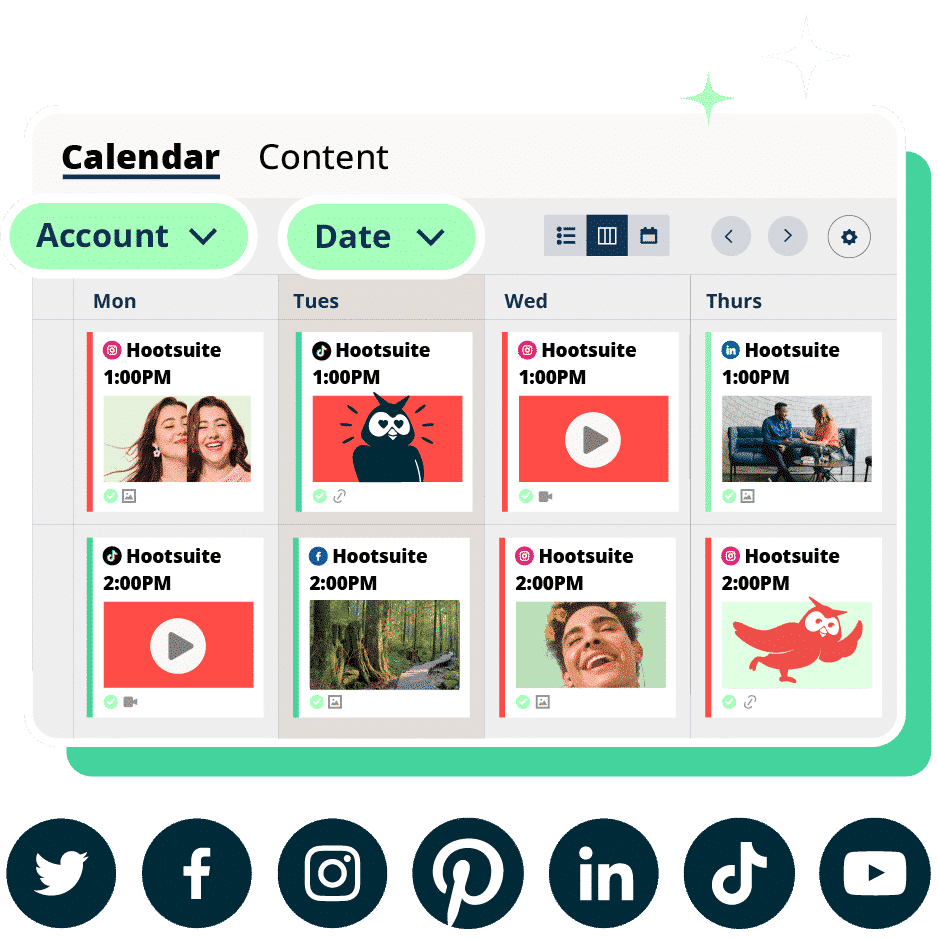
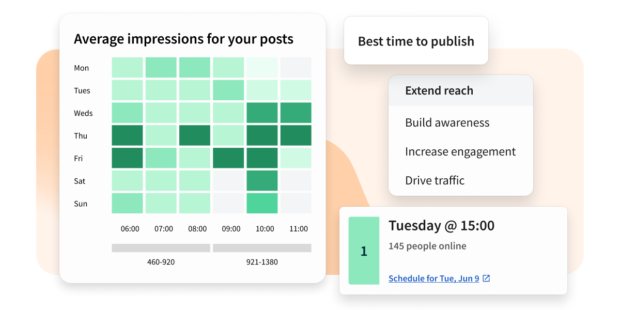
While many social media platforms provide their own internal analytics dashboards, integrated tools like Hootsuite Analytics offer a consolidated, cross-platform view. This holistic perspective is invaluable for understanding audience behavior, preferred content formats, and peak engagement times across all channels. These insights reveal crucial patterns, such as the specific hours or days when particular demographics are most active, allowing for the precise fine-tuning of the posting schedule for optimal visibility and impact.

Strategic Content Mix Frameworks for Balanced Engagement
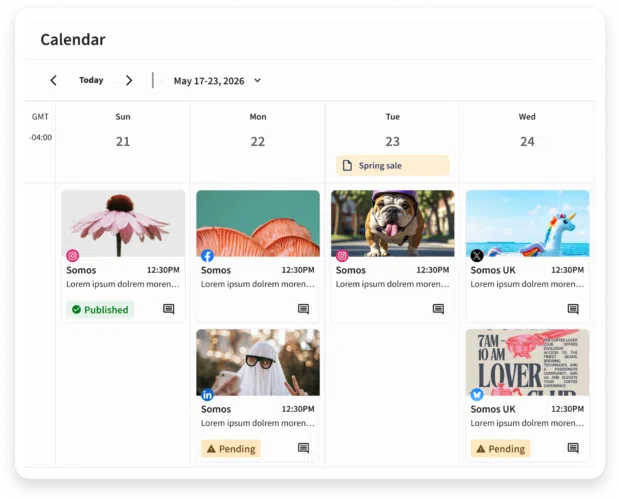
Once the optimal posting frequency is established, the next critical consideration is the "what"—the specific blend of content types that will populate the schedule. Content mix frameworks provide simple, effective ratios designed to keep feeds balanced, preventing them from becoming overly promotional and ensuring a diverse, engaging experience for the audience. These frameworks remove much of the guesswork from content planning, providing a clear roadmap for content variety.

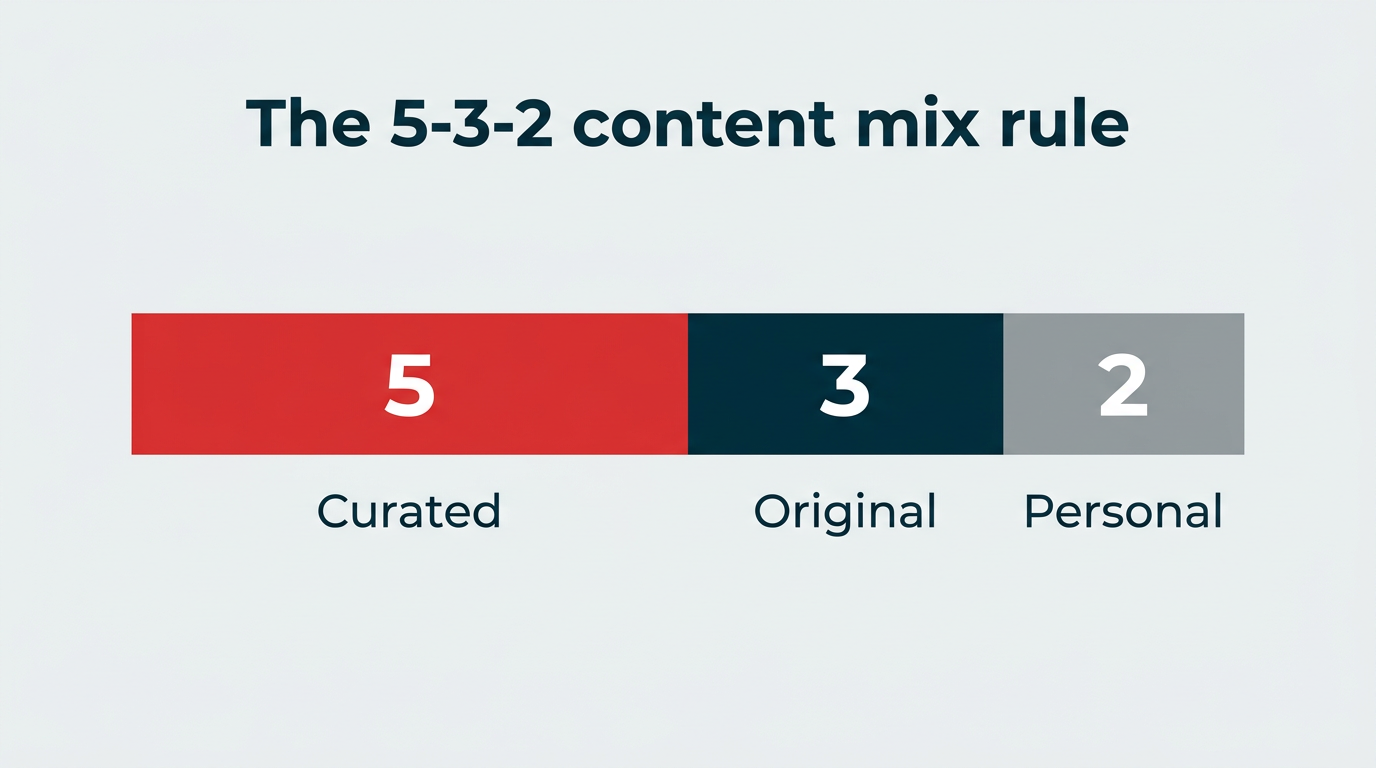
The 5-3-2 Rule is a popular and widely adopted framework that advocates for a balanced approach to content sharing, emphasizing variety and value. For every ten posts published, this rule suggests the following distribution:
- 5 posts should consist of curated content from other trusted sources within the industry. This positions the brand as a knowledgeable resource and a valuable curator of relevant information, fostering community engagement and demonstrating an awareness of broader industry trends. It builds credibility by sharing external expertise.
- 3 posts should be original content created directly by the brand itself. This is where the brand directly communicates its unique expertise, offerings, and value proposition through blog posts, how-to guides, infographics, unique insights, case studies, or product showcases.
- 2 posts should be personal or humanizing content. This could involve behind-the-scenes glimpses into company culture, team photos, employee spotlights, celebrating milestones, or sharing user-generated content. This element is crucial for building a more authentic and relatable connection with the audience, making the brand feel more human and accessible.
For example, a sustainable fashion brand might share an article on ethical manufacturing (curated),