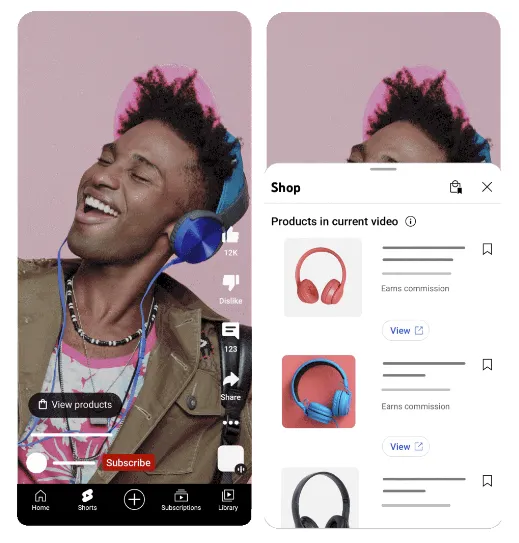
YouTube has significantly advanced its in-app shopping strategy by extending access to its Shopping Affiliate Program to eligible creators across the United Kingdom. This pivotal expansion enables UK-based content creators to seamlessly tag products from a diverse array of partner merchants directly within their video content, Shorts, and live streams, subsequently earning commission from sales generated through these integrated links. The move is a critical step in YouTube’s broader objective to transform its platform into a premier destination for social commerce, providing creators with diversified monetization avenues while offering brands a powerful new channel to reach engaged audiences.
Program Mechanics and Evolving Eligibility
The core mechanism of the YouTube Shopping Affiliate Program empowers creators to embed shoppable links for products featured in their content. When a viewer clicks on these links and makes a purchase on the retailer’s website, the creator receives a percentage-based commission on the sale. This system aligns YouTube with established affiliate marketing models prevalent across the digital landscape, but with the distinct advantage of direct integration within video content, leveraging the platform’s immersive and influential nature.
Initially launched in 2022, the program first became available to creators in select regions, including the United States, Thailand, and India. The early phase of the program was characterized by stringent eligibility criteria, requiring channels to possess a substantial subscriber base—exceeding 20,000 subscribers—to qualify. This high barrier to entry limited participation to a relatively small segment of established creators. However, in a strategic move to democratize access and foster wider adoption, YouTube has progressively lowered these requirements. As of March, the subscriber threshold for eligibility was significantly reduced to just 500 subscribers, making the program accessible to a much broader spectrum of creators who are already part of the YouTube Partner Program (YPP). This reduction reflects a clear intent by YouTube to cultivate a robust creator-driven shopping ecosystem by enabling a larger pool of talent to participate and monetize their content through commerce.
For UK creators, this means that any channel meeting the YouTube Partner Program’s relaxed criteria—which now includes having at least 500 subscribers, 3 valid public uploads in the last 90 days, and either 3,000 valid public watch hours in the past year or 3 million valid public Shorts views in the past 90 days—will be eligible to join the shopping affiliate initiative. This inclusive approach is designed to empower emerging and mid-tier creators, not just macro-influencers, to generate revenue directly from their content, fostering a more sustainable creator economy within the platform.
Strategic Retailer Partnerships in the UK Market
The expansion into the UK market is underpinned by strategic partnerships with prominent British and international retailers, ensuring a relevant and diverse product offering for creators and consumers alike. The initial roster of partner merchants includes well-known brands such as Wayfair, a leading online retailer for home goods; Currys, one of the UK’s largest electronics retailers; Debenhams, a historic department store brand with a strong online presence; Boots, a ubiquitous health and beauty retailer; Marks & Spencer (M&S), a quintessential British retailer known for food, clothing, and home products; and Etsy, a global marketplace for unique and handmade items.
These partnerships are crucial for the program’s success. By collaborating with established and trusted brands that span multiple consumer categories, YouTube ensures that creators have access to a wide range of products that can naturally integrate into diverse content niches, from home decor and fashion hauls to tech reviews and beauty tutorials. For these retailers, the program offers a direct pipeline to YouTube’s vast and engaged audience, leveraging the authentic recommendations of creators to drive sales and brand awareness in a highly competitive e-commerce landscape. The inclusion of both large corporate retailers and a marketplace like Etsy also highlights YouTube’s intent to cater to various business sizes and product types, from mass-market goods to niche artisanal products.
The Evolution of YouTube’s Shopping Initiatives: A Chronology
YouTube’s journey into social commerce is a strategic response to the evolving digital landscape and the burgeoning creator economy. While the official Shopping Affiliate Program launched in 2022, the platform had been experimenting with various e-commerce integrations for several years prior.
- Early Tests (Pre-2020): YouTube’s initial forays into shopping were often experimental, involving limited partnerships and direct integrations for specific brands or events. These early tests aimed to gauge user interest and technical feasibility of in-app purchasing.
- 2020 – "Shopping Features" Rollout: Amidst the global pandemic accelerating e-commerce adoption, YouTube began to roll out more comprehensive shopping features. This included shelf integrations below videos, allowing creators to display products, and early forms of live shopping events, particularly prominent in markets like South Korea and India where live commerce was already gaining traction.
- 2021 – Expansion of Product Tagging: YouTube expanded tests of product tagging in uploads, allowing more creators to link to products from their own stores or third-party retailers. This period saw a refinement of the user interface for shopping elements.
- 2022 – Official Launch of Shopping Affiliate Program: The formal launch of the Shopping Affiliate Program marked a significant milestone. Initially rolled out in the US, India, and Thailand, it provided a structured framework for creators to earn commissions, moving beyond mere product display to direct monetization. The initial subscriber threshold of 20,000 reflected a cautious, phased approach, targeting creators with proven audience engagement.
- 2023 – Broadening Access: Throughout 2023, YouTube actively worked on refining the program and, crucially, lowering the barrier to entry. This included reducing the subscriber requirement and streamlining the application process, signaling a clear intent for wider adoption.
- March 2024 – Subscriber Threshold Reduction: A major update saw the eligibility criteria for the YouTube Partner Program, and consequently for the Shopping Affiliate Program, drop to 500 subscribers. This move was a game-changer, opening the door for thousands of additional creators globally.
- April 2024 – UK Expansion: The latest development, extending the program to UK creators, represents a significant geographical expansion, bringing a major Western market into YouTube’s social commerce ecosystem. This follows a pattern of gradual, strategic rollout to ensure robustness and market fit.
This timeline illustrates YouTube’s methodical approach, starting with limited tests, refining features, and progressively broadening access and geographical reach, all while adapting eligibility criteria to foster a more inclusive creator economy.
Broader Context: The Rise of Social Commerce and Creator Economy
YouTube’s concentrated push into social commerce is not an isolated event but a strategic response to global trends. The social commerce market has witnessed explosive growth, particularly in Asia, with China leading the charge. Projections indicate the global social commerce market size could reach well over a trillion dollars in the coming years, driven by platforms like TikTok Shop and Instagram Shopping, which have aggressively integrated direct shopping functionalities. Consumers are increasingly seeking product recommendations and purchasing options directly within the social platforms they frequent, blurring the lines between content consumption and retail therapy.
The creator economy, valued in the hundreds of billions, also continues its rapid expansion. Creators are no longer solely reliant on advertising revenue; diversified income streams from brand deals, subscriptions, merchandise, and now, direct affiliate sales, are becoming essential for sustainable careers. Platforms that offer robust monetization tools are better positioned to attract and retain top talent. YouTube, as the pioneer of video monetization, is keen to maintain its leadership position by providing creators with competitive and innovative earning opportunities that align with evolving consumer behaviors.
YouTube’s Vision for a "Premier Shopping Destination"
YouTube CEO Neal Mohan has explicitly articulated the platform’s ambition to become a "premier shopping destination." In his 2026 overview, Mohan highlighted the expansion of in-stream shopping options as a key strategic focus. This vision extends beyond mere affiliate links; it encompasses a holistic shopping experience integrated into the user journey. This includes features like timestamps, which allow creators to prompt viewers to shop at the exact moment a product is featured, enhancing the discoverability and immediacy of purchases.
The platform is likely exploring further innovations such as augmented reality (AR) shopping experiences, more sophisticated product carousels, and enhanced analytics for creators and brands. The goal is to make shopping on YouTube as seamless and engaging as watching content, ultimately driving habitual shopping behavior within the app. By providing a direct path from discovery through content to purchase, YouTube aims to shorten the sales funnel and capture a larger share of the e-commerce market.
Impact on UK Creators
For UK creators, this expansion represents a substantial new revenue stream and a significant opportunity for business growth. Previously, many creators relied on external affiliate programs, often directing viewers off-platform, which could lead to a loss of engagement. The integrated YouTube Shopping Affiliate Program streamlines this process, keeping viewers within the YouTube ecosystem, which benefits both the creator and the platform.
- Diversified Income: It provides creators with another stable income source beyond ad revenue, brand sponsorships, and direct audience support (e.g., Super Chat, Memberships). This diversification contributes to greater financial stability in the often-volatile creator economy.
- Enhanced Engagement: By offering direct shopping links, creators can make their content more actionable and valuable to their audience. Viewers who trust a creator’s recommendations can now act on them instantly.
- Content Innovation: The program might inspire new types of content, such as dedicated product reviews, "shop with me" videos, styling guides, or home makeovers, all centered around shoppable items.
- Accessibility for Smaller Channels: The lowered subscriber threshold is particularly impactful for emerging and mid-tier creators, who can now access monetization opportunities previously reserved for larger channels. This fosters a more vibrant and economically sustainable creator community.
- Potential Challenges: Creators will need to be transparent about affiliate disclosures, adhering to advertising standards set by bodies like the Advertising Standards Authority (ASA) in the UK. Maintaining authenticity and recommending products genuinely will be crucial to retaining audience trust. There will also be a learning curve in optimizing content for shopping conversions and understanding product selection.
Benefits for Partner Merchants
The participating retailers stand to gain significantly from this partnership. YouTube offers an unparalleled reach, with over two billion monthly logged-in users globally, and a substantial user base in the UK.

- Direct Access to Engaged Audiences: Retailers can tap into highly engaged, niche communities built by creators. This provides a more targeted and authentic marketing channel compared to traditional advertising.
- Influencer Marketing at Scale: The program essentially operationalizes influencer marketing at scale, allowing brands to benefit from thousands of creators promoting their products without individual contract negotiations.
- Increased Sales and Brand Visibility: Authentic recommendations from trusted creators often translate to higher conversion rates than generic ads. This can drive significant sales volumes and enhance brand visibility among key demographics.
- Data and Insights: As the program matures, YouTube is likely to offer retailers more sophisticated analytics on sales performance, helping them refine their marketing strategies and identify successful creator partnerships.
- New Sales Channel: For many retailers, YouTube represents an untapped or underutilized sales channel, offering a fresh avenue for growth in the competitive e-commerce landscape.
Consumer Experience and Trust
For consumers, the expansion of the Shopping Affiliate Program aims to create a more integrated and convenient shopping experience. Instead of needing to search for products mentioned in videos, viewers can now click directly on tagged items. This reduces friction in the purchase journey, making it easier to discover and acquire products they are interested in.
A critical aspect of this model is trust. Consumers are more likely to purchase products recommended by creators they follow and trust. YouTube’s emphasis on authentic content and genuine recommendations will be paramount. Creators who prioritize their audience’s interests over purely promotional content are likely to see greater success and build stronger long-term relationships, which ultimately benefits the entire ecosystem. The platform also enhances the user experience by offering features like timestamps, allowing viewers to jump to specific product mentions within longer videos, further streamlining the shopping process.
Competitive Landscape and Future Outlook
YouTube’s move places it in direct competition with other social media giants that have heavily invested in social commerce. TikTok Shop has demonstrated immense potential for live shopping and short-form video commerce, while Instagram and Facebook have long offered shopping features within their apps. YouTube’s advantage lies in its deep integration with long-form video, its established creator economy, and its vast library of evergreen content that continues to drive discovery over time.
Looking ahead, YouTube is likely to continue innovating in the social commerce space. This could include further geographical expansion, integration of more advanced AR shopping features, personalized product recommendations driven by AI, and enhanced live shopping functionalities that rival dedicated e-commerce platforms. The emphasis will remain on making the shopping experience seamless, engaging, and directly integrated into the content consumption flow. The company’s ongoing commitment to diversifying creator monetization ensures that it remains an attractive platform for talent, which in turn fuels the content ecosystem necessary for a thriving social commerce environment.
Regulatory Considerations
As social commerce expands, so does the scrutiny from regulatory bodies regarding transparency and consumer protection. In the UK, the Advertising Standards Authority (ASA) and the Competition and Markets Authority (CMA) have clear guidelines regarding influencer marketing and affiliate disclosures. Creators participating in YouTube’s program will be required to prominently disclose their affiliate relationships to ensure that viewers are aware when they are watching sponsored or monetized content. YouTube itself has mechanisms and guidelines in place to support creators in adhering to these regulations, fostering a transparent and trustworthy environment for both consumers and brands.
In conclusion, YouTube’s expansion of its Shopping Affiliate Program to the UK is a strategic, multifaceted initiative designed to bolster its position in the rapidly growing social commerce market. By lowering eligibility barriers, partnering with key retailers, and providing creators with a robust, integrated monetization tool, YouTube is actively shaping the future of online shopping. This move promises significant benefits for creators seeking diversified income, retailers aiming to reach engaged audiences, and consumers looking for convenient, creator-driven product discovery, all while reinforcing YouTube’s ambition to become a central hub for both content and commerce.