The past week has seen significant developments across Google’s vast digital ecosystem, marked by unconfirmed yet substantial shifts in its search ranking algorithms, a critical leadership reorganization within its artificial intelligence division, and a series of strategic updates impacting its advertising platforms. These changes underscore a period of intense evolution for the tech giant, reflecting its ongoing pivot towards AI integration, enhanced security protocols, and a dynamic response to the ever-changing digital landscape. From the palpable anxiety among webmasters grappling with search volatility to the far-reaching implications of executive departures and the future of AI-driven advertising, the digital marketing community is observing Google’s trajectory with keen interest.
Search Algorithm Flux and Webmaster Insights
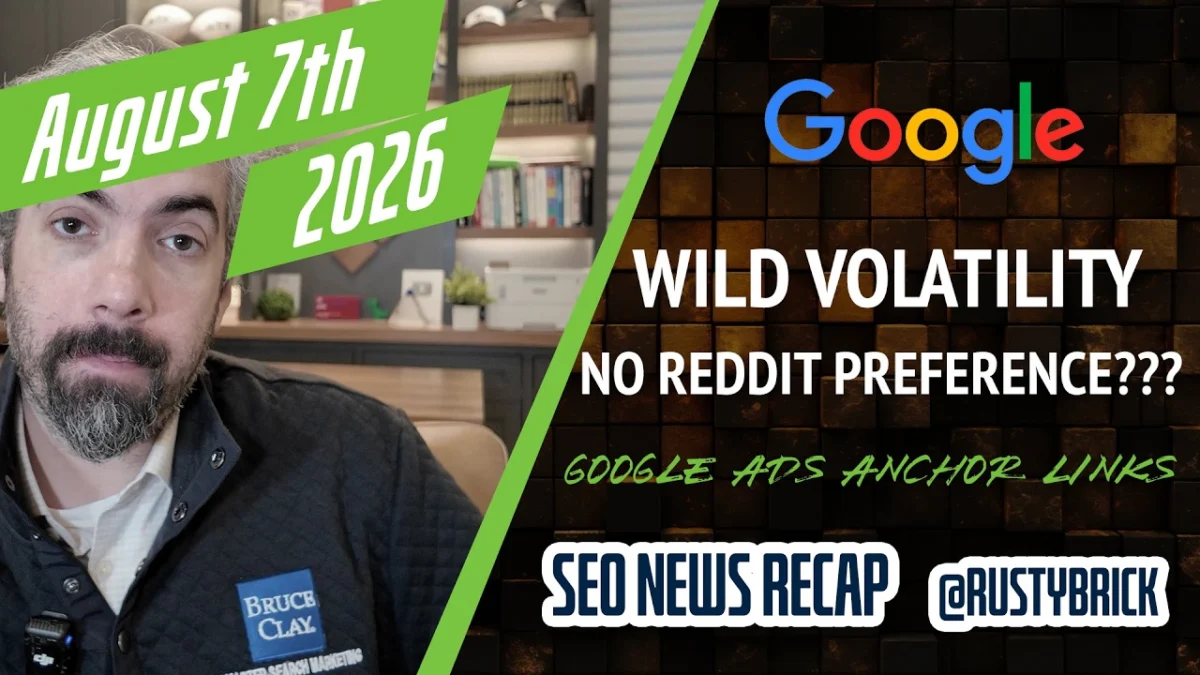
The digital marketing community was abuzz this week following reports of two distinct, unconfirmed Google search ranking updates. These shifts, one observed mid-week and another over the weekend, were described by many tracking tools and webmasters as "pretty big," indicating significant volatility across search engine results pages (SERPs). Unconfirmed updates, while lacking official announcements from Google, are routinely detected by third-party SEO tools such as Semrush Sensor, Mozcast, and RankRanger, which monitor daily fluctuations in search rankings. Such volatility often leads to considerable swings in website traffic and visibility, posing immediate challenges for businesses and SEO professionals who rely on stable organic search performance. These frequent, often subtle, yet sometimes profound, adjustments are part of Google’s continuous effort to improve search relevance and user experience, but they invariably create a dynamic and sometimes unpredictable environment for webmasters striving for consistent visibility. The precise nature of these unconfirmed updates remains speculative, but they typically involve refinements to how Google assesses content quality, user intent, and site authority, reflecting ongoing iterations of its core ranking algorithms.
Amidst these algorithmic fluctuations, Google issued a clarifying statement regarding Reddit, asserting that the popular social platform receives no "special preference" in its search rankings or AI results. This declaration comes after growing speculation within the SEO community, fueled by observations of Reddit threads frequently appearing high in search results, particularly for long-tail queries and user-generated content. Google has consistently emphasized its commitment to prioritizing "helpful, reliable, and people-first content," a criterion that well-moderated forums and user discussions on platforms like Reddit often fulfill. The statement serves to reinforce Google’s position that its algorithms evaluate content based on its inherent quality and relevance, rather than any pre-existing partnership or preferential treatment for specific domains. This clarification is particularly pertinent given the broader industry discussions about Google potentially licensing data from large content platforms for training its generative AI models, leading some to wonder if such arrangements might confer an algorithmic advantage.
Further enhancing webmasters’ diagnostic capabilities, Google confirmed that Search Console (GSC) can indeed display queries originating from "AI Mode," though not necessarily in the expected locations. AI Mode queries likely refer to interactions with Google’s generative AI features, such as the Search Generative Experience (SGE), which provides AI-summarized answers alongside traditional search results. The ability to track these queries, even if unconventionally presented, is crucial for webmasters to understand how users are interacting with these evolving search interfaces and to adapt their content strategies accordingly. This development signals Google’s intent to provide transparency into how its AI-powered search components influence user behavior and, consequently, website traffic.
On a more technical front, Googlebot, the search engine’s web crawler, was noted to be sending a broader range of HTTP requests beyond the typical GET and POST methods. The list now includes HEAD, OPTIONS, PUT, PATCH, and DELETE. Traditionally, search engine crawlers primarily use GET requests to retrieve web page content. The expanded use of HEAD requests indicates Googlebot is efficiently checking metadata without downloading entire pages. More significantly, the inclusion of OPTIONS, PUT, PATCH, and DELETE suggests a sophisticated interaction capability, potentially allowing Googlebot to understand and index dynamic content, APIs, and complex web applications more thoroughly. This evolution points to Googlebot becoming more adept at interacting with the modern web, which increasingly relies on API-driven architectures and dynamic content delivery. Developers might need to consider how their server configurations and APIs respond to these diverse HTTP methods to ensure optimal crawlability and indexation.
The "big Google Webmaster Report" was also highlighted, a resource typically offering invaluable insights into Google’s evolving guidelines, best practices, and algorithmic shifts. Such reports are critical for SEO professionals and webmasters seeking to align their strategies with Google’s current recommendations and anticipate future changes. Concurrently, Microsoft’s Bing Webmaster Tools announced forthcoming enhancements, promising page and query-level filtering. This granular data reporting will empower webmasters on the Bing platform to conduct more precise performance analysis, identifying specific pages and search queries driving traffic, thereby improving their optimization efforts for Microsoft’s search engine.
The Future of AI and Google’s Strategic Realignment
Perhaps the most significant strategic announcement of the week was the confirmation that Google Assistant will be replaced by Gemini on mobile devices starting September 4th. This move marks a pivotal moment in Google’s overarching AI strategy, consolidating its pioneering voice assistant under the umbrella of its most advanced and multimodal AI model, Gemini. Google Assistant, launched in 2016, revolutionized voice interaction with smartphones and smart home devices. Its migration to Gemini signifies a commitment to offering a more intelligent, cohesive, and contextually aware user experience, leveraging Gemini’s superior capabilities in understanding, reasoning, and generating diverse content formats. This strategic shift aims to unify Google’s AI efforts, streamline development, and present a more powerful and integrated AI assistant to compete with rivals like Amazon Alexa, Apple Siri, and Microsoft Copilot.
Complementing this technological consolidation, Google also announced massive leadership changes within its AI department, signaling a major strategic realignment at the highest echelons. Jeff Dean, a legendary figure in Google’s AI research and a pivotal architect of many of its foundational AI systems, will be transitioning from his role as head of Google AI. Simultaneously, Demis Hassabis, the CEO of Google DeepMind, is set to take on an expanded and critical new role within Google’s unified AI efforts. These personnel shifts are far more than mere executive shuffling; they represent a fundamental restructuring intended to accelerate Google’s AI development and integration across its product portfolio. Hassabis, known for his visionary leadership at DeepMind, is expected to drive a more integrated approach to AI research and deployment, particularly in the wake of intense competition from OpenAI and its partnership with Microsoft. The changes are widely interpreted as Google’s aggressive push to ensure Gemini’s success and to solidify its leadership position in the global AI race, aiming for a more streamlined and impactful translation of cutting-edge research into consumer-facing products.
The implications of these AI integrations and leadership changes are profound. For users, the transition to Gemini promises a more capable and versatile AI assistant, potentially offering more sophisticated conversational abilities, better integration across apps, and enhanced personal productivity features. For developers, it implies a more unified and powerful AI platform to build upon. Strategically, Google is clearly doubling down on its AI investments, recognizing it as the core engine for future growth and innovation. This internal restructuring underscores a clear intent to move faster and more decisively in the rapidly evolving AI landscape, leveraging the combined strengths of its research divisions under a consolidated leadership vision.
Advertising Ecosystem Shifts: Google, Microsoft, and ChatGPT
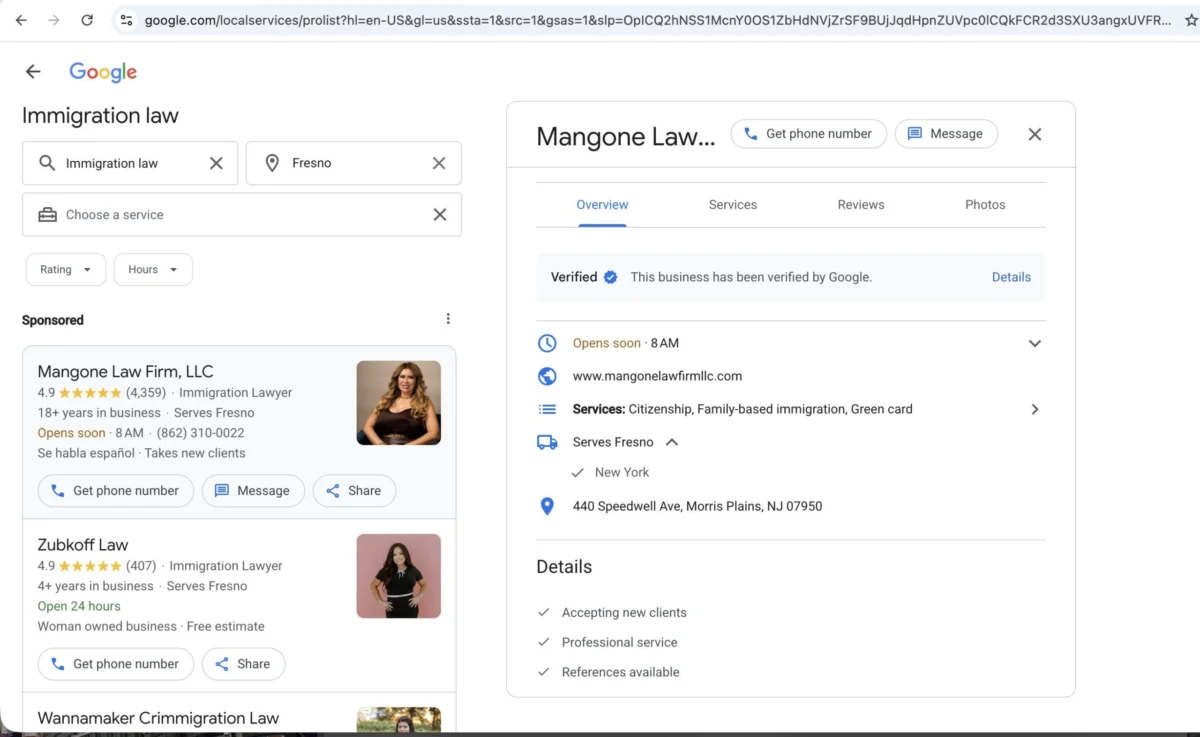
The advertising sector also experienced a flurry of updates and pilot programs, reflecting ongoing efforts to refine ad targeting, automation, and security across major platforms. Google Ads was observed testing anchor text within sponsored result descriptions. This experimentation could lead to more dynamic and contextually relevant ad formats, potentially improving click-through rates (CTR) and overall campaign performance for advertisers by allowing ad copy to be more closely tied to specific keywords or landing page content.
Advertisers were also alerted to a new video Q&A session concerning the August 17 bidding update in Google Ads. Bidding strategies are central to campaign success, and updates often necessitate adjustments from advertisers to maintain optimal performance and cost efficiency. The dedicated Q&A suggests the update was significant or complex enough to warrant direct clarification from Google. However, this positive development was tempered by reports that the Google Ads ad preview and diagnosis tool was experiencing issues and was reported as broken. This operational glitch poses a considerable challenge for advertisers, hindering their ability to accurately preview their ads before launch and troubleshoot performance issues, potentially leading to wasted ad spend or suboptimal campaign execution.
In an effort to boost e-commerce conversions, Google Product Listing Ads (PLA) announced a new "Deal Ends" annotation pilot. This feature allows advertisers to prominently display the expiry date of a promotional offer directly within their product ads, leveraging the psychological principle of scarcity to encourage immediate purchases. If successful, this pilot could provide a powerful tool for online retailers, particularly during sale events and seasonal promotions.
Security remains a paramount concern across all digital platforms. Google Ads implemented new restrictions, preventing free email accounts (e.g., Gmail.com addresses) from making some sensitive changes within Google Ads accounts. This measure is a significant step towards bolstering account security, aimed at reducing the risk of unauthorized access or malicious activity. It encourages advertisers to use professional domain-based email addresses for critical account management, aligning with broader industry best practices for enterprise-level security.
Looking ahead, Google Ads announced a substantial migration plan: automatically created assets and campaign-level broad match settings will be migrated to AI Max starting September 1, 2026. This long-term roadmap signals Google’s unwavering commitment to its AI-driven Performance Max (PMax) campaign type, which leverages machine learning to optimize ad delivery across all Google channels. The migration implies a significant push towards greater automation in advertising, potentially reducing manual control for advertisers but promising enhanced efficiency and performance through AI-powered optimization. Advertisers will have ample time to prepare for this shift, which fundamentally alters how campaigns are structured and managed within the Google Ads ecosystem.
Competing in the advertising space, Microsoft Advertising also unveiled new enclosed audience ads placements within its equivalent of Performance Max (PMax) and introduced age exclusions. These enhancements provide advertisers with more refined targeting capabilities, allowing them to reach specific demographic segments more effectively and exclude irrelevant audiences, thereby improving campaign efficiency and return on ad spend on Microsoft’s network.
Finally, the burgeoning AI landscape saw another player enter the advertising arena: ChatGPT Ads. OpenAI’s flagship conversational AI platform introduced new ad formats and feature updates, signaling its intent to monetize its vast user base through advertising. This development marks a significant expansion for OpenAI beyond its subscription models and API access, creating a new channel for businesses to reach audiences within an AI-powered conversational environment. ChatGPT Ads could potentially disrupt existing ad ecosystems and offer novel ways for brands to engage with users, further intensifying the competitive pressure on established digital advertising platforms.
Broader Market Implications and Expert Reactions
The collective impact of these announcements paints a picture of a digital ecosystem in constant flux, driven predominantly by advancements in artificial intelligence. Industry experts, while acknowledging the inherent volatility of Google’s search algorithms, largely infer that these unconfirmed updates are part of Google’s ongoing commitment to refining its core mission: delivering the most relevant and helpful search results. The shift towards Gemini and the major AI leadership restructuring underscore Google’s strategic imperative to integrate its cutting-edge AI research more seamlessly into its flagship products, positioning itself for long-term dominance in the AI era.
For SEO professionals and webmasters, the message is clear: adaptability is paramount. Constant monitoring of ranking shifts, understanding the nuances of AI-driven search features, and adhering to Google’s evolving guidelines are no longer optional but essential for digital survival. The Google Ads updates, particularly the long-term migration to AI Max, signal a future where automation and machine learning play an even more central role in advertising strategy. Advertisers are encouraged to embrace these tools, albeit with a critical eye, to leverage efficiency gains while maintaining strategic oversight. The entry of ChatGPT into the advertising space suggests a diversifying landscape, where new platforms and formats will demand innovative approaches from marketers.
In essence, the week’s news encapsulates the dynamic tension between innovation and stability. While Google strives to deliver ever more intelligent and efficient services through AI, it simultaneously navigates the complexities of maintaining a robust and secure advertising ecosystem, all while its core search algorithms continue their perpetual evolution. The digital marketing world remains on high alert, poised to adapt to the ongoing transformations emanating from the search giant and its formidable competitors.
This extensive overview of the week’s developments provides a comprehensive look into the multifaceted changes occurring within Google’s ecosystem, touching upon search, AI, and advertising. For those seeking to deepen their understanding of SEO and search marketing, resources such as Bruce Clay, a foundational figure in the SEO space since 1996, offer specialized training programs at seotraining.com. Additionally, their innovative product, Prewriter.ai, empowers writers to enhance efficiency and quality, serving as a testament to the continuous evolution of tools supporting content creation in this rapidly changing digital world.