The landscape of software engineering is undergoing a fundamental shift as the industry moves beyond simple large language model (LLM) chat interfaces toward autonomous agentic workflows. While the initial wave of AI adoption focused on the ability of models to generate code snippets, the current challenge for developers is no longer merely obtaining an answer from an AI, but ensuring that the output is cost-effective, contextually accurate, and aligned with complex project requirements. The emergence of "skills" or "plugins" for agentic tools like Claude Code and Codex CLI represents a pivotal moment in this evolution, allowing developers to modularize the capabilities of their AI assistants. By integrating specific behavioral rules and functional extensions, engineers can mitigate common frustrations such as over-engineering, high token consumption, and the "hallucination" of unnecessary dependencies.
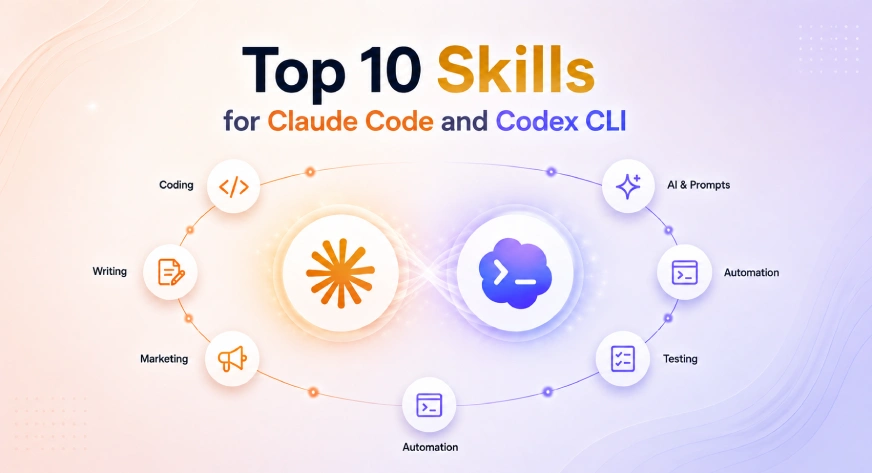
The shift toward agentic AI is driven by the realization that raw model intelligence requires a framework of constraints to be truly productive in a professional environment. Without these constraints, AI agents often operate in a vacuum, making assumptions about project architecture that lead to technical debt. The following analysis explores ten essential skills designed to refine AI behavior, optimize resource usage, and secure the development pipeline, providing a roadmap for developers looking to integrate agentic AI into their daily operations.
The Methodology of Precision: obra/superpowers
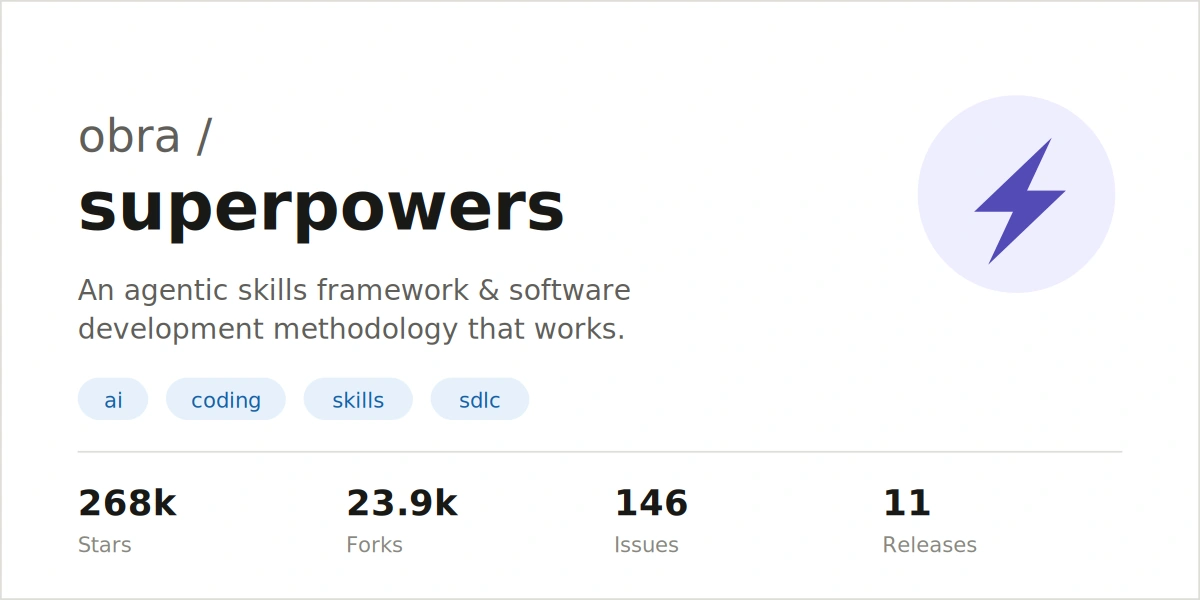
One of the primary critiques of autonomous AI agents is their tendency to "run away" with a task, writing hundreds of lines of code before the user can intervene. The obra/superpowers repository, which has garnered over 267,000 stars and nearly 24,000 forks on GitHub, addresses this by implementing a rigorous software development methodology. Instead of immediate execution, the agent is programmed to engage in a clarifying dialogue. It asks questions until the user’s intent is fully understood, then presents a modular plan for approval.
This "ask-before-build" approach is critical for complex systems where a single misunderstanding of the codebase can lead to cascading errors. By forcing the agent to show its work in readable segments, developers maintain oversight without sacrificing the speed of AI-assisted coding. This skill is compatible with both Claude Code and Codex CLI, making it a versatile foundation for any agentic setup.
Standardizing Enterprise Workflows: affaan-m/ECC
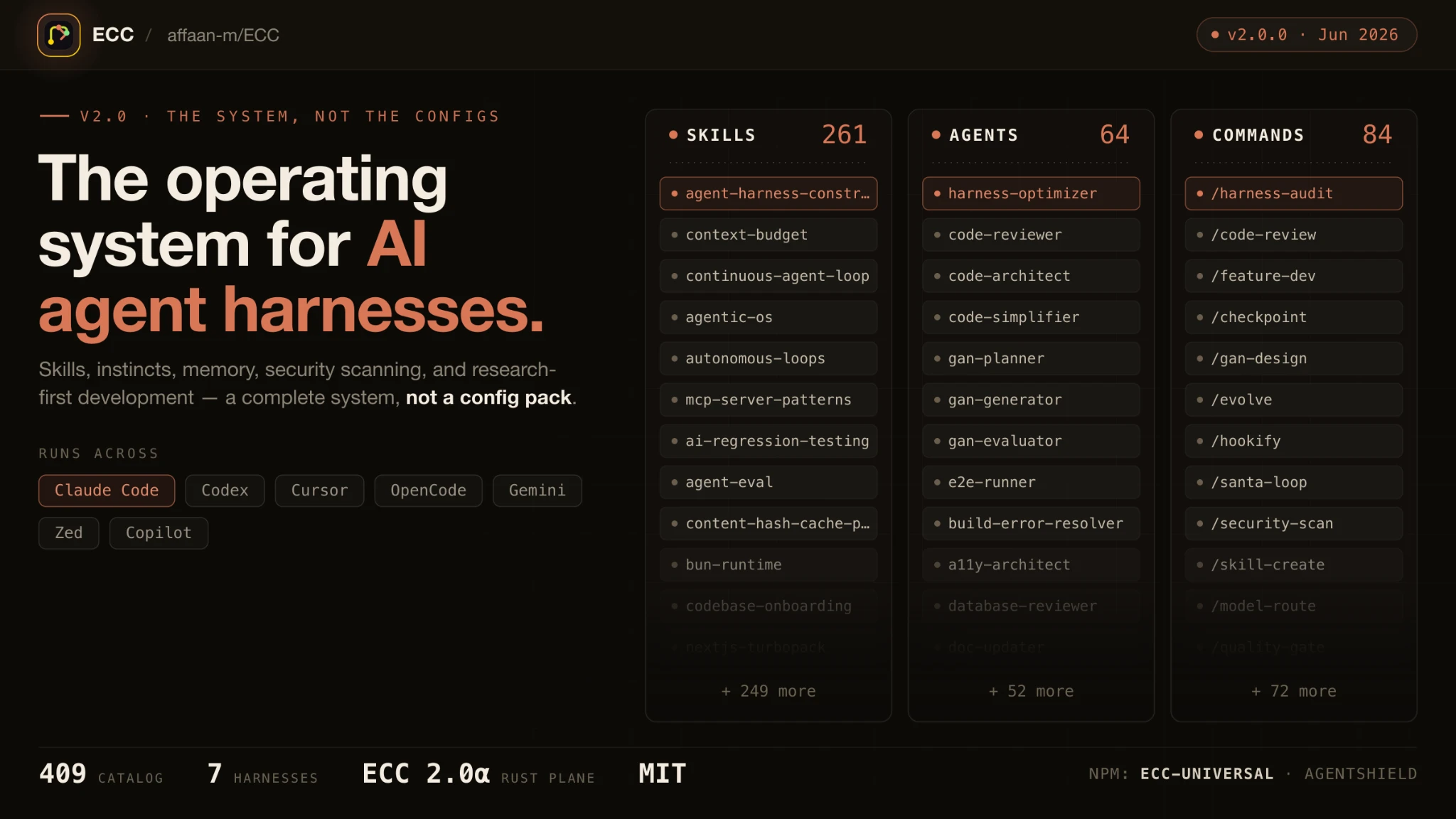
As AI tools move from individual use to team environments, the lack of standardization becomes a significant hurdle. When different developers use different agent configurations, reproducing results or maintaining a consistent code style becomes nearly impossible. The ECC (Enterprise Command Center) skill bundle, developed by Affaan-M, offers a solution through an "opinionated" set of rules covering planning, code review, security audits, and architectural integrity.
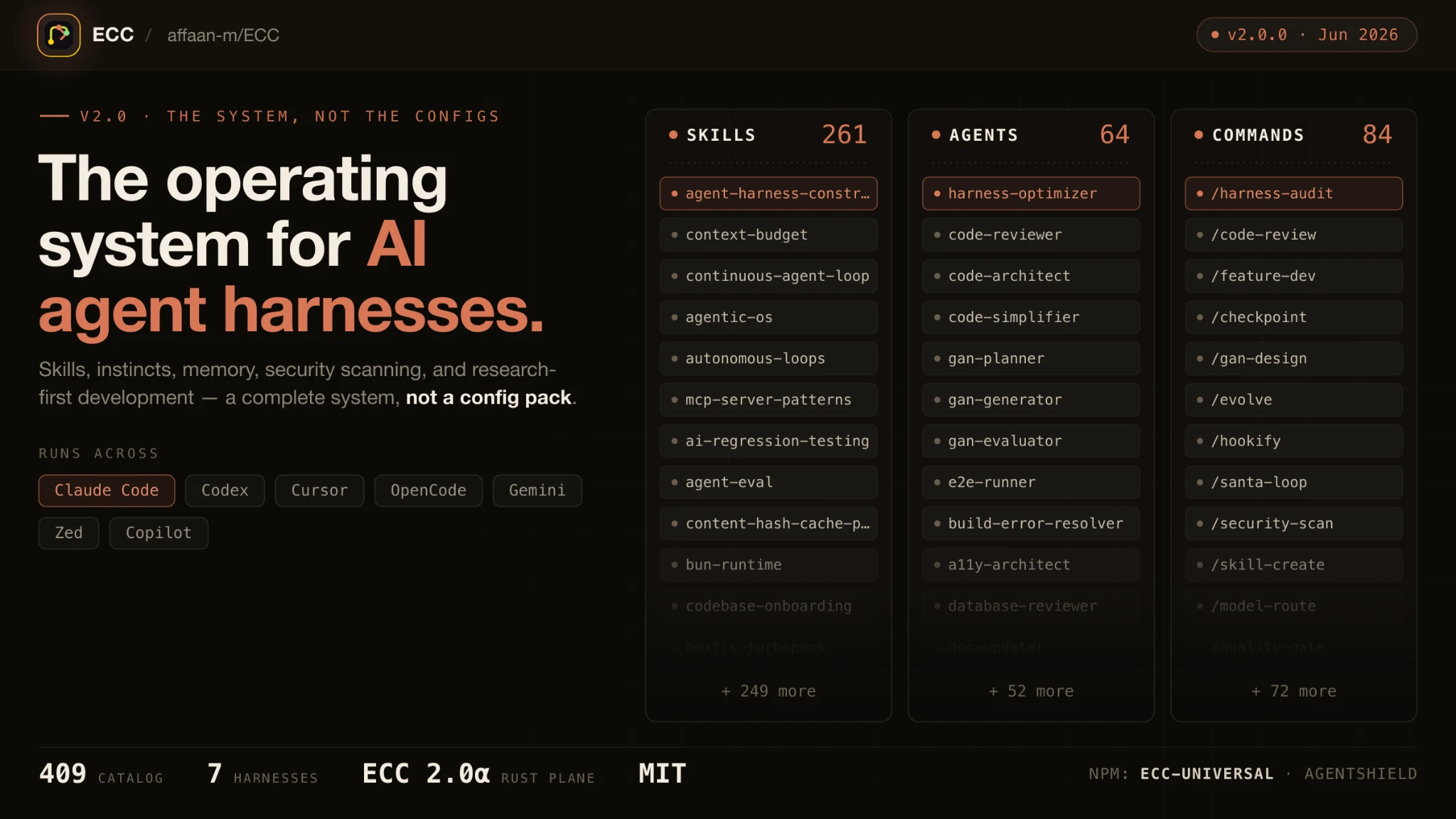
With over 238,000 stars, ECC functions as a shared operating system for AI agents within a team. It ensures that every agent follows the same protocols for build fixes and security checks, effectively acting as a digital "senior architect" that oversees the contributions of AI-assisted junior developers. While it is optimized for Claude Code, its comprehensive nature makes it an essential consideration for organizations looking to scale their AI deployment.
Implementing Industry Best Practices: andrej-karpathy-skills
Andrej Karpathy, a founding member of OpenAI and former Director of AI at Tesla, has been vocal about the pitfalls of current AI coding assistants. His observations regarding agents "guessing" intent or rewriting functional code have been distilled into a specific skill set by the community. The multica-ai/andrej-karpathy-skills repository turns these observations into actionable rules for AI agents.
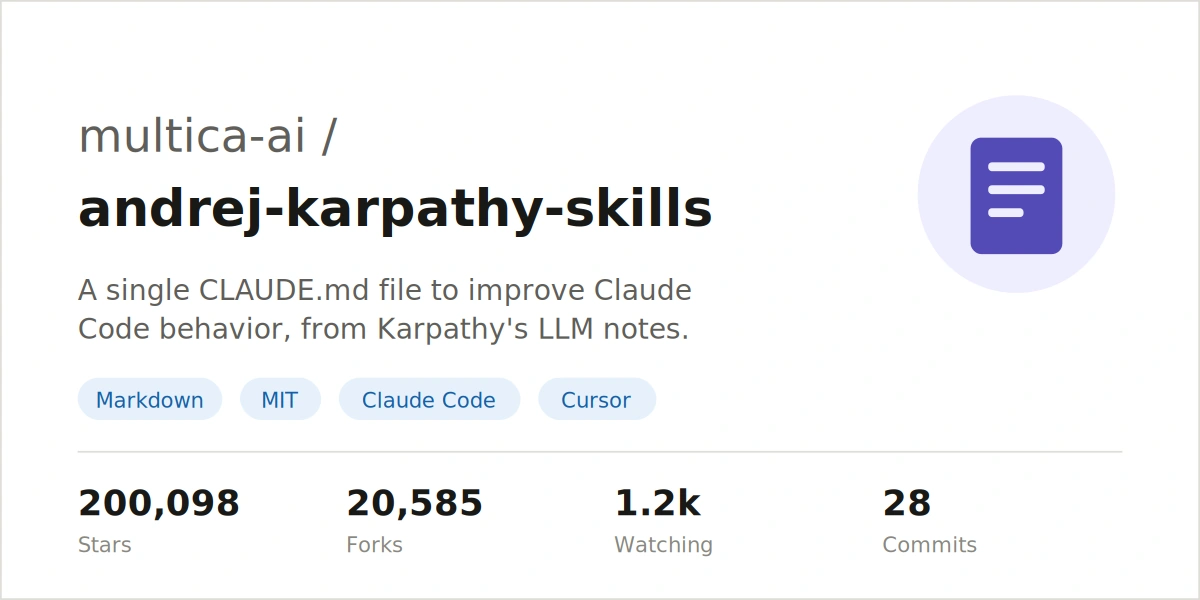
The core philosophy of this skill is restraint. It mandates that the AI "think" before coding, prioritize simplicity over complexity, and modify only the necessary lines of code. In practice, this prevents the common issue of an AI agent replacing a 100-line function with a 1,000-line library-dependent mess. For developers working on lean projects, these rules serve as a vital guardrail against the bloat often associated with AI-generated output.
The Economics of Code: ponytail and caveman
As companies integrate AI into their workflows, the cost of API tokens has become a major line item in development budgets. Two skills, "ponytail" and "caveman," approach cost reduction from different angles.
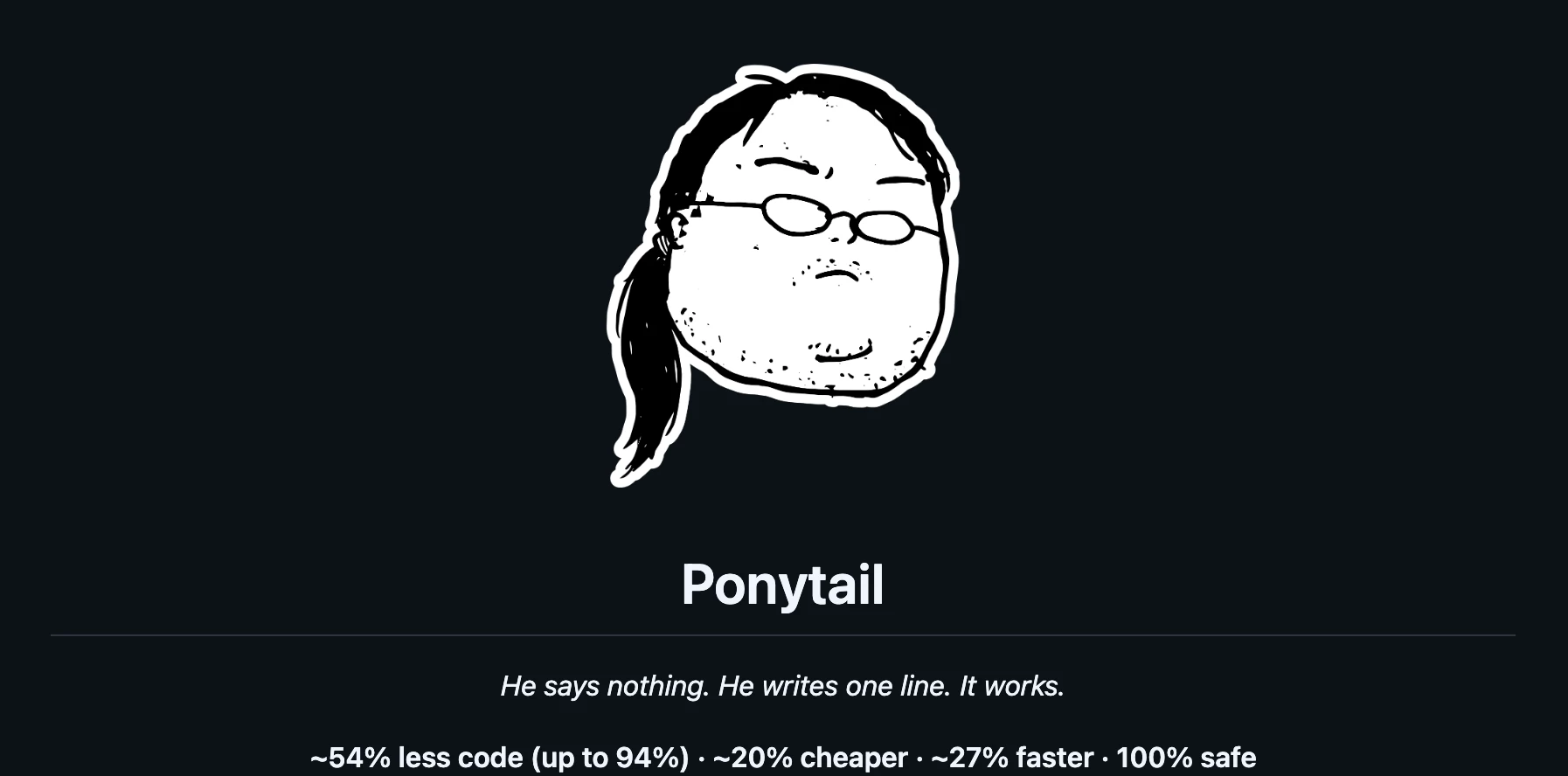
The ponytail skill, developed by Dietrich Gebert, focuses on code simplification. In internal testing, ponytail demonstrated a 54% reduction in the amount of code written compared to an unassisted agent. More importantly, it reduced API costs by 20% and execution time by 27%. By prioritizing built-in language features over external libraries, ponytail ensures that the resulting code is not only cheaper to generate but also easier to maintain.
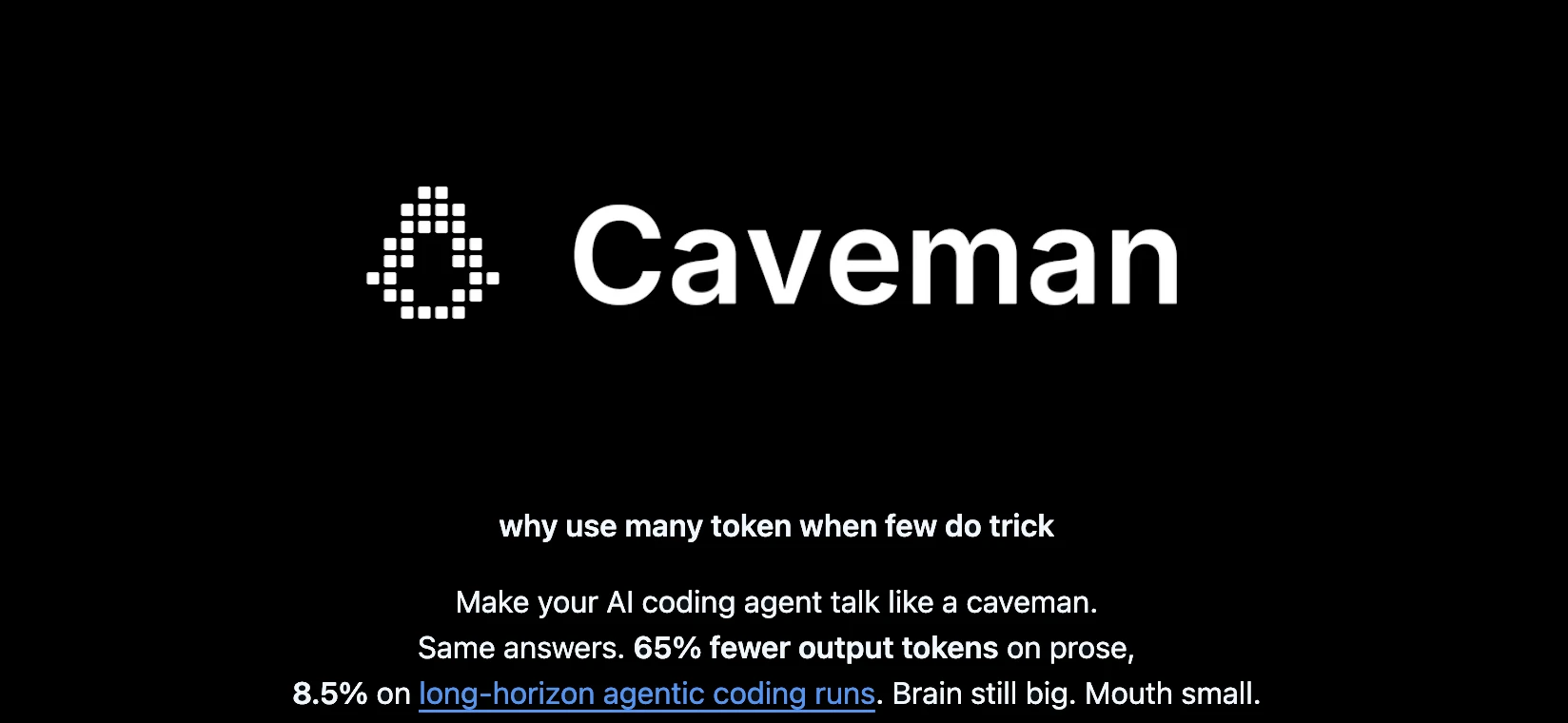
Conversely, the caveman skill by Julius Brussee targets the "chattiness" of LLMs. Standard AI models often include verbose polite phrases and redundant explanations that contribute significantly to token costs. The caveman skill forces the agent to communicate with extreme brevity, focusing entirely on code, paths, and error messages. Data suggests that this can result in up to 65% fewer output tokens during chat sessions, providing a direct financial benefit for developers working under strict usage limits.
Solving the Problem of Context Loss
A persistent challenge in AI-assisted development is the "stateless" nature of many sessions. When a developer closes their terminal or hits a context window limit, the AI often loses track of previous decisions and project history.
The thedotmack/claude-mem skill addresses this for Claude Code users by creating a local memory bank. It records session data on the developer’s machine and allows the agent to perform semantic searches on past interactions. This means a developer can ask, "What did we decide about the database schema last Tuesday?" and receive an accurate answer based on historical data.

For those using Codex CLI or seeking a more manual approach, the planning-with-files skill by Othman Adi provides a "hard-copy" alternative. It directs the AI to maintain three specific files on the local disk: the plan, the findings, and the progress. By feeding these files back into the agent at the start of every session, developers can ensure continuity across days or weeks of work, effectively giving the AI a persistent "memory" that survives session resets.
Navigating Large-Scale Systems: Understand-Anything
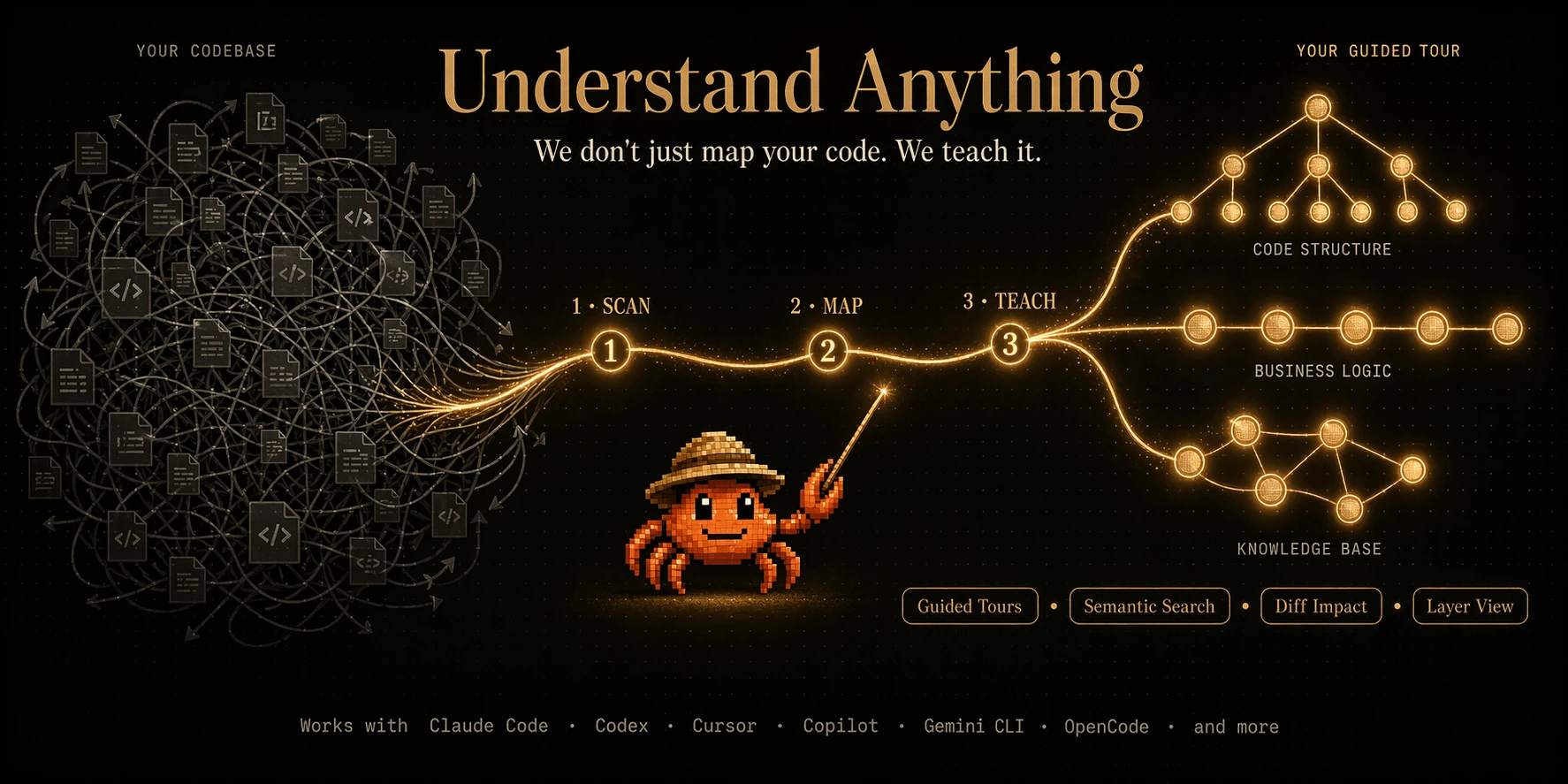
Onboarding a new developer onto a project with hundreds of thousands of lines of code is a time-consuming process. The Egonex-AI/Understand-Anything skill leverages the analytical power of AI to map unfamiliar codebases. Unlike skills that focus on writing code, this tool focuses on comprehension. It generates interactive maps and visualizes connections between different modules, allowing the developer to explore the architecture in a browser-based interface. This is particularly valuable for maintaining legacy systems where documentation may be sparse or outdated.
Structuring the Solo Developer: agent-skills
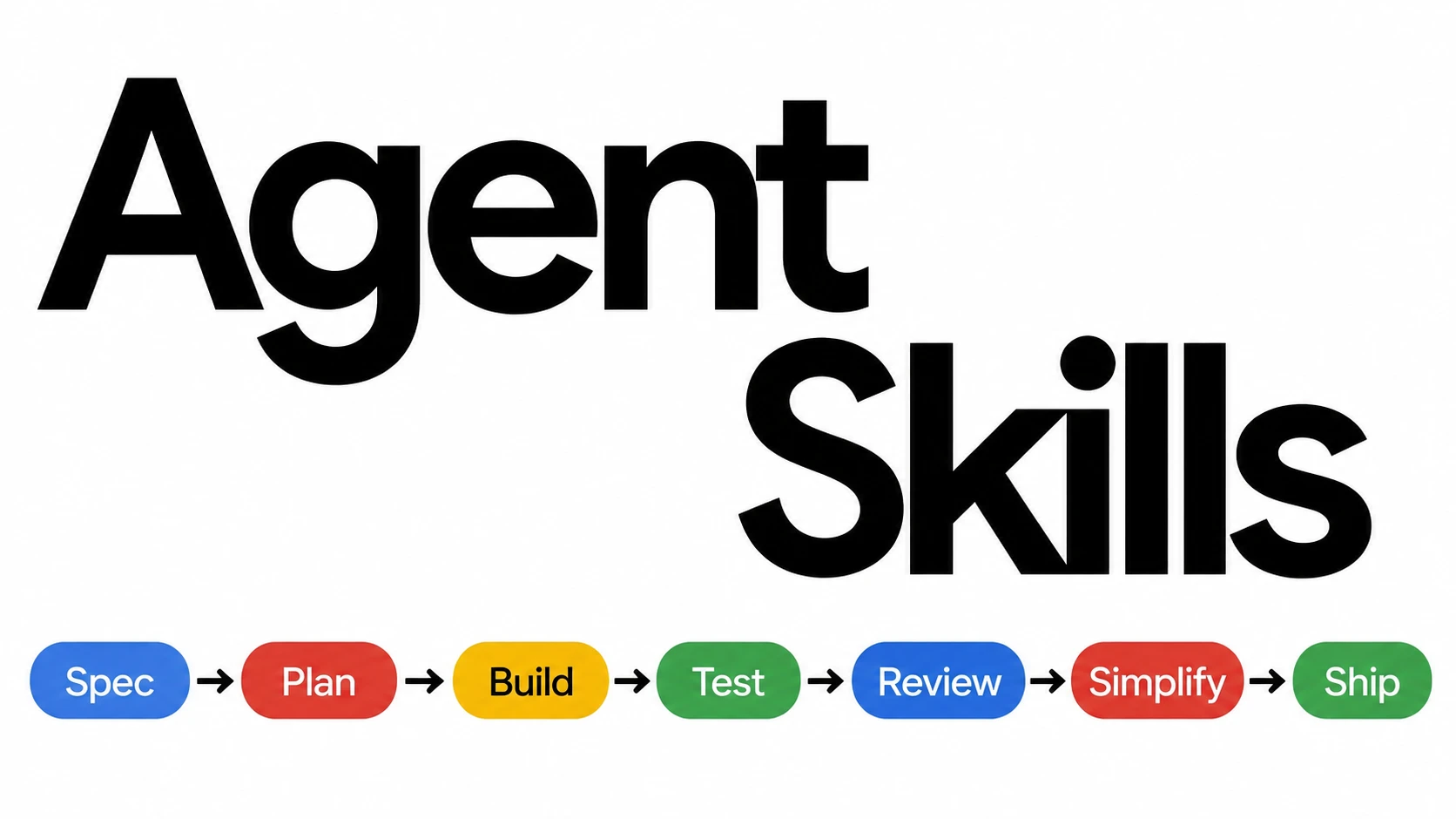
For independent developers who may lack the formal structure of a large engineering team, the agent-skills repository by Addy Osmani provides a ready-made professional workflow. It categorizes tasks into six distinct stages: definition, planning, building, testing, reviewing, and shipping. By triggering these stages by name, solo developers can ensure they aren’t skipping critical steps like unit testing or security reviews. The repository also includes specialized modules for performance optimization, making it a comprehensive toolkit for high-quality software delivery.
Security and the "SkillSpector" Necessity
As the ecosystem of AI skills grows, so does the risk of malicious or poorly written extensions. Research cited by NVIDIA suggests that approximately 25% of community-created AI skills contain security flaws, and 5% may be deliberately malicious. Given that these skills often require access to local file systems and API keys, the potential for data exfiltration is high.
To combat this, NVIDIA released SkillSpector, a security scanner designed to audit AI skills before they are installed. SkillSpector analyzes the underlying instructions of a skill to identify unauthorized data access patterns or hidden "backdoors." Industry experts recommend that SkillSpector be the first tool installed in any agentic environment, serving as the primary gatekeeper for all subsequent functional additions.
Implementation and Future Implications
The installation of these skills has been streamlined through marketplace commands and universal installers like npx skills. For Claude Code, users can add plugins directly within the chat interface, while Codex CLI users utilize terminal-based commands. This ease of installation suggests a future where the "personality" and "capability" of a developer’s AI assistant will be highly customized to their specific niche, whether it be front-end optimization, backend security, or data science.

The broader implication of this shift is the transition of the developer’s role from "writer" to "director." As AI agents become more capable through the addition of these skills, the value of a human engineer will increasingly lie in their ability to orchestrate these agents, define the constraints of the system, and verify the outcomes against business objectives.
In conclusion, the effective use of AI in software development is no longer about the model alone, but about the ecosystem of skills that surround it. By implementing tools like SkillSpector for security, ponytail for efficiency, and Karpathy’s rules for quality, developers can transform AI from a prone-to-error chatbot into a disciplined, cost-effective, and highly productive digital partner. As the technology matures, the ability to select and manage these agentic skills will likely become a core competency for the modern software engineer.