

Crazy Egg, a pioneer in the field of user behavior analytics and conversion rate optimization (CRO), has announced a significant update to its suite of diagnostic tools with the introduction of automated error notifications. This new feature allows digital teams to receive immediate alerts whenever a technical anomaly is detected on their website, effectively bridging the gap between user experience monitoring and technical debugging. By integrating real-time alerts into the platform’s existing Errors Tracking dashboard, Crazy Egg aims to reduce the Mean Time to Resolution (MTTR) for critical site issues that often lead to customer friction and lost revenue.
The update provides a streamlined workflow for developers, product managers, and UX designers, offering multiple channels for notification delivery including email, Slack, custom API endpoints, and Zapier triggers. This versatility ensures that technical teams can integrate Crazy Egg’s insights into their existing communication stacks, whether they rely on traditional email reports or sophisticated DevOps automation. The feature is currently available to all Crazy Egg customers subscribed to Growth or Enterprise plans, marking a strategic shift for the company as it expands its utility beyond marketing-focused heatmaps toward comprehensive site health monitoring.
Technical Evolution of the Crazy Egg Platform
Since its inception in 2005, Crazy Egg has been synonymous with visual analytics, primarily through its heatmap, scroll map, and confetti report technologies. Founded by Hiten Shah and Neil Patel, the platform was among the first to democratize the ability for non-technical marketers to see exactly where users were clicking. However, as the complexity of modern web applications has increased—characterized by heavy JavaScript execution and dynamic content—the need for deeper technical insights became apparent.
The introduction of the Errors Tracking module represented a pivotal moment in the company’s product roadmap. It moved the platform from observing what users do to understanding why they might be failing to complete a journey. The addition of real-time notifications is the latest step in this evolution. Previously, users had to manually log into the dashboard to check for recurring JavaScript errors or broken elements. With this update, the platform adopts a proactive stance, pushing critical data to the relevant stakeholders the moment a bug is identified in the wild.
Integration Mechanics and Workflow Automation
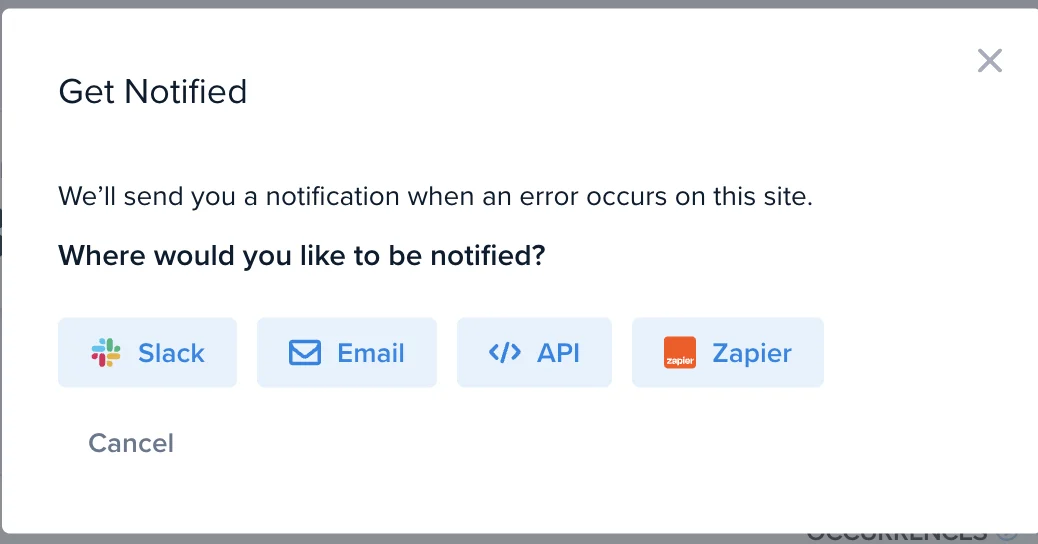
The notification system is designed to be highly configurable, recognizing that different organizations have different internal protocols for handling site errors. The setup process is initiated through the "Get Notified" button located within the primary Errors dashboard. From there, users can select from four primary delivery methods:
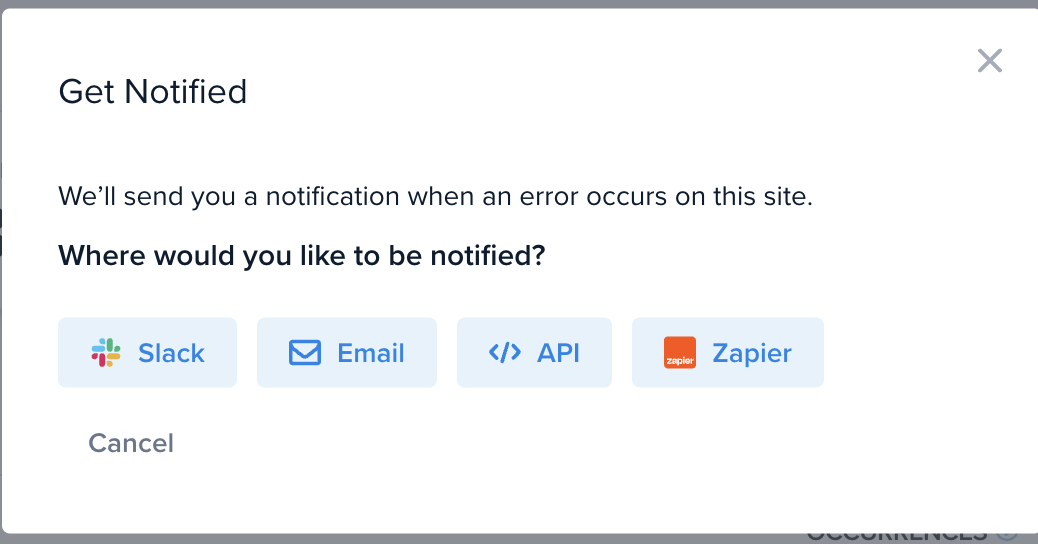
- Email Notifications: Standard alerts sent directly to specified team members, ideal for smaller teams or less urgent monitoring.
- Slack Integration: Real-time messages posted to dedicated developer or QA channels. This facilitates immediate team discussion and troubleshooting within the most common workplace communication tool.
- API Endpoints: For enterprises with custom internal monitoring tools or "single pane of glass" dashboards, Crazy Egg can now push error data directly to a specified URL. This allows for the programmatic ingestion of error logs into proprietary systems.
- Zapier Triggers: By connecting with Zapier, Crazy Egg enables a vast array of third-party automations. An error detection could, for instance, automatically create a ticket in Jira, a card in Trello, or a task in Asana, ensuring that technical debt is documented without manual entry.
A critical component of this new system is the "Muted Errors" logic. In web development, not all errors are created equal; some are "noisy" but harmless scripts from third-party plugins or legacy code that does not impact the user experience. Crazy Egg’s system allows users to mute these specific instances. The notification engine is programmed to ignore muted errors, thereby preventing "notification fatigue"—a common problem where developers begin to ignore alerts because of a high volume of false positives.
The Economic Impact of Technical Errors on CRO
The release of these notification tools comes at a time when digital consumer expectations are at an all-time high. Industry data consistently shows that technical stability is a prerequisite for conversion. According to research from the Baymard Institute, technical errors and site crashes are among the top reasons for cart abandonment in e-commerce. Furthermore, Akamai has reported that a 100-millisecond delay in load time can cause conversion rates to drop by 7%, while more severe functional errors can lead to immediate bounce rates exceeding 50%.
By providing real-time alerts, Crazy Egg is positioning itself as an essential tool for "Revenue Operations" (RevOps). When a new error is introduced—perhaps following a site update or a change in a third-party API—the notification system allows the team to revert or fix the issue before it impacts a significant portion of the traffic. For Enterprise-level clients, where an hour of downtime or a broken "Add to Cart" button can result in tens of thousands of dollars in lost sales, the ROI of such a notification system is immediate.
Comparative Industry Analysis
The move puts Crazy Egg in more direct competition with "Digital Experience Intelligence" (DXI) platforms such as FullStory, LogRocket, and Contentsquare. While these competitors have long offered error monitoring, they often come with a higher price point and a steeper learning curve. Crazy Egg’s approach focuses on accessibility and integration with its core heatmap and session recording features.
Analysts in the MarTech space observe that the convergence of marketing analytics and technical monitoring is a growing trend. Organizations no longer want to silo their data between "marketing tools" and "developer tools." By offering error notifications, Crazy Egg allows a marketing manager to see a drop in conversions on a heatmap and immediately confirm, via the same platform, whether a JavaScript error was the culprit. This unified view reduces the friction between departments and speeds up the optimization cycle.
Implementation Timeline and Availability
The rollout of the notification feature follows a period of beta testing with select Enterprise partners. During this phase, early adopters reported a significant decrease in the time required to identify "edge case" bugs—errors that only appear on specific browser versions or mobile devices that might not be caught during standard internal QA testing.
As of the current announcement, the feature is fully integrated into the platform. Users on the Growth and Enterprise tiers can access the settings immediately. The company has indicated that while the core error tracking remains available to lower-tier plans, the automated notification functionality is reserved for higher-tier plans due to the increased server-side processing and third-party integration overhead required to maintain real-time delivery.
Strategic Implications for Web Development Teams
For developers, the "API and Zapier" components of the update are particularly noteworthy. It signals Crazy Egg’s move toward a "headless" or "integrative" philosophy. Instead of requiring developers to live inside the Crazy Egg interface, the platform provides the data necessary to fuel the tools developers already use.
In a statement inferred from the product’s documentation and release notes, the design philosophy behind this update focuses on "Actionable Intelligence." The goal is not just to inform a user that something is wrong, but to provide the context—such as the specific page, the user’s browser, and the error stack trace—needed to fix it. When a Slack notification arrives, it contains enough metadata to allow a developer to categorize the severity of the issue at a glance.
Future Outlook and Conclusion
Looking ahead, the integration of error notifications is likely a precursor to more advanced AI-driven diagnostics within the Crazy Egg ecosystem. As the platform collects more data on which errors are most likely to lead to session termination, it is logical to expect future updates to include "Priority Scoring," where the system uses machine learning to alert teams only to the errors that have the highest statistical impact on conversion rates.
In conclusion, Crazy Egg’s new error notification system represents a significant maturation of the platform. It acknowledges that in the modern digital economy, user experience is as much about technical reliability as it is about aesthetic design or persuasive copy. By empowering teams to respond to site errors in real-time, Crazy Egg is providing a vital safety net for businesses that cannot afford to let technical glitches undermine their marketing efforts. This update reinforces the platform’s value proposition as a comprehensive solution for understanding, diagnosing, and improving the online customer journey.







