

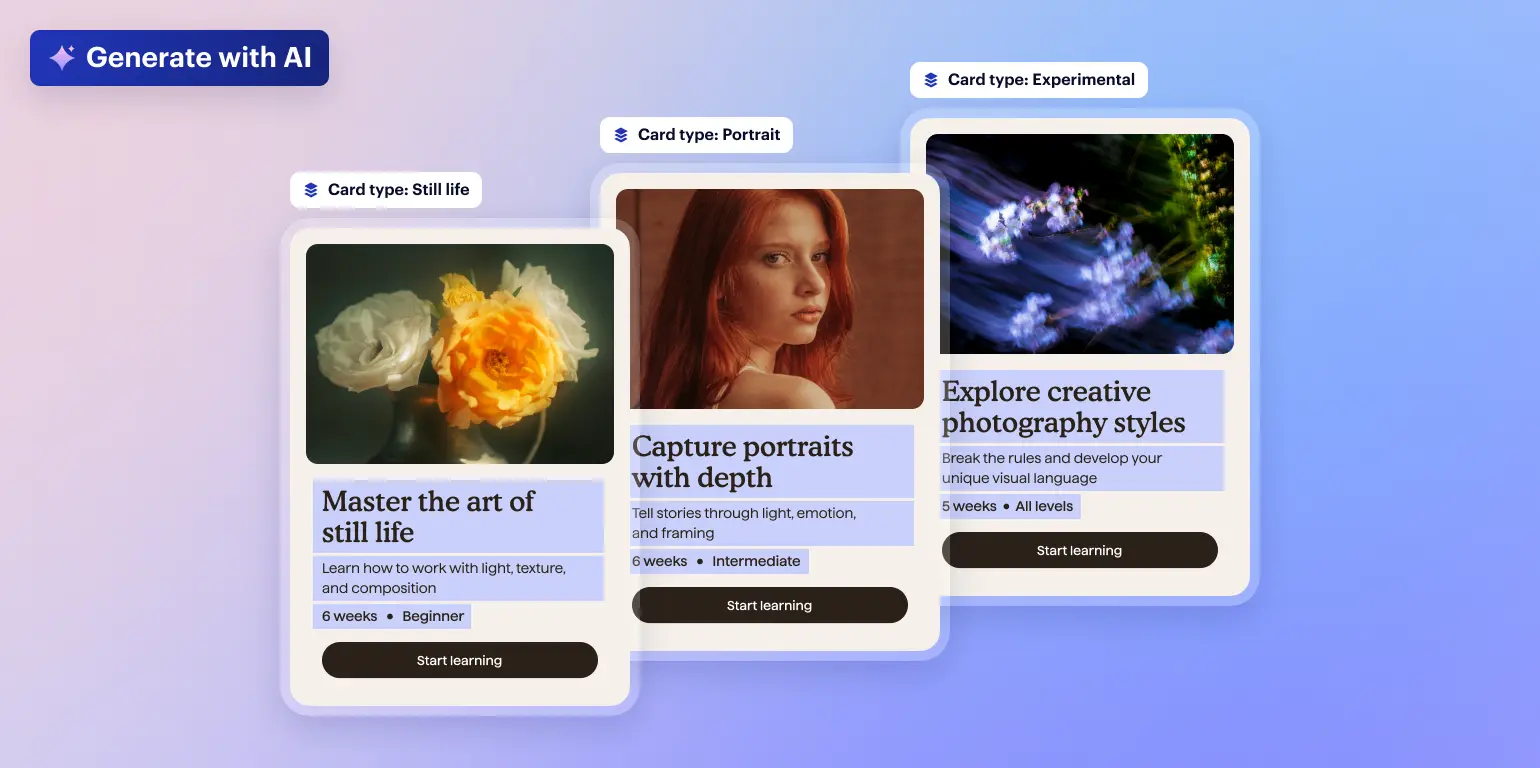
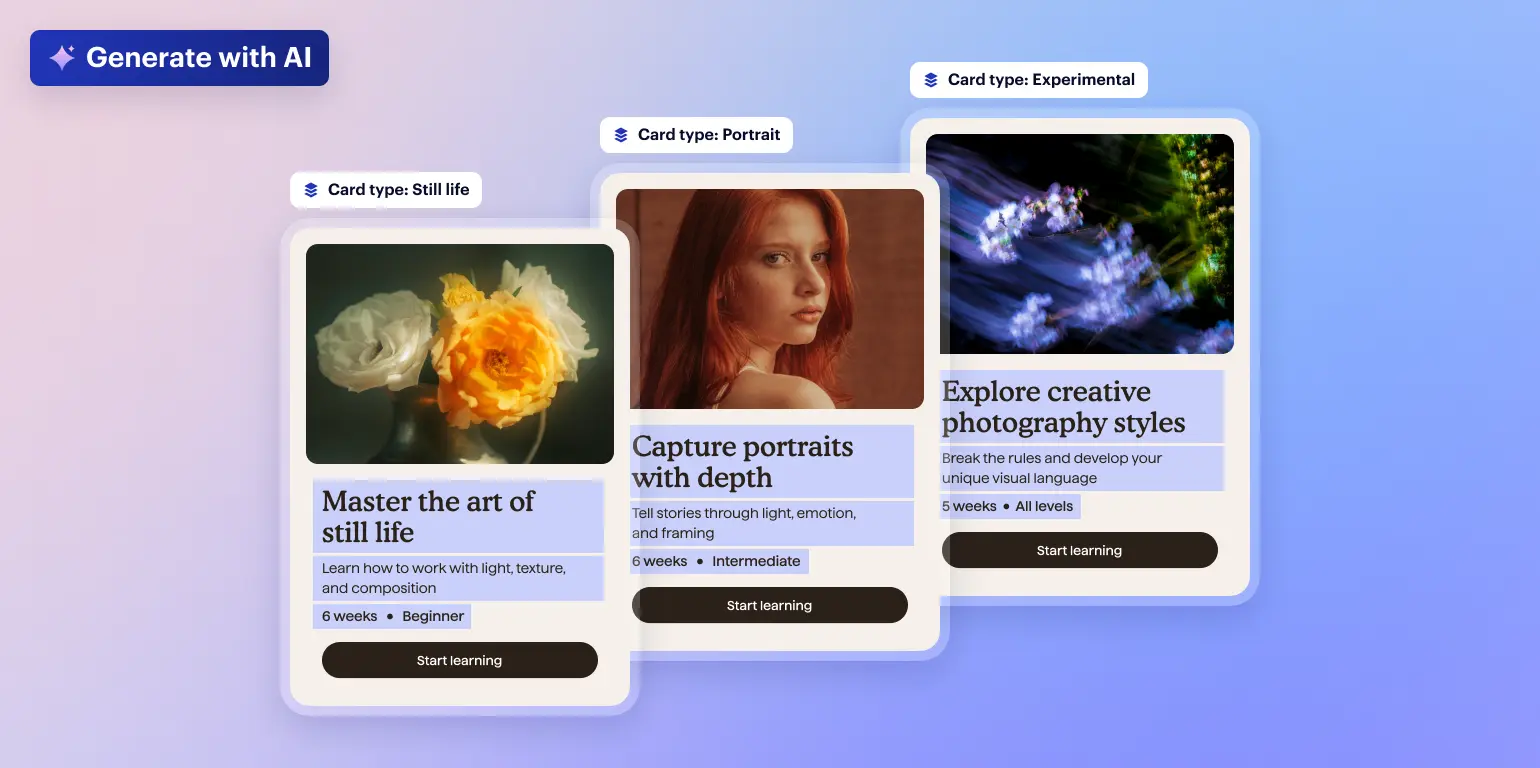
The digital marketing landscape is currently undergoing a significant transformation as artificial intelligence moves from a novelty to a core operational necessity, a shift punctuated by Instapage’s recent unveiling of AI Collections. This new feature set is designed to address the "personalization gap," a persistent challenge where marketing teams recognize the value of tailored content but lack the manual bandwidth to execute it across hundreds of unique audience segments. By automating the creation and population of large-scale personalized landing page sets, AI Collections claims to accelerate the deployment process by up to three times compared to traditional manual methods. The release marks a pivotal moment for the MarTech industry, transitioning from simple template-based designs to intelligent, data-driven page generation that synchronizes design and content through a centralized AI-powered interface.
The Personalization Paradox in Modern Digital Marketing
For years, industry benchmarks have consistently shown that personalization is the primary driver of conversion rate optimization (CRO). According to data from McKinsey & Company, companies that excel at personalization generate 40% more revenue from those activities than average players. Despite this clear financial incentive, the "execution bottleneck" has remained the greatest hurdle. Traditionally, personalizing a campaign for fifty different keywords or twenty different geographic locations required a designer or marketer to manually duplicate fifty pages, edit each one’s copy, swap out images, and manage a sprawling web of URLs.
This manual workload often leads to "initiative fatigue," where ambitious personalization projects are deprioritized in favor of generic, "one-size-fits-all" landing pages that suffer from lower relevance and higher bounce rates. AI Collections seeks to resolve this paradox by treating landing pages not as individual static files, but as dynamic outputs of a centralized content database. This shift allows a single marketer to manage what previously required an entire creative team, effectively democratizing high-level personalization for small to medium-sized enterprises while providing enterprise-level teams with unprecedented speed.
Technical Architecture: How AI Collections Automates the Workflow
The core of AI Collections is a structural departure from the standard "edit-per-page" philosophy. It introduces a tripartite system consisting of a Master Template, a Content Table, and AI-driven Placeholders. The process begins with the creation of a single page layout that serves as the "source of truth." Instead of manually identifying where dynamic changes should occur, the platform’s AI analyzes the page layout to identify optimal locations for variable text and imagery.
Automated Placeholder Identification
The first technological pillar is the AI Placeholder system. In traditional dynamic text replacement (DTR), marketers had to manually code or tag specific elements to change based on URL parameters. Instapage’s AI simplifies this by scanning the design and suggesting "smart placeholders." These placeholders act as containers that can be filled with varying content depending on the specific audience segment. Once the AI identifies these zones, the user can approve, adjust, or remove them, ensuring that the creative vision remains intact while the technical heavy lifting is handled by the algorithm.
The Content Table Paradigm
The second pillar is the integrated Content Table. This interface mirrors the familiarity of a spreadsheet, where each row represents a unique page in the collection and each column represents a specific placeholder (such as a headline, a call-to-action, or a testimonial). This centralized management system eliminates the need to navigate through a CMS to find individual pages. If a marketer needs to update a promotion across 200 different personalized pages, they can do so by editing the table rather than opening 200 separate files.
Generative Content Integration
The third pillar is the generative AI engine itself. Once the structure is established, the AI does not just provide the "where" but also the "what." By providing a prompt that includes the target audience, the specific pain point, and the desired tone of voice, the AI populates the Content Table with publish-ready copy for every single iteration of the page. When combined with Instapage’s "fluid grid blocks," the layout automatically adjusts to accommodate varying text lengths, ensuring that a longer headline on one page does not break the design integrity compared to a shorter headline on another.
Chronology of Landing Page Evolution
The release of AI Collections is the latest step in a decade-long evolution of web design accessibility. Understanding this timeline provides context for why AI-driven automation is the logical next step for the industry.
- 2010–2014: The Template Era. The primary innovation was moving away from custom HTML/CSS toward drag-and-drop builders. While this made page creation faster, it still required manual editing for every new campaign.
- 2015–2019: Dynamic Text Replacement (DTR). Platforms introduced the ability to change specific words on a page based on the user’s search query. This allowed for basic personalization but was limited to text and often felt disjointed if the rest of the page remained generic.
- 2020–2022: The Block-Based Revolution. The introduction of "Global Blocks" allowed marketers to update a single section (like a footer or a header) across multiple pages. However, the core content of the page still required manual intervention.
- 2023–Present: The Generative AI and Collection Era. With the launch of tools like AI Collections, the industry has moved into "programmatic design." The software now understands the context of the content and the design, allowing for the simultaneous generation of hundreds of unique, high-fidelity pages.
Supporting Data and Market Analysis
The move toward AI-driven page generation is backed by compelling data regarding consumer expectations. A report by Epsilon indicated that 80% of consumers are more likely to make a purchase when brands offer personalized experiences. Furthermore, Google’s "Quality Score" algorithm for Google Ads heavily weighs landing page relevance. Pages that more closely match a user’s search intent—a feat made easier through mass personalization—result in lower Costs-Per-Click (CPC) and higher ad rankings.
Internal testing and early adopter feedback suggest that the time-to-market for a 50-page personalized campaign can be reduced from approximately 15-20 work hours to less than 5 hours using AI Collections. This 75% reduction in labor costs represents a significant shift in the ROI of digital advertising, as it allows teams to test more variations and optimize for smaller, more niche audience segments that were previously too expensive to target individually.
Industry Reactions and Strategic Implications
While Instapage has not released formal external statements from partners, industry analysts suggest that this move puts pressure on traditional Content Management Systems (CMS) like WordPress or Drupal, which often require complex plugins or custom development to achieve similar levels of dynamic personalization.
"The shift we are seeing is the transition from ‘building’ to ‘curating,’" notes one digital strategy analyst. "Marketers are no longer the ones typing every word; they are the ones setting the parameters and auditing the output. Tools like AI Collections are essentially turning marketing managers into editors-in-chief of a massive, automated content machine."
The implications for agency models are also profound. Performance marketing agencies that once billed clients for the manual labor of building hundreds of landing pages will now need to shift their value proposition toward strategy, prompt engineering, and data analysis, as the execution phase becomes increasingly commoditized by AI.
Broader Impact on the Digital Ecosystem
The deployment of AI-generated pages at scale raises important questions about the future of the web. As more brands adopt these tools, the internet will become increasingly "hyper-relevant" to the individual user. However, this also places a higher premium on original data and unique brand voice. If every brand uses similar AI tools to generate content, the "differentiation gap" will become the new challenge.
For now, the primary impact is one of efficiency and accessibility. By removing the technical and temporal barriers to personalization, Instapage is enabling a new level of "relevance-at-scale." This is particularly critical in a "post-cookie" world where third-party tracking is limited; when marketers cannot track users across the web as easily, the relevance of the landing page—the immediate destination after a click—becomes the most powerful tool in the conversion arsenal.
AI Collections represents more than just a new feature; it is a manifestation of the "AI-first" workflow. It moves the needle from AI as a writing assistant to AI as a structural architect, capable of managing the complexity of modern multi-channel marketing campaigns. As teams begin to experiment with these tools through the 14-day trials and initial rollouts, the industry will likely see a surge in landing page volume, driven not by more workers, but by smarter systems.







