

The digital landscape of 2026 has fundamentally altered the parameters of website analysis, shifting the focus from simple traffic metrics to a complex ecosystem of artificial intelligence discoverability, machine readability, and user experience optimization. For over two decades, webmasters and digital marketers relied on a standard set of Key Performance Indicators (KPIs) such as keyword rankings, page load speeds, and raw conversion rates. However, as the integration of Large Language Models (LLMs) and generative search engines becomes the primary method for information retrieval, the traditional framework of website evaluation has been rendered incomplete. Today, a comprehensive analysis must account for how a brand is perceived not just by human eyes, but by the algorithms powering ChatGPT, Perplexity, and Google’s AI Overviews.
The Paradigm Shift in Digital Discoverability
The evolution of search behavior has reached a critical inflection point. Industry data from Gartner previously forecasted a 25% decline in traditional search engine volume by 2026, a prediction that has largely materialized as users migrate toward AI chatbots and virtual agents for immediate answers. This shift is further evidenced by research from the Pew Research Center, which indicates a significant drop in click-through rates (CTR) for organic links. When an AI-generated summary appears at the top of a search result, the likelihood of a user clicking a traditional link falls from 15% to approximately 8%.
This "zero-click" environment necessitates a new approach to visibility analysis. Website owners are no longer merely competing for the top spot on a Search Engine Results Page (SERP); they are competing to be the cited source within an AI’s synthesized response. This requires a transition from Search Engine Optimization (SEO) to Answer Engine Optimization (AEO). Analysis in 2026 must evaluate whether a site’s data is structured in a way that AI agents can easily parse, categorize, and recommend.
A Chronology of Website Analysis Evolution
To understand the current state of website analysis, one must look at the technological milestones of the last thirty years:
- The 1990s (The Hit Counter Era): Analysis was limited to "hits" and server logs, focusing on raw server requests rather than user intent.
- The 2000s (The SEO Boom): The rise of Google introduced PageRank and backlink analysis. Tools like early Google Analytics allowed for the tracking of bounce rates and session durations.
- The 2010s (Mobile and Social): Analysis shifted toward mobile responsiveness and social referral traffic. The introduction of Core Web Vitals by Google made technical performance a quantifiable ranking factor.
- The 2020s (The AI Integration): The launch of GPT-4 and subsequent models transformed search into a conversational experience. Website analysis now includes "Brand Mentions in LLMs" and "Generative AI Visibility."
The Five Pillars of Modern Website Evaluation
To remain competitive, organizations must execute a multi-dimensional audit that covers five distinct but interconnected areas of performance.
1. Search and AI Visibility Metrics
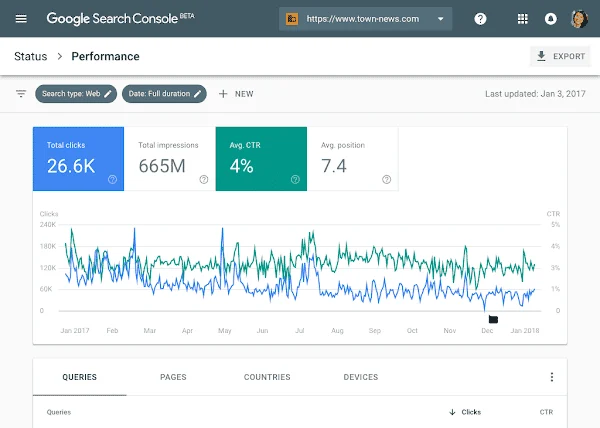
The primary question for modern analysis is no longer "Where do I rank?" but "Am I being recommended?" Traditional tools like Google Search Console remain vital for monitoring indexing and organic impressions. However, analysts must now manually and programmatically query AI platforms like ChatGPT, Perplexity, Gemini, and Copilot to determine if their brand appears in relevant buyer-intent conversations.
For instance, a company specializing in Conversion Rate Optimization (CRO) software must analyze if AI tools list them when a user asks, "What are the best tools for reducing cart abandonment?" If the brand is absent, the analysis must pivot to identifying gaps in "Machine Readability"—ensuring the site uses Schema markup and high-quality, authoritative content that LLMs use for training and real-time retrieval.
2. Technical Health and Performance Standards
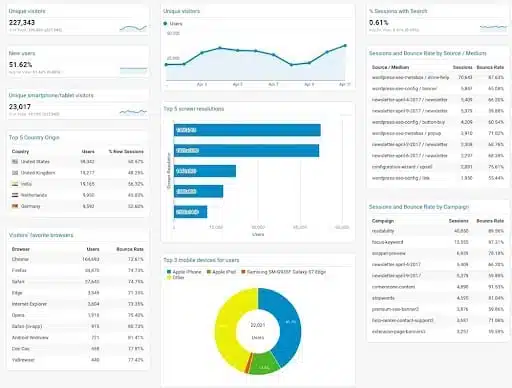
Technical debt remains a leading cause of conversion friction. Beyond simple load times, website analysis must scrutinize the "Core Web Vitals," including Largest Contentful Paint (LCP) and Cumulative Layout Shift (CLS). In an era where AI agents crawl sites to provide real-time data to users, a site that is difficult to crawl or slow to respond will be bypassed by both human users and automated scrapers. Analysis must ensure that the robots.txt files and canonical tags are optimized for the latest generation of search bots.
3. User Behavior and Qualitative Insights
Quantitative data—such as the number of visitors per page or average session duration—provides the "what" of website performance, but qualitative data provides the "why." Modern analysis utilizes tools like FigPii to generate heatmaps and session recordings. These tools allow analysts to see exactly where a user hesitates, where they click erroneously, and how far they scroll before losing interest.
A crucial component of this pillar is messaging analysis. In 2026, the path to a website is rarely linear. A user might discover a brand via a social media ad, verify it through a ChatGPT query, and finally land on a specific blog post. The website’s copy must resonate across all these touchpoints, maintaining a consistent voice that addresses the specific pain points of the target demographic.
4. Content Quality and Trust Signals
With the internet being flooded by AI-generated "slop," human-centric trust signals have become a premium currency. Analysis must evaluate the "E-E-A-T" factors: Experience, Expertise, Authoritativeness, and Trustworthiness. This involves checking for updated author bios, verifiable citations, and transparent business information. Content quality audits now look for "Information Gain"—the inclusion of unique data or perspectives that are not already present in the AI’s training set.
5. Usability and Heuristic Evaluation
Usability analysis focuses on the interface’s functionality. This is often conducted through a "Heuristic Evaluation," a method popularized by Jakob Nielsen. This involves checking the site against ten established rules of thumb, including:
- Visibility of system status: Keeping users informed about what is going on.
- Match between system and the real world: Using words and concepts familiar to the user.
- User control and freedom: Providing a clear "emergency exit" from unintended actions.
- Consistency and standards: Ensuring users don’t have to wonder whether different words or actions mean the same thing.
Strategic Implementation: How to Conduct a Comprehensive Audit
A professional website analysis is not a one-time event but a cyclical process. The following roadmap outlines the standard procedure for an enterprise-level audit:
Step 1: Objective Definition. Analysts must identify specific baselines. Are they investigating a drop in organic traffic, or are they attempting to lower a high cart abandonment rate? Without a defined goal, the data becomes overwhelming.
Step 2: Tool Selection. A diversified tech stack is required. This includes SEO tools (Ahrefs, Semrush), Analytics tools (Google Analytics 4, Similarweb), and Behavior tools (FigPii, Hotjar).

Step 3: Data Collection and Roadmap Mapping. This stage involves benchmarking current data against industry standards. Analysts map the "Ideal Customer Journey" and identify where the actual user behavior deviates from the plan.
Step 4: Loophole Remediation. Once data identifies a friction point—such as a confusing checkout button or a page that takes four seconds to load—the development and content teams must prioritize these fixes based on their potential Impact on Return on Investment (ROI).
The Role of Competitive Intelligence
A recurring debate in digital marketing is the necessity of competitive analysis. However, in the 2026 landscape, ignoring competitors is a strategic error. By analyzing the organic traffic and PPC (Pay-Per-Click) strategies of rivals through tools like iSpionage, a business can identify underserved market segments. Furthermore, studying the customer demographics of competitors via Similarweb can reveal shifting trends in user interests, allowing a brand to pivot its content strategy before its rivals do.
Broader Implications for the Future of Business
The implications of this shift in website analysis extend beyond marketing departments. It signals a move toward a "Transparent Web," where hidden flaws in user experience or gaps in information are immediately surfaced by AI intermediaries. Businesses that fail to optimize for this new reality risk becoming invisible to the very tools that consumers now trust most.
Moreover, the rise of "Privacy-First" browsing and the phasing out of third-party cookies mean that first-party data collected through on-site analysis is more valuable than ever. Understanding how a user interacts with your specific domain is the only way to build a sustainable, data-driven growth strategy.
In conclusion, website analysis in 2026 is an interdisciplinary practice that combines technical SEO, psychological behavior mapping, and AI-readiness. By maintaining a rigorous schedule of audits and focusing on the intersection of machine readability and human usability, organizations can ensure their digital presence remains both discoverable and influential in an increasingly automated world. The power of a comprehensive analysis lies not in the collection of data, but in the transformation of that data into a seamless, high-converting user experience.







