In an increasingly digitized global economy, the strategic integration of social media into overarching business objectives has become paramount for executive leadership. Social Media Objectives and Key Results (OKRs) provide a structured methodology for translating ambitious social media goals into measurable business outcomes, acting as a crucial bridge between organizational ambition and demonstrable accountability. This framework ensures that social activity transcends mere visibility metrics, directly contributing to core business wins such as revenue growth, enhanced brand equity, and robust reputation management.
The Strategic Imperative: Elevating Social Media to Executive-Level Performance

Historically, social media often resided within the tactical confines of marketing departments, primarily focused on engagement and content distribution. However, as of 2026, with nearly 5.75 billion global users actively engaging across diverse platforms, social media has unequivocally cemented its position as a critical intersection for brand, business, and consumer interaction. This evolution necessitates a shift from siloed operations to an integrated strategic approach, where executive leadership champions and measures social media’s impact through a robust OKR framework.
OKRs, initially popularized by Intel and widely adopted by tech giants like Google, offer a powerful goal-setting methodology. An Objective defines what is to be achieved—a qualitative, ambitious, and inspirational goal. Key Results specify how that objective will be measured—quantitative, measurable, and aggressive targets. This structured approach moves social media conversations from "we’re busy on social" to "here’s what that busyness achieved," providing clear, data-driven answers to the C-suite’s perennial question: What is the return on our social media investment?
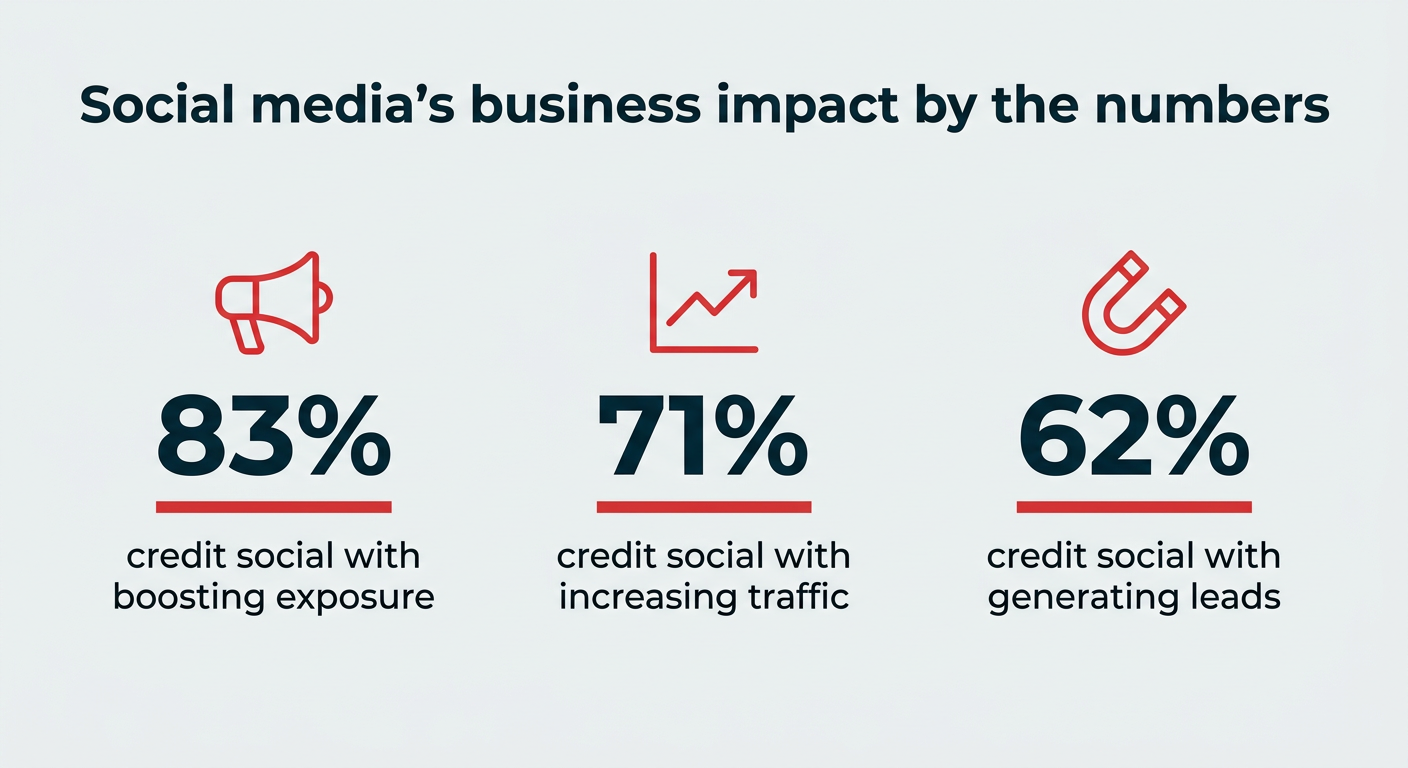
The value of this structured approach is underscored by industry data. According to recent analyses, a significant majority of marketers attribute tangible business benefits to social media efforts, with 83% crediting it for boosting exposure, 71% for increasing website traffic, and 62% for generating leads. Without a framework like OKRs, these efforts risk becoming disconnected from broader corporate strategy, leading to resources being allocated based on intuition rather than impact.

Distinguishing Executive OKRs from Tactical KPIs
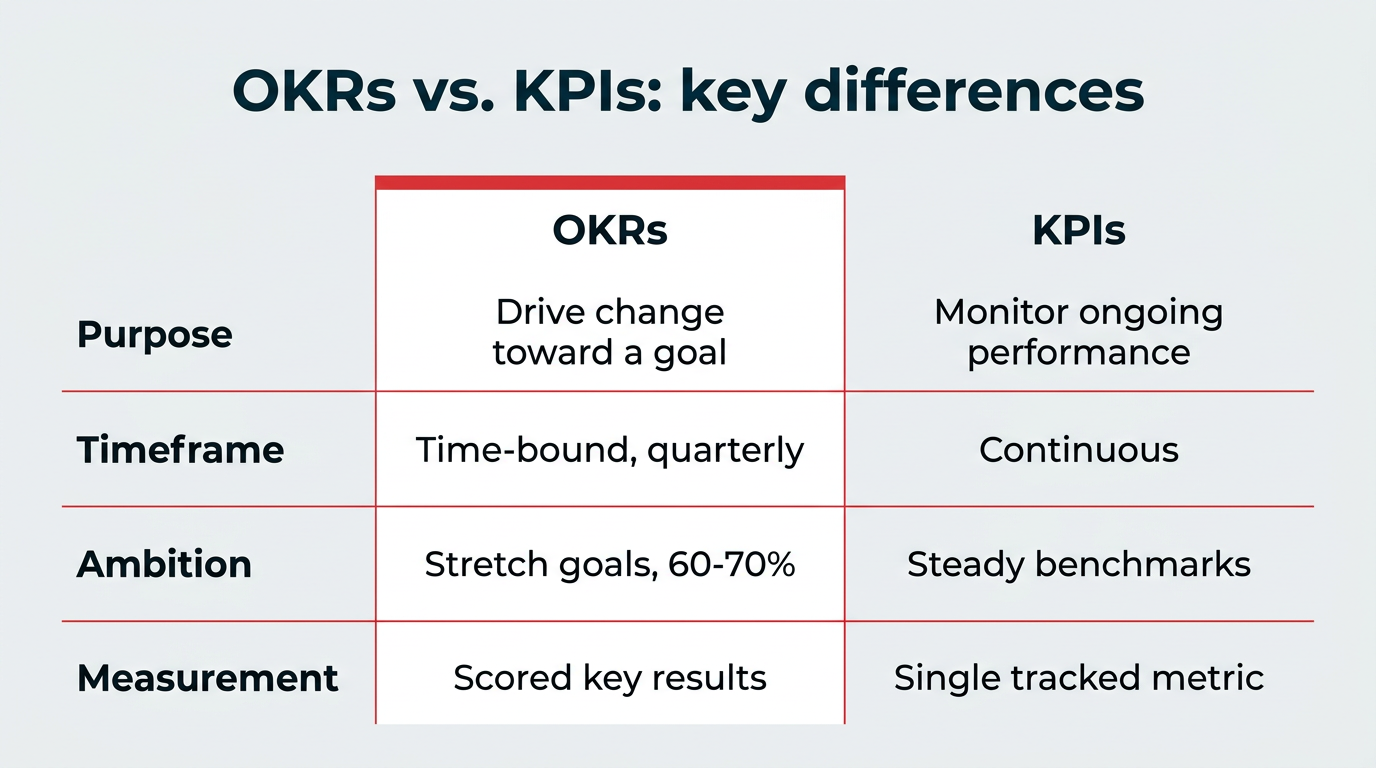
A fundamental understanding of the distinction between OKRs and Key Performance Indicators (KPIs) is crucial for effective executive-level social media strategy. While both are vital for performance measurement, their purposes differ significantly.
- OKRs (Objectives and Key Results): These are ambitious, time-bound goals designed to drive change and push teams toward transformative achievements. They typically operate on a quarterly cycle and are considered "stretch goals," aiming for a 60-70% win rate to encourage innovation and significant progress. For executives, OKRs tie social outcomes directly to overarching business goals like market share, brand equity, or customer lifetime value.
- KPIs (Key Performance Indicators): These are ongoing performance metrics that monitor the day-to-day health and efficiency of social channels. KPIs track consistent, steady-state benchmarks. Examples include daily engagement rates, average response times, or monthly follower growth.
The optimal approach involves integrating both. A KPI can serve as a foundational metric that feeds into an OKR. For instance, while "maintaining a 4% engagement rate" might be a continuous KPI, an executive OKR could be "Grow overall engagement rate by 15% in Q3 to enhance brand interaction." This demonstrates how tactical performance metrics contribute to larger strategic objectives.
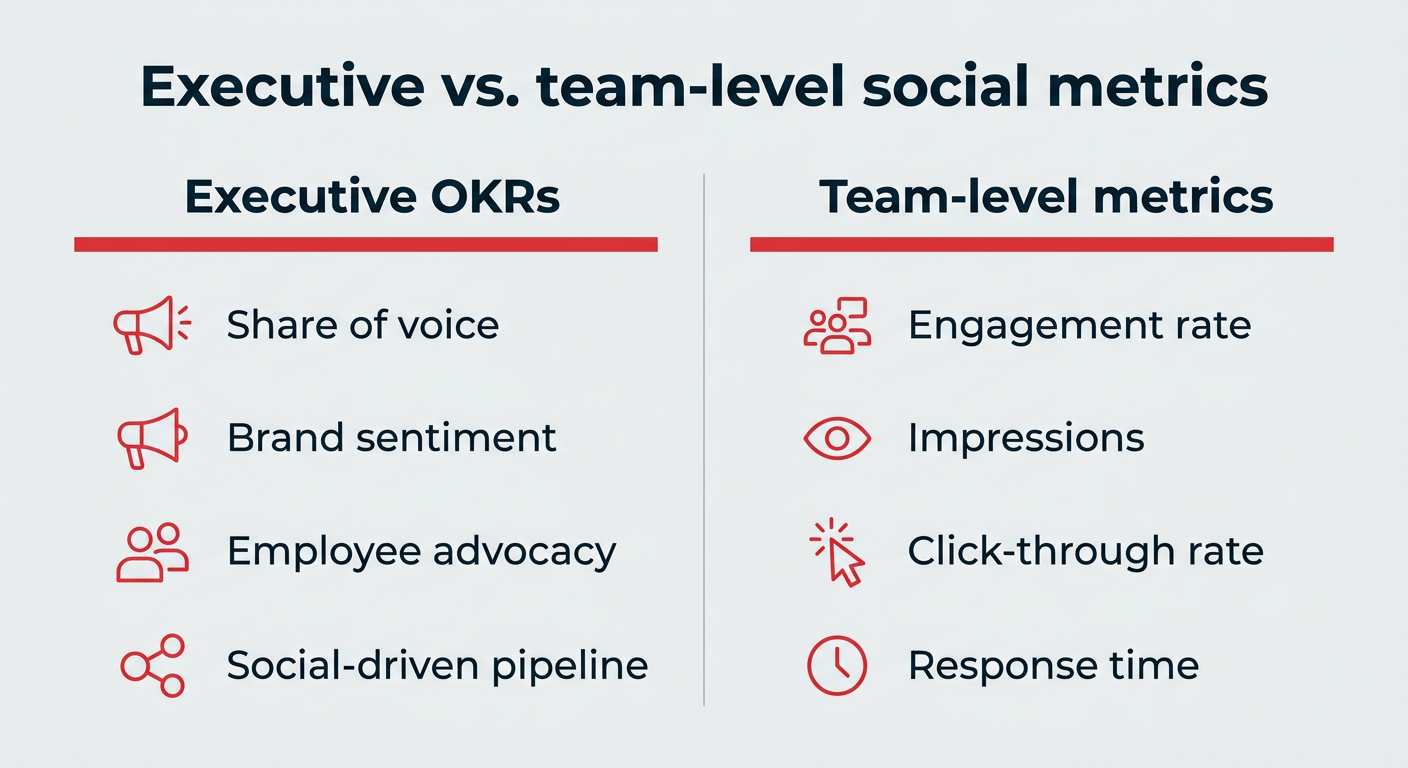
Paige Schmidt, Hootsuite’s Social Engagement Coordinator, highlights this distinction, noting, "When leaders are active on social, teams typically build OKRs around things like growing their visibility, strengthening thought-leadership, or increasing engagement on exec-led content. This can (sometimes) trickle into the brand page, which can see an increase in followers and engagement there." This emphasizes how executive visibility, itself a strategic objective, can have measurable key results that impact broader brand metrics.
The Multifaceted Benefits of Social Media OKRs for Leadership
Implementing OKRs for social media offers a cascade of benefits that resonate across various executive functions:
- Strategic Alignment and Business Driver: Executive OKRs ensure that social media strategy is not an isolated function but an integral business driver. By linking social goals directly to organizational priorities—be it growth, revenue, or reputation—every social post, campaign, or partnership directly contributes to a shared corporate vision. This prevents situations where social teams optimize for vanity metrics while the business demands pipeline generation or customer satisfaction.
- Driving Measurable Growth and Innovation: Clear OKRs empower social teams to experiment and innovate within a framework of accountability. They encourage bold ideas by demanding measurable outcomes, allowing executives to discern which innovations genuinely propel the business forward. This fosters a culture of data-driven decision-making, where creative endeavors are tethered to tangible results.
- Demonstrating ROI and Securing Investment: Perhaps one of the most critical benefits is the ability to unequivocally prove social media’s impact on the bottom line. By linking social activity to metrics like website traffic, lead generation, and ultimately, attributed revenue, leaders can demonstrate a clear return on investment. A compelling case study is Newsweek CEO Dev Pragad, who, through an OKR-based overhaul of their digital strategy, aimed to increase digital ad revenue by 50% in Q4 2020. This initiative resulted in rapid audience growth (over 100 million unique visitors monthly) and a remarkable 166% increase in digital ad revenue, clearly showcasing the power of OKRs in driving financial success.
- Building Executive Credibility and Thought Leadership: In a digital-first world, an executive’s social presence is increasingly synonymous with their leadership presence. Intentional, OKR-backed social strategies allow leaders to establish themselves as authoritative voices within their industries. Edelman’s 2025 B2B research indicates that 95% of decision-makers are more receptive to sales outreach when supported by strong thought leadership, underscoring the direct link between executive social presence and business development.
- Enhanced Transparency and Cross-Functional Collaboration: OKRs inherently foster transparency by making objectives and key results visible across the organization. This clarity promotes better understanding and collaboration between social media teams and other departments such as sales, HR, customer service, and product development, ensuring a cohesive and integrated approach to business goals.
Crafting Effective Executive Social Media OKRs for 2026
Developing robust executive social media OKRs requires a focus on strategic outcomes rather than tactical outputs. Objectives should be aspirational, qualitative, and aligned with overall business strategy, while key results must be specific, measurable, achievable, relevant, and time-bound (SMART).
1. Strategic Outcomes vs. Tactical Outputs:
Executives must differentiate between the why (strategic outcome) and the what (tactical output).
- Strategic Outcome Example: Increase brand trust and customer loyalty.
- Tactical Output Example: Launch a campaign featuring customer testimonials.
The OKR should focus on measuring the impact of the campaign on brand trust (e.g., "Increase positive brand sentiment by 15%"), not just the number of testimonials published.
2. Key Metrics for Executive OKRs:
At the executive level, vanity metrics (e.g., raw follower count without context) are insufficient. OKRs should leverage metrics that directly correlate with business value:
- Engagement: Not just likes, but engagement rate on executive-led content (to measure thought leadership impact), sentiment score (positive/negative conversations), and community interaction quality.
- Reach & Awareness: Share of Voice (SOV) against competitors, brand mentions (unprompted), and reach of critical announcements.
- Conversion & Revenue: Social-attributed leads/pipeline, social-assisted conversions, customer acquisition cost (CAC) reduction via social, and customer lifetime value (CLTV) influenced by social interactions.
3. Governance, Risk, and Cross-Functional Alignment:
Social media operations, especially at enterprise scale, demand robust governance and cross-functional integration. Executive OKRs should address:
- Risk Mitigation: Reduce average social response time during incidents to under 30 minutes; conduct two brand reputation simulations annually.
- Compliance: Achieve 90% compliance training completion for social teams by year-end; audit 100% of brand accounts for access and compliance.
- Alignment: Deliver monthly social insights reports to sales, HR, and product teams; implement a feedback loop methodology with three cross-functional teams by Q3.
Illustrative Executive Social Media OKRs for 2026:
Here are expanded examples of executive-level social media OKRs, categorized by strategic business objectives:
- Objective 1: Strengthen Brand Reputation and Thought Leadership
- Key Results: Increase positive brand sentiment by 15% quarter-over-quarter through thought leadership articles on LinkedIn; Grow CEO LinkedIn followers by 30% by end of Q2; Secure 3 earned media mentions from executive posts on industry trends by EOY.
- Objective 2: Drive Measurable Business Impact and Revenue Generation
- Key Results: Attribute $500K in pipeline influenced by social leads by EOY; Increase social-assisted conversions by 25% by Q2 across key product lines; Launch two co-marketing campaigns driven by social insights with strategic partners by EOY.
- Objective 3: Cultivate a Culture of Employee Advocacy and Engagement
- Key Results: Achieve 60% employee activation rate on internal social advocacy platforms by Q2; Sustain a 10% engagement rate on internal advocacy posts for Q1; Elevate employee satisfaction rates (related to culture and communication) to 80% on Q2’s internal survey.
- Objective 4: Enhance Crisis Preparedness and Brand Trust
- Key Results: Reduce average social response time during critical incidents to under 30 minutes; Conduct two full-scale brand reputation crisis simulations per year; Achieve 90% compliance training completion for all social-facing teams by EOY.
- Objective 5: Improve Data-Driven Decision Making and ROI Reporting
- Key Results: Implement a unified social data dashboard across all regions by end of Q2; Present comprehensive social ROI reports in all quarterly business reviews; Increase adoption of data-led campaign planning methodologies by 40% across marketing teams by end of Q2.
- Objective 6: Strengthen Employer Brand for Talent Acquisition and Retention
- Key Results: Increase qualified applications sourced via social media by 20% by EOY; Achieve 90% employee-shares on career-related posts by EOY; Launch three distinct employee storytelling campaigns per year to showcase company culture.
- Objective 7: Expand Global Social Governance and Compliance Frameworks
- Key Results: Establish a comprehensive global social media governance framework across all operational regions by end of Q2; Audit 100% of all brand accounts for access permissions and compliance by end of Q1; Achieve zero unapproved account incidents per quarter by EOY.
- Objective 8: Accelerate Innovation and Experimentation in Social Media
- Key Results: Pilot two AI-driven social initiatives (e.g., AI-powered content generation, predictive insights) by EOY; Launch three trend-based social experiments per quarter to identify new growth vectors; Submit three campaigns for major industry social awards during awards season.
- Objective 9: Enhance Customer Experience and Increase Net Promoter Score (NPS) via Social
- Key Results: Reduce average response time on social support channels by 25%; Increase positive sentiment on social by 15% through proactive community engagement and issue resolution; Resolve 90% of social-submitted customer issues within 24 hours.
- Objective 10: Foster Cross-Departmental Collaboration on Social Insights
- Key Results: Deliver monthly social insight reports tailored for sales, HR, and product teams; Implement a structured feedback loop methodology with three distinct cross-functional teams by Q3; Prior to new product launches, conduct a joint social media strategy workshop with the product development team to create a comprehensive playbook; Drive a 20% increase in cross-functional campaign adoption by EOY.
Implementing and Measuring Social Media OKRs: A Six-Step Framework
The successful deployment of social media OKRs requires a methodical approach, ensuring alignment, measurement, and continuous refinement.
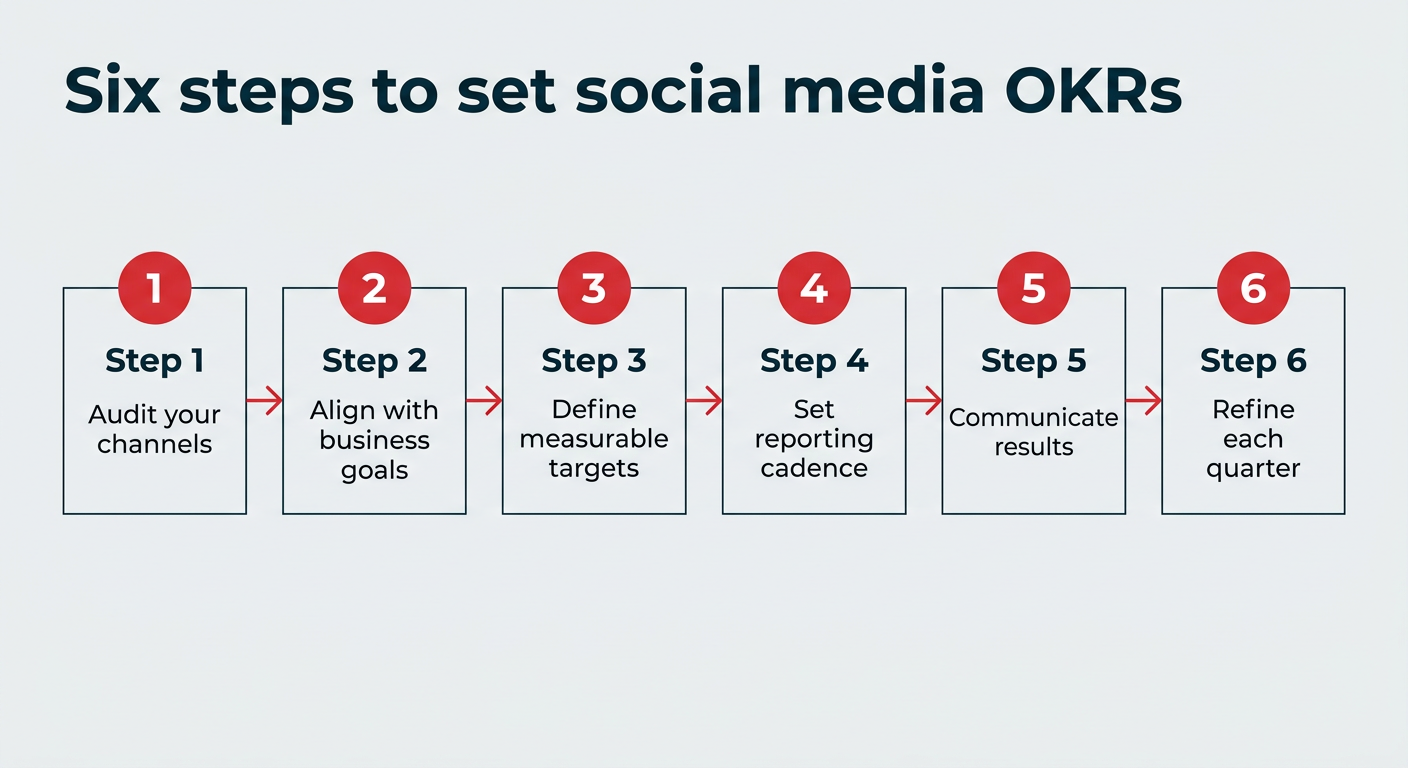
- Conduct an Enterprise Social Media Audit: Begin with a comprehensive inventory of all social channels, accounts, and historical campaigns. Identify top-performing assets, underperforming areas, and content gaps. Establish baseline performance benchmarks for engagement, reach, and conversion rates. This audit provides the empirical data needed to set realistic yet ambitious stretch goals.
- Align OKRs with Business Objectives and KPIs: Crucially, every social media OKR must ladder up to the organization’s overarching strategic priorities. If the company goal is to grow revenue, a social objective might be to drive pipeline from social, with key results quantifying attributed revenue. This direct linkage ensures social media is seen as a value-generating function, not a cost center.
- Define Measurable Outcomes and Targets: Objectives should be inspirational, but Key Results must be unequivocally measurable, specific, and time-bound. Avoid vague statements like "increase engagement"; instead, opt for "grow engagement rate by 15% on LinkedIn in Q3." This precision is vital for accurate tracking and scoring.
- Establish Reporting Cadence and Accountability: Determine how frequently progress will be reviewed (e.g., weekly check-ins, monthly deep dives, quarterly scoring). Assign clear ownership for tracking specific key results. Regular reviews are essential for identifying roadblocks, adjusting tactics, and maintaining momentum.
- Communicate Results Across Teams: Transparency is key to building organizational buy-in. Share progress and achievements beyond the immediate social media team. Concise monthly summaries or shared dashboards can effectively demonstrate how social media supports the goals of sales, HR, PR, and other departments, fostering a collaborative environment.
- Refine and Reset Each Quarter: OKRs are not static. The end of each quarter should involve a thorough review of what worked, what didn’t, and why. Use these insights to refine objectives and key results for the next cycle, ensuring that the social media strategy continuously evolves with the business landscape and emerging trends.
Tracking, Measuring, and Scoring Social Media OKRs
Effective OKR management hinges on robust tracking and measurement systems. Centralizing social data within intuitive dashboards and reporting tools is critical for maintaining visibility and enabling data-driven adjustments.
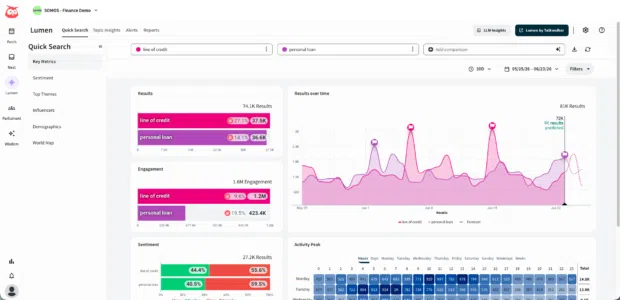
Tools like Hootsuite Analytics, integrated with social listening capabilities such as Hootsuite Lumen, provide real-time insights into sentiment, share of voice, competitive intelligence, and conversion trends. These platforms allow executives to track key results against objectives, such as "Increase positive brand sentiment by 15%" or "Increase share of voice by 10% vs. top three competitors," without having to delve into complex spreadsheets. A useful OKR dashboard should display progress against each key result, trend analysis, competitive benchmarks, and qualitative insights derived from social listening.
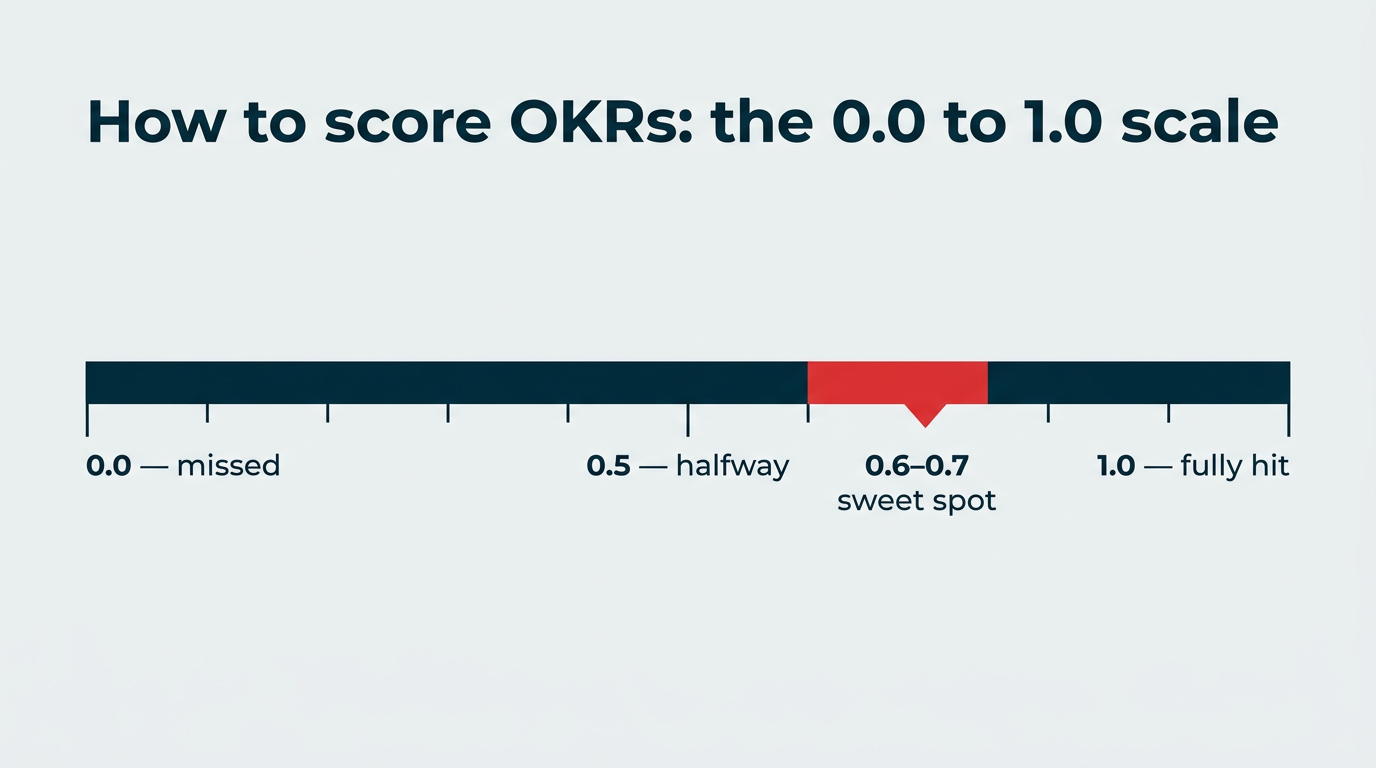
Grading and Scoring: At the end of each quarter, OKRs are scored using a 0.0 to 1.0 scale, a methodology famously adopted by Google. A score of 1.0 indicates full achievement of a key result, 0.5 signifies halfway completion, and 0.0 means no progress. The ideal score for a "stretch goal" is typically between 0.6 and 0.7. Consistently achieving 1.0 suggests the goals were not ambitious enough, while scores consistently near 0.0 might indicate unrealistic targets or significant operational challenges. This scoring mechanism provides a candid assessment of performance and guides future goal setting.
Connecting to Business Impact: Ultimately, the goal is to translate social metrics into demonstrable business impact. Tools like social ROI calculators and advanced attribution models help quantify social media’s contribution to revenue, customer acquisition, and brand equity. By connecting team performance directly to business outcomes, executives can make informed decisions regarding resource allocation, strategic investments, and overall organizational direction.
Common Pitfalls to Avoid in Social Media OKR Implementation
While OKRs offer immense benefits, several common mistakes can derail their effectiveness:
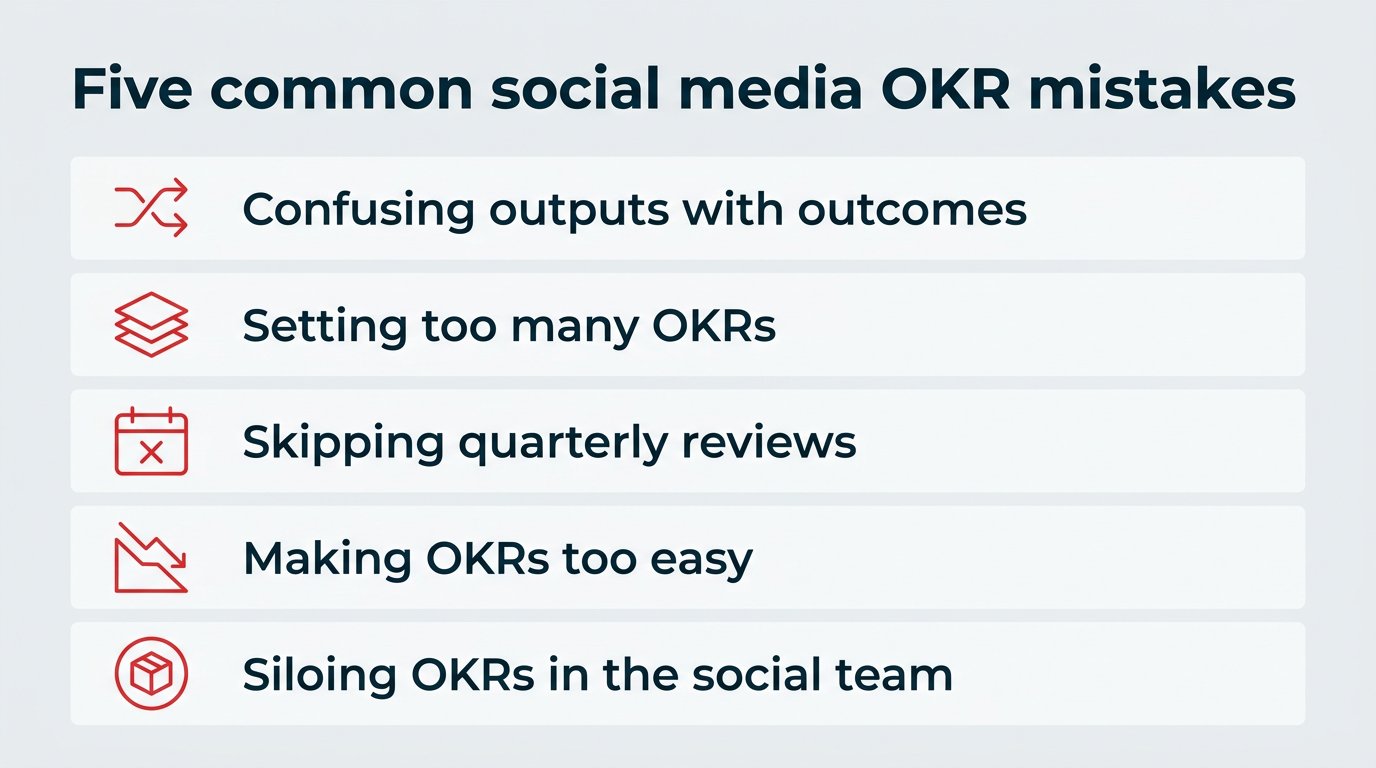
- Confusing Outputs with Outcomes: Focusing solely on tactical activities (e.g., "publish 30 posts per week") instead of the desired business impact (e.g., "increase lead generation by 10%").
- Setting Too Many OKRs: Overloading the team with too many objectives (more than 3-5 per quarter) dilutes focus and makes it difficult to achieve significant progress on any single goal.
- Siloing OKRs within the Social Team: Failing to align social media OKRs with broader organizational objectives or communicate them across departments undermines cross-functional collaboration and executive buy-in.
- Lack of Ambition: Setting "safe" goals that are easily achievable defeats the purpose of OKRs as "stretch goals" designed to push boundaries and foster innovation.
- Not Reviewing or Refining: Treating OKRs as a set-and-forget exercise. Regular check-ins, honest scoring, and quarterly refinement are essential for continuous improvement and adaptability.
Leveraging Technology for Enterprise Social Media OKRs: The Hootsuite Social OS Advantage
For enterprises managing complex, multi-region social media operations, specialized tools are indispensable for supporting OKR implementation and tracking. Hootsuite Social OS provides a connected ecosystem designed for enterprise-scale social execution, streamlining workflows and providing critical insights.
- Real-time Insights and Listening with Lumen: Hootsuite’s integrated insights and listening app, Lumen, empowers executives with real-time data on sentiment, share of voice, competitive intelligence, and crisis signals. This directly fuels the tracking of key results related to brand sentiment, competitive positioning, and reputation management, offering AI-powered intelligence without manual data aggregation.
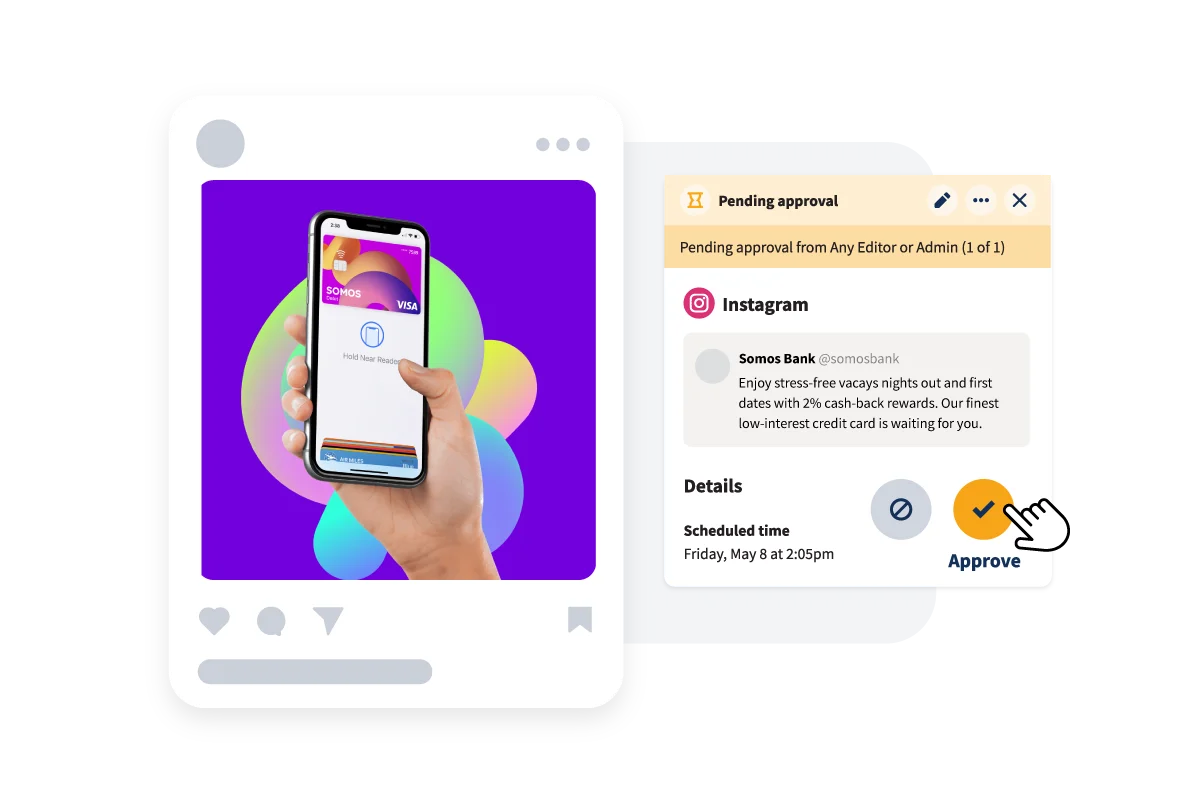
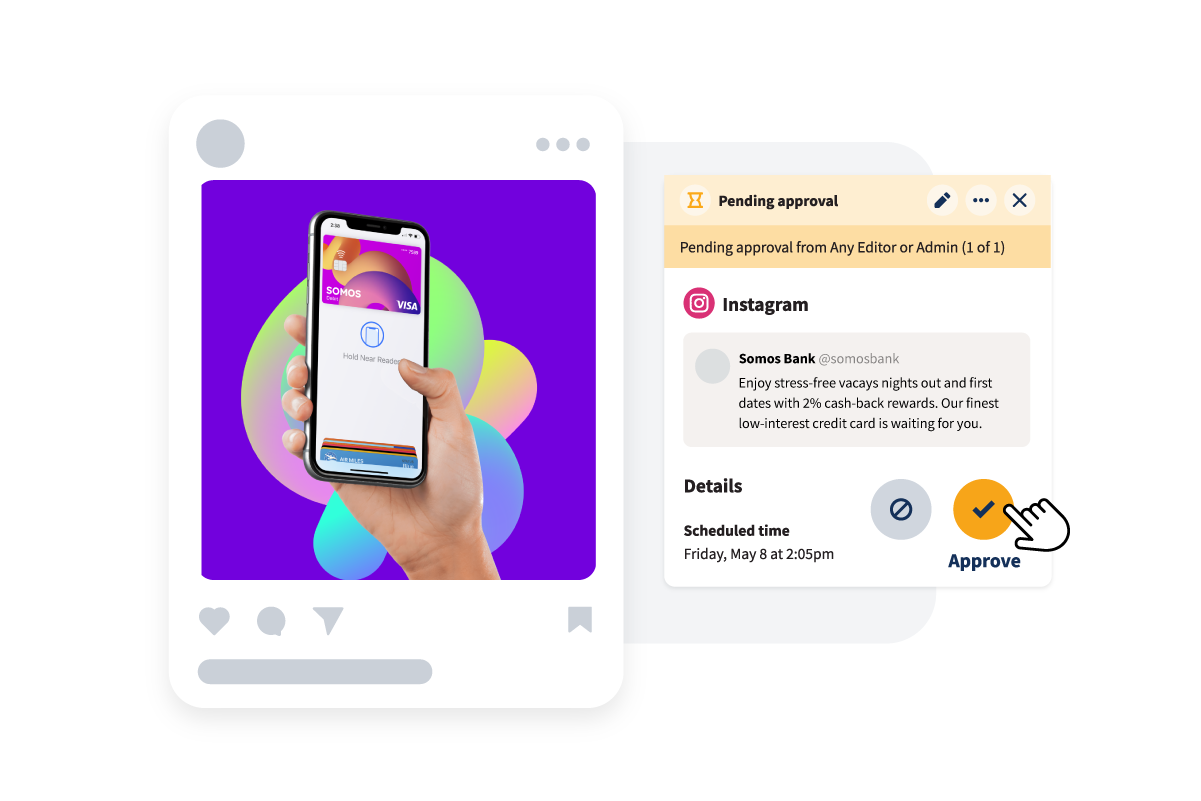
- OKR Alignment Across Teams and Regions: For organizations with multiple brands, business units, or markets, Hootsuite Social OS centralizes management, ensuring consistent objectives and reporting across all regions. Shared dashboards, granular permissions, and governed workflows facilitate collaboration, compliance, and consistent execution of OKR-aligned content. Approval workflows within the platform ensure that content adheres to brand guidelines and compliance standards before publication.
- Connecting Social Activity to Business Outcomes: Hootsuite’s advanced analytics go beyond basic metrics, linking social data to conversions, leads, and shifts in brand sentiment. This allows executives to demonstrate social media’s impact across the entire marketing and sales funnel. Furthermore, Hootsuite’s Wisdom AI enables users to query their OKR progress and receive contextual intelligence in seconds, transforming raw data into actionable insights.
The Broader Implications and Future of Social Media OKRs
As social media continues to evolve with advancements in AI, the emergence of new platforms, and increasing regulatory complexity, the need for structured goal-setting frameworks like OKRs becomes even more pronounced. For 2026 and beyond, social media OKRs will be instrumental in:
- Fostering a Data-Driven Culture: Driving a culture where decisions are based on measurable outcomes, not assumptions.
- Optimizing Resource Allocation: Ensuring that budget, time, and creative energy are invested in activities that directly contribute to strategic business goals.
- Navigating Emerging Trends: Providing a flexible framework to experiment with new technologies (e.g., metaverse, advanced AI tools) while maintaining accountability for results.
- Enhancing Executive Influence: Solidifying the role of executive leadership in shaping digital presence and driving business value through social channels.
In conclusion, for executive leaders aiming to transform social media from a tactical marketing function into a potent strategic business driver, the adoption of a comprehensive OKR framework is no longer optional—it is a critical imperative. By clearly defining ambitious objectives and backing them with measurable key results, organizations can align teams, prove ROI, and consistently achieve significant business wins in the dynamic digital landscape of 2026.