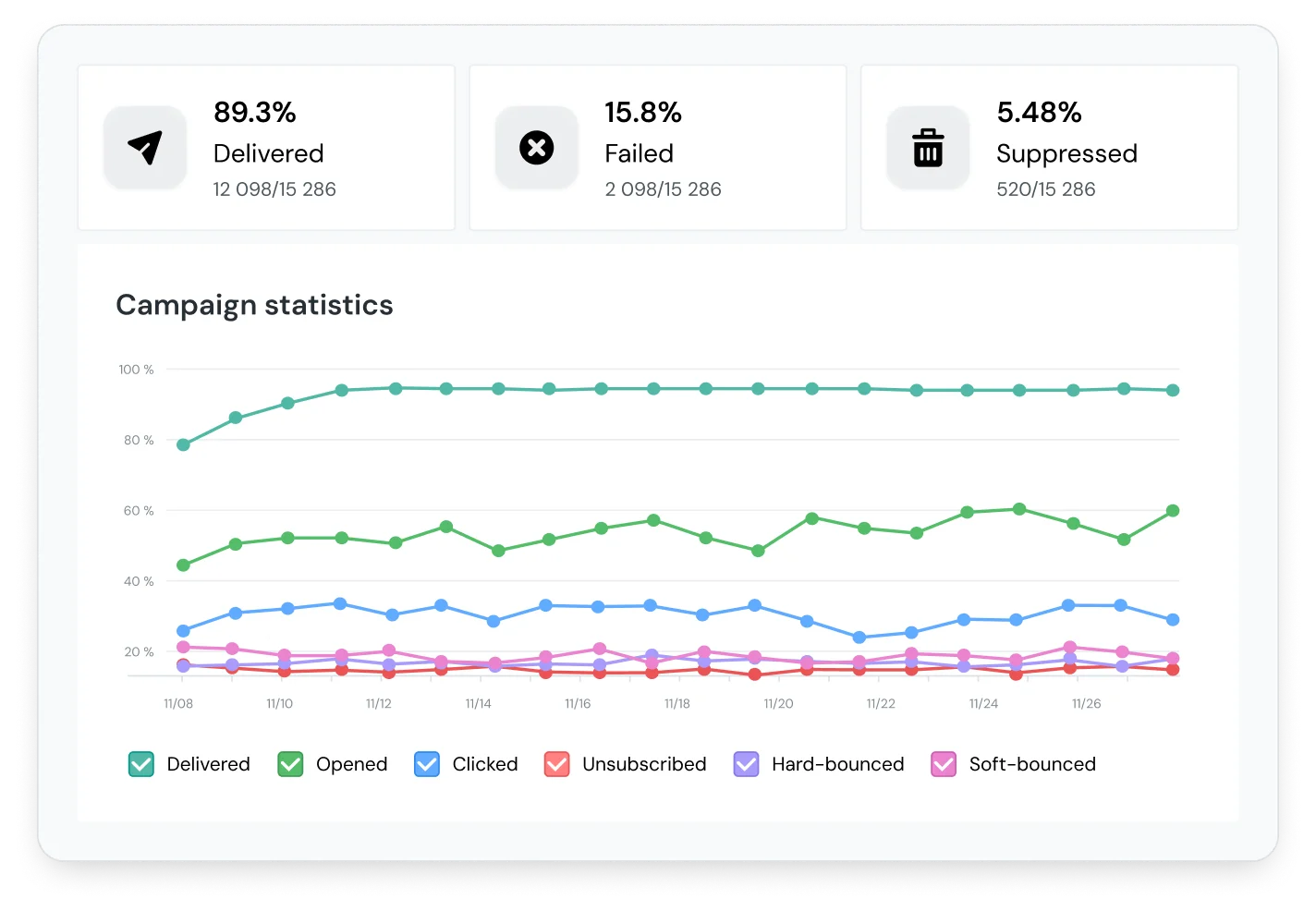
The persistent quest for heightened engagement in digital marketing continually brings marketers back to a critical question: what is the optimal time to dispatch email newsletters and campaigns? In an increasingly saturated digital landscape, the precise timing of email delivery can significantly influence key performance indicators such as open rates and click-through rates (CTR). This seemingly simple variable is, in fact, a complex interplay of recipient behavior, geographic location, business model (B2B vs. B2C), and content relevance, demanding a sophisticated, data-driven approach from email marketers worldwide.
The Evolving Landscape of Email Engagement
Email marketing has matured into a cornerstone of digital strategy, yet its effectiveness hinges on more than just compelling content and attractive design. The sheer volume of emails hitting inboxes daily means that timing has become a crucial differentiator. Research consistently shows that emails at the top of an inbox generally garner more attention, making timely delivery paramount to cutting through the noise. This understanding underpins the strategic imperative for marketers to delve deeper into audience habits and adapt their sending schedules accordingly.
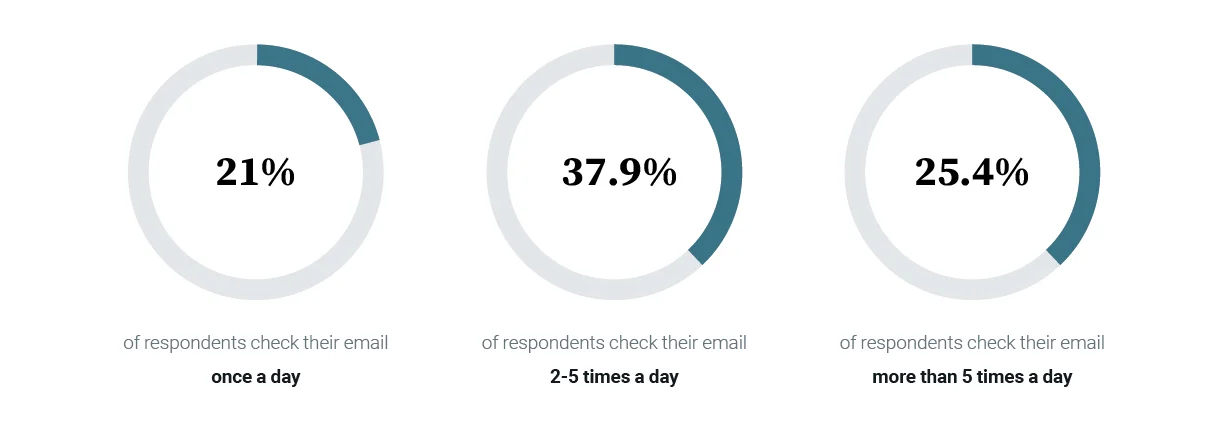
Historically, a general consensus suggested a 9 AM to 12 PM window as the prime time for email dispatches. This advice, while a useful starting point, often overlooks the intricate nuances of modern digital consumption. The reality is far more dynamic. Contemporary studies, including the comprehensive Email Engagement Report, reveal that a significant majority of users—approximately 63.3%—interact with their personal mailboxes at various points throughout the day. This constant checking, facilitated by smartphones and ubiquitous internet access, complicates the traditional "peak hour" notion. While individuals may check their email frequently, their capacity to engage deeply or act upon a message is often limited by their current context, whether they are commuting, in meetings, or winding down for the evening. Therefore, the goal shifts from merely being seen to being seen when action is most likely.
Global Patterns and Peak Engagement Hours
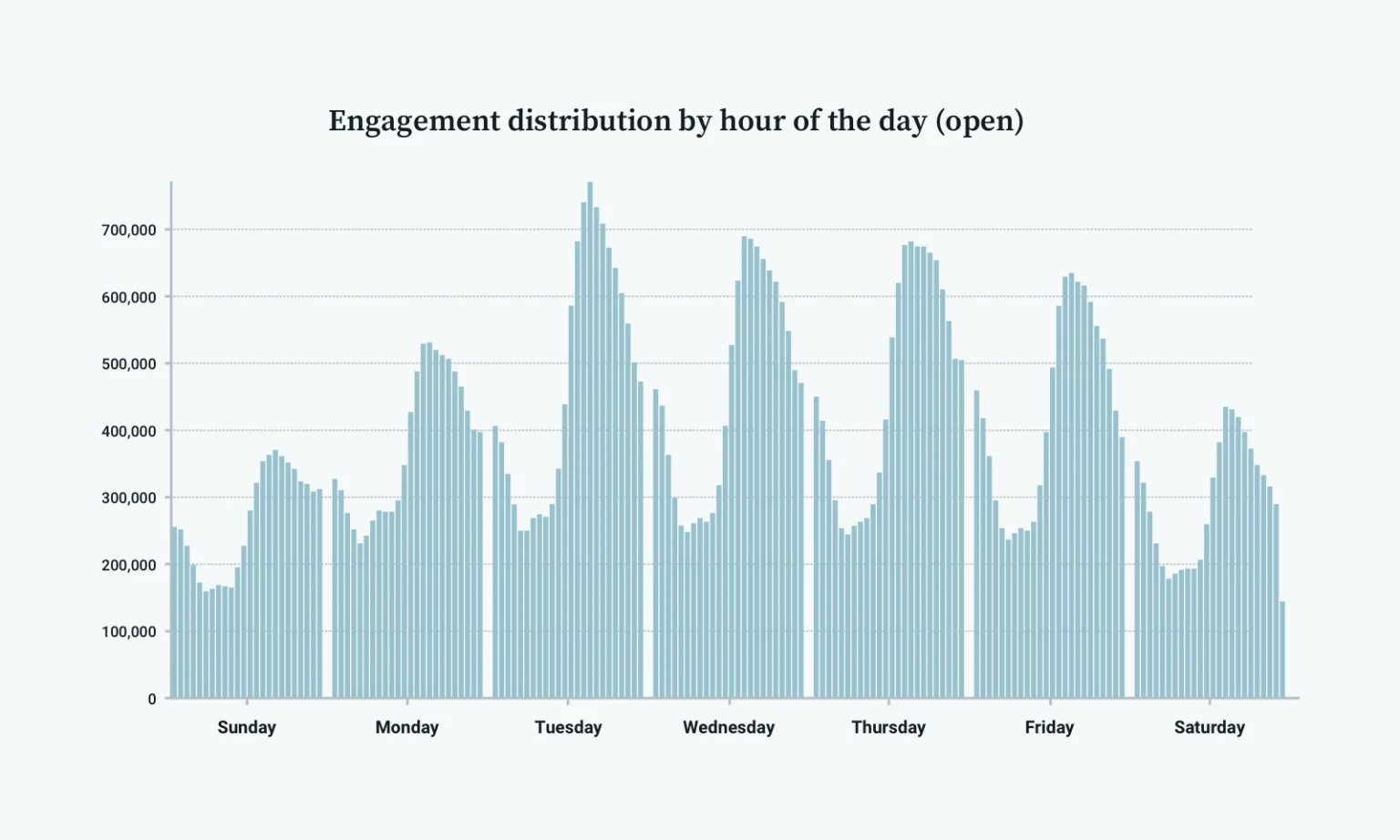
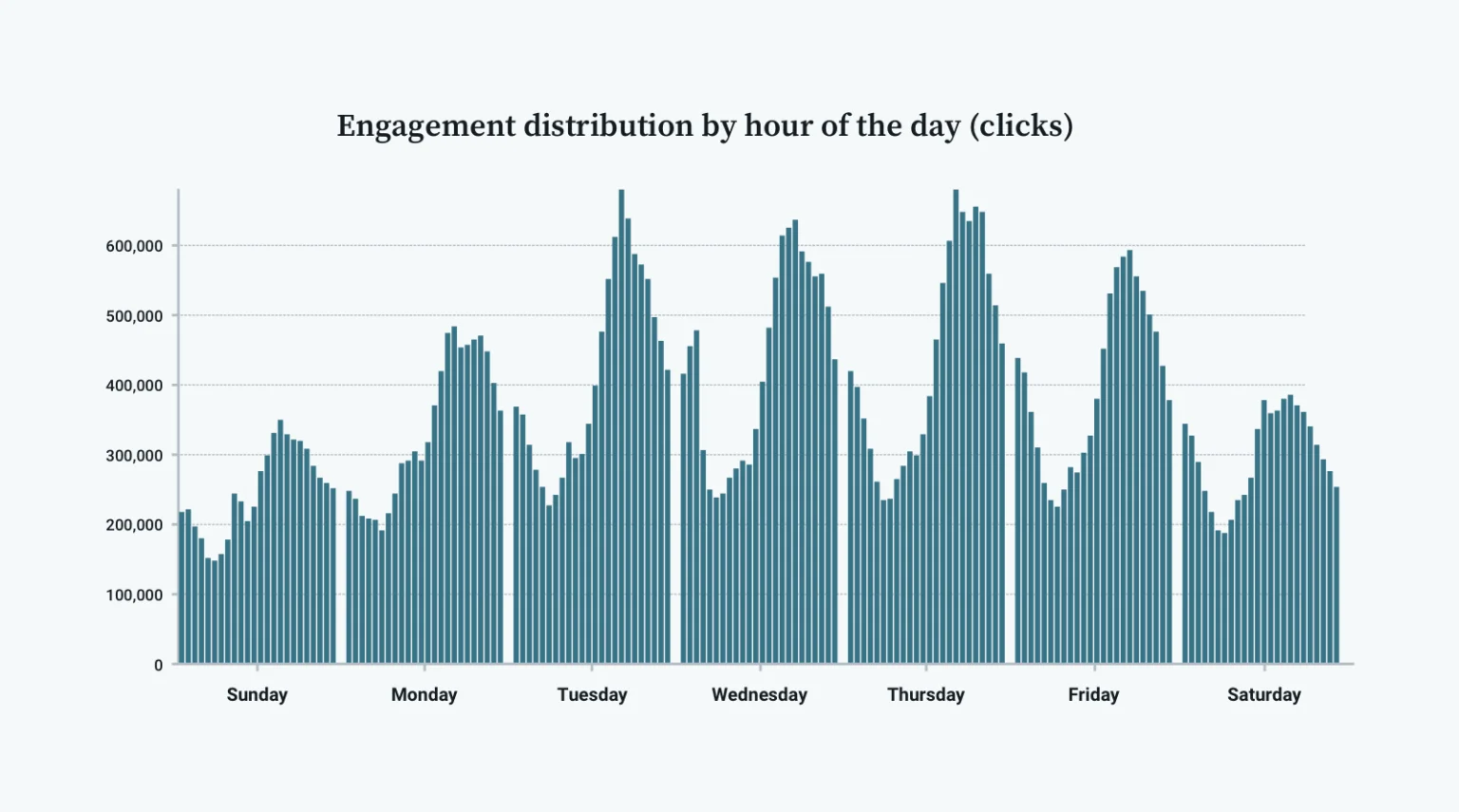
To move beyond generalized assumptions, detailed analysis of aggregated email data provides invaluable insights. A large-scale study conducted by Sinch Mailgun, analyzing billions of emails sent by its customers, offers a more granular perspective on global engagement patterns. This research identified 15:00 Coordinated Universal Time (UTC) as a period of particularly high engagement, characterized by a strong click-to-open ratio. However, the critical caveat for marketers is the necessity of converting UTC to local time zones. For instance, 15:00 UTC translates to 11 AM Eastern Standard Time during summer months, aligning with conventional wisdom regarding morning engagement in North America.
The data reveals distinct peaks in both open and click rates around this mid-day UTC equivalent, suggesting a universal window where a significant portion of the global online audience is active and receptive. This period often coincides with mid-morning to early afternoon in major economic hubs, where individuals might be taking a break from work, catching up on communications, or planning their next tasks.
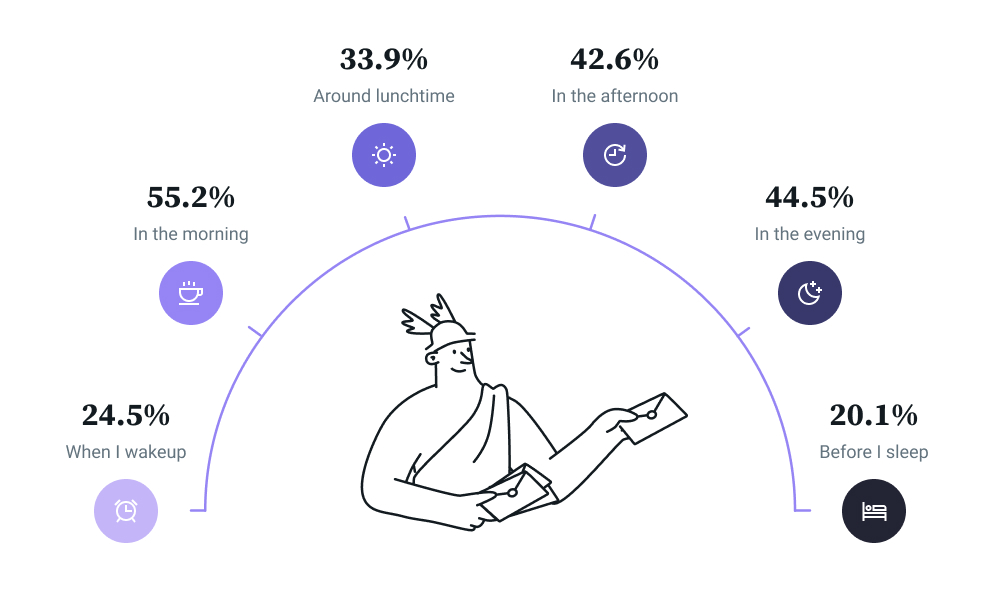
- Morning Rush (approx. 9 AM – 11 AM local time): Often sees initial high open rates as people start their workday or daily routines and clear their inboxes.
- Mid-Day Dip/Rebound (approx. 12 PM – 2 PM local time): Can be variable, with a potential dip during lunch breaks but also a rebound as people return to their desks.
- Afternoon Engagement (approx. 2 PM – 5 PM local time): Frequently shows strong click-through rates as individuals may have more time for deeper engagement with content.
- Evening/Night (after 5 PM local time): Generally lower for business-related emails but can be effective for certain B2C content, particularly leisure or entertainment.
Geographic and Cultural Nuances in Email Habits
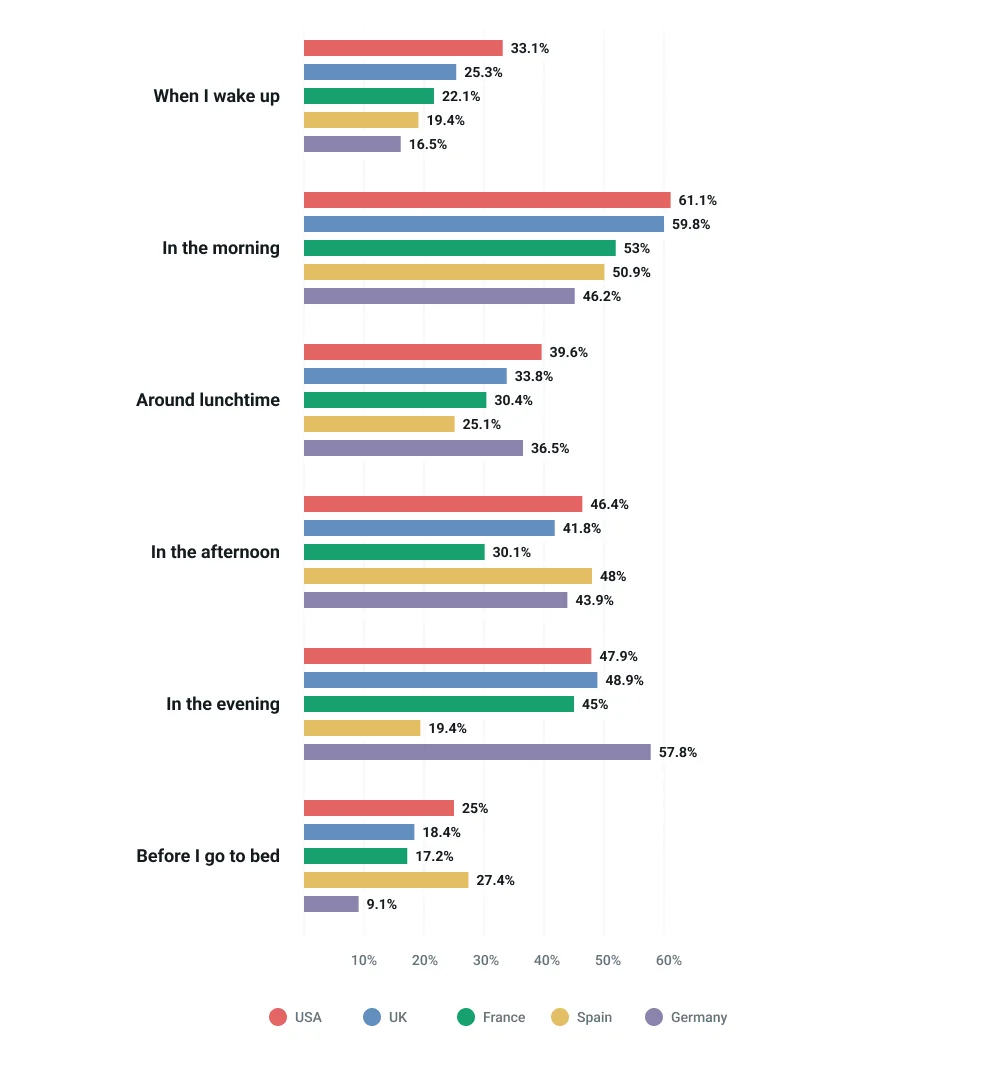
Beyond global averages, national and cultural differences play a profound role in email engagement. The Email Engagement Report underscores fundamental disparities in how users in different countries interact with their inboxes. For international marketers, a one-size-fits-all approach is demonstrably ineffective.
Consider the contrast between Germany and Spain. The study indicates that early evening proves to be a highly effective time to reach German customers, with 57.8% opening emails during this period. In stark contrast, only 19.4% of Spanish recipients exhibit similar behavior in the early evening. Conversely, a substantial 27.4% of Spanish participants reported checking emails late in the evening before bed, a habit observed by only 9.1% of Germans. These disparities highlight the influence of cultural norms, daily routines, and work-life balance on digital behavior. Countries with a more relaxed evening culture might see later engagement, while those with earlier routines might prefer morning or mid-day interactions.
For marketers targeting diverse international audiences, this data is not merely academic; it is actionable intelligence. Effective global email strategies necessitate audience segmentation by geography and the implementation of localized sending schedules. This approach ensures that messages arrive when they are most likely to be seen and acted upon, respecting the distinct rhythms of daily life across different cultures.
The Best Days to Send: Weekday Dynamics
Just as the time of day matters, so too does the day of the week. The Sinch Mailgun study provides clear evidence that certain weekdays outperform others in terms of email engagement.
- Midweek Dominance (Tuesday, Wednesday, Thursday): Data consistently points to Tuesdays, Wednesdays, and Thursdays as the days with the highest open and click rates. These days represent the sweet spot in the work week when recipients are typically settled into their routines but not yet overwhelmed by the impending weekend. Tuesdays and Thursdays often show slightly higher engagement, with Wednesday being a strong alternative. For marketers planning multiple campaigns within a week, a Tuesday-Thursday combination is often recommended to avoid oversaturation and ’email fatigue’ if sent on consecutive days like Tuesday-Wednesday.
- Friday’s Resilience: While traditionally considered a weaker day for engagement as people mentally check out for the weekend, recent data suggests that Fridays can still yield decent results, often outperforming Mondays. This could be attributed to recipients tying up loose ends before the weekend or engaging with lighter, more leisure-oriented content. Moreover, sending on a Friday might offer the advantage of less inbox competition compared to the busy midweek.
- Weekend Lull (Saturday, Sunday): Saturdays and Sundays generally register the lowest engagement rates. Most individuals prioritize personal activities, family time, and leisure during the weekend, relegating emails to a lower priority. Exceptions might include highly specific, lighthearted content relevant to weekend activities or industries like entertainment, hospitality, or personal development that cater to weekend consumption.
- Monday’s Challenge: Mondays are often characterized by recipients sifting through weekend backlogs and planning their week, leading to lower engagement for many marketing emails. The "Monday blues" or the sheer volume of tasks can deter immediate action on promotional content. The research indicates Friday often outperforms Monday in both open and click-through rates, challenging the long-held belief that both days are equally poor for sending.
B2B vs. B2C: Tailoring Timings to Audience Context
A fundamental distinction in email marketing lies between Business-to-Business (B2B) and Business-to-Consumer (B2C) communications. The context in which recipients engage with work emails versus personal emails is vastly different, necessitating distinct sending strategies.
- B2B Email Dynamics: B2B recipients primarily interact with their professional inboxes during standard working hours. Early morning (e.g., 8-9 AM) might catch them as they start their day, or mid-morning (10 AM – 12 PM) and early afternoon (1 PM – 3 PM) could be effective as they take breaks or manage tasks. Weekdays, particularly Tuesday through Thursday, are almost universally preferred. Content tends to be more informational, problem-solving, or industry-specific, demanding focused attention. Sending B2B emails during weekends or late evenings is generally counterproductive, as professionals are unlikely to engage with work-related content during their personal time.
- B2C Email Dynamics: B2C recipients’ email habits are far more varied and influenced by individual lifestyles, age, and the nature of the content. Younger demographics might engage more frequently via mobile devices throughout the day and into the evening. Retail promotions might perform well during lunch breaks or evening leisure time. Entertainment-focused emails could thrive in the late afternoon or evening when people are planning leisure activities. Travel deals might resonate on Fridays as people anticipate weekend getaways. The key for B2C marketers is to understand their specific customer personas deeply, including their daily routines, device preferences, and the emotional context in which they are most receptive to a particular message.
Marketers with well-defined marketing personas can leverage these insights to segment their audience further, ensuring that messages are not only relevant but also delivered when the recipient is most receptive and has the capacity to act. The Email Engagement Report highlights that a large percentage of users check personal emails more than once a day, emphasizing the continuous opportunity for B2C engagement, provided the timing is right.
The Strategic Imperative of Email Sending Time
The importance of optimizing email sending times extends beyond mere vanity metrics like open rates. It directly impacts the return on investment (ROI) of email marketing efforts. A perfectly crafted email with a compelling subject line and strong calls-to-action (CTAs) can fall flat if it lands in an inbox at a moment when the recipient is busy, distracted, or simply not in the right frame of mind to engage.
The benefits of strategic timing are multifaceted:
- Increased Visibility: Landing an email at the top of the inbox during peak engagement windows dramatically increases its chances of being seen.
- Enhanced Open Rates: Timely delivery correlates with higher open rates, indicating that recipients are more likely to notice and open the message.
- Improved Click-Through Rates (CTR): When an email is opened at an opportune moment, recipients are more likely to click on links and engage with the content.
- Higher Conversion Rates: Ultimately, better engagement metrics translate into improved conversion rates, whether it’s a purchase, a download, a registration, or a lead capture.
- Better Sender Reputation: Consistent high engagement signals to internet service providers (ISPs) that your emails are valuable, positively impacting your sender reputation and deliverability. Conversely, low engagement can lead to emails being flagged as spam or routed to junk folders.
- Reduced Unsubscribe Rates: Delivering relevant content at the right time fosters a positive recipient experience, reducing the likelihood of unsubscribes.
A compelling statistic from "The path to email engagement" report reinforces this: "86.4% of respondents say having time to read an email is an important factor in determining whether to open it." This underscores that availability and mental capacity are just as crucial as interest in the subject matter.
Data-Driven Optimization: The Path to Precision
Given the myriad factors influencing optimal send times, generic advice serves only as a starting point. The true power lies in leveraging existing data and implementing rigorous testing methodologies.
- Analyze Historical Data: Email service providers (ESPs) offer detailed analytics dashboards that are a treasure trove of information. Marketers should meticulously review past campaign performance, identifying specific days and hours that have historically yielded the highest open and click rates for their unique audience. This foundational analysis helps form initial hypotheses.
- Audience Segmentation: Beyond broad geographical and B2B/B2C distinctions, segmenting audiences by demographics (age, profession), psychographics (interests, lifestyle), and past engagement behavior can refine timing strategies. For instance, segments that frequently open emails on mobile devices might be more receptive to evening sends, while desktop-dominant segments might prefer business hours.
- A/B Testing (Split Testing): This is the gold standard for optimization. Marketers should systematically test different send times and days. For example, a three-week A/B test could involve sending a newsletter at 10 AM in week one, 1 PM in week two, and 9 PM in week three to a consistent segment of the audience. Alternatively, split a single campaign, sending half the list in the morning and the other half in the afternoon, then comparing the results. This scientific approach provides empirical evidence specific to your audience.
- Consistency vs. Flexibility: For recurring communications like weekly newsletters, establishing a consistent send day and time builds anticipation and trust with the audience. However, this consistency should not become a rigid dogma. During holidays, special events, or unforeseen circumstances, flexibility is paramount. Prioritizing higher engagement by adjusting the schedule for unique situations is always preferable to sticking to a routine that will likely result in lower performance.
- Leveraging Advanced Tools: Modern email marketing platforms offer sophisticated features designed to assist with timing optimization. Features such as segmentation tools, A/B testing frameworks, campaign comparison reports, and detailed email statistics dashboards empower marketers to track, analyze, and refine their strategies continuously. Some platforms even incorporate AI and machine learning to predict optimal send times for individual subscribers, further personalizing the experience.
Conclusion: The Continuous Pursuit of Perfect Timing
In the dynamic realm of digital marketing, the concept of a singular "best time" to send an email is an oversimplification. Instead, it is a constantly evolving target, influenced by global trends, cultural nuances, business models, and individual recipient behaviors. The most successful email marketers are those who embrace a data-driven, iterative approach, continuously testing, analyzing, and adapting their sending schedules.
By understanding the intricate relationship between timing and engagement, marketers can move beyond generic recommendations to forge highly effective, personalized communication strategies. The ultimate objective is to ensure that valuable content reaches the right person at the right moment, maximizing visibility, interaction, and ultimately, conversion. This strategic alignment is not merely an optimization tactic; it is a fundamental pillar of effective email communication, guaranteeing that the effort invested in crafting compelling messages truly resonates with the intended audience.