Ecommerce conversion rate optimization (CRO) represents the systematic process of identifying why visitors fail to complete a purchase and implementing data-driven solutions to increase the percentage of successful transactions. In a digital economy characterized by rising Customer Acquisition Costs (CAC) and intensifying competition from global marketplaces, the ability to convert existing traffic has transitioned from a competitive advantage to a fundamental necessity for business survival. Recent industry data suggests that even a fractional improvement in conversion rates—such as moving from 2% to 3%—can result in a 50% increase in revenue without additional advertising spend, highlighting the profound impact of CRO on the bottom line.
The Evolution of Digital Retail Efficiency
The history of ecommerce optimization has shifted from simple A/B testing of button colors to a sophisticated, multi-layered discipline involving behavioral psychology, data science, and technical performance. Historically, retailers focused heavily on top-of-funnel traffic; however, as platforms like Meta and Google increased their ad rates, the focus shifted toward maximizing the value of every visitor. Today, CRO specialists utilize a suite of diagnostic tools, including web analytics, heatmaps, and session recordings, to pinpoint "leaks" where potential revenue is lost.
A Systematic Framework for Identifying Funnel Leaks
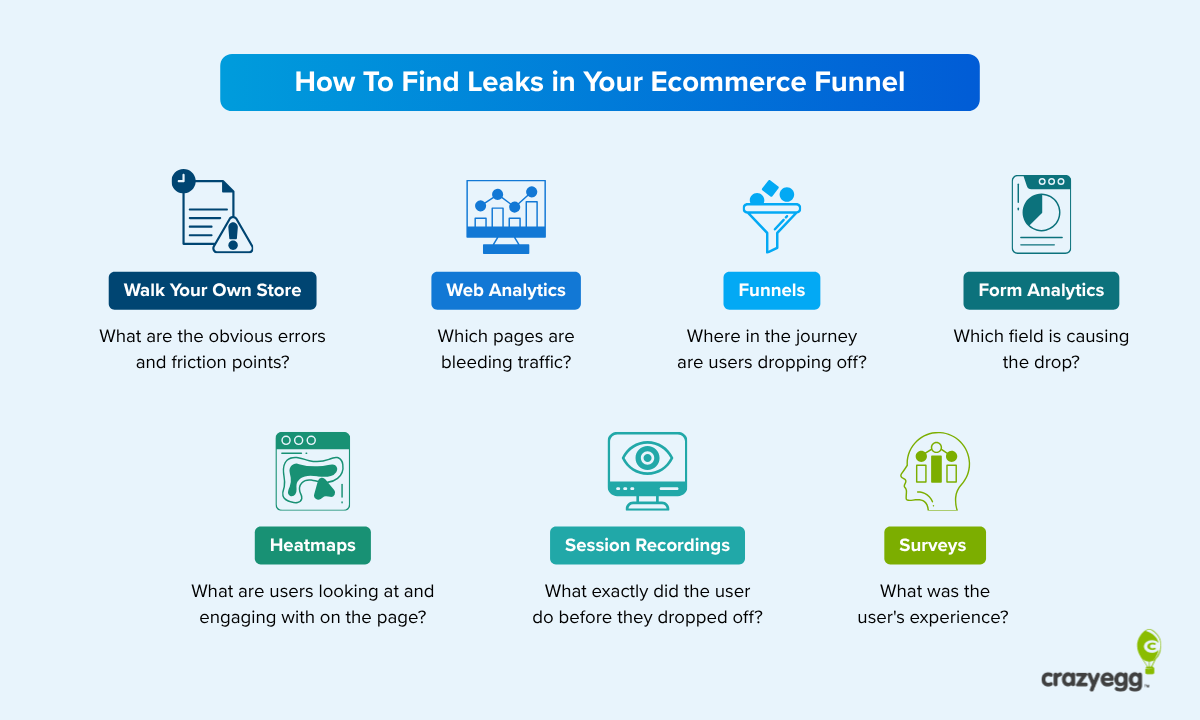
To effectively diagnose why users abandon a site, organizations must adopt a rigorous methodology that combines quantitative data with qualitative insights. The diagnostic phase of a CRO audit typically follows a logical progression of seven key steps.
1. The Internal Store Audit
Before deploying advanced software, stakeholders must conduct a manual walkthrough of the customer journey. This "walkthrough" involves navigating from the landing page through the search function, product selection, and final payment. This non-scientific yet vital step often reveals obvious technical glitches, such as broken links or unresponsive buttons, that automated tools might overlook.
2. Quantitative Traffic Analysis
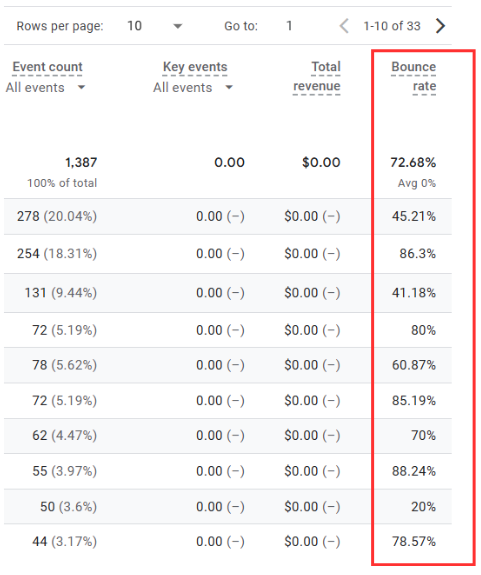
Using web analytics platforms, retailers isolate pages with high bounce and exit rates. A "bounce" occurs when a user leaves immediately after landing, often indicating a mismatch between marketing promises and page reality. Conversely, a high "exit rate" on a specific step—such as the shipping selection page—signals friction in the conversion flow or unexpected costs.
3. Funnel Visualization
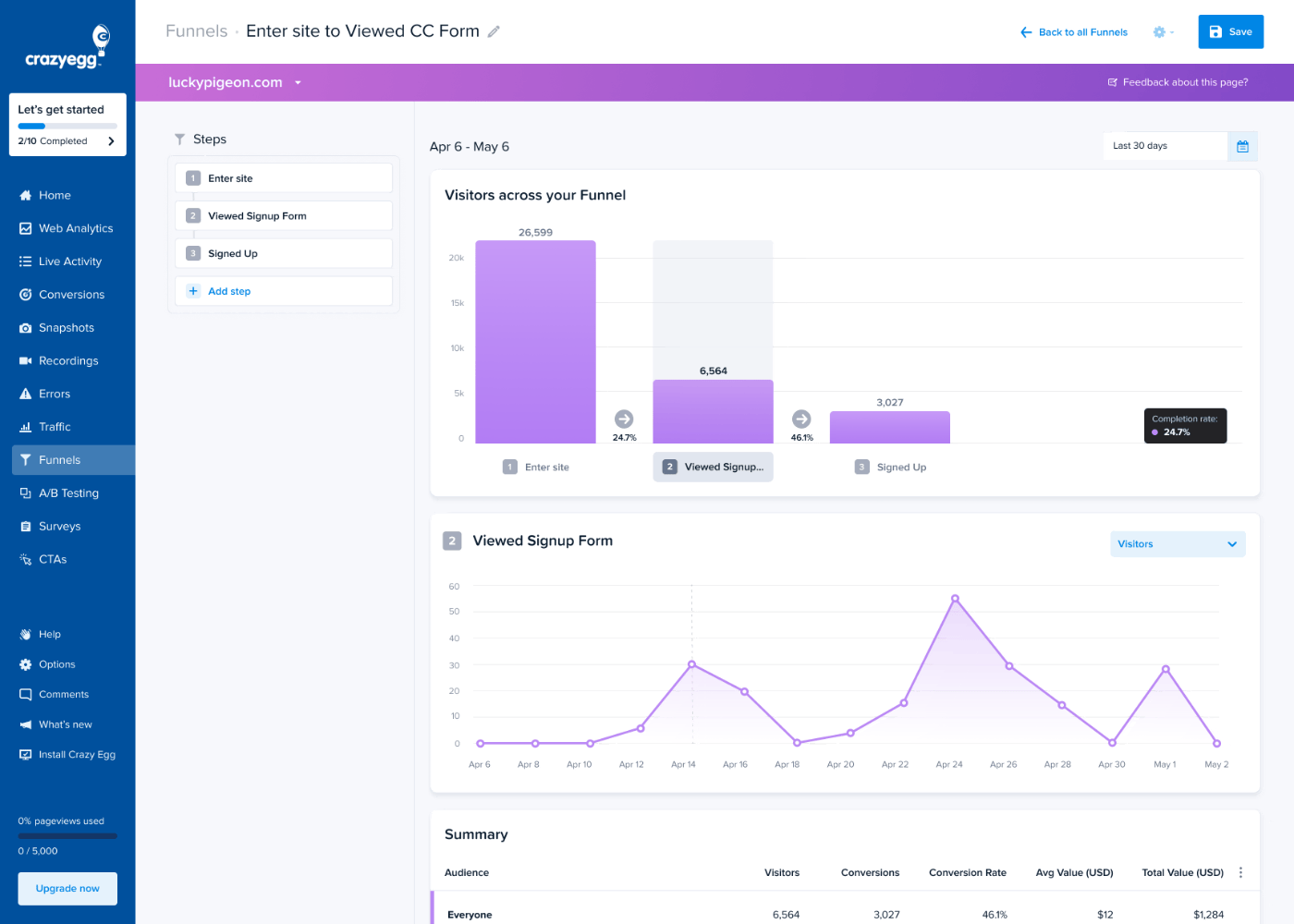
Conversion funnel reports provide a visual representation of the user journey, showing exactly where the largest drop-offs occur. If data shows a 70% abandonment rate between the "Add to Cart" and "Checkout" stages, the optimization effort must prioritize the cart experience over earlier discovery phases.
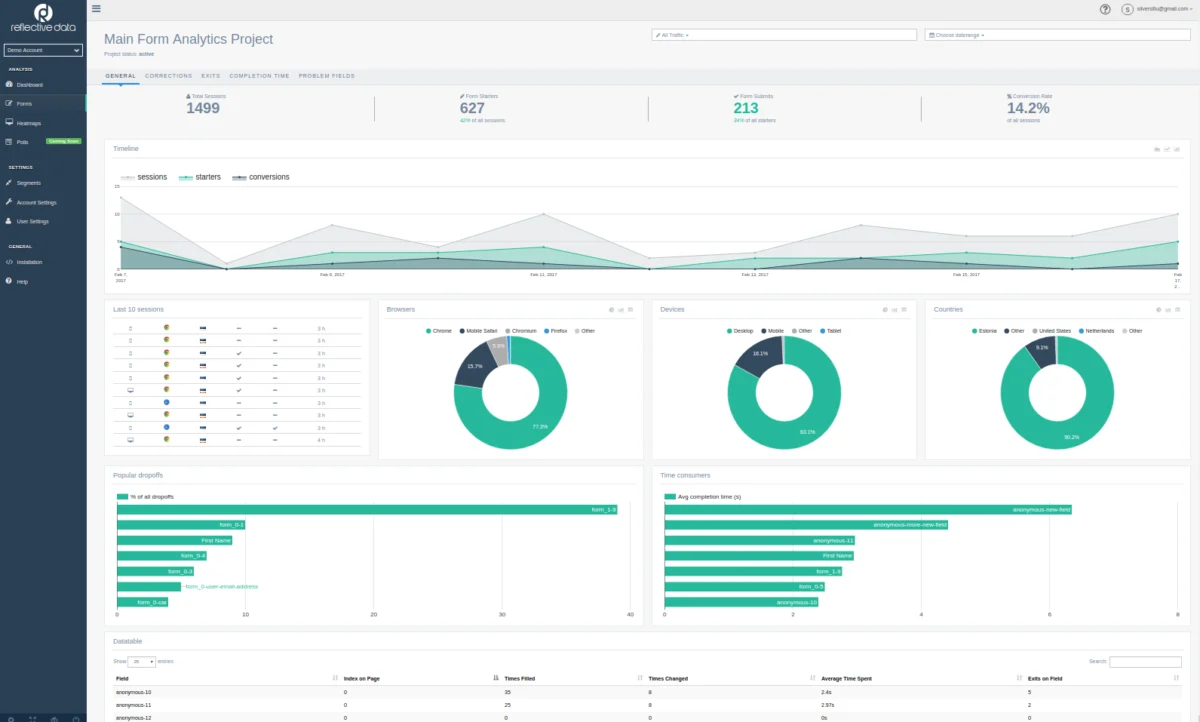
4. Form and Interaction Analytics
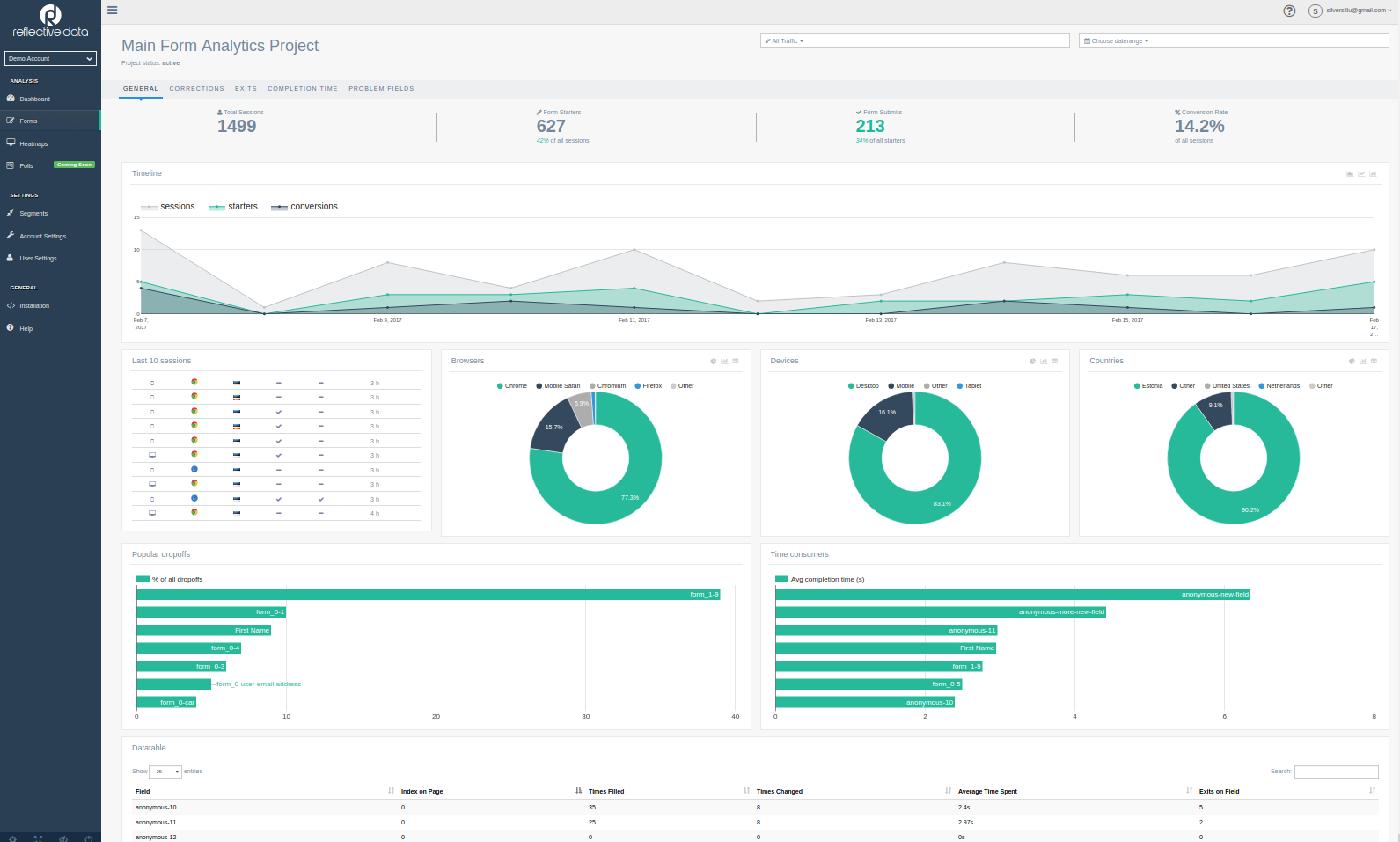
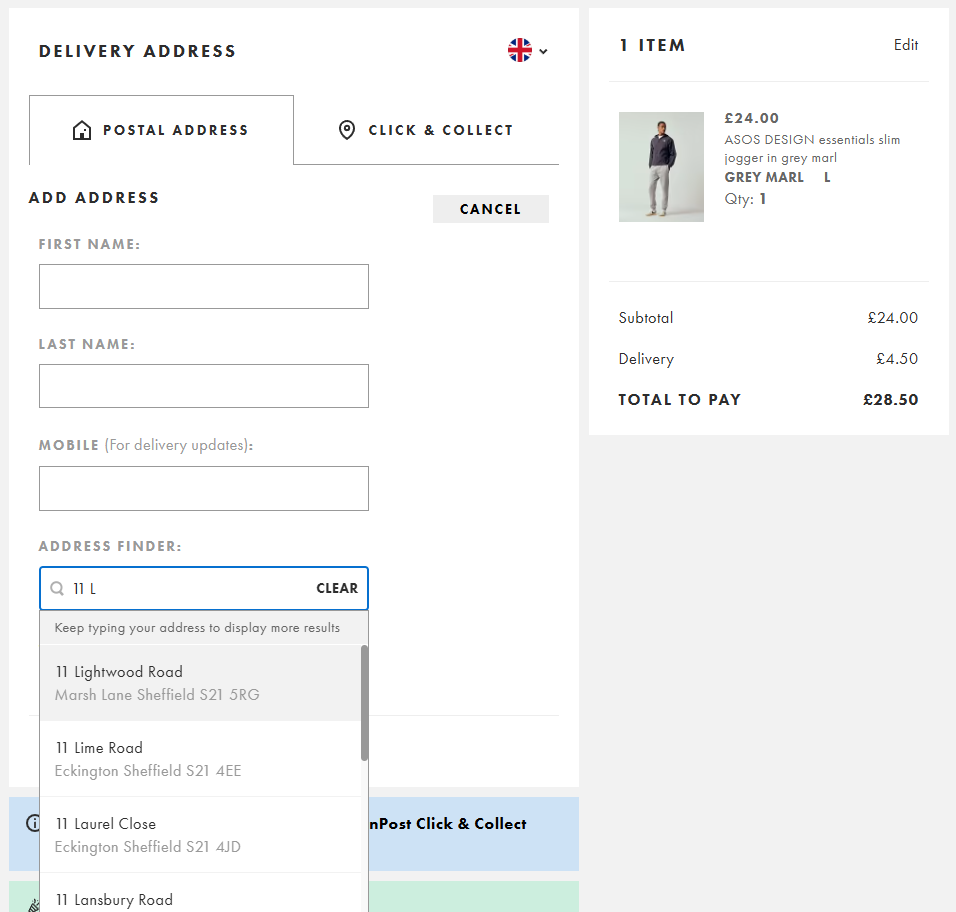
Checkout forms are frequently the most significant points of friction. Form analytics reveal which specific fields cause users to hesitate or abandon the process. For instance, if users consistently drop off when asked for a phone number, the business may choose to make that field optional or remove it entirely.
5. Behavioral Heatmapping
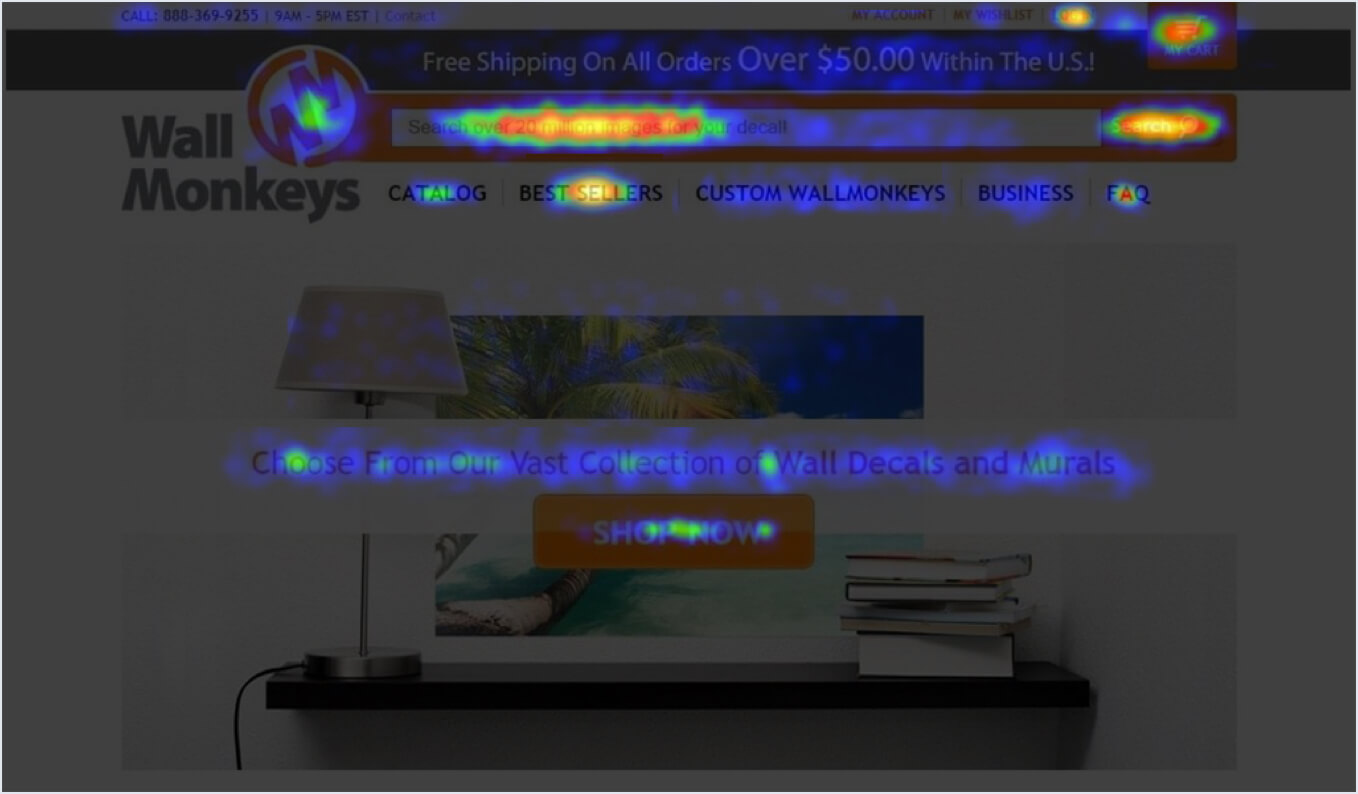
Heatmaps provide a visual aggregate of where users click, scroll, and hover. This data can lead to transformative design changes. A notable case study involves the retailer WallMonkeys, which achieved a 550% increase in conversions after heatmaps revealed that users ignored a floating Call to Action (CTA) in favor of the search bar. By redesigning the homepage to lead with a search-centric layout, they aligned the site with actual user behavior.
6. Individual Session Recordings
While heatmaps show aggregate data, session recordings offer a granular view of individual user struggles. This can surface specific bugs, such as a product appearing "out of stock" due to a coding error when it is actually available, as seen in the case of the brand Happy Trails.
7. Qualitative Voice-of-Customer (VoC) Data
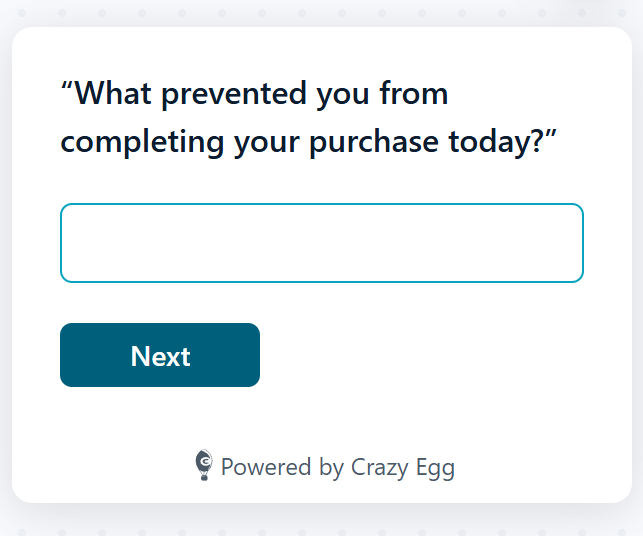
Surveys and exit-intent popups allow retailers to ask users directly about their experience. Qualitative data often reveals psychological barriers, such as a lack of trust in a brand or confusion regarding return policies, which quantitative data cannot fully capture.
14 Strategic Interventions to Enhance Conversion Rates
Once leaks are identified, retailers must deploy specific strategies categorized by the stage of the shopping journey.
Discovery and Navigation
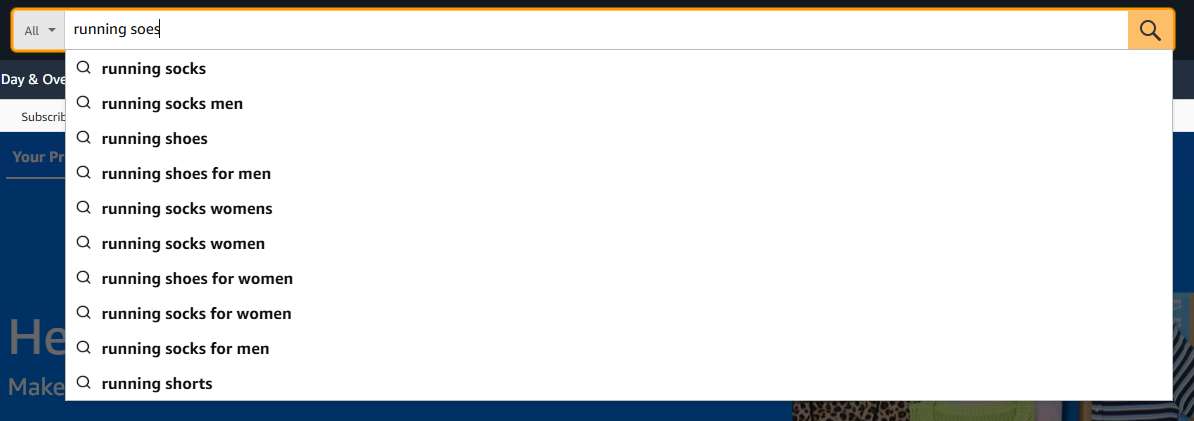
The search function is a critical revenue driver. According to a 2024 study by Constructor, site searchers represent only 24% of visitors but generate 44% of total revenue, converting at 2.5 times the rate of non-searchers. Implementing AI-powered search tools that account for typos, synonyms, and partial matches is essential. Furthermore, category filters should be rewritten to match the vocabulary of the consumer rather than internal inventory jargon.
The Product Experience
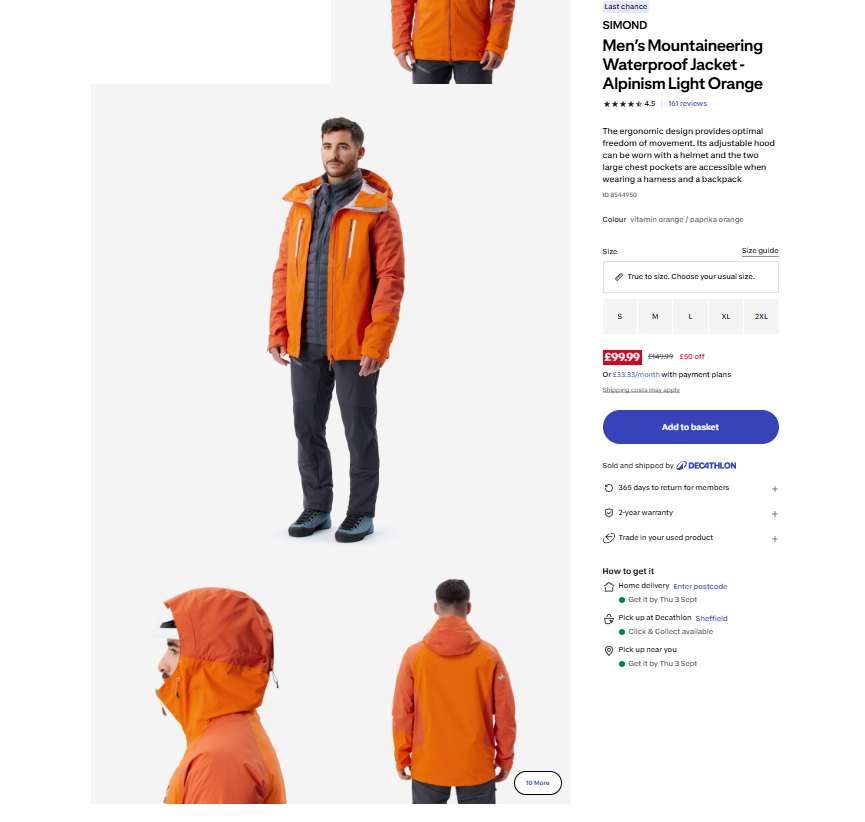
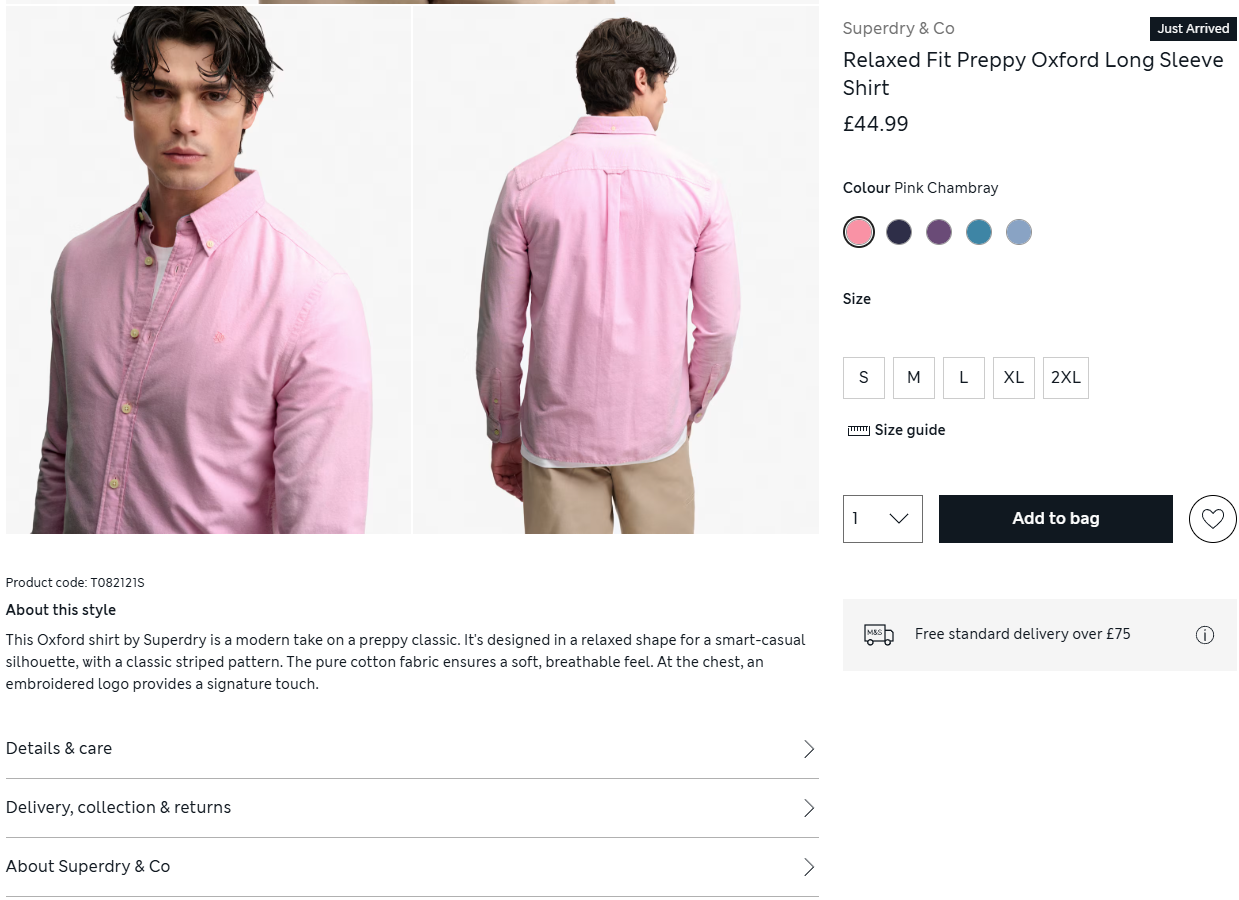
High-resolution visuals and detailed descriptions are non-negotiable in an environment where the customer cannot physically touch the product. Research from Salsify indicates that 61% of shoppers prioritize images and videos over pricing and descriptions. Descriptions should not only list features but answer specific consumer concerns regarding materials, fit, and origin. Accurate descriptions also serve to reduce return rates; a 2025 Signifyd study found that "product not as described" accounted for 32% of all returns in the UK and EMEA.
Building Trust and Transparency
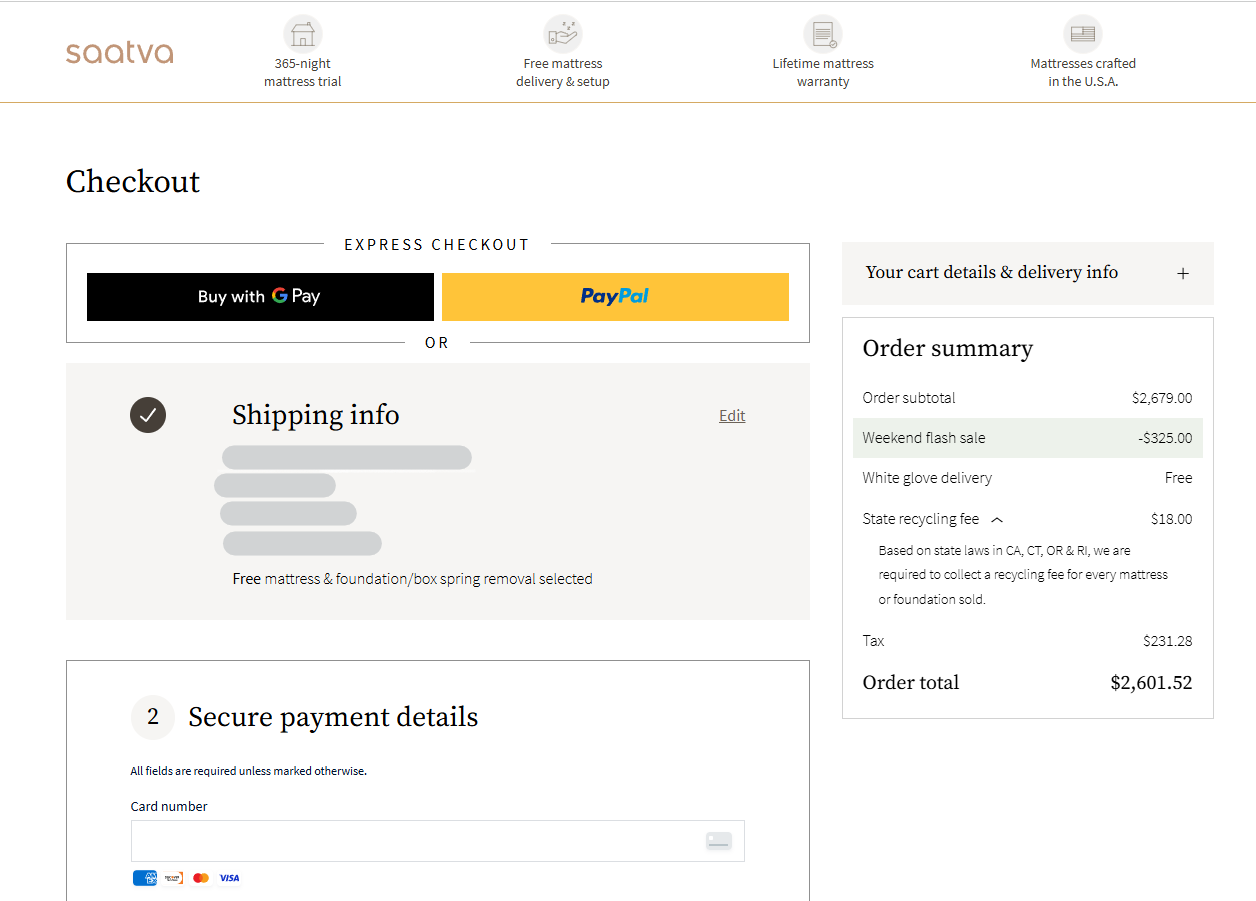
Security concerns remain a primary driver of cart abandonment. Baymard’s 2025 checkout research found that 19% of US shoppers abandoned carts because they did not trust the site with their credit card information. To mitigate this, retailers must display trust badges, clear return guarantees, and authentic customer reviews. Transparency regarding shipping and taxes is equally vital; unexpected costs are responsible for 40% of abandoned carts.
Streamlining the Checkout Process
The checkout process should be as frictionless as possible. Industry leaders now advocate for "guest checkout" by default, as 18% of shoppers will abandon a purchase if forced to create an account. Additionally, Single Sign-On (SSO) options like Google or Apple ID can lift conversion rates by 20% to 50% by eliminating the need for manual data entry.
Payment and Financial Flexibility
Offering diverse payment methods is a key localized strategy. While credit cards are common, Stripe data suggests they account for only 40% of global transactions. Enabling digital wallets like Apple Pay or local methods like iDEAL (Netherlands) or BLIK (Poland) can increase conversions by nearly 40% in those specific regions. Furthermore, the introduction of Buy Now, Pay Later (BNPL) services like Klarna or Afterpay has been shown to increase Average Order Value (AOV) and revenue by up to 14%.
Technical Performance and Mobile Optimization
In the modern ecommerce landscape, technical speed and mobile usability are the foundations of CRO. Google’s Core Web Vitals guidance suggests that a "Largest Contentful Paint" (LCP) of under 2.5 seconds is necessary for a positive user experience. Slow load times lead to immediate bounces, particularly on mobile devices.
Mobile optimization is particularly critical as Dynamic Yield’s 2026 benchmarks show that 74% of ecommerce traffic originates from mobile phones. However, mobile cart abandonment remains high at approximately 80%. Bridging this gap requires mobile-first design, including "thumb-friendly" navigation, simplified forms, and sticky "Add to Cart" buttons that remain visible as the user scrolls.
The Broader Implications of Optimization
The shift toward a "continuous loop" of optimization marks a change in corporate culture. CRO is no longer a one-time project but a perpetual cycle of analysis, testing, and refinement. As artificial intelligence becomes more integrated into ecommerce platforms, personalization will become the next frontier. Bloomreach 2026 data indicates that AI-driven personalization—such as dynamic product recommendations and personalized email content—can increase conversion rates by 15% to 30%.
From a macroeconomic perspective, the focus on CRO reflects a maturing digital market. With the era of "cheap traffic" over, the most successful ecommerce brands will be those that prioritize the user experience and technical efficiency. By plugging the leaks in the conversion funnel, businesses not only increase their immediate revenue but also improve customer lifetime value (LTV) and brand loyalty.
Frequently Asked Questions and Industry Benchmarks
Calculating Conversion Rates
The standard formula for ecommerce conversion is (Total Conversions ÷ Total Sessions) × 100. Calculating by sessions rather than unique visitors is generally preferred in retail to account for repeat purchasers within a specific timeframe.

Micro vs. Macro Conversions
A macro conversion is the primary goal, such as a completed sale. Micro conversions are the incremental steps that indicate progress, such as adding an item to a wishlist, signing up for a newsletter, or viewing a sizing chart. Tracking micro conversions allows retailers to see where the journey is stalling even if a sale is not lost.
Defining a "Good" Conversion Rate
While 2.5% to 3% is often cited as a general benchmark, "good" is relative to the industry. For example, 2026 data shows that Luxury and Jewelry stores often see rates as low as 0.58% due to high price points and long consideration cycles, while Veterinary and Pet Care stores can reach rates as high as 7.68%.
The Amazon Standard
Retailers operating on Amazon face a different set of benchmarks. Excellent conversion rates on the platform range from 13% to 15%, significantly higher than independent sites. This is attributed to the high level of consumer trust in Amazon’s infrastructure and the "prime" intent of its user base. Independent retailers must strive to replicate this level of trust through the various CRO strategies outlined above to remain competitive in the broader digital marketplace.


 Ammar Sabilarrohman
 Siti Muinah