As the second half of 2026 rapidly approaches, marketers are intensely focused on developing proactive and effective strategies for the crucial holiday shopping season. The objective is clear: maximize brand exposure and drive significant sales results during the all-important fourth quarter. This strategic planning necessitates a keen awareness of evolving online consumer behaviors and the emergence of new discovery pathways that can lead to purchase. In this dynamic landscape, Pinterest has solidified its position as an indispensable platform, offering unique opportunities for brands to connect with highly-engaged, shopping-focused audiences.
Pinterest has demonstrated remarkable growth, now boasting an impressive 631 million shopping-focused monthly active users. This significant user base underscores the platform’s evolution from a visual inspiration board to a powerful e-commerce driver. Over recent years, Pinterest has invested heavily in refining its discovery tools, tailoring search results to individual user preferences, and establishing itself as a key barometer for emerging shopping trends. For brands aiming to capture a share of the holiday spending, establishing a robust presence and strategic approach on Pinterest is no longer optional but a strategic imperative. This article delves into key strategies marketers can employ to build a strong foundation and achieve measurable success on the platform.
The Evolving Landscape of Digital Commerce and Pinterest’s Ascendancy
The digital commerce sphere has undergone a profound transformation, moving beyond transactional websites to integrated social shopping experiences. Consumers increasingly turn to platforms where inspiration, discovery, and purchasing converge seamlessly. Pinterest, initially celebrated for its visual bookmarking capabilities, strategically pivoted to embrace its inherent potential as a shopping destination. This evolution was not accidental but a deliberate effort to align with user behavior, as a significant portion of its audience was already using the platform for product research and planning future purchases.
In the years leading up to 2026, Pinterest systematically introduced and enhanced features designed to facilitate the shopping journey. This timeline of innovation includes the introduction of shoppable Product Pins, which allow users to click directly from an image to an e-commerce site; the dedicated Shop tab, offering a curated marketplace experience; and augmented reality (AR) try-on features for categories like beauty and home decor, bridging the gap between digital discovery and real-world application. These advancements have cultivated a high-intent user base, distinguishing Pinterest from other social media platforms where discovery might be more incidental. The platform’s algorithm, powered by sophisticated visual recognition and machine learning, has become adept at understanding not just what users are searching for, but also what they might want based on their saved Pins and browsing history, making it a fertile ground for predictive trend spotting and targeted advertising.
Strategic Imperatives for Marketers: Leveraging Pinterest for Holiday Success
To effectively harness Pinterest’s potential for the 2026 holiday season, marketers must adopt a multi-faceted approach, grounded in data-driven insights and a deep understanding of the platform’s unique ecosystem.
1. Unlocking Insights with Pinterest Trends
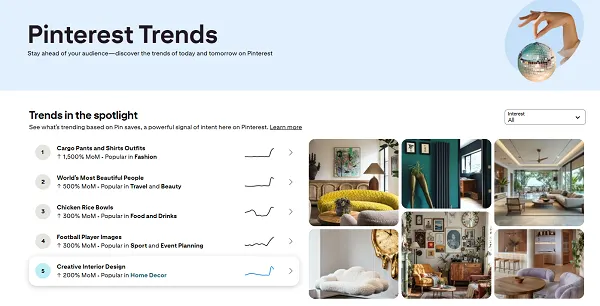
Pinterest’s dedicated trends tool has matured into an invaluable resource for marketers. Far beyond a simple keyword checker, it provides granular insights into overarching Pin trends and, critically, shopping-specific patterns. Marketers can leverage this tool to:
- Identify Emerging & Seasonal Trends: By inputting broad or specific keywords related to their product categories, brands can uncover what’s gaining traction. For instance, a retailer specializing in home goods might discover an early surge in searches for "sustainable holiday decor" or "minimalist gift wrapping ideas" months before the official holiday rush. This foresight allows for timely product sourcing, content creation, and campaign planning.
- Analyze Related Search Terms: The tool highlights associated keywords and phrases that users employ when searching for a particular trend. This provides a comprehensive understanding of user intent and helps optimize Pin descriptions and advertising copy with the precise language consumers are using.
- Demographic Filtering: The ability to filter results by demographic data (age, gender, location) is crucial for precision targeting. A brand targeting Gen Z consumers, for example, can see how a trend manifests specifically within that demographic, allowing for highly relevant content and product recommendations.
- Visual Inspiration from Top Pins: Tapping on any highlighted trend or topic reveals examples of Pins that are currently resonating with users. This direct visual feedback is gold for creative teams, informing decisions on image styles, video formats (e.g., Idea Pins), color palettes, and overall aesthetic that are proven to engage the target audience.
- Strategic Use of "Promote a Pin": Pinterest’s "Promote a Pin" feature serves as an excellent low-risk testing ground. Brands can use it to gauge the performance of organic creative posts when amplified as ads. This A/B testing capability allows marketers to identify high-performing visuals, headlines, and calls-to-action before committing significant budget to larger campaigns. The data gathered, such as click-through rates and saves, provides actionable intelligence on what resonates most effectively with potential customers, optimizing ad spend and improving overall campaign ROI. This proactive testing can significantly de-risk holiday advertising efforts by ensuring that only the most compelling creatives are scaled.
2. Mastering In-App Search for Competitive Intelligence and Influencer Discovery
Pinterest’s in-app search function is a powerful, yet often underutilized, tool for market research and competitive analysis. Users can filter results by Pins, Profiles, Products, and Boards, each offering a unique lens for marketers:
- Identifying Top Influencers: By searching for relevant keywords within their niche and filtering by "Profiles," brands can pinpoint creators who are consistently producing engaging content and attracting a dedicated following. Beyond follower counts, marketers should analyze engagement rates, the quality of their audience, and brand alignment to identify authentic partnership opportunities. For instance, a brand selling artisanal jewelry might look for creators whose boards showcase handmade crafts or sustainable fashion.
- Competitive Analysis through Boards and Products: Searching for competitors’ brands or specific product categories and filtering by "Boards" allows marketers to see how users are curating content around these offerings. This reveals consumer sentiment, desired product pairings, and potential gaps in the market. Filtering by "Products" directly shows what similar items are trending, their pricing strategies, and how they are visually presented.
- Understanding User-Generated Content: Analyzing the types of Pins saved and created by users around specific topics can provide invaluable insights into their preferences, pain points, and aspirational goals. This informs content strategy, ensuring brands create Pins that directly address user needs and desires.
3. Deciphering Engagement: What Resonates on Pinterest
Successful Pinterest marketing hinges on understanding the nuances of user engagement. Marketers must meticulously analyze content formats, visual elements, and descriptive details that drive interaction, both for general trends and specific shopping insights.
- Visual Dominance: Pinterest is inherently a visual platform. Marketers must pay close attention to the aesthetics that capture attention: vibrant colors, high-quality imagery, and compelling video formats (especially short-form Idea Pins). Understanding preferred visual styles – minimalist, opulent, rustic, etc. – for different product categories is crucial. For example, a home decor brand might find that beautifully staged room shots outperform isolated product images.
- Product Description Optimization: Beyond captivating visuals, detailed and keyword-rich product descriptions are vital. These descriptions should not only highlight features but also benefits, use cases, and align with common search queries. Marketers should analyze what related brands are emphasizing in their descriptions and look for opportunities to differentiate.
- Engagement Metrics Beyond Likes: While comments are less prevalent on Pinterest compared to other platforms, "saves" (or repins) are a powerful indicator of intent and interest. A high number of saves signifies that users find the content valuable enough to bookmark for future reference or inspiration, often directly correlating with purchase intent. Clicks to website are also critical for measuring direct traffic.
- The Power of Timing and "Life Moments": Pinterest emphasizes the importance of aligning content with key seasonal or "life moments." Unlike impulse-driven platforms, Pinterest users often plan weeks or months in advance for events like holidays, weddings, home renovations, or travel. Brands that understand and anticipate these planning cycles – for instance, launching holiday decor ideas in early fall or summer travel inspiration in late winter – can connect with users precisely when they are most receptive and actively seeking solutions. This pre-planning behavior is a significant differentiator for Pinterest, allowing brands to influence purchase decisions long before the actual buying window.
4. Keywords Over Hashtags: Optimizing for Pinterest’s Advanced Search
The role of hashtags on Pinterest has evolved significantly. While once a primary discovery mechanism, Pinterest’s search algorithm has become increasingly sophisticated, relying more on contextual understanding and semantic analysis.
- Contextual Relevance: Pinterest’s AI-powered search excels at displaying content based on related context, image recognition, and user behavior, rather than solely relying on explicit hashtags. This means that well-written, keyword-rich descriptions and titles are paramount.
- Natural Language Integration: Marketers should focus on naturally embedding relevant keywords within their Pin titles and descriptions. These keywords should reflect how a user would organically search for a product or idea. For instance, instead of just "#sweater," a description like "Cozy knit sweater perfect for chilly autumn evenings, featuring a sustainable wool blend" provides far more context and discoverability.
- Keyword Research with Pinterest Trends: The Pinterest Trends tool remains essential here. Marketers should use it to identify the exact key terms people are actively using to discover content related to their products. This ensures that the embedded keywords in descriptions are truly effective for discoverability. While a few highly relevant hashtags can still provide some incremental benefit, they should not be the primary focus; descriptive text and strong visuals take precedence.
5. Formulating a Data-Driven Pin Strategy
The culmination of research and analysis is the formulation of a comprehensive Pin strategy tailored to the target audience and business objectives. This strategy should be:
- Audience-Centric: Based on the insights gleaned from Pinterest Trends and in-app search, the strategy must resonate directly with what the target audience is actively seeking and engaging with.
- Shopping-Focused: Given Pinterest’s high-intent user base, a specific focus on shopping trends is particularly valuable. This aligns directly with Pinners who use the app as an integral part of their path to purchase, from initial inspiration to final product selection.
- Content Pillars: Define content pillars that reflect both brand messaging and user interests. This could include product showcases, lifestyle inspiration, DIY guides, gift guides, and behind-the-scenes content.
- Consistent Posting Schedule: Regular and consistent posting helps maintain visibility and keeps the brand top-of-mind. This includes a mix of static Pins, Idea Pins, and video content.
- Integration with Broader Marketing: The Pinterest strategy should not exist in a silo but integrate seamlessly with other social media efforts, email marketing, and e-commerce initiatives, driving traffic and conversions across channels.
6. Analyze, Optimize, and Leverage AI for Continuous Improvement
Strategy formulation is only the first step. Continuous analysis and optimization are crucial for maximizing ROI, especially during the high-stakes holiday season.
- Pinterest Profile Insights: Marketers must regularly delve into their Pinterest profile Insights dashboard. This provides critical data on Pin performance, audience demographics, and engagement metrics. Key metrics to track include:
- Impressions and Reach: To understand content visibility.
- Saves/Repins: A strong indicator of content value and future intent.
- Outbound Clicks: Direct measurement of traffic driven to the brand’s website.
- Conversions: The ultimate measure of success, tracking actual sales or lead generation originating from Pinterest.
- Focus on Actionable Metrics: It is vital to differentiate between "vanity metrics" (e.g., high impressions with low engagement) and "actionable insights" that directly contribute to business goals. For holiday promotions, the focus must be on metrics that correlate with sales activity, such as click-through rates to product pages, additions to cart, and ultimately, purchases. Each business will have unique goals, so tailoring the analysis to these specific objectives is paramount.
- The AI-Powered Business Assistant: Pinterest recently launched an artificial intelligence-powered business assistant, a significant development for brands. This AI tool is designed to help improve ad performance by offering intelligent recommendations for:
- Targeting: Refining audience segments based on predicted behaviors and interests.
- Creative Optimization: Suggesting improvements to visuals and copy for higher engagement.
- Bidding Strategies: Optimizing ad spend for maximum efficiency and results.
- Performance Forecasting: Providing insights into potential campaign outcomes, allowing for proactive adjustments.
This AI assistant represents a powerful resource for marketers, enabling them to make data-driven decisions more efficiently and effectively, particularly during the complex and competitive holiday advertising period. Its ability to analyze vast datasets and provide actionable recommendations can significantly enhance the precision and impact of Pinterest ad campaigns, leading to improved ROI.
Broader Impact and Implications for Brands
Pinterest has firmly established itself as a pivotal product discovery platform, making it a valuable complement to the overall social media strategies of numerous brands. Its unique position as an intent-driven platform, where users actively seek inspiration and solutions for future purchases, sets it apart from more passively consumed social feeds.
Not every business will require an extensive Pin presence, but the compelling data—particularly the 631 million shopping-focused monthly active users—demands a thorough investigation. Brands should undertake comprehensive research to understand what resonates with Pin users within their specific niches, and critically, what products and services people are actively looking to buy based on their Pinning behavior. For the upcoming 2026 holiday season, where consumer intent and early planning are key drivers of purchasing decisions, neglecting Pinterest could mean missing out on a significant segment of the market. Its blend of visual discovery, curated inspiration, and advanced e-commerce tools, now bolstered by AI, positions Pinterest as an essential battleground for holiday sales success.