The landscape of digital marketing has undergone a seismic shift in 2024, as businesses move away from broad-spectrum advertising toward highly targeted, data-driven lead generation. Lead generation, the process of identifying and cultivating potential customers for a business’s products or services, remains the primary engine for sustainable revenue growth. However, as consumer privacy regulations tighten and the cost of customer acquisition rises, the strategies employed by agencies and internal marketing teams have become increasingly sophisticated. Industry data suggests that companies with mature lead generation processes generate 50% more sales-ready leads at a 33% lower cost.
The Strategic Framework: Inbound versus Outbound Methodologies
In the current market, the debate between inbound and outbound marketing has evolved into a discussion of integration. Inbound marketing, characterized by attracting customers through valuable content and search engine optimization (SEO), focuses on long-term brand authority. Conversely, outbound marketing—including cold outreach and paid advertising—is designed for immediate reach and speed.
According to recent industry reports, inbound leads cost an average of 61% less than outbound leads. Despite this, outbound strategies remain essential for companies entering new markets or those with high-ticket enterprise offerings where personal touchpoints are critical. A balanced strategy typically leverages inbound content to build trust while utilizing outbound tactics to accelerate the sales cycle.
Chronology of the Digital Lead Generation Evolution
To understand the current state of lead generation, it is necessary to examine the technological trajectory of the last two decades:
- The Early 2000s (The Search Era): Lead generation was dominated by basic SEO and the emergence of Google AdWords. Success was defined by keyword density and high-volume email blasts.
- 2010–2015 (The Social Revolution): The rise of LinkedIn, Facebook, and Twitter introduced demographic targeting. Marketing automation platforms like HubSpot and Marketo began to allow for lead scoring and sophisticated nurturing sequences.
- 2016–2021 (The Personalization Pivot): Data privacy laws, such as GDPR and CCPA, forced marketers to shift toward permission-based marketing. Content became more specialized, and video marketing emerged as a dominant lead magnet.
- 2022–Present (The AI and Quality-First Era): Artificial intelligence has automated lead research and initial outreach. The focus has shifted from "lead volume" to "lead quality," with a heavy emphasis on conversion rate optimization (CRO) and zero-party data collection.
Foundational Requirements: Defining the Target Market
Before deploying tactical maneuvers, marketing experts emphasize the necessity of defining the Ideal Customer Profile (ICP). Market analysis shows that campaigns targeting specific buyer personas see up to a 73% higher conversion rate than generic campaigns.

The identification process is divided into two phases. First, the market must be defined by industry, company size, geography, and technological stack. Second, the individual buyer must be identified by their specific pain points, professional goals, and preferred communication channels. Failure to establish these parameters often results in "leaky funnels," where high traffic volumes fail to translate into meaningful revenue.
Core Strategies for Conversion Optimization
The modern lead generation ecosystem relies on thirteen primary strategies, each serving a specific function within the sales funnel.
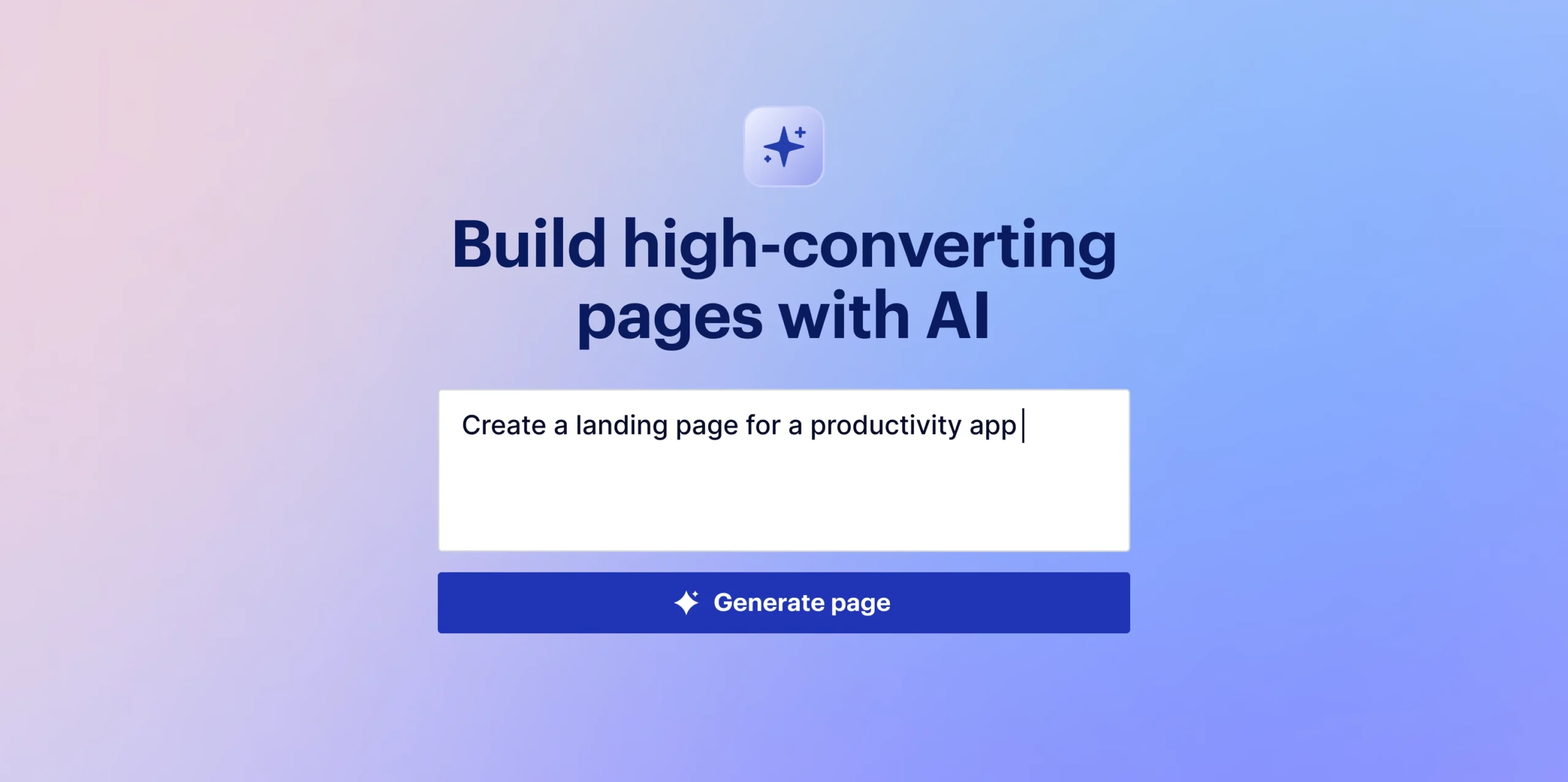
1. High-Performance Landing Pages
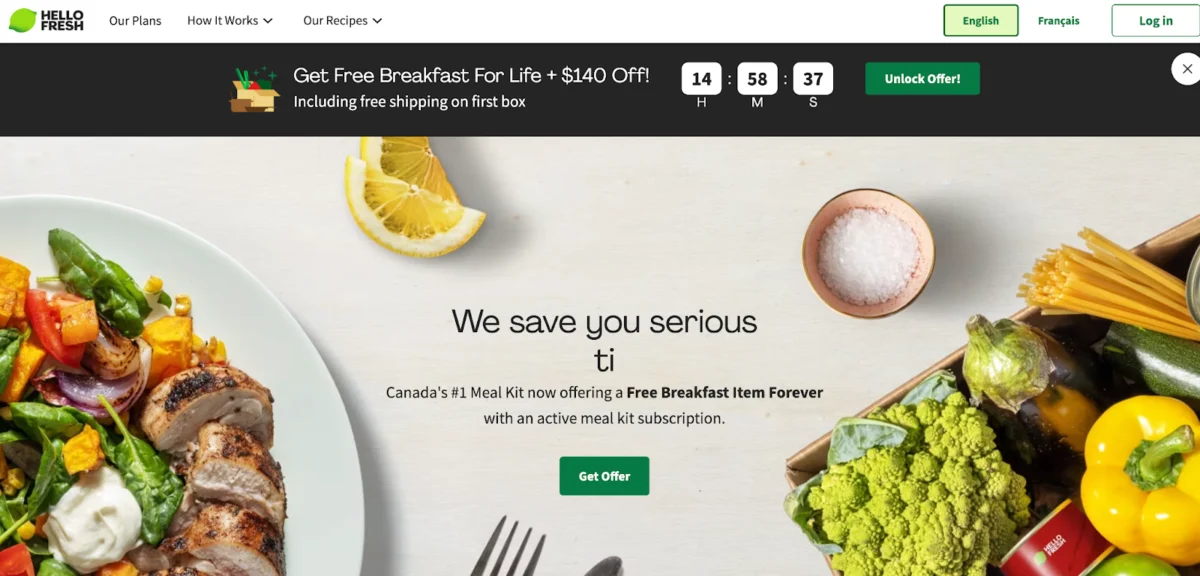
The landing page serves as the "moment of truth" in the digital journey. Unlike a general homepage, a conversion-optimized landing page is stripped of distractions and focused on a single call to action (CTA). Data indicates that using long-form landing pages can generate up to 220% more leads than short-form pages for complex B2B products, provided the content addresses every potential buyer objection.

2. Search Engine Optimization (SEO) and Content Systems
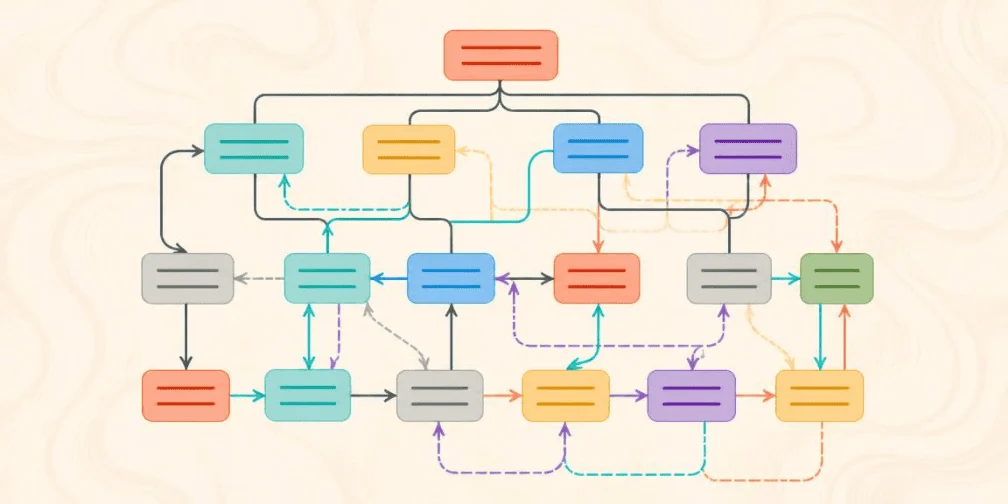
SEO provides the highest return on investment over time. By creating content that answers specific user queries, businesses capture "intent-driven" traffic. In 2024, this has shifted toward "topic clusters," where a central "pillar" page is supported by multiple related articles, signaling deep topical authority to search engines like Google.
3. Targeted Cold Outreach
While often criticized, cold email remains a staple for B2B lead generation. The key to modern outreach is hyper-personalization. Automated "spray and pray" methods have been largely replaced by intent-based outreach, where marketers contact prospects based on "trigger events," such as a new round of funding or a recent job posting.
4. Behavioral Popups and Sticky Bars
Engagement tools like exit-intent popups provide a final opportunity to capture a visitor’s information before they leave the site. When these tools offer immediate value—such as a discount code or a proprietary whitepaper—they can improve site-wide conversion rates by 3% to 9%.

5. Paid Search and Social Advertising (PPC)
Pay-per-click advertising offers the fastest route to lead generation. By bidding on high-intent keywords, businesses can bypass the months-long wait associated with organic SEO. Current trends show a shift toward "Performance Max" campaigns, where AI algorithms optimize ad placement across search, display, and video networks simultaneously.
6. Educational Webinars and Virtual Events
Webinars have emerged as a premier mid-funnel strategy. They allow brands to demonstrate expertise while collecting detailed lead information. Statistics show that 73% of B2B marketing and sales leaders consider webinars the best way to generate high-quality leads.
7. Referral and Loyalty Programs
Word-of-mouth remains the most trusted form of marketing. Modern referral programs incentivize existing customers to act as brand advocates. Referral leads typically have a 16% higher lifetime value and a 37% higher retention rate than leads acquired through other channels.

8. Influencer and Thought Leader Partnerships
In the B2B space, this has evolved into "Key Opinion Leader" (KOL) marketing. By partnering with industry experts who already possess the trust of the target audience, brands can bypass the initial skepticism usually directed at corporate advertising.
9. Retargeting and Remarketing
Most visitors do not convert on their first visit. Retargeting uses browser cookies (or first-party data) to serve ads to users who have previously interacted with a brand. This keeps the product "top of mind" and significantly lowers the cost per acquisition by focusing on a "warm" audience.
10. Interactive Tools and Gamification
Quizzes, calculators, and assessment tools have become highly effective lead magnets. For example, a "ROI Calculator" provides immediate, personalized value to a prospect while providing the business with valuable data regarding the prospect’s budget and needs.

Supporting Data and Performance Metrics
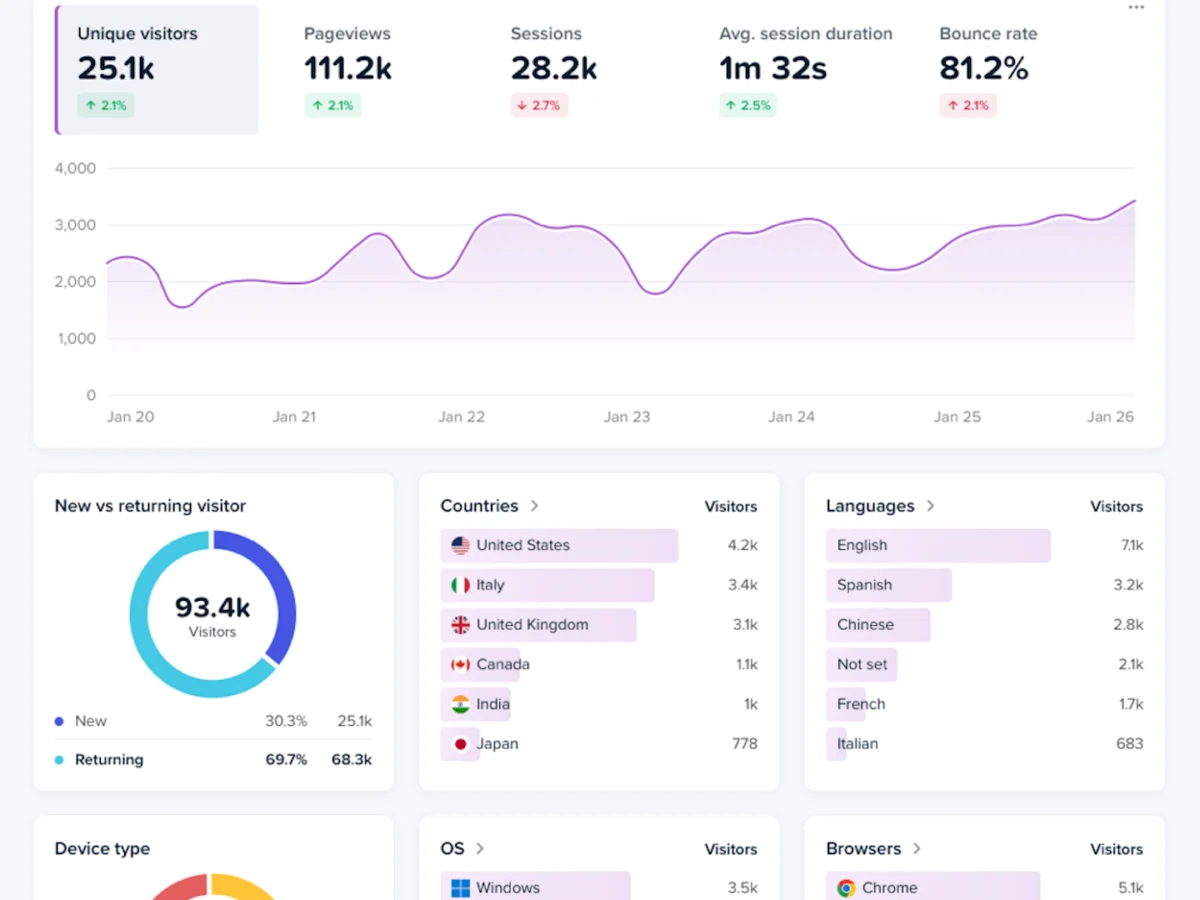
Success in lead generation is measured through a specific set of Key Performance Indicators (KPIs). According to a 2023 survey of 500 marketing agencies:
- Cost Per Lead (CPL): The average CPL across all industries is approximately $198, though this varies wildly from $31 in retail to $600+ in enterprise software.
- Conversion Rate: A "good" landing page conversion rate typically falls between 2% and 5%, while top-tier performers reach 11% or higher.
- Lead-to-MQL Ratio: On average, only 35% of raw leads are qualified as Marketing Qualified Leads (MQLs), highlighting the importance of rigorous lead scoring.
Industry Reactions and Official Responses
Leading figures in the marketing technology sector have recently commented on the necessity of these integrated strategies. Brian Halligan, co-founder of HubSpot, has frequently noted that the "linear funnel" is dead, replaced by a "flywheel" where customer satisfaction drives new lead generation. Similarly, representatives from Google’s Ads division have emphasized that as third-party cookies are phased out, the "first-party data" collected through landing pages and interactive tools will become a company’s most valuable asset.
Salesforce’s recent "State of Marketing" report corroborated this, stating that 88% of customers say the experience a company provides is as important as its products. This has led many agencies to pivot their focus from simple "traffic generation" to "experience design."

Broader Impact and Future Implications
The implications of these evolving strategies extend beyond marketing departments. As lead generation becomes more data-intensive, the wall between "Marketing" and "Sales" is crumbling, leading to the rise of Revenue Operations (RevOps). This alignment ensures that the leads generated by marketing are actually the types of customers the sales team can close and the customer success team can retain.
Looking ahead, the integration of Generative AI will likely further automate the creation of landing pages and personalized content, allowing for "segments of one." However, as automation increases, the value of human-centric elements—such as live webinars, community building, and ethical data handling—will likely increase. Businesses that can successfully marry high-tech automation with high-touch human interaction will be the ones to dominate their respective markets in the coming decade.
In conclusion, lead generation in 2024 is no longer about finding the largest audience, but about finding the right audience and providing them with a frictionless path to conversion. By employing a mix of the 13 strategies outlined above, businesses can build a resilient growth engine capable of weathering market fluctuations and evolving consumer behaviors.