As marketers meticulously chart their course for the latter half of 2026, the strategic imperative of holiday promotions takes center stage, demanding innovative approaches to maximize reach, elevate brand awareness, and drive sales. While some enterprises may have already meticulously outlined their seasonal promotional calendars, or possess a foundational framework guiding their campaigns, the perpetually shifting landscape of social media usage necessitates a critical reassessment of traditional methodologies. The contemporary digital environment compels brands to explore and establish a robust presence across emerging platforms, thereby capitalizing on nascent opportunities and connecting with diverse consumer segments. This analysis is part of a comprehensive series by Social Media Today, dedicated to furnishing actionable insights and tactical guidance for cultivating an organic social media presence on prominent platforms. These strategies are designed to serve as a foundational bedrock for more extensive social media promotional endeavors. This particular installment critically examines TikTok, a platform that, despite its occasional divisive nature, has firmly established itself as an indispensable connector for younger audiences globally. The following outlines key recommendations for forging an effective brand presence within this dynamic application.
The Evolving Landscape of Holiday Marketing and TikTok’s Ascendance
The trajectory of holiday marketing has undergone a profound transformation over the past decade, moving decisively from traditional broadcast and print media to highly segmented digital channels. Initially, the shift involved static banner ads and email campaigns; subsequently, it embraced the interactive potential of platforms like Facebook and Instagram. However, the advent of short-form video platforms, particularly TikTok, has ushered in a new era, characterized by rapid trend cycles, authentic user-generated content, and an unparalleled capacity for virality.
TikTok, launched internationally in 2017 by ByteDance, experienced an explosive growth trajectory that defied conventional expectations. By 2020, it had surpassed two billion mobile downloads globally, cementing its status as a formidable player in the social media ecosystem. Its algorithm, renowned for its ability to surface highly personalized content, quickly captivated a vast audience, especially among Gen Z and younger millennials. This demographic, often termed "digital natives," represents a significant purchasing power, making TikTok an indispensable channel for brands aiming to capture future market share. The platform’s unique blend of entertainment, education, and community-building has fostered a distinct content culture, moving beyond mere product placement to genuine engagement and storytelling. For the H2 2026 holiday season, ignoring TikTok’s influence is akin to overlooking a critical artery of consumer connection.
Leveraging TikTok Trends for Strategic Advantage
The cornerstone of any successful TikTok strategy lies in a profound understanding and agile utilization of its trending ecosystem. The platform itself provides an invaluable suite of tools designed to aid marketers in this endeavor.
-
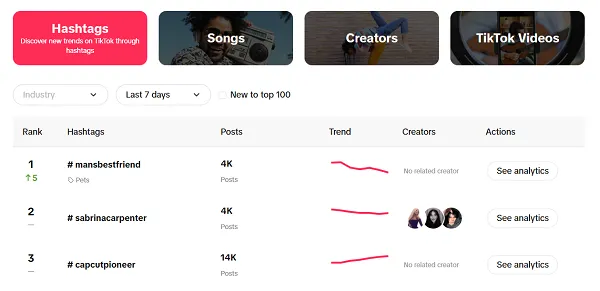
TikTok Trends Tool: This free resource, accessible via the TikTok Creative Center, offers an intricate dashboard for tracking trending topics, sounds, hashtags, and creators across various regions and industry sectors. Marketers can drill down into specific categories, observing the velocity and longevity of trends. For instance, a beauty brand preparing for the holiday season could monitor trending makeup looks, skincare routines, or gift-guide hashtags in specific regions like North America or Europe. This provides immediate, data-driven insights into what content is currently resonating with users, allowing brands to tailor their holiday campaigns to align with prevailing interests. The tool also provides historical data, enabling marketers to identify seasonal patterns in trends, which is crucial for long-term planning. For example, understanding how "DIY gift ideas" trends spike in October and November can inform content creation timelines.
-
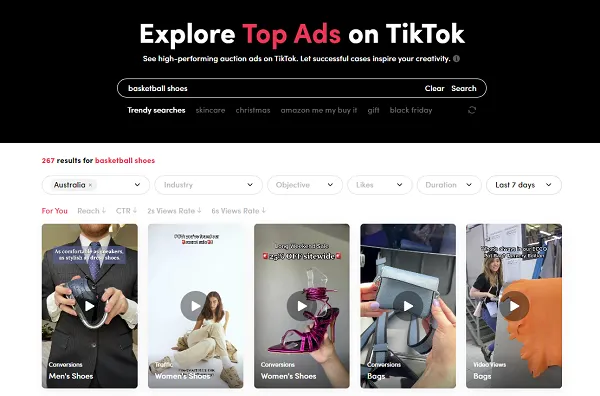
Top Ads Listing: Complementing the Trends tool, TikTok’s Top Ads listing serves as a living repository of the platform’s best-performing advertisements. This feature allows marketers to filter by region, industry, campaign objective, and ad format, providing a granular view of what successful brands are executing. Analyzing these top ads goes beyond mere inspiration; it offers a blueprint for effective creative execution. Marketers can dissect the narrative structures, visual aesthetics, sound choices, and call-to-actions employed by high-performing campaigns. Crucially, examining the comment sections beneath these ads can reveal invaluable qualitative data about user sentiment, common questions, and points of friction or delight. This direct feedback loop is a goldmine for understanding consumer psychology and refining messaging for holiday promotions. For example, if users consistently ask about product availability or shipping times in the comments of a popular ad, a brand can proactively address these concerns in their own holiday campaign creatives, thereby enhancing user experience and conversion rates. Industry analysts suggest that brands that actively monitor and adapt to platform-specific trends and ad performance benchmarks see an average increase of 15-20% in engagement rates for their initial campaigns, translating into higher brand recall during peak shopping periods.
Building a Dynamic Database of Key Themes and Formats
Based on the rich data harvested from TikTok Trends and the Top Ads listing, marketers can systematically construct a comprehensive database of key themes, content formats, and creative approaches that demonstrably gain traction with TikTok’s diverse user base. This goes beyond simply noting popular hashtags; it involves cataloging the how and why certain content resonates.
This database should encompass:
- Dominant Content Pillars: Are users engaging with educational content, comedic skits, product demonstrations, behind-the-scenes glimpses, or user testimonials? For the holiday season, themes like "gift guides," "holiday hacks," "festive DIYs," or "seasonal outfit ideas" will likely be prominent.
- Successful Video Formats: Analyze video length (e.g., 15-second quick tips vs. 60-second storytelling), editing styles (fast cuts, slow transitions, jump cuts), use of text overlays, specific sound effects, and integration of trending audio. For example, the success of "GRWM" (Get Ready With Me) videos in the fashion and beauty sectors could be adapted for "GRWM for a Holiday Party."
- Engagement Triggers: Identify common elements that spark interaction, such as open-ended questions in captions, interactive polls, duet challenges, or calls for user-generated content (UGC).
- Aesthetic and Tone: Is the prevailing aesthetic polished and professional, or raw and authentic? TikTok users often favor authenticity, even from brands, preferring content that feels native to the platform rather than overtly commercial.
This structured approach provides an invaluable overview, guiding marketers on how to angle their holiday promotions to organically align with TikTok user interests. It directly points to the video styles and narrative arcs that have proven effective for other brands, reducing guesswork and optimizing content creation efforts.
Strategic Influencer Collaboration: The Power of Authentic Voices
Influencer marketing on TikTok stands as one of the most potent tools in a brand’s arsenal. Creators on the platform generally possess an innate understanding of its nuances, cultural codes, and algorithmic preferences, often surpassing the organic reach and engagement capabilities of most brands operating independently.
- Identification of Relevant Creators: Leveraging the TikTok Trends tool to find the most popular creators by topic is a critical first step. This helps marketers identify individuals whose content aligns naturally with their brand’s niche and target audience. For instance, a sustainable fashion brand would seek out eco-conscious lifestyle creators, while a gaming company would partner with popular streamers or gaming content creators. Beyond follower count, brands must assess an influencer’s engagement rate, audience demographics, and content authenticity. A micro-influencer with 50,000 highly engaged followers in a specific niche might yield better results than a macro-influencer with millions of followers but a more generalized audience.
- Understanding Niche Dynamics: Brands that invest time in understanding their specific niche on TikTok will have a significantly easier time identifying potential influencers for partnership. This involves not just identifying popular creators, but also understanding the subcultures, inside jokes, and specific content formats that resonate within that niche.
- Building Authentic Partnerships: The most successful influencer collaborations on TikTok are those that feel genuine and organic. Brands should empower influencers to create content in their authentic voice, rather than providing rigid scripts. This often involves co-creation, where the brand provides the product or message, and the influencer translates it into their unique content style. For holiday campaigns, this could involve influencers showcasing holiday gift ideas, creating festive content featuring brand products, or participating in branded challenges. Data from various marketing agencies indicates that influencer campaigns on TikTok can generate up to 5x higher ROI compared to traditional digital advertising, particularly when targeting Gen Z, with engagement rates reaching up to 17.5% on sponsored posts.
Formulating a Cohesive TikTok Strategy
Armed with comprehensive research, marketers are poised to construct a robust strategic approach for TikTok that is not only aligned with their industry’s key trends but also deeply appealing to users actively engaging with related content. This strategy transcends mere content creation; it encompasses a holistic plan for presence, engagement, and measurement.
- Defining Objectives and KPIs: Clearly articulate what the brand aims to achieve on TikTok for the holiday season. Is it brand awareness, website traffic, lead generation, or direct sales (via TikTok Shop)? Key Performance Indicators (KPIs) should be measurable and specific to TikTok’s ecosystem, such as average watch time, engagement rate per post, follower growth, clicks to website, or direct conversions through in-app shopping features.
- Content Pillars and Calendar: Establish consistent content pillars that reflect both brand values and trending topics. Develop a content calendar that maps out specific themes, formats, and posting schedules leading up to and throughout the holiday period. This calendar should be flexible enough to incorporate spontaneous trend participation.
- Community Engagement Plan: TikTok is a highly interactive platform. A strategy must include plans for engaging with comments, responding to direct messages, duetting user content, and actively participating in trending challenges. This fosters a sense of community and brand accessibility.
- Agility and Adaptability: The volatile nature of TikTok trends demands an agile strategy. Marketers must maintain a continuous awareness of emerging trends, niche interests, and broader conversational shifts within the app. The ability to pivot quickly and tap into rising opportunities is paramount for sustained relevance and impact during a competitive period like the holidays. As one marketing expert recently remarked, "The brands winning on TikTok aren’t just broadcasting; they’re actively listening and adapting in real-time. The holiday season on TikTok is less about perfectly polished campaigns and more about authentic, responsive engagement."
Analytical Rigor and Continuous Optimization
The final, yet perpetually ongoing, phase of an effective TikTok strategy involves the meticulous study of analytics. Marketers must leverage TikTok’s native insights tools to measure the performance of their content and overall activity, creating a continuous feedback loop for optimization.
- Key Metrics for Success: Beyond vanity metrics, focus on actionable data points:
- Reach and Impressions: How many unique users saw the content, and how many times was it displayed?
- Video Views and Watch Time: The percentage of the video watched is a strong indicator of content resonance. High watch time signals to the algorithm that the content is valuable.
- Engagement Rate: Likes, comments, shares, and saves per view or reach. This is a critical metric for understanding audience interaction.
- Follower Growth: Indicates the overall appeal and consistency of the brand’s presence.
- Traffic and Conversions: For campaigns designed to drive off-platform action (website visits, purchases), track click-through rates and conversion metrics. TikTok Shop analytics will be crucial for in-app sales.
- A/B Testing and Iteration: Experiment with different content types, calls-to-action (CTAs), video lengths, sound choices, and posting times. Analyze which variations perform best and apply these learnings to future content. For example, testing two versions of a holiday gift guide video – one with an upbeat, trending sound and another with a more traditional, warm holiday tune – can provide insights into audience preferences.
- Understanding User Sentiment: Go beyond quantitative data by analyzing qualitative feedback in comments. What are users saying? What questions are they asking? What emotions are they expressing? This helps marketers refine their messaging and identify unmet needs their brand can address.
- The Iterative Process: Studying analytics is not a one-time task but an integral, iterative process. Marketers should regularly review performance data, identify trends, adjust their strategy, and continually refine their content approach. This ensures that the brand remains responsive to the dynamic nature of TikTok and maximizes its impact during the critical holiday season.
Broader Impact and Implications for H2 2026
The emphasis on TikTok for H2 2026 holiday promotions underscores a broader paradigm shift in consumer behavior and digital marketing. The platform’s unique ability to blend entertainment with discovery has profound implications:
- Shift in Purchase Journey: TikTok often serves as a primary source of product discovery, particularly for younger demographics. Users are increasingly turning to the platform for authentic reviews, demonstrations, and inspiration, influencing their purchase decisions long before they visit a brand’s website. This necessitates a "discoverability-first" approach to holiday marketing.
- Rise of Social Commerce: With the continued expansion of features like TikTok Shop and in-app checkout, the platform is evolving into a full-fledged social commerce ecosystem. Brands that integrate their product catalogs and enable seamless purchasing within the app will be better positioned to capitalize on impulse buys during the festive period.
- The Authenticity Imperative: Overtly promotional or highly polished advertising often underperforms on TikTok. Success hinges on authenticity, relatability, and a willingness to embrace the platform’s informal, creator-driven aesthetic. Brands must learn to speak the language of TikTok, not just broadcast their own messages.
- Competitive Landscape: TikTok’s success has spurred other platforms, notably Instagram Reels and YouTube Shorts, to heavily invest in short-form video. This creates a more fragmented but also more dynamic landscape for marketers, requiring a nuanced multi-platform strategy that recognizes the unique strengths and audience demographics of each.
- Ethical Considerations and Data Privacy: While TikTok offers immense opportunities, brands must also navigate the ongoing discussions around data privacy, content moderation, and geopolitical concerns. Ensuring transparent and ethical marketing practices remains paramount for maintaining consumer trust.
In conclusion, the key to unlocking TikTok’s full potential for holiday promotions in H2 2026 lies in a deep, nuanced understanding of the app’s culture and its user base. Brands that move beyond traditional marketing mindsets, embracing the platform’s unique trends, fostering genuine influencer collaborations, and rigorously analyzing their performance, will be best positioned to cut through the holiday clutter. By truly listening to what users are asking for and delivering answers in an authentic, engaging format, brands can transform TikTok from a mere advertising channel into a powerful engine for community building, brand loyalty, and ultimately, unparalleled sales during the critical holiday shopping season.