In an increasingly digital world, governments worldwide are leveraging social media platforms as indispensable tools for communication, public engagement, and crisis management. These platforms offer a direct conduit to citizens, fostering transparency, building trust, and enabling real-time responsiveness that traditional media channels cannot always match. However, this digital transformation also introduces complex challenges, including navigating misinformation, ensuring security, and adhering to strict legal and ethical guidelines.

The Genesis and Evolution of Government Digital Outreach
The integration of social media into government operations has been a gradual but profound shift. Initially, many government entities approached social media cautiously, primarily using it as a one-way broadcasting tool for official announcements. Early platforms like Facebook and Twitter (now X) became avenues for disseminating press releases and public service announcements. As internet penetration grew and social media became a primary news source for a significant portion of the population – with over half of U.S. adults, for instance, relying on these platforms for news – governments recognized the imperative to engage more dynamically.

This evolution accelerated during major events, from natural disasters to public health crises, where the need for immediate, widespread communication became paramount. Agencies like FEMA and the CDC demonstrated the power of social media for real-time alerts, resource coordination, and public health guidance during emergencies. This period cemented social media’s role as a critical component of crisis communication strategies, moving beyond simple announcements to interactive information hubs.
Unlocking Core Benefits: Engagement, Transparency, and Responsiveness
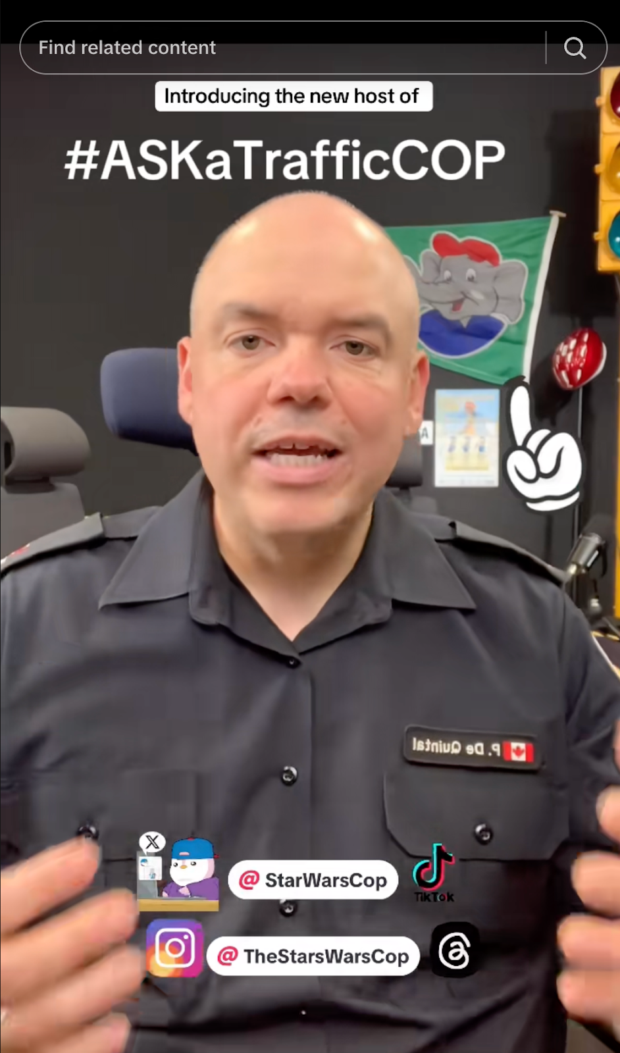
One of the most significant advantages of social media for governments is its capacity for direct public engagement. Platforms like TikTok, X, and Facebook allow agencies to meet constituents where they are, offering a more accessible and often less formal channel for interaction. For example, the Toronto Police Traffic Unit’s regular "Ask Me Anything" (AMA) sessions on TikTok exemplify a proactive approach to community engagement, allowing citizens to pose questions directly to officials, demystifying regulations, and fostering a sense of approachability. This two-way dialogue, when done effectively, is crucial for building trust and credibility, transforming passive viewership into active citizen participation. Beyond direct Q&A, platforms like Nextdoor have become vital for local governments to organize virtual town halls, disseminate safety information, and connect with community groups at a hyperlocal level.
Social media also provides a unique opportunity for government officials to cultivate personal brands rooted in authenticity and transparency. In an era where public trust in government remains a critical concern—with surveys often showing low percentages of citizens trusting their government to "do what is right"—humanizing political figures is invaluable. U.S. Representative Alexandria Ocasio-Cortez (AOC) serves as a prominent example, leveraging X to communicate directly with constituents in her authentic voice, eschewing political jargon. Her significant growth in followers, from under 500,000 in 2018 to over 12 million by 2026, and becoming the first to reach 1 million followers on Bluesky, underscores the impact of genuine online presence. This approach helps bridge the gap between politicians and the public, making governance feel more accessible, though it also necessitates clear social media policies to prevent missteps.
During crises, social media transforms into a critical lifeline. In situations ranging from public health emergencies like the COVID-19 pandemic to natural disasters, the public instinctively turns to social platforms for breaking news, safety instructions, and reassurance. However, these same environments can become fertile ground for misinformation. During the COVID-19 pandemic, nearly half of surveyed U.S. adults reported encountering fabricated news about the crisis, a challenge only amplified by the rise of AI-generated content. To counteract this "infodemic," governments must invest in social listening tools, such as Lumen, to identify and address false narratives swiftly and accurately from official channels, ensuring they remain reliable sources of truth.
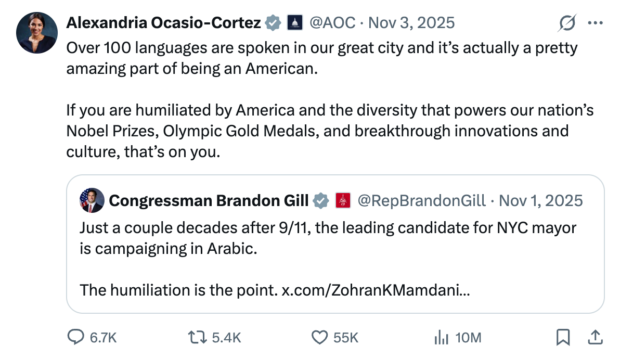
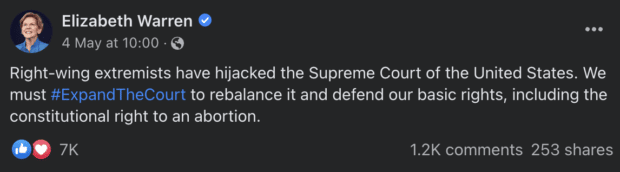
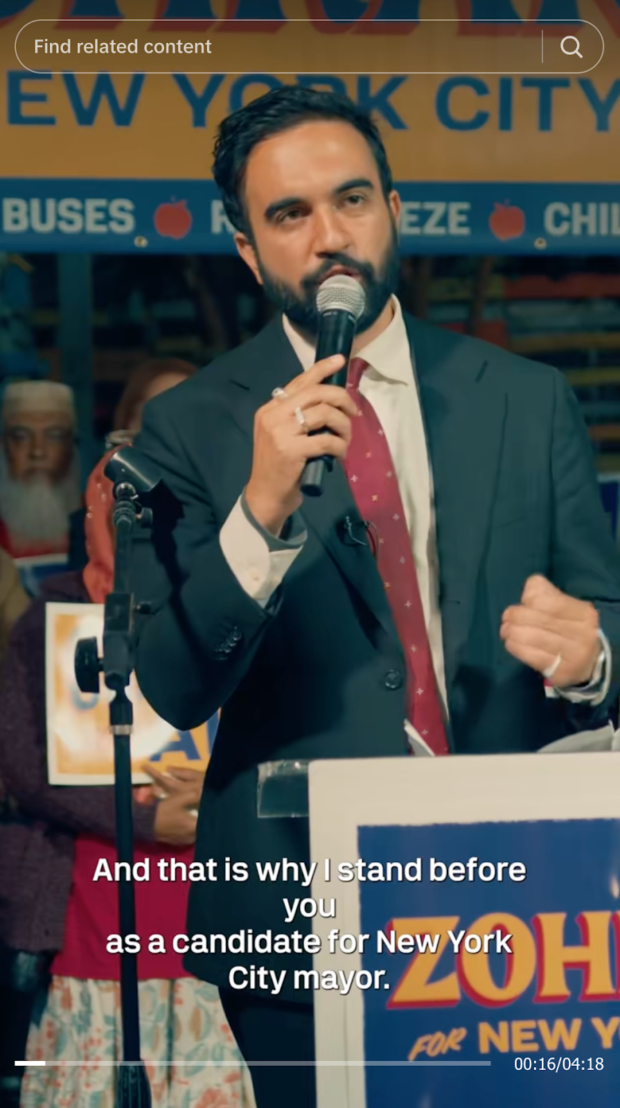
Furthermore, social media has revolutionized political campaigning and public support mobilization. Platforms act as virtual town halls, enabling politicians to introduce initiatives, test messaging in real time with immediate feedback, and publicly align with key issues. Elizabeth Warren’s use of social media to articulate her stance on Roe v. Wade, or Zohran Mamdani’s TikTok-first mayoral campaign in New York City, which successfully galvanized young voters, demonstrate how coordinated digital strategies can translate online attention into real-world momentum. These channels offer a cost-effective and highly measurable alternative to traditional outreach methods like TV ads and flyers. The 2024 U.S. election cycle saw over $1.3 billion spent on digital advertising across Google and Meta, highlighting the shift towards online engagement where performance can be meticulously tracked, allowing campaigns to adapt messaging and optimize spending for maximum impact.
Navigating the Minefield: Challenges and Risks
Despite its advantages, government social media is fraught with challenges. Messaging can easily backfire if not carefully vetted. The infamous "Don’t Jerk and Drive" campaign by South Dakota in 2014, intended to warn against dangerous driving on black ice, quickly became a public relations incident due to its unintended double entendre. This incident underscores the necessity of rigorous testing for tone, interpretation, and potential misreadings before any content goes live.
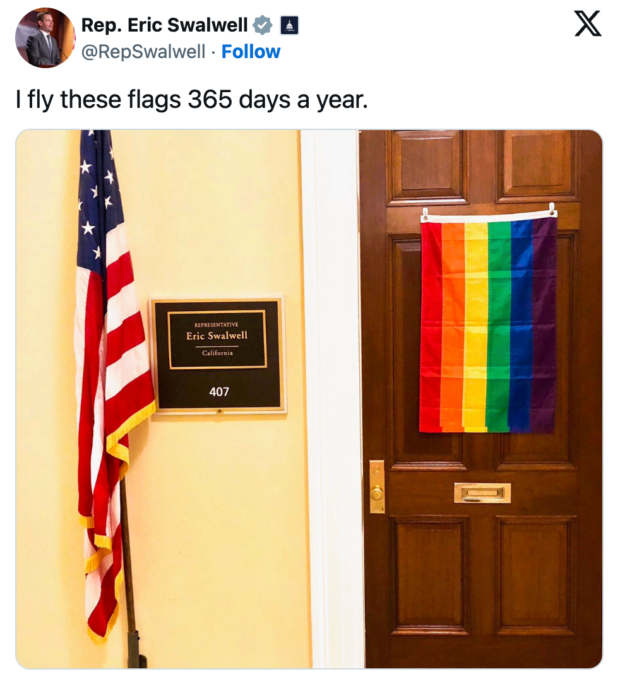
Public scrutiny on social media is relentless and immediate. Audiences fact-check in real time, making authenticity and proactive reputation monitoring paramount. Congressman Eric Swalwell’s tweet featuring a Pride flag with the caption "I fly these flags 365 days a year," which was quickly debunked by visible creases on the flag, illustrates how quickly public figures can be held accountable for perceived inconsistencies. In the unforgiving digital arena, statements must be verifiable.
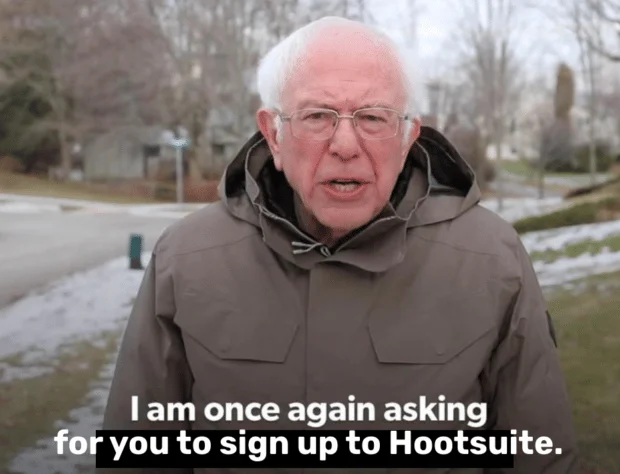
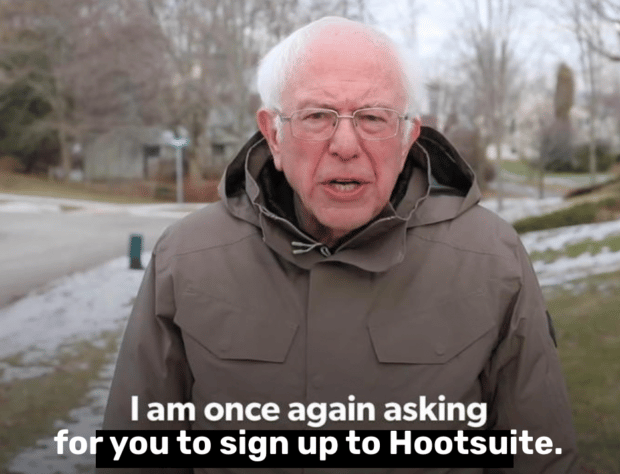
Moreover, content shared online is prone to becoming viral, often in ways unintended by the original poster. Political figures must expect their words and images to be remixed, repurposed, and spread far beyond their original context, leading to a loss of control. While many viral moments, like the Bernie Sanders inauguration meme, are lighthearted, the potential for misrepresentation or negative virality is a constant concern.
Crucially, social media is not always the appropriate channel for every situation. Sensitive geopolitical matters or ongoing investigations may necessitate restraint from public commentary. The decision to maintain a low public profile during Brittney Griner’s detention in Russia in 2022, for instance, was a conscious strategic choice by U.S. officials, fearing that public pressure could complicate diplomatic efforts. This highlights the importance of strategic discernment in social media use, recognizing that amplification can sometimes derail sensitive government business.
Legal and Ethical Frameworks: The Imperative of Compliance
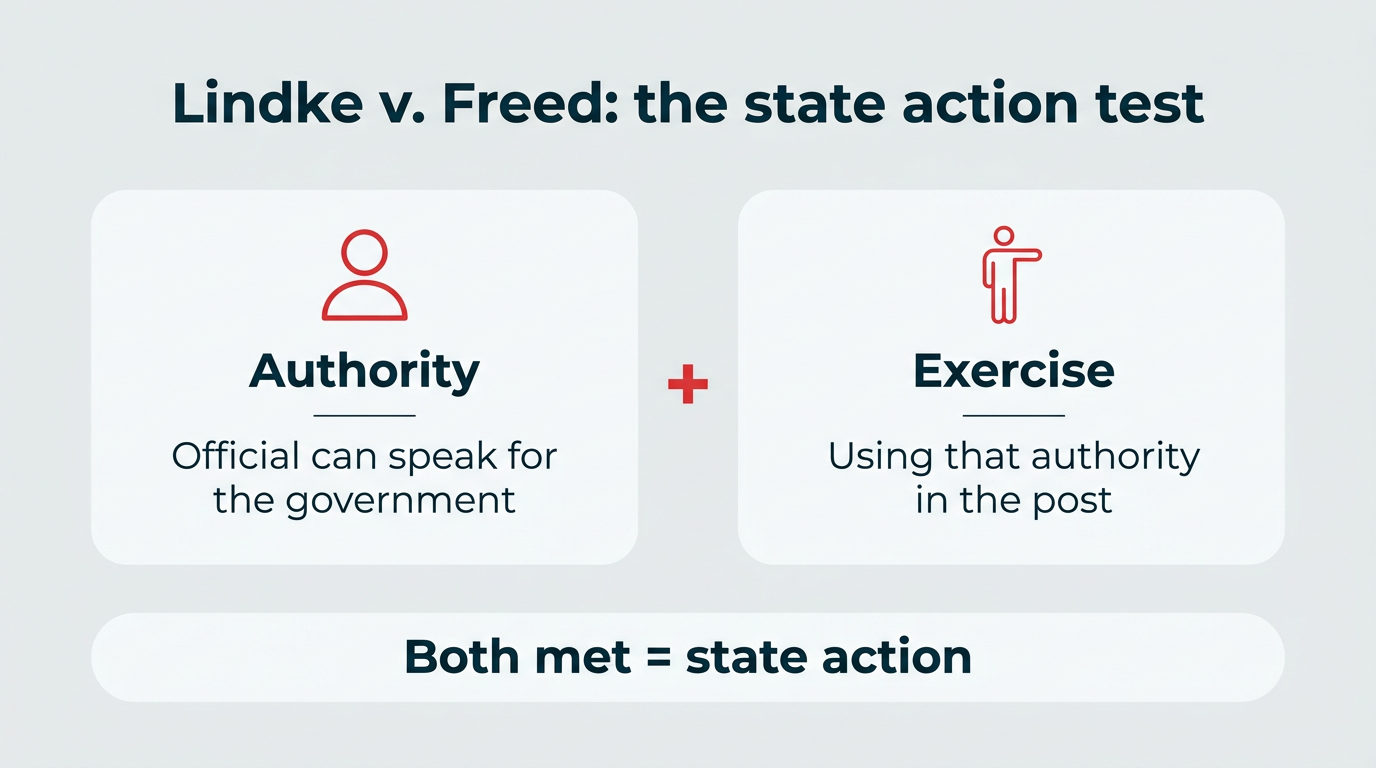
The legal landscape governing government social media is complex and continuously evolving. A landmark ruling in 2024, Lindke v. Freed, clarified that government social media accounts used for official business generally cannot block users, as doing so may violate First Amendment protections. The U.S. Supreme Court established a "state action" test: an official’s social media activity constitutes state action if they possess governmental authority to speak on the matter and exercise that authority through the posts in question. This ruling emphasizes the critical distinction between personal and official accounts and necessitates clear guidance for government social media managers. Practical takeaways include avoiding blocking users, refraining from deleting critical comments (unless they violate platform terms or are truly off-topic), and clearly designating official accounts. Agencies must consult legal counsel when in doubt.
Beyond free speech, government social media must adhere to a web of compliance requirements. Accessibility, mandated by Section 508 of the Rehabilitation Act and guided by Web Content Accessibility Guidelines (WCAG), is a legal necessity for digital content. This means incorporating alt text for images, providing captions for videos, using clear language, and ensuring content is navigable for assistive technologies. Furthermore, U.S. federal agencies must use cloud services that meet FedRAMP security standards, and all government social media operations are subject to public records laws such as the Freedom of Information Act (FOIA), state public records laws, and international data protection regulations like GDPR. Social media archiving is therefore indispensable for retaining posts and messages, ensuring accountability and facilitating disclosure obligations.
Management Structures and Platform Selection
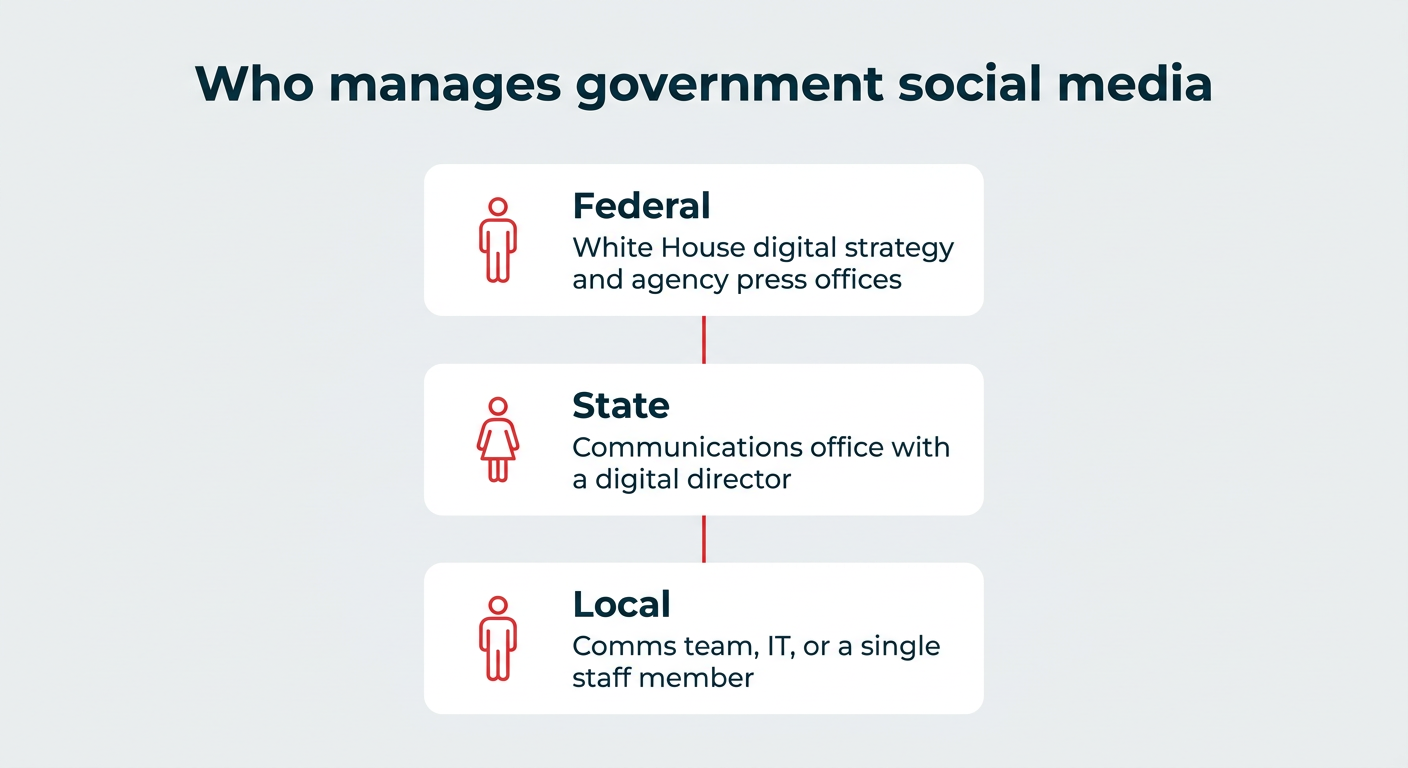
The management of government social media typically falls under public affairs or communications teams, with structures varying by governmental level and agency size. At the federal level, the White House Office of Digital Strategy oversees administration channels, while individual agencies, state governments, and local municipalities often dedicate staff within communications, IT, or specific digital departments. A clear trend is the investment in dedicated social media roles and teams, signaling the channel’s central role in public communication.
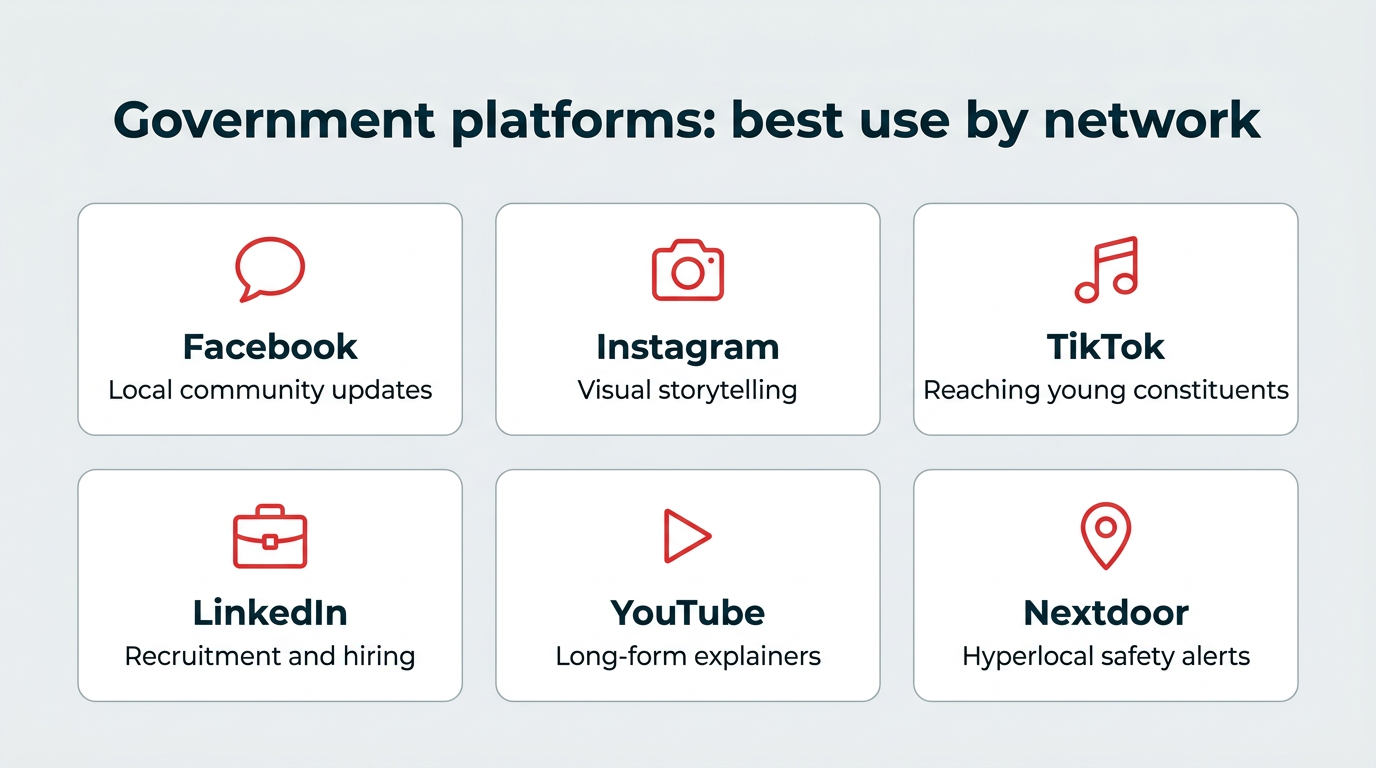
Platform selection is strategic, driven by audience demographics and communication goals. In 2026, Facebook remains a workhorse for local government updates due to its broad, older-skewing audience. X (Twitter) continues to be used for real-time alerts and breaking updates, though its evolving moderation and reach have led agencies to explore alternatives. Instagram excels in visual storytelling for younger demographics, with Reels driving significant reach. TikTok is crucial for engaging Gen Z, though its use by government agencies often faces regulatory scrutiny. LinkedIn is indispensable for recruitment and professional thought leadership. Newer platforms like Threads and Bluesky are attracting agencies seeking text-based conversation as alternatives to X, while YouTube remains vital for long-form video content like hearings and explainers. Nextdoor is purpose-built for hyperlocal alerts and community engagement. A multi-platform presence is generally recommended to avoid dependency on any single channel and to adapt to emerging social trends.
Best Practices for Effective Government Social Media
To navigate this complex landscape successfully, government agencies must adopt a robust set of best practices:
- Audience-Centric Strategy: Understand where constituents spend their time online. Zohran Mamdani’s mayoral campaign, focusing intensely on TikTok to reach young voters, demonstrates the power of platform-native content tailored to a specific audience, leading to significant electoral success among 18-29 year olds.
- Relevant, Valuable Content: Consistently share engaging and informative content. The BC Parks Instagram account, for example, effectively uses visuals and tips to inform the public about provincial parks, establishing itself as a legitimate information source.
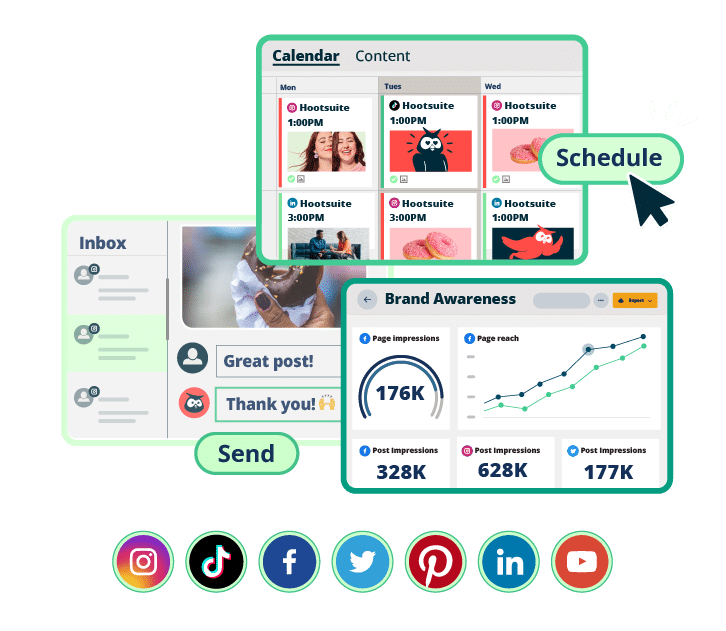
- Active Engagement: Foster two-way citizen engagement by replying to messages, joining conversations, and answering questions. Tools like Hootsuite Social OS with its Nest customer care app can streamline communications into a unified inbox, facilitating timely and organized responses.
- Clear Social Media Policy: Develop comprehensive guidelines covering roles, responsibilities, content approval, tone, security protocols, and crisis procedures. This ensures alignment, prevents errors, and builds staff confidence.
- Accessibility by Design: Integrate accessibility into every post, adhering to WCAG standards. This includes using alt text, captions, clear language, and proper formatting to ensure content is usable by people with disabilities and reaches the broadest possible audience.
- Robust Security: Prioritize social media security to maintain public trust. Utilizing centralized, FedRAMP-authorized platforms like Hootsuite Social OS, equipped with two-factor authentication and governance layers like Vigil, helps control permissions, log activity, and prevent unauthorized access or costly breaches.
- Unwavering Compliance: Ensure all social media activities comply with FOIA, Section 508, FedRAMP, GDPR, and state public records laws. Social media archiving integrations are crucial for meeting records-retention and disclosure obligations.
- Measurement and Reporting: Consistently measure and report on social media performance using metrics like engagement rate, follower growth, reach, and sentiment. This data-driven approach allows teams to demonstrate public value to leadership and continuously refine strategies.
The AI Frontier: Augmenting Government Communications

Artificial intelligence (AI) is rapidly reshaping government social media, offering new capabilities for content creation, monitoring, and response. In 2026, AI is assisting teams with drafting content, identifying emerging trends through social listening, preparing responses to constituent inquiries, and detecting misinformation. However, the application of AI in the public sector demands stringent governance and human oversight. A wrong AI-generated answer from an official source can severely erode public trust or spread inaccuracies. Therefore, AI governance guardrails are essential, ensuring human review, traceability, and proper citation of AI outputs. AI should augment human judgment and efficiency, never replace the accountability and nuance required in government communication.
Government Social Media Benchmarks and the Path Forward
Analysis of recent Hootsuite benchmark data (Q4 2025) reveals typical performance metrics for government accounts. Government institutions post on Facebook most frequently (average 16.1 times/week), while TikTok sees fewer uploads (average 2.4 times/week). Engagement rates vary, with Instagram generally showing higher engagement (3.5%) compared to Facebook (1.5%) or X (1.7%). Follower growth also differs by platform, with Instagram leading at 2.17% and X showing minimal growth (0%). These benchmarks provide valuable context for agencies to set realistic goals and evaluate their performance.
The landscape of government social media is dynamic, reflecting broader shifts in digital communication and public expectations. As technology evolves and new platforms emerge, government agencies must remain agile, continuously adapting their strategies while upholding core principles of transparency, accessibility, security, and compliance. The future of government communication is inextricably linked to its ability to harness social media effectively, responsibly, and with an unwavering commitment to serving the public.