Search Engine Optimization (SEO) stands as a cornerstone for any entity seeking to establish or expand its digital footprint. In an increasingly competitive online environment, where countless websites vie for audience attention, a robust SEO strategy is not merely an advantage but a fundamental necessity for brand building, audience engagement, and business growth. This discipline, which marries art and science, is dedicated to refining a website and its constituent pages to achieve maximum visibility for relevant searches across a multitude of platforms.
The Foundational Principles of Search Engine Optimization
At its core, SEO is the systematic process of enhancing a website’s discoverability, comprehensibility, and trustworthiness in the eyes of search engines and, by extension, human users. While historically centered on traditional search engines like Google and Bing, the scope of SEO has broadened significantly. Today, it encompasses optimization for AI-powered search experiences, conversational chatbots, and various other digital discovery platforms. As Alex Moss, Principal SEO at Yoast, articulately defines, "SEO is both the art and science of improving a website, and pages within, to be as visible as possible for when people search for a relevant topic within any search platform. SEO covers many areas from technical aspects including optimizing a site’s performance and structure, to enhancing brand authority by providing great content and matching it with that person’s search intent." This holistic approach integrates technical improvements, strategic content optimization, and sustained brand-building efforts to amplify online presence, attract a precisely targeted audience, and ultimately support overarching business objectives.
The Mechanics of Search: Crawling, Indexing, and Ranking

To comprehend how SEO operates, one must first grasp the fundamental processes employed by search engines. These typically involve three critical stages: crawling, indexing, and ranking.
- Crawling: Search engines deploy automated programs, known as crawlers or spiders, to systematically traverse the internet. These bots diligently follow links from page to page, collecting data on all web pages they encounter. This data includes text, images, videos, and other files.
- Indexing: The information gathered by crawlers is then processed and stored in a vast, constantly updated database known as the index. Think of this index as a colossal digital library where search engines catalog billions of web pages. Each page is analyzed for its content, keywords, media, and various other characteristics to understand its context and relevance.
- Ranking: When a user inputs a search query, the search engine consults its index. Utilizing complex, proprietary algorithms, it then determines which indexed pages are most relevant and authoritative for that specific query. These algorithms consider hundreds of ranking factors to order the results, presenting what it deems the "best" and most pertinent pages to the user. For instance, a search for "sustainable phone case" will trigger Google’s algorithms to scour its index and present a ranked list of pages it believes best answer that intent, often featuring e-commerce sites, review aggregators, or eco-conscious brands.
Distinguishing Organic from Paid Search
It is crucial to differentiate between organic search results and paid advertisements. SEO primarily targets increasing "organic traffic," which refers to visitors who arrive at a website through unpaid search results. These are the listings that appear naturally based on a search engine’s ranking algorithms. Conversely, "paid search" involves advertisements that businesses pay to display prominently, often at the top or bottom of search results pages. These are typically marked with labels like "Ad" or "Sponsored."
While paid results offer immediate visibility and can guarantee a top spot for a specific search term, they incur a cost-per-click (PPC). SEO, in contrast, aims for sustained, cost-effective visibility over time. Both SEO and PPC possess distinct benefits and drawbacks, but when strategically integrated, they often complement each other, forming a comprehensive digital marketing approach. For example, PPC can provide instant data and traffic for new products, while SEO builds long-term authority and brand recognition.
The Evolving Landscape: SEO in the Age of AI

The advent of Artificial Intelligence (AI) has introduced new dimensions to the SEO discourse. Terms like Generative Engine Optimization (GEO) have emerged, focusing on optimizing content for AI-generated responses and tools. However, industry experts, including those at Yoast, maintain that the fundamental principles of SEO remain pertinent. The core objective—optimizing for discoverability and relevance—persists, even as the platforms for discovery expand to include AI assistants, chatbots, and generative AI search experiences. The shift isn’t a replacement of SEO but rather an expansion of its application, demanding an awareness of how content performs in these new, AI-driven environments.
The Indispensable Value of SEO for Businesses
The investment in SEO by companies, both large and small, is driven by its profound impact on business outcomes. The sheer volume of online searches underscores its importance: Google alone processes approximately 8.5 billion searches daily in 2024, a figure that has escalated dramatically since its inception in 1998. For any website owner, ensuring visibility within this colossal stream of queries is paramount.
- Intent-Driven Engagement: Unlike many outbound marketing channels such as social media, where brands interrupt a user’s experience, search is inherently intent-driven. Users actively seek information, products, or solutions. This alignment with existing demand makes SEO an exceptionally powerful inbound marketing strategy, attracting high-quality leads who are already predisposed to conversion. Studies consistently show that organic search drives over 50% of website traffic, highlighting its dominance as a discovery channel.
- Competitive Advantage: In a digital landscape saturated with new websites, achieving and maintaining customer loyalty is increasingly challenging. Effective SEO provides a significant competitive edge by enhancing online visibility, cultivating a stronger brand image, establishing authority within a niche, and fostering more frequent, high-quality interactions with the target audience. This culminates in heightened brand loyalty and, ultimately, increased revenue. Companies ranking on the first page of Google receive approximately 90% of all search traffic, illustrating the critical importance of strong organic positioning.
- Beyond Clicks: Brand Awareness and Credibility: Modern SEO transcends the singular objective of earning clicks. Content optimized for search engines may also be cited in AI-generated answers, referenced in AI overviews, or discovered across diverse platforms like social media and video channels. Even if a user doesn’t immediately navigate to the website, appearing as a trusted and authoritative source in these contexts significantly boosts brand awareness, enhances credibility, and can generate future demand for the business. This "zero-click" phenomenon, where users find answers directly in search results without visiting a site, still offers immense brand value.
Key Pillars of Modern SEO Strategy: Technical, On-Page, and Off-Page
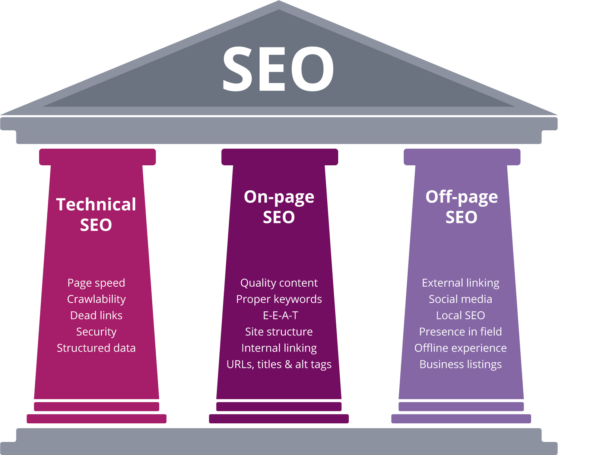
SEO optimization efforts can be broadly categorized into three interdependent pillars:

- Technical SEO: This foundational pillar focuses on optimizing the technical aspects of a website to improve user experience and facilitate efficient crawling and indexing by search engines. Key elements include:
- Site Speed: Websites that load quickly provide a superior user experience, a critical ranking factor. Google’s Core Web Vitals, for instance, explicitly measure page experience metrics.
- Mobile-Friendliness: With mobile devices accounting for over half of global web traffic, a responsive and mobile-optimized website is non-negotiable.
- Crawlability and Indexability: Ensuring that search engine bots can access and effectively index all relevant pages of a website. This involves sitemaps, robots.txt files, and proper internal linking.
- Site Structure: A logical and intuitive website architecture helps both users and search engines navigate and understand the hierarchy of content.
- HTTPS: Secure websites (using HTTPS) are preferred by search engines and instill trust in users.
- Structured Data (Schema Markup): Implementing schema markup helps search engines better understand the content on a page, potentially leading to rich snippets in search results.
- Canonicalization: Preventing duplicate content issues by specifying the preferred version of a page.
- Broken Links and Redirects: Managing 404 errors and implementing proper 301 redirects to maintain user experience and link equity.
- On-Page SEO: This pillar encompasses optimization efforts directly applied to the content and HTML source code of individual web pages. It is largely synonymous with "content SEO." Key components include:
- Keyword Research: Identifying the terms and phrases users employ to find information, products, or services relevant to the business.
- High-Quality Content Creation: Producing valuable, relevant, and comprehensive content that addresses user intent and demonstrates expertise, authoritativeness, and trustworthiness (E-E-A-T).
- Title Tags and Meta Descriptions: Crafting compelling, keyword-rich titles and meta descriptions that entice users to click in search results.
- Header Tags (H1, H2, H3, etc.): Structuring content with clear headings to improve readability and signal content hierarchy to search engines.
- Image Optimization: Compressing images, using descriptive alt text, and appropriate file names for improved page speed and accessibility.
- URL Structure: Creating clean, descriptive, and keyword-friendly URLs.
- Internal Linking: Strategically linking related pages within a website to distribute authority and guide users.
- Readability: Ensuring content is easy to read and understand for the target audience.
- Off-Page SEO: This pillar refers to activities performed outside of a website to enhance its authority, reputation, and reach.
- Link Building: Acquiring high-quality backlinks from other reputable and relevant websites. These links act as "votes of confidence," signaling to search engines that the content is valuable and trustworthy. Ethical link-building strategies are paramount.
- Social Media Marketing: While social signals do not directly impact search rankings, an active and engaged social media presence can drive traffic, increase brand visibility, and foster community, indirectly supporting SEO efforts.
- Local SEO: For businesses with physical locations, optimizing for local search involves managing Google Business Profile listings, ensuring consistent NAP (Name, Address, Phone Number) information across directories, and accumulating local reviews.
- Brand Mentions and Reputation Management: Monitoring brand mentions across the web and fostering a positive online reputation.
- Guest Blogging and Influencer Outreach: Contributing content to other authoritative sites or collaborating with influencers to expand reach and earn valuable backlinks.
Comprehensive Overview of SEO Types
Beyond the three pillars, SEO can be categorized by specific focus areas:
- Local SEO: Optimizing a website to appear in local search results for queries with a geographical intent (e.g., "plumbers near me"). This is critical for brick-and-mortar businesses.
- E-commerce SEO: Tailoring SEO strategies specifically for online stores, focusing on product pages, category pages, user reviews, and structured data for products.
- Video SEO: Optimizing video content (e.g., YouTube videos) to rank higher in video search results and integrated universal search results.
- Image SEO: Optimizing images for search engines through appropriate file names, alt text, and image sitemaps.
- Mobile SEO: Ensuring a website provides an optimal experience across all mobile devices, distinct from general mobile-friendliness.
- International SEO: Optimizing websites for different languages and regions, often involving Hreflang tags and country-specific domains.
- Enterprise SEO: Large-scale SEO strategies for complex websites with thousands or millions of pages, often requiring specialized tools and teams.
Critical SEO Ranking Factors in Detail
While the precise algorithms and weighting of ranking factors remain proprietary, years of industry observation and Google’s own guidance have provided a clear picture of the most influential elements:
- High-Quality, Relevant Content: Content that is comprehensive, accurate, unique, and genuinely helpful to users, directly addressing their search intent, is paramount. This includes demonstrating E-E-A-T (Experience, Expertise, Authoritativeness, Trustworthiness).
- Backlinks (Link Authority): The quantity and quality of external links pointing to a website are powerful indicators of its authority and credibility. Links from diverse, relevant, and high-authority domains are particularly valuable.
- User Experience (UX): Factors like page speed, mobile-friendliness, intuitive navigation, and overall site usability significantly influence rankings. Google’s Core Web Vitals (Largest Contentful Paint, First Input Delay, Cumulative Layout Shift) directly measure user experience aspects.
- Keyword Relevance and Intent Matching: Beyond simply using keywords, the ability of a page to genuinely satisfy the underlying intent of a search query is crucial. This means understanding the user’s need—whether they are looking for information, a product, or a specific website.
- Technical Foundation: A technically sound website, free from crawling errors, with a clear site structure and secure HTTPS protocol, provides a strong base for all other SEO efforts.
- Domain Authority/Trust: While not an official Google metric, the overall perceived authority and trustworthiness of a website’s domain, built over time through consistent quality content and strong backlink profiles, plays a role.
- Freshness of Content: For certain queries, especially those related to news or rapidly evolving topics, fresh and recently updated content can receive a ranking boost.
- Internal Linking: A well-structured internal linking strategy helps distribute link equity, guides users through the site, and signals important content to search engines.
To effectively monitor and improve these factors, tools like Yoast’s SEO Checker provide instant audits and actionable recommendations.
A Historical Perspective: From Keyword Stuffing to Intelligent Algorithms
The history of SEO mirrors the evolution of the internet itself. In the mid-1990s, when websites first began to proliferate, SEO was a far simpler endeavor. Early search engine algorithms were rudimentary, relying heavily on easily manipulable factors such as keyword density. The prevalent "trick" was to repeatedly stuff keywords into content and meta tags, often at the expense of readability and user experience.
However, pioneers like Google quickly recognized the limitations and inherent flaws of this approach. Displaying results based solely on keyword frequency rarely provided the best user experience. Consequently, a continuous process of algorithm refinement began. Landmark updates such as Google Panda (2011), targeting low-quality content; Penguin (2012), addressing manipulative link schemes; Hummingbird (2013), enhancing semantic search capabilities; and RankBrain (2015), an AI-powered system for understanding complex queries, progressively made search engines smarter and more adept at discerning content relevance and quality. The focus shifted irrevocably from "tricks" to providing genuine value to users through high-quality content and an excellent user experience. This iterative process of algorithm updates continues today, with Google releasing multiple updates annually to adapt to evolving search behaviors and technological advancements.
Looking ahead to 2026, the core tenets of SEO—high-quality content, robust technical foundations (site speed, security, mobile parity)—remain steadfast. However, as articulated by Yoast experts, SEO’s scope is undeniably expanding. Information discovery is no longer confined to traditional SERPs but extends to AI assistants, AI-generated search results, and diverse social and video platforms. The fundamental principles endure, but their application now demands a multi-platform strategy.
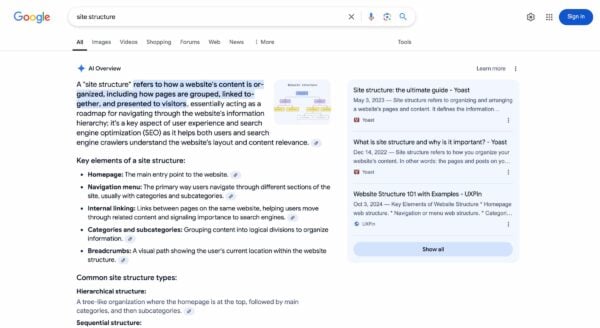
Google AI Overviews, where AI compiles and synthesizes information from various sources to directly answer a query, exemplify this shift. While this can lead to "zero-click searches" (where users find answers without visiting a website), being the source cited in such overviews still confers immense brand visibility and authority. As Carolyn Shelby, Principal SEO at Yoast, observes, "Rankings still matter, but they are no longer the end goal. They are a proxy for visibility, not a guarantee of impact. As search shifts from ranking pages to selecting sources, rankings should be interpreted alongside presence, citation, and narrative accuracy."
Adapting SEO Goals for the Future
The evolving landscape necessitates a reevaluation of SEO goals. While traditional metrics like ranking positions, organic clicks, and website traffic remain relevant, the emphasis has broadened. The contemporary SEO strategy must focus on holistic brand perception and omnipresence across relevant digital touchpoints.
Goals should now encompass:
- Engagement Metrics: Time on page, bounce rate, interactions with content.
- Brand Awareness and Mentions: Tracking brand visibility across various platforms, including social media, news sites, and AI-generated content.
- User Experience (UX) and Satisfaction: Ensuring a seamless, intuitive, and valuable experience for all website visitors.
- Conversion and Business Impact: Directly linking SEO efforts to sales, lead generation, or other desired user actions.
This shift, detailed in resources like the Yoast Perspective report, moves beyond a mere numbers game to a focus on influence, thought leadership, and the enduring value a brand provides to its audience, regardless of the specific platform.
Practical Steps for Embarking on Your SEO Journey

For individuals and businesses looking to embark on or enhance their SEO journey, a structured approach is crucial.
- Prioritize Technical Foundations: Begin by ensuring the website’s technical health. This includes optimizing page speed, securing the site with HTTPS, ensuring mobile responsiveness, fixing crawlability issues, and implementing structured data. If technical expertise is lacking, collaborating with a web developer or an SEO specialist is advisable.
- Conduct Thorough Keyword Research: This is the bedrock of content strategy. Identify relevant keywords that align with business offerings and user intent. Tools exist to help uncover high-volume, low-competition keywords, providing a roadmap for content creation.
- Create High-Quality, Original Content: In an era of AI-generated content, human-centric, insightful, and expert-driven content is more valuable than ever. Focus on providing unique perspectives, in-depth analysis, and genuinely helpful information that addresses user needs comprehensively.
- Develop a Holistic SEO Strategy: SEO is an ongoing process, not a one-time fix. Develop a long-term strategy and content calendar, integrating on-page, off-page, and technical SEO efforts. Regular monitoring, analysis, and adaptation are essential.
- Utilize SEO Tools and Resources: Leveraging specialized tools can significantly streamline SEO efforts. Yoast, for instance, offers both free and premium SEO plugins for WordPress and Shopify, providing real-time feedback on content readability and SEO performance, handling technical aspects, and offering advanced features like redirect management. The Yoast SEO academy provides a wealth of educational resources, including free courses for beginners on topics like WordPress SEO and structured data, alongside advanced courses for premium users. Additionally, their comprehensive SEO blog serves as an invaluable resource for staying abreast of industry developments and best practices.
By focusing on these foundational principles, adapting to the evolving digital landscape, and consistently investing in high-quality content and technical excellence, businesses can harness the immense power of SEO to build a stronger brand, attract a loyal audience, and achieve sustainable growth in the digital age.