Enterprise social media represents the strategic deployment of social platforms by large organizations to orchestrate brand communications, foster customer engagement, and derive actionable business intelligence at an expansive scale. It transcends mere online presence, evolving into a critical nexus for brand reputation, market insights, and revenue generation. The global social media advertising market alone is projected to reach $276 billion in 2026, with U.S. social commerce exceeding $100 billion, underscoring the immense economic stakes involved for large corporations. A well-defined enterprise social media strategy is the comprehensive blueprint that integrates these diverse functions, dictating how a brand manifests across various platforms, the technological infrastructure it employs, and the operational processes established to maintain consistency, compliance, and competitive advantage.
The Evolving Landscape of Enterprise Social Media

Social media’s journey from a nascent communication channel to a central pillar of corporate strategy has been transformative. Initially, businesses approached social platforms with a fragmented, experimental mindset, often mirroring individual user behavior. However, for enterprises, this approach quickly proved unsustainable. The sheer volume of content, the diversity of global audiences, and the intricate web of regulatory requirements necessitated a more sophisticated, unified strategy. This distinction is crucial, as enterprise social media, focused on external-facing marketing and communications, is fundamentally different from an enterprise social network, which serves as an internal collaboration tool for employees. While the former aims to engage customers and shape public perception on platforms like LinkedIn, Instagram, and TikTok, the latter, exemplified by Yammer or Viva Engage, facilitates internal knowledge sharing and employee communication. The table below illustrates this key differentiation:
| Dimension | Enterprise Social Media | Enterprise Social Network |
|---|---|---|
| Primary Audience | External (customers, prospects, public) | Internal (employees) |
| Purpose | Brand marketing and communications | Employee collaboration and comms |
| Example Platforms | LinkedIn, Instagram, TikTok | Yammer, Viva Engage, Slack |
| Key Metrics | Engagement, reach, sentiment | Adoption, participation, knowledge sharing |
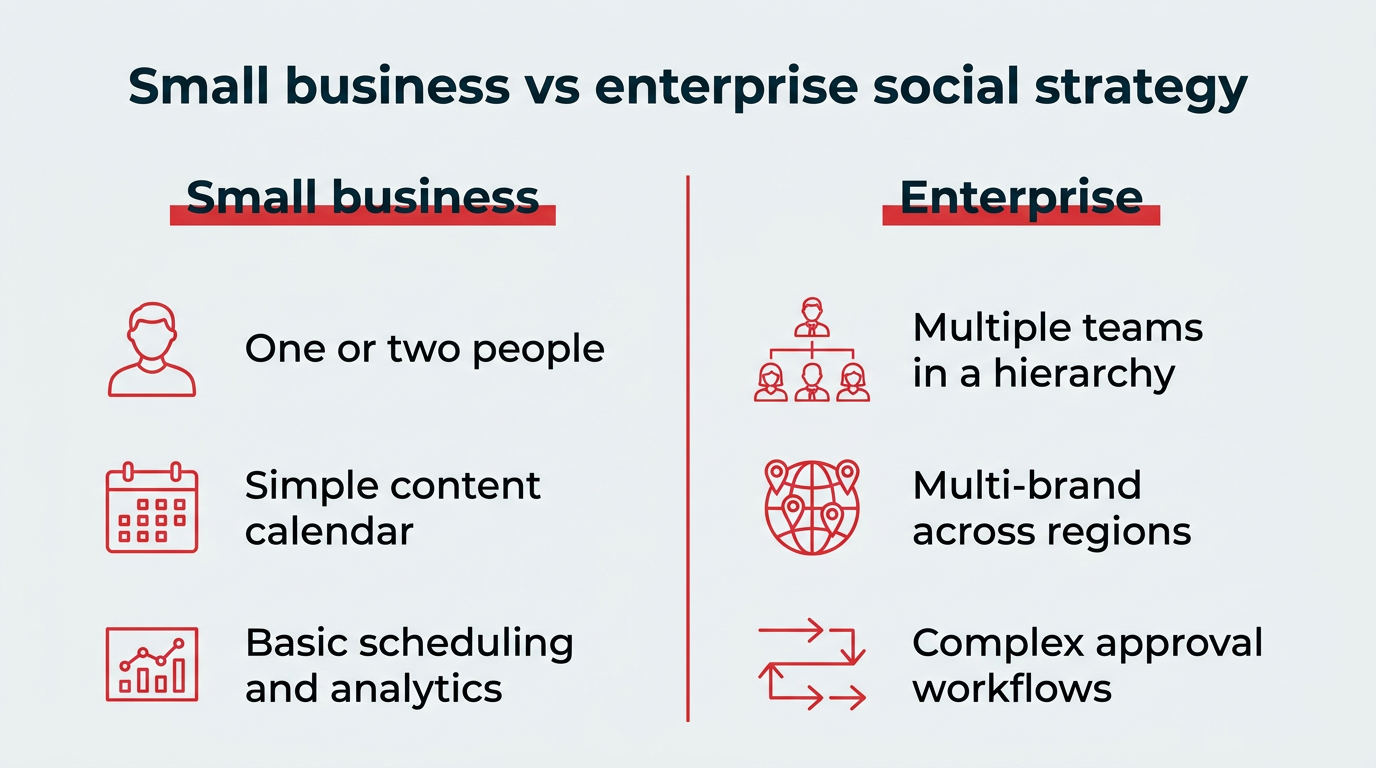
The complexity inherent in enterprise-level social media management far surpasses that of small businesses. While a small team might rely on a simple content calendar and basic scheduling/analytics tools, large organizations grapple with a multitude of moving parts. Their strategies must encompass global brand guidelines, localized content strategies, complex approval workflows, robust risk management protocols, advanced analytics across numerous accounts, and comprehensive compliance frameworks. For enterprises, the objectives extend beyond mere visibility and engagement to encompass critical aspects like governance, scalability, and proactive risk mitigation. Savannah Wiles, Staff Marketing Manager, Social & Influencer at Intuit Mailchimp, emphasizes that a strong enterprise social strategy hinges on three pillars: "your audience, your brand, and your goals." She advises understanding the audience as real people, crafting a unique and human brand persona, and ensuring every post delivers demonstrable value, whether through data-driven insights or relatable content that drives engagement.
The imperative for a unified strategy becomes acutely clear when considering global giants like Nike. With hundreds of secondary Instagram accounts catering to diverse target audiences and regions worldwide, Nike exemplifies the challenge. Each account likely operates with its own dedicated team of managers, strategists, and content creators, each pursuing individual goals. Yet, these disparate efforts must seamlessly align with Nike’s overarching business objectives and rigorously adhere to the brand’s core identity. Layering in product-specific messaging, legal compliance varying by jurisdiction, and external collaborations further compounds this complexity, making a unified, enterprise-level strategy an absolute necessity to prevent fragmentation and ensure coherence.

Navigating the Labyrinth: Core Challenges for Large Organizations
The scale of enterprise operations introduces unique and formidable challenges in social media management. Large organizations often juggle multiple brands, operate across diverse regions, and cater to myriad audiences, frequently spanning different time zones and languages. This environment necessitates coordinating content approvals when half the team is offline, navigating a patchwork of regulatory rules that vary significantly by market, and untangling the inevitable tool fragmentation that arises when individual teams procure their own software solutions. Without a centralized strategy, enterprises risk:
- Inconsistent Messaging: Diluting brand identity and confusing audiences.
- Inefficiency: Redundant efforts, slow approval cycles, and wasted resources.
- Compliance Risks: Violations of industry regulations or data privacy laws, leading to fines and legal repercussions.
- Fragmented Data: Inability to gain a holistic view of performance or prove ROI.
Protecting brand trust in such complex environments is paramount. The larger the organization, the higher the stakes associated with every social media interaction. A single misstep – a poorly worded reply, an off-brand post from a regional account, or an insensitive campaign – can rapidly escalate into a global reputation crisis. This necessitates not only brand consistency but also early detection mechanisms for potential issues. A robust strategy must include stringent brand guidelines, real-time social listening capabilities, and clearly defined crisis communication protocols to safeguard the brand’s integrity.
Beyond risk mitigation, enterprise social media is a potent growth engine. With social commerce thriving, platforms are integral to the customer journey, from initial brand discovery to purchase. Enterprises can leverage social media to:
- Generate Qualified Leads: Directly linking social engagement to sales pipelines.
- Drive Sales and Conversions: Utilizing in-app shopping features and targeted campaigns.
- Enhance Customer Service: Providing responsive support and managing inquiries publicly.
- Attract Top Talent: Showcasing company culture and employer brand.
- Gather Market Intelligence: Analyzing trends, competitor activity, and consumer sentiment.
- Build Communities: Fostering loyalty and advocacy among customers.
- Launch Products: Creating buzz and driving adoption for new offerings.
- Manage Reputation: Proactively addressing feedback and shaping public perception.
AI as the New Frontier: Enhancing Intelligence and Governance
Artificial intelligence has rapidly transitioned from a tool for content generation novelty to an indispensable operational intelligence layer within enterprise social media. In 2026, AI’s capabilities extend far beyond drafting captions; it now facilitates real-time sentiment analysis, intelligently routes customer service inquiries, and connects insights to actionable strategies across disparate teams and regions. Three pivotal shifts define AI’s transformative impact on enterprise social media management:
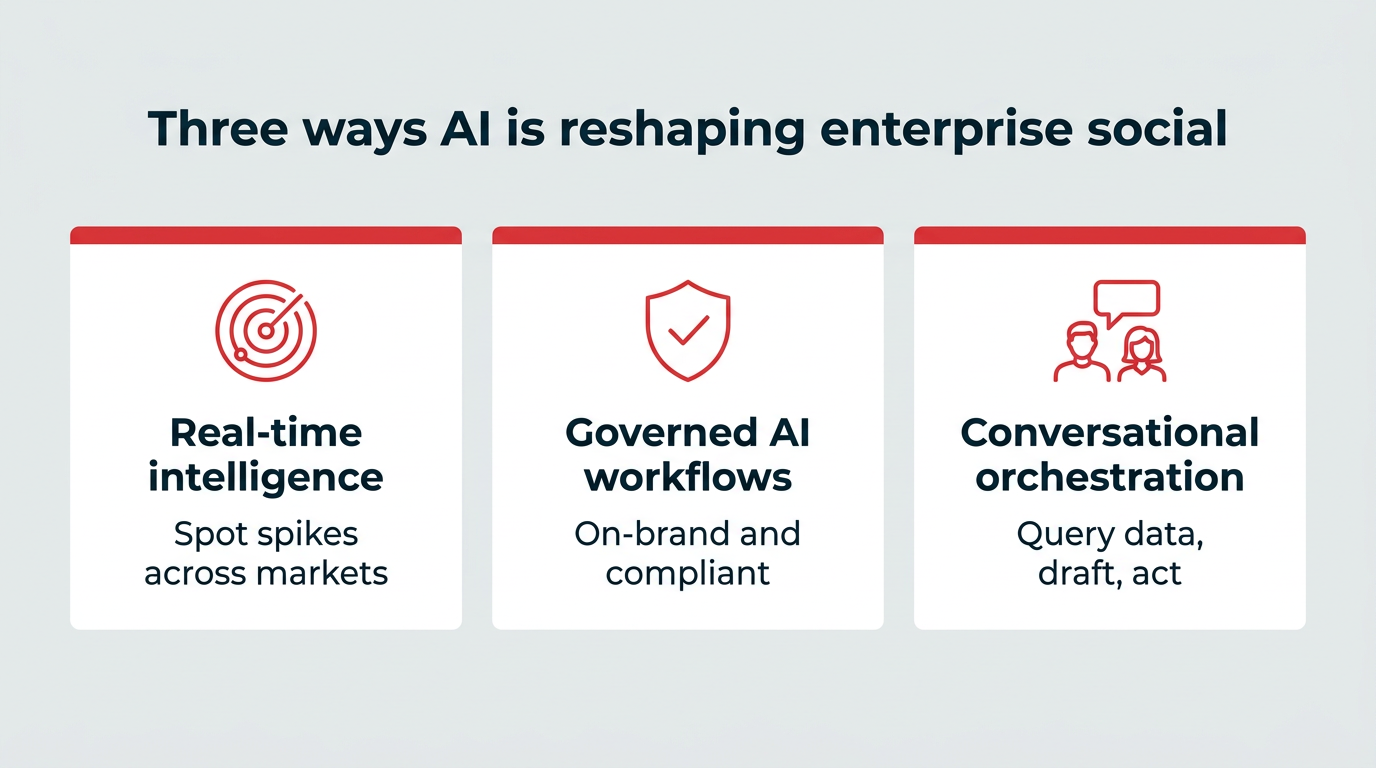
- Hyper-Personalization at Scale: AI algorithms analyze vast datasets to tailor content, recommendations, and ad targeting to individual user preferences, delivering more relevant experiences.
- Predictive Analytics for Strategic Advantage: AI anticipates trends, identifies emerging conversations, and forecasts campaign performance, allowing enterprises to optimize strategies proactively.
- Adaptive Content and Workflow Automation: AI automates routine tasks, generates variations of content for different platforms and audiences, and streamlines approval workflows, boosting efficiency.
Crucially, AI also enhances connectivity within the broader tech stack. Through robust MCP (Marketing Cloud Platform) connectors, contextual intelligence seamlessly flows between social platforms and existing business systems like CRM (Customer Relationship Management) and BI (Business Intelligence) tools. This integration ensures that AI outputs are grounded in real, verifiable data, minimizing guesswork and maximizing strategic relevance.
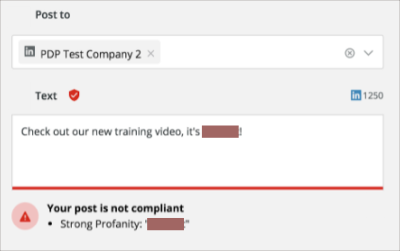
However, the proliferation of AI in enterprise environments underscores the heightened importance of governance. Ungoverned AI presents significant risks at enterprise scale, including the generation of off-brand content, the propagation of unverified claims, or the publication of material that violates regulatory statutes. For industries such as healthcare or finance, these are not minor inconveniences but potentially lead to substantial fines, legal action, and lasting reputational damage. Solutions like Hootsuite’s Vigil act as a critical governance layer, ensuring that all AI-assisted work adheres to established policies, with every output traceable and every approval meticulously documented. This combination of speed and control is what renders AI truly usable and safe for regulated enterprise teams.
Crafting a Robust Enterprise Social Strategy: A Step-by-Step Blueprint
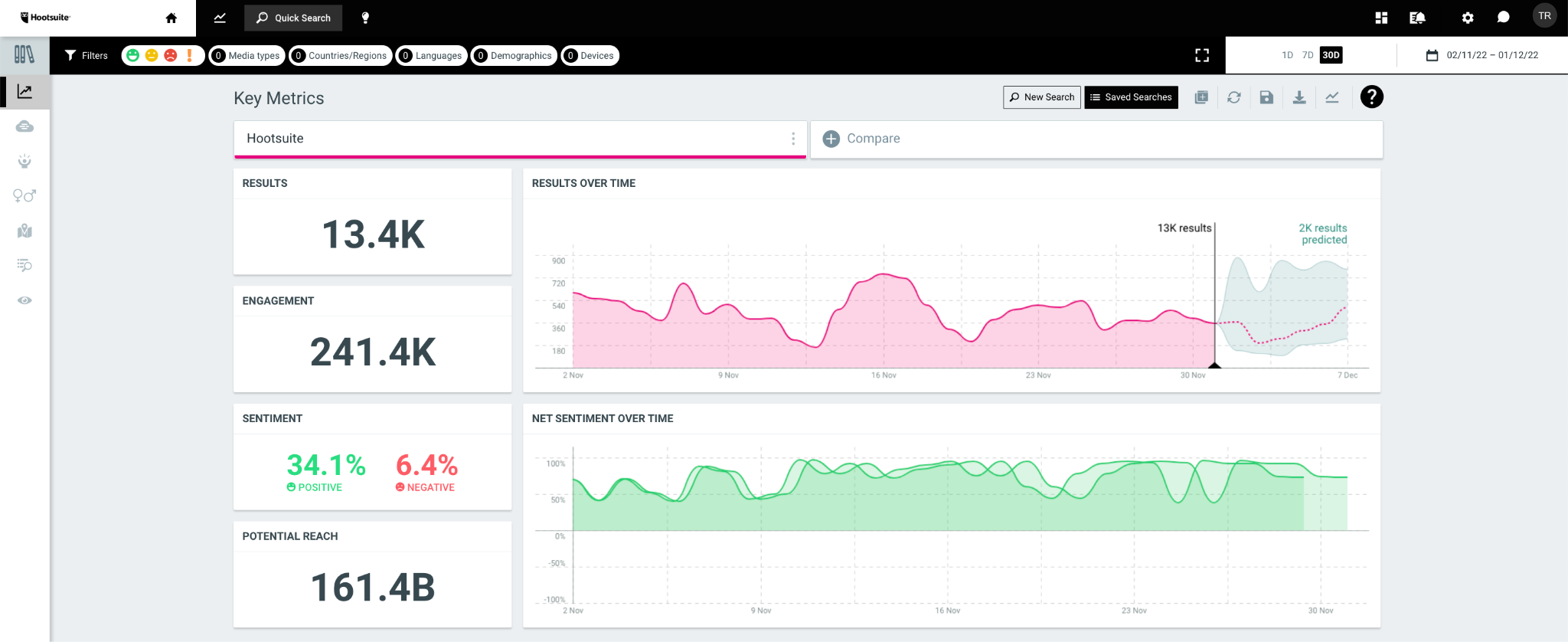
Building an effective enterprise social media strategy is a methodical, eight-step process designed to provide a shared roadmap for every team, outlining how to engage, measure success, scale operations, and govern the use of AI across the organization.
- Conduct a Comprehensive Social Audit Across Teams: The foundational step involves taking inventory of every existing social account, campaign, and their respective owners. This audit identifies duplicate pages, off-brand activities, and performance gaps. It also reveals where target audiences are most engaged and where marketing spend might be underperforming, guiding resource allocation.
- Define Clear Roles and Responsibilities: An organizational chart clarifying "who does what" is essential. This typically involves:
- Center of Excellence (CoE): A central team that sets the global vision, brand voice, and guardrails. They manage overall strategy, governance, tool selection, and macro-level reporting. Roles include Global Social Media Director, Head of Social Media Strategy, and Social Compliance Officer.
- Regional or Business Unit Teams: Local teams adapt global content for their specific markets, manage day-to-day operations, and report localized results back to the CoE. Their focus is on cultural relevance while adhering to brand standards. Examples include Regional Social Media Manager, Local Content Creator, and Community Engagement Specialist.
- Cross-Functional Partners: Marketing, PR, customer service, HR, and compliance teams collaborate to ensure campaigns, customer care, and approvals are aligned with broader business objectives. As Savannah Wiles notes, "Consider collaborating with other teams, like email and sales. Expand to channels that can support social content variety." This holistic approach treats marketing as an interconnected ecosystem.
- Employee Advocates: Empowered employees, through platforms like Hootsuite Amplify or Parliament, can significantly extend organic reach by safely sharing approved brand content with their personal networks.
- Create Robust Workflows for Approvals and Publishing: Standardized processes for content creation, review, and sign-off are critical. Utilizing a social media management platform with automation capabilities for workflows ensures consistency, maintains visibility across teams, and prevents bottlenecks, especially in a global context where teams operate across different time zones.
- Integrate Brand and Content Guideline Usage: Translating the enterprise’s overarching brand voice and visual identity into specific social media guidelines is paramount. This is particularly vital for international brands. Collaboration with regional representatives ensures global brand consistency while allowing for culturally sensitive localization, utilizing shared asset libraries and templates to maintain high quality and messaging uniformity.
- Establish Platform and Publishing Rules: Detailed documentation of content types, posting cadences, and engagement rules for each platform is necessary. This includes specific guidelines for visuals, hashtags, tone of voice, crisis management protocols, and crucially, compliance rules that may vary significantly by geographic region (e.g., data privacy laws in the UK vs. USA). Legal team input is non-negotiable here.
- Integrate the Right Tools and Data Systems: Selecting a unified platform is key to automating repetitive tasks and gaining a comprehensive overview of all social accounts. Unified dashboards enable leaders to track performance across channels and regions in real time. MCP connectors facilitate data flow between the social platform and other critical business systems like CRM, BI, and AI tools, eliminating data silos.
- Provide Comprehensive Team Training: Once the strategy is finalized, it’s essential to conduct thorough training sessions, particularly for global teams, to ensure universal understanding and alignment. Ongoing training on compliance, accessibility, and platform best practices empowers employees to operate effectively and confidently, reducing the need for constant oversight.
- Measure, Iterate, and Scale: Regular review cycles are vital to analyze results, extract actionable insights, and refine the strategy. Data-driven decision-making, rather than guesswork, informs adjustments to campaigns, reallocation of budgets, and sharing of learnings across departments. An agile enterprise social program continuously evolves, adapting to market shifts and business needs.
Technological Backbone: Selecting the Right Enterprise Social Media Platform
Choosing the appropriate enterprise social media platform is a critical decision, necessitating a match between the tool’s capabilities and the organization’s scale, governance requirements, and existing technological infrastructure. The wrong choice can lead to fragmented tools and inefficient workflows, whereas the right platform consolidates operations, aligning with Gartner’s view of management and listening as a unified market. A four-step framework for evaluation includes:

- Assess Current Needs: Identify existing pain points, scale of operations, and desired outcomes.
- Define Must-Have Features: Prioritize capabilities essential for managing complex, multi-regional social presence.
- Evaluate Integration Capabilities: Ensure seamless connection with CRM, BI, and other vital business systems.
- Consider Security and Compliance: Verify the platform meets industry-specific regulatory requirements and data privacy standards.
An enterprise-ready social media platform must offer a robust suite of capabilities to simplify collaboration, protect the brand, and deliver actionable insights:
- Multi-Account Management: Centralized control over hundreds or thousands of social profiles.
- Unified Inbox: Consolidating messages and comments from all channels for efficient response management.
- AI-Powered Tools: For content generation, sentiment analysis, and workflow automation.
- Content Library and Asset Management: A central repository for approved brand assets and templates.
- Robust Analytics and Reporting: Customizable dashboards for granular performance tracking across all metrics.
- Compliance and Governance Features: Automated review, audit trails, and policy enforcement, especially for regulated industries.
- Social Listening and Monitoring: Real-time tracking of brand mentions, sentiment, and trending topics.
- Employee Advocacy Programs: Tools to empower employees to share content safely.
Hootsuite Social OS, for instance, is engineered for complex organizations with global reach and diverse stakeholders. It provides structured workflows, standardized formats, and comprehensive visibility, enabling effective collaboration and stringent brand protection. Key features include Flows for customizable approval processes, Vigil for AI governance, Amplify for employee advocacy, Streams for real-time monitoring, and comprehensive Analytics and Insights to inform strategy.
Furthermore, a social platform rarely operates in isolation. Enterprises integrate it into a wider ecosystem of tools supporting the full customer and content lifecycle. Common categories include: CRM systems (e.g., Salesforce), Business Intelligence platforms (e.g., Tableau), Marketing Automation tools (e.g., Marketo), and Customer Service solutions (e.g., Zendesk). Hootsuite Social OS integrates with these categories via connected systems and MCP connectors, positioning the social operating system as a central hub rather than another silo.
Measuring Success: KPIs and Proving ROI in a Complex Ecosystem
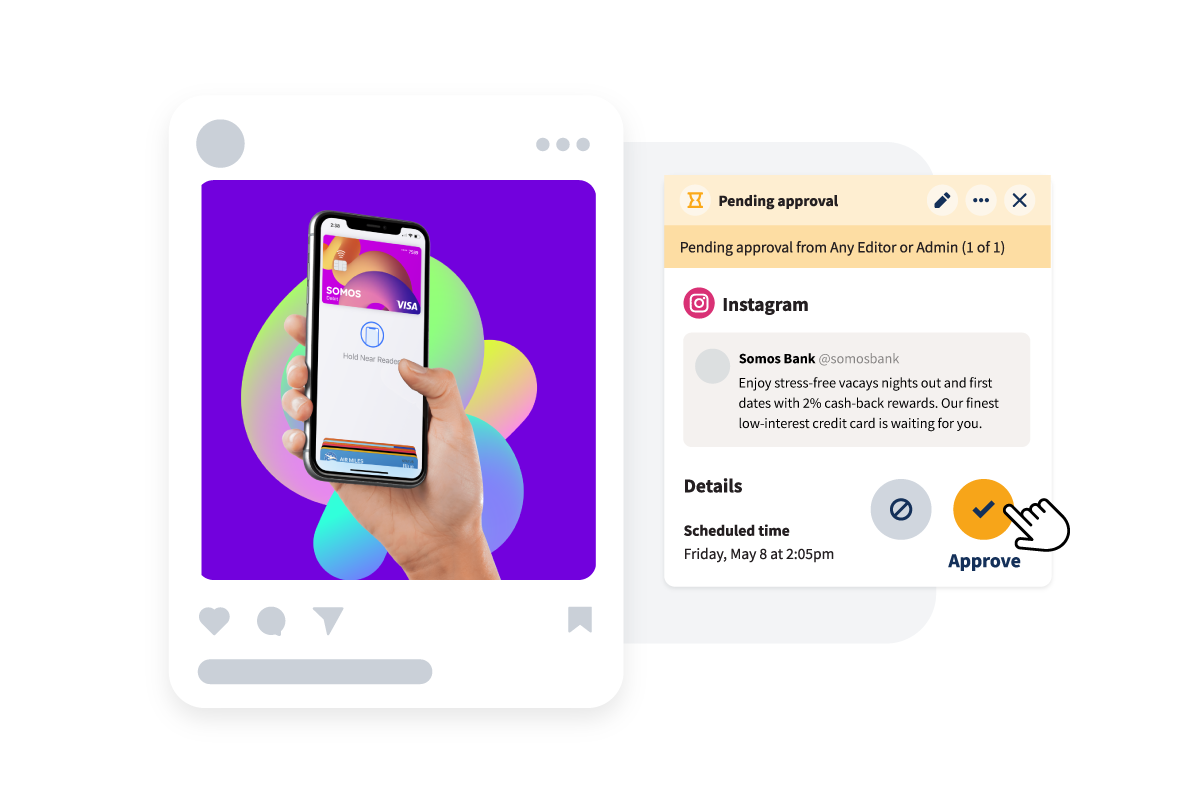
At the enterprise level, measuring success demands standardization, alignment, and sophisticated tools to quantify impact. Key Performance Indicators (KPIs) tracked by enterprise teams include:
| KPI | Definition | Business Impact |
|---|---|---|
| Share of Voice | Your brand’s share of conversation versus competitors | Signals market position and awareness |
| Sentiment Score | The overall positive or negative tone of mentions | Flags brand health and emerging risks |
| Response Time | How quickly your team replies to messages | Drives customer satisfaction and retention |
| Social-Attributed Leads | Qualified leads sourced directly from social channels | Connects social to pipeline and revenue |
| Employee Advocacy Reach | Reach generated by employee-shared content | Extends organic reach and lowers acquisition cost |
| Content Engagement Rate | Interactions relative to reach or impressions | Shows what content resonates by market |
Standardizing these KPIs across markets involves setting shared metrics applicable to every region or business unit, such as engagement rates, impressions, follower growth, and response time. These global metrics are then complemented by localized KPIs, like regional reach or campaign-specific conversions, allowing for comparative analysis while respecting market nuances.
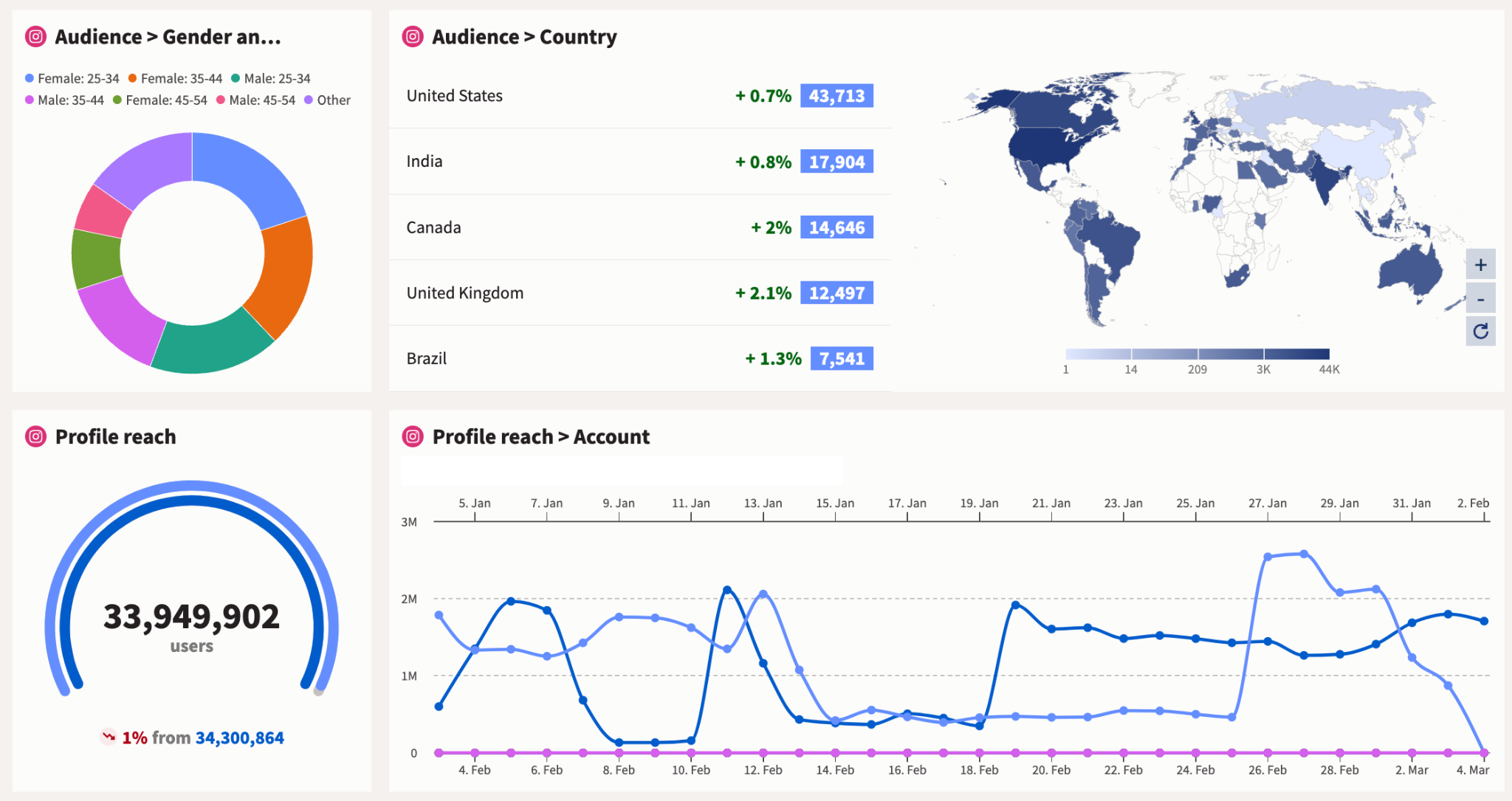
Connecting social data to broader business metrics is crucial for moving beyond vanity metrics and demonstrating tangible ROI. This involves:
- Attribution Modeling: Tracing social touchpoints along the customer journey to final conversions.
- Customer Lifetime Value (CLV): Analyzing how social engagement influences long-term customer value.
- Brand Lift Studies: Measuring changes in brand perception, recall, and purchase intent driven by social campaigns.
- Web Traffic and Conversion Tracking: Using UTM parameters and pixel tracking to link social clicks to website actions.
- Sentiment Analysis and NPS: Correlating social sentiment with customer satisfaction and Net Promoter Scores.
- Competitive Benchmarking: Measuring social performance against industry peers to identify competitive advantages or gaps.
Communicating social media impact to stakeholders requires clarity, realism, and a focus on business outcomes. Savannah Wiles advises honesty about capabilities and flexibility with goals. She recommends a "test and learn approach" to identify what works organically and then scale those successes. When direct ROI or conversions are challenging to prove, emphasizing how social supports immediate KPIs and provides valuable learnings for future work is essential. Stakeholders seek not just data, but actionable insights that inform future investments and demonstrate strategic value.
Conclusion: Sustaining Agility and Innovation
In an increasingly dynamic digital landscape, a robust enterprise social media strategy is not merely an operational necessity but a strategic differentiator. It is the framework that empowers large organizations to unify disparate global teams, streamline complex approval processes, navigate intricate compliance requirements, and, crucially, demonstrate tangible return on investment. The integration of advanced AI governance tools is no longer optional but fundamental to managing risk and maximizing efficiency at scale.
As social media continues to evolve, adaptability remains paramount. Enterprises must embrace continuous measurement, iteration, and a willingness to explore new content opportunities and collaborative partnerships. By establishing a clear vision, implementing sophisticated tools, fostering a culture of data-driven decision-making, and prioritizing brand consistency across all touchpoints, enterprises can transform social media from a potential liability into a powerful engine for sustained growth, brand resilience, and competitive advantage. The future of enterprise success on social media belongs to those who are strategic, agile, and relentlessly focused on innovation and governance.
Save time managing your social media marketing strategy with Hootsuite. Publish and schedule posts, find relevant conversations, measure results, and more — all from one dashboard. Try it free today.