The increasing reliance on Google’s Smart Bidding strategies, particularly within YouTube campaigns, necessitates a comprehensive understanding of its intricacies for advertisers aiming to achieve tangible business outcomes. Moving beyond mere identification of available options, the true value lies in strategically configuring campaigns to maximize the effectiveness of these automated bidding systems. This article delves into the operational nuances of YouTube Smart Bidding, offering actionable insights for marketers focused on generating sales, leads, and sign-ups, while also acknowledging its application in broader awareness campaigns.
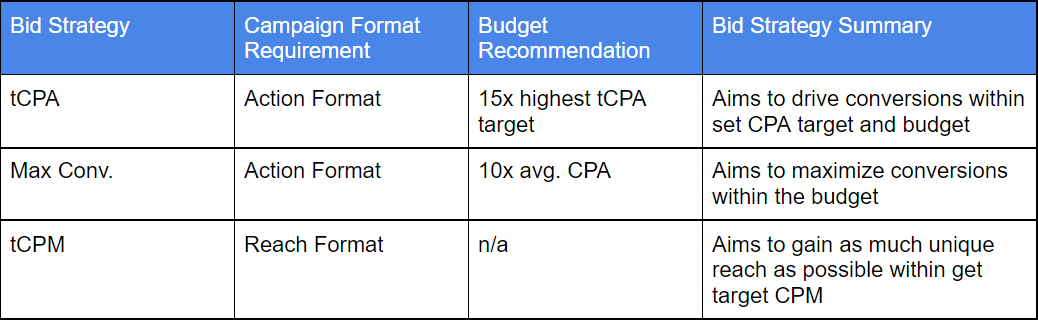
At its core, Smart Bidding on YouTube is designed to leverage Google’s machine learning algorithms to optimize bids in real-time, aiming to achieve specific campaign goals. For campaigns focused on driving direct conversions—such as sales, leads, or sign-ups—the primary options available are Target CPA (tCPA) and Maximize Conversions. These are typically integrated within Video Action Campaigns, a format specifically engineered to facilitate such objectives through compelling video creatives. However, Smart Bidding is not exclusively for conversion-focused campaigns. A crucial, albeit different, application exists for Reach formats, including bumper ads, where the primary objective is to build brand awareness and maximize audience exposure. Understanding this fundamental distinction is the first step in unlocking the potential of Smart Bidding on YouTube.
The efficacy of any Smart Bidding strategy is intrinsically linked to the quality and quantity of data fed into the system. Google’s own recommendations, honed through extensive testing and analysis of successful campaigns, suggest a robust budget allocation relative to the desired cost per acquisition. Specifically, for campaigns employing tCPA, advertisers are advised to set daily budgets that are at least 10 to 15 times the average cost per conversion they aim to achieve. For instance, if a campaign’s target CPA is $85, the budget should ideally be set at a minimum of $1,275 per day. Similarly, for Maximize Conversions, which aims to drive the highest number of conversions within the allocated budget, the recommended budget is typically around 10 times the estimated CPA. While these figures might appear substantial, experience and data consistently demonstrate their critical role in enabling the Smart Bidding algorithms to gather sufficient data and make informed optimization decisions. Without adequate budget, the system can be constrained, leading to suboptimal performance and potentially a "Limited by Budget" status, hindering its ability to explore the full spectrum of bidding opportunities.
A strategic approach often recommended by industry experts, and supported by Metric Theory’s own observations, is to initiate campaigns with the Maximize Conversions bidding strategy. This initial phase allows the Smart Bidding system to learn about the audience, creative performance, and conversion patterns without the constraint of a specific CPA target. Once a stable baseline CPA has been established over a sufficient learning period (typically two weeks), advertisers can then transition to the tCPA strategy. This phased approach provides a more controlled environment for optimization, allowing for greater predictability and refinement of conversion costs over time.
Illustrative Case Study: Overcoming Budget Limitations

A compelling example of the impact of adhering to bid-to-budget recommendations was observed in a recent campaign. The situation involved a Video Action Campaign operating on a tCPA strategy that was frequently flagged as "Limited by Budget." At the time, the campaign’s daily budget was set at approximately 10 times its current CPA. Recognizing the constraint, the decision was made to increase the budget to 15 times the current CPA.
Following this adjustment, and after accounting for the initial two-week learning period of the new budget level, the campaign experienced significant improvements. Metrics indicated both substantial growth in conversion volume and enhanced efficiency. The data visualized from this case study showed a clear upward trend in key performance indicators, demonstrating that the increased budget enabled the Smart Bidding algorithm to more effectively identify and bid on high-potential impression opportunities, ultimately leading to more cost-effective conversions and greater overall campaign success. This underscores the importance of aligning budget with the algorithm’s operational needs to unlock its full potential.
Key Considerations for YouTube Smart Bidding Implementation
Beyond budget and bidding strategies, several other factors significantly influence the success of Smart Bidding on YouTube:
-
Audience Targeting Precision: The effectiveness of Smart Bidding is amplified when it is applied to well-defined and relevant audiences. Leveraging detailed audience insights, including demographic data, interests, and in-market segments, allows the algorithm to focus its optimization efforts on users most likely to convert. Custom intent audiences and affinity audiences can be particularly powerful when combined with Smart Bidding.
-
Creative Quality and Relevance: YouTube is a visually driven platform. The success of Video Action Campaigns, which heavily rely on Smart Bidding, is paramount on the quality and relevance of the video creatives. Compelling narratives, clear calls-to-action, and creatives that resonate with the target audience are crucial for driving engagement and ultimately, conversions. The algorithm learns from how users interact with the ads, and engaging creatives lead to better performance signals.
-
Landing Page Experience: The journey doesn’t end with a click. A seamless and optimized landing page experience is critical for converting interested viewers into customers. The landing page should directly align with the ad’s message, offer a clear path to conversion, and be mobile-friendly. Poor landing page experiences can negate the effectiveness of even the best-performing ad campaigns.
-
Conversion Tracking Accuracy: The lifeblood of any Smart Bidding strategy is accurate conversion tracking. Ensuring that conversion actions are correctly implemented and measured within Google Ads is non-negotiable. Inaccurate or incomplete conversion data will lead the algorithm to make flawed optimization decisions, ultimately hindering campaign performance. This includes tracking micro-conversions that may lead to a macro-conversion, providing a more holistic view of user journeys.
-
Data Volume and History: Smart Bidding algorithms require a sufficient volume of data to learn and optimize effectively. Campaigns with a long history and consistent conversion data tend to perform better. For new campaigns, patience is key, as the algorithm enters a learning phase where performance may fluctuate before stabilizing. Google recommends a minimum of 50 conversions in the last 30 days for tCPA and Maximize Conversions to perform optimally.
-
Exclusion of Inefficient Placements and Audiences: While Smart Bidding automates much of the optimization, manual review and adjustments remain important. Regularly analyzing campaign performance data to identify and exclude underperforming placements or audience segments can further refine the algorithm’s focus and improve overall efficiency.
-
Experimentation and Iteration: The digital advertising landscape is constantly evolving. What works today may need adjustment tomorrow. Continuous experimentation with different bidding strategies, creative approaches, and targeting parameters, coupled with ongoing performance analysis, is essential for sustained success. A/B testing different campaign structures or creative variations can yield valuable insights.

The Broader Impact of Smart Bidding on YouTube
The widespread adoption of Smart Bidding on YouTube signifies a broader trend in digital advertising towards data-driven automation. As platforms become more sophisticated, advertisers who embrace these automated tools, while understanding their underlying mechanics, are better positioned to navigate the complexities of audience engagement and conversion optimization. The ability of Smart Bidding to adapt to real-time market signals and user behavior offers a distinct advantage in a competitive online environment.
For businesses of all sizes, mastering Smart Bidding on YouTube presents a significant opportunity to enhance marketing ROI. By leveraging these intelligent tools effectively, advertisers can achieve more with their ad spend, driving measurable business outcomes while freeing up valuable resources for strategic planning and creative development. The ongoing evolution of Google’s AI capabilities suggests that Smart Bidding will continue to be a cornerstone of successful digital advertising strategies on YouTube and beyond, making continuous learning and adaptation a crucial aspect of modern marketing. The platform’s vast reach, combined with the predictive power of Smart Bidding, creates a potent combination for achieving ambitious marketing objectives.
For businesses seeking to harness the full potential of YouTube Smart Bidding and optimize their advertising efforts, engaging with experienced digital marketing professionals can provide invaluable guidance. These experts can assist in developing tailored strategies, implementing best practices, and navigating the complexities of campaign setup and ongoing management, ultimately ensuring that marketing investments yield the desired results in an increasingly dynamic digital marketplace.