The digital retail landscape has reached a level of saturation where simply driving traffic to a website is no longer a guaranteed precursor to financial success. As customer acquisition costs continue to rise across major advertising platforms, the focus for enterprise-level e-commerce operations has shifted toward maximizing the value of existing traffic through Conversion Rate Optimization (CRO). A CRO audit serves as a comprehensive diagnostic evaluation of a website’s performance, identifying friction points in the user journey and uncovering latent revenue opportunities. Contrary to the common misconception that audits are reactive measures reserved for declining sales, industry experts advocate for regular, proactive assessments that function as a "health check-up" for a brand’s digital presence. By systematically analyzing both quantitative data and qualitative user behavior, organizations can transition from speculative design changes to data-driven strategic iterations.
The Evolution of the CRO Framework
The methodology behind a modern CRO audit has evolved significantly alongside advancements in data analytics and user experience (UX) research. Historically, optimization was often limited to "A/B testing" isolated elements like button colors or headline text. Today, a professional-grade audit follows a rigorous three-tier framework: the collection of quantitative data, the gathering of qualitative insights, and the prioritization of high-impact technical fixes. This structured approach ensures that every recommendation is backed by empirical evidence rather than subjective preference.
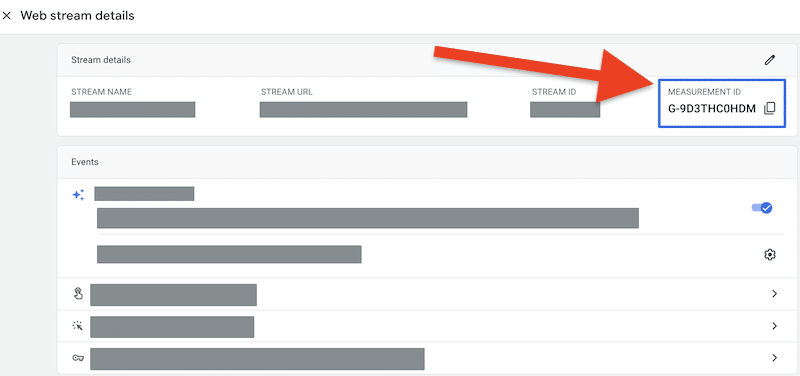
The chronology of a successful audit begins with the stabilization of the data environment. Before any analysis can occur, an organization must ensure that its tracking mechanisms—primarily Google Analytics 4 (GA4) and Google Tag Manager (GTM)—are accurately capturing the full scope of the customer journey. This foundational step is critical, as erroneous data leads to flawed strategic decisions.
Phase One: Quantitative Data and Technical Benchmarking
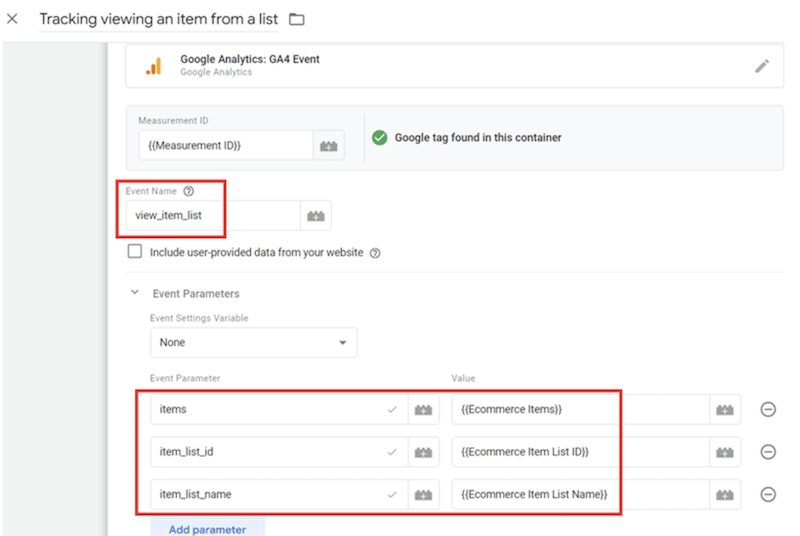
The quantitative phase of a CRO audit focuses on the "what" of user behavior. It provides the statistical backbone required to identify where visitors are dropping out of the conversion funnel. In the current analytics era, this requires a sophisticated setup of GA4 ecommerce events. Analysts look specifically for four key milestones: product views (view_item), additions to the cart (add_to_cart), the initiation of the checkout process (begin_checkout), and the final purchase (purchase).
By examining the ratios between these events, businesses can pinpoint specific weaknesses. For instance, a high volume of product views coupled with a low add-to-cart rate suggests an issue with product descriptions, pricing, or visual presentation. Conversely, a high add-to-cart rate followed by a steep drop-off at the checkout phase indicates friction in the payment or shipping selection process.
The Impact of Site Performance on Conversion
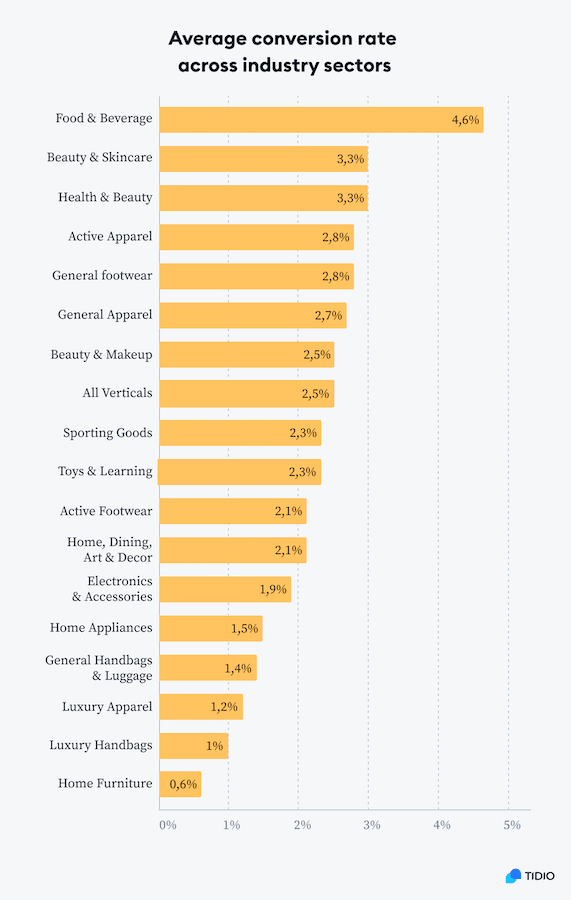
Quantitative analysis also extends to technical performance metrics, specifically Google’s Core Web Vitals. These metrics—Largest Contentful Paint (LCP), Interaction to Next Paint (INP), and Cumulative Layout Shift (CLS)—measure the speed, responsiveness, and visual stability of a site. Data from various industry studies indicate that a one-second delay in page load time can result in a 7% reduction in conversions. In a competitive market, a slow site is a direct contributor to cart abandonment. Professional audits utilize tools like PageSpeed Insights and Chrome User Experience Reports to establish a performance baseline, targeting an LCP of under 2.5 seconds to ensure a seamless mobile experience.
Industry Benchmarking
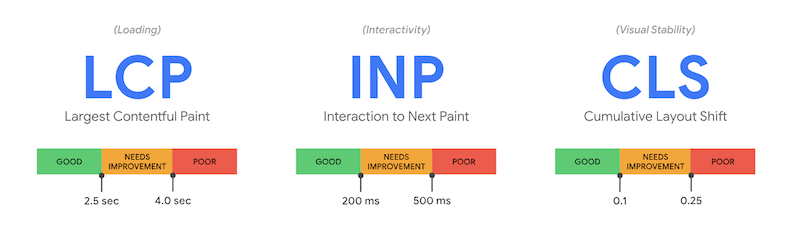
A critical component of the quantitative phase is the comparison of internal data against industry benchmarks. Conversion rates vary dramatically by sector; for example, the home furniture industry may see average conversion rates as low as 0.6%, while the food and beverage sector often reaches 4.6%. Establishing these benchmarks allows stakeholders to manage expectations and set realistic KPIs for the optimization process.
Phase Two: Qualitative Insights and the Human Element
While quantitative data reveals where users leave, qualitative insights explain why they leave. This phase of the audit utilizes behavioral mapping tools and direct user feedback to gain a holistic understanding of the visitor experience.
Heatmaps and Session Replays
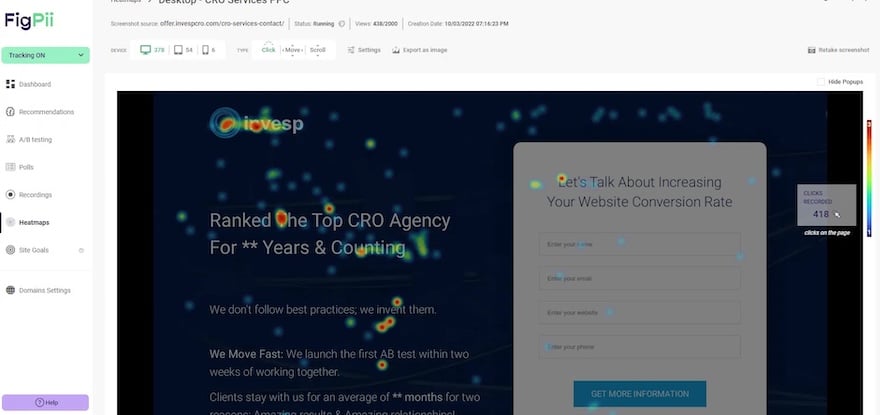
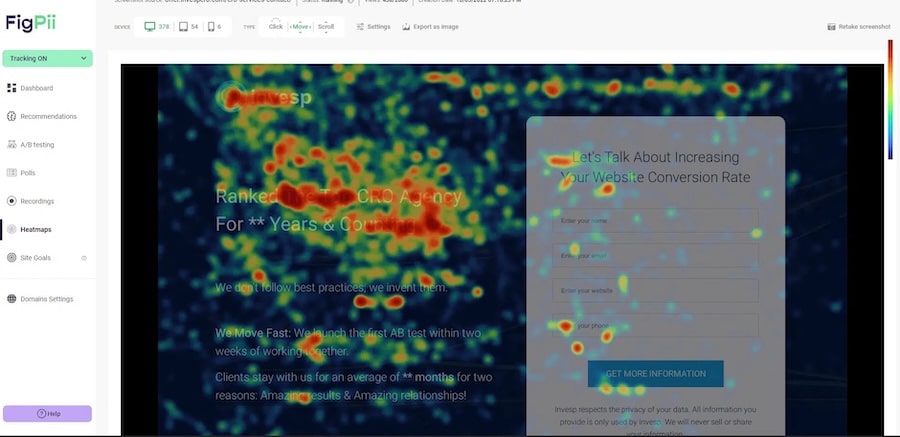
Visual behavior tools, such as heatmaps and session replays, provide a window into the user’s subconscious actions. Click maps identify which elements draw the most attention, often revealing that users are clicking on non-linked elements or ignoring primary calls-to-action (CTAs). Scroll maps indicate how much of the page’s content is actually being consumed; if critical social proof or product specifications are located "below the fold" where only 20% of users reach, the audit will recommend a layout restructuring.
Session replays allow auditors to witness "rage-clicking" or moments of hesitation. These recordings are invaluable for identifying bugs that only appear on specific browser and device combinations, providing a level of detail that standard analytics cannot capture.
Direct Feedback and Usability Testing
To complement observational data, auditors employ customer surveys, exit-intent polls, and moderated user testing. Exit polls, triggered when a user moves to close a tab, can capture immediate reasons for abandonment, such as unexpected shipping costs or a lack of trust in payment security.

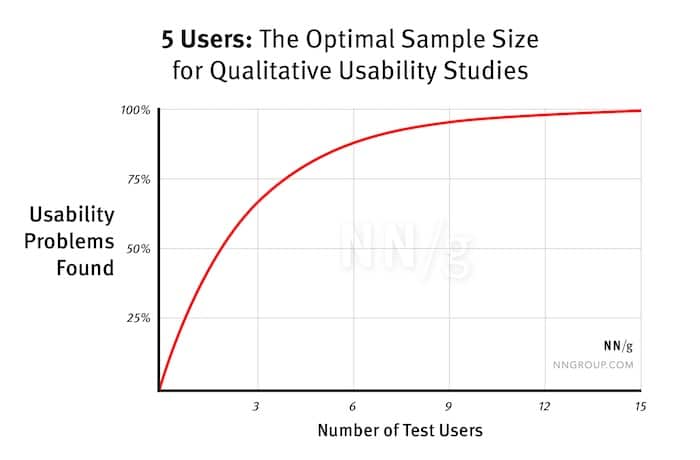
User testing remains one of the most high-impact elements of a qualitative audit. Research from the Nielsen Norman Group suggests that testing with as few as five users can uncover up to 85% of a site’s usability issues. By tasking real individuals with navigating the site and narrating their thoughts, organizations can identify confusing navigation, unclear value propositions, and linguistic barriers that quantitative data might overlook.
Phase Three: Targeted Optimization of High-Impact Pages
The final phase of a CRO audit involves applying findings to the most critical stages of the funnel: the product page and the cart page. These areas represent the "bottom of the funnel," where the intent to buy is highest and the impact of friction is most costly.
Product Page Architecture
A product page must function as a persuasive sales environment. Auditors evaluate four primary pillars:
- Visual Information: High-quality imagery from multiple angles and video content are essential. Audits often find that failing to link images to specific product variants (e.g., color or size) causes significant user frustration.
- Copywriting and Storytelling: Effective product descriptions must move beyond technical specifications to highlight benefits and solve customer pain points.
- Call-to-Action Clarity: The "Add to Cart" button must be the most prominent element on the page, utilizing contrasting colors and strategic placement to guide the user.
- Social Proof Integration: Ratings, reviews, and user-generated content act as a psychological "safety net." Case studies have shown that adding urgency cues (e.g., "only 3 left in stock") and visible social proof can increase checkout transitions by over 17%.
Cart and Checkout Optimization
The cart page is frequently the site of the highest abandonment rates. A professional audit looks for three qualities: clarity, simplicity, and speed. The removal of "leaks"—distracting links that lead away from the checkout—is a common recommendation. Furthermore, transparency regarding shipping costs and return policies is vital; hidden fees revealed at the last moment are the leading cause of abandoned carts.

Analysis of Implications: The Economic Necessity of CRO
The broader implications of regular CRO audits extend beyond immediate sales lifts. In an environment where digital advertising costs are volatile, improving a site’s conversion rate provides a buffer against rising marketing expenses. If a site doubles its conversion rate, it effectively halves its cost per acquisition (CPA), allowing for more aggressive scaling and a larger market share.
Furthermore, a CRO audit fosters a culture of experimentation within an organization. It shifts the internal dialogue from "what do we think works?" to "what does the data prove works?" This evidence-based approach reduces the risk associated with major site redesigns and ensures that development resources are allocated to the projects with the highest potential return on investment (ROI).
Conclusion and Future Outlook
As e-commerce continues to integrate artificial intelligence and personalized shopping experiences, the fundamental principles of the CRO audit remain constant: understand the data, respect the user’s journey, and eliminate friction. The transition from a reactive to a proactive audit schedule is no longer a luxury but a necessity for brands seeking long-term viability. By treating the website as a living, evolving entity that requires regular diagnostic care, businesses can ensure they are not merely "leaving money on the table," but are instead building a robust, high-performance engine for digital growth. The data is clear: those who invest in understanding their users through systematic audits are the ones who will lead the next generation of digital commerce.