The traditional B2B sales funnel is facing a period of significant recalibration as software-as-a-service (SaaS) providers grapple with declining demo request volumes and a growing disconnect between marketing efforts and sales outcomes. Despite increased budgetary allocations toward digital advertising, many organizations report that lead quality remains stagnant or in decline. Industry analysis suggests that the fundamental error lies in the miscategorization of the "request a demo" call-to-action (CTA) as a low-friction engagement. In reality, modern buyers view a demo request as a high-stakes commitment, often requiring a level of trust and research that many marketing campaigns fail to cultivate before the point of conversion.
The Evolution of the B2B Buying Journey
The contemporary B2B purchasing process has transformed into a protracted, multi-touch experience. According to the 2025 LinkedIn Ads Benchmark Report by Dreamdata, the average B2B customer journey now spans approximately 211 days and involves an average of 88 distinct "touches" or interactions with a brand. This data underscores a critical shift: high-investment software decisions are no longer impulsive. Buyers are increasingly resistant to early-stage sales interventions, preferring to conduct exhaustive independent research before "raising their hand" for a direct conversation.
Market research indicates that at any given moment, only 3% to 5% of a target market is in an active buying cycle. This reality poses a significant challenge for marketing teams that utilize "request a demo" as their primary or initial CTA for cold traffic. When low-intent buyers are pushed toward a high-friction demo page prematurely, conversion rates naturally plummet, leading to the common friction point where sales departments complain about lead volume while marketing departments defend their ad spend.
The Core Four Framework: A Strategic Approach to Content
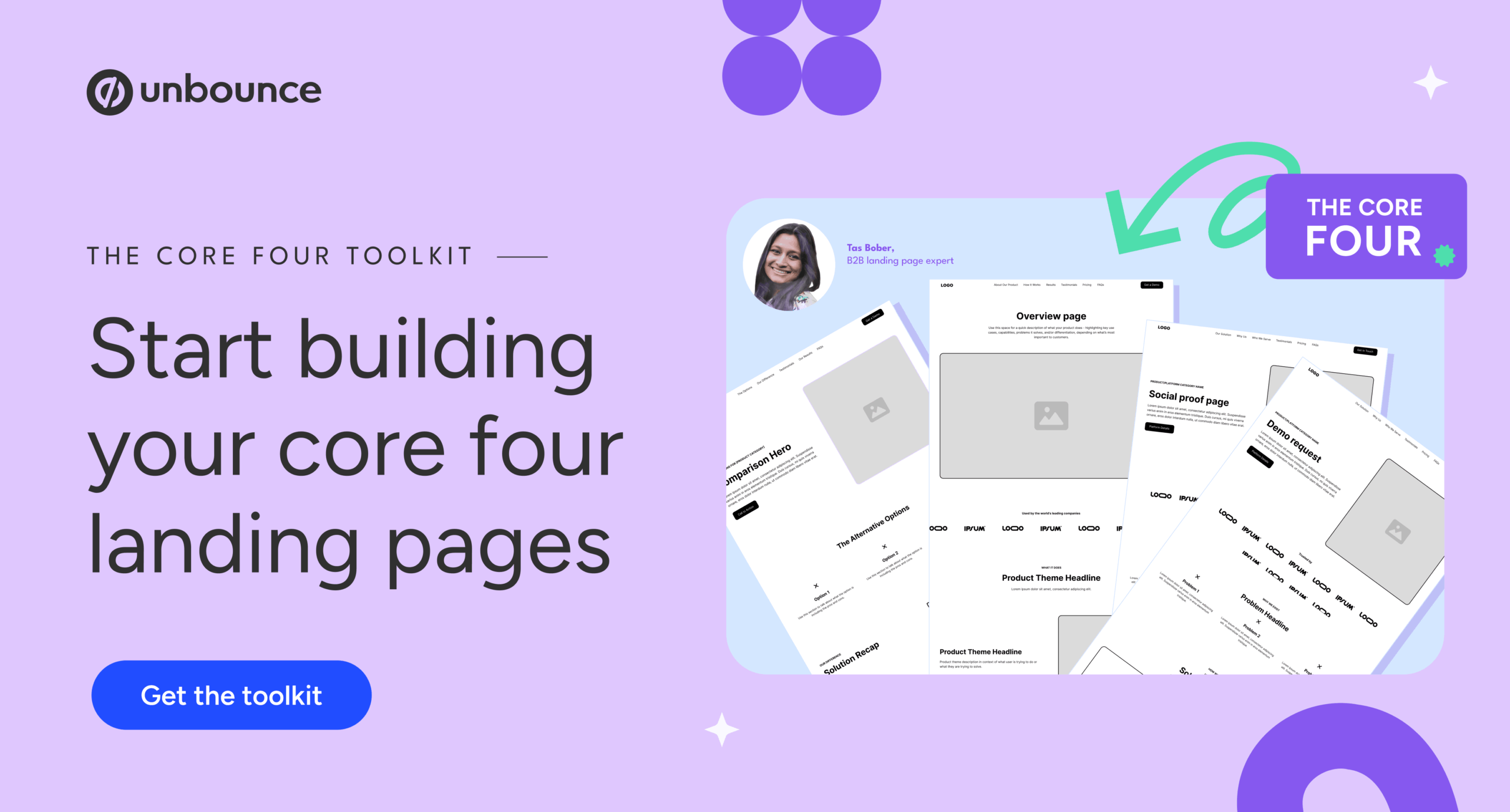
To address these challenges, B2B landing page experts, including Tas Bober, have developed the "Core Four" framework. This methodology suggests that a demo landing page should not exist in a vacuum but should rather be the final destination in a structured ecosystem of four specific page types designed to move a buyer through the psychological stages of the journey:
- The Problem/Pain Point Page: Targeted at Top-of-Funnel (TOFU) traffic, this page focuses on the challenges the buyer is facing, establishing empathy and expertise without an immediate hard sell.
- The Solution/Product Page: Aimed at Middle-of-Funnel (MOFU) traffic, this content explains how the software solves specific problems and outlines the primary value propositions.
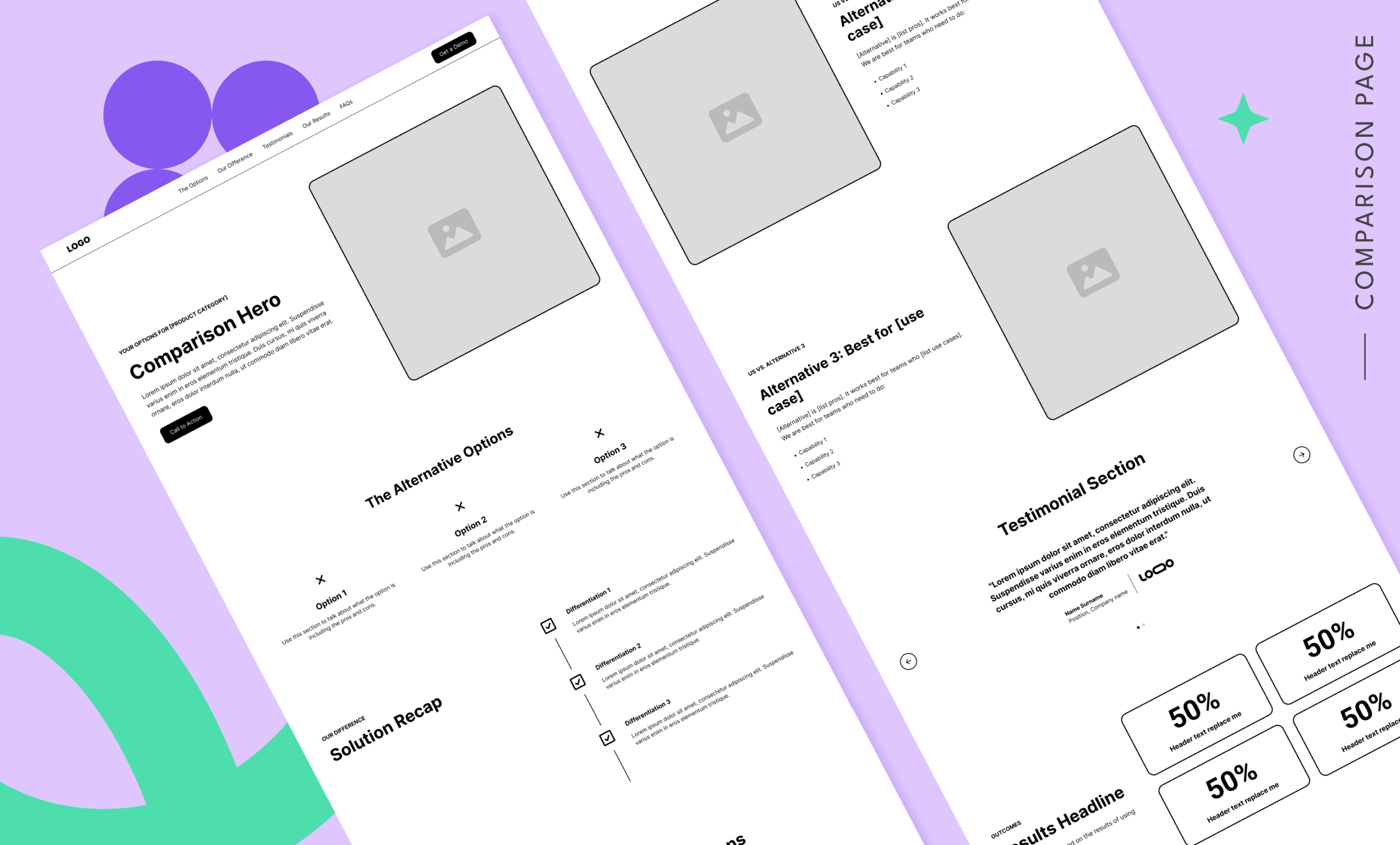
- The Comparison/Alternative Page: This Bottom-of-Funnel (BOFU) resource helps buyers who are already evaluating solutions to understand why a specific product is superior to competitors or existing manual processes.
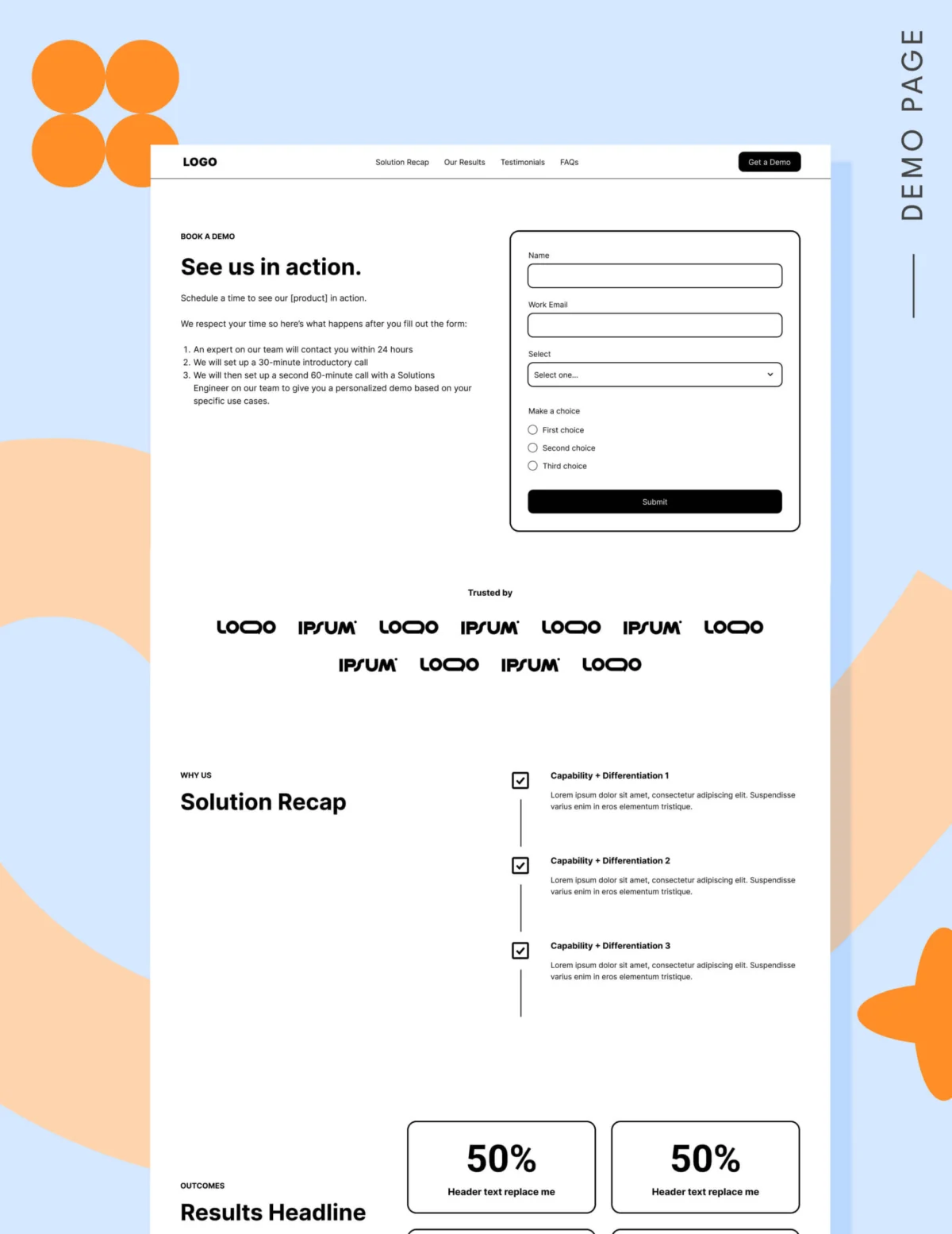
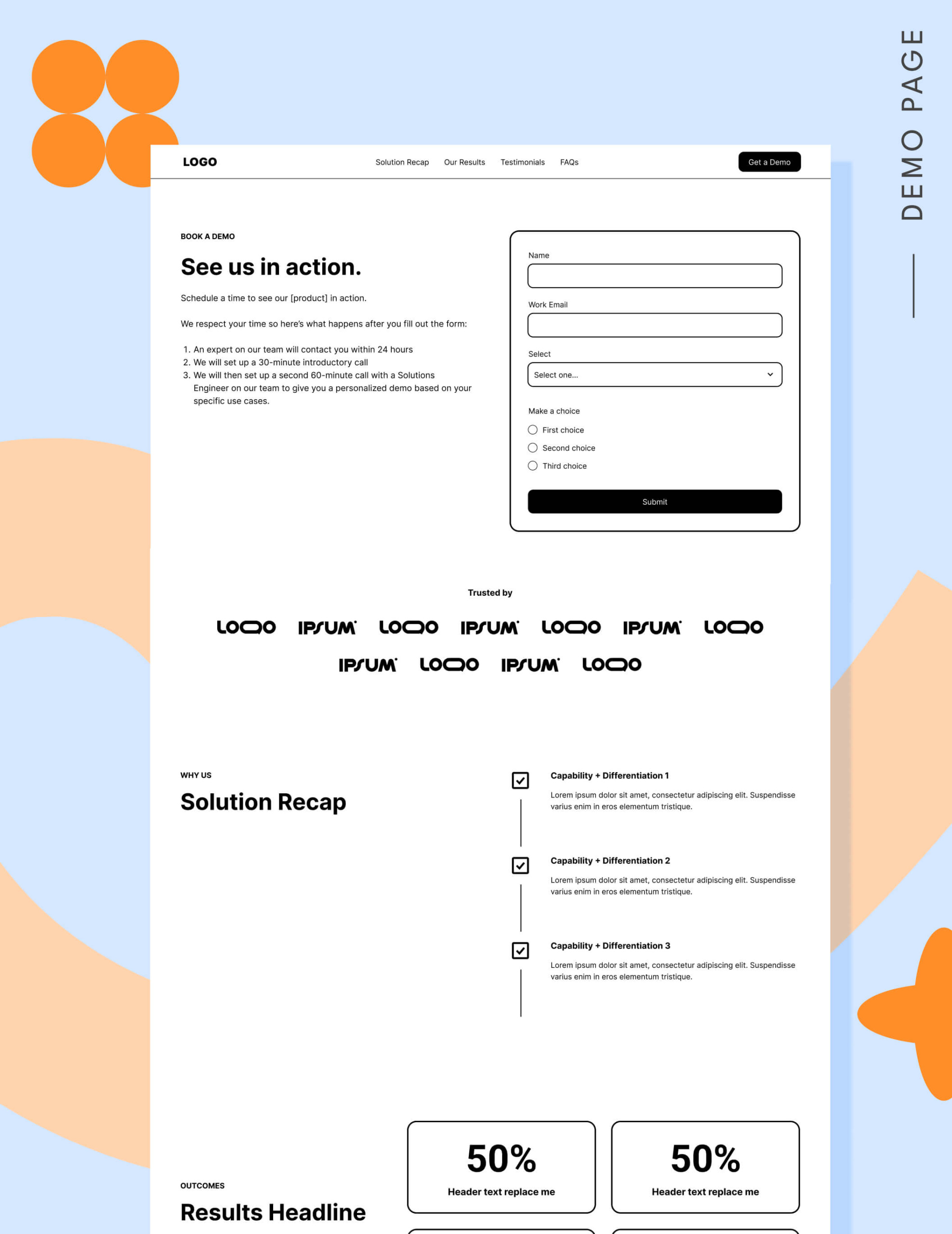
- The Demo Landing Page: The final conversion point, reserved for warm, high-intent buyers who have already vetted the solution through the previous three stages.
By adopting this sequence, companies ensure that the traffic reaching the demo page is "warm"—meaning the visitors are well-researched and have already decided that the solution belongs on their shortlist.
Benchmarking Performance in the SaaS Sector
Understanding what constitutes a "good" conversion rate is essential for performance evaluation. Data from Unbounce’s 2024 Conversion Benchmark Report places the median conversion rate for SaaS landing pages at 3.8%. More recent first-party data from 2025 and early 2026 indicates that for highly optimized B2B demo pages, the average conversion rate hovers around 3.1%.
However, experts caution that these figures are highly dependent on traffic quality. A page receiving cold traffic from broad social media campaigns may see sub-1% conversion rates, whereas a page targeted at high-intent search terms or retargeted warm leads can see performance significantly higher than the industry average. The primary ceiling on conversion performance is often not the design of the page itself, but the lack of intent in the visitors being funneled to it.
Anatomy of a High-Converting Demo Landing Page
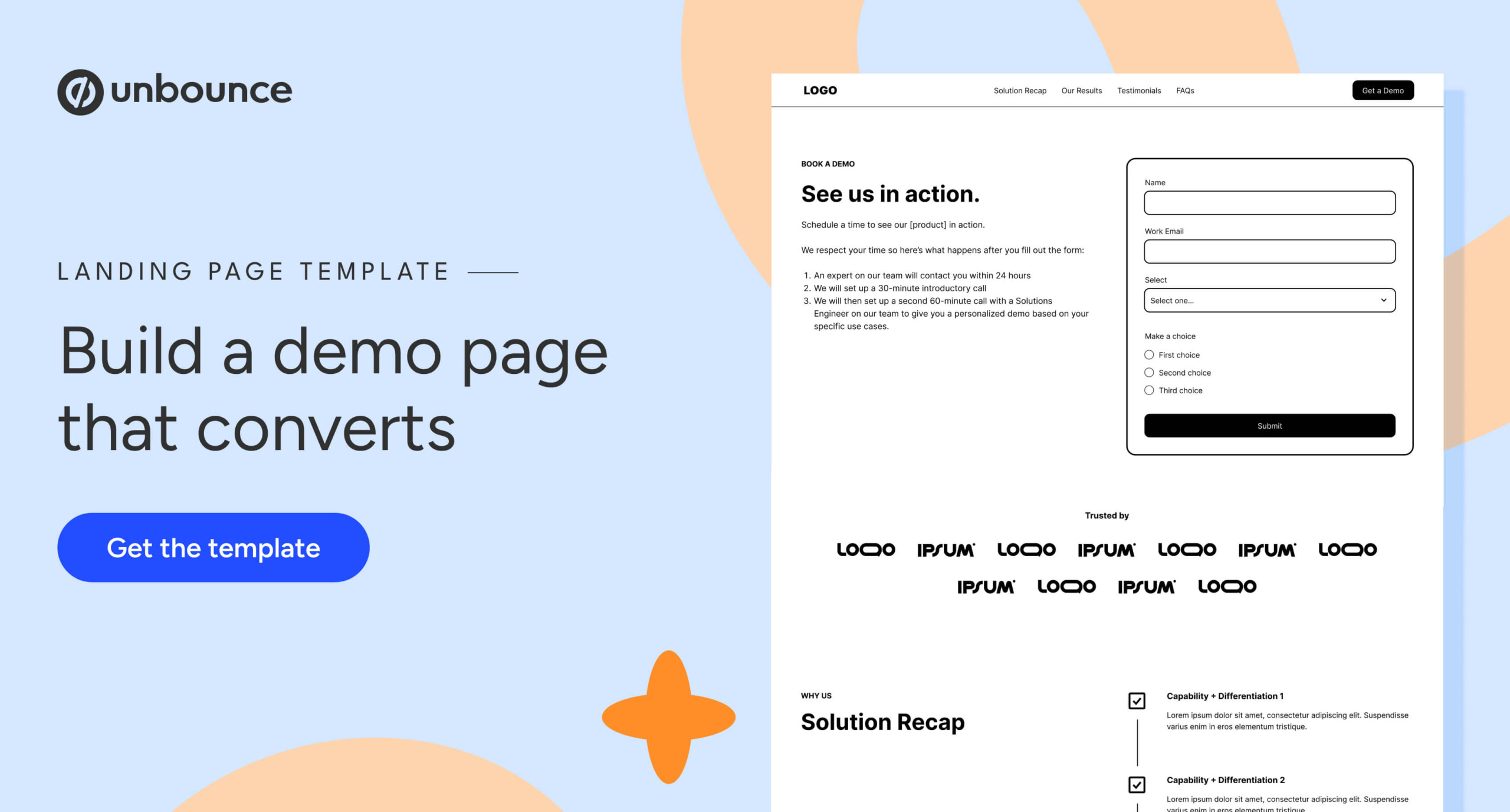
When a high-intent buyer finally reaches a demo page, the content must focus on removing final points of friction and building absolute confidence. Analysis of successful SaaS models reveals several critical components that must be present:
Strategic Navigation and the Google Influence
Historically, landing page "best practices" dictated the removal of all navigation links to prevent visitors from leaving the conversion funnel. However, a 2025 update to Google’s ad quality prediction model has shifted this paradigm. Google now increasingly rewards landing pages that align with search intent by providing access to relevant next steps through navigation, while penalizing "dead-end" pages.

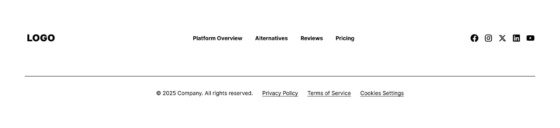
Modern demo pages utilize a dual navigation strategy: an "anchor nav" at the top that allows users to jump to specific sections of the page (like testimonials or FAQs) and a minimal footer that links to other "Core Four" pages. This allows buyers who are not yet ready for a demo to continue their research within the brand’s ecosystem rather than returning to a search engine and potentially finding a competitor.
The Hero Section and Process Transparency
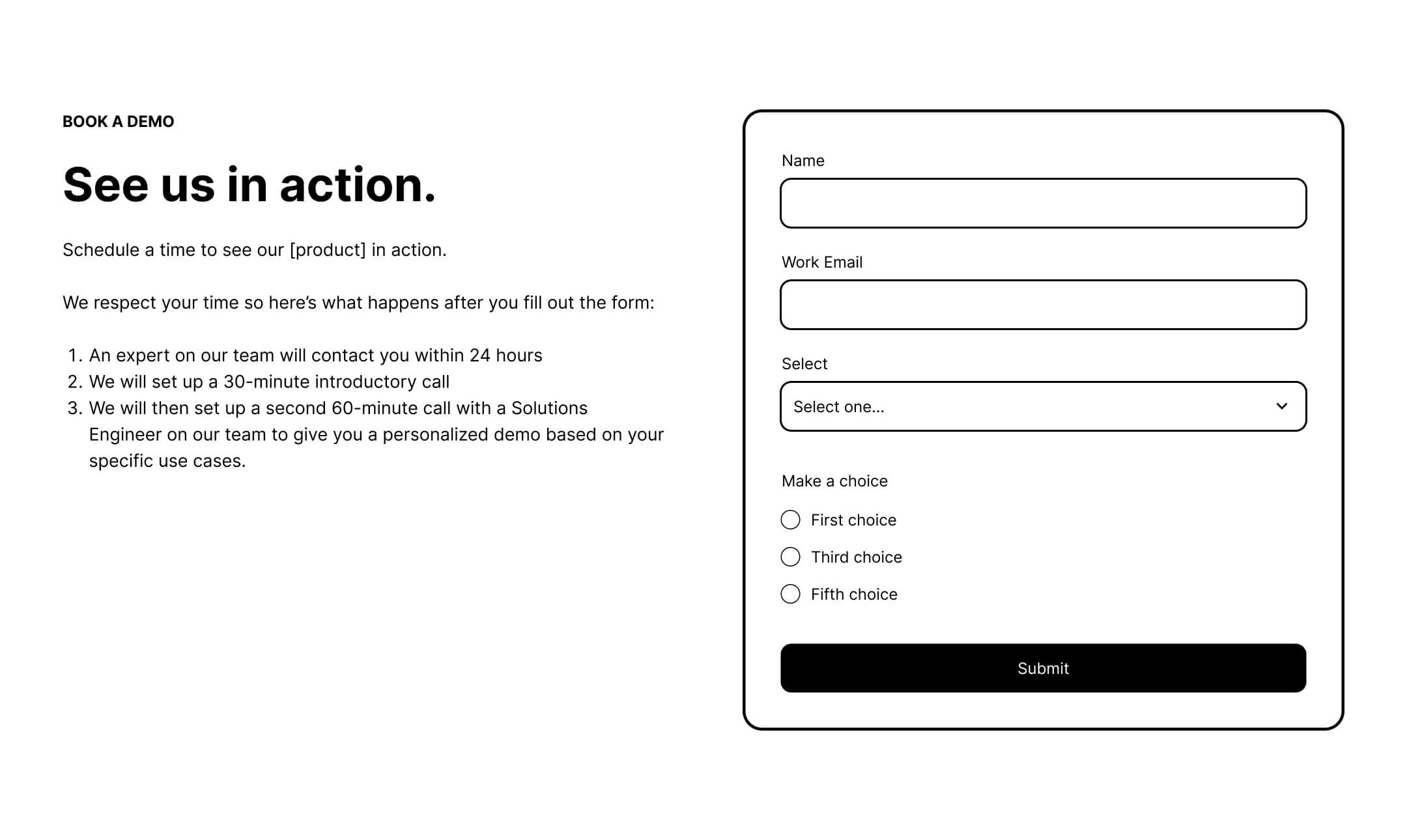
The hero section of a demo page is one of the few instances where placing a lead capture form "above the fold" is recommended. Because the visitor has arrived with the intent to see the product, the path to action should be immediate. Crucially, the hero copy must explain exactly what happens after the form is submitted. Buyers often harbor a "fear of the follow-up"—the concern that they will be hounded by aggressive sales reps. To mitigate this, successful pages answer four key questions upfront:
- Who will the buyer talk to (e.g., a product specialist or an account executive)?
- How long will the initial call take?
- Is it a live demo or a discovery call first?
- How soon will the meeting occur?
The Hierarchy of Social Proof
Social proof remains a cornerstone of B2B conversion. On a demo page, this usually takes the form of a "logo garden" or a series of testimonials. If a brand serves recognizable enterprise clients, a logo garden with a credibility statement (e.g., "Trusted by 10,000+ digital agencies") is effective. If the logos are less recognizable, deep-dive testimonials that highlight specific ROI are preferred. Data suggests that volume matters; while three testimonials are a minimum requirement, providing six to twelve creates a "social weight" that significantly reduces the perceived risk for the buyer.
The Role of Measurable Results
Beyond qualitative testimonials, high-performing pages include a dedicated "Results" section. This block uses quantifiable data—such as "30% reduction in churn" or "500+ hours saved annually"—to provide a logical justification for the purchase. This is particularly important for B2B buyers who must often justify their recommendation to a committee or a financial controller.
The Pricing Transparency Debate
One of the most contentious issues in SaaS marketing is whether to include pricing on a demo landing page. While many sales-led organizations prefer to hide pricing to avoid "sticker shock," there is a growing movement toward transparency. Including a "starting at" price or a condensed pricing grid serves several strategic purposes:
- Self-Qualification: It prevents the sales team from wasting time on leads that do not have the budget for the solution.
- Trust Building: Transparency reduces the suspicion that pricing is arbitrary or based on a buyer’s perceived "deep pockets."
- Efficiency: It answers one of the buyer’s most pressing questions immediately, removing a significant hurdle to the demo request.
Optimization of Lead Capture Mechanics
The technical execution of the lead capture form can be a major point of failure. 2026 conversion benchmarks indicate a sharp drop-off in completion rates as the number of form fields increases. Forms with five or fewer fields see an average conversion rate of 17%, whereas those with ten or more fields drop below 7%.
The choice between a standard form and an automated scheduling tool like Calendly also impacts the user experience. Scheduling tools are generally superior for high-intent, qualified traffic, as they provide the buyer with immediate gratification and a confirmed spot on the calendar. However, for organizations with high volumes of unqualified traffic, a standard form followed by a manual or automated qualification step remains the more efficient choice for sales operations.
Implications for Future Sales and Marketing Alignment
The shift toward high-intent, educational-first marketing models signals a broader change in the SaaS industry. Companies that continue to treat demo requests as the first point of contact will likely see their customer acquisition costs (CAC) continue to rise. Conversely, those that invest in a "Core Four" landing page ecosystem—prioritizing buyer education and friction reduction—are positioned to see higher lead quality and shorter sales cycles.
The most successful SaaS organizations are those that bridge the gap between marketing and sales by being radically transparent about the demo process. By changing CTAs from the generic "Request a Demo" to more descriptive options like "Take a Tour" or "Schedule a 15-Minute Consult," companies have seen PPC conversions increase by as much as 33%.
In conclusion, the success of a SaaS demo landing page is determined long before a visitor clicks a button. It is the result of strategic targeting, the psychological preparation of the buyer through educational content, and a page design that prioritizes transparency over mystery. As the B2B landscape becomes increasingly crowded, the ability to respect the buyer’s time and provide a clear, low-pressure path to product discovery will be the primary differentiator for high-growth software companies.

 Siti Muinah
 Nana
Nana