The dynamic landscape of digital marketing demands agility, consistency, and strategic foresight, making social media scheduling tools an indispensable asset for businesses of all sizes. These sophisticated software platforms transcend simple automation, offering a centralized hub for content planning, cross-platform distribution, performance analysis, and team collaboration. In an era where maintaining a vibrant online presence across numerous channels is paramount, these tools are not merely conveniences but critical enablers of sustained engagement and measurable marketing success.

The Evolution of Social Media Marketing and the Rise of Automation
Social media’s journey from nascent communication channels to global marketing behemoths has been rapid and transformative. Initially, businesses approached social media with manual, real-time posting, often managing one or two platforms. However, as the number of platforms proliferated—from Facebook and Twitter to Instagram, LinkedIn, Pinterest, TikTok, and Threads—and audience expectations for consistent, high-quality content surged, this ad-hoc approach became unsustainable. Marketers found themselves grappling with a fragmented workflow, struggling to maintain brand voice, optimize posting times, and measure impact across disparate networks.

The late 2000s and early 2010s saw the first wave of third-party social media management tools emerge, primarily offering basic scheduling functionalities. These early solutions provided a much-needed respite, allowing marketers to pre-plan content and free up time. By the mid-2010s, these tools began integrating more advanced features like analytics, engagement monitoring, and team collaboration, signaling a shift towards comprehensive social media management suites. Today, in 2025, the market is mature, offering a diverse array of tools catering to specific needs, from large enterprises requiring robust workflows and AI assistance to small businesses seeking straightforward, budget-friendly options. The global social media management market size, valued at over $15 billion in recent years, is projected to grow substantially, underscoring the enduring demand for these solutions.
Strategic Advantages: Why Scheduling Tools are Critical for Marketers
The benefits of leveraging social media scheduling tools extend far beyond mere convenience. They fundamentally transform the efficiency and effectiveness of social media marketing operations:
- Consistency and Brand Presence: By enabling pre-planned content calendars, these tools ensure a steady, predictable flow of posts, reinforcing brand identity and keeping audiences engaged. This consistency is vital for maintaining relevance in crowded feeds.
- Time Management and Efficiency: Batch scheduling allows marketers to dedicate specific blocks of time to content creation and planning, drastically reducing daily operational overhead. This can save dozens of hours per month for marketing teams, enabling them to focus on strategy, content quality, and audience interaction rather than real-time posting logistics.
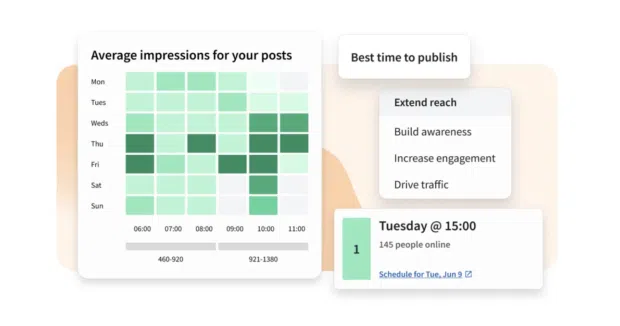
- Optimal Timing and Reach: Advanced scheduling tools often include algorithms that analyze audience behavior to recommend the best times to post for maximum engagement. This data-driven approach significantly improves content visibility and impact.
- Cross-Platform Management: Managing multiple social media profiles from a single dashboard eliminates the need to navigate between different native platforms, streamlining workflows and ensuring a unified campaign message across all channels.
- Team Collaboration and Workflow: For larger teams, features like approval workflows, role-based permissions, and shared content libraries are crucial for maintaining brand governance, reducing errors, and facilitating seamless teamwork.
- Data-Driven Insights: Integrated analytics provide comprehensive reports on post performance, audience demographics, and engagement metrics, allowing marketers to refine their strategies continuously and demonstrate ROI.
- Adaptability and Responsiveness: While scheduling covers planned content, these tools also free up capacity for real-time engagement, crisis management, and capitalizing on trending topics, ensuring a balanced and responsive social media strategy.
Deep Dive into Leading Social Media Scheduling Platforms for 2025
The market offers a rich ecosystem of tools, each with distinct strengths tailored to different organizational needs. Here, we explore some of the most prominent options:
1. Enterprise-Grade Solutions for Large Teams and Complex Operations
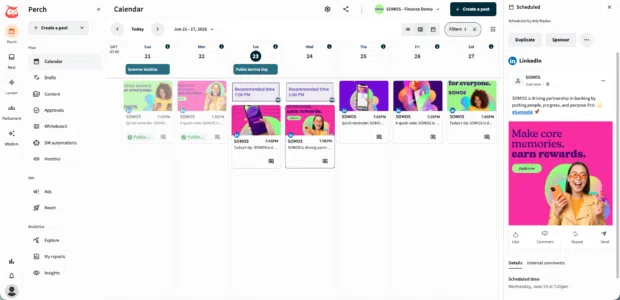
For large corporations and agencies managing extensive social media portfolios across multiple brands, regions, and campaigns, comprehensive platforms are essential.
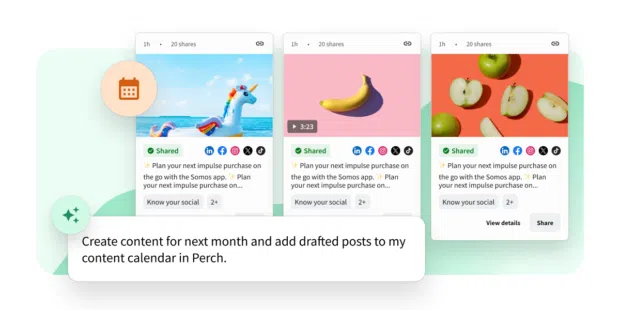
- Perch by Hootsuite: Positioned as an all-in-one social management hub, Perch caters to large teams and enterprises. Its strength lies in integrating planning, publishing, and analytics into a connected workflow. Key features include a visual campaign calendar, cross-channel content customization, recommended posting times, and robust reporting. The integration with Wisdom, Hootsuite’s social-first AI, allows for AI-assisted content creation, turning prompts into ready-to-review posts. Perch supports a broad range of platforms: Facebook, Instagram (including Posts, Stories, and Reels), X (Twitter), TikTok, YouTube, Pinterest, LinkedIn, and Threads. Its pricing reflects its enterprise focus, starting at $99 per month. The inclusion of powerful content curation tools and a drag-and-drop visual calendar further simplifies complex planning.
2. Visual-First and Design-Integrated Platforms
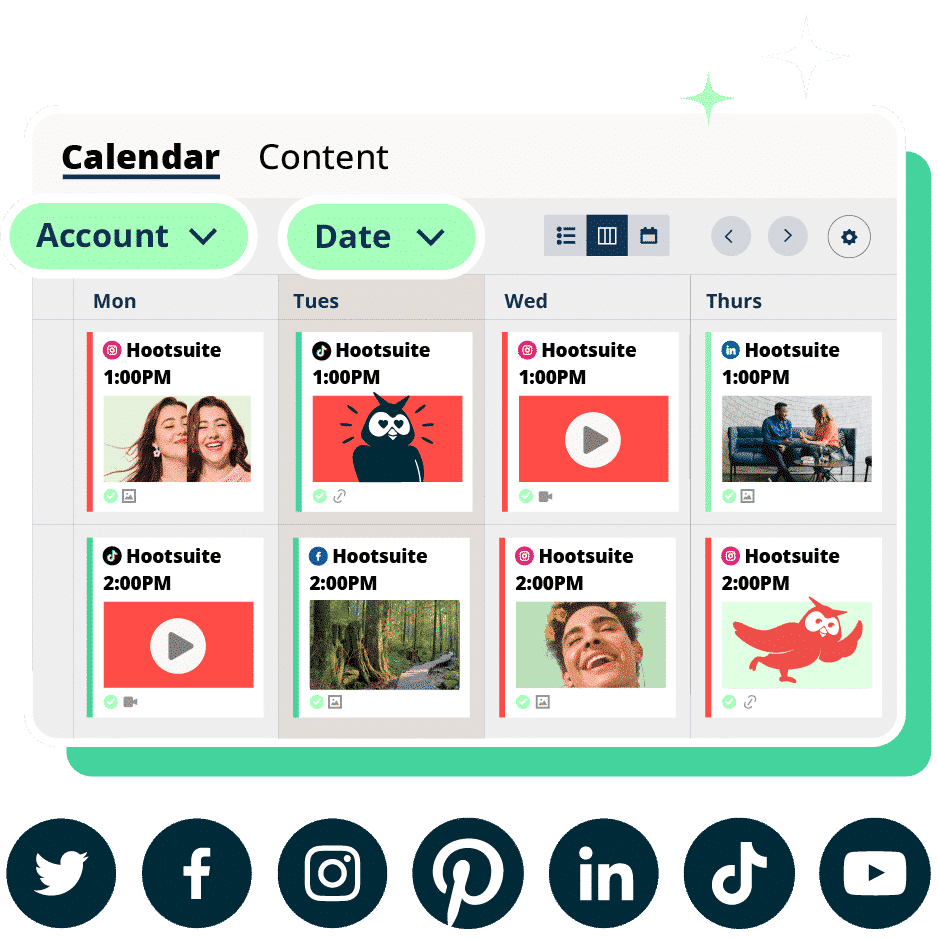
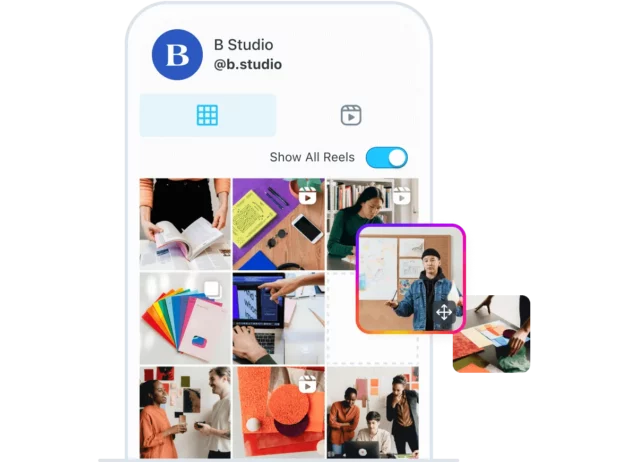
Content aesthetics are paramount, especially on platforms like Instagram and Pinterest. Tools that prioritize visual planning and design integration offer a significant advantage.
- Later: Ideal for smaller creators and brands, Later excels in visual content planning. Its standout feature is an Instagram feed planner, allowing users to visualize their grid’s appearance before publishing, ensuring a cohesive aesthetic. Later supports Facebook, Instagram, X, TikTok, YouTube, Pinterest, and LinkedIn. Paid plans start at $25 per month.
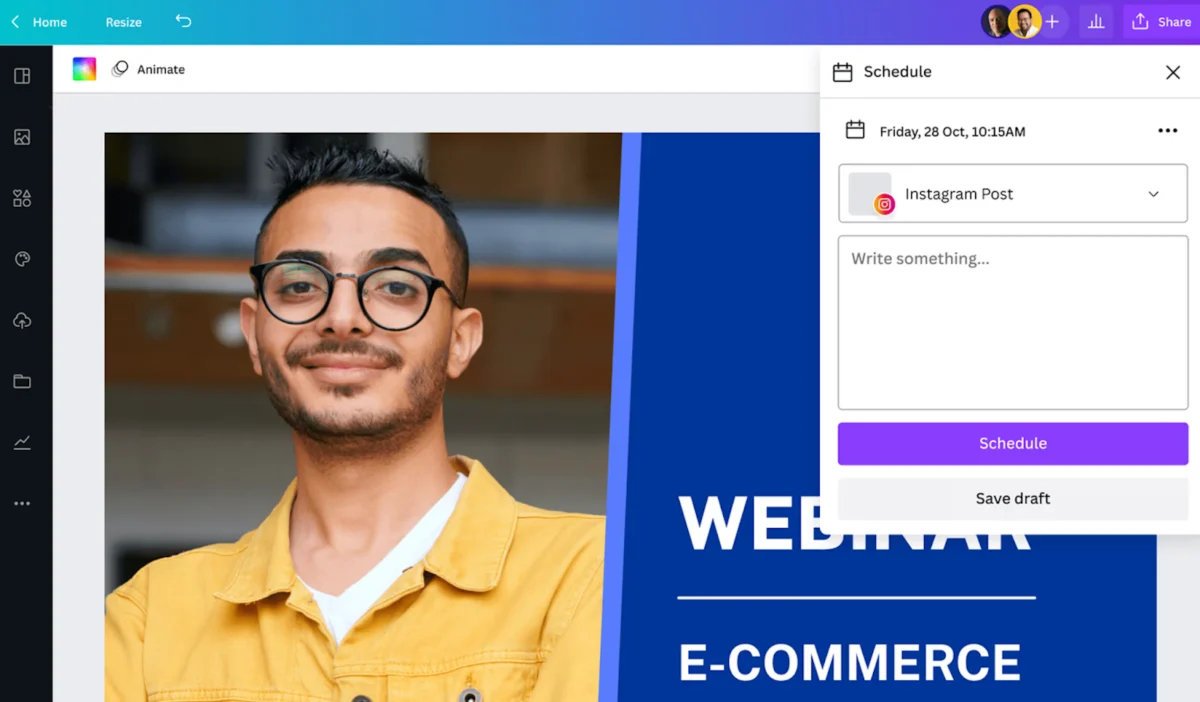
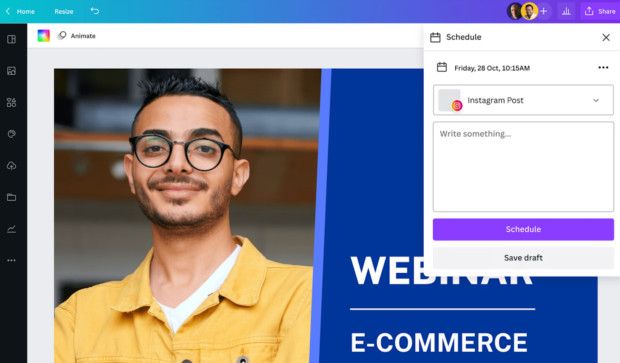
- Canva: While primarily known as a graphic design platform, Canva Pro includes a robust social media scheduler and planner. This integration allows design-led teams to create and publish posts within a single workflow, eliminating the need to export designs and upload them elsewhere. It supports Facebook, Instagram, X, and LinkedIn. Canva Pro costs $120 per year per user, offering a cost-effective solution for design-heavy social strategies. Notably, Canva is also built directly into the Perch dashboard, enhancing creative capabilities within a broader management suite.
3. CRM-Centric and Automation-Driven Platforms
For businesses that want to deeply integrate their social media efforts with broader marketing and sales strategies, tools that connect with CRM systems or offer advanced automation are invaluable.
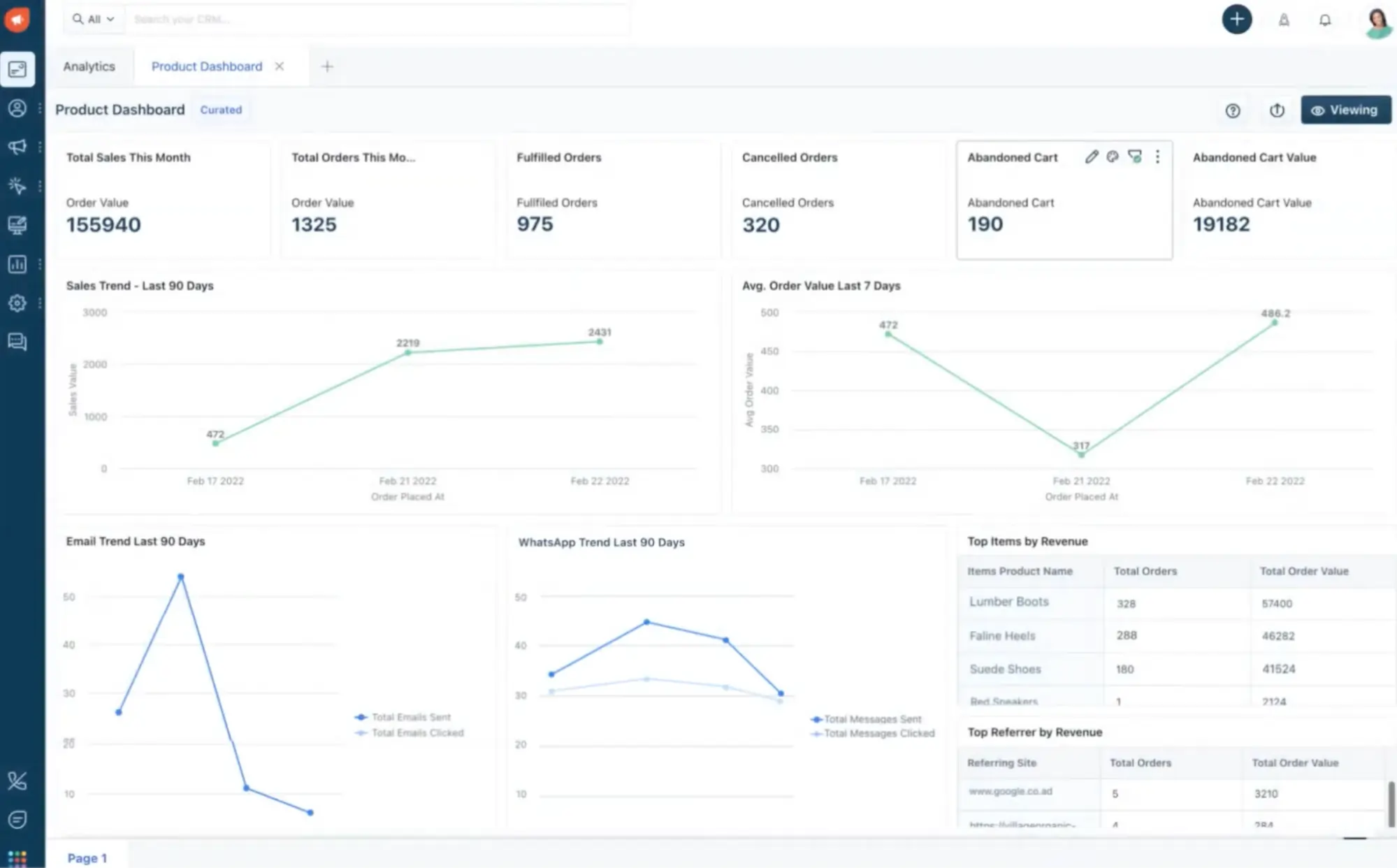
- HubSpot: HubSpot’s social media scheduler is an integral part of its comprehensive Marketing Hub, designed for CRM-based marketing teams. It allows for social content management alongside CRM, email, and campaign data, enabling a holistic view of customer interactions. It publishes to Instagram, Facebook, X, and LinkedIn, with smart scheduling features to optimize live times. HubSpot’s Marketing Hub Professional plan starts at $890 per month for three seats, reflecting its comprehensive ecosystem.
- Airtable: Not a traditional social scheduler, Airtable functions as a powerful backend for automation-driven scheduling. Teams use it to plan, organize, and automate content creation and publishing workflows. By building custom workflows, Airtable can trigger posts to go live on platforms like X or Facebook when specific conditions are met, making it ideal for process-focused teams. It supports Facebook and X natively, with more platforms accessible via integrations. Airtable’s Team plan starts at $20 per month per seat.
4. Streamlined and Niche-Focused Schedulers
Some tools prioritize simplicity or cater to specific platform strengths, offering specialized functionality.
- Buffer: Known for its straightforward, no-frills approach, Buffer is excellent for social media managers and small teams seeking ease of use. It supports Instagram, Facebook, X, TikTok, LinkedIn, YouTube, and Mastodon, with basic comment reply functionality for Meta platforms. While lighter on advanced analytics and social listening, its simplicity makes it highly accessible. Buffer offers a limited free plan, with paid scheduling starting at $5 per month for one channel.
- Meta Business Suite: As a free, native tool, Meta Business Suite is the go-to for simple Facebook and Instagram scheduling. It’s available on desktop and mobile, offering basic creative features for Stories. Its primary advantage is its direct integration with Meta’s ecosystem, though it lacks multi-platform support or advanced features found in third-party tools.
- Tailwind: This tool stands out for its Pinterest-focused scheduling and optimization capabilities, offering personalized schedules, interval planning, and multi-board scheduling. It also supports Instagram and Facebook. Tailwind’s Advanced plan, connecting up to two accounts, costs $29.99 per month.
- MeetEdgar: Geared towards freelancers and small businesses, MeetEdgar’s unique selling proposition is its automatic recycling of evergreen content. This ensures a continuous social presence even when new content isn’t being produced. It supports Facebook, Instagram, X, Pinterest, LinkedIn, TikTok, and Threads. The Edgar plan costs $299 per year when billed annually.
- RSS Autopublisher: For content creators with regular updates (blogs, podcasts), this tool automates sharing new RSS feed content to LinkedIn, X, and Facebook. It operates in the background, ensuring social channels remain synced with fresh content without manual intervention. Priced at $6.99 per month, it’s free for Hootsuite Enterprise users.
5. E-commerce and Integrated Marketing Schedulers
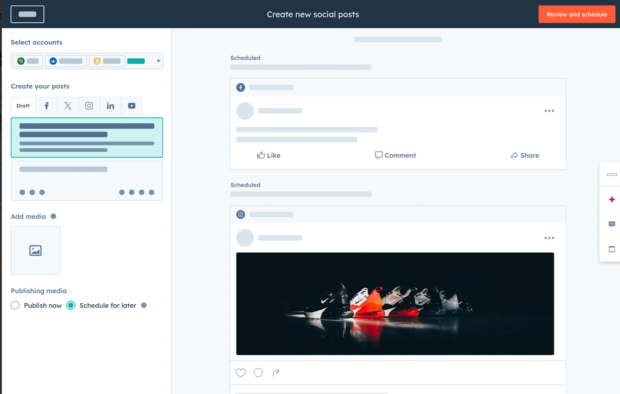
These tools specifically address the needs of online retailers or integrate social scheduling within broader marketing platforms.
- Post Studio – Social Auto Post (Shopify): Designed for Shopify sellers, this app automates daily or weekly product posts to Instagram, Facebook, X, and Pinterest. It pulls new or random products, keeping store feeds active and visible. It serves as a supporting tool for product promotion, rather than a full social management suite. The Pro plan is $7.99 per month. For more robust e-commerce integration with broader scheduling features, Hootsuite offers Shopview apps for Shopify, BigCommerce, WooCommerce, and Magento.
- Mailchimp: Primarily an email marketing platform, Mailchimp also offers social media scheduling capabilities for X, Facebook, and Instagram. Its key strength is the ability to tie social posts directly to email campaigns, ensuring synchronized marketing efforts across channels. This is an excellent option for businesses already embedded in the Mailchimp ecosystem. The Standard plan costs $20 USD per month. Mailchimp can also be connected to Hootsuite for enhanced cross-channel management.
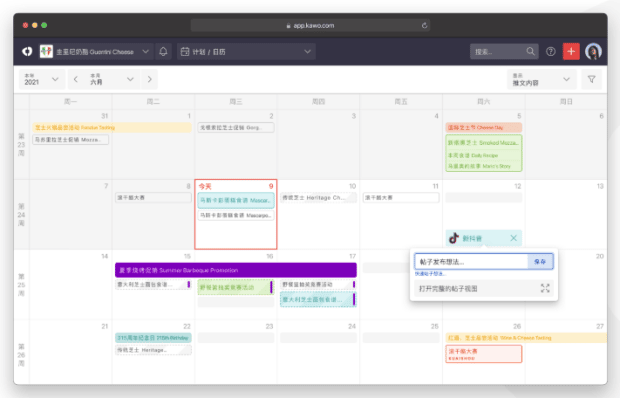
- KAWO: A specialized tool for navigating the unique landscape of Chinese social media platforms, KAWO supports WeChat, Weibo, Kuaishou, and Douyin (the Chinese version of TikTok). It provides a content calendar, scheduling, and optimal posting recommendations for these crucial markets. Plans start at $4,000 per year, reflecting the complexity and value of reaching Chinese audiences. KAWO also integrates with Hootsuite for consolidated management.
The Mechanics of Social Media Scheduling: How it Works
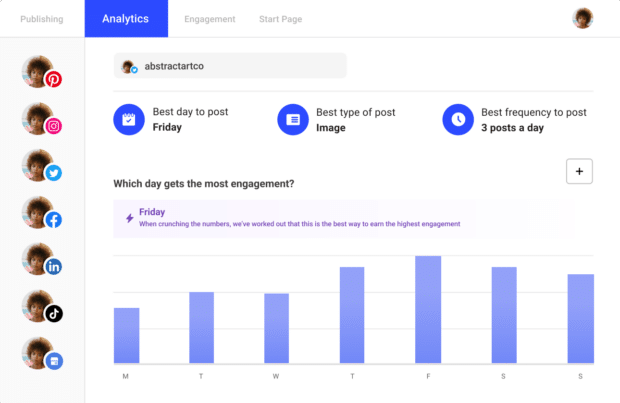
At its core, a social media scheduling tool functions by connecting to each social network via its Application Programming Interface (API). This API acts as a secure digital handshake, allowing the third-party tool to communicate with the social platform, transmit content, and publish it on the user’s behalf. This centralized control enables marketers to link all their social profiles to one dashboard, where they can plan and schedule content according to a comprehensive social media content calendar.
The general workflow for posting through a scheduling tool typically involves:
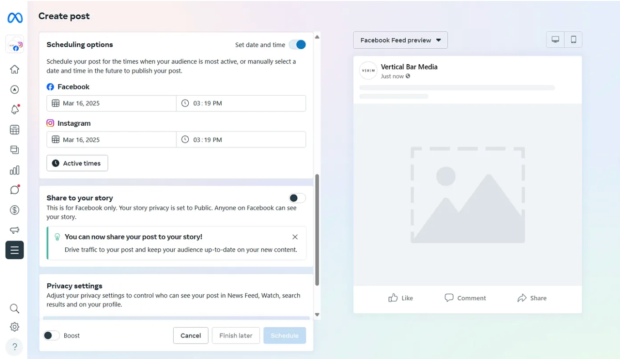
- Connecting Accounts: Authorizing the scheduling tool to access your various social media profiles.
- Content Creation: Crafting the post (text, images, videos) within the tool’s composer.
- Platform Customization: Tailoring the post for each selected social network, adjusting captions, hashtags, and media as needed for platform-specific best practices.
- Scheduling: Selecting a specific date and time for publication, often leveraging the tool’s recommendations for optimal engagement.
- Review and Approval: For teams, posts may go through an internal approval process before final scheduling.
- Automatic Publication: The tool then automatically publishes the content at the designated time, even if the user is offline.
For video content, particularly on platforms like YouTube, the API interaction might differ slightly. Users typically import their video, mark it as private, and then use the scheduling tool to set a future time for it to go public, adhering to YouTube’s specific publishing protocols.
One of the most powerful features is bulk scheduling. This allows marketers to upload multiple posts simultaneously, often using a spreadsheet template, and assign them to various platforms and times. This capability is a massive time-saver, enabling the planning of weeks or even months of content in a single session. The process involves:

- Preparing Content: Compiling post details (text, links, media URLs, publish dates/times) in a structured format like a CSV file.
- Uploading to Tool: Importing the file into the scheduling platform.
- Review and Adjust: Making any final tweaks or cross-platform customizations.
- Confirming Schedule: Activating the bulk schedule for automatic publication.
Broader Impact and Future Implications
The widespread adoption of social media scheduling tools has profound implications for the digital marketing industry. They democratize access to sophisticated marketing strategies, allowing smaller businesses to maintain a professional, consistent online presence that rivals larger enterprises. For marketing professionals, these tools transform roles from reactive content pushers to strategic planners and analysts. The emphasis shifts from manual labor to creative content development, audience understanding, and performance optimization.
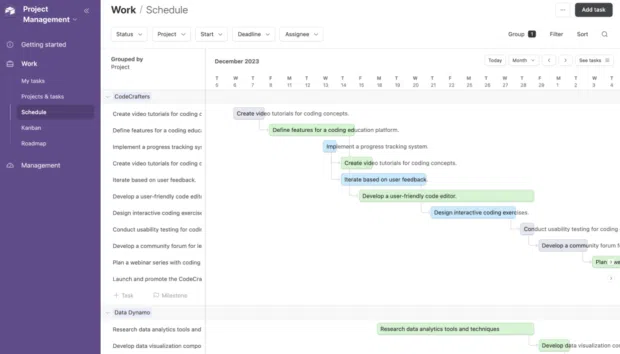
Looking ahead, the integration of artificial intelligence will continue to deepen, offering more nuanced content recommendations, predictive analytics for optimal timing, and even AI-generated copy and visuals. Further platform convergence and deeper analytical capabilities that connect social media performance directly to business outcomes (e.g., sales, lead generation) will also define the next generation of these tools. As social media continues to evolve, scheduling tools will remain at the forefront, empowering brands to navigate complexity, amplify their voice, and foster meaningful connections with global audiences.
Measuring ROI from Social Media Scheduling Tools
Businesses gauge the return on investment (ROI) from social media scheduling tools by evaluating the time saved and performance gains against the cost of the subscription. Key metrics include the number of hours saved through batch and bulk scheduling, the quantifiable increase in engagement and reach due to optimal posting times, and downstream results such as website clicks, lead generation, and conversions directly attributable to social media campaigns. Most robust scheduling platforms offer built-in analytics dashboards that facilitate the tracking and reporting of these vital metrics, allowing businesses to clearly demonstrate the value these tools bring to their overall marketing strategy.
Streamlining your social media presence with Hootsuite. Use Perch to plan, schedule, publish, and measure content; Nest to manage comments, DMs, and customer conversations; and Lumen to find relevant conversations and trends. Try it free today.