In an increasingly digitized world, the concept of digital ownership has transcended from a beneficial asset to an absolute necessity for small businesses striving for sustainable growth and stability. The volatile landscape of social media algorithms and platform policies presents significant challenges, often leaving entrepreneurs feeling vulnerable to external forces beyond their control. This critical shift in perspective was recently highlighted in a compelling podcast discussion featuring Peg Fitzpatrick, a seasoned social media professional with 14 years of industry experience, and Kinsey Soderberg, a prominent voice in the artificial intelligence (AI) space. Their conversation underscored the pressing need for small businesses to cultivate “digital sovereignty” by focusing on owned media channels rather than relying solely on rented platforms.
The Shifting Sands of Digital Presence: A Historical Perspective
The journey of small business marketing has undergone a dramatic transformation over the past two decades. In the early days of the internet, a basic website was often the cornerstone of an online presence, supplemented by nascent email marketing efforts. This era largely afforded businesses direct control over their digital storefronts and customer data. However, with the explosion of social media platforms in the mid-2000s, the paradigm began to shift. Platforms like Facebook, Twitter (now X), and Instagram offered unprecedented reach and engagement opportunities, seemingly democratizing marketing for businesses of all sizes. Small businesses, eager to connect with wider audiences and capitalize on viral trends, flocked to these platforms, often investing significant time, resources, and creative energy into building communities and content within these digital ecosystems.
Peg Fitzpatrick, who has witnessed this evolution firsthand since 2010, recounts how the initial promise of social media felt boundless. She began her career in social media marketing at a time when there were no established guides or blueprints, necessitating a constant process of experimentation and self-education. Her early success, such as orchestrating a product launch that drew 500 attendees to a room designed for 300, demonstrated the immense potential of these new channels. Yet, even then, the underlying principle of driving traffic back to owned assets like email lists and websites was paramount. This foundational understanding, she notes, has remained consistent despite the ever-changing features and algorithms of social media.
The Perils of Platform Dependency: Building on Rented Land
Today, the reliance on third-party social media platforms comes with inherent risks that can jeopardize a small business’s long-term viability. As Fitzpatrick eloquently puts it, “It’s easy to feel like you’re constantly chasing the algorithm. One day your content is soaring, the next—crickets.” This unpredictable nature is a direct consequence of operating on “rented land.” Platforms can, and frequently do, alter their algorithms, change their terms of service, introduce new features, or even cease operations entirely, often with little warning or recourse for the businesses that have invested heavily in them.
Consider the dramatic shifts in organic reach on platforms like Facebook, where once-thriving business pages now struggle to reach even a fraction of their followers without paid promotion. TikTok, despite its massive user base, faces ongoing geopolitical scrutiny and the potential for regulatory action, leaving businesses that have built their entire presence there vulnerable to a sudden shutdown or significant operational changes. Fitzpatrick herself experienced the devastating impact of a platform shutdown with Google Plus, where she had cultivated a substantial following of 1.5 million users. The sudden closure of the platform meant the instant loss of that entire audience, underscoring the precariousness of building solely on external foundations.
Beyond the threat of platform disappearance, businesses also grapple with:
- Algorithmic Volatility: Constant changes in how content is ranked and distributed can decimate organic reach, forcing businesses into costly paid advertising to maintain visibility.
- Lack of Data Ownership: Businesses have limited access to the raw data about their followers, engagement, and customer behavior on social platforms. This restricts their ability to understand their audience deeply and make informed strategic decisions.
- Monetization Limitations: Many platforms prioritize their own advertising models, making it challenging for businesses to directly monetize their content or drive sales without significant platform fees or restrictions.
- Mental Health and Overwhelm: The pressure to “be everywhere, all the time” and constantly produce engaging content can lead to burnout for small business owners, detracting from their core business activities. Kinsey Soderberg emphasizes this, noting that for solopreneurs, balancing content creation with core business operations is a constant challenge.
Reclaiming Digital Sovereignty: The Call for Ownership
In response to these pervasive challenges, both Fitzpatrick and Soderberg advocate for a strategic pivot towards “digital sovereignty.” This philosophy emphasizes taking control of one’s digital assets and customer relationships, thereby reducing dependency on unpredictable third-party platforms. The cornerstones of digital ownership for small businesses are:
- A Self-Hosted Website: This is the primary digital hub where a business has complete control over its content, branding, user experience, and data. It serves as the ultimate destination for all marketing efforts.
- An Email List: Direct communication with customers through email remains one of the most effective and reliable marketing channels. An email list is an owned asset that cannot be taken away by platform changes.
- Owned Content (e.g., Podcasts, Blogs): Content published on one’s own website or hosted independently (like podcast audio files) provides enduring value and can be repurposed across various channels without fear of loss.
Fitzpatrick asserts, “You just wanna make sure that you’re not creating things on someone else’s property because they can close it at any time.” This core principle drives the strategy of funneling traffic from social media platforms to owned assets, transforming transient followers into loyal, directly reachable customers.
Expert Insights and Practical Strategies
During their discussion, Fitzpatrick and Soderberg outlined practical steps for small businesses to embrace digital ownership without succumbing to overwhelm:
- Prioritize Owned Channels: Focus the majority of marketing effort and creative energy on building and nurturing a website and email list. Social media should serve as a distribution channel for owned content and a community-building tool, not the primary repository of a business’s digital presence.
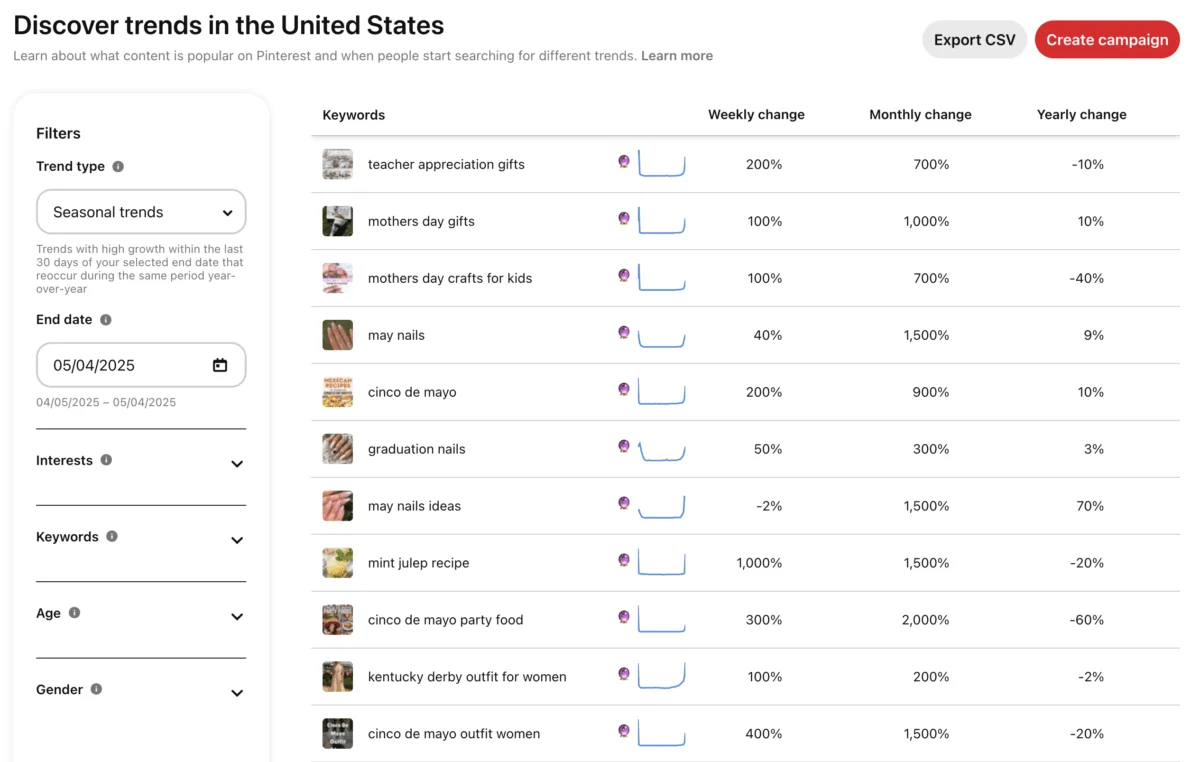
- Strategic Social Media Use: Instead of chasing every trend on every platform, businesses should strategically choose platforms where their target audience is most active and where they can effectively direct traffic to their owned assets. For instance, Fitzpatrick notes that Pinterest, with its visually driven, actionable content and direct linking capabilities, has been her top traffic driver for a decade, far surpassing Instagram or TikTok in converting engagement into website visits. Pinterest’s emphasis on “go do things” rather than endless scrolling aligns with productive content consumption.
- Batching and Scheduling Content: To combat the pressure of constant posting, businesses should batch content creation and schedule posts in advance. This allows for focused work sessions and prevents social media from consuming excessive daily time.
- Mindful Engagement: Limit time spent scrolling on social media to avoid distractions and comparison-induced anxiety. Fitzpatrick suggests scheduling specific, short blocks of time for checking direct messages and comments, then disengaging to focus on core business activities. She also advocates for turning off notifications to minimize interruptions.
- Repurposing Content: Maximize the longevity and reach of content by repurposing it across different owned and rented channels. A blog post can become an email newsletter, a podcast episode, and a series of social media graphics linking back to the original content on the website.
- Focus on Value, Not Virality: Instead of chasing viral trends, concentrate on creating high-quality, valuable content that addresses the audience’s needs and establishes the business as an authority. This type of evergreen content, particularly on owned platforms like blogs and podcasts, can continue to attract new audiences years after its initial publication, as Soderberg experienced with podcast episodes from 2019 still drawing new listeners.
The Power of Owned Media: Case Studies and Data
The effectiveness of owned media is supported by various industry data and anecdotal evidence. While social media platforms excel at brand awareness and community building, email marketing consistently demonstrates a higher return on investment (ROI) for direct sales and customer retention. Studies often show email marketing generating an average ROI significantly higher than social media advertising, with some reports citing figures as high as $42 for every $1 spent. This is largely due to the direct, permission-based nature of email, allowing for highly targeted communication with an engaged audience.
Websites, when properly optimized for search engines (SEO), also provide a stable and predictable source of organic traffic. Unlike social media algorithms that can change overnight, SEO best practices offer a more enduring strategy for visibility. A robust website serves as a comprehensive information hub, a sales portal, and a platform for showcasing expertise, all under the complete control of the business owner.
Fitzpatrick’s personal experience with Pinterest further illustrates the power of linking owned content. By directing Pinterest users to her blog, she has maintained a consistent and significant traffic flow for a decade, demonstrating how a strategically used “rented” platform can effectively bolster an “owned” asset. The ability to embed direct links to websites, podcasts, or email sign-up forms on every Pinterest pin makes it a highly actionable platform for driving traffic to owned media.
Future-Proofing Small Businesses: Broader Impact and Implications
Embracing digital ownership is not merely a tactical adjustment; it represents a fundamental shift in how small businesses approach their long-term digital strategy. It is about future-proofing a brand against the inherent instability of the modern digital landscape. By building a strong foundation on owned assets, businesses can:
- Enhance Brand Resilience: Reduce vulnerability to platform changes, ensuring continuity of operations and communication regardless of external shifts.
- Cultivate Deeper Customer Relationships: Foster direct, unmediated connections with customers, leading to greater loyalty and trust.
- Improve Data-Driven Decision Making: Gain full access to customer data and analytics, enabling more precise targeting and personalized marketing efforts.
- Diversify Revenue Streams: Create multiple pathways for monetization that are not dependent on platform rules or revenue-sharing models.
- Increase Business Valuation: A business with a strong, owned digital presence (website, robust email list) is often perceived as more stable and valuable to potential investors or buyers than one solely reliant on ephemeral social media followings.
In a world defined by constant platform updates, algorithm shifts, and evolving digital trends, the advice from seasoned professionals like Peg Fitzpatrick and Kinsey Soderberg serves as a vital reminder: true long-term growth and stability for small businesses will always be rooted in what they truly own. The conversation around digital ownership is not just another fleeting trend; it is the foundational thinking that builds sustainable, resilient businesses capable of navigating the complexities of the digital age. Small businesses that prioritize building their own digital homes and nurturing direct relationships with their audience will be best positioned to thrive, irrespective of the unpredictable currents of the wider internet.