LinkedIn, the preeminent platform for professional networking, continues to solidify its position as an indispensable tool for career development, talent acquisition, and B2B marketing. As 2026 unfolds, a fresh compilation of statistics underscores the platform’s sustained growth, strategic shifts, and profound influence across the global professional sphere. These metrics offer critical insights for businesses, marketers, and individual professionals seeking to leverage LinkedIn’s expansive ecosystem.
A Quarter Century of Professional Connection: LinkedIn’s Enduring Legacy

Founded on May 5, 2003, by Reid Hoffman, Allen Blue, Konstantin Guericke, Eric Ly, and Jean-Luc Vaillant, LinkedIn reached its 24th anniversary in 2026, marking nearly a quarter-century of connecting the world’s professionals. Its inception predates many of the social media giants we know today, initially taking shape in Hoffman’s living room with a clear vision: to create a digital space for career-focused individuals. This foundational purpose has remained central to its identity, differentiating it from broader social networks that emerged shortly thereafter, such as Facebook, which launched just nine months later.
In 2016, Microsoft acquired LinkedIn, a pivotal moment that integrated the professional network into one of the world’s largest technology companies. This acquisition propelled LinkedIn into a new era of expansion, bolstering its infrastructure and enabling deeper integration with Microsoft’s suite of business products. Under the leadership of CEO Ryan Roslansky, and with Daniel Shapero taking the helm in April 2026, LinkedIn has diversified its revenue streams, encompassing membership subscriptions, targeted advertising, and comprehensive recruitment solutions. Shapero, who previously served as the company’s Chief Operating Officer since 2008, brings extensive institutional knowledge and strategic vision to his new role, signaling a continued focus on innovation and user value.
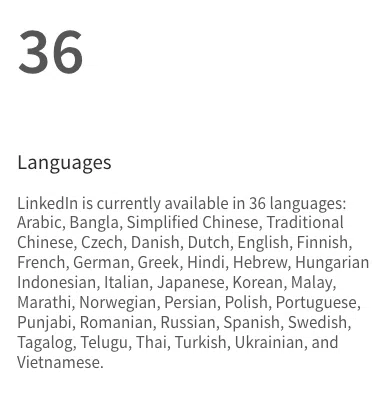
LinkedIn’s operational footprint is truly global, with a workforce exceeding 17,500 full-time employees distributed across 38 cities worldwide, including 11 major hubs in the United States. This extensive global presence is complemented by its accessibility in 36 languages, ensuring that professionals from diverse linguistic backgrounds can engage with the platform in their native tongue, thereby fostering broader international connectivity.

Financially, LinkedIn demonstrates robust performance. In 2025, the platform generated a substantial $17.812 billion in revenue, marking a significant increase from $16.372 billion in 2024. This represents a year-over-year growth of approximately $1.4 billion, reflecting healthy expansion across its various business segments. A notable highlight from this period is the strong performance of LinkedIn Premium subscriptions, which surpassed $2 billion in annual revenue for the first time in Q2 2025. This indicates a growing willingness among users to invest in enhanced features for career advancement and networking. The positive financial trajectory continued into Q3 2026, with Microsoft’s latest quarterly earnings report indicating a 12% year-over-year revenue increase for LinkedIn. This consistent growth underscores the platform’s economic vitality and its increasing value proposition to both individual users and corporate clients.
A Global Professional Tapestry: User Demographics and Reach
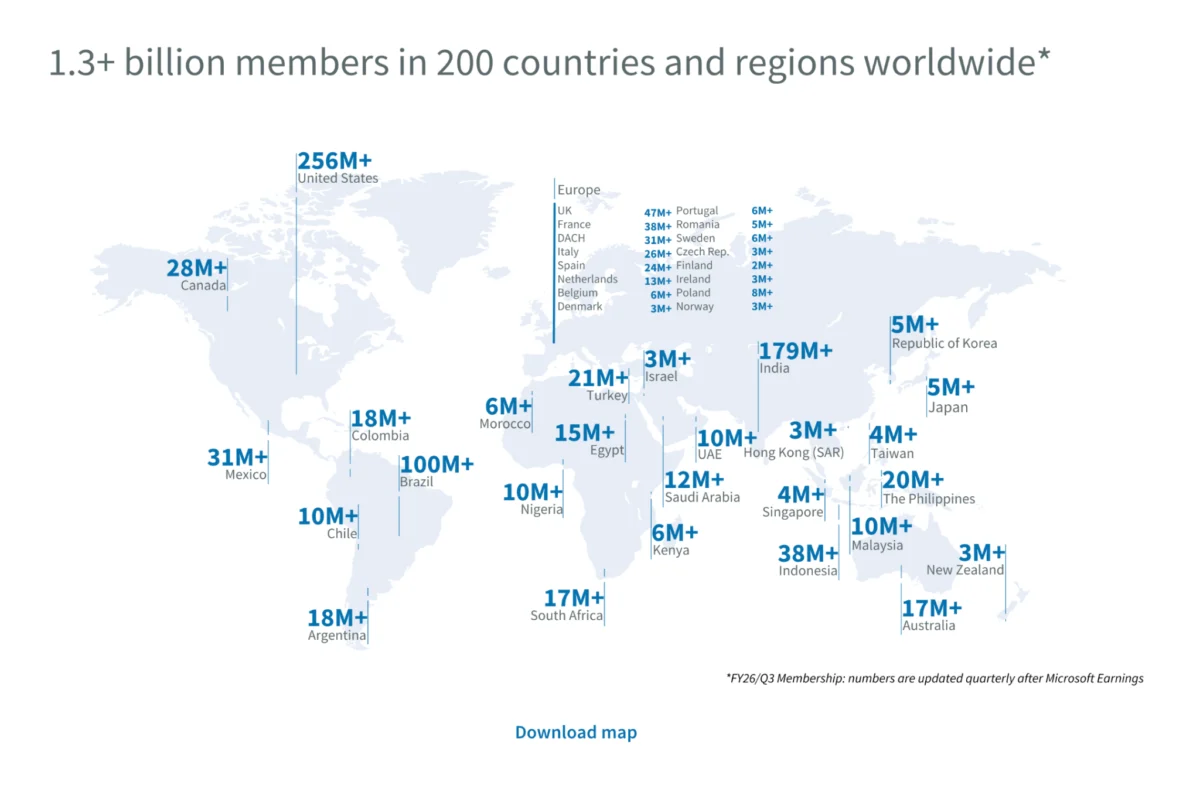
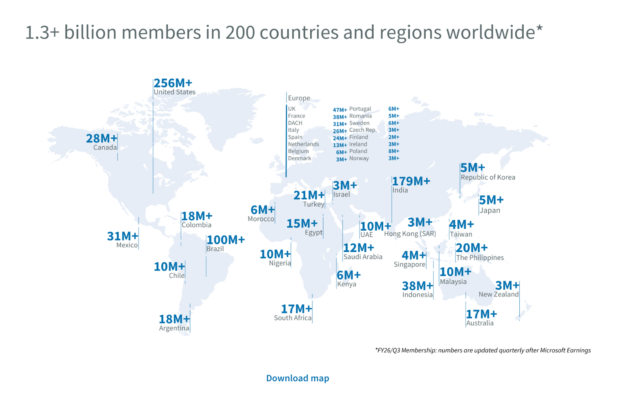
LinkedIn’s user base is expansive and continually growing, reaching over 1.3 billion registered members worldwide. This milestone was achieved in late 2023, showcasing the platform’s rapid expansion and its role as the largest professional networking site globally. The growth from 1 billion to 1.3 billion members in a relatively short period highlights the accelerating adoption of digital professional networking, particularly as global workforces adapt to hybrid and remote models.
Geographically, LinkedIn’s influence is truly international, with members spanning over 200 countries and regions. The platform’s three largest markets by member count are the United States, India, and Brazil. Brazil, for instance, reached a significant milestone of 100 million LinkedIn members in June 2026, underscoring its rapid growth and engagement, with Brazilians generating over 11 million posts in Q1 2026 alone. This robust activity in emerging markets signifies LinkedIn’s successful localization efforts and its increasing relevance beyond traditional Western business hubs. North America accounts for over 285 million members, Europe, the Middle East, and Africa collectively boast over 419 million, Asia Pacific exceeds 396 million, and South and Central America contribute over 219 million. Despite this global reach, the United States remains the primary source of web traffic, contributing 31% of all visits, with India following at 8.8%.
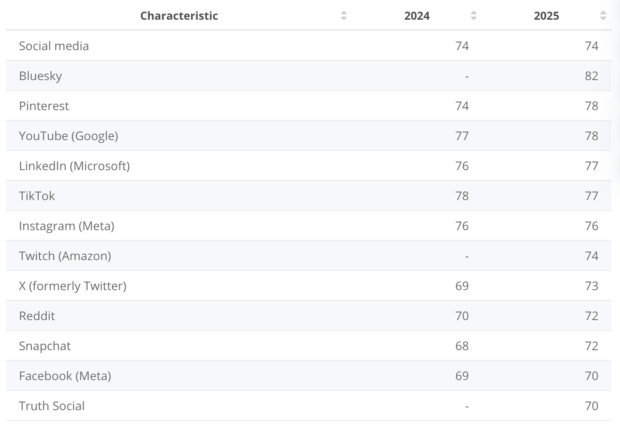
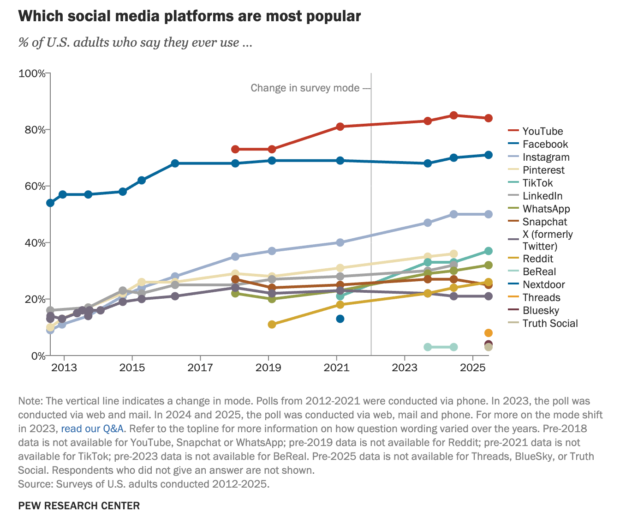
In the United States, LinkedIn maintains a solid presence, utilized by 35% of adult internet users. While this places it below mainstream social platforms like YouTube, Facebook, and Instagram, its focused professional utility gives it a distinct advantage in its niche, outperforming platforms such as Pinterest, Threads, and Bluesky in this specific demographic. The platform’s perceived value is further reflected in its customer satisfaction scores, which reached 77 out of 100 in the American Customer Satisfaction Index for 2025. This score not only surpassed the overall social media average of 74 but also outranked competitors like Instagram, Reddit, Snapchat, Facebook, and X, indicating a higher level of user contentment with LinkedIn’s services and user experience.
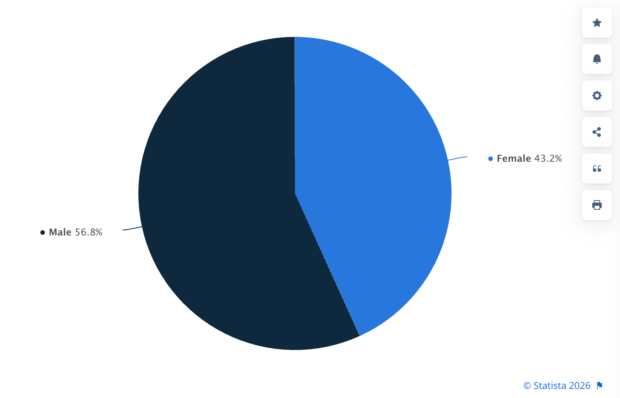
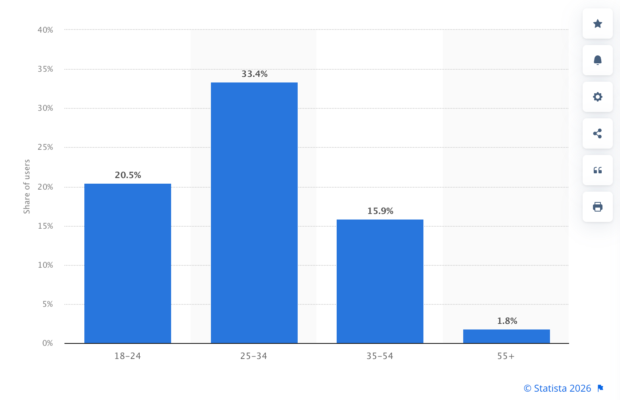
Demographically, LinkedIn’s user base exhibits a slight male skew, with 56.8% identifying as men and 43.2% as women. However, it is crucial for marketers to analyze the specific gender distribution within their target audiences, as these figures represent a global average. The fastest-growing demographic on LinkedIn is Gen Z, a trend that aligns with their increasing presence in the global workforce. Gen Z already constitutes 27% of the workforce and is projected to become the largest working generation by 2035. This demographic shift makes LinkedIn an increasingly vital platform for companies seeking to engage with future talent and consumer markets. The largest age segment globally comprises 25- to 34-year-olds, accounting for 33.4% of users as of October 2025. This group, spanning older Gen Z and younger Millennials, represents a highly active and influential segment of professionals who are establishing their careers, seeking new opportunities, and increasingly involved in purchasing decisions. In Canada, for example, 29.2 million users were recorded in February 2026, with the 25-34 age group making up 41.1% of the Canadian user base.
Beyond individual profiles, LinkedIn hosts an impressive directory of over 71 million companies and more than 145,000 schools. This extensive database facilitates not only job searches and recruitment but also provides unparalleled opportunities for professional development through LinkedIn Learning, mentorship connections, and the cultivation of vital industry relationships. The platform’s strategic importance for reaching decision-makers is evident, with 10 million C-level executives, 63 million decision-makers, and 180 million senior-level influencers present on the platform. This concentration of high-level professionals makes LinkedIn an invaluable resource for B2B sales and marketing efforts.
Engagement and Content Trends: The Pulse of Professional Interaction
The vibrancy of LinkedIn’s community is reflected in its high engagement rates. Members interact with an astonishing 1.5 million pieces of content every minute. This includes a wide array of content types, from in-depth thought leadership articles and career updates to collaborative posts and direct InMail messages, signifying a dynamic and active user environment.
Content trends on LinkedIn are increasingly leaning towards visual formats. Video uploads have shown double-digit growth for three consecutive quarters in Q1 2026, a clear indicator of video’s rising prominence in professional communication. This trend aligns with broader social media consumption patterns and suggests that professionals are increasingly receptive to visual storytelling for learning, networking, and brand engagement. LinkedIn also reports a 36% increase in video views, accompanied by a 27% rise in video creation in 2025. This underscores the importance for brands and individuals to incorporate video into their content strategies. Interestingly, LinkedIn.com receives the largest share of its social media referral traffic from YouTube, followed by Facebook, suggesting that cross-platform content strategies, particularly involving video, are effective in driving engagement back to LinkedIn.
User verification has emerged as a significant driver of engagement and trust. As of December 2025, over 100 million LinkedIn members are verified, a goal achieved just two years after its inception. This emphasis on authenticity is yielding tangible benefits: verified members experience up to 60% more profile views and up to 50% more engagement on their posts. Similarly, verified LinkedIn Pages see a remarkable 10.9 times more views and 7.7 times more followers than unverified Pages. These statistics provide a compelling incentive for both individuals and organizations to pursue verification, bolstering credibility and reach.
Consistency in content creation is also key to maximizing engagement. Companies that post at least once a week witness a twofold increase in engagement with their content. This highlights that a regular, even if not daily, posting schedule is critical for maintaining audience interest and visibility. Furthermore, posts incorporating images receive double the comment rates, with custom image collages (3-4 images per post) performing exceptionally well, offering richer visual context and expanding reach.
A notable trend observed is the increasing activity of C-level executives. CEO posting on LinkedIn has surged by 52% over the past two years, reflecting a growing recognition among leaders of the platform’s value for personal branding, thought leadership, and direct engagement with their professional communities. This shift signifies a more humanized approach to corporate communication, fostering transparency and direct connection.
LinkedIn’s role as a career marketplace remains unparalleled. More than 10,000 LinkedIn members apply for jobs every minute, translating to over 14.4 million applications daily and 100.8 million weekly. This staggering volume underscores its critical function in the global job market for both job seekers and recruiters. Additionally, the platform facilitates professional connections at an impressive rate, with over 18,000 connections made every minute, equating to more than 1 million new professional relationships formed hourly. This constant flow of connections reinforces LinkedIn’s core mission and its continued success in fostering professional relationships.
Advertising Effectiveness: Maximizing B2B Reach and ROI
For businesses, LinkedIn is not just a networking hub but a powerful advertising channel, particularly for B2B marketers. In Q3 2026, paid video on LinkedIn experienced nearly 30% year-over-year growth, driven by increased creator partnerships and enhanced measurement tools for advertisers. This indicates that B2B audiences are highly receptive to video advertising, prompting brands to integrate video ads, live streams, and other visual-first formats into their LinkedIn marketing strategies.
The financial outlook for LinkedIn’s advertising segment is robust, with ad revenue projected to reach $10.35 billion USD by 2027. This growth trajectory, from over $5 billion in revenue for Marketing Solutions in 2022, demonstrates the increasing investment by businesses in LinkedIn’s advertising capabilities.
While the average cost per click (CPC) for LinkedIn ads is approximately $6.93 USD (€5.98) in 2026, which can be higher than on some other platforms, the return on ad spend (ROAS) for B2B marketers is exceptionally strong. According to Dreamdata’s 2026 LinkedIn Ads B2B Benchmark Report, LinkedIn ads delivered a remarkable 121% ROAS across its B2B customer data, significantly outperforming Google Search (67%) and Meta (51%). This data suggests that while the initial investment might be higher, the quality of leads and the ultimate revenue generated make LinkedIn a highly efficient advertising platform for B2B companies.
LinkedIn’s total potential ad reach stands at an impressive 1.2 billion people worldwide as of February 2025, encompassing 21.6% of global internet users and 14.7% of the total global population. This reach expanded by 17.1% year-over-year, adding 176 million people to its potential audience in the same period. Advertising budgets on LinkedIn have also seen substantial growth, increasing by 31.7% year-over-year between Q3 2024 and Q3 2025, according to benchmark data from over 100 B2B companies by Factors.ai. This compares favorably to Google ad spending, which grew by 6% during the same period, signaling a strategic shift in B2B ad allocation towards LinkedIn.
The types of campaigns run on LinkedIn are also evolving. The proportion of campaigns focused on brand awareness or engagement nearly doubled, rising from 17.5% in Q3 2024 to 31.3% in Q3 2025. This indicates that B2B marketers are increasingly utilizing LinkedIn for top-of-funnel activities, building brand presence and fostering engagement, rather than solely for bottom-of-funnel lead generation.
LinkedIn’s advertising audience maintains a slight male skew, with 56.9% male and 43.1% female in 2025. Crucially, members on LinkedIn possess twice the buying power of the average online audience. This elevated purchasing capacity, combined with LinkedIn’s precise targeting capabilities based on professional demographics (job title, company, industry, seniority), makes it an ideal platform for businesses seeking to reach high-value customers. Brands leveraging LinkedIn ads have observed a 33% increase in purchase intent among exposed users, highlighting the platform’s effectiveness in influencing buyer decisions early in the marketing funnel.
Strategic Implications for the Professional World
The comprehensive statistics for 2026 paint a clear picture of LinkedIn’s indispensable role in the modern professional landscape. It has been ranked as the #1 platform for influencing B2B decision-makers, solidifying its position as a critical channel for thought leadership, sponsored content, and establishing trust with potential buyers. This strong influence makes it a foundational element for any B2B marketing strategy.
The long-term impact of LinkedIn advertising is also becoming clearer. Dreamdata’s report indicates that it takes an average of 281 days for initial LinkedIn ad impressions to translate into revenue for B2B customers. This extended sales cycle underscores that LinkedIn ads play a strategic role in a longer customer journey, where early awareness and nurturing contribute to eventual deal closures.
For content marketers, LinkedIn remains a powerhouse for thought leadership. A staggering 76% of B2B marketers identify LinkedIn as one of their most effective channels for thought leadership, surpassing email newsletters and webinars/events, according to the Content Marketing Institute’s 2026 B2B Content and Marketing Trends report. This statistic reinforces the platform’s ability to position brands and individuals as industry experts, building credibility and influence over time.
Furthermore, 40% of B2B marketers attest to LinkedIn’s ability to drive high-quality leads. The platform’s granular targeting options, coupled with tools like Sales Navigator for identifying and prioritizing key accounts and decision-makers, ensure that marketing and sales efforts are directed towards the most promising prospects.
In conclusion, LinkedIn in 2026 is a dynamic and thriving ecosystem that continues to evolve at the forefront of professional networking. Its consistent financial growth, expanding global user base, increasing engagement with diverse content formats, and proven effectiveness as an advertising channel underscore its critical importance. For professionals, it is a gateway to career advancement and skill development. For businesses, it offers unparalleled opportunities for talent acquisition, brand building, and high-ROI B2B marketing. As the platform embraces visual content, verification, and empowers C-level executives to engage more actively, its influence on how we connect, work, and conduct business is set to deepen further in the years to come.