The Pervasive Challenge of Content Generation in the Digital Age
The relentless demand for fresh, high-quality content is a defining characteristic of the contemporary digital landscape. With an estimated 7.5 million blog posts published daily across various platforms, the competition for audience attention is fierce. For many content creators, this pressure can inadvertently lead to creative stagnation. Writer’s block, far from being a mere inconvenience, can represent a significant impediment to productivity and consistency. Psychological studies suggest that creative blocks can stem from various factors, including self-criticism, fear of failure, perfectionism, or simply mental fatigue. For professional bloggers and content marketers, this translates into missed publishing deadlines, decreased organic traffic, and a potential erosion of audience engagement.
The evolution of content marketing has underscored the necessity of a systematic approach to idea generation. Gone are the days when sporadic bursts of inspiration sufficed. Today, a robust content strategy demands foresight, data-driven insights, and a willingness to explore diverse avenues for inspiration. The implications of failing to consistently produce relevant content are significant, potentially leading to diminished search engine rankings, a weakening brand voice, and a reduced ability to capture and retain target audiences in an increasingly saturated market.
Leveraging Internal Data for Strategic Content Inspiration
One of the most potent, yet often underutilized, sources of blog post ideas lies within a creator’s existing digital footprint and audience interactions. These internal data points offer direct insights into what an audience values, struggles with, and seeks to understand.
Audience Engagement: A Direct Pipeline to User Needs
The comments section of a blog, direct messages through social media, or inquiries via a contact form are invaluable repositories of potential content. While a significant portion of feedback might consist of simple positive or negative affirmations, discerning creators will identify recurring questions, requests for clarification, or queries that delve deeper into a particular topic. These direct questions, especially those requiring detailed explanations or addressing tangential subjects, are prime candidates for dedicated blog posts. For instance, if a parenting blog frequently receives questions about managing screen time for toddlers, this signals a clear audience need for comprehensive content on that subject.
To proactively gather this input, content creators can deploy questionnaires or polls to their readership. This direct outreach not only provides a wealth of specific topics but also fosters a sense of community and demonstrates responsiveness to audience needs. Maintaining a dedicated list or digital repository for these incoming questions ensures that a well of relevant ideas is always available when inspiration wanes. This approach, advocated by leading content strategists, emphasizes the creation of audience-centric content, which historically performs better in terms of engagement and shareability.
Google Search Console: Unveiling Audience Search Intent
Google Search Console (GSC) remains an indispensable, free tool for any content creator aiming to understand their audience’s search behavior. It provides granular data on the exact search terms users employ to discover a website, offering unparalleled insight into current interests and information gaps. The Performance Report within GSC is particularly vital, listing search queries alongside key metrics such as clicks, impressions, and average ranking positions.
By meticulously analyzing this data, creators can identify topics where their existing content ranks but may not fully satisfy the user’s intent. For example, if a website ranks for “how to keep toddlers busy without screens” but only offers a brief mention of the topic, it signals an opportunity to develop a comprehensive, dedicated article. This strategy is not about chasing keywords arbitrarily but about expanding on demonstrated user interest.

For WordPress users, integrations like Yoast SEO with Google Site Kit streamline this process, bringing GSC data directly into the WordPress dashboard. This integration eliminates the need to navigate multiple platforms, allowing content managers to quickly identify top search queries and performance metrics, thereby saving valuable time in the ideation phase. While advanced competitive analysis tools like Ahrefs or Semrush offer broader market insights, GSC’s direct data from Google provides an authentic and reliable foundation for understanding one’s existing audience and uncovering relevant content opportunities. According to a recent survey of SEO professionals, GSC is cited as one of the top three essential tools for identifying content gaps due to its direct, first-party data. Its widespread adoption underscores its role as a fundamental pillar of any robust SEO strategy.
Yoast AI Content Planner: Bridging Gaps with AI Assistance
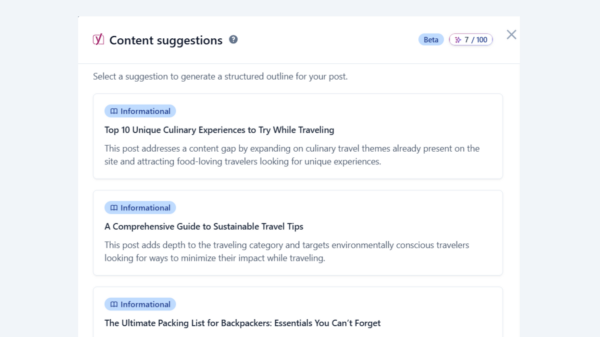
The advent of AI has introduced innovative solutions to content ideation. The Yoast AI Content Planner exemplifies this by leveraging AI to analyze a site’s existing content, identify thematic gaps, and suggest relevant blog post ideas. This tool is designed to move beyond generic suggestions, instead providing tailored recommendations based on the specific content already published and the assumed interests of the site’s established audience.
When initiating a new post, the Yoast AI Content Planner scans the website’s ecosystem, generating up to five contextually relevant ideas. For instance, a food blog that has extensively covered meal preparation but lacks detailed content on “quick vegetarian lunches” might receive a suggestion for that specific topic. This intelligent analysis ensures that new content complements existing material and addresses demonstrated content voids.
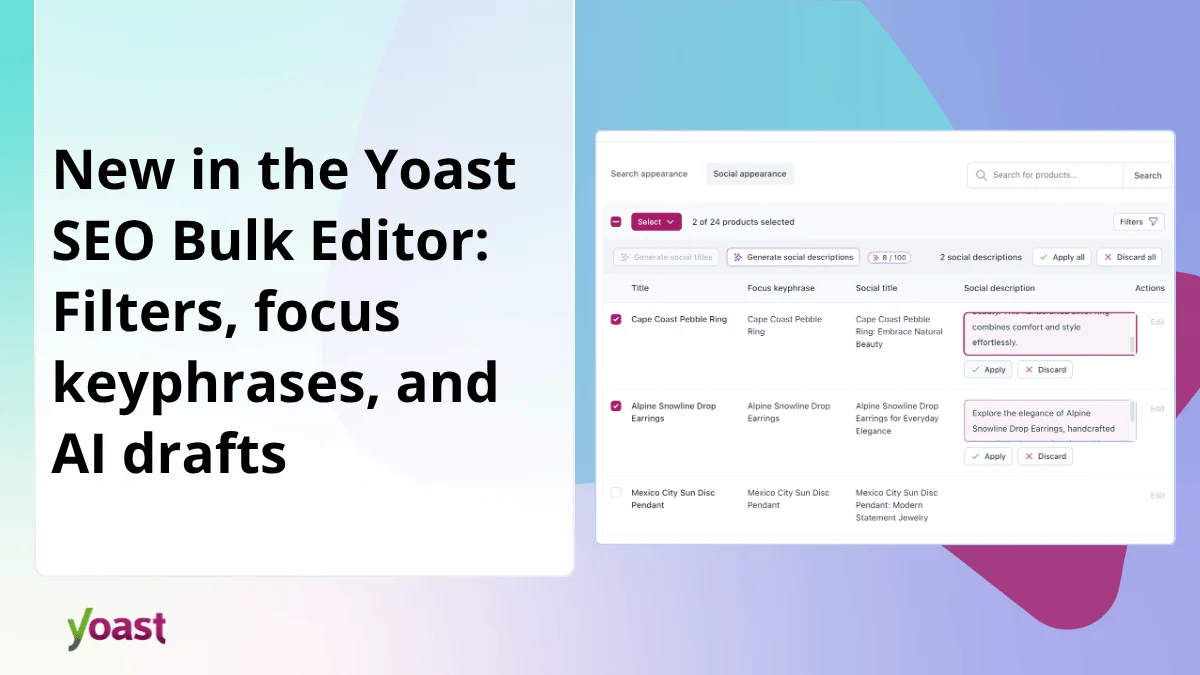
A key feature of the Yoast AI Content Planner is its ability to create a structured draft once an idea is selected. This includes a suggested title, hierarchical headings, and even a meta description, providing a clear outline that significantly accelerates the writing process. This functionality positions AI as a powerful co-pilot in content creation, transforming the ideation phase from a struggle into a streamlined workflow. The ability to regenerate ideas with a single click offers flexibility, ensuring the suggestions align with the creator’s vision. Integrated into Yoast SEO Premium products, this tool represents a practical application of AI in helping content creators maintain consistency and relevance, boosting overall content marketing efficiency.
Deep Dive into Keyword Research: Beyond Surface-Level Terms
Traditional keyword research documents are rich with potential blog ideas, but effective utilization requires moving beyond simply selecting a term. A deeper investigation into search intent is paramount. Understanding whether users are seeking informational guides, comparative reviews, transactional opportunities, or navigational assistance allows creators to craft content that directly addresses their needs.
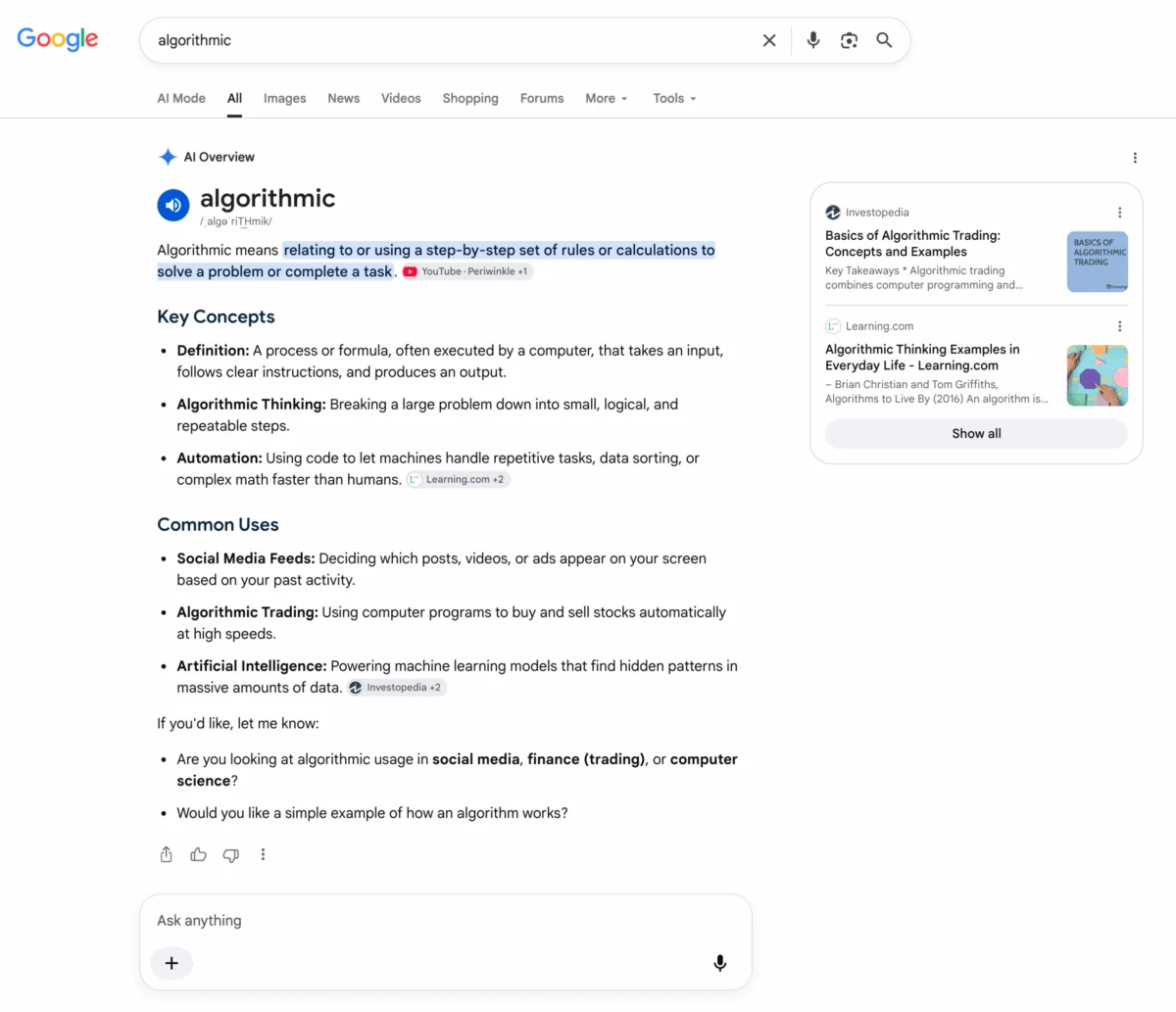
Tools such as Yoast SEO’s Semrush integration, Google’s autocomplete suggestions, and the “People Also Ask” section in search results are invaluable for deciphering intent. Furthermore, the evolving landscape of Google’s AI Overviews and AI Mode answers provides additional context, revealing the types of information Google deems most relevant for specific queries.
Consider the keyword “best running shoes for flat feet.” A superficial approach might yield a generic review. However, a deeper dive might uncover several distinct user intents:
- “What are the specific characteristics of flat feet that impact shoe choice?”
- “Are there specific brands known for flat foot support?”
- “How do I choose between stability and motion control shoes for flat feet?”
- “What are common mistakes people with flat feet make when buying shoes?”
Each of these questions can be expanded into a dedicated blog post, forming a comprehensive content cluster around the core topic:
- “Understanding Arch Support: A Guide for Flat-Footed Runners”
- “Top 5 Running Shoe Brands for Optimal Flat Foot Support”
- “Stability vs. Motion Control: Choosing the Right Shoe for Your Flat Feet”
- “Common Pitfalls: Avoiding Mistakes When Buying Running Shoes for Flat Feet”
This meticulous approach ensures that content directly answers specific audience questions, enhancing its utility and search engine visibility. Integrating rank tracking tools like Wincher with Yoast SEO allows creators to monitor the performance of these targeted posts over time, providing valuable feedback for future content strategies. A recent study indicated that content optimized for specific search intent sees an average of 30% higher conversion rates than general keyword-targeted content.
Harnessing External Resources and Digital Tools for Broad Inspiration
Beyond internal data, the vast expanse of the internet offers numerous external avenues for content inspiration, ranging from visual platforms to advanced AI models.
Pinterest: A Visual Trend Forecaster
Pinterest remains a powerful visual search engine and discovery platform, particularly for niches that are visually driven, such as food, DIY, fashion, travel, and home decor. Its utility extends beyond mere aesthetics, serving as an effective tool for identifying emerging trends and content gaps. By searching for broad terms like “[blog post ideas]” or “[what to blog about]” and refining these with niche-specific modifiers (e.g., “[blog post ideas for parents],” “[blog post ideas for lifestyle bloggers]”), creators can uncover popular topics and compelling visual content. Analyzing top-pinned posts within these categories can reveal trending themes and angles that resonate with a large audience.
However, creators must exercise caution. Pinterest’s highly visual and curated nature can sometimes lend itself to clickbait. The focus should always remain on quality and genuine value rather than merely replicating viral content. Its global user base, exceeding 450 million active users, underscores its potential as a barometer for public interest and aesthetic preferences, making it an essential resource for trend spotting and visual content strategy development.
Content Idea Generators: Sparking Creativity with Algorithmic Prompts
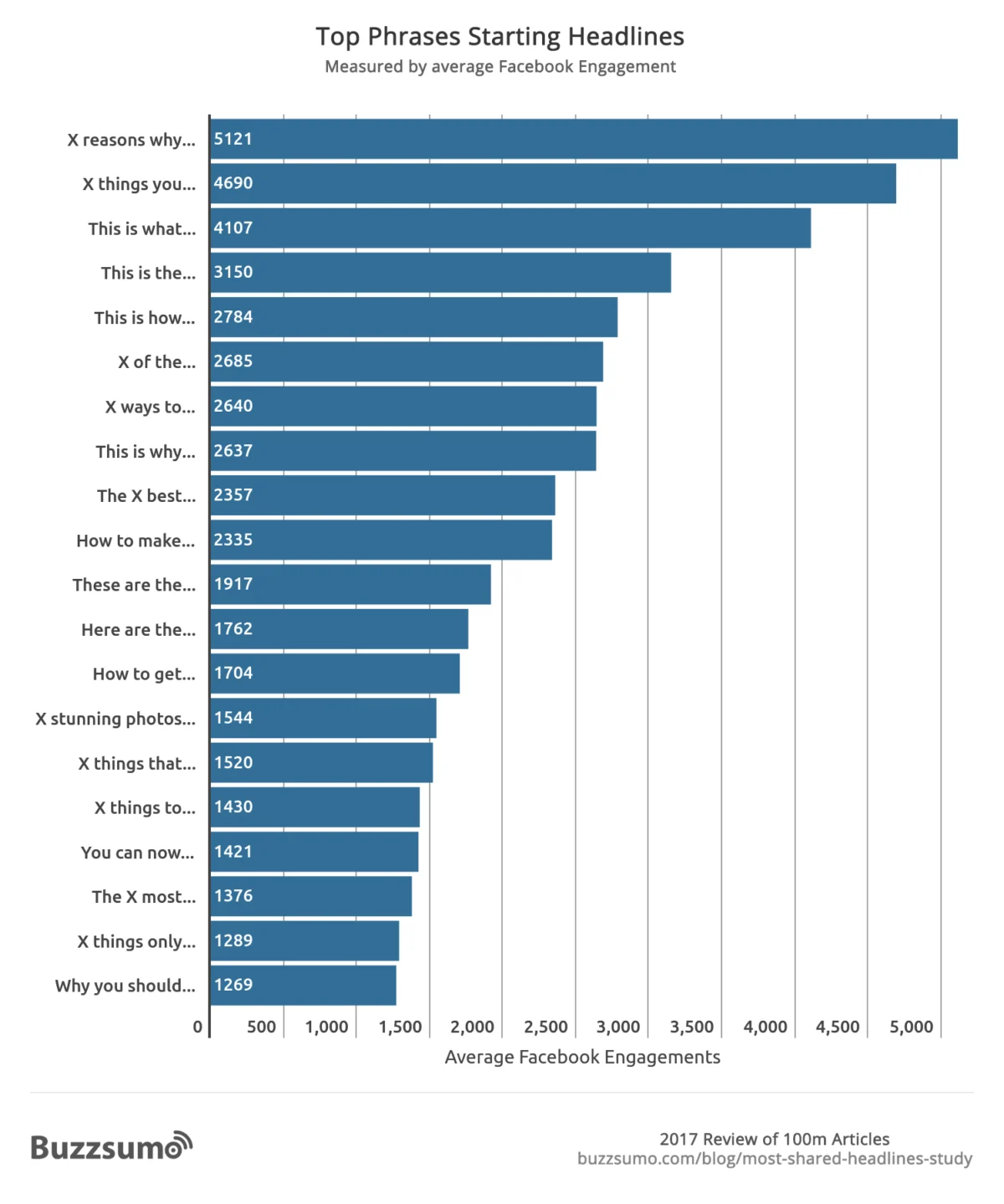
While not designed to deliver fully formed article concepts, online content idea generators, such as Portent’s Title Maker, excel at breaking creative impasses and injecting humor into the ideation process. By inputting a core keyword, these tools generate unconventional and often amusing titles that can serve as springboards for deeper thought.
For example, entering “house plant” might yield “The 15 Biggest House Plant Blunders,” which can be expanded into “Common House Plant Care Mistakes and How to Avoid Them.” A query for “wine” might produce “17 Unexpected Uses for Wine,” prompting ideas like “Beyond the Glass: Creative Culinary and Household Uses for Wine.” Even a seemingly whimsical suggestion like “20 Ideas You Can Steal from Babies” for the keyword “baby” could inspire a post on “Life Lessons from Toddlers: Simplicity, Curiosity, and Resilience.”
The primary value of such generators lies in their ability to disrupt conventional thinking patterns, forcing creators to explore unusual angles and perspectives, thereby fostering genuine creativity. They act as a mental palate cleanser, often leading to genuinely novel content directions.
AI and Chatbots: The New Frontier of Collaborative Ideation
Generative AI tools and chatbots like ChatGPT, Claude, and Gemini have revolutionized content ideation, offering sophisticated assistance when traditional methods fall short. However, their effectiveness hinges on the quality of the prompts provided. Generic requests will yield generic responses; context and specificity are key.
To maximize their utility, creators should provide detailed context about their blog, target audience, and desired content style. Instead of a broad request like “Give me blog ideas about parenting,” a more effective prompt would be: “My blog is for first-time millennial parents in urban areas, focusing on sustainable living and gentle parenting. Give me five unique blog ideas about