For many years, the prevailing wisdom in search engine optimization (SEO) has centered on a singular objective: getting potential customers through the digital door. This has traditionally translated into aggressive strategies focused on driving website traffic, achieving top rankings for high-volume keywords, and continually acquiring new users. However, this narrow focus often overlooks a critical phase of the customer journey—what happens after someone signs up for a service, downloads an app, or makes a purchase. This post-conversion period, frequently relegated to customer support or product teams, represents a significant, often untapped, opportunity for SEO to contribute to retention, enhance the onboarding experience, clarify product usage, and ultimately foster enduring customer loyalty. Ignoring this crucial stage means leaving substantial organic growth potential on the table, as SEO’s influence can and should extend far beyond the initial acquisition.
The Evolution of SEO: Beyond the Acquisition Funnel
Historically, SEO strategies were largely defined by their role at the top of the marketing funnel. The goal was simple: visibility equals traffic, and traffic equals potential conversions. This perspective fueled an industry obsessed with keyword rankings, link building, and technical optimizations designed to attract net-new users. While undeniably vital, this acquisition-centric view often treated conversion as the finish line, rather than a new starting point.
The digital landscape, however, has evolved considerably. Search engines like Google have become increasingly sophisticated, moving beyond simple keyword matching to prioritize user intent, content quality, and overall user experience. Concepts like E-E-A-T (Experience, Expertise, Authoritativeness, Trustworthiness) now play a pivotal role in ranking algorithms, emphasizing the value a brand provides across its entire digital footprint. This shift necessitates a broader understanding of SEO, one that encompasses the entire customer lifecycle. Industry analysts, such as those at Gartner, have long highlighted the importance of customer experience, noting that businesses competing primarily on customer experience often outperform competitors. SEO, when applied holistically, becomes an integral part of this experience, extending its reach into areas traditionally seen as outside its purview.
The Overlooked Opportunity in Post-Conversion Content
Once a customer has converted—whether by signing up for a SaaS product, buying a physical good, or subscribing to a service—their journey with the brand is far from over. In fact, it’s just beginning. At this stage, users often seek information related to setup, usage, troubleshooting, maintenance, or returns. They are still actively searching, learning, and critically, deciding whether to remain engaged with the brand. This is precisely where SEO can intervene to support:
- Onboarding: Guiding new users through initial setup and feature discovery.
- Product/Service Usage: Providing clear instructions, tips, and best practices.
- Troubleshooting: Offering solutions to common problems and FAQs.
- Retention: Reinforcing value, encouraging deeper engagement, and preventing churn.
- Upselling/Cross-selling: Educating users on additional features or related products.
These are not merely support functions; they represent valuable, searchable, and indexable content opportunities. Content assets such as comprehensive help centers, detailed knowledge bases, product explainers, frequently asked questions (FAQs), and step-by-step how-to guides become indispensable. When these resources are well-structured, optimized for real user queries, and regularly updated, they transform into potent long-tail SEO machines.
Furthermore, community forums, user-generated content (UGC) in the form of customer reviews, and Q&A sections on product pages are invaluable assets. Real user questions and the resulting answers naturally generate a wealth of long-tail keywords and relevant content that organically maintains and updates itself, reflecting the genuine needs and language of the customer base. Data from various sources, including Forrester, indicates that customers who engage with community forums are more likely to be retained and even become advocates for the brand.
SEO Benefits of Retaining Users and Reducing Churn
The notion that retention is solely a product or customer support metric is outdated. It is, unequivocally, a critical SEO goal. Engaged and satisfied users generate a cascade of positive signals that search engines increasingly value:
- Increased Branded Searches: Loyal customers are more likely to directly search for your brand, product, or specific features, signaling strong brand authority and relevance to search engines.
- Higher Internal Content Engagement: Satisfied users delve deeper into your website, clicking through more internal content, spending more time on pages, and reducing bounce rates. These engagement metrics are strong indicators of content quality and user satisfaction.
- Organic Link Building and Shares: Happy customers are more prone to sharing helpful content, leaving positive reviews, and organically linking to your resources from their own platforms or social media, boosting your backlink profile and domain authority.
- Positive Reviews and Testimonials: User-generated reviews on product pages, Google My Business, and third-party review sites are crucial for local SEO and overall brand reputation. These reviews often contain keywords and natural language that search engines can interpret as valuable social proof.
- Repeat Purchases and Long Customer Lifetime Value (CLV): While not a direct SEO signal, a higher CLV indicates a successful product and satisfied customer base, which indirectly supports a healthy online presence and sustained organic growth. Studies by Harvard Business Review suggest that increasing customer retention rates by 5% can increase profits by 25% to 95%. SEO, by supporting retention, directly contributes to these financial gains.
Reducing churn means that customers remain within your brand’s ecosystem for longer periods. This extended engagement provides more opportunities for your website content to be discovered, linked to, and to build authority, creating a virtuous cycle of positive SEO signals and improved business outcomes.
Identifying High-Value Post-Conversion Content: A Data-Driven Approach
Identifying the most impactful post-conversion content is not a matter of guesswork; the answers reside within your existing customer interactions and data. The key lies in systematically tapping into the real questions, pain points, and friction points that users experience after they have converted.
-
Support Tickets and Customer Service Logs:
- Insight: Analyze the most common queries and recurring issues that land in your customer support queue. These often highlight areas where users are struggling, where documentation is insufficient, or where existing help content is difficult to locate. For example, if a significant number of tickets relate to “how to reset password” or “product assembly steps,” these are clear signals for content creation.
- Action: Transform top support issues into easily searchable help documents, detailed step-by-step tutorials, or short, embedded video guides within your knowledge base or product pages. Optimizing these for natural language queries (e.g., “my [product] isn’t working,” “how to set up [feature]”) directly addresses user intent.
-
Customer-Facing Team Feedback:
- Insight: Your sales, support, and account management teams are on the front lines, engaging directly with customers daily. They possess invaluable qualitative data about why certain products, features, or steps in the customer journey cause confusion or frustration. They understand the nuances of customer language and specific pain points that might not be evident in quantitative data.
- Action: Establish regular feedback loops with these teams. Create content that proactively addresses onboarding challenges, expands on underutilized product features, or clarifies critical steps in deriving value from a purchase. Crucially, use the direct language and terminology customers employ when describing their problems, as this is precisely how they will search for solutions online.
-
Internal Search Queries:
- Insight: The internal search function on your website, app, or knowledge base is a goldmine of explicit user intent. What users search for after logging in or navigating past the homepage reveals their immediate struggles and information gaps. Studies have consistently shown that users who utilize internal search are often closer to a conversion or have a specific need they want to address quickly.
- Action: Regularly audit your internal site search analytics. Identify top queries that yield poor results, no results, or lead to irrelevant content. Prioritize creating or improving content that directly answers these questions. Optimize titles, headers, and metadata to ensure the most relevant article appears first, significantly improving user experience and reducing frustration. For WordPress users, tools and plugins can provide detailed insights into internal search behavior, allowing for targeted content optimization.
-
Feature Usage and Product Engagement Data:
- Insight: Low adoption rates for certain features or products don’t always signify low interest; they might indicate unclear setup instructions, poor discoverability, or a failure to communicate the inherent value. Analytics platforms can reveal which parts of your product or service are underutilized.
- Action: Analyze feature engagement data. For features or products with low adoption but high potential impact, conduct user interviews to understand barriers. Reverse-engineer the successful use cases by interviewing engaged users. Then, develop content—such as advanced tutorials, use-case specific guides, or “power user” tips—that guides other users towards the same positive outcomes, thereby increasing engagement and perceived value.
Types of High-Value Content to Create
Expanding on the previous section, here are specific types of content that excel in the post-conversion phase:
- Detailed Product Guides & Manuals: Moving beyond basic instructions to comprehensive explanations of features, settings, and advanced functionalities.
- How-To Tutorials (Text & Video): Step-by-step guides for common tasks, troubleshooting, and achieving specific outcomes. Video content, in particular, has seen massive growth in search and engagement.
- Knowledge Base Articles: A structured repository of FAQs, definitions, and short explanations for common queries.
- User Forums & Community Q&A: Platforms where users can ask questions and receive answers from peers or brand experts, fostering a sense of community and generating authentic long-tail content.
- Troubleshooting Guides: Diagnostic tools and solutions for common problems, categorized by symptom or error code.
- Product Care & Maintenance Tips: Essential for physical products, extending their lifespan and customer satisfaction.
- Advanced Use Cases & Best Practices: Content that helps users unlock the full potential of a product or service, encouraging deeper engagement.
- Glossaries & Definitions: Clarifying industry-specific jargon or product terminology.
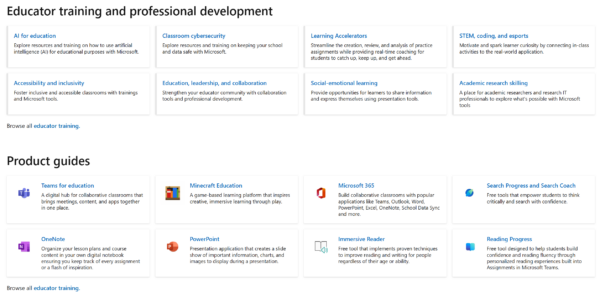
These content pieces not only significantly improve the user experience by providing timely, relevant assistance but also strategically target long-tail search queries, reduce the burden on customer support teams, and ultimately strengthen customer retention and loyalty. Examples from leading brands like Microsoft’s Educator Center, which combines training hubs with help content and community resources, or Nike’s product care and styling tips, demonstrate the tangible value of this approach in supporting users throughout their post-purchase journey.
Strategic Internal Linking for Sustained User Engagement
Post-conversion content should never exist in isolation. To maximize its impact for both users and SEO, it must be thoughtfully linked, surfaced, and reused across your entire digital ecosystem. A robust internal linking strategy transforms disparate pieces of content into an interconnected web, enhancing discoverability and guiding users seamlessly through their journey.
Effective internal linking strategies include:

- Contextual Links within Product Pages: Embedding links to relevant help articles, FAQs, or setup guides directly within product descriptions or feature sections.
- Onboarding Flows: Integrating links to tutorials and guides directly into the initial user onboarding process, ensuring users get help precisely when they need it.
- Email Automation: Utilizing automated email sequences post-purchase or signup to deliver curated content—such as “getting started” guides, “pro tips,” or troubleshooting resources—at relevant points in the customer lifecycle.
- In-App/In-Product Help: Providing direct links to support documentation or relevant tutorials within the application interface itself, allowing users to find answers without leaving the product.
- Related Articles & Suggested Content: Implementing “read also” or “related articles” sections on knowledge base pages, encouraging users to explore more solutions and deepen their understanding.
- Sitemaps and Navigation: Ensuring that all help content is logically organized and easily accessible through clear navigation menus, footers, and XML sitemaps.
When executed correctly, this approach transforms post-conversion content into a powerful internal SEO web. It not only improves engagement metrics by keeping users on your site longer but also builds user confidence, reinforces value, and signals to search engines the depth and comprehensiveness of your content offering.
Why Supporting Existing Users is Good SEO and Good Business
The argument for extending SEO strategies beyond acquisition is compelling, resting on both strategic and financial foundations. If an SEO strategy solely fixates on attracting new customers, businesses are inherently leaving substantial revenue, brand equity, and organic traffic on the table.
Post-conversion content is a proactive investment in your customer base. It empowers users to derive maximum value from your products or services, minimizes friction points that could lead to frustration and churn, and cultivates long-term loyalty. Simultaneously, it generates a rich repository of indexable, intent-driven pages that search engines can surface at critical moments in the customer’s journey. This creates a powerful synergy: better customer experience leads to better SEO, which in turn drives more sustainable business growth.
The implications are clear for both businesses and SEO professionals. For businesses, it means a higher return on investment (ROI) from their content efforts, reduced customer support costs, increased customer lifetime value, and a stronger, more resilient brand. For SEO professionals, it expands the scope of their influence, necessitating closer collaboration with product, support, and marketing teams to create a truly holistic digital strategy. This shift also reinforces the evolving nature of SEO from a purely technical discipline to a user-centric practice focused on comprehensive digital experience.
To take decisive action, businesses should initiate a thorough audit of their existing post-conversion content. Map out the key touchpoints and potential friction points that users encounter immediately after signup or purchase. Identify where support, guidance, or additional information is most needed. Ensure that help documentation, feature guides, and tutorials are surfaced precisely where and when users require them, and critically, connect these resources with clear, intentional internal links.
SEO is no longer just about initial discovery; it is fundamentally about usability, confidence, and ensuring that users not only show up but choose to stay and thrive within your ecosystem. Building long-term, defensible organic growth means embracing the entire customer journey, recognizing that the most valuable traffic often comes from those who have already chosen you.