The intricate world of email deliverability often appears to be a direct reflection of a sender’s own program health, but during periods of exceptionally high volume, the broader ecosystem plays a critical, often disruptive, role. This phenomenon, typically associated with peak commercial events like Black Friday and Cyber Monday, has been increasingly observed during major election cycles, leading to significant challenges for all legitimate email marketers. A comprehensive analysis by the Validity Intelligence Network, drawing on data from the 2024 U.S. presidential election, reveals that political email surges create a “digital traffic jam” that can severely impede inbox placement for commercial senders, mirroring the pressures of the busiest retail periods and resulting in substantial financial losses.
The Dynamic Landscape of Email Deliverability: Beyond Sender Control
Inbox placement is not a static outcome; it is a dynamic process heavily influenced by the collective activity within the email ecosystem. Mailbox providers (MBPs) – such as Microsoft, Apple, Gmail, and Yahoo (MAGY), which collectively handle approximately 90% of typical U.S. B2C email traffic – are designed to manage vast email volumes. However, during periods of intense sending, even their immense infrastructure can hit capacity limits. When this occurs, MBPs implement various measures to maintain system stability and user experience, which can inadvertently impact even the most reputable senders.
These measures include increased throttling, where the rate at which emails are accepted from a sender is deliberately slowed; deferrals, where emails are temporarily rejected and require the sender to retry later; and, most critically, heightened spam filtering or outright rejection of mail. In this high-pressure environment, MBPs prioritize mail from high-quality senders with excellent reputations, while lower-quality senders often face delivery delays, increased spam placement, or complete blockage. The net effect is a significantly more competitive and volatile environment for all email traffic, where the quality of an individual sender’s program alone may not guarantee optimal inbox placement. This delicate balance highlights the interconnectedness of the email channel, where the actions of a few high-volume, potentially low-reputation senders can ripple through the entire system.
The Political Email Deluge: A Unique Pressure Point
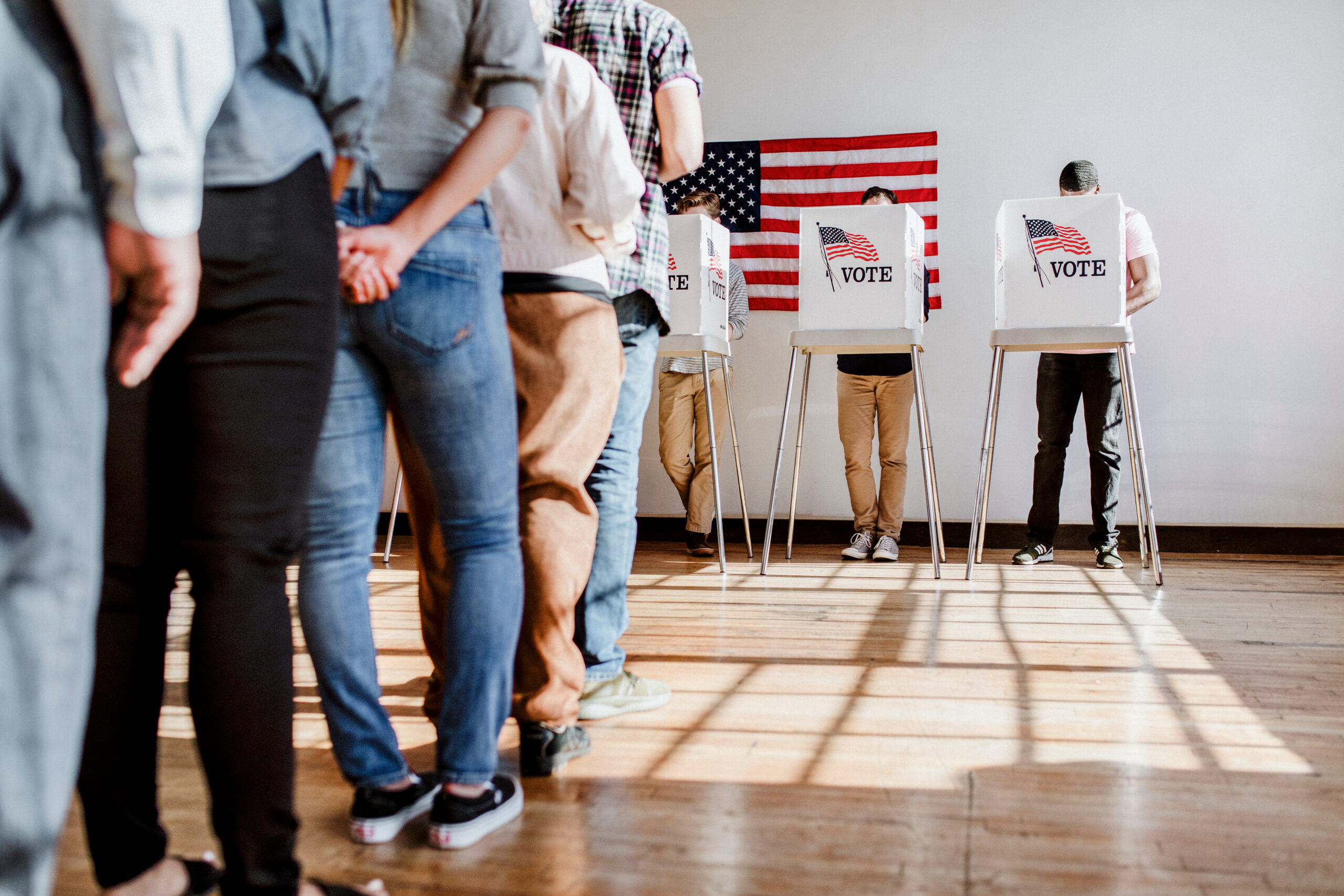
Elections, particularly in the United States, represent a distinct and intense pressure point for the email channel. Political candidates, party organizations, and Political Action Committees (PACs) rely heavily on email as a primary tool for fundraising, voter engagement, and mobilization. As Election Day approaches, the volume of political email can skyrocket, with some campaigns sending four or more messages per day from a single program to their subscriber lists. This aggressive sending strategy, often characterized by urgent calls to action, emotive language, and frequent reminders, creates a substantial amount of “noise” in the inbox.
Unlike commercial senders who typically adhere to stringent best practices to protect their long-term sender reputation and customer relationships, political campaigns sometimes operate with a different set of priorities. Their focus is often on short-term impact – securing donations or votes – which can lead to practices that commercial marketers would deem detrimental, such as high frequency, minimal targeting beyond broad demographic data, and less emphasis on subscriber engagement metrics that MBPs typically favor. This divergence in strategy means that political mailers, despite being permission-based in many cases, can contribute disproportionately to negative engagement signals across the entire email network. The question for commercial senders, therefore, becomes critical: will this influx of political email not only make their job harder by competing for inbox space but also lead to broader subscriber fatigue, potentially impacting crucial commercial periods like Black Friday and Cyber Monday that often follow closely after major elections?
Chronology and Data Analysis: Unpacking the 2024 Election Impact
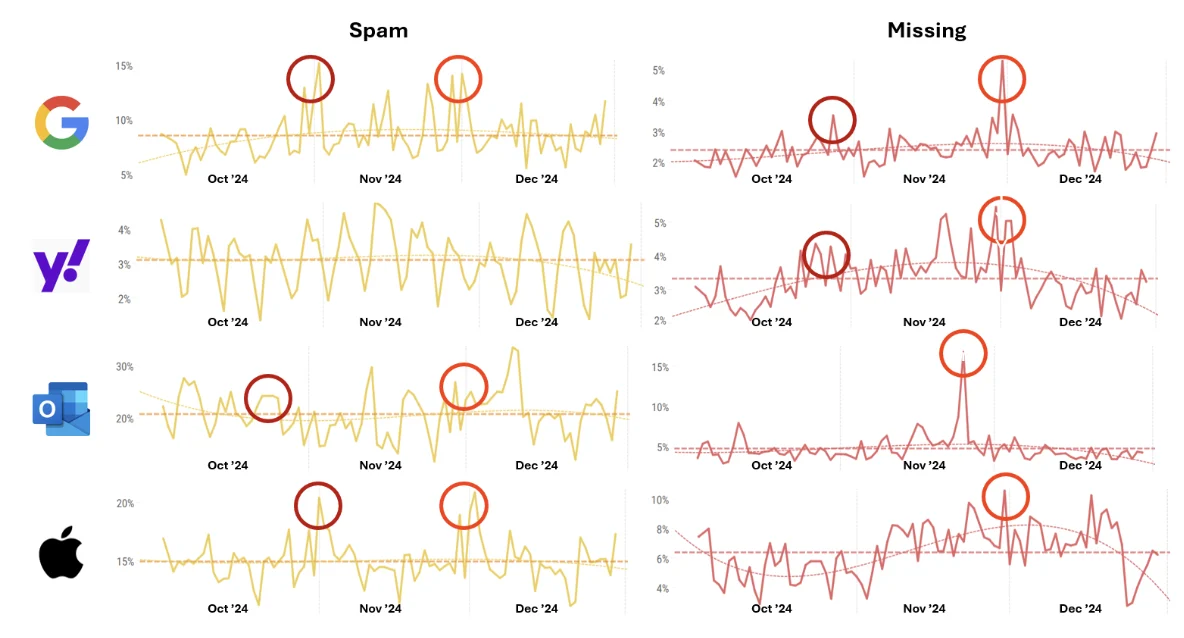
To quantitatively assess the impact of election-related email traffic, Validity leveraged its Intelligence Network to analyze deliverability data for U.S. senders in the lead-up to the 2024 presidential election. The study focused on the four major mailbox providers (MAGY), which together represent the vast majority of consumer email traffic. The findings revealed a stark and widespread deterioration in email deliverability across the board, affecting all legitimate, permission-based email marketing activity, not just political mailers.
Pre-Election Surge and Universal Deliverability Drop:
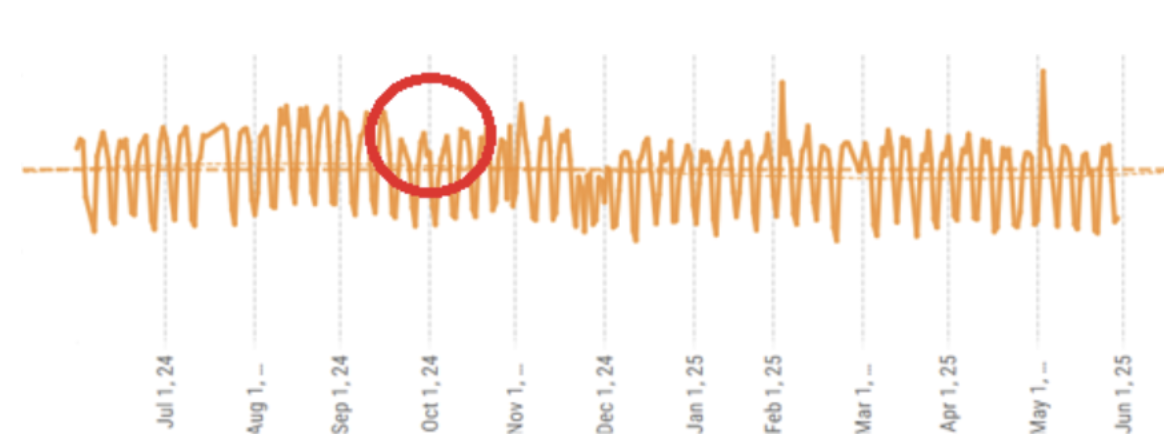
During the week immediately preceding Election Day in 2024, average inbox placement rates across MAGY providers dropped by more than 5%. This significant decline underscores that the problem was systemic, not isolated to specific sender categories. The competitive nature of the inbox during this period meant that even well-behaved commercial senders experienced a reduced likelihood of reaching their subscribers’ primary inboxes.
Spike in Non-Delivery Rates:
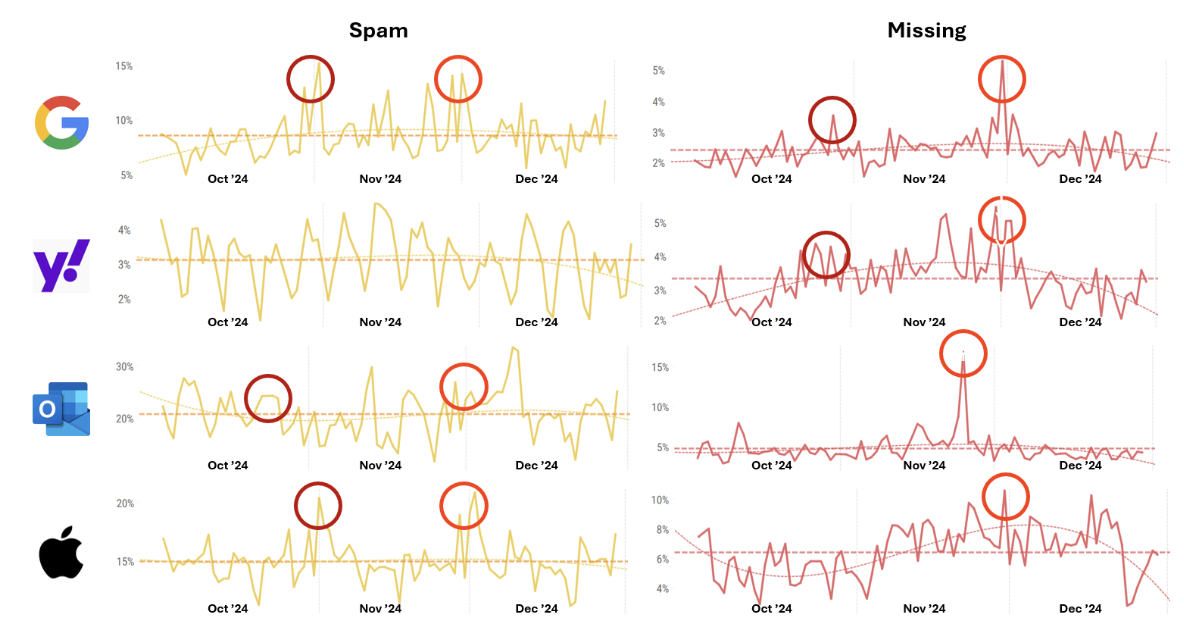
To understand the mechanics behind this drop, it’s essential to differentiate between two primary forms of non-delivery: mail routed to recipients’ junk folders (Spam) and mail rejected outright by MBPs (Missing). Both categories saw sharp increases during election week. The data below illustrates how election week compared to the Q4 2024 quarterly benchmark and how it stacked up against the renowned high-pressure periods of Black Friday and Cyber Monday, which occurred approximately four weeks later.
| Weighted Avg. | Q4 ’24 Benchmark | Election Week | Black Friday | Cyber Monday |
|---|---|---|---|---|
| Spam | 9.2 percent | 13.6 percent | 13.1 percent | 13.1 percent |
| Missing | 3.1 percent | 4.1 percent | 5.5 percent | 4.3 percent |
| Combined | 12.3 percent | 17.6 percent | 18.5 percent | 17.4 percent |
The combined non-delivery rate during election week reached 17.6 percent, representing a 1.5-fold increase over the Q4 2024 quarterly benchmark of 12.3 percent. Crucially, this level of pressure was almost identical to what was observed during Black Friday (18.5 percent combined non-delivery) and Cyber Monday (17.4 percent combined non-delivery). This striking equivalence demonstrates that an election cycle can exert as much strain on the email channel as the most intense commercial holiday season.
Economic Impact:
Translating these percentages into real-world impact, with average U.S. email sending volumes estimated at approximately 10 billion emails per day, the 1.5x increase in non-delivery during election week meant nearly half a billion additional emails failed to reach the intended inbox every single day. Using a widely cited industry benchmark of $0.11 per email for average value (as reported by Klaviyo), this translates to an astounding approximate loss of $50 million in potential daily revenue. This substantial figure underscores that the deliverability challenge during elections is not merely an inconvenience but a significant economic impediment for businesses, occurring not due to any fault of their own email marketing efforts, but because of the systemic engagement pressure generated by the election cycle.
The Role of Subscriber Engagement and Complaints:
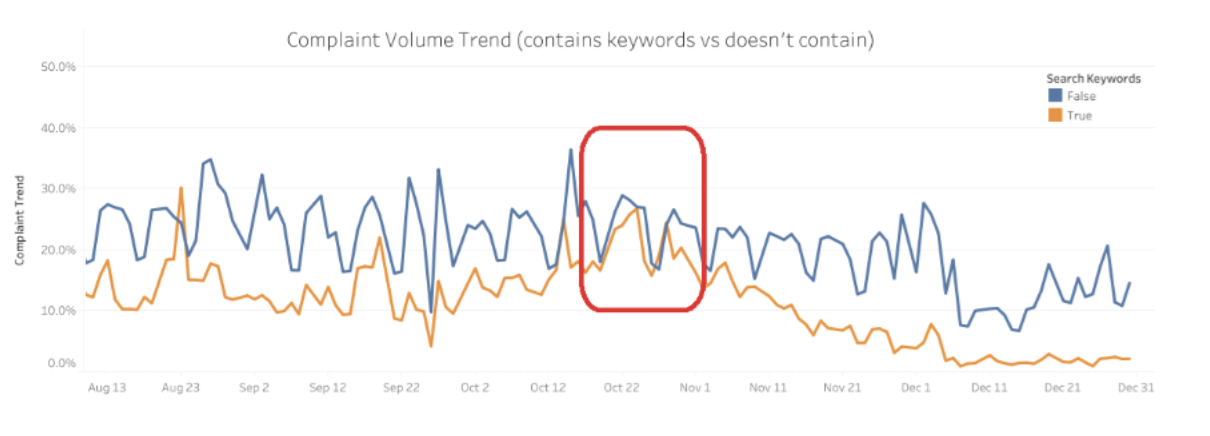
The underlying reason for this widespread deliverability degradation lies in how major MBPs, particularly Gmail, are highly responsive to subscriber engagement signals. Positive signals, such as clicks, forwards, and replies, are interpreted as indicators of a high-quality email program whose subscribers genuinely desire to receive messages. Conversely, negative signals, including spam complaints and “deleted-unread” actions, push mail toward the spam folder or trigger outright rejection.
Validity’s analysis of complaint data, which involved tagging emails with common political terms (“election,” “vote,” “donate,” “president,” etc.) to distinguish political from non-political senders, provided crucial insights. Both groups exhibited above-average complaint rates in the pre-election period. Alarmingly, the peaks in these complaint rates during the pre-election window were higher than those observed during the Black Friday/Cyber Monday period four weeks later. This finding is critical: it suggests that political campaigns do not merely generate complaints for themselves; their aggressive and high-volume sending strategies contribute to a heightened sense of negative sentiment and inbox fatigue across the entire email channel, thereby impacting commercial senders as well.
Political mailers are often characterized by their disregard for email best practices, employing high frequency, aggressive language, and minimal targeting. The subsequent surge in spam complaints is a direct consequence of these tactics. However, the data also revealed an interesting nuance: donation-focused emails from political programs generated spam complaints at one-third the rate of content and news emails from the same senders. This indicates that the core problem wasn’t necessarily the fundraising mechanics themselves, but rather how political content was framed and presented in general outreach, often leading to greater subscriber dissatisfaction.
Commercial Senders’ Response in 2024: A Mixed Bag
Observing the average daily campaign volumes from Validity customers during the 2024 pre-election period provided further evidence of commercial senders’ awareness and response to this environmental pressure. The data showed a striking trend: average daily campaigns dropped by 5–10 percent in the four weeks leading up to Election Day, with many senders choosing to scale back their efforts. This strategic retreat suggests a conscious decision by marketers to avoid the highly congested and volatile email landscape during the election, opting to ramp up their sending only after the election dust had settled.
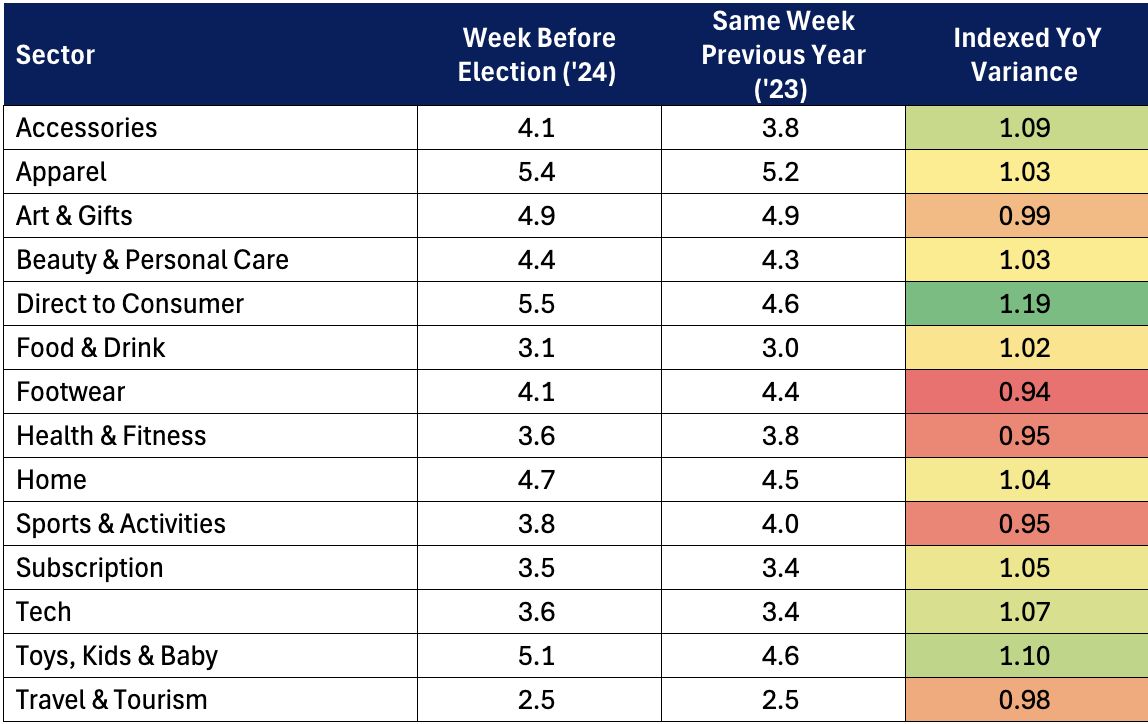
However, this response was not uniform across all sectors. A comparative analysis of sending frequency in the week immediately before the 2024 election versus the same week in 2023 (a non-election year) revealed nuanced sector-specific adjustments in the average messages received by a typical email subscriber.
| Sector | Election Week 2024 vs. 2023 |
|---|---|
| D2C | Increased Activity |
| Toys/Kids/Baby | Increased Activity |
| Accessories | Increased Activity |
| Footwear | Pulled Back Activity |
| Health & Fitness | Pulled Back Activity |
| Sports & Activities | Pulled Back Activity |
Sectors such as Direct-to-Consumer (D2C), Toys/Kids/Baby, and Accessories actually increased their email activity during election week. This might be attributed to these sectors identifying unique opportunities to capture consumer attention amidst the political noise, or perhaps having less direct competition from the political messaging itself. Conversely, sectors like Footwear, Health & Fitness, and Sports & Activities significantly pulled back their sending. For these sectors that under-indexed their activity in 2024, the upcoming 2026 midterms may represent a strategic opportunity to re-evaluate their approach and potentially increase engagement if market conditions or specific campaign themes allow. These varied responses highlight that while the overall trend was caution, some brands found reasons to lean in, suggesting that a one-size-fits-all strategy may not be optimal.
Looking Ahead to 2026: Emerging Dynamics and Evolving Strategies
As the industry looks toward the 2026 midterm elections, several new developments since 2024 warrant close attention, as they could significantly alter the email deliverability landscape.
Declining Global Inbox Placement Rates:
Firstly, the overall global inbox placement rates have been on a downward trend. After reaching a high-water mark of 87.2 percent last year, global IPRs have declined, running at 84.5 percent for Q2 2026. This softer starting point means that the email channel as a whole is already operating under increased pressure, making it potentially even more susceptible to the disruptive effects of high-volume events like elections. Marketers will be entering the next election cycle with a baseline deliverability that is already more challenging.
Tighter Bulk Sender Requirements:
Secondly, and this development may offer a potential silver lining for commercial senders, major MBPs have significantly tightened their bulk sender requirements. These new rules, which mandate stricter authentication protocols (like DMARC), easier unsubscribe options, and lower spam complaint thresholds, are designed to curb unsolicited and low-quality email traffic. Non-compliant senders are increasingly seeing their emails blocked outright or filtered directly to the spam folder. Given that political mailers are notorious for generating high complaint rates and sometimes lax adherence to best practices, a larger share of their volume may be suppressed before it can significantly impact inbox sentiment for everyone else. This proactive filtering by MBPs could reduce the overall “noise” and mitigate the spillover effect on commercial senders.
AI-Powered Inbox Features:
Thirdly, the past 18 months have seen a wave of AI-powered inbox features rolled out by the major MBPs. Tools like Gmail’s relevance-sorted Promotions tab, Gemini for Gmail, and Microsoft Copilot are actively nudging subscribers toward more conversational, high-engagement inbox experiences. These advanced algorithms are designed to prioritize content that users are most likely to interact with positively. Consequently, low-engagement senders—which often include political mailers that are frequently deleted unread or marked as spam—become less visible in the inbox. If political mailers fail to generate strong engagement signals, these AI-powered filters will likely suppress their reach before they can saturate inboxes at scale. This reduced visibility for low-engagement political content could mean less pressure on the channel overall, potentially offering some relief to commercial marketers.
Navigating Election Season: Strategic Considerations for Brands
Given the complex dynamics, commercial senders face a critical strategic decision: whether to scale back their email efforts during election season, as many did in 2024, or to find creative ways to engage. For some brands, election season presents a genuine opportunity to align with universal themes of choice, freedom, and civic duty that resonate broadly with consumers, without necessarily diving into partisan politics.
Brands that successfully leaned into election themes in 2024 demonstrated several common characteristics in their approaches. They consistently stayed non-partisan, kept their political messaging light and often humorous, and found a natural connection between the act of voting or civic engagement and their own products or brand values. For example, some brands offered patriotic product tie-ins, while others used clever wordplay or humor related to elections. The most effective strategies maintained a broad appeal, ensuring that humor or messaging landed across the political spectrum without alienating any segment of their audience. Public service announcements encouraging voter registration or participation were also common, framing the brand as a responsible corporate citizen.
However, the key guardrail for any brand considering such a strategy is “brand fit.” Overtly political messaging, especially anything perceived as partisan, carries a significant risk of alienating a substantial portion of the audience and potentially damaging brand reputation. The analysis showed that most of the brands that embraced election themes in 2024 were smaller businesses. These businesses are often more agile and potentially less risk-averse regarding potential brand exposure, allowing them to experiment with more unconventional marketing approaches. Larger, more established brands, for the most part, maintained a cautious stance, staying focused on their traditional marketing calendars and primarily concentrating on preparations for the imminent Black Friday and Cyber Monday sales events, choosing not to engage with the political discourse.
Conclusion: Safeguarding Deliverability in a Crowded Inbox
The data from the 2024 U.S. presidential election makes a compelling case: election season is a significant deliverability pressure point for everyone in the email marketing ecosystem, extending far beyond just political mailers. Inbox placement rates drop, spam complaint rates spike, and this pressure peaks well in advance of the crucial Black Friday commercial period. The fundamental defense for any email marketer remains consistent: maintaining a strong sender reputation, cultivating a healthy and engaged subscriber list, and developing a clear and agile timing strategy for November and beyond.
While there are emerging reasons to believe that the 2026 midterm elections may be somewhat less disruptive due to tightened bulk sender requirements and AI-powered inbox filtering, this should not lead to complacency. Continuous monitoring of email metrics, including inbox placement, complaint rates, and engagement, remains paramount. For brands contemplating creative engagement with election themes, the lessons from 2024 are clear: keep the messaging light, non-partisan, and authentically rooted in your products or brand values. As a general rule, expressions of civic pride tend to travel well and resonate positively with a broad audience, whereas overt political stances carry inherent risks of alienating consumers and undermining brand trust.
For marketers seeking more in-depth insights into global and industry-specific email deliverability trends, consulting the latest 2026 Email Deliverability Benchmark report is recommended to understand how their performance compares to current standards and best practices. Understanding these broader trends is crucial for navigating the increasingly complex and dynamic email landscape, especially during periods of heightened activity like election cycles.