Tuesday, February 10th, 2026 – 9:00 am
The Out of Home Advertising Association of America (OAAA) has officially launched an updated version of its OpenOOH venue taxonomy, a significant move designed to bridge the gap between traditional Out-of-Home (OOH) inventory classification and the sophisticated demands of programmatic buyers. This enhanced taxonomy, first introduced in 2020, aims to provide the granular detail necessary for programmatic trading, thereby unlocking greater efficiency and transparency in the rapidly growing digital OOH (DOOH) market. The OAAA also announced the integration of its OpenOOH Taxonomy Working Group into its standing Taxonomy Committee, signaling a commitment to the ongoing development and maintenance of this crucial industry standard.
For years, digital out-of-home inventory has been largely categorized by broad venue types, a system that has become increasingly insufficient for the nuanced requirements of modern programmatic advertising. Buyers operating within complex omnichannel strategies, particularly those integrating with retail media networks and Connected TV (CTV) buys, require a precise understanding of the specific environments in which their advertisements will appear. Generic labels such as “retail” or “transit” no longer suffice when advertisers need to align OOH placements with highly specific audience segments or campaign objectives. This lack of specificity has not only hindered programmatic adoption but has also eroded trust, as publishers and Supply-Side Platforms (SSPs) sometimes grouped media of varying quality under the same umbrella, creating a less transparent trading environment.
The OAAA’s revised taxonomy directly addresses these challenges by introducing a hierarchical “parent/children/grandchildren” schema. This structure allows media owners to classify their inventory with a far greater degree of precision within Open Real-Time Bidding (OpenRTB) bid requests. For instance, a digital screen located in an airport’s baggage claim area can now be accurately tagged as “transit/airports/baggage claim,” a significant improvement over the previous broad “transit” classification. This granular approach empowers programmatic buyers to pinpoint exactly what they are bidding on, facilitating more strategic and effective campaign planning.
The Imperative for Programmatic Integration
The drive behind this taxonomy update is rooted in the evolving landscape of digital advertising, where programmatic trading has become the dominant force. Premesh Purayil, CTO at OOH publisher OUTFRONT Media, emphasized the critical need for OOH to become more accessible to programmatic buyers. “Programmatic advertisers need an easier way to use OOH inventory as an extension of their omnichannel campaigns, particularly for retail media and CTV buys,” Purayil stated. This sentiment underscores the recognition that OOH cannot afford to remain a predominantly direct-sold channel if it is to capitalize on the significant growth in programmatic spend across other digital mediums.
Anna Bager, President and CEO of the OAAA, echoed this sentiment, highlighting the potential for OOH publishers to leverage the burgeoning programmatic CTV and retail media markets. “By bringing OOH media classification more in line with programmatic buying, out-of-home publishers can capitalize on the recent explosion of programmatic CTV and retail media spend in recent years,” Bager explained. She further noted the remarkable resilience and growth of the OOH sector, which has experienced 18 consecutive quarters of ad revenue growth, including a notable 4.5% year-over-year improvement in the third quarter of 2025, when advertisers invested a record $2.13 billion for the period. Despite this robust growth, a significant portion of OOH ad spend still flows through direct-sold channels, with open-auction programmatic representing a smaller fraction. The lack of precise inventory classification has been identified as a key bottleneck in accelerating programmatic adoption.
A Hierarchical Approach to Granularity
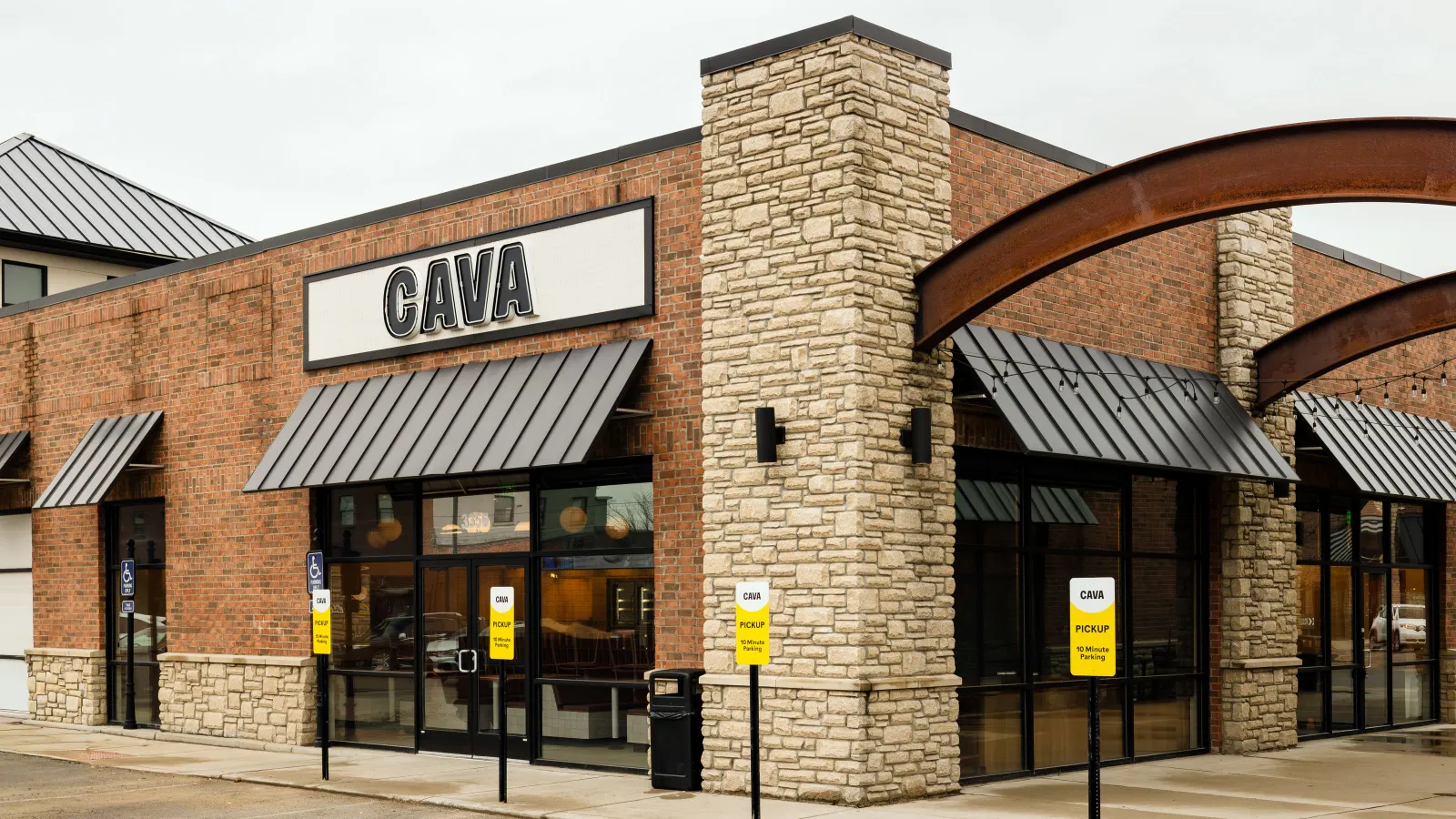
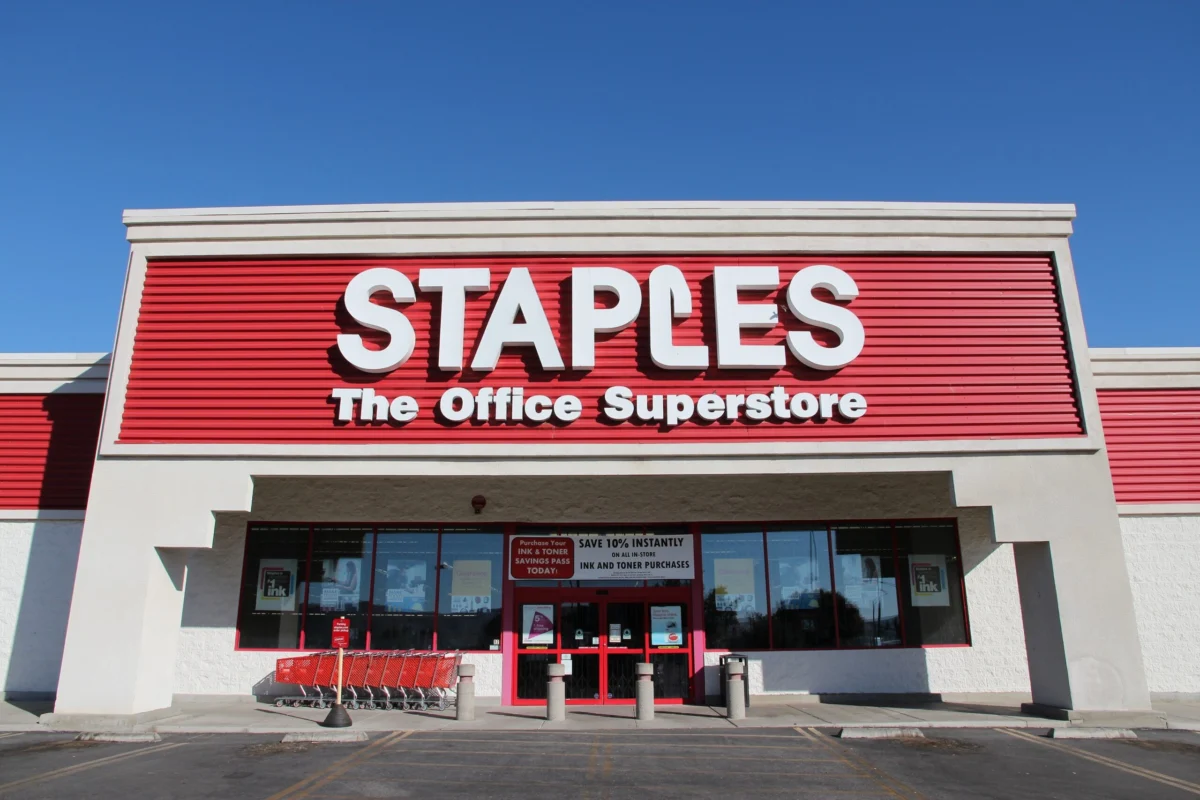
The core innovation of the new OpenOOH taxonomy lies in its hierarchical structure, designed to mirror the detailed way programmatic buyers think about audience and context. The “parent/children/grandchildren” model provides a clear, nested classification system. This allows for a much more sophisticated definition of placement. For example, the “transit” parent category can be broken down into “airports,” which can then be further specified into “terminals,” “gates,” or, as in the previously mentioned example, “baggage claim.” Similarly, “retail” can be segmented into “malls,” “supermarkets,” “convenience stores,” or even specific departments within a larger store.
Historically, the OpenRTB specification has included a venuetypeString field, a free-text option that allowed media owners and SSPs to manually input more detailed venue information. While this offered some flexibility, it presented significant challenges for programmatic systems. “Free text fields can be hard for programmatic systems to read accurately because they tend to be inconsistently applied across platforms,” explained Purayil. This inconsistency led to misinterpretation, errors in targeting, and a general lack of confidence for automated trading. The new taxonomy directly addresses this by formalizing these categories, making them machine-readable and universally understood. As a consequence, the venuetypeString field has been deprecated in the new taxonomy, eliminating the guesswork and ensuring a more reliable data flow.
The OAAA’s proactive approach to industry standardization is crucial for its continued growth. By developing and maintaining this taxonomy, the OAAA is fostering an environment where OOH can seamlessly integrate into broader programmatic ecosystems. The organization’s commitment to this effort is further solidified by folding the dedicated OpenOOH Taxonomy Working Group, responsible for the design of the new specification, into the permanent OAAA Taxonomy Committee. This ensures that the taxonomy will evolve alongside industry needs and technological advancements.
Implications for Advertisers and Publishers
The introduction of a more granular OOH taxonomy promises to “democratize” access to the medium for a wider range of advertisers. By enabling more precise targeting, brands can now zero in on specific OOH inventory that aligns perfectly with their omnichannel audience extension strategies. For example, CPG brands can target specific types of stores where their products are actually sold, moving beyond the broad and often ineffective “retail” category. This allows for more relevant ad placements, leading to potentially higher campaign performance and a more efficient use of advertising budgets.
The ability to specify locations within venues also offers a new layer of strategic control. A CPG brand might wish to target street-facing displays in the windows of local bodegas to reach convenience shoppers, while a pharmaceutical brand might prioritize screens positioned near pharmacy counters within drug stores for a different audience. This level of micro-targeting was previously unattainable with broad venue classifications.
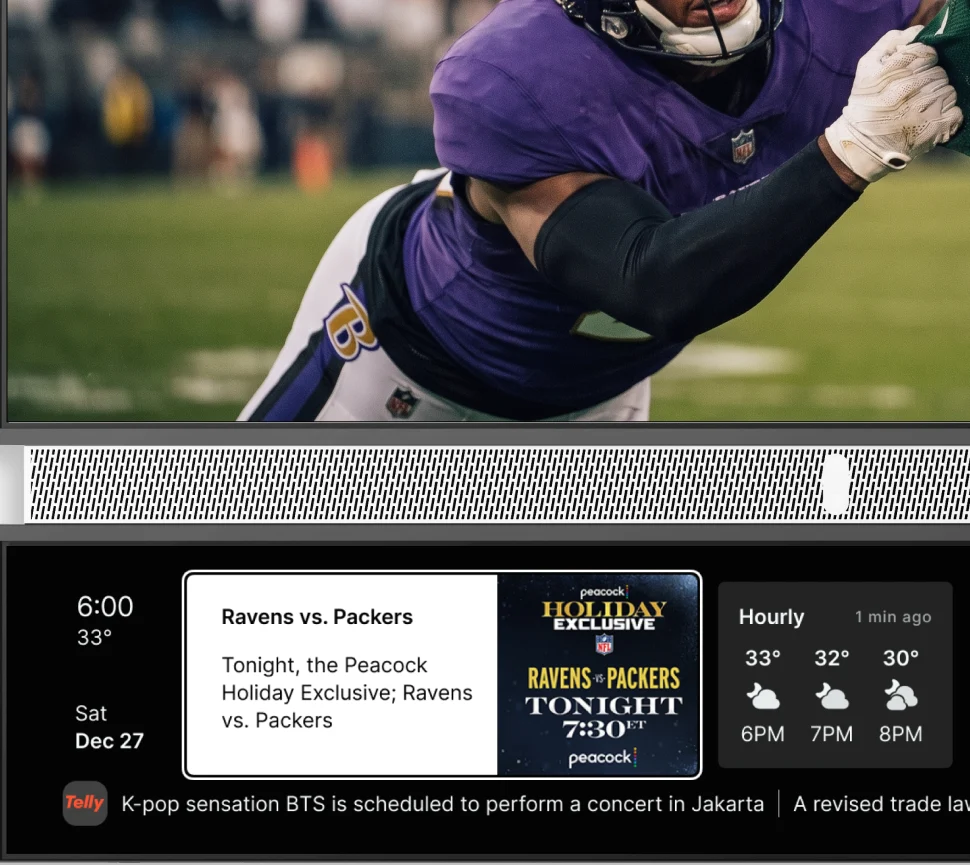
Furthermore, the enhanced taxonomy helps advertisers avoid what Purayil termed “sorta CTV” OOH placements. These are typically digital screens, often TVs, mounted in environments like bars, where the context might be similar to CTV viewing but the advertising opportunities are distinct. A brand whose creative relies heavily on audio might choose to avoid these environments, while a sports-focused brand that can benefit from broader reach, even with less critical audio, might deliberately target such placements. The taxonomy’s ability to differentiate these nuanced environments ensures that advertisers can make informed decisions based on their specific campaign objectives and creative strategies.
This level of detail is beneficial for both sides of the advertising transaction. Advertisers gain access to more relevant media, allowing them to achieve better campaign outcomes. Publishers, in turn, can more effectively demonstrate the true value of their inventory, confident that mismatched placements are not negatively impacting performance metrics or advertiser perception.
Leveling the Playing Field for Niche Publishers
Beyond the benefits for large advertisers and established OOH players, the new taxonomy is expected to significantly aid smaller and more niche OOH publishers. Purayil highlighted that larger platforms like OUTFRONT Media often have an advantage due to their established relationships with specialist agencies and their dedicated direct sales teams. Agency buyers are generally familiar with how these larger networks organize their inventory, simplifying planning and execution. Smaller publishers, however, often lack this established recognition and direct sales infrastructure.
By adopting the new OpenOOH taxonomy, these smaller players can make their inventory more accessible and easier to activate programmatically. This creates a more level playing field, allowing them to compete more effectively in an increasingly automated media landscape. Advertisers gain a more straightforward method for executing OOH buys across a diverse mix of publishers, both large and small, and managing these campaigns within their existing omnichannel programmatic buying workflows. This could potentially shift revenue away from private marketplace deals, which often involve manual curation, towards open marketplace transactions, further streamlining the buying process.
The implications for the broader programmatic ecosystem are substantial. As OOH inventory becomes more standardized and transparent, it is expected to attract a greater share of programmatic ad spend. This not only benefits the OOH industry but also enriches the overall digital advertising landscape by providing advertisers with more diverse and contextually relevant placement opportunities. The OAAA’s commitment to evolving its taxonomy demonstrates a forward-thinking approach, ensuring that OOH remains a dynamic and integral part of the modern advertising mix.
While the OAAA has made significant strides, the industry’s reliance on interoperability means that wider adoption and integration with other key programmatic standards, such as those maintained by the IAB Tech Lab, will be crucial. AdExchanger’s inquiry to the IAB Tech Lab regarding the incorporation of the new OOH taxonomy into the OpenRTB specification and the deprecation of legacy fields highlights the ongoing collaboration required to fully realize the potential of this initiative. As the industry moves towards greater automation and data-driven decision-making, standardized and granular data, such as that provided by the enhanced OpenOOH taxonomy, will be paramount to unlocking the full value of digital out-of-home advertising.