Artificial Intelligence has transitioned from a futuristic concept to the primary engine driving the modern digital economy, particularly in the field of Conversion Rate Optimization (CRO). In an era where consumer attention is the most valuable currency, the ability of a website to anticipate user needs—much like a seasoned bookstore owner who knows a patron’s taste before they speak—has become a competitive necessity. AI-driven CRO (AI CRO) enables businesses to move beyond static, one-size-fits-all web experiences, offering instead a dynamic environment where content, pricing, and user journeys are tailored in real-time to maximize the likelihood of a transaction.
By automating the collection of vast datasets and applying sophisticated machine learning algorithms, AI identifies friction points in the customer journey that manual audits often overlook. This technological shift is not merely an incremental improvement over traditional methods; it represents a fundamental change in how brands interact with their audiences, prioritizing predictive accuracy over reactive analysis.

The Evolution of CRO: From Heuristics to Hyper-Personalization
The history of Conversion Rate Optimization is characterized by a steady progression toward data-driven precision. In the early 2000s, CRO was largely based on “best practices” and heuristic reviews—expert opinions on where a button should be placed or what color a “Buy Now” link should be. The mid-2010s saw the rise of traditional A/B testing, where marketers would manually set up experiments to compare two versions of a webpage. While effective, this method was slow, often requiring weeks of data collection to achieve statistical significance.
Today, the integration of AI marks the third wave of CRO. This era is defined by the move from sequential testing to parallel, multi-variant optimization. According to industry reports, the global AI in marketing market was valued at approximately $15 billion in 2022 and is projected to surpass $100 billion by 2030. This growth is fueled by the demand for hyper-personalization, where every user interaction is treated as a unique data point used to refine the experience for the next visitor.
Core Technologies Powering AI-Driven Optimization
The efficacy of AI CRO relies on several core technologies that work in tandem to streamline the user experience. These tools act as a “marketing nervous system,” sensing user intent and responding instantaneously.
1. Personalization and Recommendation Engines
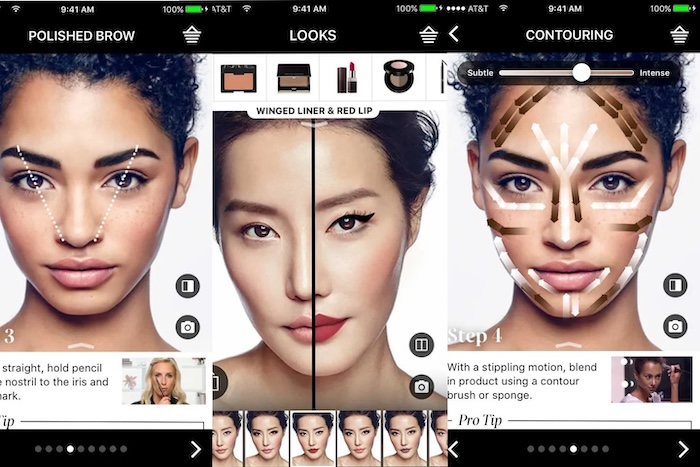
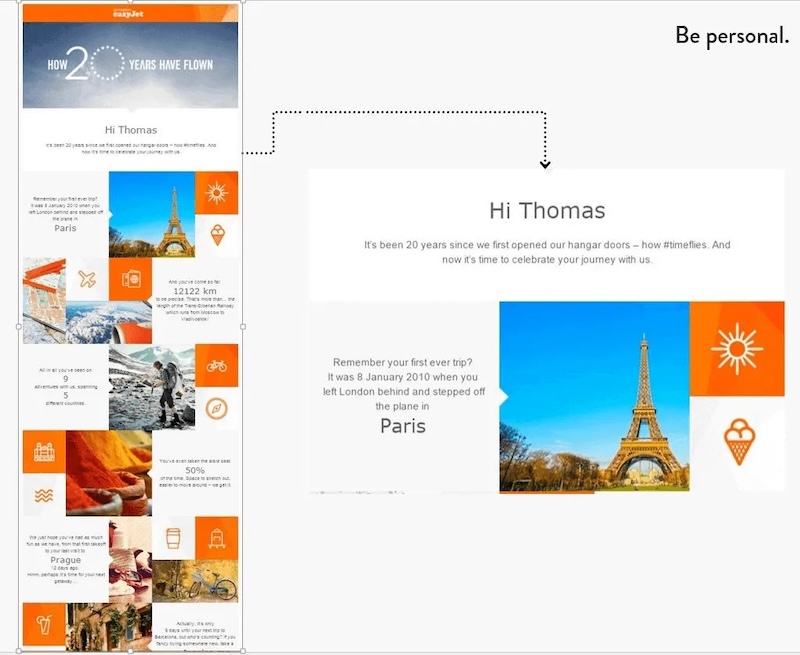
Personalization is the cornerstone of modern CRO. AI-powered engines analyze real-time behavior—such as pages visited, dwell time, and scroll depth—alongside historical data like past purchases and demographic information. A prominent example is the beauty retailer Sephora. By utilizing AI to recommend products based on skin type and previous interactions, Sephora has significantly increased its conversion rates. Their “Virtual Artist” tool, which uses augmented reality and AI to allow customers to “try on” makeup virtually, reduces the uncertainty that often leads to cart abandonment.
2. AI-Enhanced A/B and Multivariate Testing
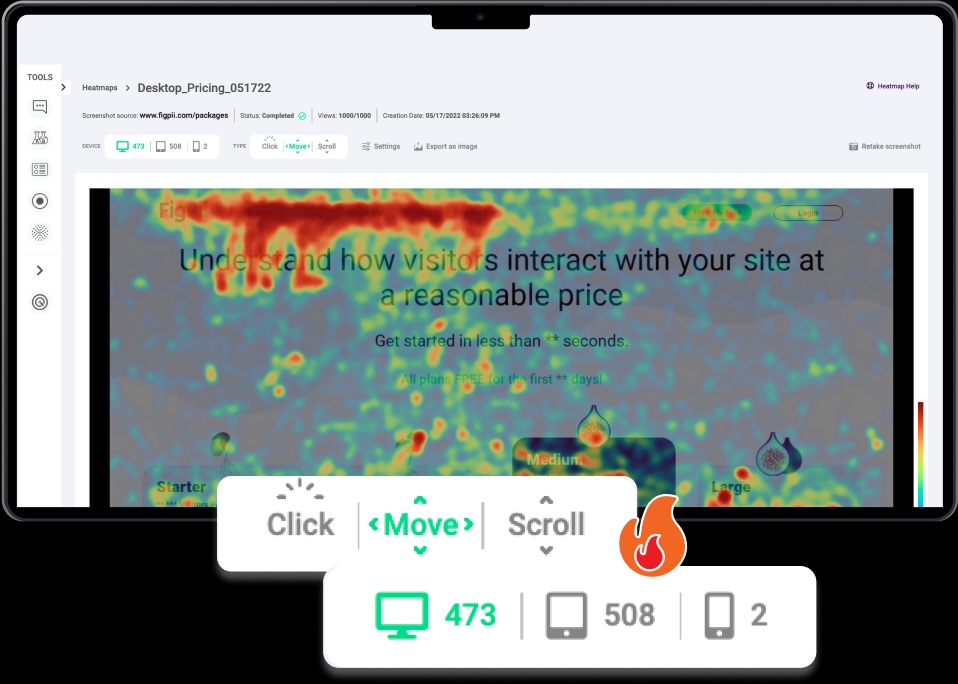
Traditional testing is limited by human bandwidth. AI tools, such as FigPii, can run hundreds of variations simultaneously, automatically shifting traffic toward the highest-performing versions. This “bandit testing” approach ensures that revenue is not lost during the experimentation phase, as the AI learns which version is winning and optimizes traffic distribution in real-time.
3. Natural Language Processing (NLP) and Intelligent Chatbots
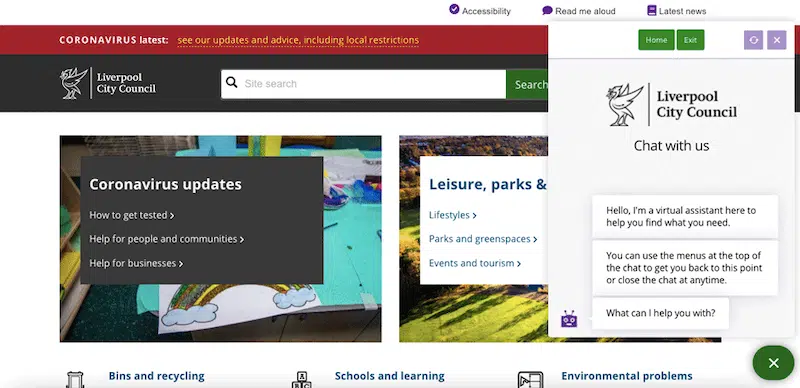
The role of customer support in conversion cannot be overstated. AI chatbots have evolved from simple, rule-based scripts to sophisticated entities capable of understanding intent through NLP. For instance, the Liverpool City Council implemented an AI virtual assistant to handle queries regarding council taxes and benefits. By providing instant, accurate responses, the bot resolved user pain points that previously required human intervention, demonstrating that AI’s utility extends beyond retail into public service and lead generation.
4. Predictive Analytics and Churn Mitigation
Predictive analytics uses machine learning to forecast future actions based on historical patterns. Tools like Pendo or HubSpot analyze user behavior to identify “at-risk” customers who are likely to abandon their carts or cancel a subscription. By triggering a personalized discount or a targeted remarketing email at the exact moment a user shows signs of hesitation, businesses can proactively “save” the conversion.
Case Studies: Industry Leaders Setting the Standard
The practical application of AI CRO is best observed through the lens of industry giants who have integrated these systems into their core operations.
Stitch Fix and the Outcomes-based Content Model (OCM):
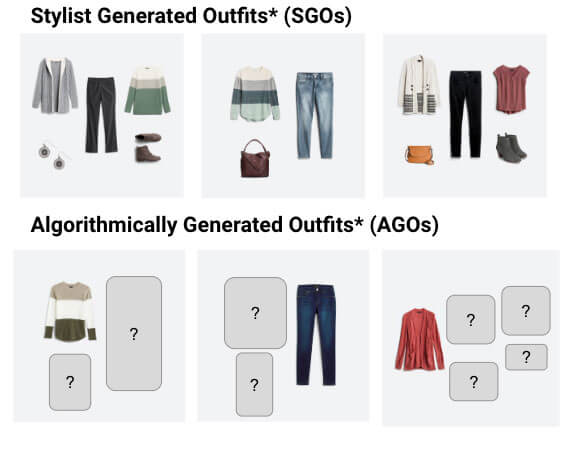
The online personal styling service Stitch Fix uses a proprietary OCM that leverages generative AI to assist its human stylists. By analyzing millions of customer feedback points, the AI suggests specific clothing items and even drafts personalized notes to customers. This synergy between human creativity and machine efficiency has become a benchmark for high-touch, AI-augmented commerce.
Spotify’s Algorithmic Retention:
Spotify’s “Discover Weekly” and dynamic playlists are masterclasses in CRO. While the “conversion” for Spotify is often continued subscription and user engagement, the underlying principle is the same: use AI to minimize the “paradigm of choice.” By presenting users with exactly what they want to hear, Spotify reduces the friction of searching, thereby increasing the time spent on the platform and reducing churn.
OddBalls and Dynamic Nudges:
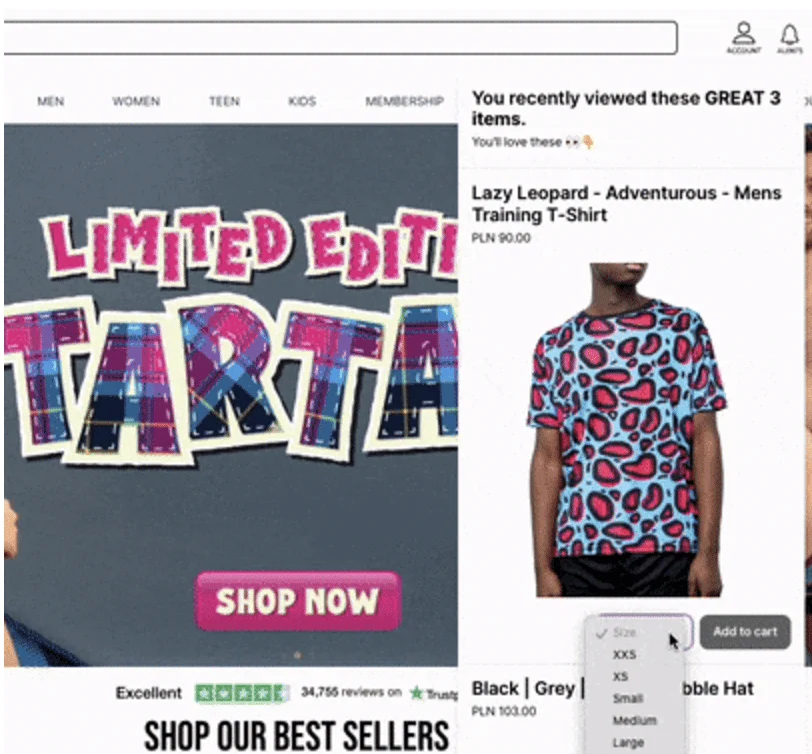
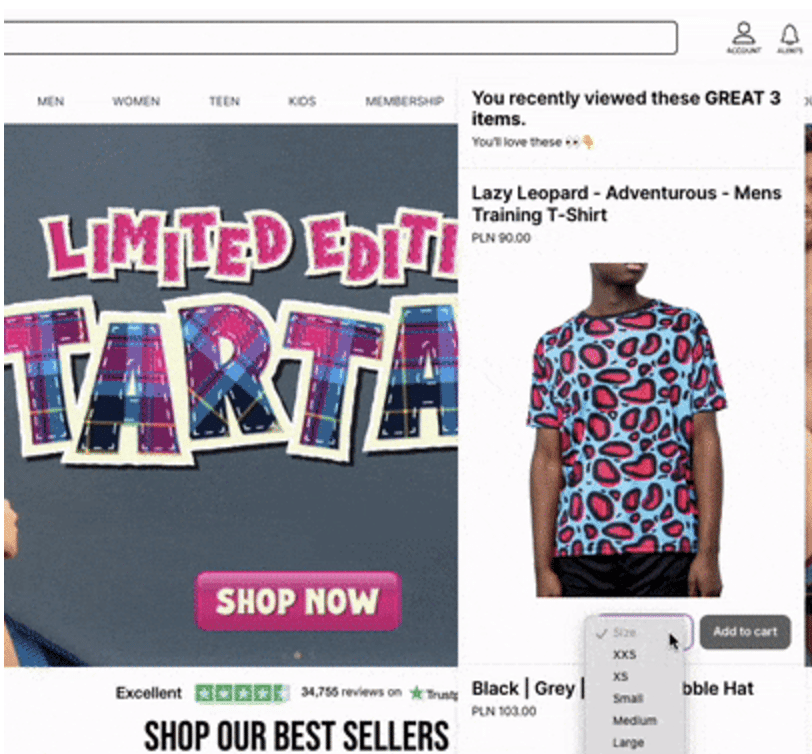
The UK-based apparel brand OddBalls utilizes an AI-driven “Wishlist” feature. If a visitor views three or more products without purchasing, the system generates a tailored on-site notification. This “personalized nudge” serves as a reminder of the user’s expressed interest, often providing the final impetus needed to complete a transaction.
Building a Data-Driven Optimization Culture
For AI CRO to be effective, an organization must foster a culture that values data over intuition. This shift requires a departure from “HIPPO” (Highest Paid Person’s Opinion) decision-making toward a framework where every change is validated by machine-learned insights.
A data-driven culture ensures that resources are allocated effectively. AI can process vast amounts of information—often referred to as “Big Data”—that would be impossible for a human team to analyze. This allows data scientists and marketers to focus on high-level strategy while the AI handles the granular execution of tests and adjustments. As one tech executive from a leading e-commerce platform noted, “AI doesn’t replace the marketer; it provides the marketer with a telescope and a microscope at the same time.”
Identifying Improvement Opportunities and Testing Validation
AI acts as a digital detective, spotting anomalies and trends within the conversion funnel. For example, if a specific demographic is dropping off at the payment stage, AI can analyze whether the issue is a technical bug, a lack of preferred payment methods, or a confusing UI element.
Furthermore, AI facilitates “what if” scenarios. Before a major site redesign, AI models can simulate how changes might impact user flow. This predictive validation reduces the risk associated with large-scale updates, ensuring that every design choice is backed by a high probability of success.
Ethical Considerations and the Future of AI CRO
As AI becomes more pervasive, ethical considerations regarding data privacy and transparency have come to the forefront. Regulations such as the GDPR in Europe and the CCPA in California require businesses to be transparent about how they collect and use consumer data. The future of AI CRO will likely involve “Privacy-First AI,” which can provide personalized experiences without relying on invasive tracking.
Moreover, the “black box” nature of some AI algorithms—where it is unclear how the machine reached a specific conclusion—is being addressed through “Explainable AI” (XAI). Marketers are increasingly demanding tools that not only provide results but also explain the underlying logic, allowing for better strategic alignment.
Broader Impact and Implications
The implications of AI-driven conversion optimization extend far beyond increased revenue. By creating a more efficient and personalized web, AI improves the overall user experience of the internet. It reduces the “noise” of irrelevant advertising and helps consumers find the products and services they truly need.
For small and medium-sized enterprises (SMEs), the democratization of AI tools is a significant development. Previously, only companies with massive budgets could afford custom machine learning models. Today, SaaS platforms offer AI CRO capabilities at a fraction of the cost, leveling the playing field and allowing smaller brands to compete with global giants.
Conclusion: The Strategic Imperative of AI
The transition to AI-driven CRO is no longer an optional upgrade; it is a strategic imperative for any business operating in the digital space. The ability to adapt in real-time, automate complex data analysis, and provide a bespoke journey for every visitor is the new standard of excellence.
As technology continues to evolve, the gap between companies that embrace AI and those that rely on traditional methods will only widen. The future of digital commerce belongs to those who can leverage the predictive power of artificial intelligence to build meaningful, seamless, and highly optimized customer connections. By integrating AI into the heart of the conversion strategy, brands can ensure they are not just reacting to the market, but actively shaping the experiences that drive growth and loyalty.

 Siti Muinah
 Nana
Nana