

The digital marketing landscape is currently undergoing a significant transition from passive lead capture to active conversational engagement, as traditional static forms face declining conversion rates across both B2B and B2C sectors. Live chat lead generation, defined as the use of real-time digital conversations to identify and qualify potential customers, has emerged as a cornerstone of high-performance sales environments. This mechanism operates on a streamlined logic: a visitor engages with a website, a proactive trigger or manual click initiates a dialogue, and a human or automated agent qualifies the prospect before transferring the data to a sales representative. In an era defined by the “urgency economy,” where consumers expect immediate gratification, the ability to engage a buyer at the exact moment of peak interest represents a critical competitive advantage that traditional email marketing and contact forms struggle to replicate.
The Chronology of Conversational Marketing
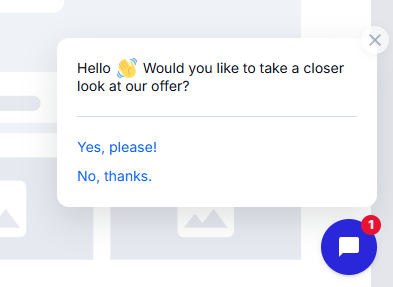
The adoption of live chat has moved through three distinct eras over the last two decades. In the early 2010s, live chat was primarily a reactive tool housed within customer support departments, used almost exclusively to troubleshoot post-purchase issues. The technology was cumbersome, often slowing down site load speeds and offering little in the way of sales integration. By 2018, the rise of “Conversational Marketing” platforms began to shift the focus toward the top of the funnel, introducing basic automation and “proactive” pop-ups.
Entering the mid-2020s, the industry has reached a “Hybrid Intelligence” phase. This era is characterized by the integration of Large Language Models (LLMs) and sophisticated behavioral tracking. Current market data suggests that the “traditional” advice of the previous decade—such as firing a chat window five seconds after a page loads—is no longer effective. Modern users, accustomed to intrusive digital advertising, have developed “widget blindness,” necessitating a more nuanced, data-driven approach to engagement.
Technical Shift: Behavioral Triggers vs. Static Timers
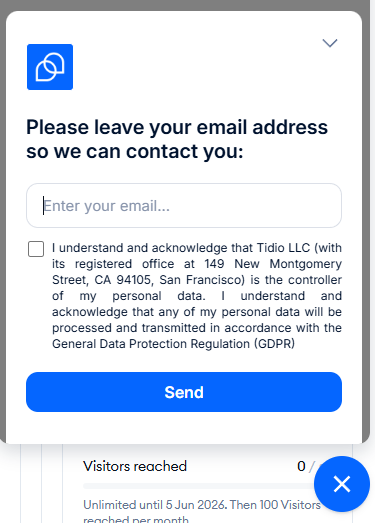
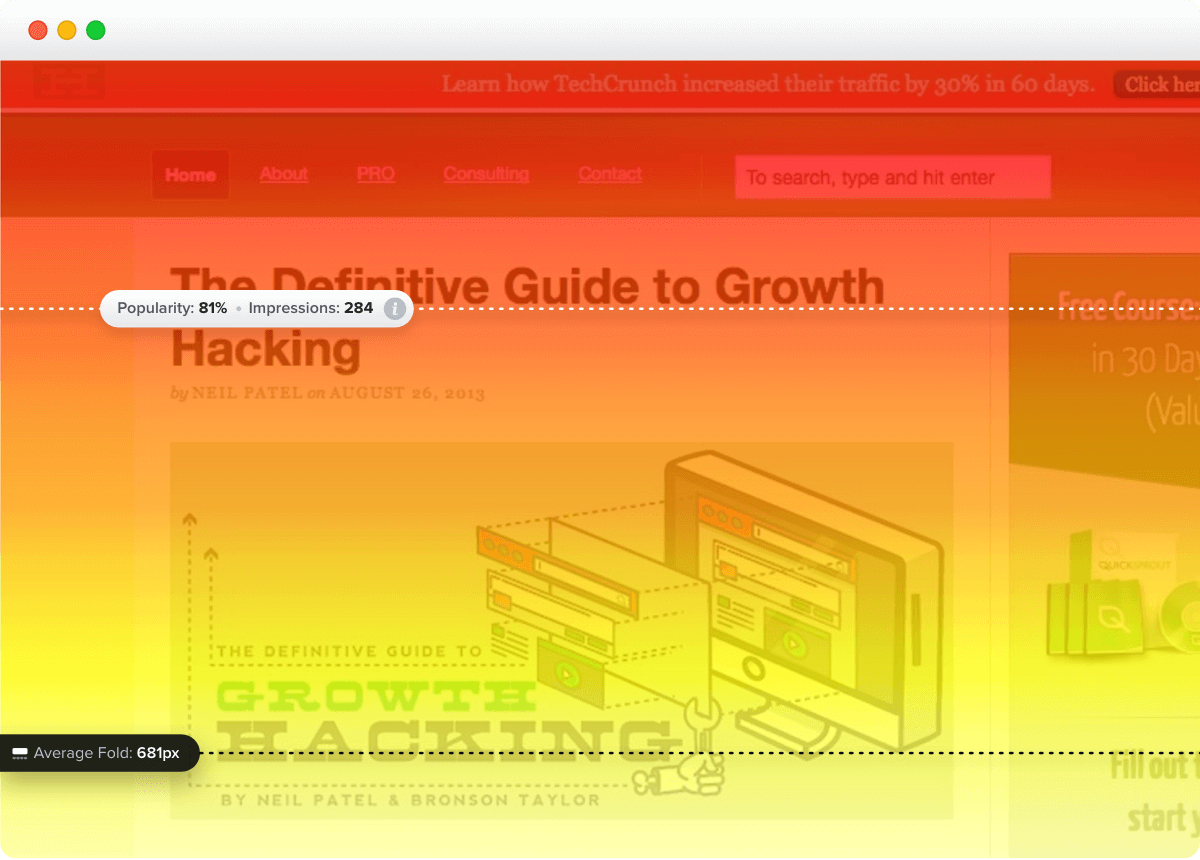
Industry analysts now emphasize that timing is secondary to intent. The shift from time-based triggers to behavioral triggers marks a significant advancement in lead generation strategy. Data from web analytics and heatmaps indicates that a visitor who has scrolled through 75% of a pricing page or visited a specific product feature three times in one session is far more likely to convert than a first-time visitor who has spent 30 seconds on a homepage.
Modern intent signals include deep scrolling, repeat visits within a 24-hour window, and “comparison behavior,” such as toggling between different subscription tiers. By utilizing session recording tools and heatmaps, firms can now identify the precise “moment of frustration” or “moment of curiosity” to launch a chat invitation. This surgical approach reduces the bounce rate associated with aggressive pop-ups while increasing the quality of the leads captured.
The Mobile-First Design Imperative
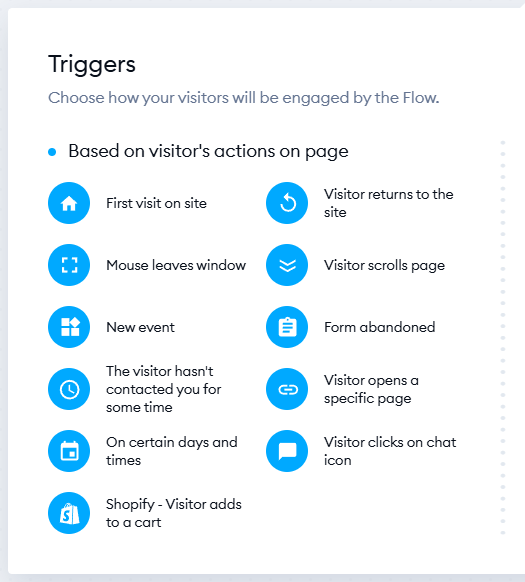
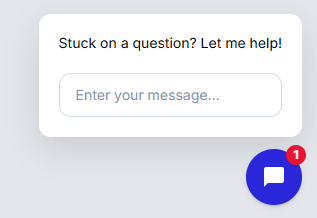
With mobile traffic consistently accounting for over 50% of global web usage, the design of the chat interface has become a technical bottleneck for many organizations. The standard bottom-right placement, while expected on desktop, often interferes with navigation on mobile devices. User experience (UX) experts now advocate for a “mobile-optimized thumb zone” approach, which may include sticky bottom-center buttons or labeled “pills” rather than simple icons.
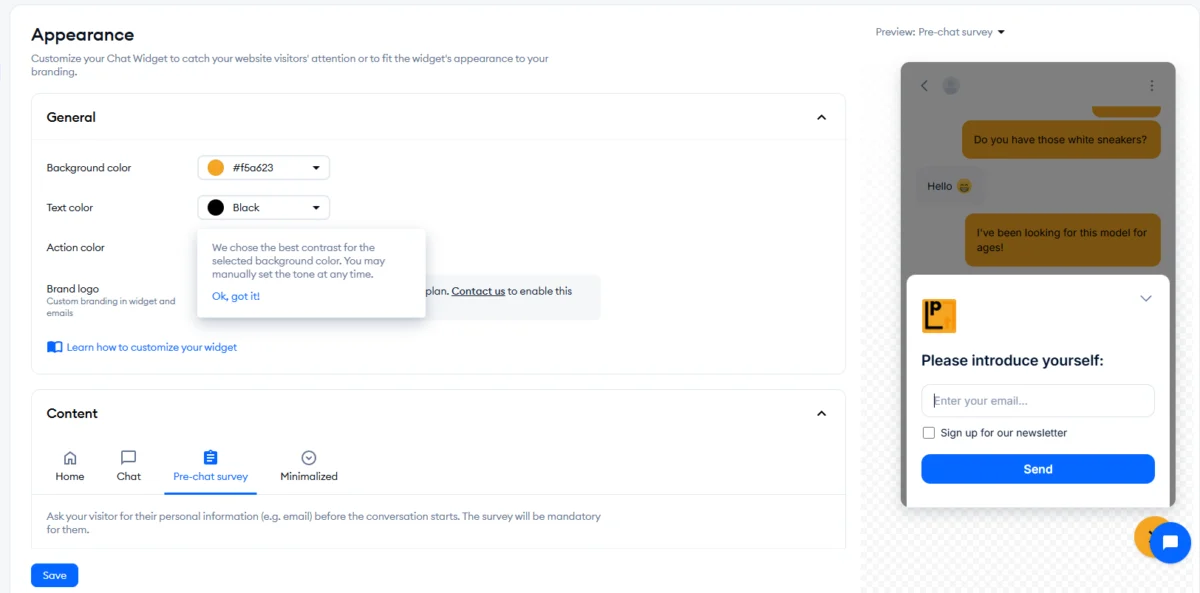
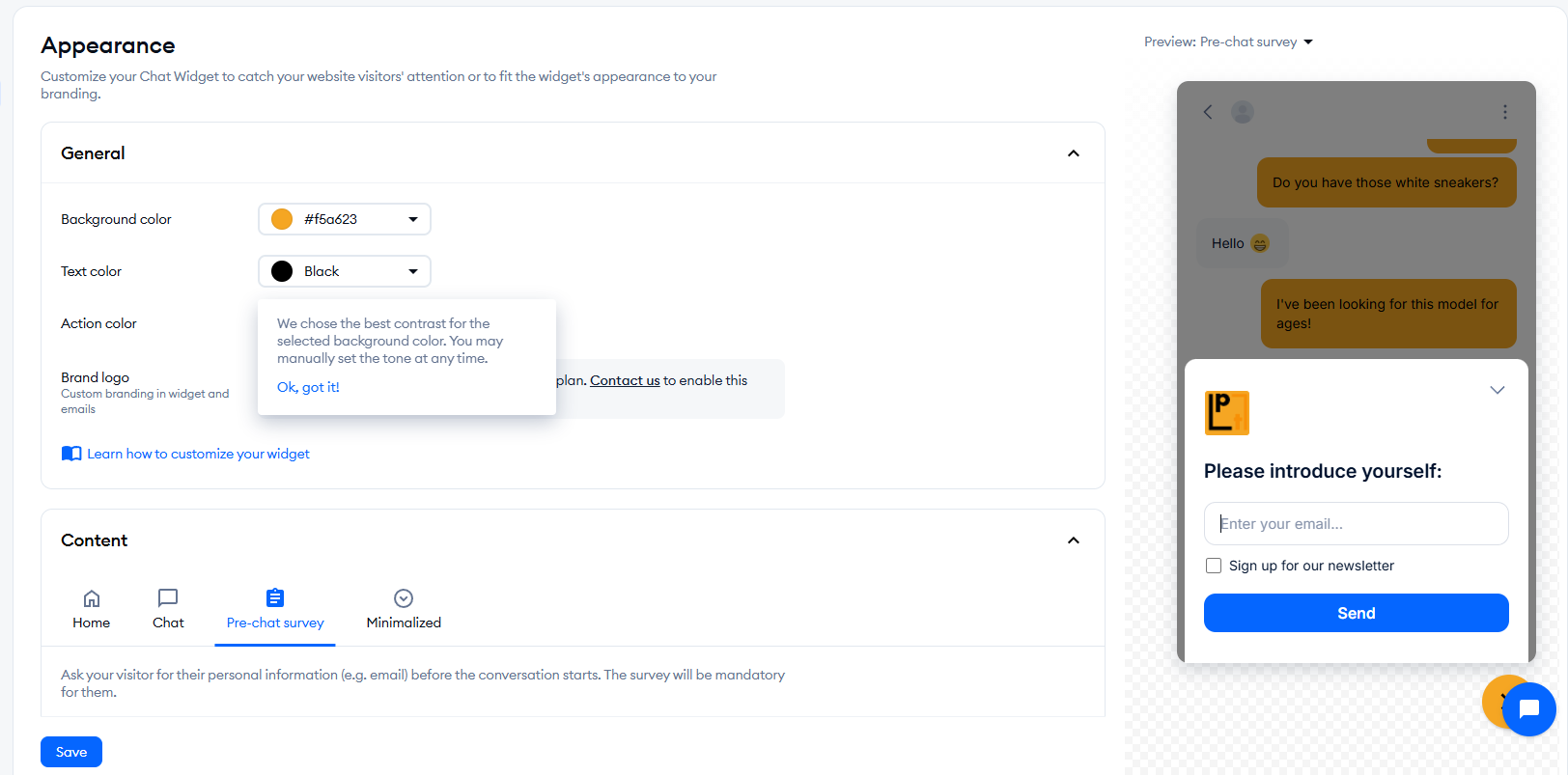
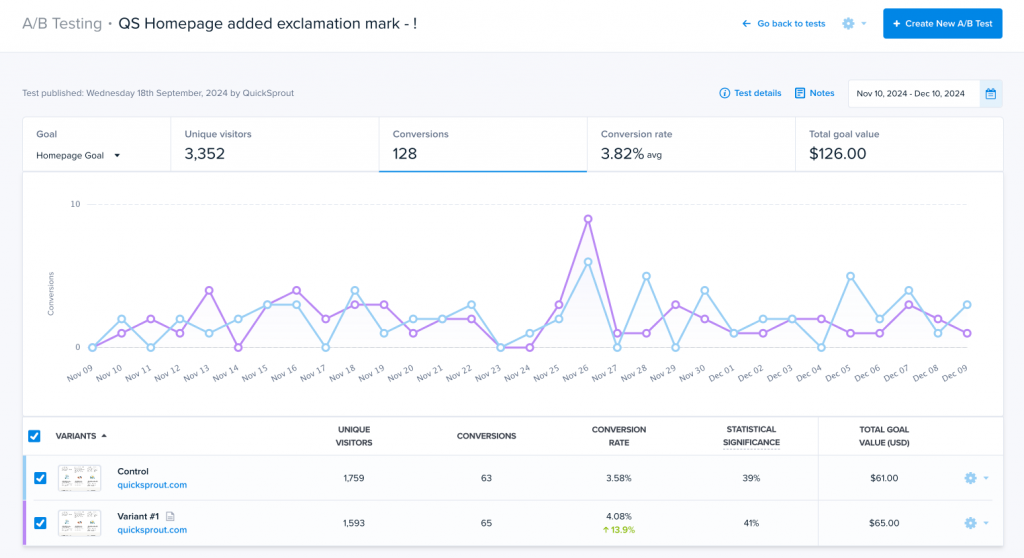
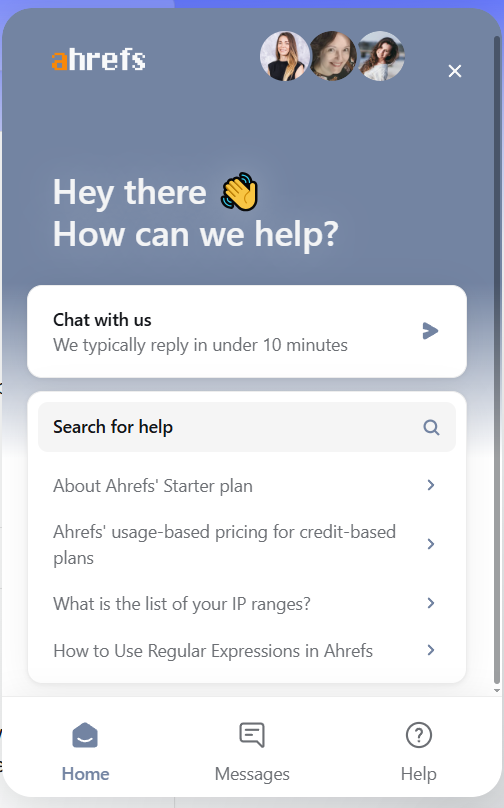
To combat the “cookie-cutter” look of generic widgets, high-performing sites are adopting high-contrast color schemes and personalized microcopy. A labeled button stating “Ask a Specialist” has been shown to outperform a generic speech bubble icon in A/B testing environments. Furthermore, the inclusion of “social proof” indicators—such as the faces of actual team members and average response times—serves to build immediate trust in an anonymous digital environment.
The “Speed to Lead” Phenomenon: Supporting Data
The correlation between response time and conversion rate remains one of the most studied metrics in digital sales. A landmark 2011 study by Harvard Business Review suggested that responding within one minute could lift conversions by nearly 400%. However, 2024 benchmarks from the LiveChat Customer Service Report indicate that the global average response time has now compressed to 35 seconds.
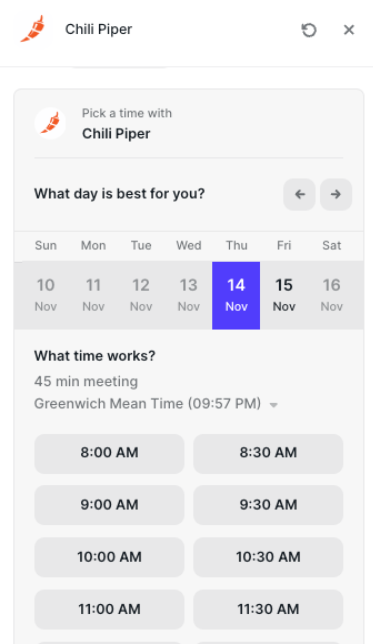
In 2025, the “speed to lead” metric has evolved into the “immediate resolution” metric. Research from Chili Piper’s 2025 Benchmark Report found that allowing a customer to book a meeting or start a call immediately after a lead-capture event can double inbound conversion rates, moving from an average of 30% to 66.7%. This data underscores a fundamental shift in consumer behavior: if the bridge between a chat conversation and a scheduled sales meeting is not seamless, the “intent decay” begins the moment the user closes the browser tab.
The Hybrid Intelligence Model: Chatbots as Gatekeepers
The operational cost of staffing live chat 24/7 is prohibitive for most small to medium-sized enterprises. This has led to the rise of the hybrid model, where AI-driven chatbots act as the first line of defense. The primary role of these bots is no longer to replace human interaction but to facilitate it through pre-qualification.
Effective hybrid workflows use chatbots to ask three to four high-impact questions:
- Identifying the user’s primary pain point.
- Determining the size of the organization or the scope of the project.
- Establishing the timeline for a purchase.
- Capturing verified contact information.
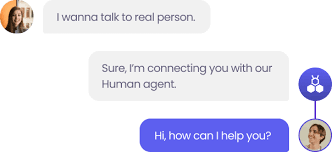
This screening process ensures that human sales agents spend their time on “High-Value Targets” rather than support queries or vendor solicitations. When the bot detects high-intent keywords—such as “pricing,” “demo,” or “enterprise”—it triggers a live handoff to a human representative, providing the agent with the full transcript of the bot’s interaction to ensure a frictionless transition.
Omnichannel Strategies and Policy Shifts
The scope of live chat has expanded beyond the website widget into third-party messaging apps like WhatsApp and SMS. This shift offers the dual benefit of lower friction for the user and automatic contact capture for the brand. However, this sector is currently facing significant regulatory and policy hurdles.
In a notable industry development, Meta announced a pause on marketing-category template messages for WhatsApp users with US-based phone numbers in April 2025. This “temporary” pause, which remains in effect as of mid-2026, has forced US-based marketers to pivot back to SMS and iMessage for direct-to-consumer conversational sales. These channels require strict adherence to opt-in protocols, as a WhatsApp consent does not legally translate to SMS marketing rights under current TCPA (Telephone Consumer Protection Act) guidelines.
B2B Implications: Account-Based Marketing (ABM) Integration
For B2B organizations, live chat has become a critical component of Account-Based Marketing (ABM). By integrating chat widgets with visitor-identification tools like ZoomInfo, Leadfeeder, or Warmly, companies can identify when an employee from a “Target Account” lands on their site.
This allows for “De-anonymized Engagement,” where the chat opener can be tailored to the industry or specific challenges of that account. However, industry analysts warn against “over-personalization,” which can be perceived as invasive surveillance. The most successful ABM chat strategies use account data to adjust the tone and the resources offered (such as industry-specific whitepapers) rather than explicitly naming the visiting company in the initial greeting.
Official Responses and Industry Perspectives
Industry leaders in the CRM and sales automation space have increasingly emphasized the “quality over quantity” aspect of live chat. During a recent digital marketing summit, sales directors from several SaaS unicorns noted that their primary challenge is no longer capturing leads, but filtering out “noise.”
“The goal of a modern chat interface isn’t just to talk to everyone; it’s to provide a fast lane for the people who are ready to buy today,” stated one executive. This sentiment is reflected in the growing use of keyword filtering and spam rules to prevent sales teams from being overwhelmed by non-lead inquiries, such as job seekers or automated “bot-on-bot” sales pitches.
Broader Impact and Future Implications
The long-term impact of live chat lead generation extends into the realm of “Zero-Party Data”—information that a customer intentionally and proactively shares with a brand. As third-party cookies are phased out and privacy regulations like GDPR and CCPA tighten, the data captured during a voluntary chat conversation becomes more valuable than data gathered through passive tracking.
Looking ahead, the integration of video-chat capabilities and real-time co-browsing (where an agent can guide a user through a website) is expected to become the next frontier for high-ticket e-commerce and complex B2B services. As AI continues to evolve, the distinction between a human agent and a sophisticated bot may blur, but the fundamental requirement for lead generation will remain the same: providing the right information at the exact moment the consumer asks for it.
In conclusion, live chat lead generation is no longer a “set-and-forget” widget. It is a dynamic, data-intensive sales channel that requires constant optimization of triggers, design, and human-AI synergy. Organizations that fail to adapt to these modern behavioral realities risk losing high-intent prospects to competitors who are ready to engage in real-time.







