rifanmuazin
Ensuring the success of any Pay-Per-Click (PPC) initiative hinges on a rigorous quality assurance (QA) process, particularly when launching new campaigns. While Google Ads increasingly leverages automation through AI-generated assets, Smart Bidding strategies, and campaign types like Performance Max, this technological advancement does not negate the necessity of meticulous manual oversight. In fact, the very power of automation means that misconfigurations can escalate errors rapidly, leading to significant wasted ad spend and diminished returns. A robust pre-launch QA framework is therefore paramount, guaranteeing that automation operates with accurate inputs, a well-defined campaign structure, and precise targeting. This comprehensive guide outlines the essential checks required before activating your Google Ads campaigns.
Campaign Settings: The Foundation of Success
The initial phase of campaign setup demands scrupulous attention to detail. Several critical settings form the bedrock of campaign performance, and their accurate configuration is non-negotiable.
Network Settings: Precision Over Broad Reach
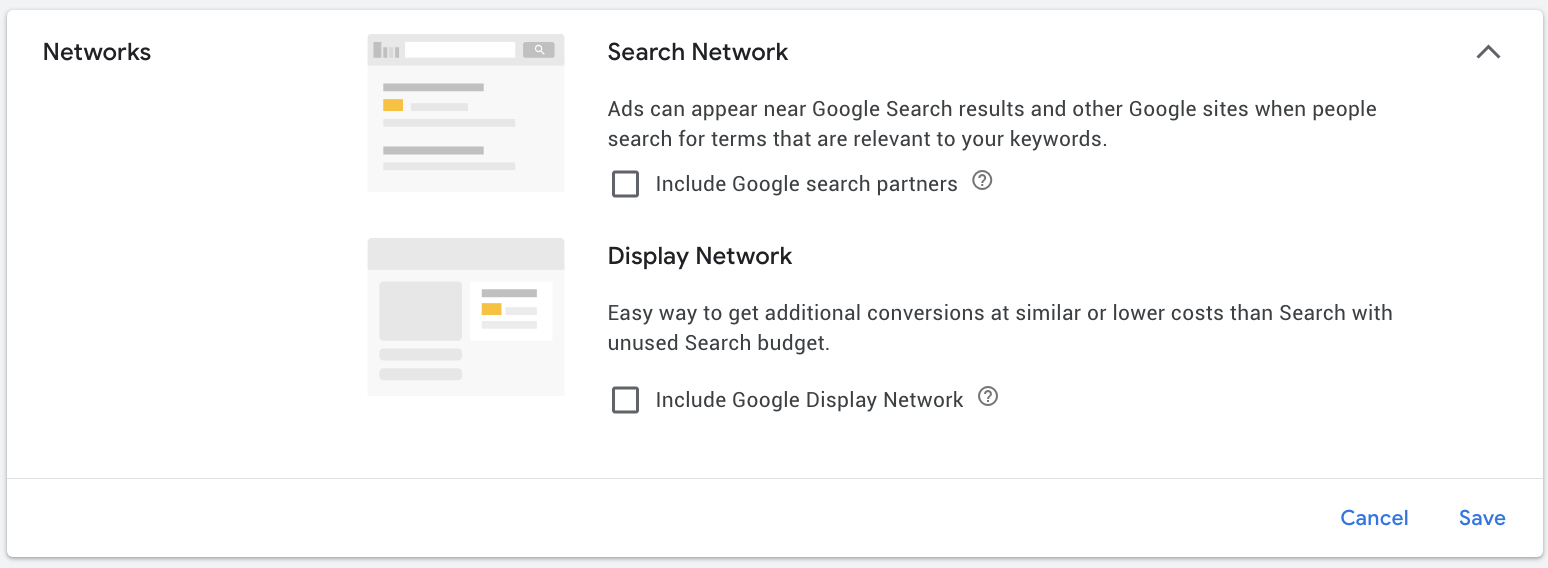
For Search campaigns, the decision to enable "Search partners" warrants careful consideration. While this can extend reach, particularly for niche campaigns, it often introduces low-quality clicks for many advertisers. Equally important is the exclusion of the "Display network" from Search ads. Search ads are engineered for the direct response environment of search results pages, not the broader, visual context of the Display network. Attempting to utilize Search ads on Display placements is highly unlikely to yield effective results. For advertisers seeking to leverage the Display network, creating a dedicated Display campaign is the optimal strategy, ensuring messaging and ad formats are tailored to that specific environment.

Bidding Strategies: Aligning with Objectives and Data
Bids are a fundamental lever in PPC campaign management. Understanding the chosen bidding methodology is crucial. Advertisers must verify that a significant number of keywords are not languishing below the first-page bid threshold, indicating insufficient visibility. Conversely, it’s equally vital to ensure bids are not set excessively high, leading to unsustainable costs.
Google Ads offers a spectrum of Smart Bidding strategies, including "Maximize Conversions," "Maximize Conversion Value," "Target CPA," and "Target ROAS." The selection of the appropriate strategy is intrinsically linked to campaign objectives and the volume of available conversion data. For instance, "Maximize Clicks" can serve as a prudent starting point for nascent campaigns with limited historical data. Conversely, "Target CPA" or "Target ROAS" are more suitable for accounts demonstrating consistent conversion volumes.
It is essential to remember that Google Ads’ Smart Bidding strategies, powered by machine learning, dynamically adjust bids. Therefore, continuous monitoring of average Cost Per Click (CPC) and average cost per conversion is imperative to prevent over- or under-bidding, even when direct bid control is automated. This ongoing vigilance ensures that the algorithm is operating within desired cost parameters.
Budget Allocation: Fueling Performance and Learning
Budget settings require a thorough review to ensure they are neither excessively high nor prohibitively low. A critical consideration is whether the budget is sufficient to allow Smart Bidding strategies to exit their learning phase and commence meaningful optimization. The inadvertent addition of an extra zero to a budget figure can have catastrophic financial implications. Google’s safeguard of requiring a double "Save" confirmation for substantial budget increases aims to mitigate such severe errors.
Google Ads frequently provides budget recommendations, which can be implemented with minimal effort. However, any adopted recommendation must be rigorously assessed to ensure its alignment with the overarching campaign strategy. Furthermore, the sufficiency of the budget for the chosen bidding strategy is paramount. Smart Bidding relies on a steady stream of data for effective learning and optimization. Restrictive budgets can prolong the learning phase or impede the generation of adequate conversion data, thereby hindering efficient performance. In scenarios with limited budgets, opting for bidding strategies like "Maximize Clicks" with a CPC limit, or "Manual CPC," may be more appropriate.
Campaign Structure: Consistency and Clarity
The structure of a new campaign must align logically with the broader account architecture. If deviations exist, a clear rationale should be established. Adhering to a consistent naming convention across all campaigns and ad groups facilitates comprehension, even for individuals unfamiliar with the account’s intricacies. This uniformity enhances manageability and reduces the potential for errors during campaign management.
Performance Max Campaigns: Navigating Automation’s Nuances
Performance Max (PMax) campaigns introduce a unique set of QA considerations due to their inherent reliance on automation, offering advertisers less granular control compared to traditional campaign types.
Asset Group Structure and Feed Quality
A primary focus for PMax QA is the review of asset group structure. Asset groups should be thematically coherent, directly linked to specific products, services, or audience segments. The consolidation of unrelated messaging within a single asset group can dilute campaign performance. For campaigns utilizing a product feed, ensuring its accuracy, up-to-dateness, and proper structuring is critical, as feed quality directly impacts campaign efficacy.

Audience Signals and Brand Exclusions
The inclusion of audience signals serves to guide Google’s initial targeting efforts. While PMax will expand beyond these initial signals, providing robust starting inputs can accelerate the machine learning process. Additionally, reviewing brand exclusions is essential, particularly for advertisers aiming to delineate brand and non-brand advertising efforts.
Despite the inherent limitations in visibility and control, ongoing performance reviews of PMax campaigns remain indispensable for optimizing outcomes.
Location and Language Targeting: Precision is Key
Accurate location and language targeting are indispensable, especially for accounts segmented by geographical regions. Each campaign must be meticulously verified to ensure it targets the correct geographic area and employs the appropriate language setting. The potential for inadvertently targeting the entire globe underscores the critical nature of this check.
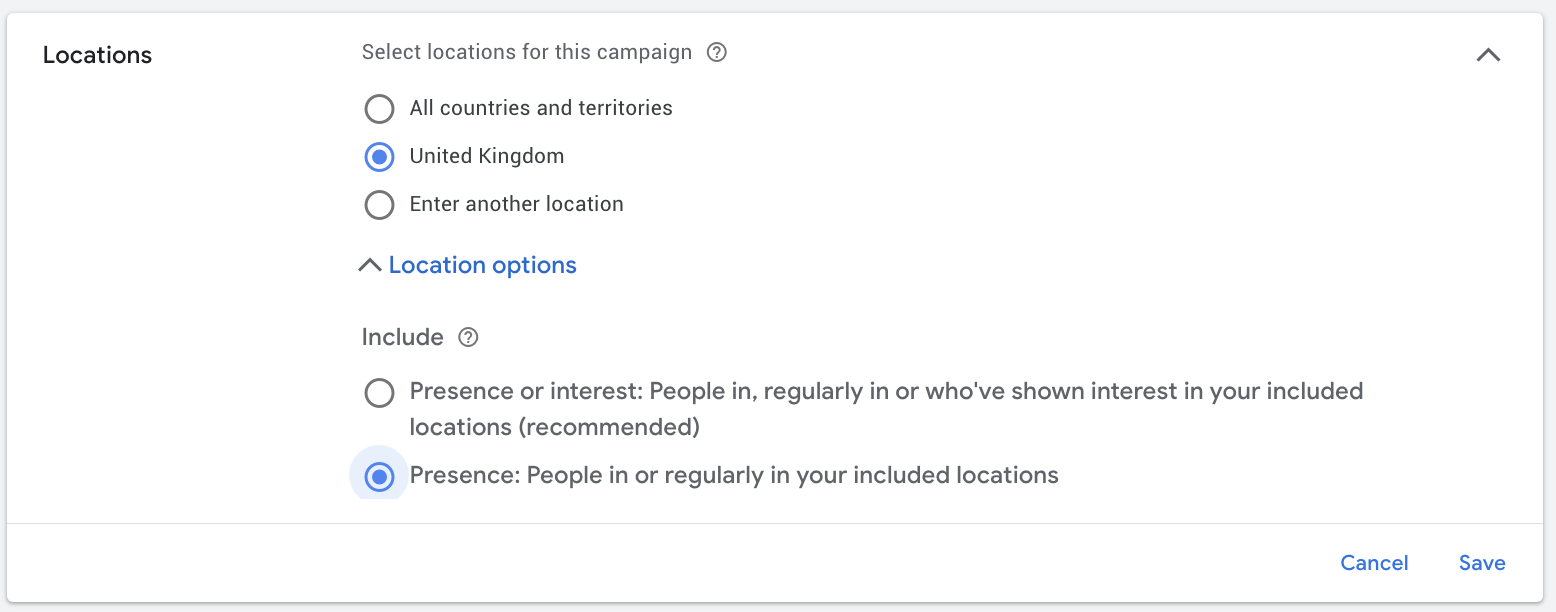
Furthermore, advertisers must discern between targeting locations by "presence" and by "presence and interest." Google defaults to "presence or interest," which can lead to ad delivery to irrelevant audiences. For instance, targeting the United Kingdom might result in ads being shown to individuals outside the UK who have previously expressed interest in or searched for UK-related topics. Selecting "presence" ensures that ads are only shown to users physically located within the specified region.

AI Max and Automatically Created Assets: Balancing Automation and Control
Google’s AI Max feature, an evolution of automatically created assets, integrates AI to generate creative and targeting enhancements for Search ads. By enabling text customization, advertisers allow Google to generate additional headlines and descriptions by drawing from landing page content, existing ads, and keywords. This can be beneficial for adapting messaging in real-time to user intent and improving performance.
However, this automation inherently reduces control over ad presentation. AI-generated assets may introduce messaging that deviates from brand guidelines or tone of voice. AI Max also encompasses features like final URL expansion, which directs users to different landing pages based on their search intent. This necessitates ensuring that website content and structure are meticulously aligned with campaign objectives. For advertisers utilizing AI Max, regular review of asset performance reports is crucial to understand the combinations being served and their contribution to results. These settings can be managed within campaign settings, allowing for adjustments to asset generation and optimization controls.
Auto-Applied Recommendations: Vigilance Against Unintended Consequences
Google’s capacity to automatically apply recommendations, such as adding keywords or creating new assets, can significantly impact campaign performance. It is crucial to recognize that not all recommendations are beneficial; some can negatively affect performance. While minor adjustments may be less risky and aid in account management for time-constrained advertisers, significant changes like altering bidding strategies, introducing new keywords, or shifting keyword match types from exact to broad can severely damage campaign performance. Regular checks of the "Auto-Applied Recommendations" section within account settings are vital to identify and review any automated changes. For complete control over account modifications, advertisers can disable auto-applied recommendations by navigating to the Recommendations tab, selecting "Auto-apply," and reviewing enabled categories.
Keywords, Negatives, and Targeting: Refining Reach
Beyond broad campaign settings, a granular examination of keywords, negative keywords, and targeting parameters is essential for optimizing campaign effectiveness.
Keyword Selection and Match Types
A thorough review of keywords within a campaign is necessary to ensure their relevance and alignment with campaign goals. The chosen match types – broad, phrase, or exact – must be carefully considered. While Smart Bidding strategies often encourage broad match for enhanced machine learning, phrase and exact match offer greater strategic control over ad placement, thereby ensuring relevance and efficiency.
Negative Keywords: A Crucial Defense
Given the diminishing visibility of search terms and reduced control over keyword targeting, proactive negative keyword management is more critical than ever. Regular review of search term reports is essential for identifying and adding irrelevant queries to negative keyword lists. Negative keywords are particularly valuable when employing broad match keywords within Smart Bidding campaigns. The judicious use of broad, phrase, or exact match negative keywords is vital to avoid inadvertently blocking relevant search terms. Google often provides notifications in the Recommendations tab for necessary changes.
Targeting Parameters: Precision in Audience Selection
For Display campaigns, effective targeting is directly proportional to the precision of the chosen parameters. A key QA check involves distinguishing between "Targeting" and "Observation" within audience settings. "Targeting" narrows reach exclusively to selected audiences, while "Observation" maintains broader targeting with the ability to adjust bids on specific segments.
Furthermore, "Optimized targeting" can expand reach beyond initial selections. Advertisers should verify if this setting is active if results are not meeting expectations. Audience expansion settings across various campaign types, including Search campaigns, should also be reviewed. While intentional for remarketing, audience targeting may not be necessary for broader campaign activities and could inadvertently limit reach.

Conversion Tracking: The Bedrock of Optimization
Accurate conversion tracking is arguably the most critical element for a successful Google Ads account. Inaccurate tracking leads to optimization decisions based on flawed data, compromising campaign effectiveness.
Primary conversions must align directly with campaign objectives. Lead form submissions or purchases typically qualify as primary actions, whereas secondary actions like page views, while useful for monitoring, should not be used for bidding. Verification that all conversion tags are firing correctly and that values are accurately recorded is essential. Manual testing of conversions, where feasible, ensures expected data capture.
Enhanced conversions, utilizing first-party data, should be enabled to improve tracking accuracy, especially in privacy-centric environments. As previously noted, automated bidding strategies require sufficient conversion volume. Google recommends a minimum of 30 conversions per month, or 50 for "Target ROAS" strategies, to support effective learning and prevent unstable results. Finally, review attribution settings to ensure alignment with reporting and optimization goals.
Ads Quality Assurance: Crafting Compelling and Accurate Messaging
The quality and accuracy of ads are paramount in influencing user perception and driving desired actions.

Responsive Search Ads: Balancing Automation and Control
Responsive Search Ads (RSAs) automatically test combinations of headlines and descriptions, shifting testing from rotating ads to optimizing assets within a single ad format. Pinning can be employed to maintain control over critical messaging, particularly for compliance or brand requirements. However, excessive pinning can impede Google’s testing capabilities, necessitating selective application. A strategic approach to pinning headlines involves prioritizing essential messaging in the first two positions, as headlines pinned to position three are less likely to appear across most devices. The objective is to provide sufficient variation for testing while ensuring that all headline and description combinations are coherent and reflect core messaging.
Dynamic Keyword Insertion (DKI): A Tool for Caution
Dynamic Keyword Insertion (DKI) automatically updates ad text to match user search queries, theoretically boosting clickthrough rates by enhancing ad relevance. However, DKI requires careful application. Long-tail keywords may exceed the 30-character headline limit, or result in awkward phrasing. In worst-case scenarios, DKI can lead to trademark infringement or mislead visitors by suggesting offerings that are not available.
Image Assets: Enhancing Visual Appeal
Image assets can be added to Search ads for accounts compliant with Google Ads policies and active for over 90 days, potentially improving clickthrough rates. Images must be relevant to the ad, free of blurriness, and devoid of text overlay. Advertisers should review whether they have permitted Google Ads to utilize merchant photos from their linked Google Business Profile, as these may not always be relevant to the ad. This setting can be managed within the "Assets" section under "Account level automated assets."
Typos and Grammatical Errors: The Unseen Pitfalls
Typos and grammatical errors are common and can undermine ad credibility. Meticulous proofreading of all ad copy is essential. While spell-check features can assist, they may not catch all errors, such as homophone misuse. Utilizing Google Ads Editor can automatically detect and underline misspelled words in English, with dictionaries available for other languages. AI-generated assets also require thorough review for accuracy.

URLs: Ensuring Functionality and Tracking
A critical, yet often overlooked, QA check involves verifying the functionality of landing page URLs. Broken landing pages can render campaigns ineffective, leading to lost conversions. Regularly visiting landing page URLs ensures they are operational.
Furthermore, the inclusion of relevant tracking codes on URLs is vital. The distinction between a question mark (?) and a forward slash (/) in URLs can significantly impact functionality, with one potentially causing a 404 error while the other works correctly. Caution is advised regarding Google’s auto-tagging feature, which can override custom tracking codes or disrupt URL functionality. If auto-tagging interferes with custom tracking, consultation with a web developer is recommended to ensure correct configuration or disablement if necessary.
Post-Launch Quality Assurance: Continuous Monitoring
The QA process does not conclude with campaign activation. The initial 24 to 72 hours post-launch are critical for identifying emergent issues and preventing unnecessary ad spend.
Initial Performance Monitoring
Key metrics such as clickthrough rate (CTR), cost per click (CPC), and early conversion performance should be closely monitored to detect any anomalies or deviations from expected outcomes. This proactive approach allows for swift identification and rectification of any unforeseen problems, safeguarding campaign efficiency and budget integrity.