rifanmuazin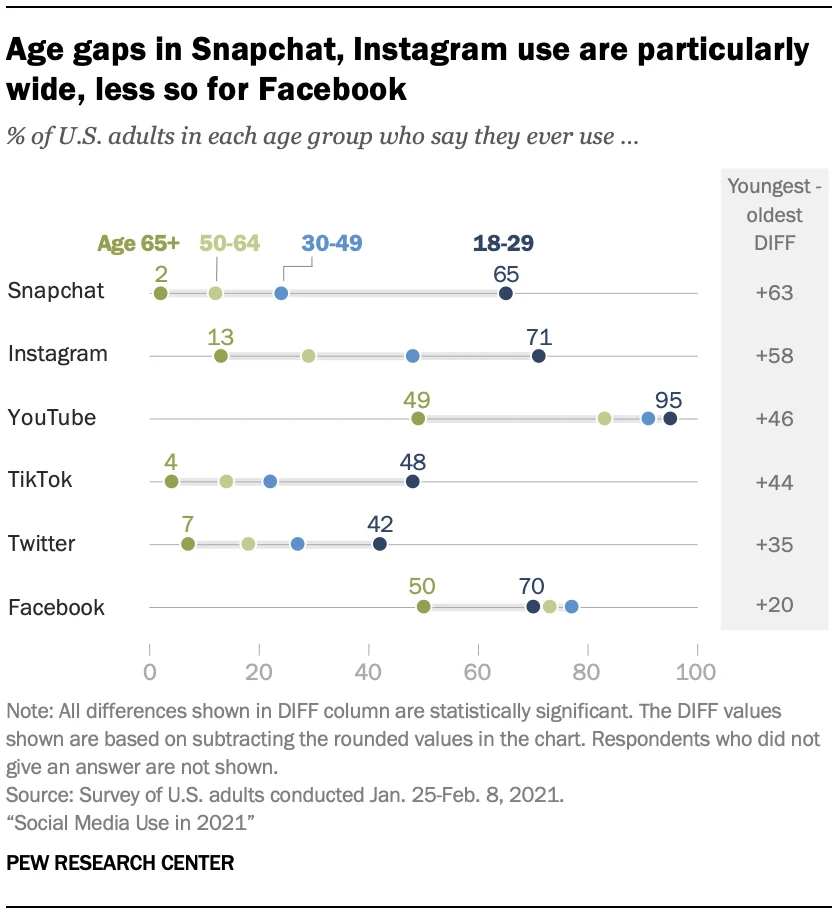
The concept of "target" is a cornerstone of modern marketing, serving as the critical identifier of who a brand is attempting to reach. This targeting can manifest in various forms: behavioral, psychographic, demographic, and geographic. While these frameworks provide essential insights, understanding how to effectively communicate with different generational cohorts is equally crucial for campaign success. This article, part of a series examining digital marketing strategies across generations, delves into the Millennial demographic (born between 1980 and 1994), exploring their unique characteristics, consumption patterns, and the most effective avenues for engagement.
Having previously explored strategies for reaching Generation Z, this installment shifts focus to Millennials, a generation that has increasingly dominated public discourse and economic influence. Their ascendance to the largest generational cohort, surpassing the Baby Boomers in sheer numbers, has amplified scrutiny of their perceived traits. Commonly characterized as digitally adept, health-conscious, and burdened by debt, these labels, while containing elements of truth, often oversimplify the complex reality of this diverse group. A deeper understanding of their formative experiences and evolving priorities is essential for marketers aiming to forge genuine connections.
The Millennial Mindset: Forged in the Digital Crucible
Millennials stand apart as the generation that matured alongside the digital revolution, a stark contrast to Generation Z, who entered a world where digital infrastructure was already established. This formative experience profoundly shaped their worldview and technological fluency. The creation of Facebook by a Millennial is a poignant symbol of this generation’s inherent connection to the digital sphere. During their formative years and early adulthood, they witnessed the meteoric rise of transformative technologies such as mobile phones, Google, Amazon, and Apple. This immersion has instilled in them a high degree of technological savviness, making them early adopters and adept navigators of online platforms and digital services.
Furthermore, data indicates that Millennials have achieved higher levels of educational attainment compared to preceding generations. A study by Pew Research Center highlights this trend, showing that Millennials are more likely to hold a college degree. However, this educational advantage is often accompanied by significant financial challenges. The escalating costs of higher education and the concurrent rise in housing prices have left a substantial portion of this generation grappling with considerable debt. This financial pressure has, in turn, influenced their life trajectories, leading to a delay in achieving traditional markers of adulthood. Millennials are increasingly postponing major life events such as marriage, homeownership, and starting families, opting to embark on these milestones later in life than previous generations.
Beyond these practical considerations, many Millennials are characterized by a pronounced sense of self-orientation, coupled with idealism and a strong valuation of personal freedom. This introspection often translates into a keen focus on personal well-being, which has fueled a surge in interest in various dietary trends, including vegetarianism, veganism, and pescetarianism. The ubiquity of avocado toast, a culinary staple often associated with this demographic, serves as a cultural touchstone for this emphasis on conscious consumption and lifestyle choices. Crucially, for Millennials, experiences often hold greater intrinsic value than the accumulation of material possessions. This preference for experiential consumption influences their purchasing decisions and brand loyalty.
Millennial Consumption Patterns: Beyond Stereotypes
Research from McKinsey & Company offers a granular view of Millennial consumption behavior, identifying distinct clusters that move beyond simplistic generalizations. While the specific categories within this research are not detailed in the provided text, the overarching finding suggests that Millennials do not represent a monolithic consumer bloc. Instead, their purchasing decisions are influenced by a complex interplay of factors, including their financial realities, values, and lifestyle aspirations.
Despite prevalent concerns about their financial futures, Millennials demonstrate a willingness to invest in premium and quality products. This inclination stems from a desire for items that offer longevity and demonstrable benefits to their health and well-being. This suggests a discerning approach to spending, where perceived value, durability, and positive impact on their lives often outweigh immediate cost considerations. Marketers who can effectively communicate these long-term benefits and align their products with Millennial values of health, quality, and sustainability are likely to resonate more strongly.

Strategic Approaches to Marketing to Millennials
Understanding the nuances of the Millennial mindset and consumption habits is the first step toward developing effective marketing strategies. The subsequent challenge lies in identifying the most impactful platforms and crafting resonant messaging.
Platforms for Reaching Millennials
Given their digital fluency, Millennials are accessible across a range of online platforms. However, the effectiveness of each platform can vary depending on specific sub-segments within the generation and the nature of the product or service being marketed.
- Social Media Dominance: Platforms like Instagram, Facebook, and increasingly TikTok (though with a strong Gen Z presence, many Millennials are active users) remain critical touchpoints. These platforms offer opportunities for visual storytelling, community building, and direct engagement. The visual nature of Instagram, for instance, aligns well with Millennial preferences for experiential content and aesthetically pleasing brands. Facebook continues to be a hub for news consumption, community groups, and connecting with friends and family, making it valuable for targeted advertising and content distribution.
- Video Content Consumption: Millennials are significant consumers of video content, from short-form clips on platforms like TikTok and Instagram Reels to longer-form content on YouTube. This preference underscores the importance of video marketing, including tutorials, behind-the-scenes glimpses, and influencer collaborations.
- Search Engines and E-commerce: As a generation that grew up with the internet, Millennials rely heavily on search engines like Google for product research and purchasing decisions. Optimizing for search and ensuring a seamless e-commerce experience are paramount.
- Emerging Platforms and Niche Communities: While mainstream platforms are essential, Millennials also engage with emerging social media applications and participate in online communities centered around specific interests. Identifying these niche spaces can offer highly targeted marketing opportunities.
The provided image, illustrating age gaps across different social media platforms, visually supports the idea that while some platforms have a stronger youth demographic, Millennials maintain a significant presence across a broad spectrum. This data emphasizes the need for a multi-platform approach, tailoring content and ad placements to the specific demographics of each platform.
Messaging That Speaks to Millennials
Crafting compelling messages for Millennials requires an understanding of their values, aspirations, and communication preferences.
- Authenticity and Transparency: Millennials are highly attuned to inauthentic marketing. Brands that are transparent about their practices, values, and even their shortcomings tend to build greater trust. Honest communication, avoiding hyperbole, and demonstrating genuine social responsibility are key.
- Value-Driven Content: Messaging should go beyond simply promoting products. Millennials respond well to content that educates, entertains, or inspires them. This could include thought leadership pieces, user-generated content campaigns, or stories that highlight the brand’s positive impact.
- Experiential Focus: As mentioned, experiences are highly valued. Marketing messages that emphasize how a product or service can enhance an experience, create memories, or facilitate personal growth are likely to resonate. This could involve highlighting travel opportunities, unique events, or the sense of accomplishment derived from using a product.
- Social and Environmental Consciousness: Many Millennials are concerned about social and environmental issues. Brands that demonstrate a commitment to sustainability, ethical sourcing, and social causes will find favor with this demographic. Highlighting these initiatives in marketing can be a powerful differentiator.
- Personalization and Customization: Millennials appreciate feeling understood and catered to. Personalized messaging, tailored recommendations, and opportunities for customization can significantly enhance engagement and conversion rates.
- Humor and Relatability: While not universally applicable, a touch of humor and relatable content can make brands more approachable and memorable. However, this must be executed thoughtfully to avoid appearing forced or out of touch.
Understanding which of the identified Millennial consumer clusters your brand aims to reach will further refine messaging. For instance, a brand targeting financially cautious but quality-seeking Millennials might emphasize long-term value and health benefits, while a brand focused on experience-oriented Millennials might highlight the adventure or social aspects of their offering.
Broader Implications and Future Considerations
The strategic marketing to Millennials is not merely about capturing a segment of the consumer market; it reflects a broader shift in societal values and economic realities. Their tendency to delay traditional life stages due to financial pressures has implications for industries ranging from housing and childcare to retirement planning. As Millennials continue to age and their economic power grows, understanding their evolving needs and preferences will be critical for businesses across all sectors.
The digital landscape is also in constant flux. While current strategies focus on established platforms, marketers must remain agile and prepared to adapt to new technologies and evolving user behaviors. The success of future marketing efforts will depend on a continuous commitment to research, data analysis, and a willingness to experiment with innovative approaches.
In conclusion, effectively marketing to Millennials requires a departure from superficial stereotypes and a deep dive into their unique generational experiences, values, and consumption patterns. By focusing on authenticity, value, and experience, and by leveraging the appropriate digital platforms with tailored messaging, brands can forge meaningful connections with this influential and growing demographic. For businesses seeking to refine their digital marketing strategies and unlock the full potential of reaching and converting the Millennial audience, expert guidance and a data-driven approach are invaluable.